Get in Touch with Guanma

Self-Adhesive Label Materials · 2026
Release Paper & Liner for Self-Adhesive Labels — Glassine, CCK & Silicone-Coated Solutions
Engineered release liners for high-speed label converting – five substrates, three release-force tiers, and ISO 9001 + FSC + RoHS certified production from our Haiyan factory with regional stock in Thailand and Vietnam.
Request Free Sample
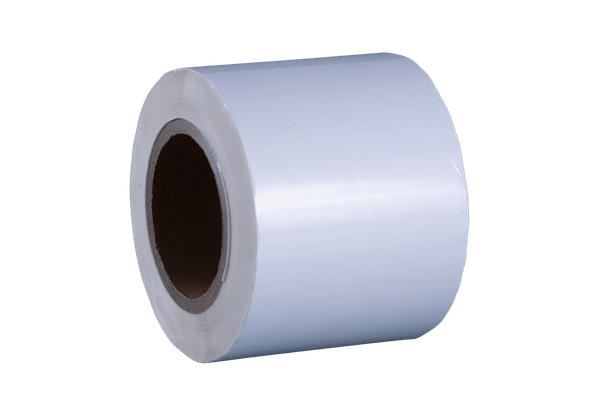
Substrates
Glassine SCK · CCK · PET · BOPP · Synthetic
Adhesive Pairings
Hot-melt · Water-based · Acrylic
Release Force
Light · Medium · Tight (FINAT FTM 3)
Coating Profile
C1S & C2S · Differential 2:1, 3:1
Compliance
ISO 9001 · FSC · RoHS
Regional Stock
China · Thailand · Vietnam
The Converting Headache
From Web Break to Wasted Adhesive — Why Your Release Liner Decides Line Throughput
A release liner – otherwise known as release paper or release papers when the carrier is paper-based – is a paper or film substrate coated with a release agent such as silicone (or a non-silicone replacement) to produce a non-stick surface that protects a self-adhesive layer while in transit and in situ until it is used in a finished product. Silicone release paper and silicone release liner serve identical functions: easy release of the adhesive product, low-friction surface with no residue, dimensional stability through die-cutting and converting. It might look like an unassuming passive component, but it manages three of the costliest factors in label production: web stability at high speeds, adhesive uniformity through die-cutting, and the percentage of every roll that becomes waste. When the release liner is inadequate for the adhesive system, a coater can measure the difference: the Dwell Time Dam across every shift begins to cost more.
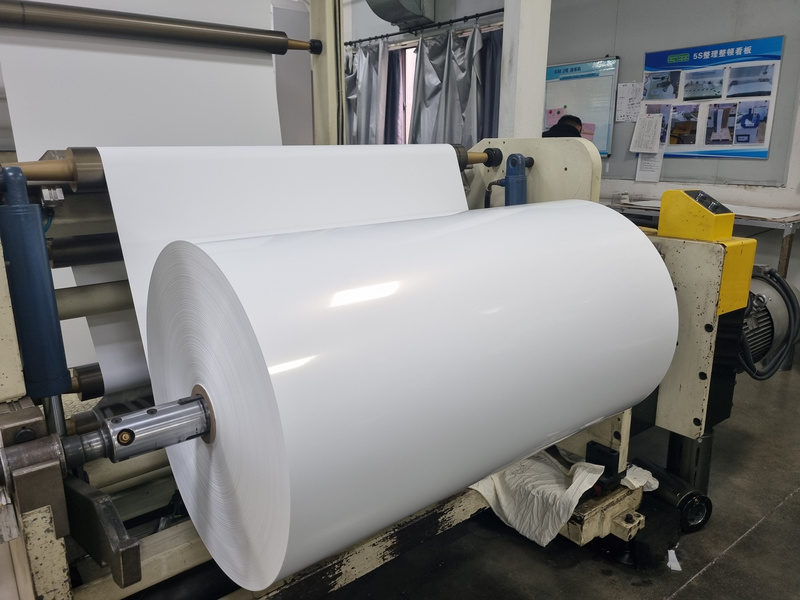
Pain 1
Web-break auto-dispensing lines running 200-300m/min torture glassine with barely adequate calendering – one web break and, often, a full shift of production is lost, as the line must be reset and fed back through the calender to the bad roll . The loss of the North American release liner supply following the closure of the Pixelle mill forced converters to seek producers with reliable dimensional stability.
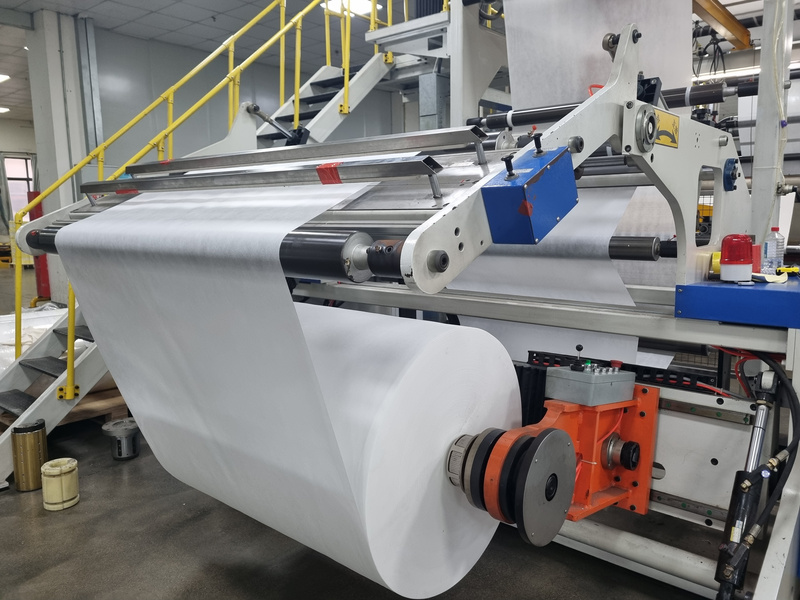
Pain 2
Adhesive Residue – as the silicone mist settles on high-velocity coating lines it blankets printing heads and shipping rollers with a residue forcing unplanned cleaning cycles. PFFC’s 2017 report on global release-liner production identified misting as a recurring constraint in converting and dispensing operations.
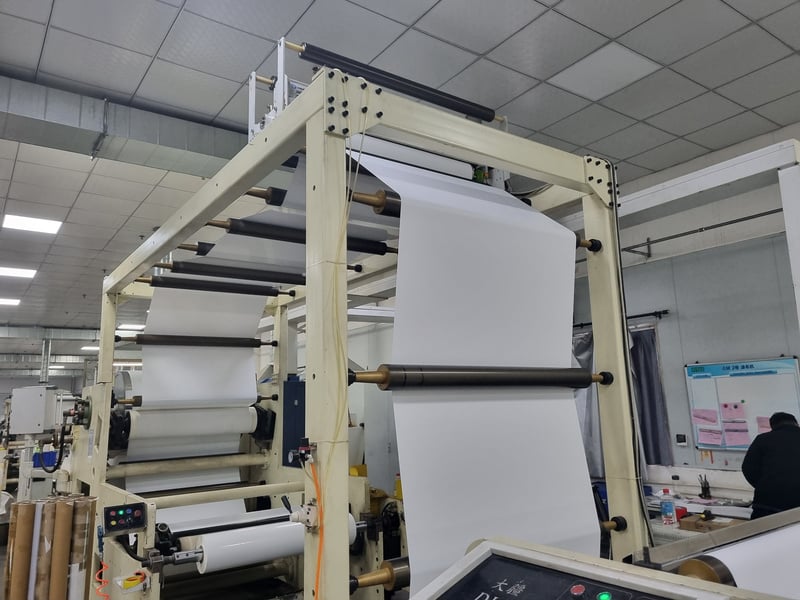
Pain 3
Leadtime – conventional runs for label and release-liner orders are 4-6 weeks before stock for immediate distribution or Customs clearance can be calculated in . With a global markets CAGR of 3.4 through 2027 (AWA Release Liner Market Report 2025), time is at a premium, especially for consumers.
We produce release paper and release liners to keep those three variables working in your favor. Each substrate we coat and stock – glassine SCK, clay-coated kraft (CCK), silicone-coated PET, BOPP, synthetic paper – is matched to a documented release-force tier and tested to stabilizers with a proven adhesive system at our Haiyan plant, then warehoused at regional stock points in Thailand and Vietnam so demand for SMEs in South America, Europe, and ASEAN region can be serviced without reroute through a Chinese port.
Better we learned that a tiny 5% deviation in calendering profile in a mold shows up as a 15% web-break rate on a 300 m/min line. Finally every release liner we send out to our customers is checked against a rub-off test on our clean-up line and a release-force check.
Release Paper & Liner Range — Glassine SCK, CCK
Self-adhesive label converters generally range from paper-based release liners (glassine and CCK) used for most label work, to film release liners (silicone-coated PET, BOPP) for in-heat and sweaty environments.

Paper · Light–Medium release
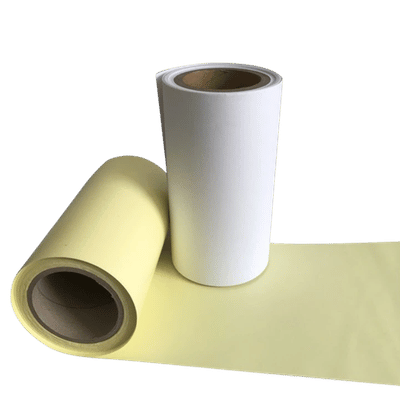
Glassine SCK
Super-calendered kraft with an extremely tight caliper tolerance. The most common release liner used in label converting due to excels in die-cutting and smooth surface. Ideal for primary labels for food, cosmetics, and high speed roll-label application.
Basis weight
35–120 gsm
Heat resistance
up to 130°C
Die-cut tolerance
Excellent
Coating
C1S · differential C2S
Paper · Medium–Tight release
Clay-Coated Kraft (CCK) Release Paper
Kraft sheet with a clay coating below the silicone layer. A clay layer added to improve the dimensional stability and increase its heat tolerance. CCK is chosen for high temperature labeling lines, clear face-stocks, and reverse-side printing.
Basis weight
60–135 gsm
Heat resistance
up to 180°C
Surface
High smoothness, even thickness
Coating
C1S · reverse-print capable
Decision Matrix · Industry Authority Hook
Glassine vs CCK vs Film — Choose by Release Force, Die-Cutting Tolerance & Cost Tier
Choice of release-liner is not a loyalty issue. It is a three-dimensional – how aggressive is the adhesive, what release force is required after application, how much stability is needed in the finished product in the presence of humidity and heat – issue. This matrix summarizes the all coatings and substrates available from us against those three parameters, with die-cut tolerance and price tier indicated so that purchasing and designing can collaborate effectively.
Light release · 0.05–0.5 N/in
Medium · 0.5–1.5 N/in
Tight · 1.5–3.0 N/in
(Industry typical, FINAT FTM 3 method)
| SUBSTRATE | GSM / µm RANGE | RELEASE FORCE TIER (FINAT FTM 3) |
HEAT RESIST | DIE-CUT TOLERANCE | COST TIER | BEST-FOR APPLICATION |
|---|---|---|---|---|---|---|
| Glassine SCK | 35–120 gsm |
LIGHT
MEDIUM
|
up to 130°C | Excellent (very narrow caliper) | $ Standard | High-speed roll labels, primary food & cosmetic labels |
| Clay-Coated Kraft (CCK) | 60–135 gsm |
LIGHT
TIGHT
|
up to 180°C | Good (clay layer adds stability) | $$ Mid | High-temp labeling, reverse-print, transparency-critical labels |
| Silicone-Coated PET | 23–75 µm |
MEDIUM
TIGHT
|
up to 150°C | Excellent (dimensional stability) | $$$ Specialty | Vehicle vinyl wraps, durable decals, graphic-arts long runs |
| Silicone-Coated BOPP | 20–80 µm |
LIGHT
TIGHT
|
up to 110°C | Good | $$ Mid | Cosmetic clear labels, shrink & tamper-evident closures |
| Synthetic Paper (BOPP/HDPE) |
54–100 µm |
MEDIUM
TIGHT
|
up to 100°C | Good | $$$ Specialty | Outdoor labels, chemical drums, durable power-tool identification |
Selection in plain language
Labeling 200-300 m/min on automatic dispensing equipment with a common hot melt adhesive requires that you choose your release liner wisely. For example, glassine SCK between 60 and 80 gsm and a light-to-medium release tier will succeed for 80% of jobs in your high-speed process. Switch to CCK for hot-label stations that generate some heat; for example tire labels that have to stand up to vulcanization temperatures, or chemical-drum labels with aggressive solvent-based adhesives that need a kraft barrier layer. Go to silicone-coated PET when stability is needed more than optimum cost; vessel-wrap style manufacturers and large-format graphic-art converters cannot stand the humidity-driven curl common to glassine. BOPP covers transparent cosmetic labels where optical clarity in the liner counts; synthetic paper provides outdoor durability for corrugated box labeling and outdoor shipping labels.
Release force should be specified in two numbers: the application speed (m/min) and the adhesive aggressiveness (low-tack removable, standard PSA, or aggressive permanent). An aggressive permanent adhesive on a high speed line generally needs a light release, while a removable adhesive on a slow line generally needs a tight release so the label does not shed prematurely. C2S differential ratios – 2:1 and 3:1 are standard – allow you to develop adhesives transfer for double-coated tape constructions.
Applications
Application Industries — From Pharmaceutical Bandages to Wine Labels & Vehicle Vinyl Wraps
Release liners are the silent component deciding whether an adhesive product passes the requirements of storage, handing and end-use. The applications below high light where our release paper and liner stock presently ships, and what the specific application feels is the most important.

Medical · regulated
Pharmaceutical & Medical Labels
Medical applications include wound dressings, transdermal patches, surgical tapes, wound-care securement, blood-bag tubing and ECG/grounding pad backings. Release liners in this sector must be totally uniform to peel ability from batch to batch, as the consumer-facing adhesive can never leave a residual deposit. Both silicone-coated and non-silicone (fluorosilicone) coated options are available from our facility for medical-grade adhesives.
Industrial · high temp
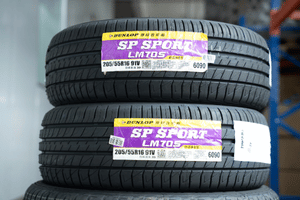
Tire Labels
Tire-side labels must survive a vulcanization process and withstand several years of outdoor conditions. The specification is typically 90-120 gsm CCK release paper, with a tight-release tier and an aggressive permanent acrylic adhesive. Our RD team can customize the release force to suit tire-curing line speeds.
Industrial · narrow web
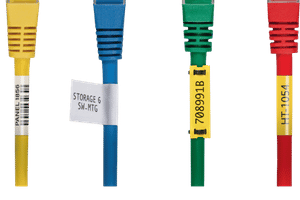
Cable & Wire Labels
Narrow wire and cable identification labels require excellent die-cut tolerances and dimensional stability on unwinding from tight cores. Glassine SCK on 60-75 gsm supports indoor application, while PET liner with stands more harsh environments.

Cold chain
Freezer & Cold-Storage Labels
Frozen food, meat and fish labelling require excellent release-force properties at sub-zero temperatures. The adhesive must peel cleanly from the liner with no tearing or wicking at the point of application, especially on condensation coated surfaces. Our typical specification is 90-120gsm CCK with a light release, combined with a low temperature water-based adhesive.
Removable
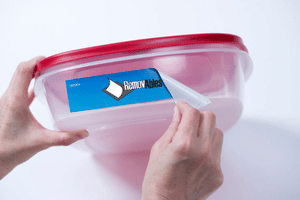
Removable & Wipes-Lid Labels
Removable wet-wipe lid-stock and household labels require a severe tight release from the liner face, and a low-tack repositionable adhesive on the face. This prevents lid separation during shelf life, while allowing repositioning before use.
Aggressive · chemical
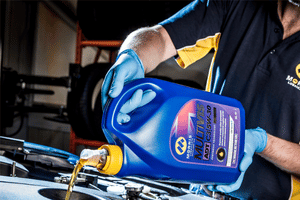
Chemical Drum & Aggressive-Adhesive Labels
Chemical tonneau collection labels are subjected to the effect of oil, solvents and surfacants. Our usual stack is a synthetic paper or PET face with an aggressive acrylic adhesive combined with a CCK release liner. Our RD team develops specialized silicone coating formulations to produce high aggressiveness release liners with non-residue release.
FDA-aware
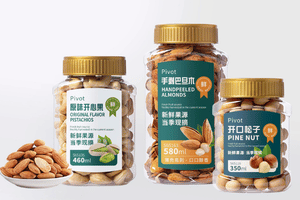
Food Packaging Labels
Direct food contact label stock requires migration efficiency adhesive systems. The release liner does not contact the food, but it must not introduce silicone migration into the adhesive during storage. Low silicone-migration loadings are produced on request — a specification that food brand owners globally now ask about more frequently.

Premium
Beverage & Wine Labels
A release liner here must handle wet-condensation surfaces and high-end aesthetics; it must protect the print and let an acrylic clear adhesive cure under cold-chain conditions. For premium beverage presentations CCK with a medium release and acrylic PSA is usual.
Customer Outcomes & Quality Assurance — ISO 9001, FSC, EU RoHS
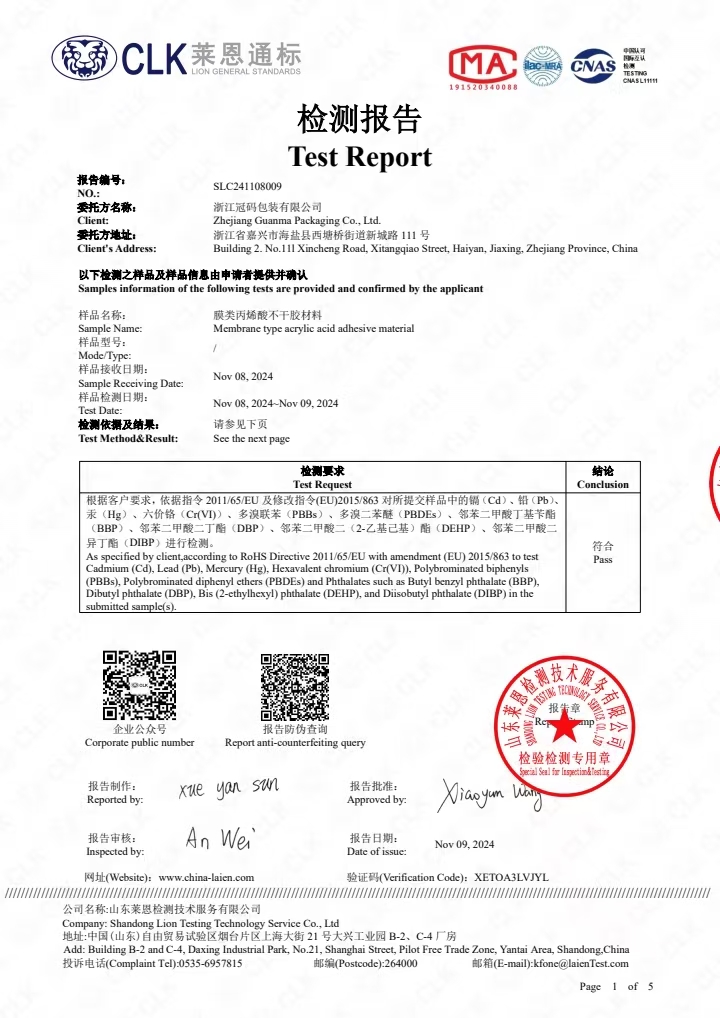
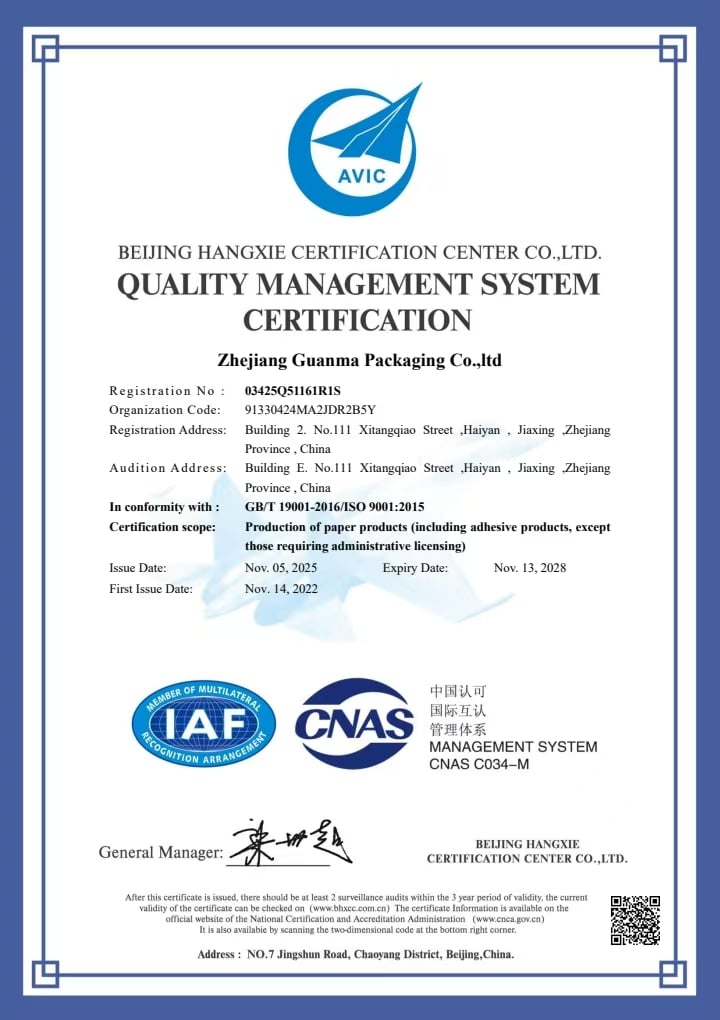
Release liner is a trust component. Today brand owners now transfer FSC chain-of-custody, RoHS migration limits and ISO 9001 process audits to their label converters who transfers them to us. Each and every roll we send out of the line leaves the line not only with those three standards reconciliation; release-force pulls-on FINAT FTM 3 jigs and a calendering check.
Quality
ISO 9001:2015
Quality Management System
Forestry
FSC Chain-of-Custody
Cert. RR-COC-002209
EU RoHS
2011/65/EU
+ 2015/863 amendments
Experience
10+ Years Operation
Coating · Laminating · Converting
TCO Snapshot · Silver Tier
Why Regional Stock Changes Your Lead-Time Math
North American converters lost approximately 20–30% of their release-liner supply when the Pixelle paper mill closed, and standard production lead time on new orders now runs four to six weeks across most converters. Our regional stock points in Thailand and Vietnam generally cut that time down for converters located in SE Asia, South America, and some parts of Europe – given the tariff risk or schedule delay of shipping from a single Chinese port
- Industry standard production lead time: 4-6 weeks
- Growth of release-liner market (AWA): 4.8% in 2024 and 3.4% CAGR forecasted through 2027
- Regional stock buffer effect: average decompression of lead-time variance under simultaneous sourcing from multiple ports
Precisely the application and order quantity depend. Just ask for individual lead time analysis.
Our quality discipline in three habits
01
Check calander for each roll. Glassine SCK, CCK are asisde calendered on our calender lines and sampled for caliper consistency before slit. The web-break rate on our customers high speed lines is the parameters we observe.
02
Release-force pull per batch. We pull a release-force value on all adhesive coated to the FINAT FTM 3 jigs. This data is filed against batch number so that converters may audit our specification claims.
03
Three-region inventory program. Stock at Haiyan (china), Thai-land, and Vietnam is replenished on a rolling six-week schedule indexed against converging forecasts from regional customers. Brand owners requesting FSC chain-of-custody documentation obtain certificates with every shipment.
 🔍 View
 🔍 View
 🔍 View
→ Verify our certifications and chain-of-custody documentation:
Request Compliance Pack
×
![Enlarged Document]()
Procurement Transparency
Sourcing Release Liner from Guanma — MOQ, Lead Time & Sample Program
Release-liner procurement is now beyond a price exercise. the European market contracted sharply in 2023 and is recovering through 2024-2027, the supply-chain disruption is the true cost driver. We publish here our procurement framework so that engineering and procurement can plan from the same playbook.
01
Inquiry
Send adhesive system, application speed, and end-use. We respond with a substrate & release-force shortlist within one business day.
02
Free Sample
Free samples up to a working area sized for line-trial validation. Specialty silicone formulations are quoted separately.
03
Spec Confirmation
Joint specification review covering caliper, release force, slit width, core, and packaging — signed off before production.
04
MOQ Production
Production from our regional stock points in China, Thailand, or Vietnam, with documented compliance certificates per shipment.
Procurement framework — pricing factors and lead-time drivers
Our quote shown indicates 4 cost dimensions and 2 lead-time dimensions. Forward looking engineers and procurement people knows this will produce the quote sooner.
Cost dimensions
What drives the unit priceSubstrate & basis weight — glassine 35–120 gsm vs CCK 60–135 gsm vs PET 23–75 µm change the raw-material cost band materially.
Coating profile – C1S (one side) vs C2S (both sides, possibly differential 2:1 or 3:1) dictates silicone consumption.
Release-force tier & silicone formulation – light, medium, tight; standard dimethyl silicone vs fluorosilicone or solventless UV-cure.
Slit width & finishing – custom slit widths, sheet conversion, traverse winding, reverse-print capability all add converting steps.
Lead-time dimensions
What drives the delivery windowStock vs custom – standard substrate & release-force combinations ship from regional stock; specialty formulations enter the production queue.
Origin point – Haiyan, Thailand, or Vietnam stock; the closest origin to your converting plant is typically the fastest route.
Industry baseline – production lead time across converters is roughly 4-6 weeks for new label and release-liner orders .
Compliance documentation – FSC chain-of-custody and RoHS test reports are produced per shipment; allow extra working days for first-time customers.
Why direct from the manufacturer
We coat, laminate, and convert the release liner ourselves rather than reselling third-party stock. Four practical consequences of that:
Specification flexibility.
Substrate, adhesive, release force, and silicone formulation can be combined to match your line – not picked from a fixed catalog.
Direct quality accountability.
Calendering, silicone coating, and release-force pull all happen on our equipment, so a complaint goes back to the operator who ran the roll.
Regional inventory programs.
Stock at Thailand and Vietnam reduces freight days for Southeast Asian and European converters and softens single-port supply risk.
Direct R&D access.
Specialty adaptations – high-temp, oil-resistant, outdoor durable – are scoped directly with our R&D team without an intermediary brief.
Specialty Adaptations
Specialty Adaptations — High/Low Temp, Oil & Chemical Resistance, Outdoor Durability
Standard release liners cover most jobs. The remaining 10-15% – the jobs that broke under a standard liner – is where our R&D team earns its place. Four specialty tracks cover almost every escalation we have shipped against in the last five years.
High-temperature labeling lines (150°C+)
Hot-melt labeling stations and tire-curing applications need a release liner that holds dimensional stability above the standard glassine ceiling. CCK at 90-135 gsm with a tight-release silicone formulation is our base recipe; for vulcanization-adjacent applications we add a heat-cured or UV-cure silicone with reduced thermal migration; UV cure silicone is also our default for solventless release-coating runs.
Low-temperature & freezer applications
Cold-chain labels demand release-force consistency at sub-zero temperatures and on condensation-coated surfaces. Our cold-stable silicone formulations preserve peel behavior on water-based and acrylic PSAs that would otherwise wick or freeze-bond.
Oil & aggressive-adhesive resistance
Chemical-drum labels and industrial maintenance labels face oil, solvent, and aggressive permanent adhesives that bond to standard liners. We supply non-silicone and fluorosilicone release coatings for these applications, plus solventless UV-cure systems where solvent residue would compromise downstream processes.
Outdoor weatherability & UV durability
Vehicle vinyl wraps, outdoor power-tool identification, automotive decals, and reflective safety films demand a release liner with UV-stable silicone and a PET carrier for dimensional stability. The combination prevents the curl and silicone yellowing that paper-based liners develop under prolonged UV exposure, and our solventless UV-cure silicone option further reduces solvent migration into UV-sensitive face stocks.
In this category, customization is not usually a single-axis variation. A premium release liner for chemical-drum application labels pairs a CCK substrate, a (non-silicone or fluorosilicone) release coating and a tight release tier, while a premium outdoor automotive vinyl application use a silicone-coated polyester base with UV-stable additives and a medium release. Our converter solutions team scopes these stacks relative to your line speed and adhesive aggressiveness, and our converting processes are managed on a per-batch basis to ensure the final specification matches the design.
Sustainability tracks we are watching closely
Release-liner manufacturers are in the second phase of their sustainability transition. TLMI launched its Liner Recycling Initiative in mid-2024, working with Sustana Solutions and Resource Recycling Systems to organize paper-liner recycling logistics at eight US and Canadian recovery locations.
Our current pilot covers Chicagoland and the Northeast US; converters and brand owners in Asia, the Middle East, and most of Europe still operate without a formal liner-recycling pathway. We are monitoring that gap keenly and currently providing FSC chain-of-custody paper-based liners and low-silicone-loading variants, ready for the recycling initiatives of the future.
Operational Excellence
State-of-the-Art Production Facility
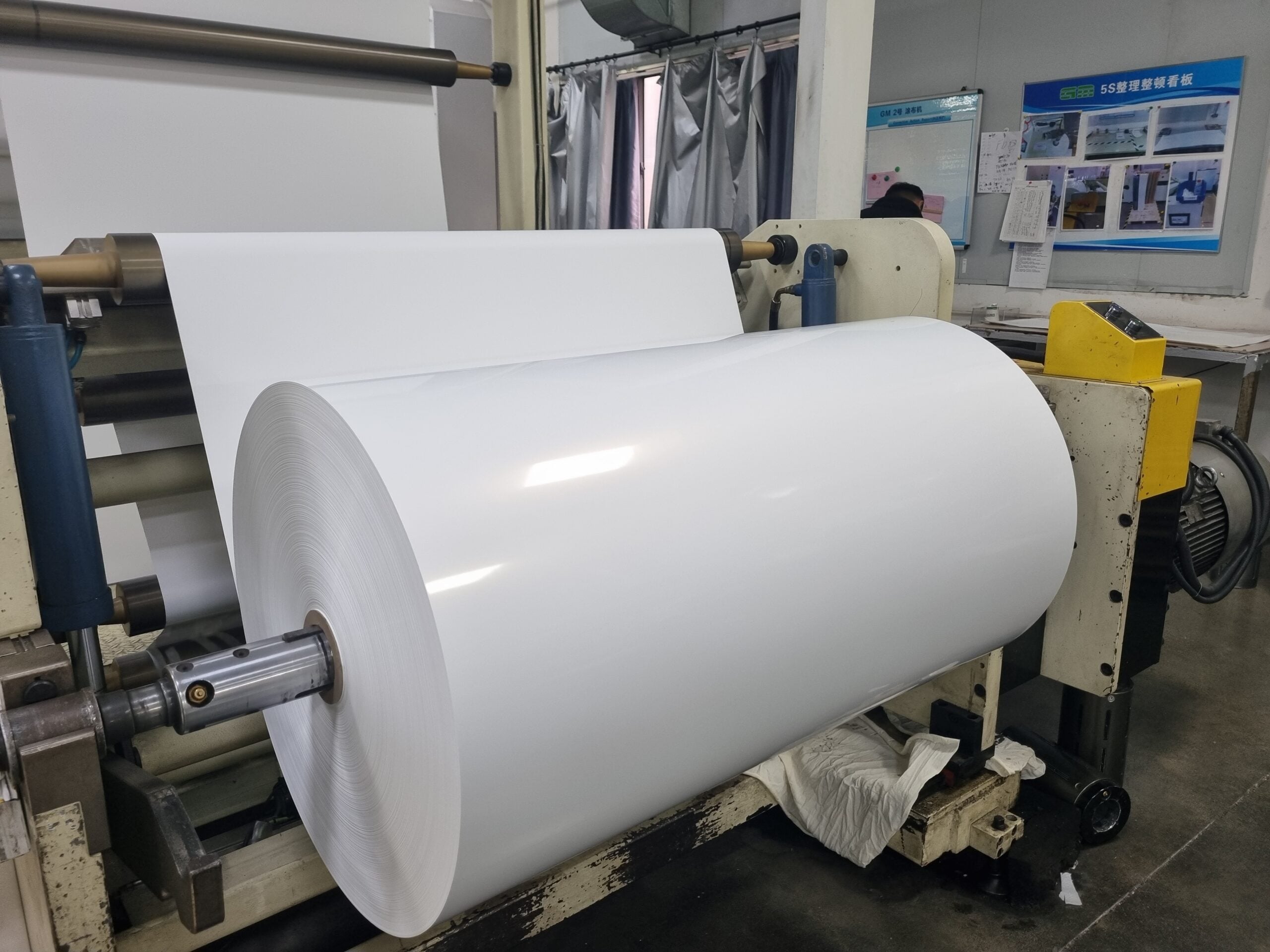
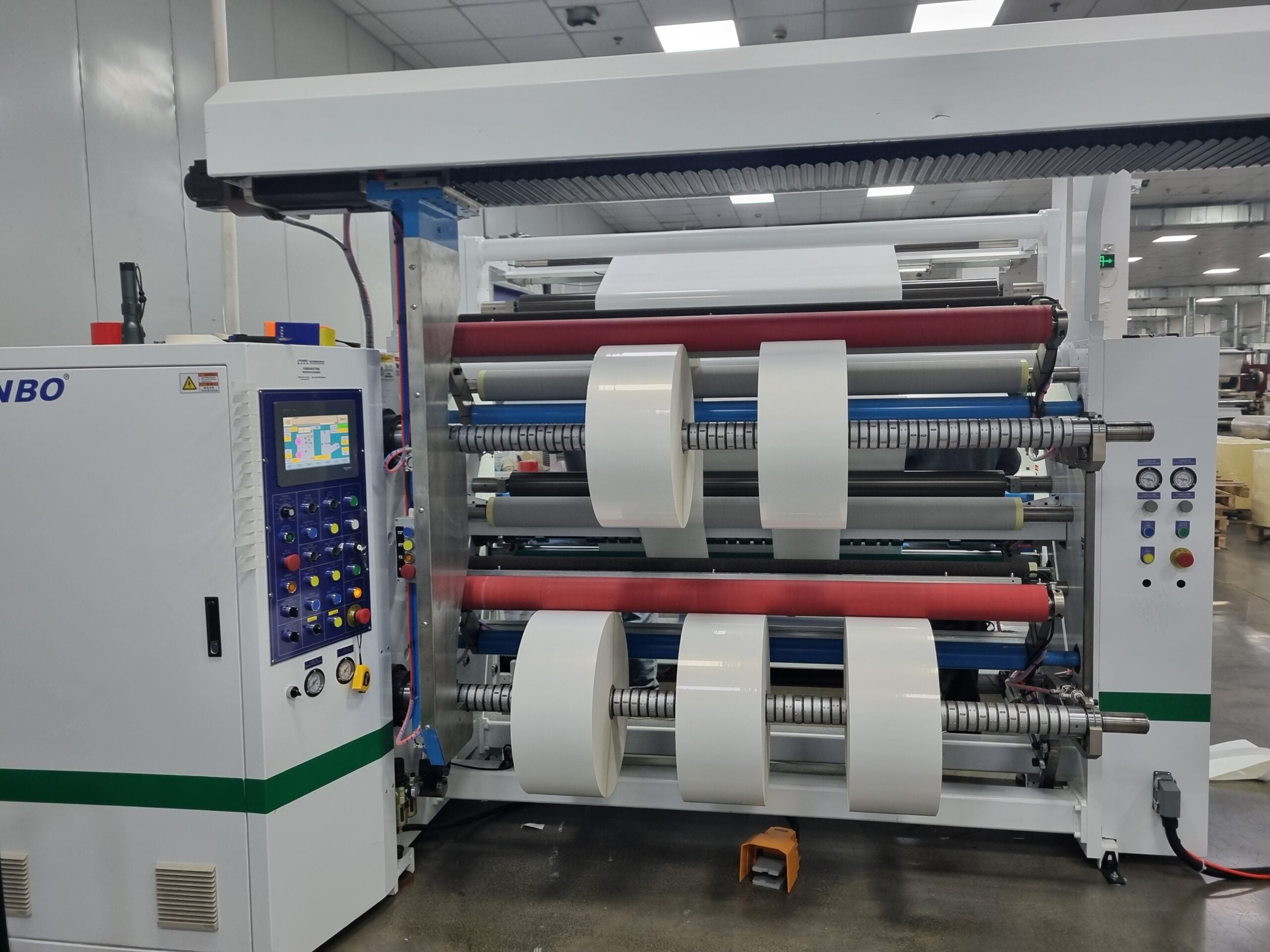
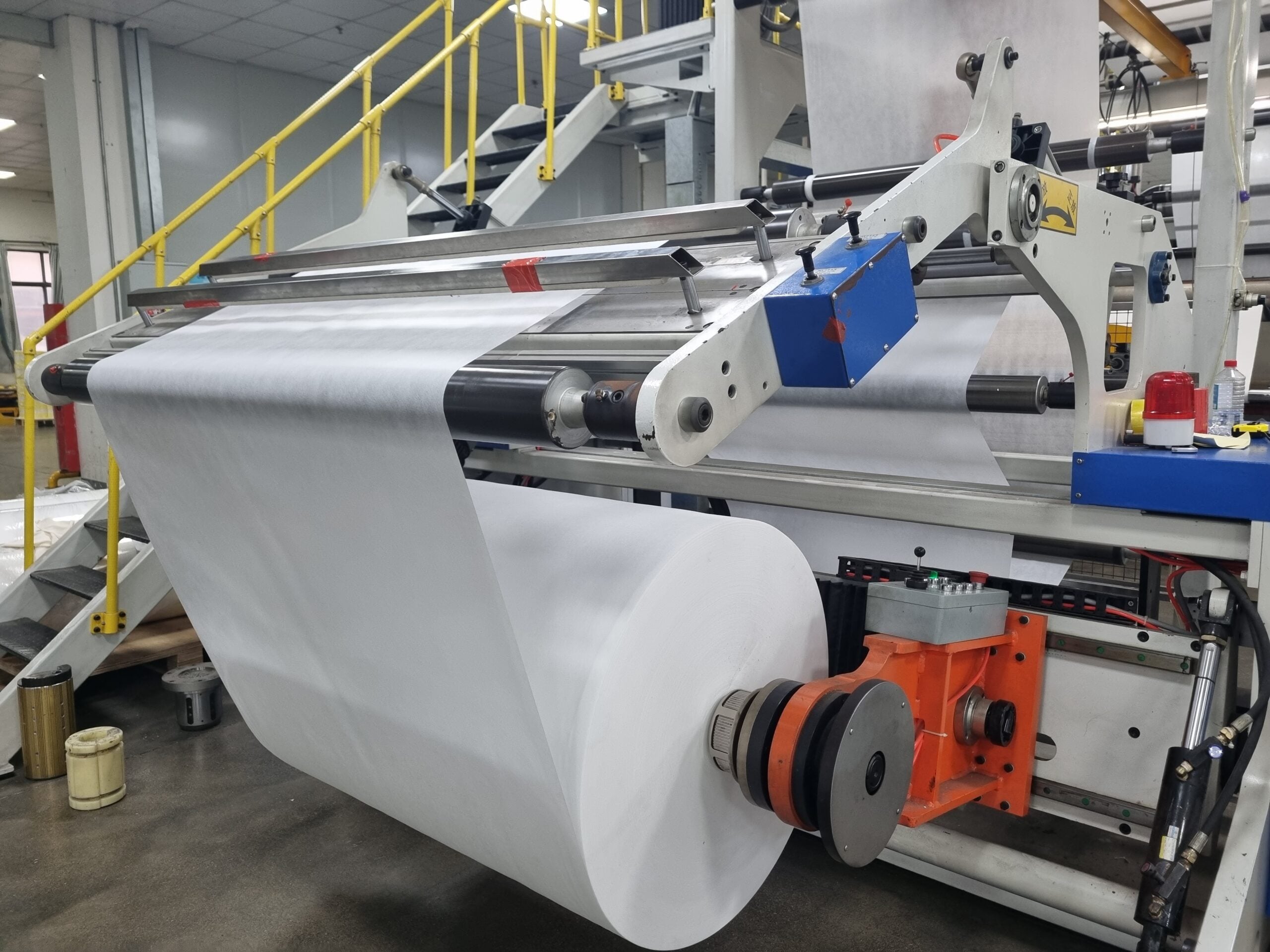
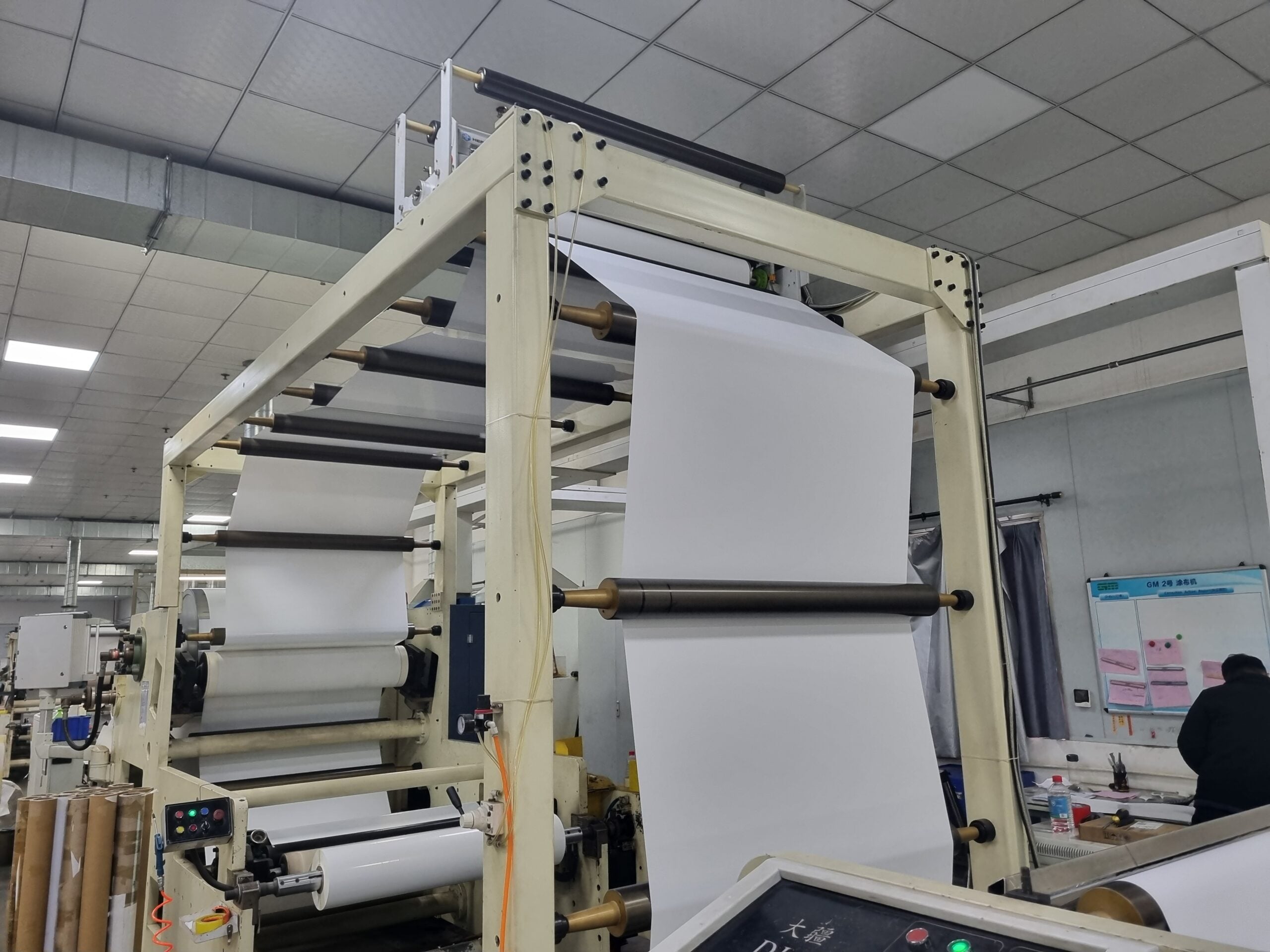
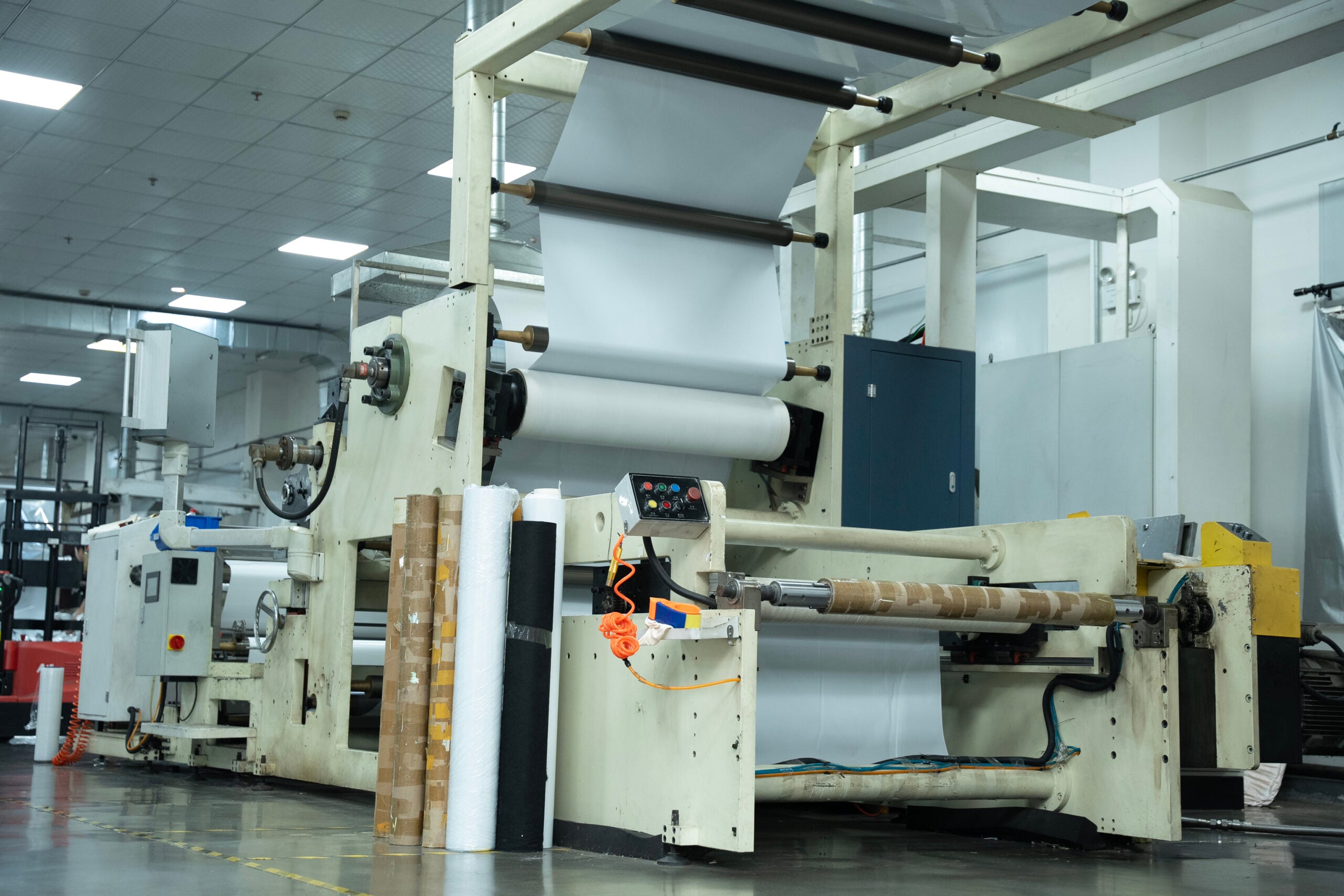
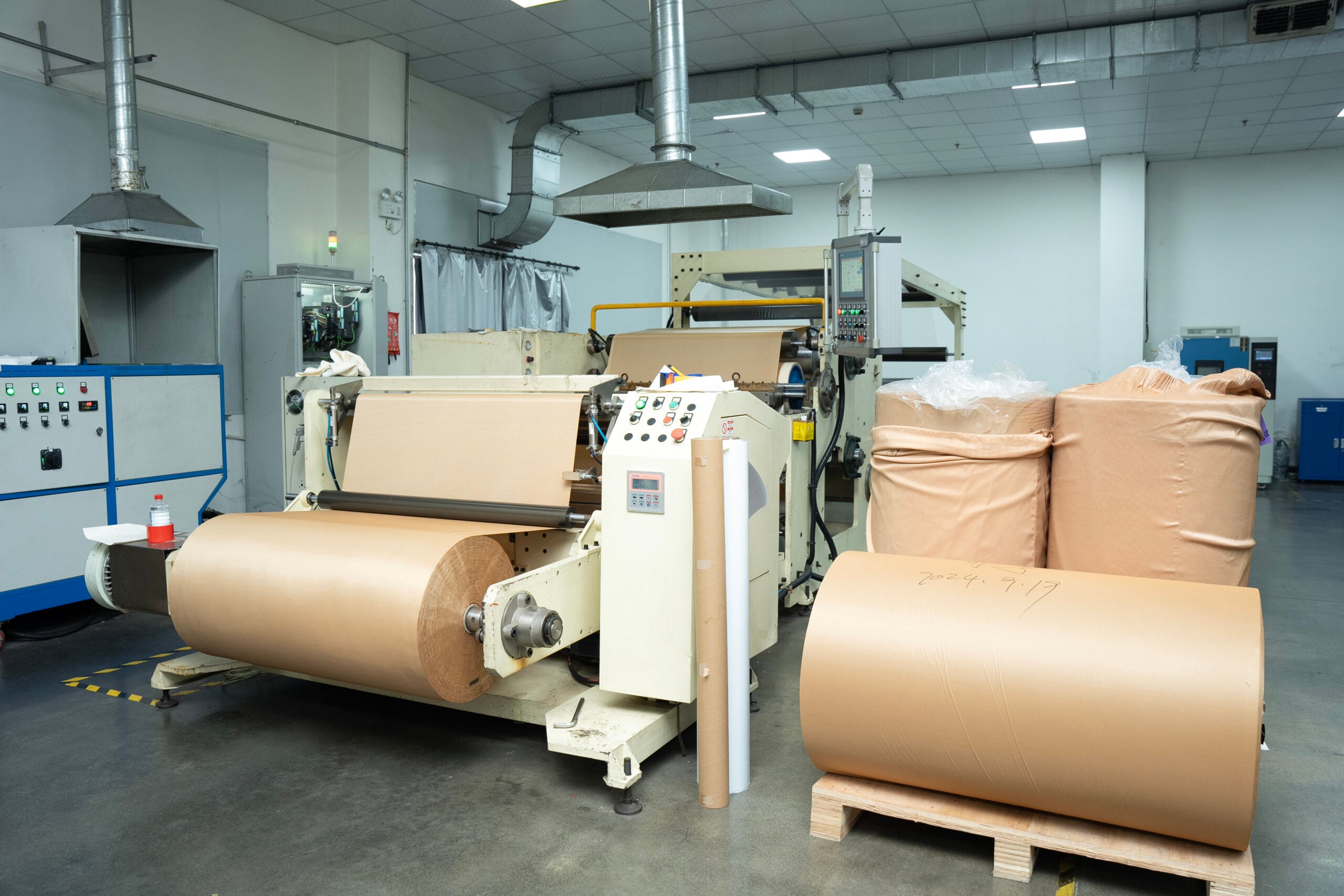
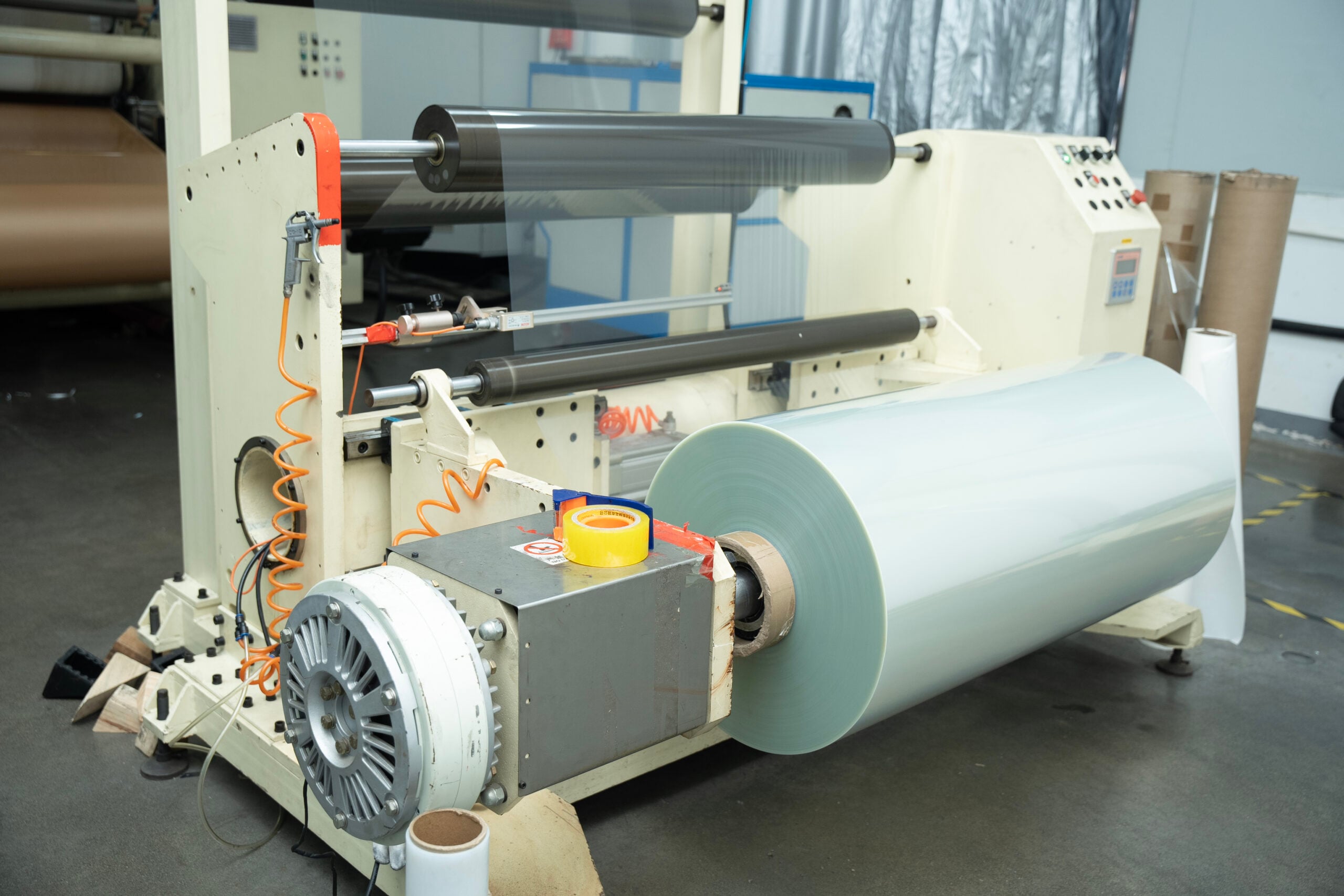
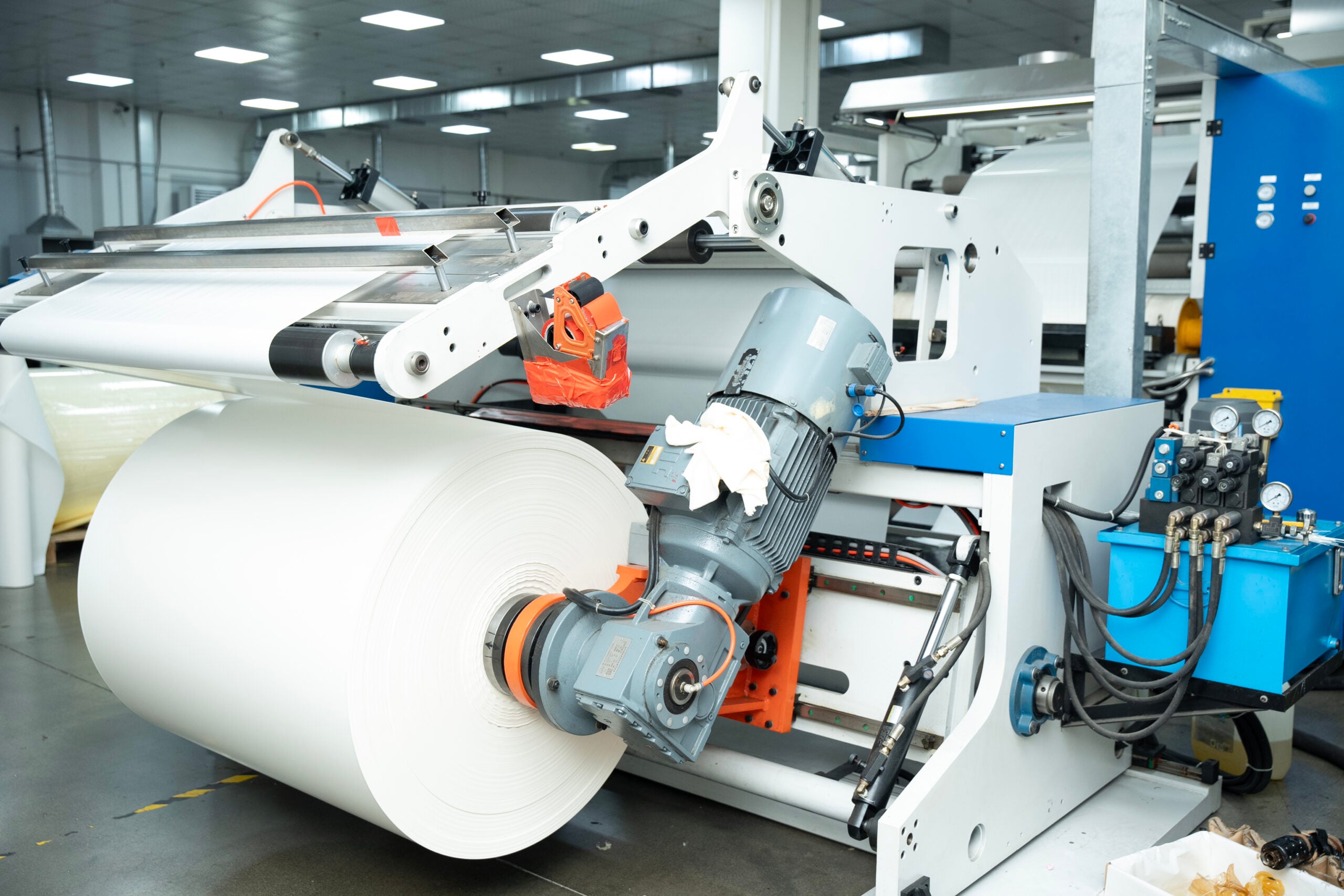
Digital Capabilities
Interactive Procurement & Engineering Tools
Leverage our proprietary calculators to specify your exact release force requirements, forecast production lead times, and optimize regional stock routing for your supply chain. These tools bridge the gap between engineering specifications and procurement planning.
Engineering Tool
Release Force Selector — Pick Your Release Liner Spec
Determine the optimal release force (FINAT FTM 3) for your specific adhesive pairing, dispensing speed, and converting application to prevent web breaks and premature shedding.
Launch Tool →
Procurement Tool
Release Liner Lead-Time Estimator
Calculate standard production and delivery windows based on your required substrate type, coating complexity, and current compliance documentation needs.
Launch Tool →
Supply Chain Routing
Lead Time & Regional Stock Estimator — Release Liner
Advanced routing engine integrating real-time insights from our Haiyan, Thailand, and Vietnam stock points to mitigate single-port risks and decompress your lead-time variance.
Launch Tool →
SPECIFY
Ready to specify your release liner?
Send the adhesives system, application speed and end-use, and we’ll send you a shortlist of substrate and release-force in one business day. Free samples available for converter line-trials.
FAQ
FAQ
Release Liner & Release Paper Selection — Frequently Asked Questions
Which release liner is best for high-speed automatic dispensing?
Industry specification for 200–300 m/min auto-dispensing of standard pressure-sensitive labels is a 60–80 gsm glassine SCK with a light-to-medium release-force tier. Narrow caliper tolerance is what keeps web breaks and slip rates low in high-speed dispensing. For faster lines – over 300 m/min – or applications requiring abrasive die-cutting, silicone-coated PET offers superior dimensional stability over long unwinds.
What release force should I specify for my pressure-sensitive adhesive?
Specify a pair of values: the required application speed and the adhesive aggressiveness. For a high speed line running an aggressive permanent adhesive, the label application value is typically a tight release (1.5-3.0 N/in measured per FINAT FTM 3) to permit a clean separation and application of the label. Conversely, a slow line using a removable or very low-tack adhesive will need a light release (0.05-0.5 N/in) to prevent premature separation. The above are an industrial norm – we measure with our test jig the actual release-force per adhesive system and modify the silicone formulation to achieve the desired result.
What is silicone release liner used for, and is it food-safe?
Silicone release liner is used in pressure-sensitive label converting, medical adhesives backing (wound dressings, transdermal patches, surgical tape), tape converting, hygiene products, graphic-arts applications, and industrial label manufacture. For labels on food packaging products, the release liner is not in contact with the food but the adhesive system that contacts the label face has to stay below agreed Food-Contact-Migration limits. We offer low-silicone-loading liners in all substrates for applications where brand owners would like to see less silicone migration into the adhesive layer.
Are silicone release liners recyclable or sustainable?
Food-contact, paper-based silicone release liner is recyclable in de-inking processes that remove silicone, ink and adhesive residue. We began the TLMI Liner Recycling Initiative in July of 2024 with Sustana Solutions, which is currently rolling out in the Chicagoland area as well as Northeast US locations. Europe mill operations have begun incorporating low percentages of release liner into recycled fiber feedstock but an accepted test methodology has not yet been adopted. We offer FSC chain-of-custody paper liners and low-silicone-loading options on spec today so converter partners can prepare for the future as brand owners and regulators put more pressure on liner waste.
What is the difference between paper-based and PET / polyester film release liners?
Paper-based liners (glassine, CCK) make up approximately 90% of the market and deliver the lowest overall cost to the converter, are widely accepted in recycling programs, and work for die-cut applications. PET film liners represent approximately 10% of the label market for those case applications where dimensional stability in humid environments, automation friendliness, and outdoor durability trump cost considerations. Vehicle vinyl wraps, large-format graphic-arts, and long-term outdoor labels print using PET or BOPP face-stock and require PET release liners. Cosmetics labels or shrink sleeves are better produced on BOPP liners.
Where can I buy release liner directly from a manufacturer in Asia?
Guanma coats and converts release liner at our Haiyan, Zhejiang, China facility and stocks regional inventory at Thailand, and Vietnam to serve label converters in Southeast Asia, South America, or Europe. Ordering directly from the mill ensures you’re getting the specific profile you need, allows for close cooperation with our manufacturing program, and gives you access to our R&D department for custom design work. Use the Request Quote action above and we will get back to you with a shortlist of specifications and estimated delivery time within one business day.
What is your typical MOQ, lead time, and sample policy?
MOQ is quoted by substrate, grade and slit-width. Standard substrates (glassines SCK, CCK) in stock from our regional stock for common slit widths typically ship before the 4-6 week industry norm for new builds. Unique formulations (fluorosilicone, low-silicone-loading, custom release-force ratios) are staffed for R&D development and quoted separately. Standard free samples for testing with your chosen converters up to a size appropriate for line-trial validation are provided. Request your quote today by including your order details.
Can you customize release force, silicone weight, and substrate combination?
Yes. Our plant coat and converts release liner from glassine SCK, clay-coated kraft, silicone coated PET, BOPP and synthetic paper and applies hot-melt, water-borne, or acrylic adhesives as well as face-stock specified by the customer. Silicone is formulated and additive levels managed to provide the desired release force. Standard differential ratios of 2:1 and 3:1 across surfaces are used for double-coated tape products. Specialty non-silicone, fluorosilicone, or solventless UV curable adhesive systems are also available.. Our R & D team works hand-in-glove with your engineering to determine the perfect product combination.