Entre em Contato com Guanma
Materiais para rótulos autoadesivos · 2026
Papel release e liner para rótulos autoadesivos — soluções em glassine, CCK e revestidas de silicone
Liner antiaderente projetado para conversão de etiquetas em alta velocidade – cinco substratos, três níveis de força de liberação e produção certificada ISO 9001 + FSC + RoHS em nossa fábrica de Haiyan, com disponibilidade regional na Tailândia e no Vietnã.
Solicite amostra grátis
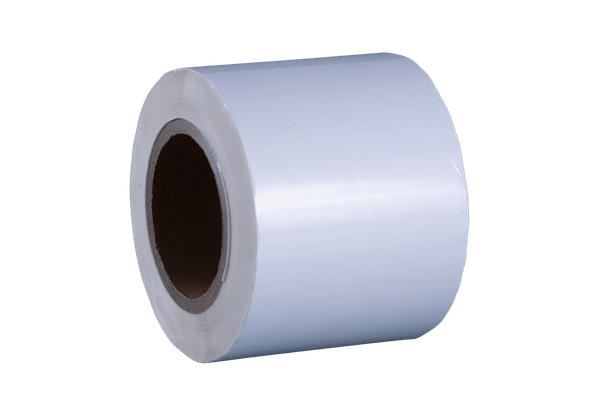
Substratos
Glassine SCK · CCK · PET · BOPP · Sintético
Emparelhamentos Adesivos
Hot-melt · À base de água · Acrílico
Força de liberação
Luz · Médio · Apertado (FINAT FTM 3)
Revestimento Perfil
C1S e C2S · Diferencial 2:1, 3:1
Conformidade
ISO 9001 · FSC · RoHS
Disponibilidade regional de materiais
China · Tailândia · Vietnã
A dor de cabeça conversora
Da quebra de banda ao desperdício de adesivo — por que seu liner antiaderente determina o rendimento da linha
Um liner de liberação – também conhecido como papel release ou papéis release quando o suporte é à base de papel – é um substrato de papel ou filme revestido com um agente de liberação, como silicone (ou um substituto não silicone), para produzir uma superfície antiaderente que protege uma camada autoadesiva durante o transporte e in situ até seu uso em um produto acabado. Papel release de silicone e liner de liberação de silicone desempenham funções idênticas: liberação fácil do produto adesivo, superfície de baixo atrito sem resíduos, estabilidade dimensional durante o meio-corte e a conversão. Pode parecer um componente passivo discreto, mas controla três dos fatores mais caros na produção de rótulos: estabilidade da banda contínua de material em altas velocidades, uniformidade do adesivo durante o meio-corte e a porcentagem de cada bobina que se torna resíduo. Quando o liner de liberação é inadequado para o sistema adesivo, um aplicador de revestimento pode medir a diferença: o Dwell Time Dam em cada turno começa a custar mais.
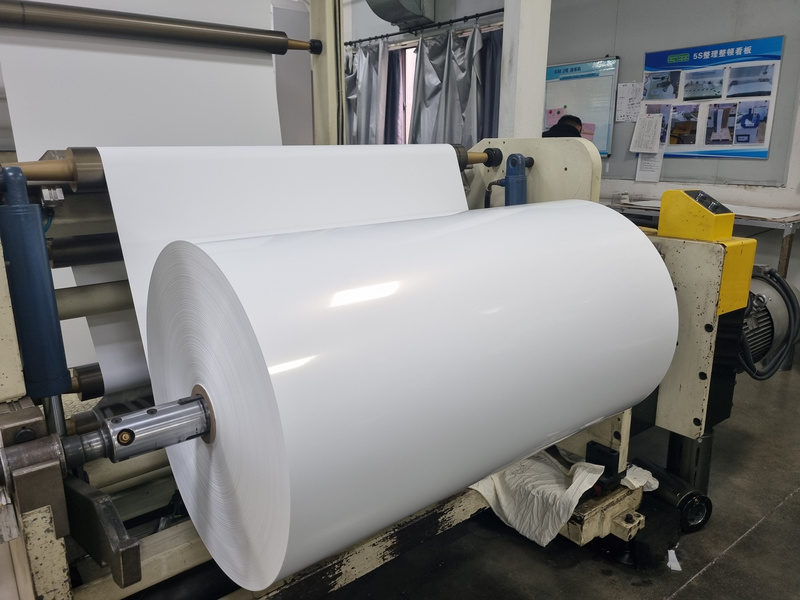
Dor 1
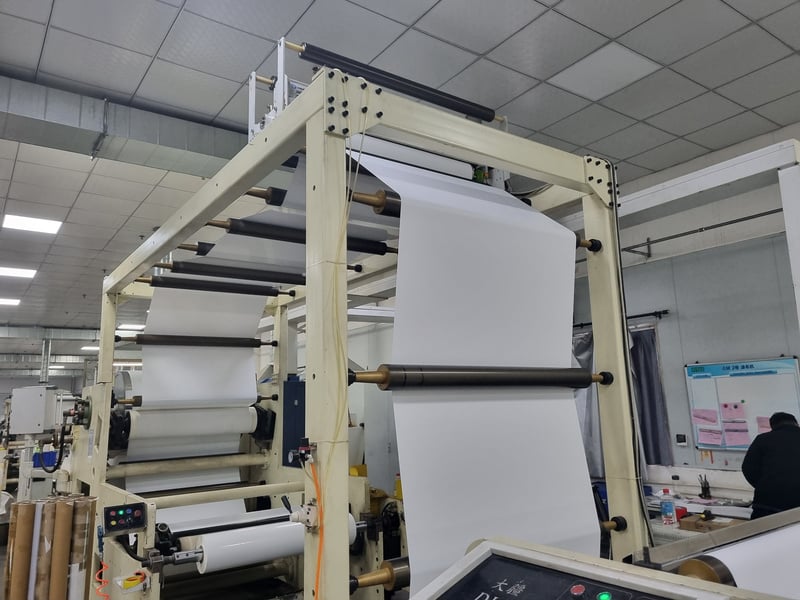
Linhas de dispensação automática com quebras na banda contínua de material operando a 200-300m/min submetem o glassine com calandragem apenas adequada ao limite – uma quebra na banda contínua de material e, muitas vezes, perde-se um turno completo de produção, pois a linha precisa ser reajustada e alimentada novamente pela calandra até a bobina defeituosa . A perda do fornecimento norte-americano de liner de liberação após o fechamento da fábrica Pixelle forçou os convertedores a buscar produtores com estabilidade dimensional confiável.
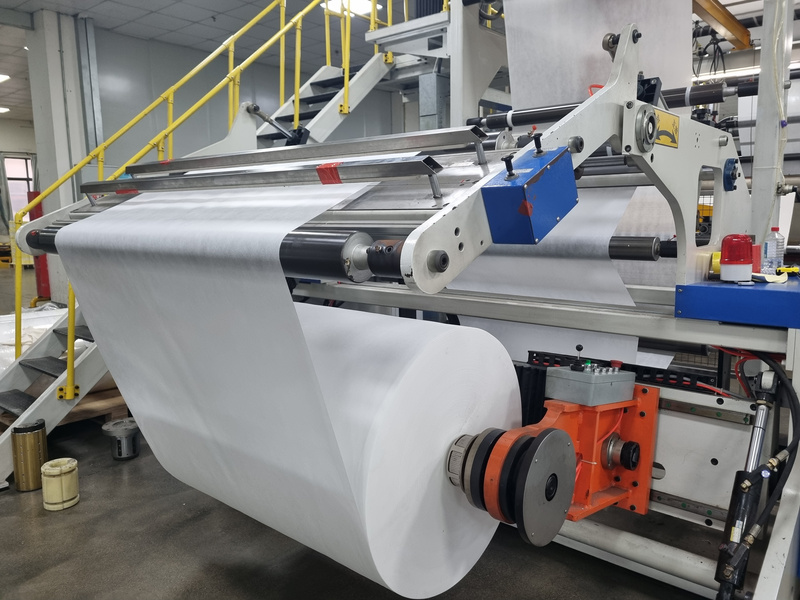
Dor 2
Resíduo Adesivo (Adhesive Residue) à medida que a névoa de silicone se instala em linhas de revestimento de alta velocidade, ela cobre cabeças de impressão e rolos de transporte com ciclos de limpeza não planejados que forçam. O relatório de 2017 da PFFC sobre a produção global de linhas de liberação identificou a nebulização como uma restrição recorrente nas operações de conversão e distribuição.
Dor 3
O tempo de entrega do leadtime 6 para pedidos de etiquetas e liberadores é de 4 semanas antes que o estoque para distribuição imediata ou desembaraço aduaneiro possa ser calculado. Com um CAGR dos mercados globais de 3,4 a 2027 (AWA Release Liner Market Report 2025), está em um prêmio, especialmente para os consumidores.
Produzimos revestimentos de liberação e liberação de papel para manter essas variáveis trabalhando a seu favor. revestimos e revestimos cada substratoK SCK, kraft revestido de argila (CC), PET revestido de silicone, BOPP, papel sintético (combinado com um nível de força de liberação documentada e testado para estabilizar com um sistema adesivo comprovado em nossa fábrica de Haiyan, depois armazenado em pontos de estoque regionais na Tailândia e no Vietnã para que a demanda por PMEs na América do Sul, Europa e região da ASEAN possa ser atendida sem redirecionamento através de um porto chinês.
Aprendemos que um pequeno desvio de 5% no perfil de calandragem em um molde se manifesta como uma taxa de ruptura da banda contínua de material de 15% em uma linha de 300 m/min. Por fim, cada liner de liberação que enviamos aos clientes é verificado por um teste de transferência por atrito em nossa linha de limpeza e por uma verificação de força de liberação.
Linha de papel release e liner — glassine SCK, CCK
Os convertedores de rótulos autoadesivos geralmente utilizam desde liners de liberação à base de papel (glassine e CCK), usados na maior parte dos trabalhos com rótulos, até liners de liberação de filme (PET revestido de silicone, BOPP) para ambientes com calor e transpiração.

Papel · LightMedium liberação
Glassine SCK
Kraft supercalandrado com tolerância de espessura extremamente restrita. O liner de liberação mais comum usado na conversão de rótulos, pois se destaca no meio-corte e pela superfície lisa. Ideal para rótulos primários de alimentos, cosméticos e aplicação de rótulos em bobina de alta velocidade.
Peso básico
35–120 gsm
Resistência ao calor
até 130 °C
Tolerância de corte
Excelente
Revestimento
C1S · diferencial C2S
Papel · MédioLiberação de luz
Papel de liberação Kraft revestido de argila (CCK)
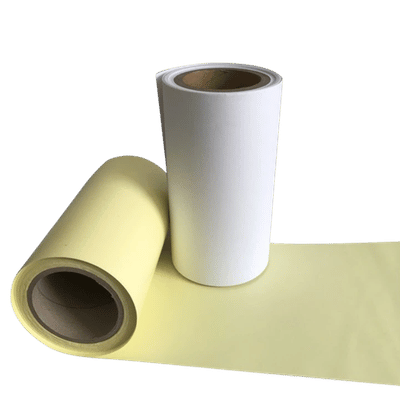
Folha Kraft com um revestimento de argila abaixo da camada de silicone. Uma camada de argila adicionada para melhorar a estabilidade dimensional e aumentar sua tolerância ao calor. CCK é escolhida para linhas de rotulagem de alta temperatura, face-stocks transparentes e impressão reversa.
Peso básico
60–135 gsm
Resistência ao calor
até 180 °C
Superfície
Alta suavidade, até espessura
Revestimento
C1S · capaz de impressão reversa
Matriz de Decisão · Autoridade da Indústria Gancho
Glassine vs CCK vs Film & Cost Tier Escolha por Release Force, Die-Cutting Tolerance & Cost Tier
A escolha do liner de liberação não é uma questão de fidelidade. É uma questão tridimensional – quão agressivo é o adesivo, qual força de liberação é necessária após a aplicação e quanta estabilidade é necessária no produto acabado na presença de umidade e calor. Esta matriz resume todos os revestimentos e substratos disponíveis conosco em relação a esses três parâmetros, com tolerância de meio-corte e faixa de preço indicadas para que compras e projeto possam colaborar de forma eficaz.
Liberação de luz 0,05 · 0,5 N/in
Média · 0,5–1,5 N/in
Alta · 1,5–3,0 N/in
(Típico da indústria, método FINAT FTM 3)
| SUBSTRATO | FAIXA GSM/µm | NÍVEL DE FORÇA DE LIBERAÇÃO (FINAT FTM 3) |
CALOR RESISTIR | TOLERÂNCIA CORTADA | NÍVEL CUSTO | MELHOR PARA APLICAÇÃO |
|---|---|---|---|---|---|---|
| Glassine SCK | 35–120 gsm |
LUZ
MÉDIO
|
até 130 °C | Excelente (espessura muito estreita) | Padrão $ | Etiquetas de rolo de alta velocidade, alimentos primários & rótulos cosméticos |
| Kraft revestido de argila (CCK) | 60–135 gsm |
LUZ
APERTADO
|
até 180 °C | Bom (camada de argila adiciona estabilidade) | $$ Médio | Rotulagem de alta temperatura, impressão reversa e rótulos críticos para a transparência |
| PET revestido de silicone | 23–75 µm |
MÉDIO
APERTADO
|
até 150 °C | Excelente (estabilidade dimensional) | Especialidade $$$ | Envoltórios de vinil para veículos, decalques duráveis, longas tiragens de artes gráficas |
| Bopp revestido de silicone | 20–80 µm |
LUZ
APERTADO
|
até 110 °C | Bom | $$ Médio | Etiquetas transparentes cosméticas, fechos retráteis e invioláveis |
| Papel Sintético (BOPP/HDPE) |
54–100 µm |
MÉDIO
APERTADO
|
até 100 °C | Bom | Especialidade $$$ | Rótulos para uso externo, tambores químicos, identificação de ferramentas elétricas de alta durabilidade |
Seleção em linguagem simples
A rotulagem a 200-300 m/min em equipamentos de dispensação automática com um adesivo hot melt comum exige que você escolha seu liner de liberação com cuidado. Por exemplo, glassine SCK entre 60 e 80 gsm e uma faixa de liberação leve a média terá êxito em 80% dos trabalhos de seu processo de alta velocidade. Mude para CCK em estações de hot-label que geram algum calor; por exemplo, rótulos para pneus que precisam suportar temperaturas de vulcanização ou rótulos para tambores químicos com adesivos agressivos à base de solvente que necessitam de uma camada de barreira de kraft. Use PET revestido de silicone quando a estabilidade for mais necessária que o custo ideal; fabricantes de envelopamento de recipientes e convertedores de artes gráficas de grande formato não toleram a curvatura causada pela umidade, comum no glassine. BOPP atende rótulos transparentes de cosméticos em que a clareza óptica do liner é importante; o papel sintético proporciona durabilidade para uso externo na rotulagem de caixas de papelão ondulado e rótulos de envio para uso externo.
A força de liberação deve ser especificada em dois números: a velocidade de aplicação (m/min) e a agressividade adesiva (low-tack removível, PSA padrão ou agressivo permanente).Um adesivo permanente agressivo em uma linha de alta velocidade geralmente precisa de uma liberação de luz, enquanto um adesivo removível em uma linha lenta geralmente precisa de uma liberação apertada para que o rótulo não se solte prematuramente. Razões diferenciais C2 S 2:1 e 3:1 são padrão (permitem desenvolver adesivos de transferência para construções de fita duplamente revestida.
Aplicações
Aplicação Indústrias De Bandagens Farmacêuticas Para Wineels & Vehicle Vinyl Wraps
Os liners de liberação são o componente silencioso que decide se um produto adesivo atende aos requisitos de armazenamento, manuseio e uso final. As aplicações abaixo destacam para onde nosso papel release e nosso estoque de liners atualmente são enviados e o que cada aplicação específica considera mais importante.

Médico · regulamentado
Etiquetas Farmacêuticas e Médicas
As aplicações médicas incluem curativos para feridas, adesivos transdérmicos, fitas cirúrgicas, proteção para cuidados com feridas, tubos para bolsas de sangue e suportes de ECG/almofada de aterramento. Os revestimentos de liberação neste setor devem ser totalmente uniformes para descascar a capacidade de lote para lote, pois o adesivo voltado para o consumidor nunca pode deixar um depósito residual. Opções revestidas com silicone e sem silicone (fluorosilicone) estão disponíveis em nossas instalações para adesivos de qualidade médica.
Industrial · alta temperatura
Etiquetas Pneus
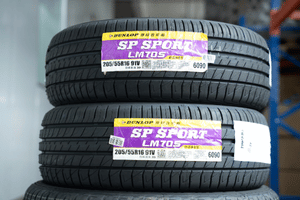
As etiquetas do lado do pneu devem sobreviver a um processo de vulcanização e suportar vários anos de condições externas. A especificação é tipicamente papel de liberação CCK de 90-120 g/m², com uma camada de liberação apertada e um adesivo acrílico permanente agressivo. Nossa equipe RD pode personalizar a força de liberação para se adequar às velocidades da linha de cura do pneu.
Industrial · teia estreita
Etiquetas de cabos e fios
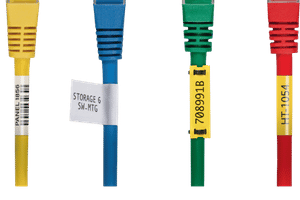
Rótulos estreitos de identificação de fios e cabos exigem excelentes tolerâncias de meio-corte e estabilidade dimensional ao desenrolar de tubetes apertados. Glassine SCK de 60-75 gsm é adequado para aplicação interna, enquanto o liner de PET suporta ambientes mais severos.

Cadeia fria
Etiquetas para freezer e armazenamento refrigerado
A rotulagem de alimentos congelados, carne e peixe requer excelentes propriedades de força de liberação em temperaturas abaixo de zero. O adesivo deve se desprender de forma limpa do liner, sem rasgamento ou migração capilar no ponto de aplicação, especialmente em superfícies revestidas por condensação. Nossa especificação típica é CCK de 90-120gsm com liberação leve, combinado com um adesivo à base de água de baixa temperatura.
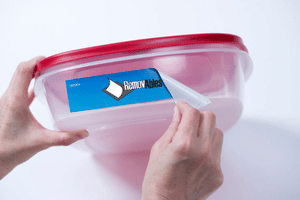
Removível
Etiquetas removíveis e com tampa de toalhete
O material removível para tampa de lenços umedecidos e os rótulos domésticos exigem uma liberação muito restrita da face do liner e um adesivo reposicionável de baixa pegajosidade no frontal. Isso evita a separação da tampa durante a vida útil, ao mesmo tempo que permite o reposicionamento antes do uso.
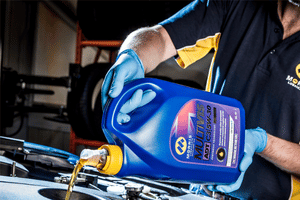
Químico agressivo ·
Tambor químico e etiquetas adesivas agressivas
Rótulos para coleta de tonneau químico estão sujeitos ao efeito de óleo, solventes e surfactantes. Nossa estrutura usual é papel sintético ou frontal de PET com um adesivo acrílico agressivo combinado com um liner de liberação CCK. Nossa equipe de P&D desenvolve formulações especializadas de revestimento de silicone para produzir liners de liberação de alta agressividade com liberação sem resíduos.
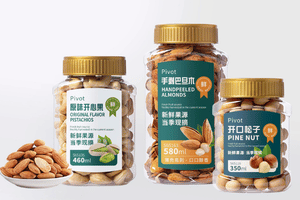
Consciente da FDA
Etiquetas de embalagem de alimentos
O material para rótulos de contato direto com alimentos requer sistemas adesivos com eficiência de migração. O liner de liberação não entra em contato com o alimento, mas não deve introduzir migração de silicone no adesivo durante o armazenamento. Opções com baixa carga de migração de silicone são produzidas sob solicitação — uma especificação sobre a qual os donos de marcas de alimentos em todo o mundo agora perguntam com mais frequência.
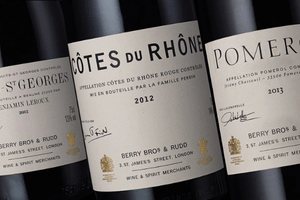
Premium
Etiquetas de bebidas e vinhos
Um liner de liberação nesse caso deve lidar com superfícies de condensação úmida e estética de alto padrão; deve proteger a impressão e permitir que um adesivo acrílico transparente cure sob condições de cadeia fria. Para apresentações premium de bebidas, é comum usar CCK com liberação média e PSA acrílico.
Resultados do cliente Garantia de qualidade & ISO 9001, FSC, UE RoHS
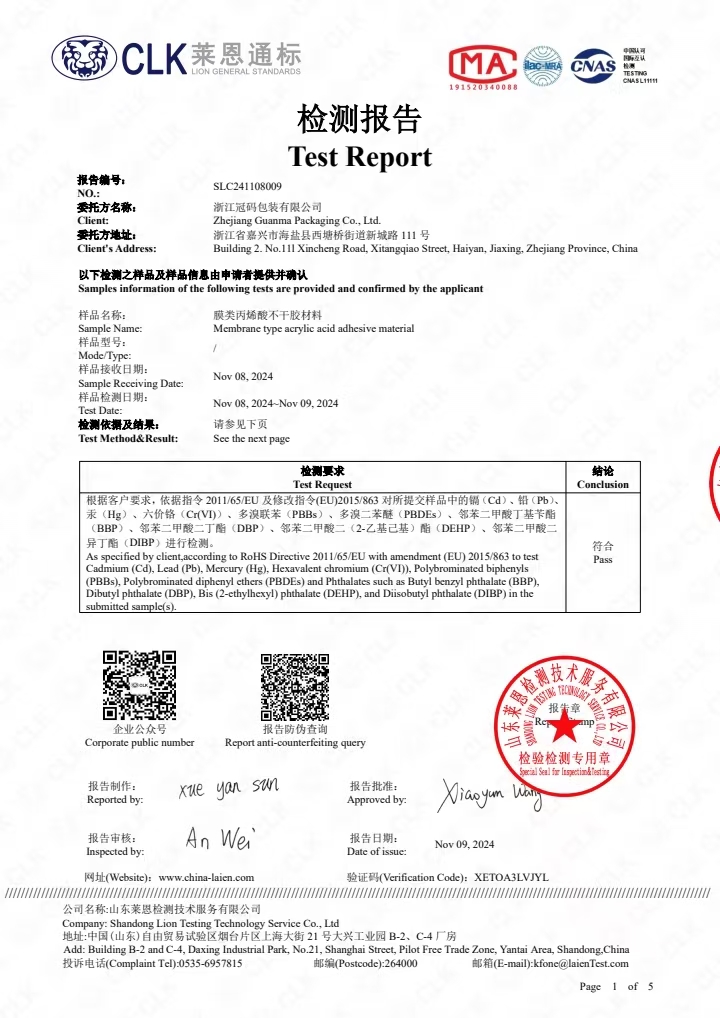
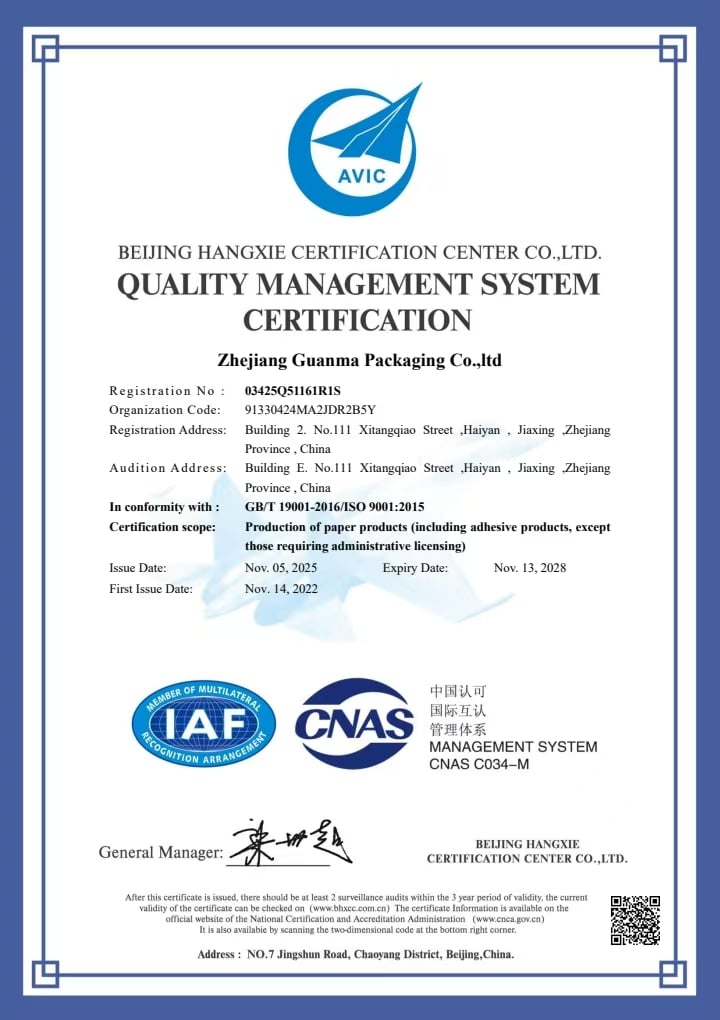
O liner de liberação é um componente de confiança. Hoje, os donos de marcas transferem cadeia de custódia FSC, limites de migração RoHS e auditorias de processo ISO 9001 aos seus convertedores de rótulos, que os transferem para nós. Cada bobina que sai de nossa linha deixa a linha não apenas com a conciliação dessas três normas; também com medições de força de liberação em dispositivos FINAT FTM 3 e uma verificação de calandragem.
Qualidade
ISO 9001:2015
Sistema Gestão Qualidade
Silvicultura
Cadeia de Custódia do FSC
Certificado. RR-COC-002209
RoHS da UE
2011/65/UE
+ alterações 2015/863
Experiência
mais de 10 anos de operação
Revestimento · Laminação · Conversão
Instantâneo TCO · Silver Tier
Por que a disponibilidade regional muda o cálculo do prazo de entrega
Os convertedores norte-americanos perderam aproximadamente 20–30% do fornecimento de liners antiaderentes quando a fábrica de papel Pixelle fechou, e o prazo padrão de produção para novos pedidos agora é de quatro a seis semanas na maioria dos convertedores. Nossos pontos de estoque regional na Tailândia e no Vietnã geralmente reduzem esse prazo para convertedores do Sudeste Asiático, da América do Sul e de partes da Europa – diante do risco tarifário ou de atrasos de programação no transporte a partir de um único porto chinês
- Prazo de execução padrão da produção da indústria: 4-6 semanas
- Crescimento do mercado de linhas de lançamento (AWA): 4,8% em 2024 e 3,4% CAGR previsto até 2027
- Efeito de amortecimento da disponibilidade regional: redução média da variância do prazo de entrega sob fornecimento simultâneo por múltiplos portos
Precisamente a aplicação e a quantidade da ordem dependem. Basta pedir a análise individual do prazo de execução.
Nossa disciplina de qualidade em três hábitos
01
Verifique o calandro para cada rolo. Glassine SCK, CCK são calandrados asisde em nossas linhas de calandragem e amostrados para consistência de pinça antes da fenda A taxa de quebra da teia em nossas linhas de alta velocidade de clientes são os parâmetros que observamos.
02
Força de liberação puxada por lote. Medimos um valor de força de liberação em todos os adesivos revestidos nos dispositivos FINAT FTM 3. Esses dados são arquivados pelo número do lote para que os convertedores possam auditar nossas alegações de especificação.
03
Programa de inventário de três regiões. O estoque em Haiyan (China), Tailândia e Vietnã é reabastecido em um ciclo contínuo de seis semanas, orientado pelas previsões convergentes dos clientes regionais. Proprietários de marca que solicitam documentação de cadeia de custódia FSC recebem certificados com cada remessa.
 Ver
Ver
 Ver
Ver
 Ver
Ver
→ Verifique nossas certificações e documentação da cadeia de custódia:
Solicitar pacote de conformidade
×
![Documento Ampliado]()
Transparência de compras
Fornecimento Liberação de liberação de Guanma MOQ, Lead Time & Sample Program
A aquisição de linhas de lançamento está agora além de um exercício de preços. o mercado europeu contraiu-se acentuadamente em 2023 e está a recuperar até 2024-2027, a perturbação da cadeia de abastecimento é o verdadeiro impulsionador dos custos. Publicamos aqui a nossa estrutura de compras para que a engenharia e as compras possam planejar a partir do mesmo manual.
01
Inquérito
Envie o sistema adesivo, a velocidade da aplicação, e o fim-uso. Nós respondemos com uma lista restrita da substrato & da liberação-força dentro de um dia útil.
02
Amostra Grátis
Amostras grátis até uma área de trabalho dimensionada para validação de teste de linha. As formulações especiais de silicone são citadas separadamente.
03
Confirmação de especificações
Revisão conjunta de especificação abrangendo espessura, força de liberação, largura de corte, tubete e embalagem — aprovada antes da produção.
04
Produção MOQ
Produção proveniente de nossos pontos de estoque regional na China, Tailândia ou Vietnã, com certificados de conformidade documentados para cada remessa.
Estrutura de compras, fatores de preços e drivers de lead-time
Nossa cotação mostrada indica 4 dimensões de custo e 2 dimensões de lead-time. Engenheiros e pessoas de aquisição que procuram para a frente sabem que isso produzirá a cotação mais cedo.
Dimensões de custo
O que impulsiona o preço unitárioPeso do substrato e base — glassine 35–120 gsm vs CCK 60–135 gsm vs PET 23–75 µm alteram materialmente a faixa de custo da matéria-prima.
Perfil revestimento 1 S (um lado) vs C2 S (ambos os lados, possivelmente diferencial 2:1 ou 3:1) dita o consumo de silicone.
Nível de força de liberação e formulação de silicone 1 luz, meio, apertado; silicone dimetil padrão vs fluorosilicone ou UV-cura sem solvente.
Largura da fenda & terminando 100 larguras de slit, enrolamento transversal de folha, capacidade de impressão reversa adicionam etapas de conversão.
Dimensões de prazo de entrega
O que conduz a janela de entregaDisponível em estoque vs. personalizado & navio da liberação-força da carcaça do substrato regional; formulações da especialidade entram na fila da produção.
Ponto origem Êncio de Hyan, Tailândia ou Vietnã; a origem mais próxima da sua planta de conversão é normalmente a rota mais rápida.
Linha de base da indústria – o lead time de produção entre convertedores é de aproximadamente 4-6 semanas para novos pedidos de rótulos e liners de liberação .
Documentação de conformidade 1000000000000000000000000000000000000000000000000000000000000000000000000000000000000000000000000000000000000000000000000000000000000000000000000000000000.
Por que direto do fabricante
Nós mesmos revestimos, laminamos e convertemos o liner antiaderente, em vez de revender materiais de terceiros. Quatro consequências práticas disso:
Especificação flexibilidade.
Substrato, adesivo, força de liberação e formulação de silicone podem ser combinados para combinar com sua linha (não escolhida em um catálogo fixo).
Responsabilidade direta pela qualidade.
Calandragem, revestimento de silicone e tração da força de liberação acontecem em nossos equipamentos, então uma reclamação remonta ao operador que executou o rolo.
Programas de inventário regional.
A disponibilidade de estoque na Tailândia e no Vietnã reduz os dias de frete para convertedores do Sudeste Asiático e da Europa e atenua o risco de fornecimento por porto único.
Acesso direto à P & D.
Adaptações especiais – para altas temperaturas, resistentes a óleo e de alta durabilidade para uso externo – são definidas diretamente com nossa equipe de P&D, sem um briefing intermediário.
Adaptações Especializadas
Adaptações especializadas (High/Low Temp), resistência a óleo e produtos químicos, durabilidade externa
Os liners antiaderentes padrão atendem à maioria dos trabalhos. Os 10–15% restantes – trabalhos que falharam com um liner padrão – são onde nossa equipe de R&D demonstra seu valor. Quatro linhas especializadas abrangem praticamente todos os casos críticos que atendemos nos últimos cinco anos.
Linhas de etiquetagem de alta temperatura (150 °C+)
Estações de rotulagem com hot-melt e aplicações de cura de pneus precisam de um liner de liberação que mantenha estabilidade dimensional acima do limite padrão do glassine. CCK de 90-135 gsm com uma formulação de silicone de liberação restrita é nossa receita básica; para aplicações próximas à vulcanização, adicionamos silicone curado por calor ou por UV com migração térmica reduzida; o silicone de cura UV também é nosso padrão para operações de revestimento de liberação sem solvente.
Aplicações de baixa temperatura e freezer
Os rótulos da cadeia fria exigem consistência de força de liberação em temperaturas abaixo de zero e em superfícies revestidas de condensação. Nossas formulações de silicone estáveis ao frio preservam o comportamento de descascamento em PSAs acrílicos e à base de água que, de outra forma, se tornariam perversos ou congelariam.
Resistência do óleo & do agressivo-adesivo
Etiquetas de tambor químico e etiquetas de manutenção industrial enfrentam óleo, solvente e adesivos permanentes agressivos que se ligam a revestimentos padrão. Fornecemos revestimentos sem liberação de silicone e fluorosilicone para essas aplicações, além de sistemas de cura UV sem solvente onde resíduos de solvente comprometeriam os processos a jusante.
Resistência às intempéries para uso externo e durabilidade UV
Envelopamentos de vinil para veículos, identificação de ferramentas elétricas para uso externo, decalques automotivos e filmes de segurança refletivos exigem um liner de liberação com silicone estável a UV e um suporte de PET para estabilidade dimensional. A combinação evita a curvatura e o amarelamento do silicone que liners à base de papel desenvolvem sob exposição prolongada a UV, e nossa opção de silicone de cura UV sem solvente reduz ainda mais a migração de solvente para frontais sensíveis a UV.
Nesta categoria, a personalização geralmente não é uma variação de eixo único. Um liner de liberação premium para rótulos de aplicação em tambores químicos combina um substrato CCK, um revestimento de liberação (não silicone ou fluorossilicone) e uma faixa de liberação restrita, enquanto uma aplicação premium de vinil automotivo para uso externo usa uma base de poliéster revestida de silicone com aditivos estáveis a UV e liberação média. Nossa equipe de soluções para convertedores define essas estruturas em relação à velocidade de sua linha e à agressividade do adesivo, e nossos processos de conversão são gerenciados por lote para assegurar que a especificação final corresponda ao projeto.
Rastros de sustentabilidade que estamos observando de perto
Os fabricantes de linhas de lançamento estão na segunda fase de sua transição de sustentabilidade. A TLMI lançou sua Iniciativa de Reciclagem de Liners em meados de 2024, trabalhando com a Sustana Solutions e a Resource Recycling Systems para organizar a logística de reciclagem de linhas de papel em oito locais de recuperação nos EUA e no Canadá.
Nosso piloto atual abrange Chicagoland e o Nordeste dos EUA; convertedores e donos de marcas na Ásia, no Oriente Médio e na maior parte da Europa ainda operam sem uma rota formal de reciclagem de liner. Monitoramos essa lacuna de perto e atualmente fornecemos liners à base de papel com cadeia de custódia FSC e variantes com baixa carga de silicone, prontos para as iniciativas de reciclagem do futuro.
Excelência Operacional
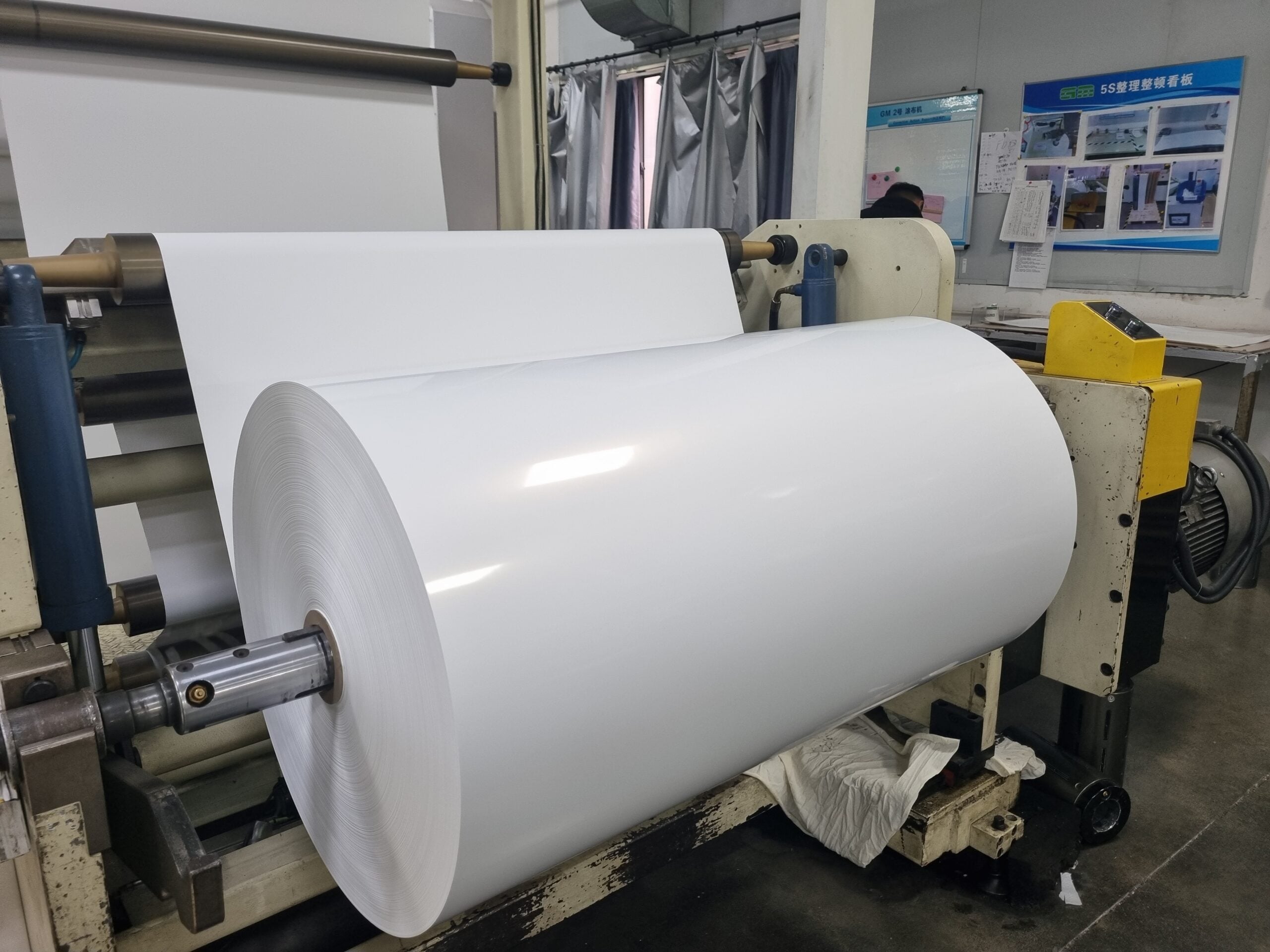
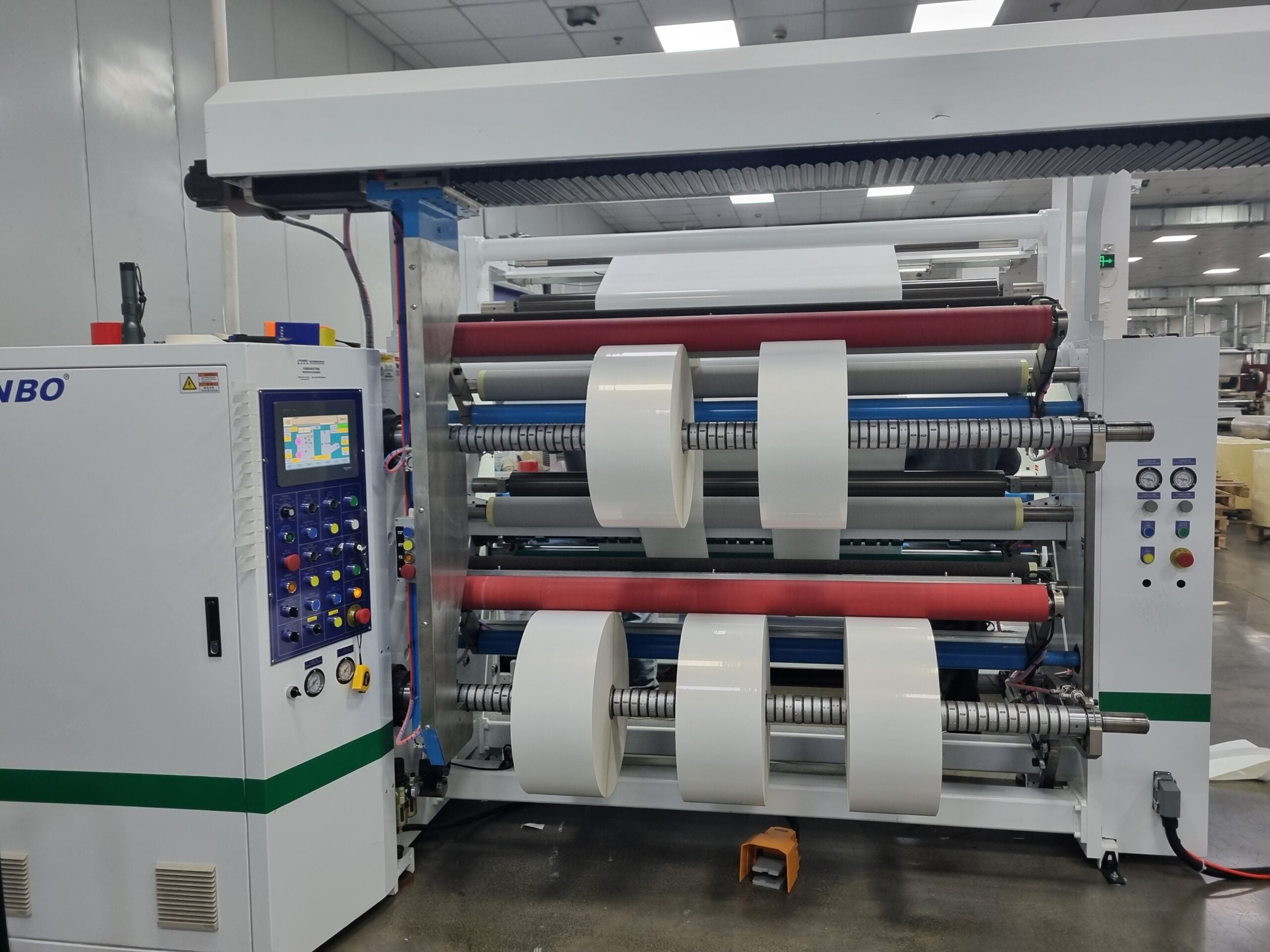
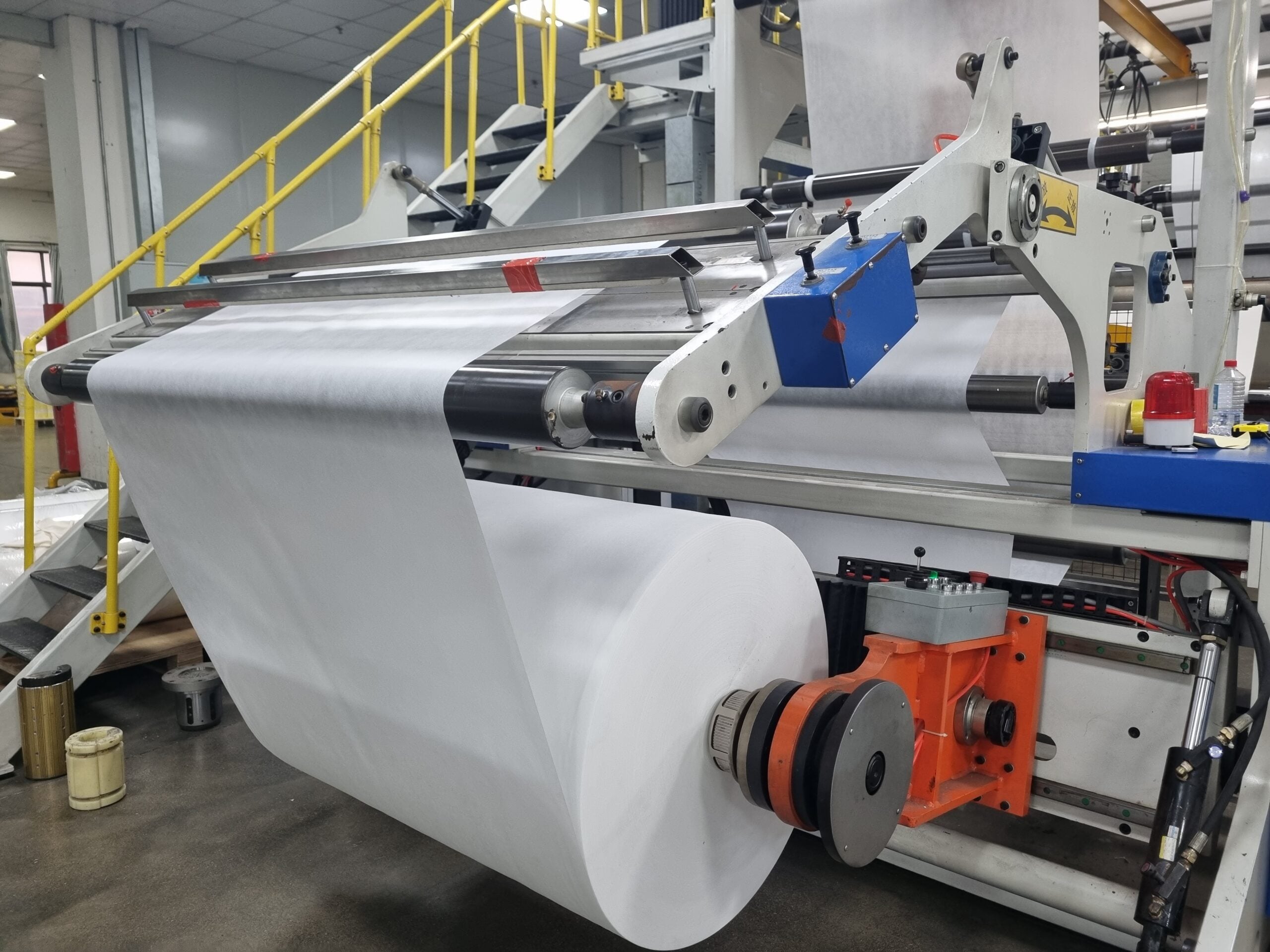
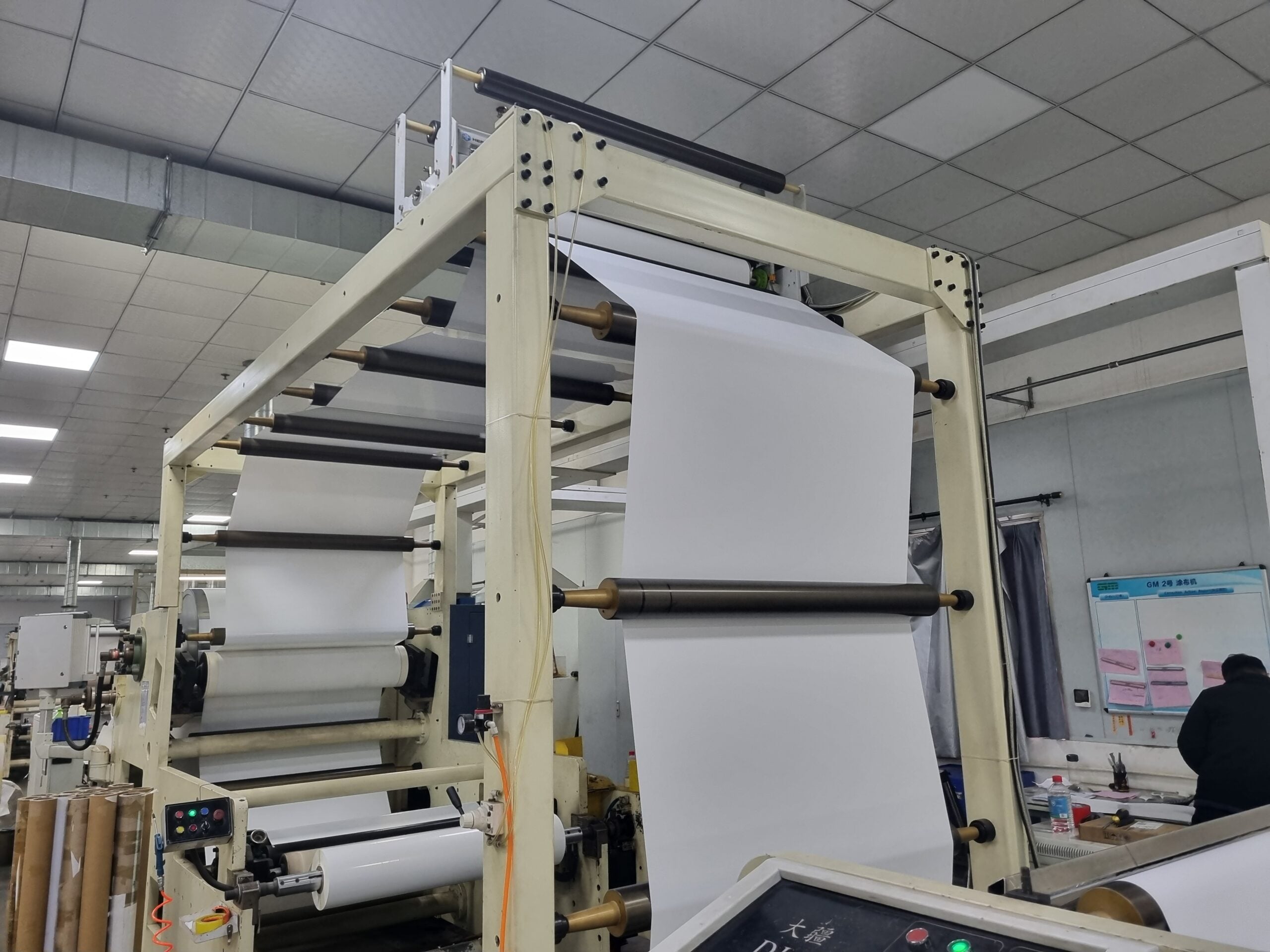
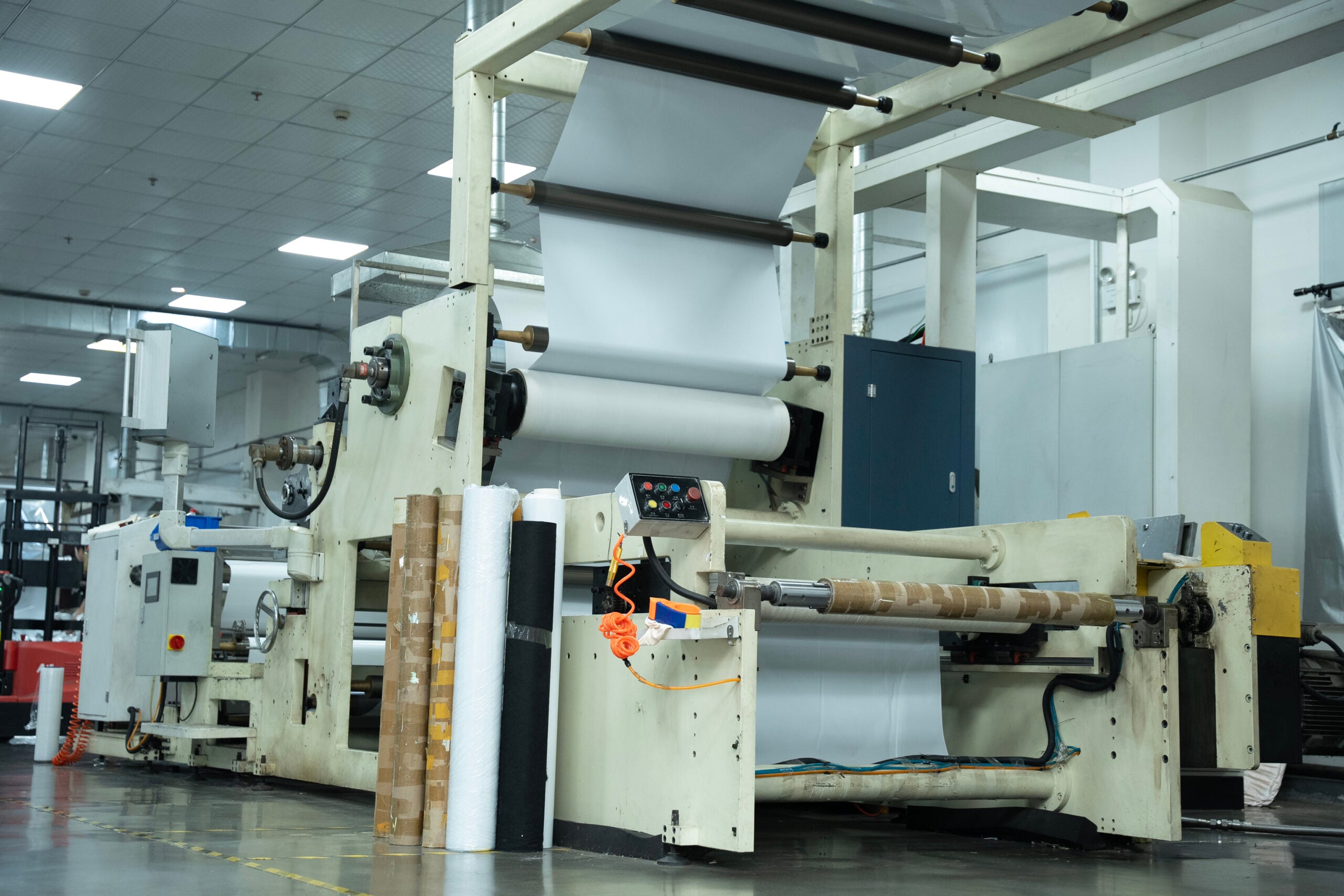
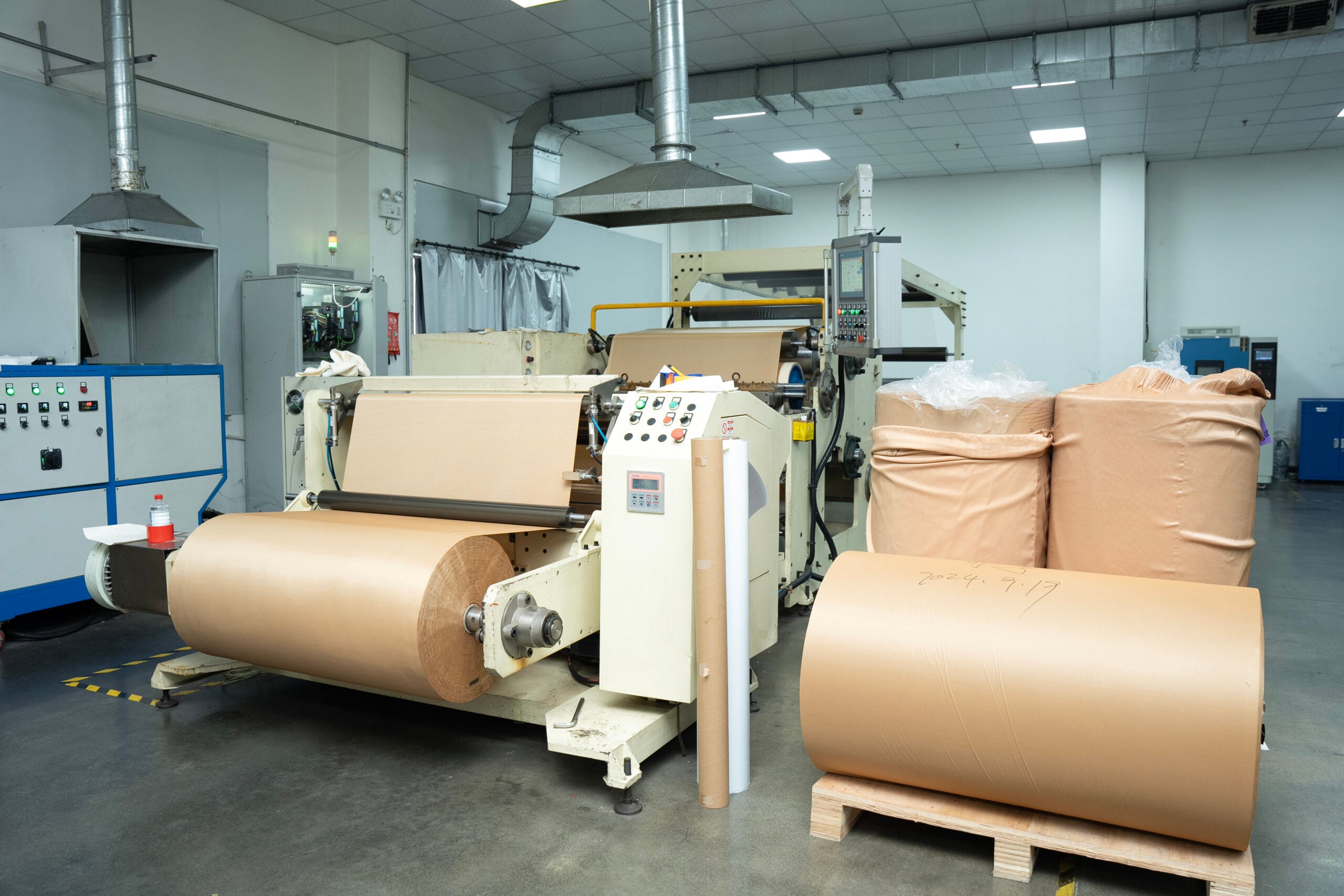
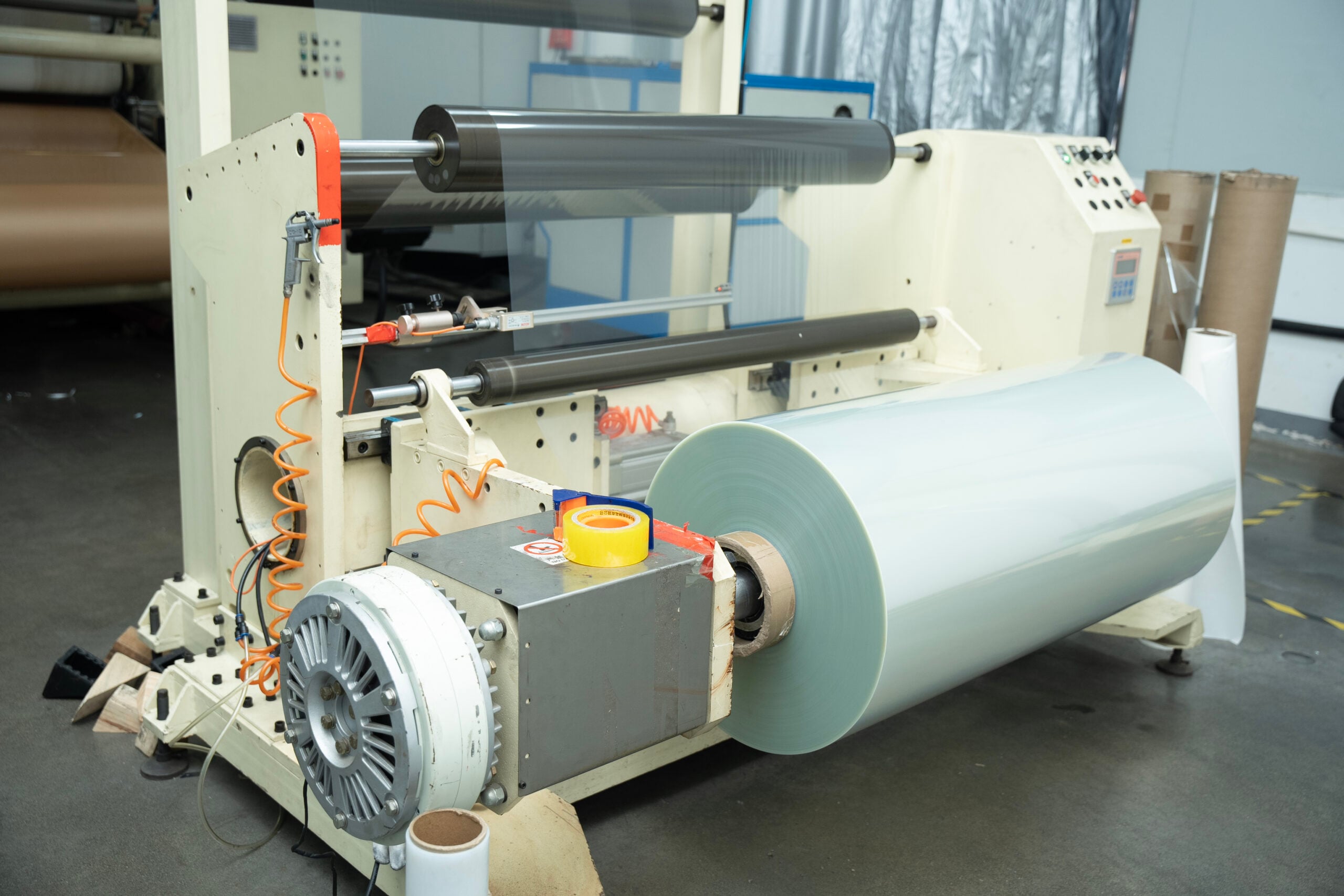
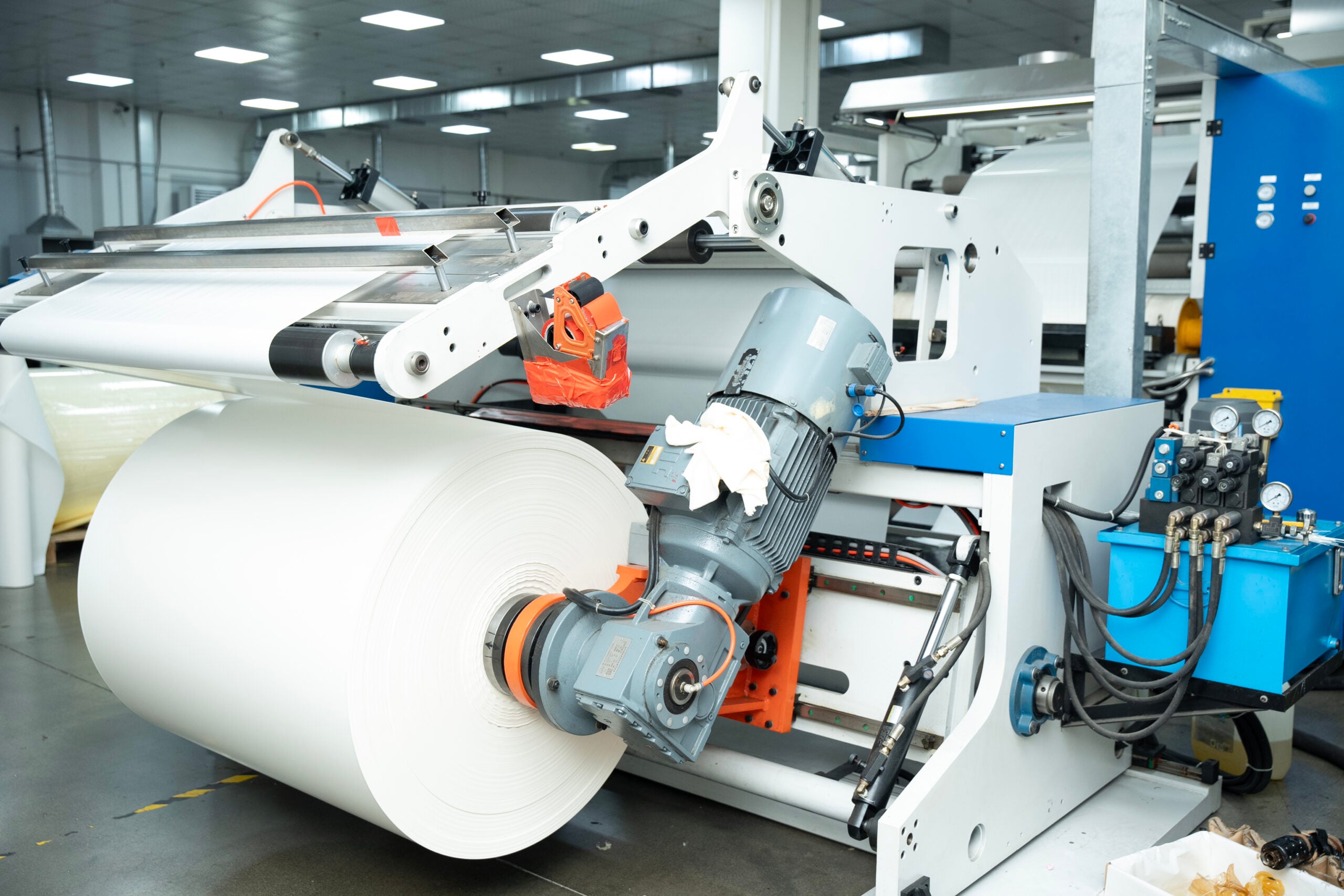
Instalação de produção de última geração
Capacidades Digitais
Ferramentas interativas de aquisição e engenharia
Use nossas calculadoras proprietárias para definir suas exigências exatas de força de liberação, prever prazos de produção e otimizar o roteamento do estoque regional na sua cadeia de suprimentos. Essas ferramentas conectam as especificações de engenharia ao planejamento de compras.
Ferramenta Engenharia
Seletor de força de liberação — escolha sua especificação de liner de liberação
Determine a força de liberação ideal (FINAT FTM 3) para seu emparelhamento adesivo específico, velocidade de distribuição e aplicação de conversão para evitar quebras de teia e derramamento prematuro.
Ferramenta Lançamento →
Ferramenta de aquisição
Estimador de prazo de entrega do liner de liberação
Calcule as janelas padrão de produção e entrega com base no tipo de substrato necessário, na complexidade do revestimento e nas necessidades atuais de documentação de conformidade.
Ferramenta Lançamento →
Roteamento da Cadeia de Suprimentos
Calculadora de prazo de entrega & disponibilidade regional — Liner de liberação
Mecanismo avançado de roteamento que integra dados em tempo real de nossos pontos de estoque em Haiyan, Tailândia e Vietnã para mitigar riscos de porto único e reduzir a variância do prazo de entrega.
Ferramenta Lançamento →
ESPECIFICAR
Pronto para especificar seu liner de liberação?
Envie o sistema de adesivos, a velocidade de aplicação e o uso final, e enviaremos uma lista curta de substratos e força de liberação em um dia útil. Amostras gratuitas disponíveis para testes de linha de convertedores.
Perguntas frequentes
Perguntas frequentes
Seleção de Liner Antiaderente e Papel de Liberação — Perguntas Frequentes
Qual liner de liberação é mais adequado para dispensação automática de alta velocidade?
A especificação da indústria para a dispensação automática de rótulos sensíveis à pressão padrão a 200–300 m/min é um liner glassine SCK de 60–80 gsm com uma faixa de força de liberação de leve a média. A tolerância estreita de espessura mantém baixas as quebras da banda contínua de material e as taxas de deslizamento na dispensação em alta velocidade. Para linhas mais rápidas – acima de 300 m/min – ou aplicações que exigem meio-corte abrasivo, o PET revestido de silicone oferece estabilidade dimensional superior durante longos desenrolamentos.
Que força de liberação devo especificar para meu adesivo sensível à pressão?
Especifique um par de valores: a velocidade de aplicação necessária e a agressividade do adesivo. Para uma linha de alta velocidade que executa um adesivo permanente agressivo, o valor de aplicação do rótulo é tipicamente uma liberação apertada (1,5-3,0 N/in medida por FINAT FTM 3) para permitir uma separação limpa e aplicação do rótulo. Por outro lado, uma linha lenta usando um adesivo removível ou de aderência muito baixa precisará de uma liberação de luz (0,05-0,5 N/in) para evitar a separação prematura. Os itens acima são uma norma industrial que medimos com nosso teste jig a força de liberação real por sistema adesivo e modificamos a formulação de silicone para alcançar o resultado desejado.
Para que serve o liner de liberação de silicone e ele é seguro para alimentos?
O liner de liberação de silicone é usado na conversão de rótulos sensíveis à pressão, como suporte para adesivos médicos (curativos, adesivos transdérmicos, fita cirúrgica), na conversão de fitas, em produtos de higiene, aplicações de artes gráficas e fabricação de rótulos industriais. Para rótulos em produtos de embalagens para alimentos, o liner de liberação não entra em contato com o alimento, mas o sistema adesivo que entra em contato com o frontal do rótulo deve permanecer abaixo dos limites acordados de Food-Contact-Migration. Oferecemos liners com baixa carga de silicone em todos os substratos para aplicações nas quais os donos de marcas desejam menor migração de silicone para a camada de adesivo.
Os revestimentos de liberação de silicone são recicláveis ou sustentáveis?
O liner de liberação de silicone à base de papel, para contato com alimentos, é reciclável em processos de destintagem que removem resíduos de silicone, tinta e adesivo. Iniciamos a Iniciativa de Reciclagem de Liner da TLMI em julho de 2024 com Sustana Solutions, que está sendo implementada na região de Chicagoland e também em localidades do Nordeste dos EUA. Operações de fábricas na Europa começaram a incorporar baixas porcentagens de liner de liberação na alimentação de fibras recicladas, mas ainda não foi adotada uma metodologia de ensaio aceita. Atualmente oferecemos liners de papel com cadeia de custódia FSC e opções com baixa aplicação de silicone conforme especificação, para que parceiros convertedores possam se preparar para o futuro à medida que donos de marcas e reguladores aumentam a pressão sobre os resíduos de liner.
Qual é a diferença entre forros de liberação de filme à base de papel e PET/poliéster?
Os liners à base de papel (glassine, CCK) representam aproximadamente 90% do mercado, oferecem o menor custo total ao convertedor, são amplamente aceitos em programas de reciclagem e funcionam em aplicações de meio-corte. Os liners de filme PET representam aproximadamente 10% do mercado de rótulos para aplicações em que a estabilidade dimensional em ambientes úmidos, a compatibilidade com automação e a durabilidade para uso externo superam as considerações de custo. Envelopamentos de vinil para veículos, artes gráficas de grande formato e rótulos de longa duração para uso externo são impressos com frontal de PET ou BOPP e exigem liners de liberação de PET. Rótulos de cosméticos ou mangas retráteis são melhor produzidos em liners de BOPP.
Onde posso comprar liner de liberação diretamente de um fabricante na Ásia?
Guanma reveste e converte liner de liberação em nossa unidade de Haiyan, Zhejiang, China e mantém estoque regional na Thailand e no Vietnam para atender convertedores de rótulos no Sudeste Asiático, América do Sul ou Europa. Fazer o pedido diretamente da fábrica garante que você receba o perfil específico de que precisa, permite estreita cooperação com nosso programa de fabricação e dá acesso ao nosso departamento de P&D para trabalhos de projeto personalizado. Use a ação Request Quote acima e retornaremos com uma lista curta de especificações e prazo de entrega estimado em um dia útil.
Qual é o seu MOQ típico, prazo de entrega e política de amostra?
O MOQ é cotado por substrato, grau e largura de corte. Substratos padrão (glassine SCK, CCK) disponíveis no estoque regional para larguras de corte comuns normalmente são enviados antes da norma do setor de 4-6 semanas para novas produções. Formulações exclusivas (fluorossilicone, baixa carga de silicone e proporções personalizadas de força de liberação) recebem desenvolvimento de R&D e são cotadas separadamente. Fornecemos amostras padrão gratuitas para testes com os convertedores escolhidos, em tamanho adequado à validação de teste de linha. Solicite sua cotação hoje, incluindo os detalhes do pedido.
Você pode personalizar a força de liberação, o peso de silicone e a combinação de substrato?
Sim. Nossa fábrica reveste e converte liner de liberação de glassine SCK, kraft revestido de argila, PET revestido de silicone, BOPP e papel sintético, e aplica adesivos hot-melt, à base de água ou acrílicos, bem como frontal especificado pelo cliente. O silicone é formulado e os níveis de aditivos são controlados para fornecer a força de liberação desejada. Proporções diferenciais padrão de 2:1 e 3:1 entre superfícies são usadas em produtos de fita com revestimento duplo. Sistemas especiais de adesivo não silicone, fluorossilicone ou curáveis por UV sem solvente também estão disponíveis.. Nossa equipe de P&D trabalha em estreita colaboração com sua engenharia para determinar a combinação perfeita de produtos.
Em alta agora