Liên hệ với Guanma
Vật liệu Nhãn tự dính · 2026
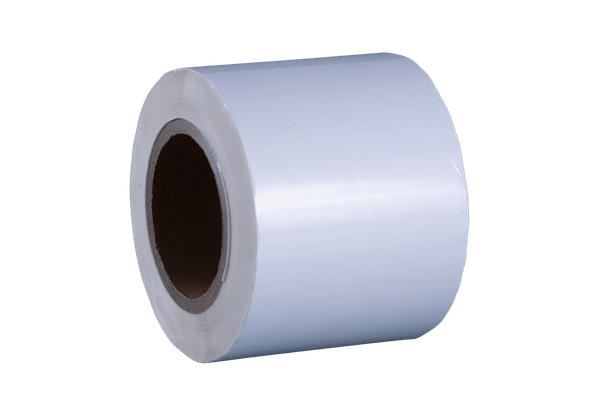
Giấy chống dính & lớp đế chống dính cho nhãn tự dính — giải pháp glassine, CCK & phủ silicone
Lớp đế chống dính được thiết kế cho gia công nhãn tốc độ cao – năm loại chất nền, ba cấp lực bóc và hoạt động sản xuất đạt chứng nhận ISO 9001 + FSC + RoHS tại nhà máy Haiyan của chúng tôi, với nguồn hàng khu vực ở Thái Lan và Việt Nam.
Yêu cầu Mẫu miễn phí
Chất nền
Glassine SCK · CCK · PET · BOPP · Tổng hợp
Cặp dính
Keo nóng chảy · Gốc nước · Acrylic
Lực bóc
Ánh sáng · Trung bình · Chặt chẽ (FINAT FTM 3)
Hồ sơ lớp phủ
C1S & C2S · Chênh lệch 2:1, 3:1
Tuân thủ
ISO 9001 · FSC · RoHS
Nguồn hàng khu vực
Trung Quốc · Thái Lan · Việt Nam
Cơn đau đầu chuyển đổi
Từ đứt web đến lãng phí keo — Vì sao lớp đế chống dính quyết định năng suất dây chuyền của bạn
Lớp đế chống dính – còn được gọi là giấy đế chống dính hoặc các giấy đế chống dính khi vật liệu mang là nền giấy – là vật liệu nền giấy hoặc màng được tráng phủ chất tách như silicone (hoặc chất thay thế không silicone) để tạo bề mặt không dính, bảo vệ lớp tự dính trong quá trình vận chuyển và tại chỗ cho đến khi được sử dụng trong thành phẩm. Giấy đế chống dính silicone và lớp đế chống dính silicone có chức năng giống hệt nhau: tách sản phẩm keo dán dễ dàng, bề mặt ma sát thấp không để lại cặn, độ ổn định kích thước trong quá trình bế và gia công nhãn. Thành phần này có vẻ thụ động và không đáng chú ý, nhưng quản lý ba yếu tố tốn kém nhất trong sản xuất nhãn: độ ổn định của băng vật liệu liên tục ở tốc độ cao, tính đồng đều của keo dán trong quá trình bế và tỷ lệ của mỗi cuộn vật liệu trở thành phế liệu. Khi lớp đế chống dính không phù hợp với hệ keo dán, đơn vị tráng phủ có thể đo được chênh lệch: Dwell Time Dam qua mỗi ca bắt đầu tốn kém hơn.
Đau 1
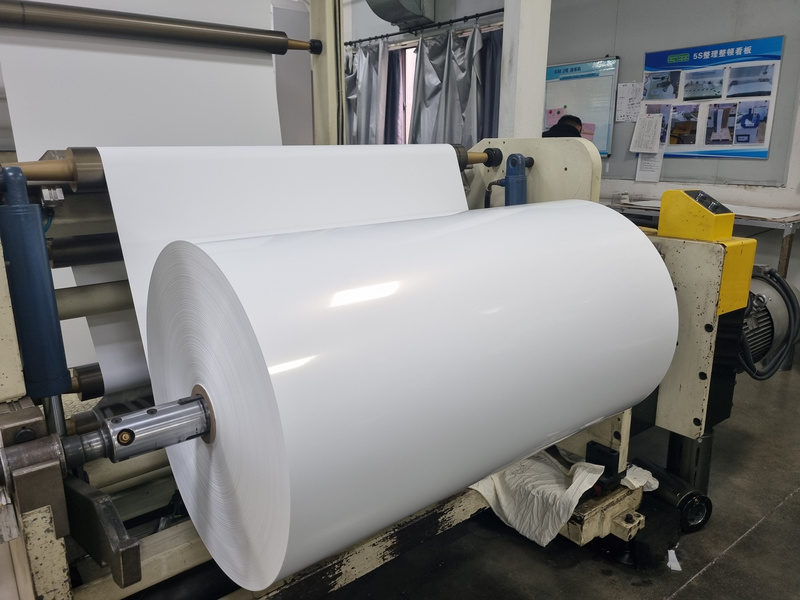
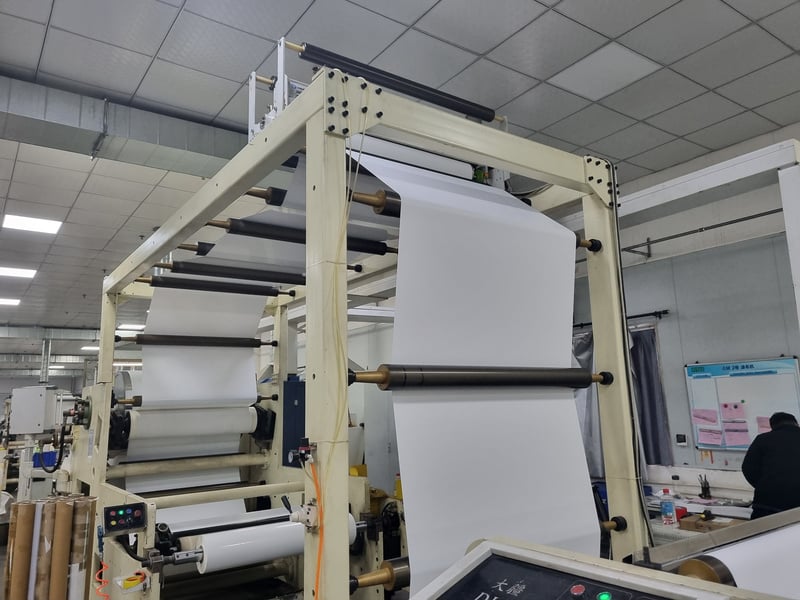
Các dây chuyền cấp nhãn tự động bị đứt web vận hành ở 200-300m/min gây tải khắc nghiệt cho glassine có độ cán láng vừa đủ – chỉ một lần đứt web, và thường là toàn bộ ca sản xuất bị mất, vì dây chuyền phải được thiết lập lại rồi chạy lại qua máy cán láng tới cuộn lỗi . Việc mất nguồn cung lớp đế chống dính ở Bắc Mỹ sau khi nhà máy Pixelle đóng cửa đã buộc các nhà gia công phải tìm nhà sản xuất có độ ổn định kích thước đáng tin cậy.
Đau 2
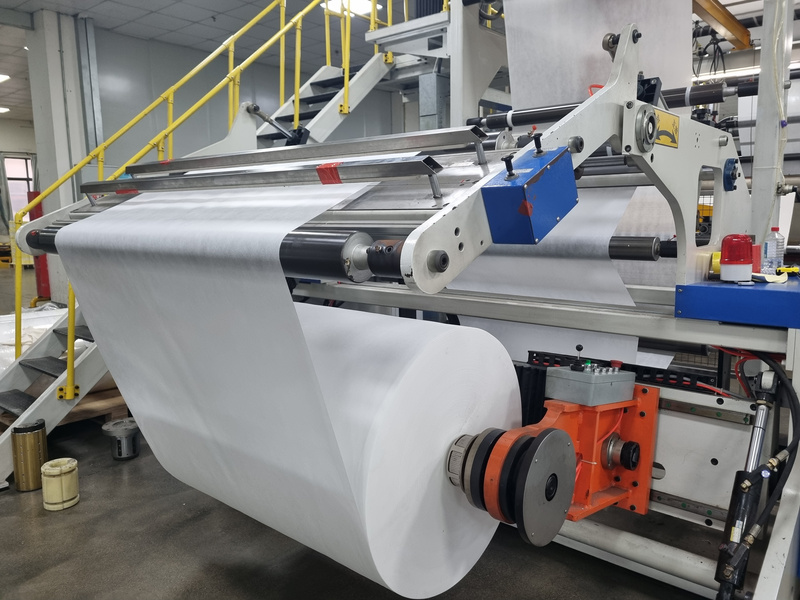
Chất kết dính dư lượng – khi sương mù silicone lắng xuống trên các đường phủ tốc độ cao, nó phủ lên đầu in và con lăn vận chuyển một lượng cặn buộc phải thực hiện các chu trình làm sạch ngoài kế hoạch. Báo cáo năm 2017 của PFFC về sản xuất lớp lót phát hành toàn cầu đã xác định phun sương là một hạn chế thường xuyên trong các hoạt động chuyển đổi và phân phối.
Đau 3
Thời gian thực hiện – các lần chạy thông thường đối với các đơn đặt hàng nhãn và nhãn phát hành là 4-6 tuần trước khi tồn kho để phân phối ngay hoặc có thể tính toán thông quan trong . Với CAGR thị trường toàn cầu từ 3,4 đến năm 2027 (Báo cáo thị trường nhãn phát hành AWA 2025), thời gian ở mức cao, đặc biệt là đối với người tiêu dùng.
Chúng tôi sản xuất giấy phát hành và lót phát hành để giữ cho ba biến đó hoạt động có lợi cho bạn. Mỗi chất nền chúng tôi phủ và chứng khoán – glassine SCK, kraft phủ đất sét (CCK), PET phủ silicon, BOPP, giấy tổng hợp – được khớp với một cấp lực phát hành được ghi lại và được thử nghiệm với các chất ổn định với hệ thống kết dính đã được chứng minh tại nhà máy Haiyan của chúng tôi, sau đó được lưu kho tại các điểm tồn kho khu vực ở Thái Lan và Việt Nam để nhu cầu về các doanh nghiệp vừa và nhỏ ở Nam Mỹ, Châu Âu và khu vực ASEAN có thể được phục vụ mà không cần định tuyến lại qua cảng Trung Quốc.
Chúng tôi biết rằng chỉ một sai lệch nhỏ 5% trong biên dạng cán láng trong khuôn có thể biểu hiện thành tỷ lệ đứt web 15% trên dây chuyền 300 m/min. Cuối cùng, mọi lớp đế chống dính gửi tới khách hàng đều được kiểm tra bằng thử nghiệm chà xát trên dây chuyền làm sạch của chúng tôi và kiểm tra lực bóc.
Dải giấy chống dính & lớp đế chống dính — glassine SCK, CCK
Nhà gia công nhãn tự dính thường sử dụng từ lớp đế chống dính nền giấy (glassine và CCK) cho phần lớn công việc nhãn, đến lớp đế chống dính màng (PET tráng phủ silicone, BOPP) cho môi trường nóng và ẩm mồ hôi.

Giấy · Light -Phát hành trung bình
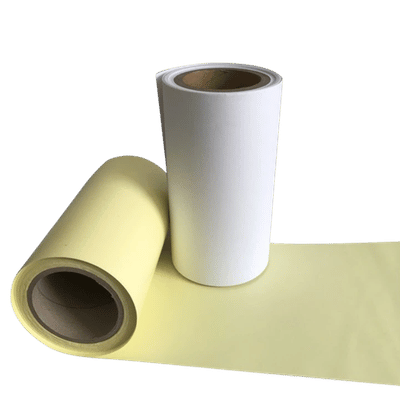
Glassine SCK
Giấy kraft siêu cán láng với dung sai độ dày cực chặt. Đây là lớp đế chống dính phổ biến nhất dùng trong gia công nhãn nhờ khả năng cắt bế tốt và bề mặt nhẵn. Phù hợp cho nhãn chính của thực phẩm, mỹ phẩm và ứng dụng nhãn cuộn tốc độ cao.
Trọng lượng cơ bản
35 -120 gsm
Chịu nhiệt
lên đến 130 °C
Dung sai cắt khuôn
Xuất sắc
Lớp phủ
C1S · C2S vi sai
Giấy · Medium -Phát hành chặt chẽ
Giấy chống dính kraft phủ đất sét (CCK)
Tờ kraft có lớp tráng phủ đất sét bên dưới lớp silicone. Một lớp đất sét được bổ sung để cải thiện độ ổn định kích thước và tăng khả năng chịu nhiệt. CCK được chọn cho các dây chuyền ghi nhãn nhiệt độ cao, lớp mặt nhãn trong suốt và in mặt sau.
Trọng lượng cơ bản
60 -135 gsm
Chịu nhiệt
lên đến 180 °C
Bề mặt
Độ mịn cao, độ dày đều
Lớp phủ
C1S · in ngược có khả năng
Ma trận quyết định · Cơ quan quản lý ngành Hook
Glassine vs CCK vs Film 10000000000000000000000000000000000000000000000000000000000000000000000000000000000000000000000000000000000000000000000000000000000000000000000000000000000000000000000000000000000000000000000000000000000000000000000000000000000000000000000000000000000000000000000000000000000000000000000000000000000000000000000000000000000000000000
Lựa chọn lớp lót nhả không phải là vấn đề về lòng trung thành. Đó là – ba chiều, chất kết dính mạnh đến mức nào, lực nhả cần thiết sau khi thi công, độ ổn định cần thiết trong thành phẩm khi có độ ẩm và nhiệt –. Ma trận này tóm tắt tất cả các lớp phủ và chất nền có sẵn của chúng tôi theo ba thông số đó, với dung sai cắt khuôn và mức giá được chỉ định để việc mua và thiết kế có thể cộng tác hiệu quả.
Lực bóc nhẹ · 0.05–0.5 N/in
Trung bình · 0,5–1,5 N/in
Chặt chẽ · 1.5–3.0 N/in
(Tiêu biểu ngành, phương pháp FINAT FTM 3)
| CHẤT NỀN | GSM /µm PHẠM VI | GIẢI PHÓNG FORCE TIER (FINAT FTM 3) |
NHIỆT KHÁNG | DIE-CẮT KHOAN DUNG | BẬC CHI PHÍ | TỐT NHẤT CHO ỨNG DỤNG |
|---|---|---|---|---|---|---|
| Glassine SCK | 35 -120 gsm |
ÁNH SÁNG
TRUNG BÌNH
|
lên đến 130 °C | Xuất sắc (caliper rất hẹp) | Tiêu chuẩn $ | Nhãn cuộn tốc độ cao, nhãn thực phẩm & mỹ phẩm chính |
| Kraft phủ đất sét (CCK) | 60 -135 gsm |
ÁNH SÁNG
CHẶT CHẼ
|
lên đến 180 °C | Tốt (lớp đất sét tăng thêm độ ổn định) | $$ Giữa | Ghi nhãn có nhiệt độ cao, in ngược, nhãn quan trọng trong suốt |
| PET phủ silicon | 23 -75 µm |
TRUNG BÌNH
CHẶT CHẼ
|
lên đến 150 °C | Xuất sắc (ổn định chiều) | $$$ Chuyên ngành | Xe bọc vinyl, đề can bền, đồ họa-nghệ thuật chạy dài |
| BOPP phủ silicon | 20 -80 µm |
ÁNH SÁNG
CHẶT CHẼ
|
lên đến 110 °C | Tốt | $$ Giữa | Nhãn mỹ phẩm rõ ràng, đóng cửa co lại & giả mạo-bằng chứng |
| Giấy Tổng Hợp (BOPP/HDPE) |
54 -100µm |
TRUNG BÌNH
CHẶT CHẼ
|
lên đến 100 °C | Tốt | $$$ Chuyên ngành | Nhãn ngoài trời, trống hóa chất, nhận dạng dụng cụ điện bền |
Lựa chọn bằng ngôn ngữ đơn giản
Việc dán nhãn ở tốc độ 200-300 m/min trên thiết bị cấp nhãn tự động với keo nóng chảy thông dụng đòi hỏi phải lựa chọn lớp đế chống dính một cách phù hợp. Ví dụ, glassine SCK từ 60 đến 80 gsm với cấp lực bóc từ nhẹ đến trung bình đáp ứng được 80% công việc trong quy trình tốc độ cao. Hãy chuyển sang CCK cho các trạm dán nhãn nóng sinh nhiệt, chẳng hạn nhãn lốp phải chịu nhiệt độ lưu hóa hoặc nhãn thùng hóa chất dùng keo gốc dung môi có độ bám dính cao cần lớp chắn kraft. Hãy dùng PET phủ silicone khi độ ổn định quan trọng hơn chi phí tối ưu; các nhà sản xuất vật liệu bọc bình chứa và đơn vị gia công đồ họa khổ lớn không thể chấp nhận độ cong do độ ẩm thường thấy ở glassine. BOPP phù hợp cho nhãn mỹ phẩm trong suốt cần độ trong quang học của lớp đế; giấy tổng hợp đem lại độ bền ngoài trời cho nhãn thùng carton sóng và nhãn vận chuyển ngoài trời.
Lực nhả phải được xác định bằng hai con số: tốc độ ứng dụng (m/phút) và độ bám dính (có thể tháo rời ở tốc độ thấp, PSA tiêu chuẩn hoặc vĩnh viễn tích cực). Chất kết dính vĩnh viễn tích cực trên đường dây tốc độ cao thường cần giải phóng ánh sáng, trong khi chất kết dính có thể tháo rời trên đường dây chậm thường cần giải phóng chặt chẽ để nhãn không bị bong ra sớm. Tỷ lệ vi sai C2S – 2:1 và 3:1 là – tiêu chuẩn cho phép bạn phát triển chất kết dính chuyển cho cấu trúc băng keo phủ hai lớp.
Các ứng dụng
Các ngành ứng dụng đ Từ Băng dược phẩm đến Nhãn rượu & Bọc Vinyl xe
Lớp đế chống dính là thành phần thầm lặng quyết định liệu sản phẩm keo dán có đáp ứng yêu cầu về lưu kho, thao tác và sử dụng cuối cùng hay không. Các ứng dụng dưới đây nêu bật những nơi giấy chống dính và vật liệu lớp đế chống dính của chúng tôi hiện được cung cấp, cùng yếu tố mà từng ứng dụng xem là quan trọng nhất.

Y tế · quy định
Nhãn dược phẩm & y tế
Các ứng dụng y tế bao gồm băng vết thương, miếng dán xuyên da, băng phẫu thuật, cố định vết thương, ống túi máu và lớp nền ECG/bệ nối đất. Các lớp lót giải phóng trong lĩnh vực này phải hoàn toàn đồng nhất để có khả năng bóc vỏ từ lô này sang lô khác, vì chất kết dính hướng tới người tiêu dùng không bao giờ có thể để lại cặn. Cả hai tùy chọn phủ silicon và không silicon (fluorosilicone) đều có sẵn tại cơ sở của chúng tôi dành cho chất kết dính cấp y tế.
Công nghiệp · temp cao
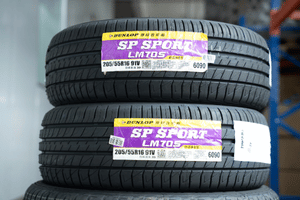
Nhãn lốp
Nhãn hông lốp phải chịu được quá trình lưu hóa và nhiều năm điều kiện ngoài trời. Quy cách điển hình là giấy chống dính CCK 90-120 gsm, với cấp lực bóc chặt và keo acrylic vĩnh viễn có độ bám dính cao. Đội ngũ RD của chúng tôi có thể tùy chỉnh lực bóc để phù hợp với tốc độ dây chuyền lưu hóa lốp.
Công nghiệp · web hẹp
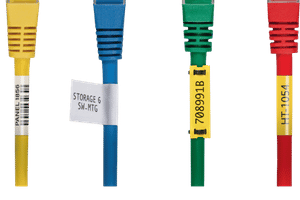
Nhãn Cáp & Dây
Nhãn nhận dạng dây và cáp hẹp yêu cầu dung sai cắt khuôn tuyệt vời và độ ổn định kích thước khi tháo cuộn từ lõi chặt. Glassine SCK trên 60-75 gsm hỗ trợ ứng dụng trong nhà, trong khi lớp lót PET với giá đỡ môi trường khắc nghiệt hơn.

Chuỗi lạnh
Nhãn tủ đông & kho lạnh
Dán nhãn thực phẩm đông lạnh, thịt và cá đòi hỏi đặc tính lực bóc xuất sắc ở nhiệt độ dưới điểm đóng băng. Keo phải bóc sạch khỏi lớp đế mà không bị rách hoặc thấm loang tại điểm dán, đặc biệt trên các bề mặt phủ hơi ngưng tụ. Quy cách điển hình của chúng tôi là CCK 90-120gsm với lực bóc nhẹ, kết hợp cùng keo gốc nước dùng ở nhiệt độ thấp.
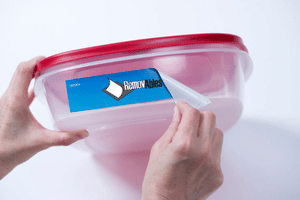
Có thể tháo rời
Nhãn có thể tháo rời & lau
Vật liệu nắp cho khăn ướt có thể tháo rời và nhãn gia dụng cần lực bóc rất chặt từ bề mặt lớp đế, đồng thời dùng keo tái định vị có độ dính thấp trên lớp mặt. Điều này ngăn nắp bị tách trong thời hạn bảo quản, nhưng vẫn cho phép tái định vị trước khi sử dụng.
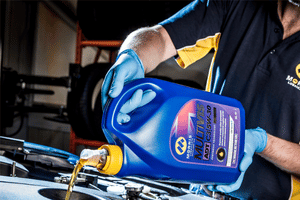
Hung hăng · hóa chất
Nhãn trống hóa học & chất kết dính mạnh mẽ
Nhãn thu gom thùng hóa chất chịu tác động của dầu, dung môi và chất hoạt động bề mặt. Cấu trúc thông dụng của chúng tôi là lớp mặt bằng giấy tổng hợp hoặc PET với keo acrylic có độ bám dính cao kết hợp cùng lớp đế chống dính CCK. Đội ngũ RD của chúng tôi phát triển các công thức phủ silicone chuyên dụng để tạo lớp đế chống dính phù hợp với keo có độ bám dính cao và vẫn bóc không để lại cặn.
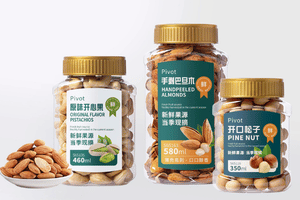
FDA-nhận thức
Nhãn Bao bì Thực phẩm
Vật liệu nhãn tiếp xúc trực tiếp với thực phẩm cần hệ keo kiểm soát sự di trú hiệu quả. Lớp đế chống dính không tiếp xúc với thực phẩm, nhưng không được làm silicone di trú vào keo trong quá trình lưu trữ. Các mức di trú silicone thấp được sản xuất theo yêu cầu — đây là quy cách mà các chủ thương hiệu thực phẩm trên toàn cầu hiện hỏi đến thường xuyên hơn.
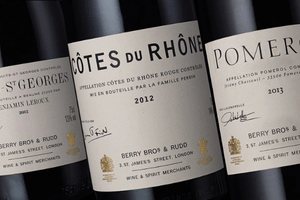
Cao cấp
Nhãn Nước giải khát & Rượu
Lớp đế chống dính trong trường hợp này phải xử lý được bề mặt ướt do ngưng tụ và đáp ứng tính thẩm mỹ cao cấp; nó phải bảo vệ bản in và cho phép keo acrylic trong suốt đóng rắn trong điều kiện chuỗi lạnh. Đối với bao bì đồ uống cao cấp, CCK với lực bóc trung bình và keo acrylic PSA là lựa chọn thông dụng.
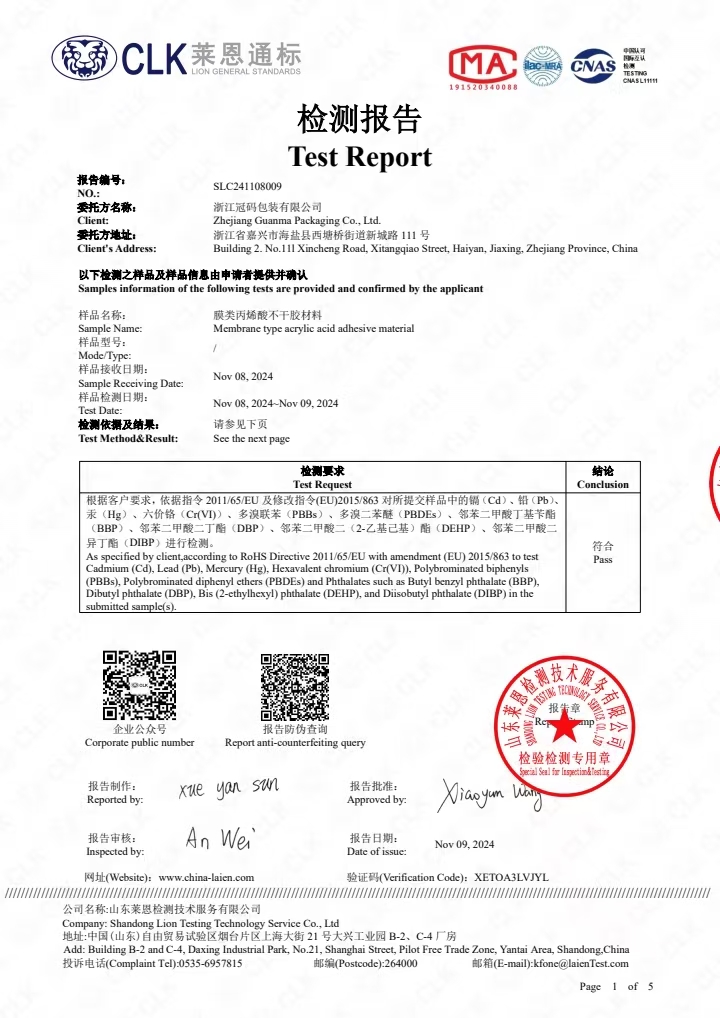
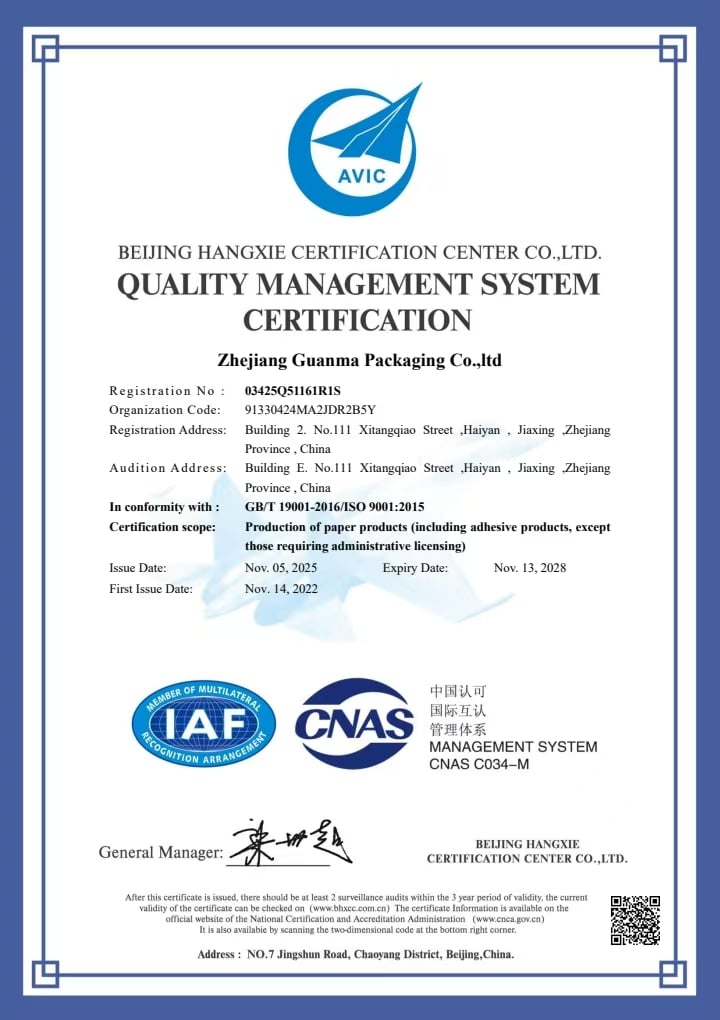
Kết quả của khách hàng & Đảm bảo chất lượng ally ISO 9001, FSC, EU RoHS
Lớp đế chống dính là một thành phần tạo niềm tin. Ngày nay, các chủ thương hiệu chuyển yêu cầu về chuỗi hành trình sản phẩm FSC, giới hạn di trú RoHS và kiểm toán quy trình ISO 9001 cho các đơn vị gia công nhãn của họ, rồi các đơn vị này chuyển các yêu cầu đó cho chúng tôi. Mỗi cuộn rời dây chuyền của chúng tôi không chỉ được đối chiếu theo ba tiêu chuẩn này mà còn được đo lực bóc trên đồ gá FINAT FTM 3 và kiểm tra cán láng.
Chất lượng
ISO 9001:2015
Hệ thống quản lý chất lượng
Lâm nghiệp
Chuỗi hành trình sản phẩm của FSC
Chứng chỉ. RR-COC-002209
RoHS EU
2011/65/EU
+ Sửa đổi 2015/863
Kinh nghiệm
Hơn 10 năm hoạt động
Lớp phủ · Cán · Chuyển đổi
TCO Snapshot · Cấp Bạc
Vì sao nguồn hàng khu vực thay đổi phép tính thời gian giao hàng của bạn
Các đơn vị gia công Bắc Mỹ đã mất xấp xỉ 20–30% nguồn cung lớp đế chống dính khi nhà máy giấy Pixelle đóng cửa, và thời gian sản xuất tiêu chuẩn cho đơn hàng mới hiện là từ bốn đến sáu tuần tại phần lớn đơn vị gia công. Các điểm dự trữ khu vực của chúng tôi tại Thái Lan và Việt Nam thường rút ngắn thời gian đó cho các đơn vị gia công ở Đông Nam Á, Nam Mỹ và một số khu vực châu Âu – xét đến rủi ro thuế quan hoặc chậm tiến độ khi vận chuyển từ một cảng Trung Quốc duy nhất
- Thời gian sản xuất tiêu chuẩn công nghiệp: 4-6 tuần
- Tăng trưởng của thị trường release-liner (AWA): 4.8% vào năm 2024 và 3.4% CAGR dự báo đến năm 2027
- Hiệu ứng đệm của nguồn hàng khu vực: mức giảm trung bình của biến động thời gian giao hàng khi đồng thời tìm nguồn từ nhiều cảng
Điều này phụ thuộc chính xác vào ứng dụng và số lượng đặt hàng. Chỉ cần yêu cầu phân tích thời gian giao hàng riêng.
Kỷ luật chất lượng của chúng tôi trong ba thói quen
01
Kiểm tra calander cho mỗi cuộn. Glassine SCK, CCK là asisde lịch trên các dòng lịch của chúng tôi và lấy mẫu cho tính nhất quán caliper trước khi khe. tỷ lệ web-break trên khách hàng của chúng tôi tốc độ cao dòng là các thông số chúng tôi quan sát.
02
Lực kéo nhả mỗi mẻ. Chúng tôi đo giá trị lực tách trên mọi lớp keo dán được tráng phủ bằng đồ gá FINAT FTM 3. Dữ liệu này được lưu theo số lô để nhà gia công nhãn có thể đánh giá các tuyên bố thông số kỹ thuật của chúng tôi.
03
Chương trình kiểm kê ba vùng. Nguồn hàng tại Haiyan (Trung Quốc), Thái Lan và Việt Nam được bổ sung theo chu kỳ sáu tuần liên tục, dựa trên các dự báo hội tụ từ khách hàng trong khu vực. Các chủ thương hiệu yêu cầu tài liệu chuỗi hành trình sản phẩm FSC sẽ nhận chứng chỉ kèm theo mỗi lô hàng.
 🔍 Xem
🔍 Xem
 🔍 Xem
🔍 Xem
 🔍 Xem
🔍 Xem
→ Xác minh các chứng nhận và tài liệu về chuỗi hành trình sản phẩm của chúng tôi:
Yêu cầu Gói Tuân th
×
![Tài liệu mở rộng]()
Minh bạch mua sắm
Tìm nguồn cung lớp đế chống dính từ Guanma — MOQ, thời gian giao hàng & chương trình mẫu
Mua sắm theo phương thức phát hành hiện đã vượt quá mức thực hiện về giá. thị trường Châu Âu đã giảm mạnh vào năm 2023 và đang phục hồi cho đến năm 2024-2027, sự gián đoạn chuỗi cung ứng là động lực chi phí thực sự. Chúng tôi xuất bản ở đây khung mua sắm của mình để kỹ thuật và mua sắm có thể lập kế hoạch từ cùng một cuốn sách.
01
Điều tra
Gửi hệ thống kết dính, tốc độ ứng dụng và sử dụng cuối cùng. chúng tôi trả lời với một danh sách rút gọn chất nền & lực lượng phát hành trong vòng một ngày làm việc.
02
Mẫu miễn phí
Mẫu miễn phí lên đến một khu vực làm việc có kích thước để xác nhận dòng-thử nghiệm. công thức silicone đặc biệt được trích dẫn riêng.
03
Xác nhận Spec
Đánh giá thông số kỹ thuật chung bao gồm độ dày, lực tách, khổ xẻ, lõi cuộn và bao bì — được phê duyệt trước khi sản xuất.
04
Sản xuất MOQ
Sản xuất từ các điểm dự trữ khu vực của chúng tôi tại Trung Quốc, Thái Lan hoặc Việt Nam, kèm chứng chỉ tuân thủ được lập hồ sơ cho từng lô hàng.
Khung mua sắm ine các yếu tố định giá và động lực dẫn đến thời gian thực hiện
Báo giá hiển thị của chúng tôi thể hiện 4 chiều kích chi phí và 2 chiều kích thời gian giao hàng. Kỹ sư và nhân sự thu mua có tư duy chủ động biết rằng điều này sẽ giúp lập báo giá sớm hơn.
Kích thước chi phí
Điều gì thúc đẩy đơn giáChất nền & trọng lượng cơ bản y glassine 35–120 gsm vs CCK 60–135 gsm vs PET 23–75 µm thay đổi đáng kể dải chi phí nguyên liệu thô.
Hồ sơ lớp phủ – C1S (một bên) so với C2S (cả hai bên, có thể chênh lệch 2:1 hoặc 3:1) quyết định mức tiêu thụ silicone.
Công thức silicone và cấp lực giải phóng – nhẹ, trung bình, chặt chẽ; dimethyl silicone tiêu chuẩn so với fluorosilicone hoặc phương pháp xử lý bằng tia cực tím không dung môi.
Chiều rộng khe & hoàn thiện – chiều rộng khe tùy chỉnh, chuyển đổi tờ giấy, cuộn dây ngang, khả năng in ngược, tất cả đều thêm các bước chuyển đổi.
Các chiều kích thời gian giao hàng
Điều gì thúc đẩy cửa sổ giao hàngHàng có sẵn so với đặt làm – chất nền tiêu chuẩn và sự kết hợp lực giải phóng được vận chuyển từ kho khu vực; công thức đặc biệt được đưa vào hàng đợi sản xuất.
Điểm xuất phát – Haiyan, Thái Lan hoặc Việt Nam; nguồn gốc gần nhất với nhà máy chuyển đổi của bạn thường là tuyến đường nhanh nhất.
Đường cơ sở của ngành – thời gian giao hàng sản xuất giữa các nhà gia công nhãn khoảng 4-6 tuần đối với đơn hàng nhãn và lớp đế chống dính mới .
Tài liệu tuân thủ Báo cáo thử nghiệm RoHS và chuỗi hành trình sản phẩm FSC được lập cho mỗi lô hàng; cho phép thêm ngày làm việc đối với khách hàng lần đầu.
Tại sao trực tiếp từ nhà sản xuất
Chúng tôi tự phủ, cán màng và gia công lớp đế chống dính thay vì bán lại vật liệu của bên thứ ba. Điều này có bốn hệ quả thực tế:
Đặc điểm kỹ thuật linh hoạt.
Chất nền, chất kết dính, lực giải phóng và công thức silicon có thể được kết hợp để phù hợp với dòng – của bạn không được chọn từ danh mục cố định.
Trách nhiệm giải trình trực tiếp về chất lượng.
Việc cán lịch, phủ silicon và lực kéo đều xảy ra trên thiết bị của chúng tôi, vì vậy khiếu nại sẽ được chuyển đến người vận hành đã chạy cuộn.
Các chương trình kiểm kê khu vực.
Nguồn hàng tại Thái Lan và Việt Nam giảm số ngày vận chuyển cho các đơn vị gia công ở Đông Nam Á và châu Âu, đồng thời giảm rủi ro nguồn cung phụ thuộc vào một cảng.
Truy cập R & D trực tiếp.
Các bản chuyển thể đặc biệt – – có nhịp độ cao, chịu dầu, bền ngoài trời được phân loại trực tiếp với nhóm R&D của chúng tôi mà không cần bản tóm tắt trung gian.
Thích ứng đặc biệt
Thích ứng đặc biệt 5 Nhiệt độ cao/thấp, Kháng dầu & hóa chất, Độ bền ngoài trời
Lớp đế chống dính tiêu chuẩn đáp ứng hầu hết công việc. 10-15% còn lại – những công việc gặp lỗi khi dùng lớp đế tiêu chuẩn – là nơi đội ngũ R&D của chúng tôi thể hiện năng lực. Bốn hướng chuyên biệt bao phủ gần như mọi trường hợp cần nâng cấp mà chúng tôi đã cung cấp trong năm năm qua.
Dây chuyền ghi nhãn nhiệt độ cao (150 °C +)
Các trạm dán nhãn keo nóng chảy và ứng dụng lưu hóa lốp cần lớp đế chống dính giữ được độ ổn định kích thước vượt trên giới hạn của glassine tiêu chuẩn. CCK 90-135 gsm với công thức silicone có lực bóc chặt là công thức cơ bản của chúng tôi; với các ứng dụng gần công đoạn lưu hóa, chúng tôi bổ sung silicone đóng rắn nhiệt hoặc đóng rắn UV với mức di trú nhiệt giảm; silicone đóng rắn UV cũng là lựa chọn mặc định của chúng tôi cho các đợt phủ chống dính không dùng dung môi.
Ứng dụng nhiệt độ thấp & tủ đông
Nhãn chuỗi lạnh yêu cầu tính nhất quán của lực giải phóng ở nhiệt độ dưới 0 và trên bề mặt được phủ ngưng tụ. Công thức silicone ổn định lạnh của chúng tôi bảo tồn hành vi bóc vỏ trên PSA gốc nước và acrylic mà nếu không sẽ bấc hoặc đóng băng-liên kết.
Dầu & khả năng chống dính tích cực
Nhãn trống hóa học và nhãn bảo trì công nghiệp phải đối mặt với dầu, dung môi và chất kết dính vĩnh viễn tích cực liên kết với các lớp lót tiêu chuẩn. chúng tôi cung cấp lớp phủ giải phóng không silicon và fluorosilicone cho các ứng dụng này, cộng với các hệ thống xử lý bằng tia cực tím không dung môi, nơi dư lượng dung môi sẽ ảnh hưởng đến các quy trình xuôi dòng.
Thời tiết ngoài trời & độ bền UV
Vật liệu bọc vinyl cho xe, nhãn nhận diện dụng cụ điện ngoài trời, decal ô tô và màng an toàn phản quang đều cần lớp đế chống dính có silicone bền UV và lớp mang PET để ổn định kích thước. Sự kết hợp này ngăn độ cong và hiện tượng silicone ngả vàng mà lớp đế giấy có thể phát sinh khi phơi UV kéo dài; tùy chọn silicone đóng rắn UV không dung môi của chúng tôi còn làm giảm thêm sự di trú dung môi vào các vật liệu mặt nhạy với UV.
Trong danh mục này, tùy chỉnh thường không phải là biến thể theo một trục duy nhất. Lớp đế chống dính cao cấp cho nhãn ứng dụng trên thùng hóa chất kết hợp chất nền CCK, lớp phủ chống dính (không silicone hoặc fluorosilicone) và cấp lực bóc chặt, trong khi ứng dụng vinyl ô tô ngoài trời cao cấp dùng nền polyester phủ silicone với phụ gia bền UV và lực bóc trung bình. Đội ngũ giải pháp gia công của chúng tôi xác định các cấu trúc này theo tốc độ dây chuyền và độ bám dính của keo của bạn; các quy trình gia công của chúng tôi được quản lý theo từng lô để bảo đảm quy cách cuối cùng khớp với thiết kế.
Các bài hát bền vững mà chúng tôi đang theo dõi chặt chẽ
Các nhà sản xuất tấm lót phát hành đang trong giai đoạn thứ hai của quá trình chuyển đổi bền vững. TLMI đã triển khai Sáng kiến Tái chế Tấm lót vào giữa năm 2024, hợp tác với Sustana Solutions và Resource Recycling Systems để tổ chức hậu cần tái chế tấm lót giấy tại tám địa điểm phục hồi của Hoa Kỳ và Canada.
Chương trình thí điểm hiện tại của chúng tôi bao phủ Chicagoland và Northeast US; các nhà gia công nhãn và chủ thương hiệu tại Asia, Middle East và phần lớn Europe vẫn hoạt động mà chưa có lộ trình tái chế lớp đế chính thức. Chúng tôi đang theo dõi sát khoảng trống đó và hiện cung cấp lớp đế nền giấy có chuỗi hành trình sản phẩm FSC cùng các phiên bản low-silicone-loading, sẵn sàng cho các sáng kiến tái chế trong tương lai.
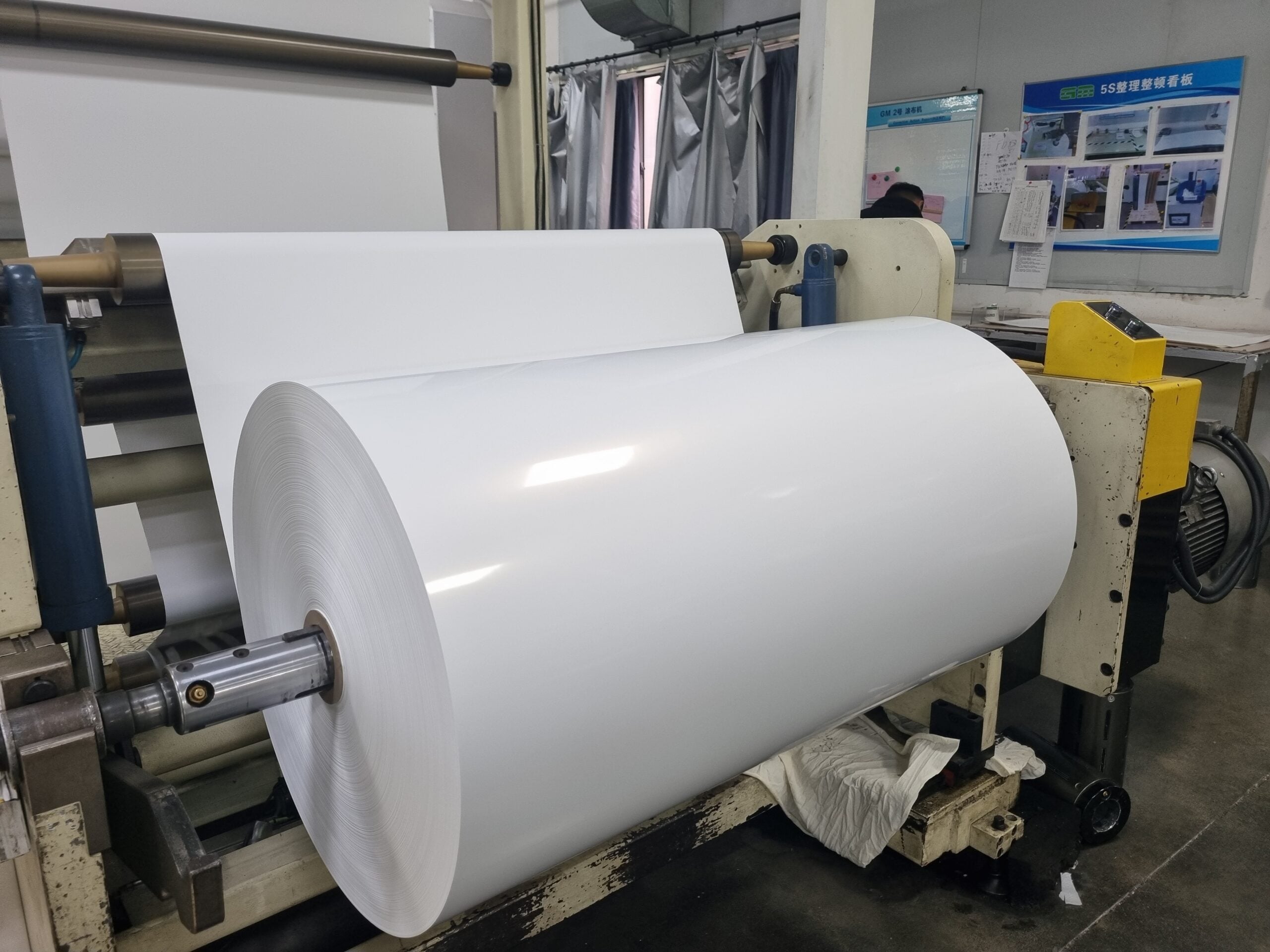
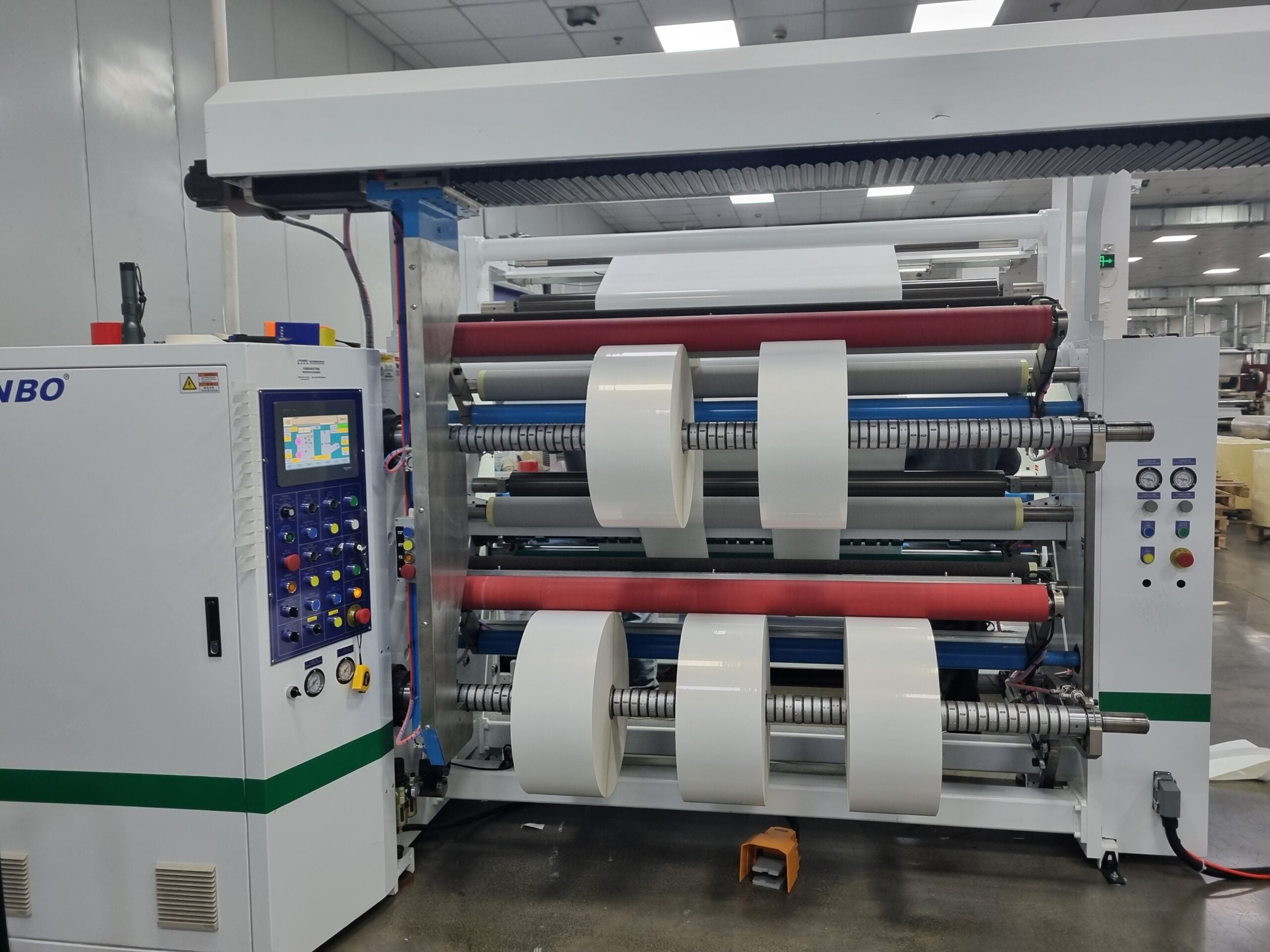
Hoạt động xuất sắc
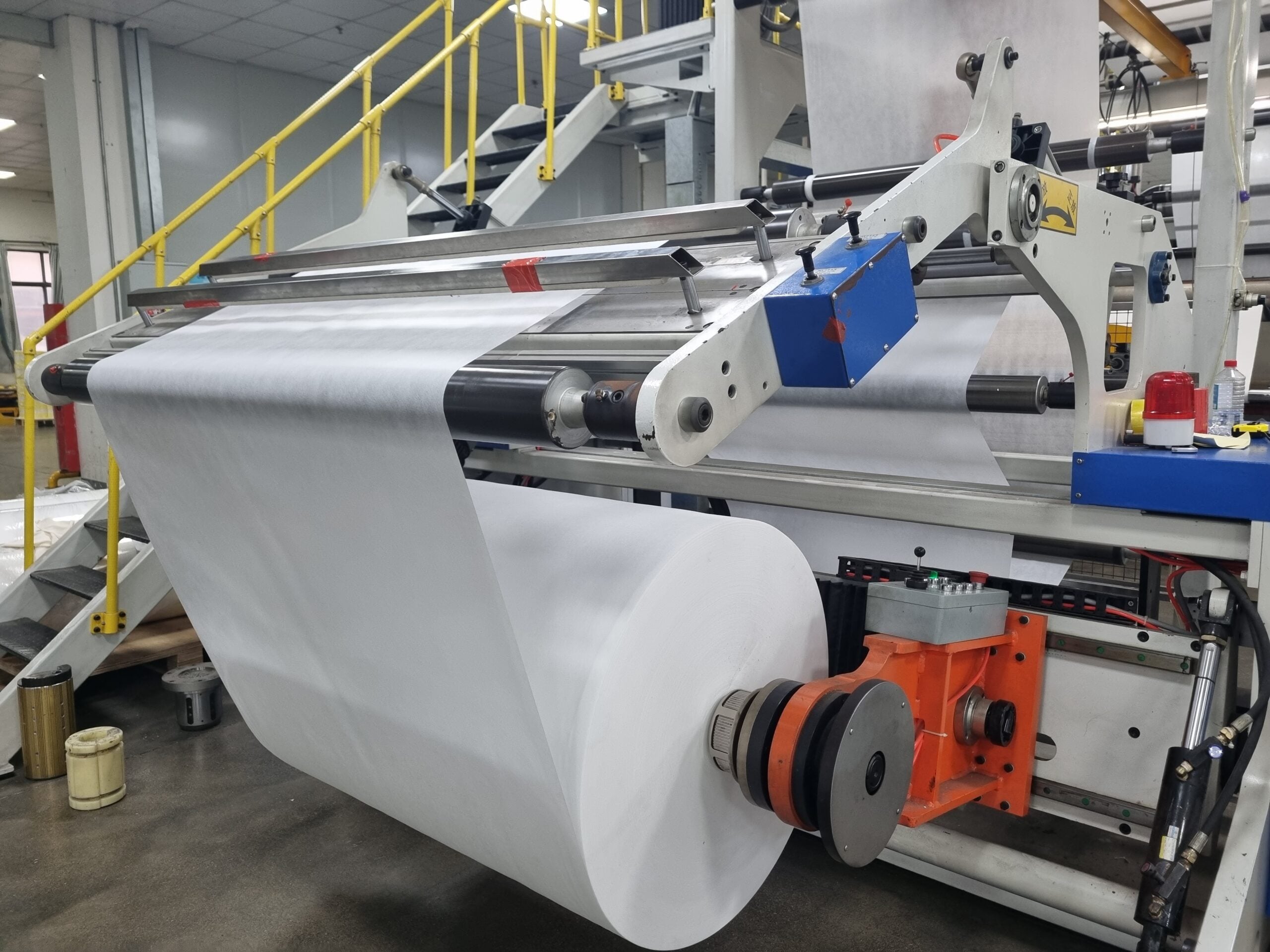
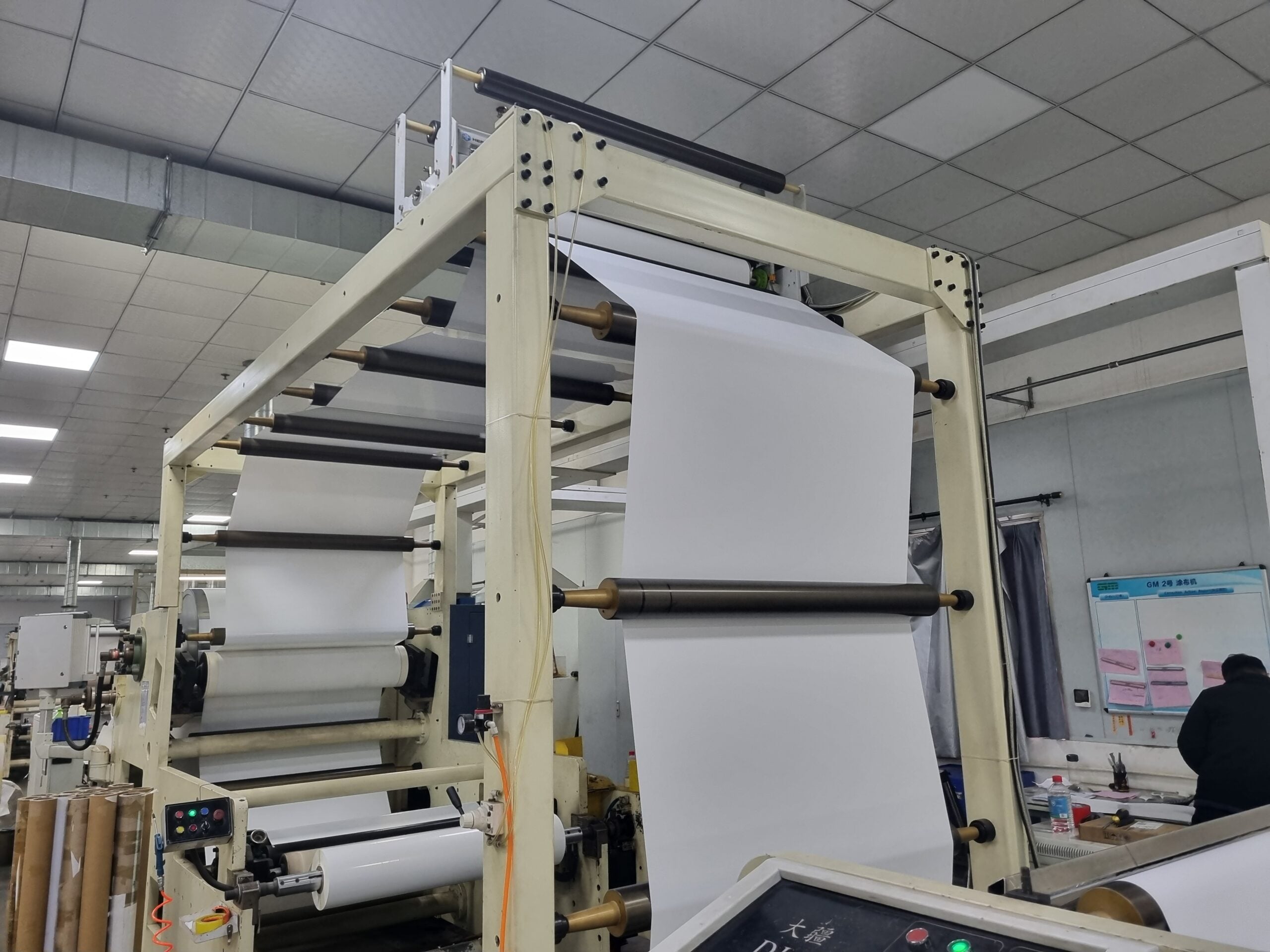
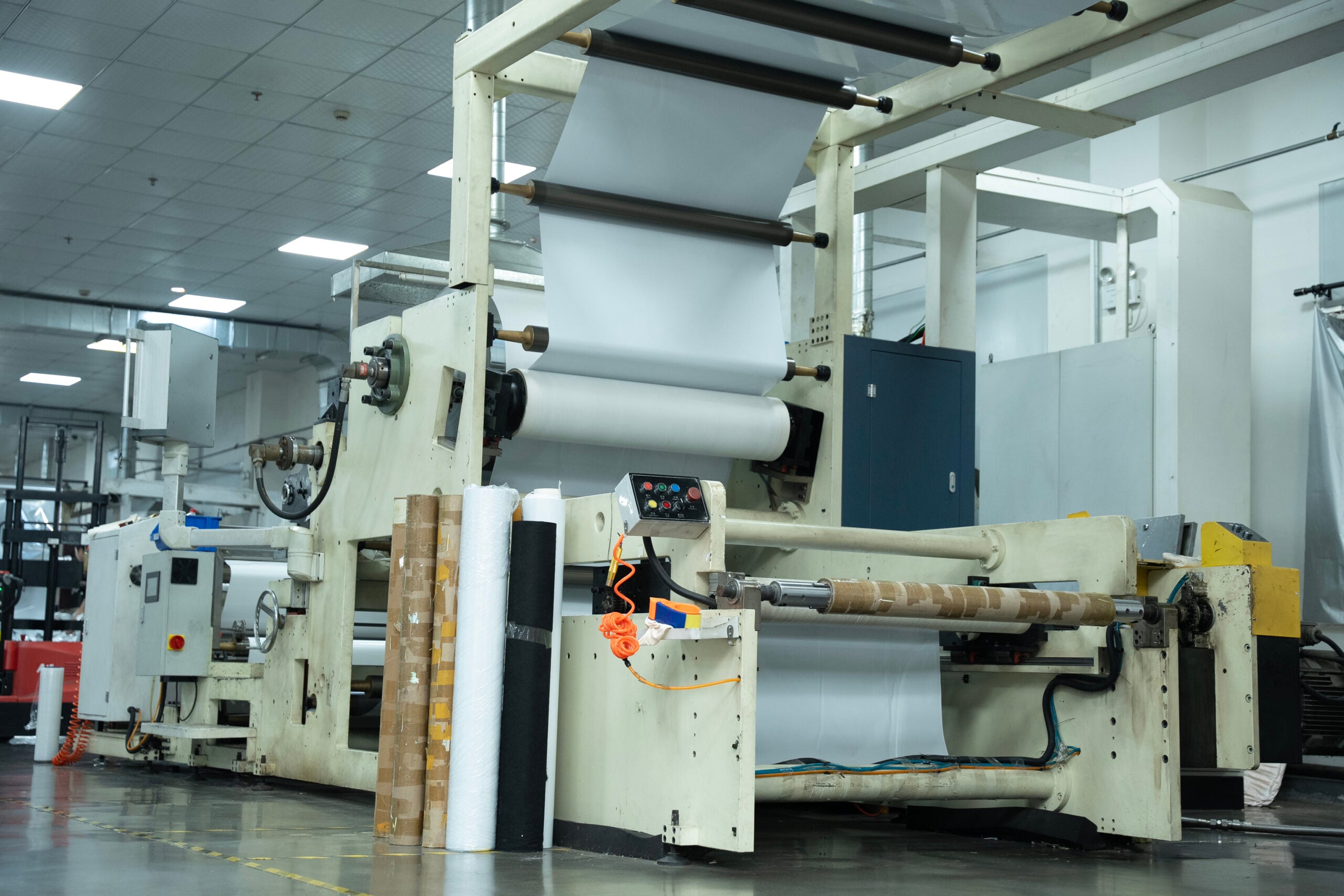
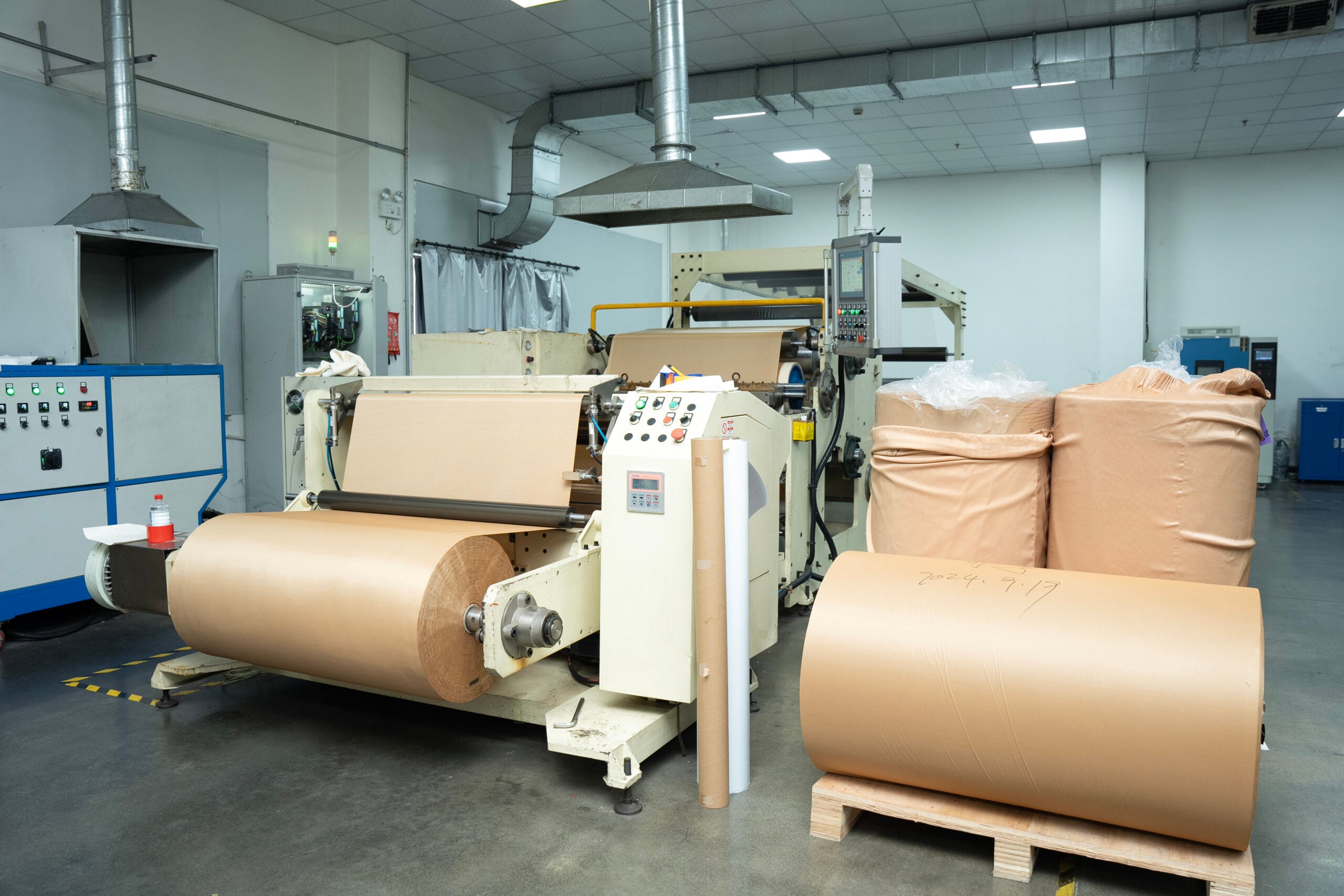
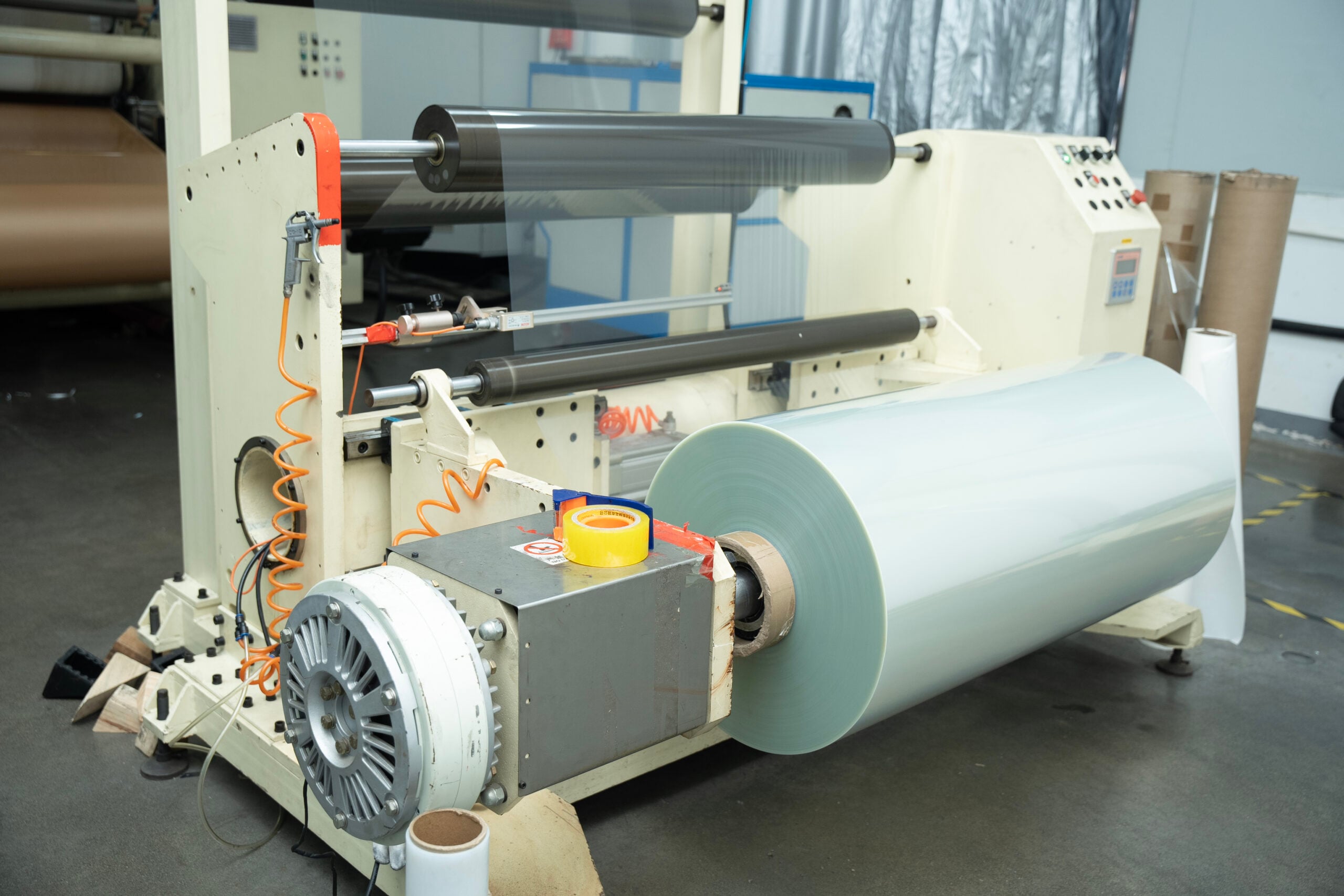
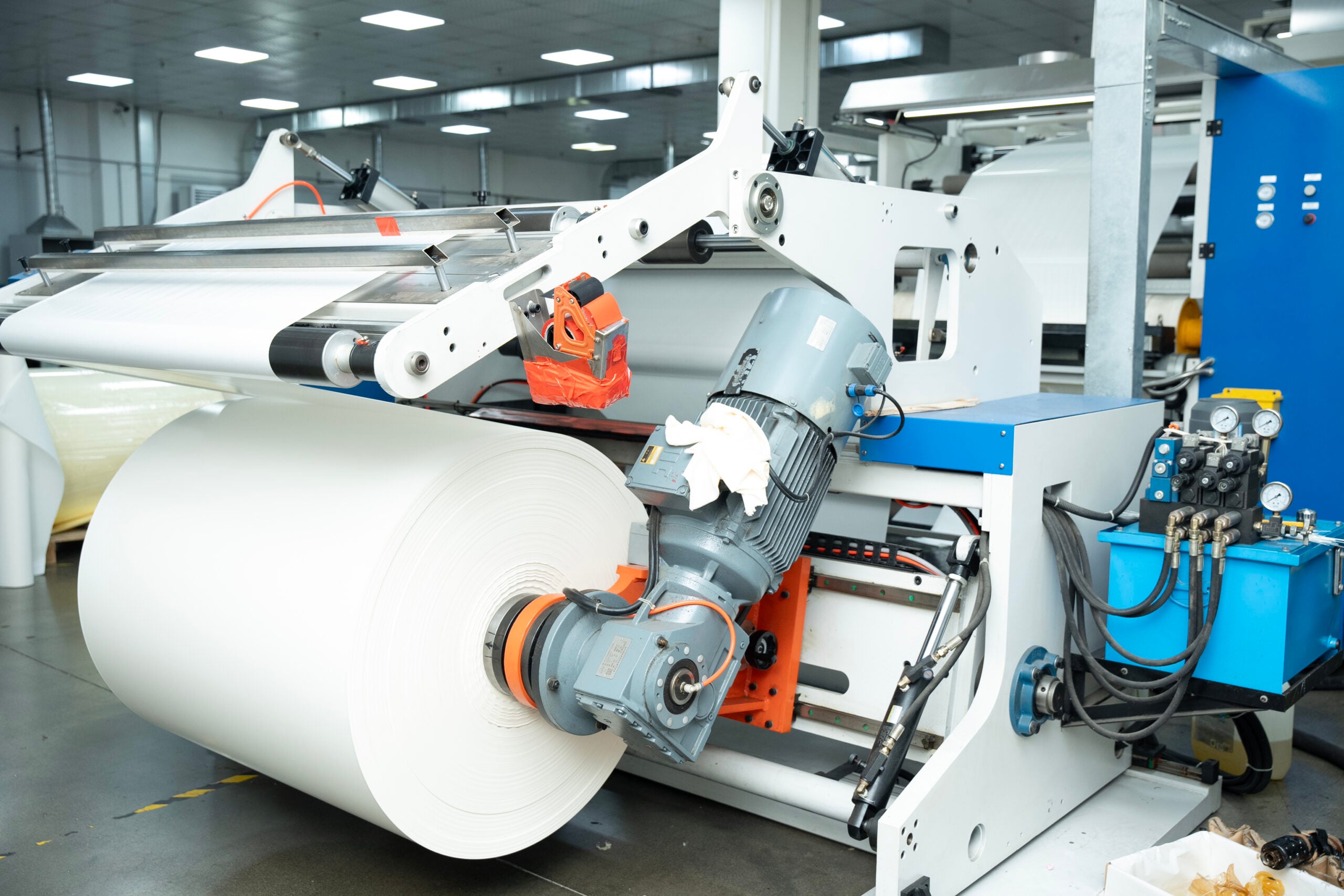
Cơ sở sản xuất hiện đại
Khả năng kỹ thuật số
Công cụ kỹ thuật và mua sắm tương tác
Hãy sử dụng các máy tính độc quyền của chúng tôi để xác định chính xác yêu cầu lực bóc, dự báo thời gian sản xuất và tối ưu hóa định tuyến nguồn hàng khu vực cho chuỗi cung ứng của bạn. Các công cụ này thu hẹp khoảng cách giữa quy cách kỹ thuật và lập kế hoạch mua sắm.
Công cụ Kỹ thuật
Bộ chọn lực bóc — Chọn quy cách lớp đế chống dính của bạn
Xác định lực giải phóng tối ưu (FINAT FTM 3) cho ứng dụng ghép nối, phân phối và chuyển đổi chất kết dính cụ thể của bạn để ngăn ngừa đứt web và rụng sớm.
Công cụ khởi chạy →
Công cụ mua sắm
Công cụ ước tính thời gian giao lớp đế chống dính
Tính toán các cửa sổ sản xuất và giao hàng tiêu chuẩn dựa trên loại chất nền cần thiết của bạn, độ phức tạp của lớp phủ và nhu cầu tài liệu tuân thủ hiện tại.
Công cụ khởi chạy →
Định tuyến chuỗi cung ứng
Công cụ ước tính thời gian giao hàng & nguồn hàng khu vực — Lớp đế chống dính
Hệ thống định tuyến tiên tiến tích hợp dữ liệu thời gian thực từ các điểm dự trữ của chúng tôi tại Haiyan, Thái Lan và Việt Nam để giảm thiểu rủi ro phụ thuộc vào một cảng và giảm biến động thời gian giao hàng của bạn.
Công cụ khởi chạy →
CHỈ ĐỊNH
Sẵn sàng xác định quy cách lớp đế chống dính của bạn?
Gửi hệ thống chất kết dính, tốc độ ứng dụng và sử dụng cuối cùng, và chúng tôi sẽ gửi cho bạn một danh sách rút gọn về chất nền và lực giải phóng trong một ngày làm việc. mẫu miễn phí có sẵn cho các thử nghiệm dòng chuyển đổi.
Câu hỏi thường gặp
Câu hỏi thường gặp
Lựa chọn lớp đế chống dính & giấy chống dính — Câu hỏi thường gặp
Lớp đế chống dính nào phù hợp nhất cho cấp nhãn tự động tốc độ cao?
Thông số kỹ thuật ngành cho việc tự động cấp nhãn nhạy áp tiêu chuẩn ở 200–300 m/min là SCK glassine 60–80 gsm với cấp lực tách nhẹ đến trung bình. Dung sai độ dày hẹp giúp duy trì tỷ lệ đứt băng vật liệu liên tục và trượt ở mức thấp khi cấp nhãn tốc độ cao. Với dây chuyền nhanh hơn – trên 300 m/min – hoặc các ứng dụng yêu cầu bế có tính mài mòn, PET tráng phủ silicone cho độ ổn định kích thước vượt trội trong quá trình xả cuộn dài.
Tôi nên chỉ định lực giải phóng nào cho chất kết dính nhạy áp lực của mình?
Chỉ định một cặp giá trị: tốc độ ứng dụng cần thiết và độ xâm lấn của chất kết dính. Đối với đường dây tốc độ cao chạy chất kết dính vĩnh viễn mạnh mẽ, giá trị ứng dụng nhãn thường là sự giải phóng chặt chẽ (1,5-3,0 N/in được đo trên mỗi FINAT FTM 3) để cho phép tách và dán nhãn sạch sẽ. Ngược lại, đường truyền chậm sử dụng chất kết dính có thể tháo rời hoặc có độ bám dính rất thấp sẽ cần giải phóng ánh sáng (0,05-0,5 N/in) để ngăn chặn sự phân tách sớm. Trên đây là tiêu chuẩn công nghiệp –, chúng tôi đo bằng khuôn thử nghiệm của mình lực giải phóng thực tế trên mỗi hệ thống kết dính và sửa đổi công thức silicon để đạt được kết quả mong muốn.
Lớp lót giải phóng silicone được sử dụng để làm gì và có an toàn thực phẩm không?
Lớp đế chống dính phủ silicone được dùng trong gia công nhãn nhạy áp, làm lớp đế cho keo y tế (băng gạc, miếng dán qua da, băng phẫu thuật), gia công băng keo, sản phẩm vệ sinh, ứng dụng đồ họa và sản xuất nhãn công nghiệp. Với nhãn trên bao bì thực phẩm, lớp đế chống dính không tiếp xúc với thực phẩm, nhưng hệ keo tiếp xúc với mặt nhãn phải nằm dưới các giới hạn Food-Contact-Migration đã thỏa thuận. Chúng tôi cung cấp lớp đế có lượng silicone thấp với mọi loại chất nền cho các ứng dụng mà chủ thương hiệu muốn giảm sự di chuyển silicone vào lớp keo.
Lớp lót giải phóng silicone có thể tái chế hoặc bền vững không?
Lớp lót giải phóng silicon trên giấy, tiếp xúc với thực phẩm có thể tái chế trong quy trình khử mực giúp loại bỏ cặn silicon, mực và chất kết dính. Chúng tôi đã bắt đầu Sáng kiến Tái chế Lớp lót TLMI vào tháng 7 năm 2024 với Sustana Solutions, hiện đang triển khai ở khu vực Chicagoland cũng như các địa điểm ở Đông Bắc Hoa Kỳ. Hoạt động của nhà máy ở Châu Âu đã bắt đầu kết hợp tỷ lệ lớp lót giải phóng thấp vào nguyên liệu sợi tái chế nhưng phương pháp thử nghiệm được chấp nhận vẫn chưa được áp dụng. Chúng tôi cung cấp lớp lót giấy theo chuỗi hành trình sản phẩm FSC và các tùy chọn tải silicon thấp trên thông số kỹ thuật ngày nay để các đối tác chuyển đổi có thể chuẩn bị cho tương lai khi chủ sở hữu thương hiệu và cơ quan quản lý gây thêm áp lực lên chất thải lớp lót.
Sự khác biệt giữa lớp đế chống dính nền giấy và lớp đế chống dính bằng màng PET / polyester là gì?
Lớp đế chống dính nền giấy (glassine, CCK) chiếm khoảng 90% thị trường, mang lại tổng chi phí thấp nhất cho nhà gia công, được chấp nhận rộng rãi trong các chương trình tái chế và phù hợp với ứng dụng bế. Lớp đế chống dính bằng màng PET chiếm khoảng 10% thị trường nhãn cho những ứng dụng mà độ ổn định kích thước trong môi trường ẩm, khả năng vận hành tự động và độ bền ngoài trời quan trọng hơn các cân nhắc về chi phí. Bọc vinyl cho xe, ứng dụng đồ họa khổ lớn và nhãn ngoài trời dài hạn được in bằng lớp mặt nhãn PET hoặc BOPP và cần lớp đế chống dính bằng màng PET. Nhãn mỹ phẩm hoặc nhãn ống co được sản xuất tốt hơn trên lớp đế chống dính bằng màng BOPP.
Tôi có thể mua trực tiếp lớp đế chống dính từ nhà sản xuất tại châu Á ở đâu?
Guanma tự phủ và gia công lớp đế chống dính tại cơ sở của chúng tôi ở Haiyan, Zhejiang, Trung Quốc, đồng thời duy trì hàng tồn kho khu vực tại Thái Lan và Việt Nam để phục vụ các đơn vị gia công nhãn ở Đông Nam Á, Nam Mỹ hoặc châu Âu. Đặt hàng trực tiếp từ nhà máy bảo đảm bạn nhận được cấu hình cụ thể cần thiết, cho phép hợp tác chặt chẽ với chương trình sản xuất của chúng tôi và giúp bạn tiếp cận bộ phận R&D cho công việc thiết kế tùy chỉnh. Hãy dùng thao tác ‘Yêu cầu báo giá’ ở trên; chúng tôi sẽ phản hồi trong vòng một ngày làm việc với danh sách rút gọn các quy cách và thời gian giao hàng ước tính.
MOQ, thời gian giao hàng và chính sách mẫu thông thường của Quý khách là gì?
MOQ được báo theo vật liệu nền, cấp vật liệu và khổ xẻ. Vật liệu nền tiêu chuẩn (glassines SCK, CCK) có sẵn tại kho khu vực của chúng tôi cho các khổ xẻ phổ biến thường được giao trước chuẩn ngành 4-6 tuần đối với cấu trúc mới. Các công thức riêng biệt (fluorosilicone, low-silicone-loading, tỷ lệ lực tách tùy chỉnh) được bố trí cho phát triển R&D và báo giá riêng. Mẫu tiêu chuẩn miễn phí để thử nghiệm với nhà gia công nhãn do Quý khách chọn, với kích thước phù hợp để xác nhận thử nghiệm dây chuyền, được cung cấp. Hãy yêu cầu báo giá ngay hôm nay bằng cách nêu chi tiết đơn hàng của Quý khách.
Bạn có thể tùy chỉnh lực giải phóng, trọng lượng silicone và sự kết hợp chất nền không?
Có. Nhà máy của chúng tôi tự phủ và gia công lớp đế chống dính từ glassine SCK, kraft phủ đất sét, PET phủ silicone, BOPP và giấy tổng hợp; đồng thời phủ keo nóng chảy, keo gốc nước hoặc acrylic, cũng như vật liệu mặt theo yêu cầu của khách hàng. Silicone được pha chế và kiểm soát mức phụ gia để cung cấp lực bóc mong muốn. Tỷ lệ chênh lệch tiêu chuẩn 2:1 và 3:1 giữa các bề mặt được dùng cho các sản phẩm băng keo phủ hai mặt. Các hệ keo chuyên dụng không silicone, fluorosilicone hoặc đóng rắn UV không dùng dung môi cũng có sẵn. Đội ngũ R & D của chúng tôi phối hợp chặt chẽ với bộ phận kỹ thuật của bạn để xác định tổ hợp sản phẩm phù hợp nhất.