Get in Touch with Guanma

For label converters · food brands · procurement teams
Food Packaging Label Material Solutions — PET, PP & Coated Paper Stock
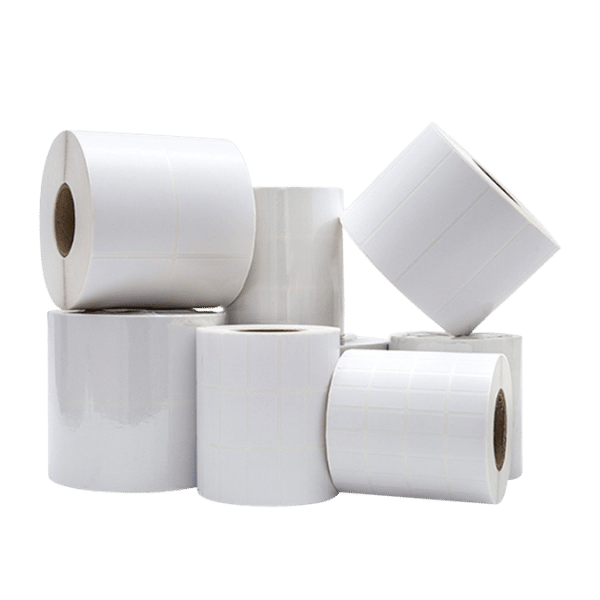
Self-adhesive food packaging labels begin with the right facestock and adhesive – not the printing press. Guanma supplies food-grade PET, BOPP synthetic paper, and coated paper stock combined with hot-melt, water-based, and acrylic adhesive coating on the coating machine – the high-grade stock behind every custom food label run, from cold-storage primary pack to ambient-shelf jar.
FDA 21 CFR 175.105 indirect-contact compliance, FSC chain-of-custody (RR-COC-002209), ISO 9001 quality system. MOQ-friendly with 7-10 day regional supply from Thailand and Vietnam.
4
Facestock families
3
Adhesive systems
−40°C → +120°C
Service temperature
20–100µm
Facestock thickness
7–10 days
SE Asia regional supply
10+ yrs
Production & QC track record
From Cold-Storage Failures to Wash-Off Compliance — Why Stock-Ready Materials Win Over Custom Compromises
Food packaging labels fail in the same three ways every quarter: edge lift in the freezer, ink smearing under steam, adhesive bleed onto the food-contact surface. None of these are printing problems. They are facestock-and-adhesive problems that started before the press job ever ran a single label – a high-quality finished label cannot rescue a mismatched stock decision made upstream.
[ ISSUE 01 ]
Hidden cost of label failure
Industry TCO analysis indicates a single label failure event costs $5,000-$50,000 once you factor in product recall, retailer chargebacks, customer-service handling, and brand exposure. Paper-only label programs typically run a 2-5% failure rate; properly engineered synthetic constructions sit at 0.1-0.5% – roughly a 90% reduction in failure events.
[ ISSUE 02 ]
Root cause
Cellulose-based facestocks absorb moisture and weaken under refrigeration. General-purpose acrylic adhesives lose tack below +5C. Coatings designed for offset printing tear under thermal-transfer ribbons. Each failure traces back to a mismatch between the food packaging labels you ordered and the actual surface, temperature, and process they had to survive.
[ SOLUTION ]
What works instead
A self-adhesive label is three engineered layers – facestock + adhesive + release liner – and the right combination is application-specific. Guanma stocks PET, BOPP synthetic paper, PP, and coated paper facestocks paired with hot-melt, water-based, and acrylic adhesives, combined with FSC-certified glassine and PE-coated kraft (CCK) liners. Each combination is matched to a substrate, a temperature window, and a regulatory pathway – FDA 21 CFR 175.105 for indirect food contact in the U.S., EU 1935/2004 for the European market, GB 9685-2016 for China.
Guanma Food-Grade Label Stock — Facestock × Adhesive × Liner Decision Matrix
Three choices drive every food packaging label program – in order. First, select the facestock. Second, match it to an adhesive that can survive the application temperature and the substrate. Third, select a liner that runs smoothly on the converter’s press. We have published our internal selection process below so engineering teams can shortlist before the RFQ stage.
Facestock families
PET (Polyester)
Tamper-Evident
Weatherproof
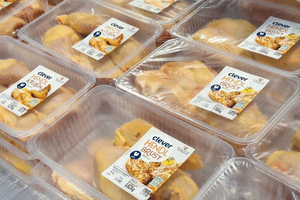
The toughest film face Guanma stocks. PET is rigid, dimensionally stable, and withstands steam-pasteurization, autoclave cycles up to +120C, and aggressive solvent exposure – the right answer for retort pouches, ready-meal trays, and pharma-grade food labeling where label survival is critical.
Thickness: 25 / 36 / 50 / 75 µm
Finish: Transparent · White · Silver/Metallized · Glossy · Matte
Coating: Top-Coated (Flexo/UV/Gravure) · Digital · Thermal(TTR)
BOPP Adhesive Film
Wash-Off
Removable
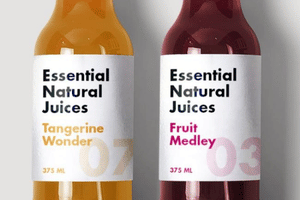
The “no-label look” workhorse. BOPP synthetic paper – biaxially-oriented polypropylene at the molecular level – is flexible, water-resistant, tear-resistant, and prints crisply on Flexo and UV. Default choice for clear beverage labels, condiment squeeze bottles, and “label-as-design” personal-care crossover packaging.
Thickness: 20 / 25 / 50 / 60 / 80 µm
Finish: Transparent · White · Silver/Metallized · Pearl
Coating: Top-Coated · Digital-Coated
Synthetic Paper (BOPP/HDPE-based)
Substrate-Adaptive
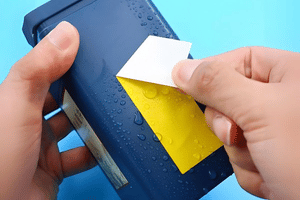
Paper-look, plastic-performance. Synthetic paper provides the writable, tactile comfort of paper, with the water, grease, tear resistance of plastic – used for freezer labels, bakery boxes, blast-chilled meat packs, outside-shelf food merchandising. Wikipedia lists the synthetic papers among Waterproof, enhanced machinability, natural fiber look, is generally BOPP or HDPE based, and accounts for 54% (by volume) of “packaged food and beverage consumption” labeling.
Thickness: 54 / 75 / 100 µm
Finish: Semi-gloss White
Coated Paper (Semi/High-gloss)
Removable
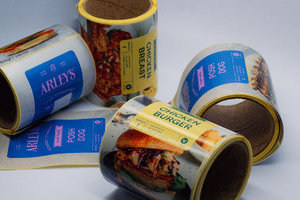
The budget dry, ambient-shelf base label material. High “surface strength”, high smoothness, high ink hold, in-line coatable to other layers – suitable for branded jar labels, dry pasta pack-in dough boxes, ceramic-dot snack box fronts, tea liddia tins, spice drawers, and short-run sit-down artisan foods. Not suitable for wet, frozen, greasy applications: that is a film job.
Variants: Single-coated · Double-coated · Cast-coated · BOPP-lam
Finish: Semi-gloss · High-gloss · Matte
Adhesive systems
Hot-Melt
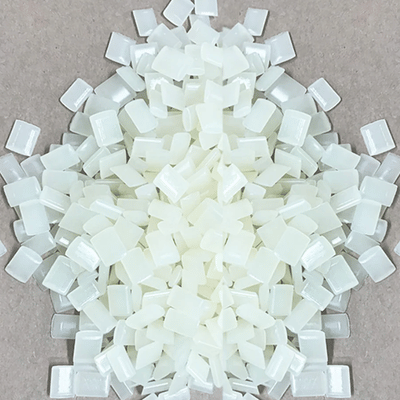
Guanma’s freezer-grade hot-melt system is the best there is – available from stock now. Tack maintained to 40C, bonds to low surface energy plastics, adheres to corrugated, reaches initial grab in under a second when run on a high-speed labeler. Guanma’s freezer system passed Avery-Dennison cold-glue application protocols and is “family-cold” chemistry behind Avery’s C4500 / C4510 systems used across the U.S. food sector.
Service: −40°C to +60°C
Strength: Permanent
FDA: 21 CFR 175.105 compliant
Water-Based (Acrylic Emulsion)
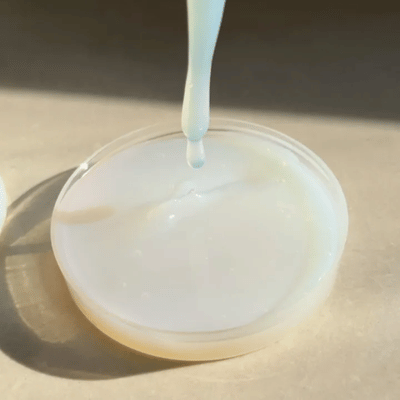
The all-round food labeling glue. Water-based emulsions provide clean conversion, low odor, good adhesion to glass, PET, HDPE, and standard cardboard – covering most ambient-shelf food labeling at low-to-mid investment; compatible with recyclable streams when used with wash-off formulations available today for HDPE and PET bottles.
Service: +5°C to +80°C
Strength: Permanent · Removable · Wash-Off
FDA: 21 CFR 175.105
Solvent Acrylic
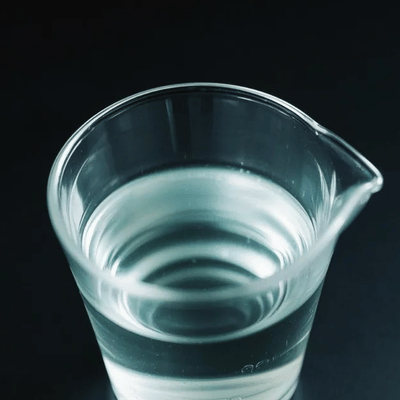
The R&D specialty label line. Solvent acrylic is our workhorse for applications which exceed our general-purpose glue: aggressive adhesion to LDPE squeeze tubes, oil-heavy environments around bakeries and fry-lines, low and high temperature cycling between blast chiller and oven display. Higher unit investment, but best achieved foothold across these edge cases.
Service: −20°C to +120°C
Strength: Aggressive Permanent
FDA: 21 CFR 175.105
Liner systems
Glassine (PVOH-coated SCK paper)
Fine, weak dimensional stability, ensurable – the European converter standard for pressure-sensitive label dispensing on glass and PET bottle lines.
CCK (Clay-Coated Kraft / PE coated)
Heavy-duty, runs through high-speed automatic labeling machinery – standard in North American applications, especially for synthetic-paper and polypropylene face-stock combinations.
Decision Matrix — Facestock × Adhesive × Application
Read row column. If two answers are true, the recommended preferred is bolded.
| Facestock ↓ / Adhesive → | Hot-Melt | Water-Based Acrylic | Solvent Acrylic |
|---|---|---|---|
| PET | Frozen meat/poultry primary pack Cold | Retort pouch, sterile food trays Hot-fill | Industrial food processing labels +120°C |
| BOPP Synthetic Paper | Freezer dessert / ice-cream pints −40°C | Beverage / juice / wine bottles Wash-Off | Squeeze-tube condiment / oil-rich Aggressive |
| Synthetic Paper | Blast-chilled meat / dairy / cheese −18°C | Bakery box, grease-resistant snacks Grease | Outdoor durable food merchandising UV |
| Coated Paper | Cold-stocked jars (limited use) | Ambient jars · pasta · spice · tea tins | Not recommended → select film face instead |
Printing-method compatibility
| Printing method | Best facestock | Best coating | Notes |
|---|---|---|---|
| Flexo (conventional) | PET, BOPP, Synthetic Paper, Coated Paper | Top-Coated (Standard) | Widest compatibility — Guanma’s default supply |
| UV Flexo | PET, BOPP, Coated Paper | Top-Coated UV-grade | Higher color density on synthetic stock |
| Gravure | PET, BOPP | Top-Coated | Long runs, strong color match |
| Digital Inkjet (Aqueous) | Coated Paper, Synthetic Paper | Digital-Coated | Specify Digital-Coated stock for ink anchorage |
| Digital UV Inkjet | PET, BOPP, Synthetic Paper | Digital-Coated | Short-run flexibility, low waste |
| Thermal Transfer (TTR) | Synthetic Paper, PET, Coated Paper | Thermal-Coated | Specify Thermal-Coated; matches barcode and date-code workflows |
Stock Material vs Custom-Printed Labels vs Multi-Layer Films — Performance & Procurement Comparison
The procurement question is rarely "which label looks best." It is "which sourcing path delivers the lowest total cost of ownership over the next 24 months, including the labels we will have to throw away."
Why this comparison matters
Three sourcing paths dominate food packaging labels: (1) buying stock label material from a manufacturer such as Guanma and converting it locally; (2) ordering custom-printed labels from a converter; (3) specifying multi-layer flexible packaging film with print integrated into the lamination. Each carries a different unit cost, a different MOQ, and very different failure economics.
| Procurement criterion | Stock label material (Guanma route) |
Custom-printed labels (label converter) |
Multi-layer flexible film (integrated print) |
|---|---|---|---|
| Lead time (in-stock) | 3–5 days (Haiyan) · 7–10 days (Bangkok / Ho Chi Minh) | 10–25 days | 30–60 days |
| Lead time (custom formulation) | 15–25 days | 20–40 days | 45–90 days |
| Minimum order quantity | 100 m sample roll · 500 m commercial | 5,000–25,000 labels | 10,000–50,000 units |
| Customization depth | Facestock · adhesive · liner · width slit | Print only (material is the converter's choice) | Lamination structure + print |
| Stock variability for converter | High (you stock 2–3 facestocks, mix to 20+ end products) | Low (each end product = one SKU of finished labels) | Very low |
| Inventory carrying burden | Carried as raw material — flexible | Carried as finished SKU — obsolescence risk | Carried as finished SKU — high obsolescence |
| Reprint flexibility (label change) | Reprint locally on existing stock | Re-order 5k+ labels minimum | Re-tool 50k+ unit run |
| Typical failure rate (industry data) | 0.1–0.5% (synthetic constructions) | 0.5–2% (varies by material specified) | 0.3–1.5% |
| Indicative unit-cost premium | Baseline | +20–40% over stock cost | +50–120% (depends on lamination) |
TCO Card — Why Synthetic Stock Beats Paper-Only Programs
Industry TCO analysis indicates synthetic-construction food packaging labels typically save 15–30% annually versus paper-only programs once failure costs, reapplication labor, and inventory carrying are included — even though the unit price runs 20–40% higher.
90%
Failure-rate reduction (paper → synthetic)
$5K–$50K
Cost of a single failed label batch
22%
Annual inventory carrying cost (industry avg)
2× longer
Synthetic shelf life vs paper (24–36 mo)
Source: Don Marino, "Total Cost of Ownership: When Synthetic Labels Save Money Over Paper" (Nov 2025). Figures reflect industry averages — request a Guanma-specific TCO analysis for your volume profile.
Application-Proven Performance — Meat, Frozen, Dairy, Beverage & Specialty Food Packaging
Six application families capture around 90% of the food packaging label material that we ship. Each has a unique failure mode, a unique surface, and a recommended construction. Field anonymized field data from converter or brand-owner sources (2024-2025 period, precise numbers NDA protected) are collated below.
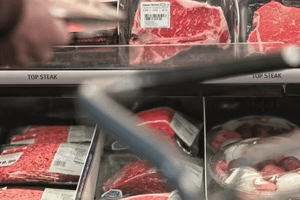
Meat & Poultry
Tamper-Evident
USDA-aligned
Vacuum-sealed primary packaging needs USDA-aligned indirect-contact compliance, freezer-grade tack down to −18°C, and resistance to surface moisture from the protein itself. Construction: PET facestock + freezer-grade hot-melt + glassine liner.
Field Data: North-American protein converter — <0.4% label-related complaint rate over 18 months on PET-hot-melt construction.
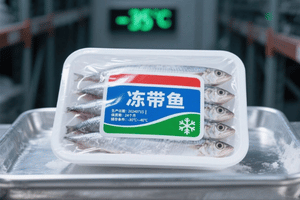
Frozen & Cold Chain
Weatherproof
−40°C cycle
Flash-freezing operations drop ambient temperature toward −40°F (−40°C) within minutes, exposing labels to thermal shock, moisture crystallization, and progressive material degradation. Construction: Synthetic Paper + freezer-grade hot-melt + CCK liner.
Field Data: SE-Asia cold-storage operator — <0.3% edge-lift incidence at −28°C over an 18-month cycle.
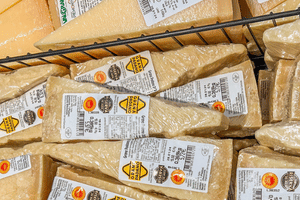
Dairy & Cheese
Wash-Off
Recycle-compatible
The label is exposed both to room temperature and surface fat. Standard acrylics do not withstand; the solution is a wash-off-capable acrylic on a synthetic paper face that makes it through the dairy fridge while remaining HDPE-bottle-recyclable. Construction: Synthetic Paper+wash-off water-based acrylic+glassine liner.
Field Data: European cheese brand — converter print-waste rate 0.4% on first 2-million-label run.
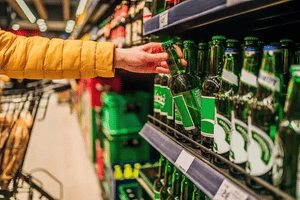
Beverage & Wine
Wash-Off
Wet-stick
Ice-bucket immersion and condensation tests show the challenge of any clear label. Clear BOPP with wash-off acrylic achieves the "no-label look" and true wet-stick reliability. Construction: Clear BOPP+wash-off acrylic+glassine liner.
Field Data: South-American boutique winery — clear BOPP construction held intact through 4-hour ice-bucket immersion in QA testing.
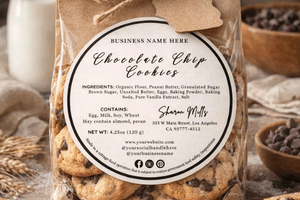
Bakery & Snacks
Removable
Grease-resistant
Grease and seed oil penetrate the cellulose facestocks within hours, leaving translucent halos and faded ink on bakery boxes and snack pouches. The solution: a grease barrier-laminated synthetic paper with a removable acrylic adhesive that comes off clean during consumer opening.
Field Data: Asia-Pacific bakery chain — 24-hour controlled grease migration test reported zero through-print bleed on Guanma synthetic-paper construction.
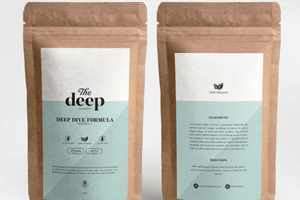
Stand-Up Pouches & Flexibles
Substrate-Adaptive
Low-SE compatible
LDPE and metallized BOPP pouch surfaces have low surface energy — most adhesives bead up rather than wet out. Solvent acrylic on a thin BOPP face gets the wet-out behavior right and survives the squeeze, twist, and tear cycle of consumer handling.
Field Data: Stand-up pouch converter — peel adhesion ≥ 4 N/cm on LDPE substrate, sustained over 12-month shelf life.
Food-Safety Compliance & Certifications — FDA, FSC, RoHS, ISO 9001
Food-packaging labels are regulatory artifacts on both his and hers challenges - any label that finds its way onto a primary package, a freezer container, a reusable beverage bottle or a takeaway package is subject to a different chain of authority. Such a system Guanma operates in covers the United States, the European Union, China and ISO-compliant export zones of Southeast Asia and South America.
ISO 9001:2015
Quality Management System — annual audit cycle
Certificate on file
FSC Chain of Custody
Mixed-source paper-based facestocks
RR-COC-002209
EU RoHS Directive
Restricted-substance test report on file
2011/65/EU + amendments
FDA 21 CFR 175.105
Adhesive components — indirect food contact
Suite-wide compliance
Labeling requirements vary by country, but most do not exceed four regulators covering most of the Guanma food product lines. US FDA, EU directive 1935/2004, Chinese GB-food safety series and ISO for South American and Southeast Asian exports accommodate most of our intermediate and premium product lines.
Regulatory cross-reference
| Market | Primary regulation | Scope | Guanma alignment |
|---|---|---|---|
| United States | 21 CFR 175.105 | Adhesives in indirect food contact | Compliant suite-wide |
| United States (meat / poultry) | USDA FSIS labeling regulations | Mandatory label content + material safety | Material-side aligned; brand owner controls label content |
| European Union | Regulation (EC) 1935/2004 + 10/2011 | General framework + plastics for food contact | Compliant; PPWR-readiness in progress |
| European Union (recycling) | EU PPWR (Packaging & Packaging Waste Regulation) | Recyclability, wash-off compatibility | Wash-off acrylic line aligned with RecyClass test methods |
| China | GB 9685-2016 + GB 4806.7-2016 | Additives + plastic materials for food contact | Compliant; domestic certification on file |
Direct vs. Indirect Food Contact
— A Quick Note
Virtually every food packaging label is in the indirect food contact category - the adhesive does not touch food the way a label does. An example applies to 21 CFR 175.105 in the United States and Article 3 of EU 1935/2004 in Europe. The less common, direct food contact (i.e., a label on fresh produce) category involves more stringent regulation of the ways and means substances will be allowed to migrate by - every day. Guanma ships only indirect-contact adhesion and facestock; direct-contact labels are produced upon request with the appropriate testing for the particular application.
Operational Excellence
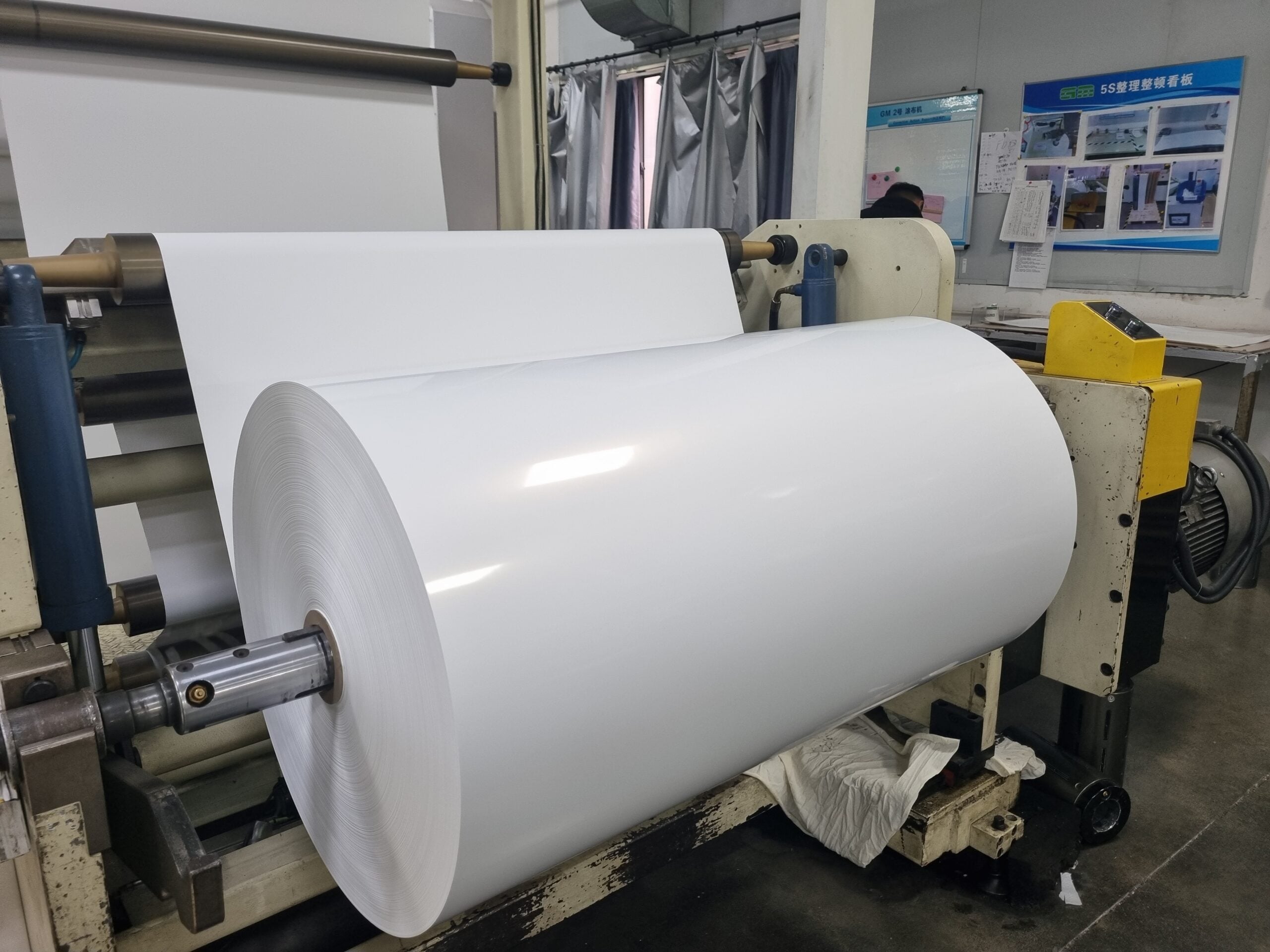
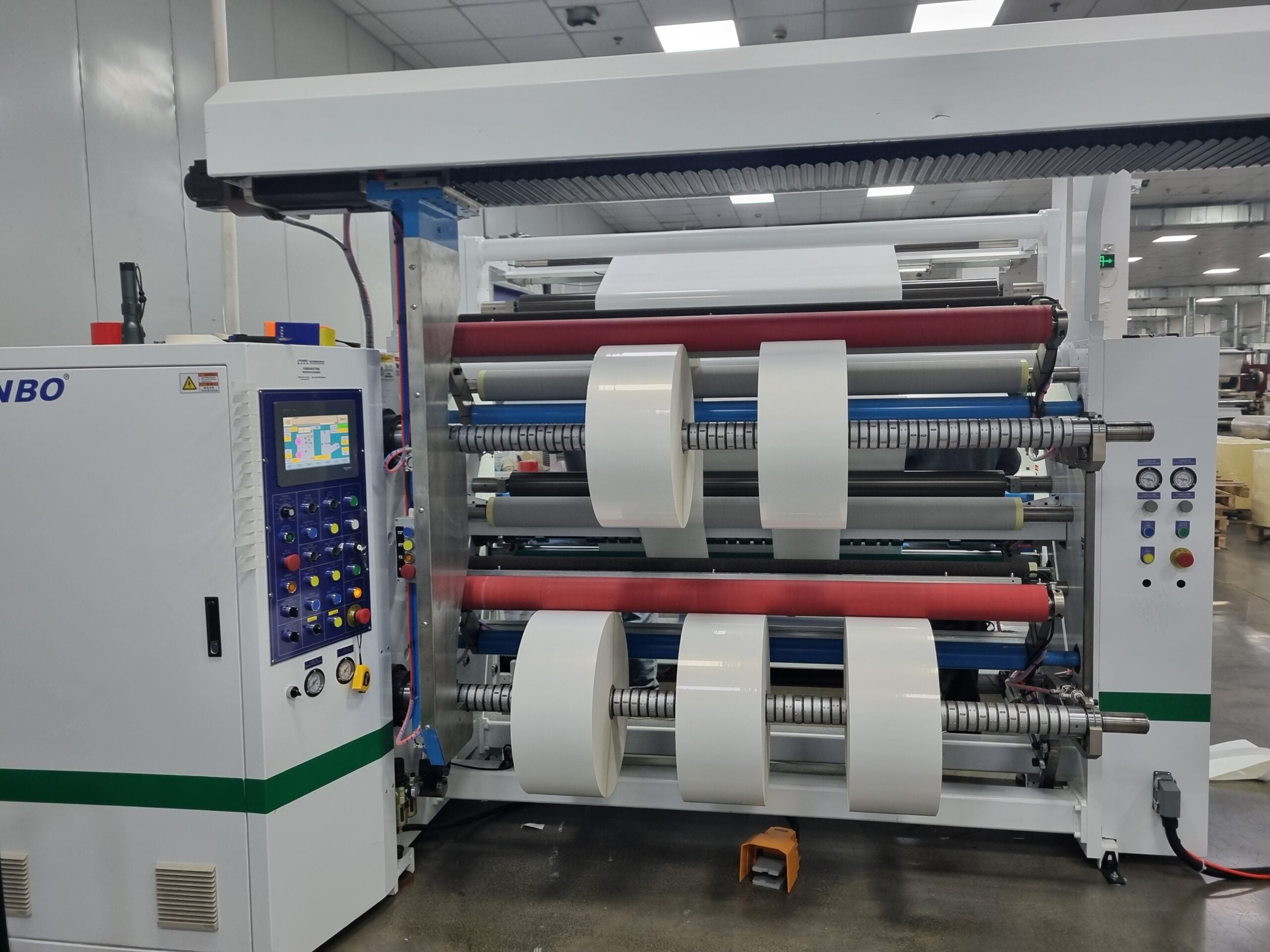
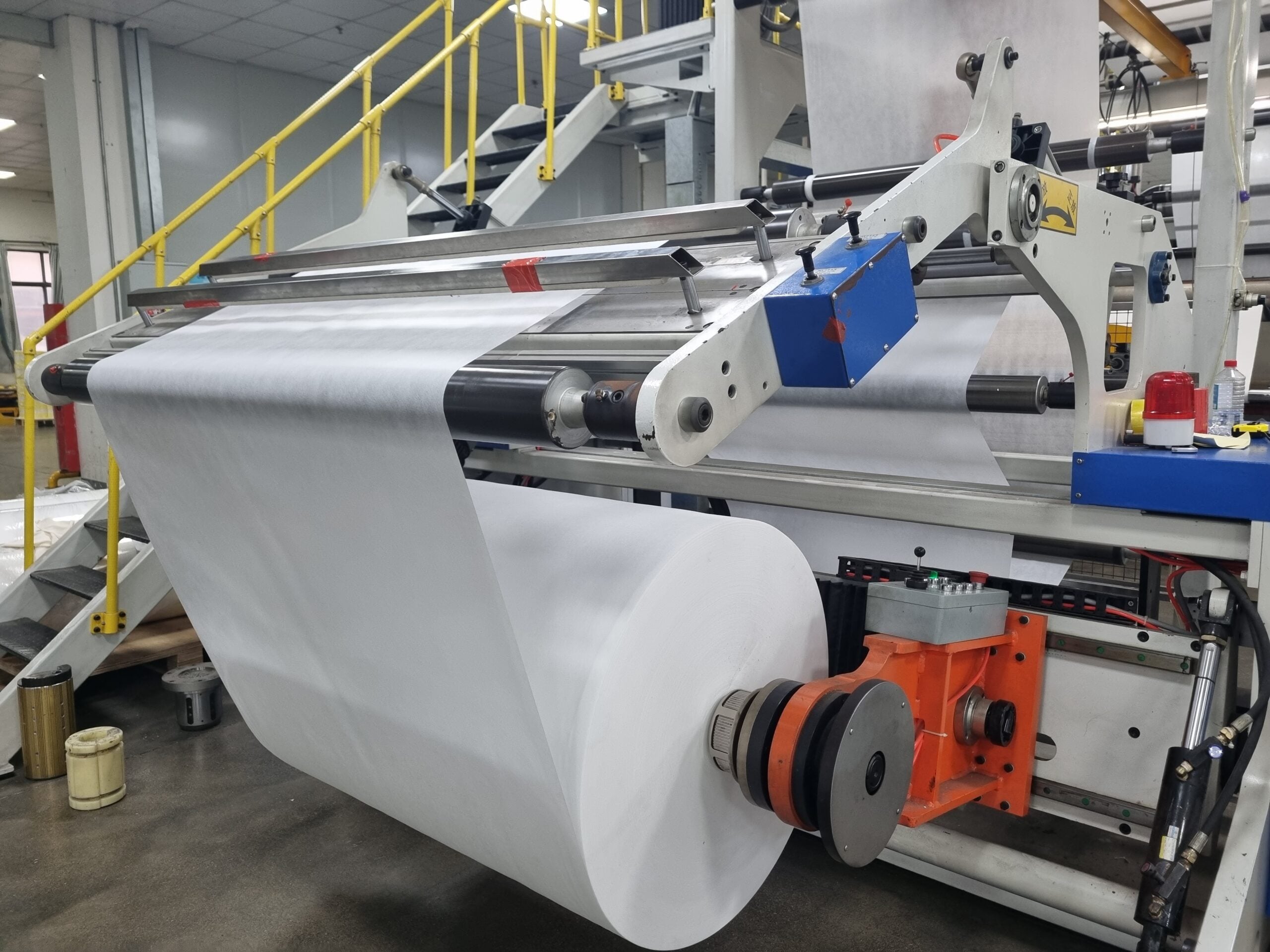
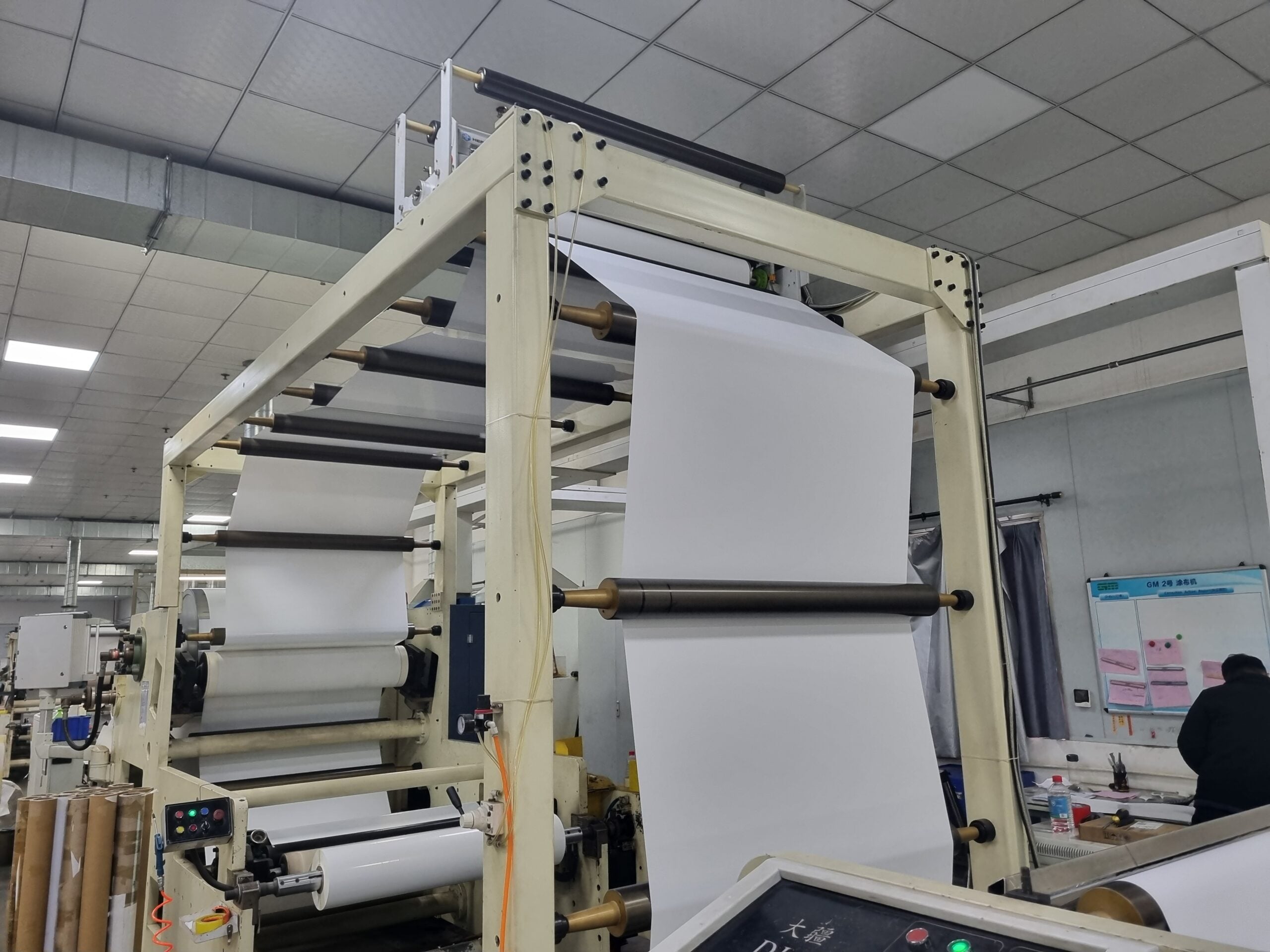
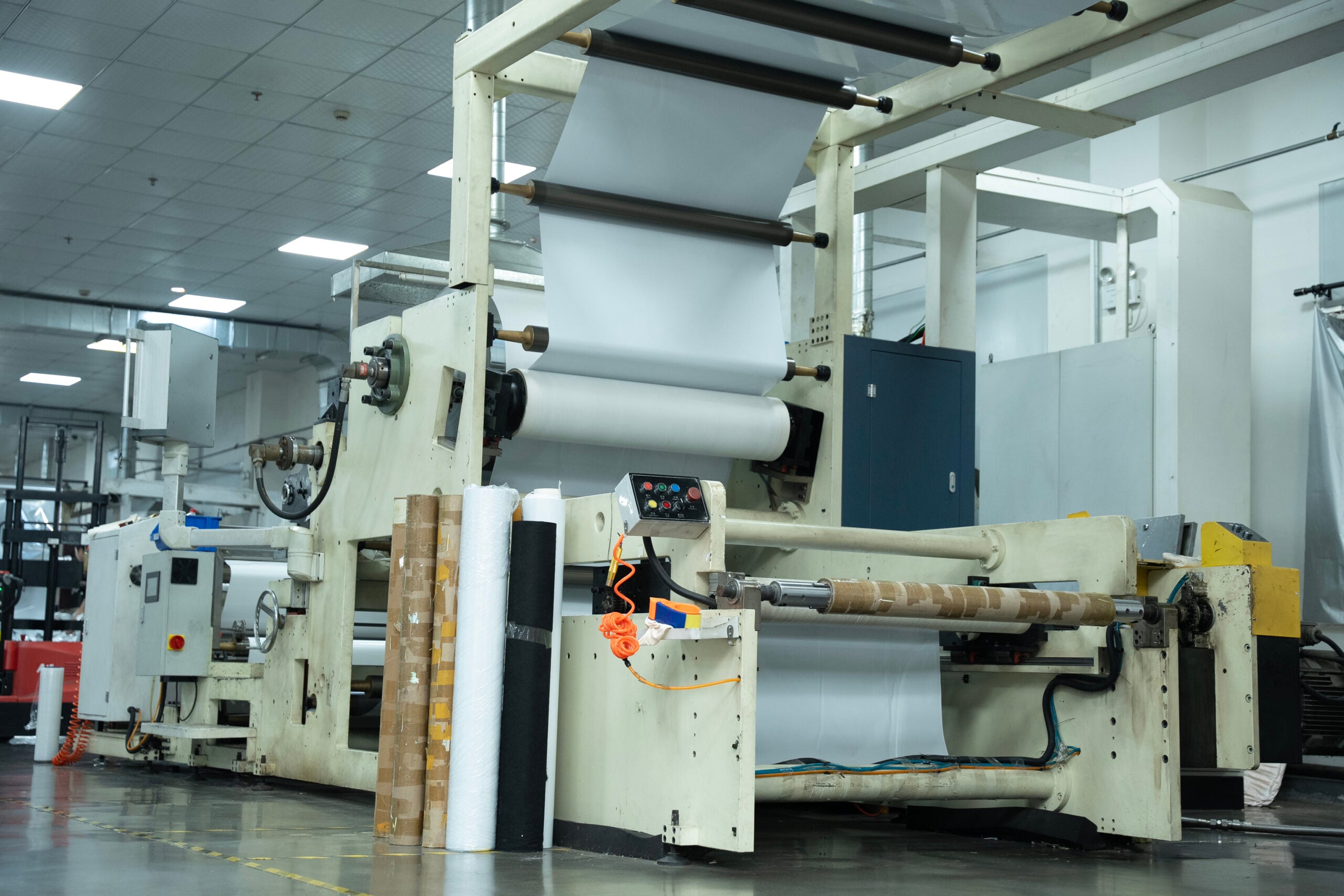
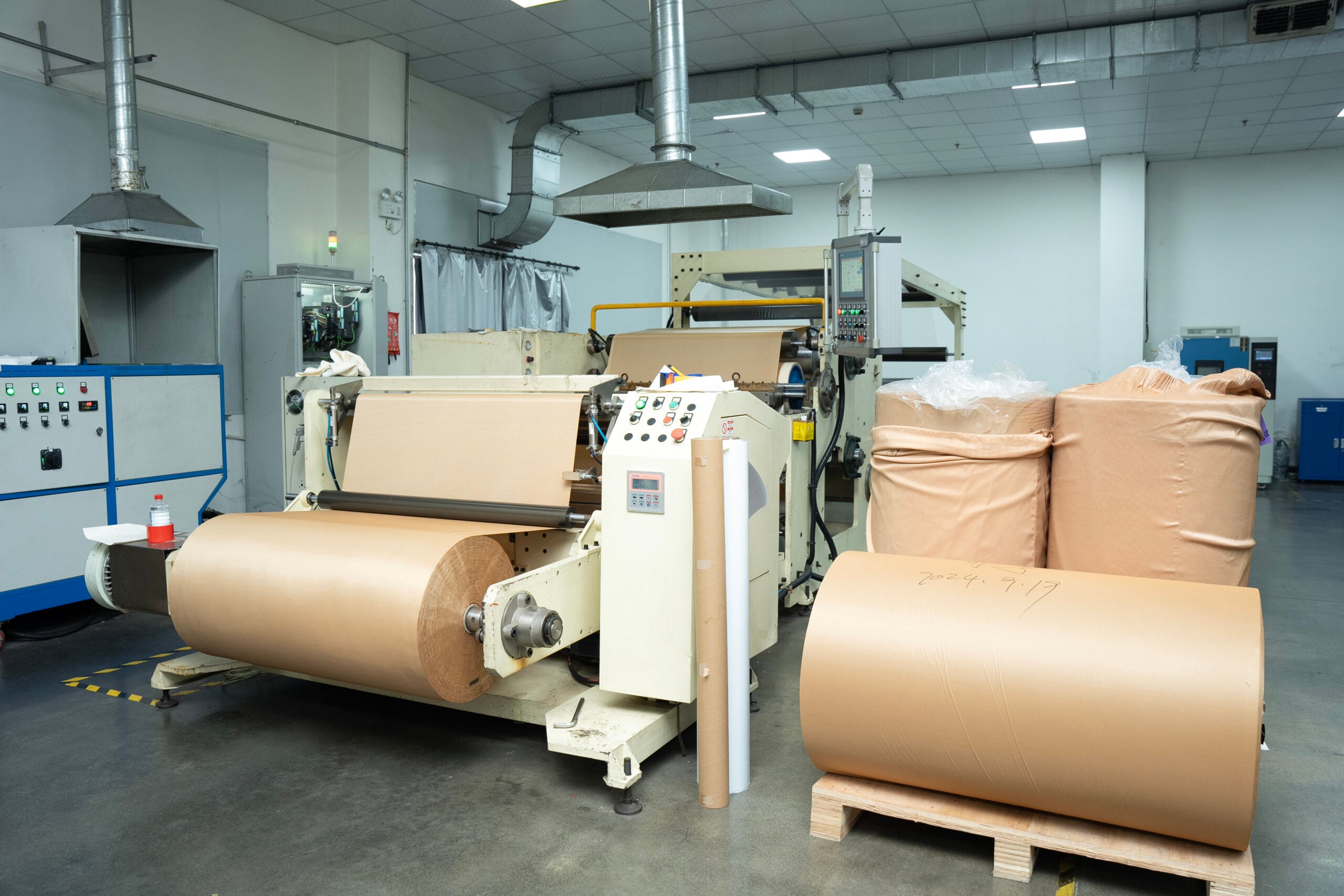
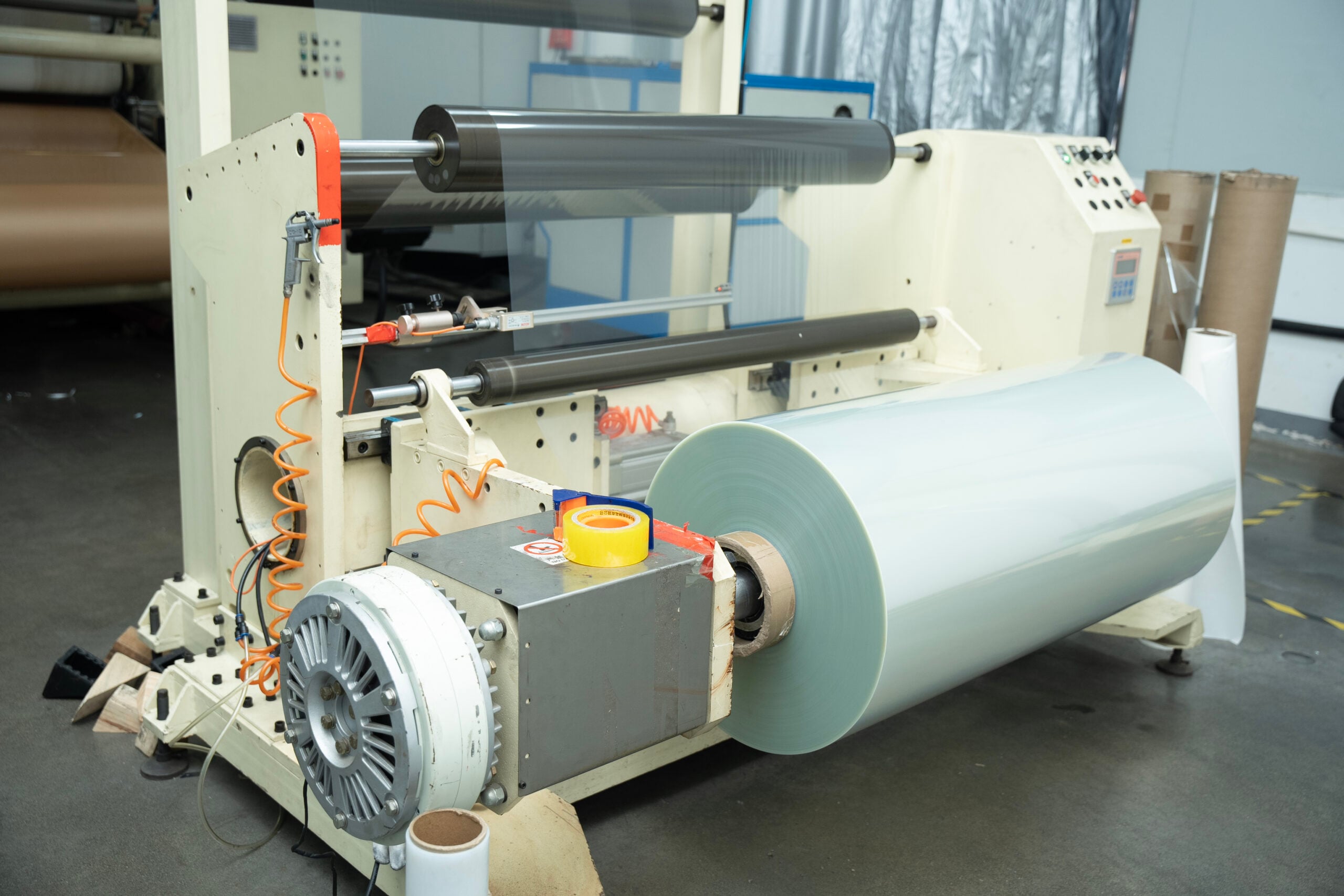
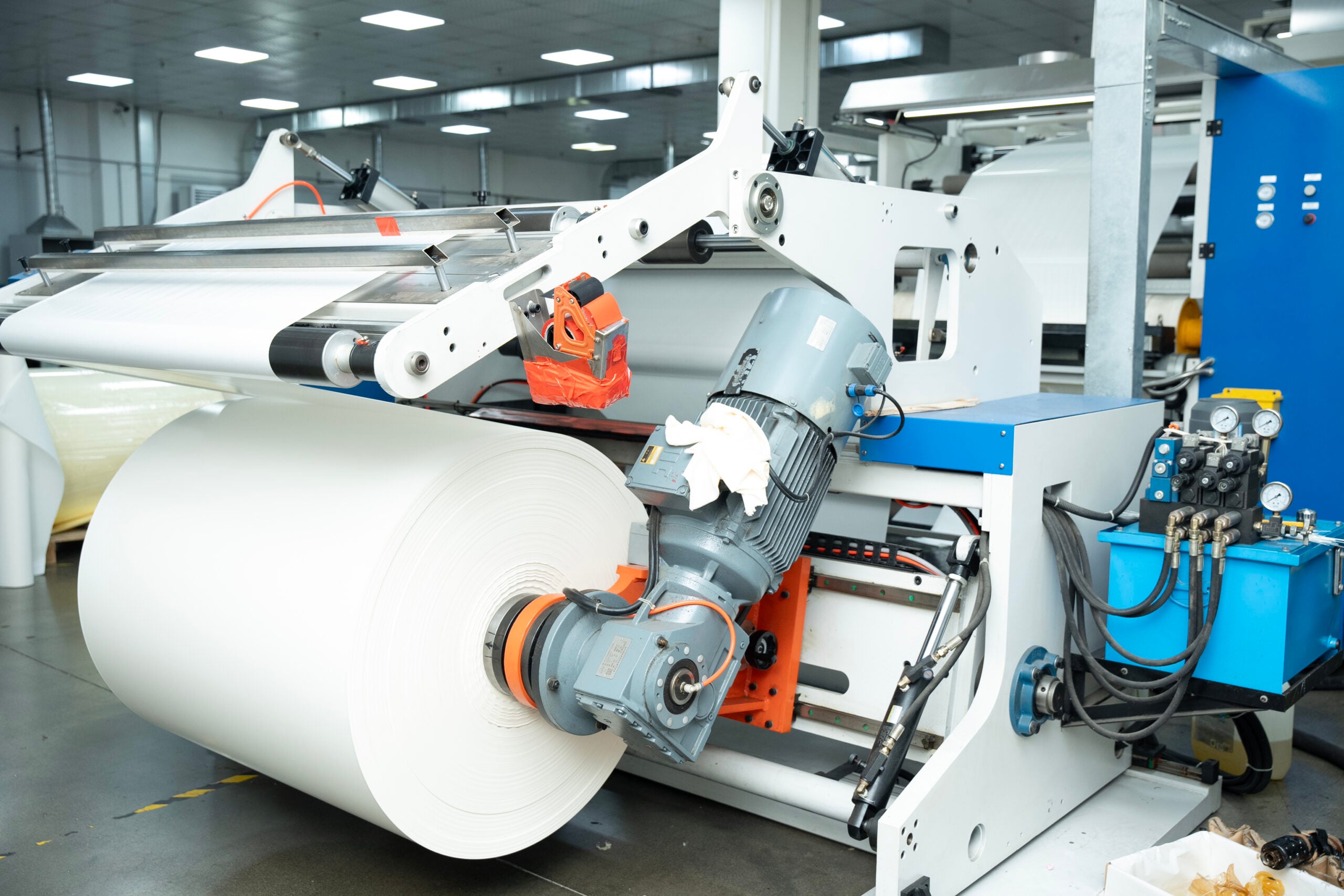
State-of-the-Art Production Facility
Procurement Guide — MOQ, Lead Time & Regional Supply (Thailand & Vietnam)
Discussions on the Reddit(r/) Packaging and Business forums are dominated by a single theme - small and mid-sized food brands grind to a halt because label or pouch suppliers will only provide in 10,000-quantity batches. Guanma's supply architecture is based upon three things that converters and brand owners in the food category actually care about: tier-staged MOQ, steady regional lead time, and costless initial-roll testing.
What MOQ flexibility looks like in practice
Most of the info exchanged about label-stock sourcing is expressed as an MOQ figure. Different stages demand different shelf-tiers of MOQ, though, and in a similar fashion, different tiers require different lead-time approaches and customs-release brackets. We report our tiers hereafter.
Stage 01
Sample swatch
Quantity1× A4 sheet per facestock × adhesive combination
CostFree (we cover shipping in some regions)
Lead Time3–5 days
Use case: Print-shop wet-out / adhesion bench test
Stage 02
Sample roll
Quantity1 m roll, slit to spec
CostFree of material — buyer covers freight
Lead Time5–7 days
Use case: Press trial on the buyer's own equipment
Stage 03
Validation order
Quantity100 m roll
CostIndicative tier — request quote
Lead Time7–10 days regional / 10–15 days global
Use case: Pilot production run · brand validation
Stage 04
Commercial
Quantity500 m+ roll
CostVolume tier — request quote
Lead Time3–5 days from in-stock SKU · 15–25 days custom
Use case: Production scale-up
Lead-time and regional supply
Guanma manages converting capacity and makes-to-order production across a triad of Asia-Pacific Facilities - the mother plant in Haiyan, nearby manufacturing support facilities in Thailand and Vietnam. The Thailand and Vietnam locations only exist for one reason - the vast majority of our US headquartered competition dispatch finishes to buyers in Australia and South East Asia from North America, which is has a commoditising 2-3week lead-time tax on each and every journey.
| Origin | Buyer region | In-stock lead time | Custom lead time |
|---|---|---|---|
| Haiyan, China (HQ) | China · Korea · Japan · India | 3–5 days | 15–25 days |
| Bangkok, Thailand | SE Asia · Australia | 7–10 days | 15–20 days |
| Ho Chi Minh, Vietnam | SE Asia · Pacific Rim | 7–10 days | 15–20 days |
| Haiyan, China | EU · South America | 15–25 days (sea freight) | 25–40 days |
Spec sheet template & RFQ
In order to provide a speedy 24 hour deadline quote, the buying template that Guanma distributes before RFPs celebrates the following five elicit information: facestock family, adhesive system, slit width, planned annual volume, project-specific requirements for labeling (FDA / EU 1935 / GB 9685 / FSC). The same five fields determines the availability of sampling-rolls in the intermediate term.
Sample policy & payment terms
- Five free A4plus swatches + 1 meter trial roll per composition, default buyer pays for delivery.
- No spec / design fee on sample-stage technical drawings.
- Terms of sale: T/T 30/70 (30% deposit, 70% prior to front door hook-up). Letters of credit approved for purchase orders in excess of commercial tier MOQ.
- Transport channels: ex-Haiyan, ex-Bangkok, ex-Ho Chi Minh. Air and sea freight rates provided upon request.
Label Engineering & Procurement Toolkit
Streamline your packaging decisions with our proprietary engineering tools. Calculate total cost of ownership, match adhesives to cold-chain environments, and verify global compliance pathways instantly.
Facestock × Adhesive Decision Matrix
Interactive selector engineering. Input your application, temperature window, and printing method to generate a lab-recommended material construction tailored for your run.
Launch Selector
Label Material TCO Calculator
Model the true cost of label failure. Quantify the hidden financial impacts of operational waste and compare standard paper configurations against high-performance synthetic stock.
Calculate TCO
Food Label Compliance Region Checker
Navigate global food-contact regulations seamlessly. Map your target export market and application to current FDA, EU, and GB standard compliance pathways instantly.
Verify Compliance
PET vs PP vs synthetic paper vs coated paper — which facestock should I choose?
Match facestock to the application's worst-case condition. PET if the label sees steam or pasteurization. BOPP if it has to look invisible on a bottle. Synthetic paper if it goes into the freezer or sees grease. Coated paper for ambient, dry, low-cost shelf goods. The Decision Matrix above lists the recommended primary in each cell.
Are Guanma food packaging labels FDA-compliant for direct food contact?
Our standard product range is compliant with 21 CFR 175.105 — adhesives in indirect food contact, which is the regulatory pathway for nearly every primary-pack food label. Direct food contact (a sticker physically touching the food, e.g. on produce) follows a separate substance-migration testing pathway. We produce direct-contact label stock on request with the appropriate testing.
What's the difference between roll labels and sheet labels for converter procurement?
Roll labels feed automatic high-speed labeler equipment and ship in continuous slit rolls — the dominant format for commercial food packaging lines. Sheet labels are pre-cut on a backing, fed through inkjet or laser printers, and suit short-run, in-house, or pharmacy-style applications. Guanma supplies both formats, with sheets cut from the same parent stock as roll runs.
Can your material survive −40°C cold-chain or +120°C steam pasteurization?
Yes — but the answer is construction-specific. Freezer-grade hot-melt on synthetic paper survives −40°C with documented edge-lift performance. PET face with solvent acrylic clears +120°C steam pasteurization in retort-pouch service. Each construction is qualified separately — the spec sheet lists ranges per stock.
Are FSC-certified and recycle-friendly options available?
Yes. Guanma operates under FSC chain-of-custody RR-COC-002209 for paper-based facestocks. Wash-off acrylic adhesive variants are aligned with EU RecyClass methodology for HDPE and PET bottle recycling streams.
How do I print on different facestocks (Flexo, UV, TTR, Inkjet)?
Specify the coating at order time. Top-Coated stock runs traditional Flexo / UV Flexo / Gravure. Digital-Coated stock runs aqueous and UV inkjet. Thermal-Coated stock pairs with thermal-transfer ribbons for date and barcode coding. The compatibility table above matches each method to the recommended facestock and coating.
Do you ship from Thailand or Vietnam to reduce lead time for SE Asia and Australia?
Yes. Bangkok and Ho Chi Minh hold rolling stock of the most-ordered facestock × adhesive SKUs and ship 7–10 days into SE Asia, Australia, and Pacific-Rim destinations. The same volume from a U.S.-based supplier typically ships in 21–28 days.