Get in Touch with Guanma

★★★★★
B2B self-adhesive label stock for tire programs
Tire Labels
Tire Label Material Solutions for Rubber Tire Surfaces
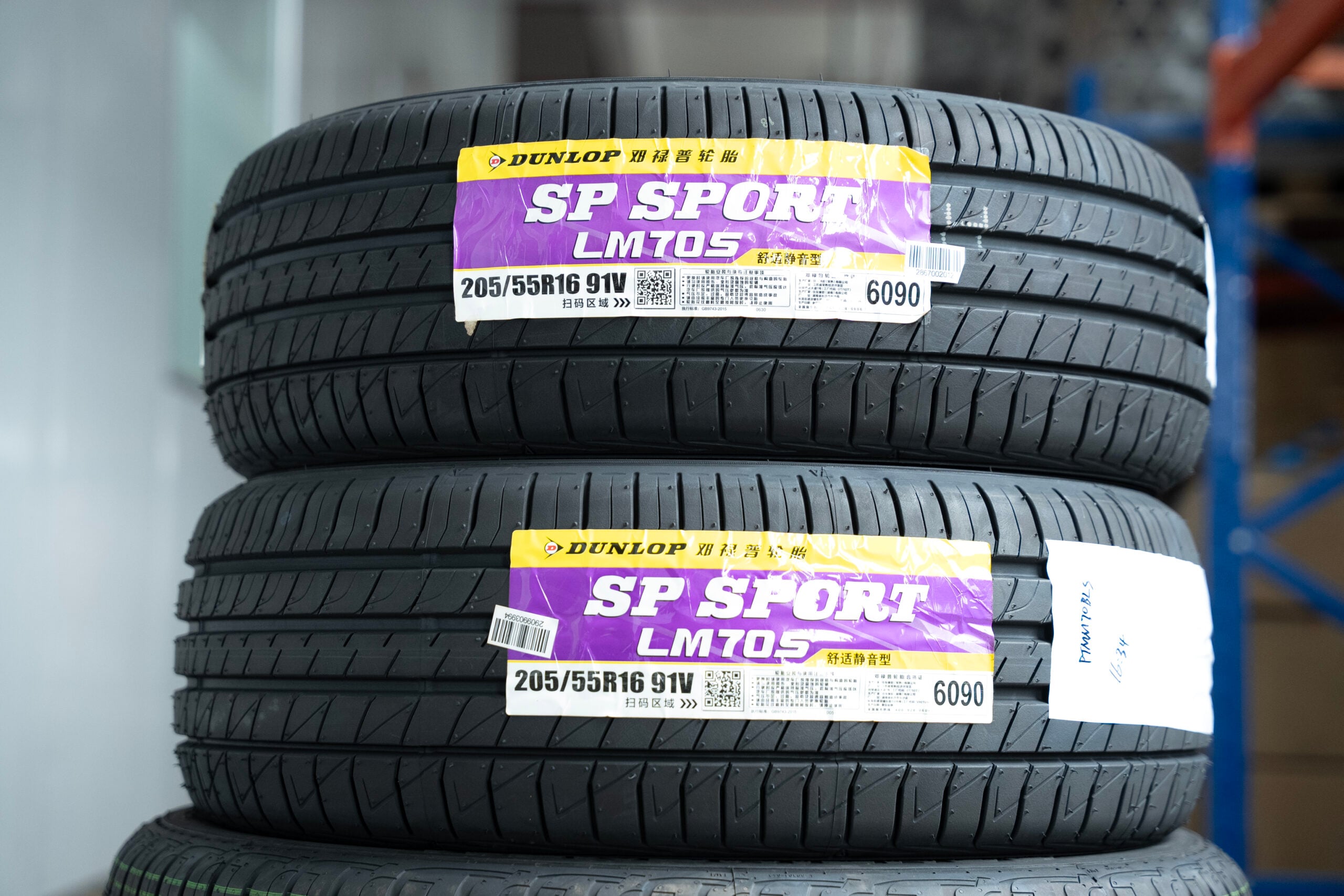
Guanma creates customized tire label stock, matching facestock, tire labeling adhesive, liner and printing method to your surface, handling, and supply needs.
ISO 9001
SGS Verified
Industry Standard
Get a Facestock + Adhesive Match
Facestocks
PET / PP / BOPP / coated paper
Adhesives
Hot-melt / acrylic / water-based
Liners
Glassine / CCK / custom
Export support
Thailand + Vietnam faciliti
Tire Label Materials Must Survive Rubber, Release Agents, and Handling
Uneven tread profile and rubber chemistry make a more difficult adhesive bonding than flat packaging surfaces. UPM observes that tire label materials require specially formulated adhesive systems for irregular tire treads, while the European Commission defines the label as a regulated information medium for concern.
01
Surface
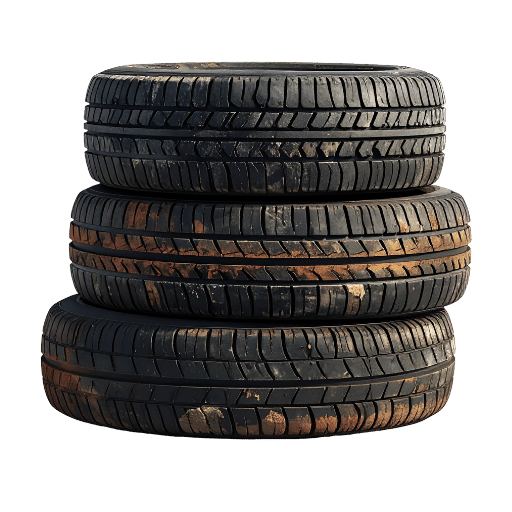
Rough tire tread, mold release residue, and treated rubber need adhesive flow that reaches the contact points without flooding the label edge.
02
Readability
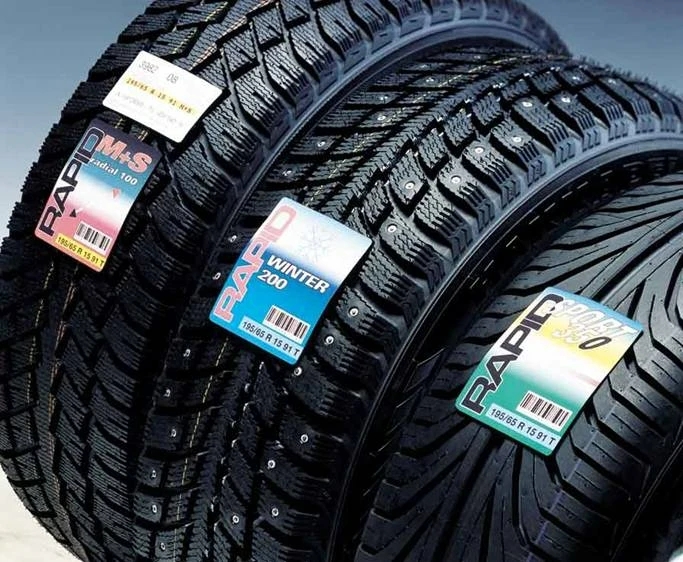
Brand, size, QR, barcode, or regulatory fields need clean contrast through shipping, stacking, and retail handling.
03
Conversion
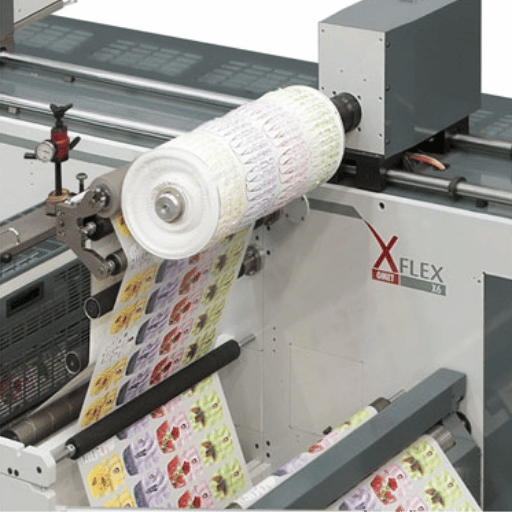
Labels that ooze into the printer or curl after die cutting add cleanup, waste, and press stops.
Engineering note
Dry-edge and pattern adhesive constructs exist because full adhesive coverage might be drawn into the press path under pressure. Effective construction manages adhesive position rather than simply increasing coat weight, and market sources explain dry edge patterned adhesive as an option to limit printer fuddling.
Guanma Tire Label Stock Options
Guanma combines coating, laminating, R&D, and selling in a single self-adhesive label stock operation. This arrangement allows your team to choose the face material, adhesive, and liner as one structure rather than trying to squeeze a generic roll into a challenging tire situation.
Facestock
Available Guanma specs
Best-fit tire label use
PET adhesive film
25, 36, 50 micrometer; transparent, white, matte silver, glossy silver, aluminized
Durable branding, barcode, and premium retail tread labels
PP synthetic paper
54, 75, 100 micrometer; white
Tear-resistant labels for print clarity and handling durability
BOPP adhesive film
20, 25, 50, 60, 80 micrometer; transparent, white, silver/metallized, pearl
Lightweight promotional and product-information labels
Coated paper
80, 105, 128, 157, 200, 250 gsm; glossy, semi-gloss, matte white
Cost-sensitive short-term identification and shipping labels
6-Point Tire Label Material Match
Tire surface: rugged tread, sidewall, bead, retread, or specialty rubber.
Application method: manual, automatic, print and apply, or sample labeling.
Print process: flexographic, UV, gravure, screen, thermal transfer, or digital inkjet.
Data requirement: static branding, barcode, QR, variable production data, or RFID-compliant layout.
Roll behavior: pattern gumming and double-sided siliconized backing may be considered in unwinding or printer cleanliness situations.
Handling hazard: stacking, scuffing, adhesive oozing, curl, or soil concern.
Liner choice: glassine, CCK, or request-based liner construction.
Need a first-pass material recommendation before full testing?
Get a Facestock + Adhesive Match
Adhesive Selection for Rough Tire Surfaces
Guanma offers acrylic, water-based, hot-melt, permanent, rubber-based, tire labeling, freezer-grade, removable, high temperature stable, and oil resistant adhesive choices. Your tire label adhesive is determined by surface conditions, printing method, storage circumstances, and whether the customer desires non-depositing removal post-merchandising.
Application condition
Material decision
Reason buyers care
Rough or low-energy tread
Evaluate tire labeling adhesive, rubber-based adhesive, or hot melt pressure sensitive adhesive
Improves contact on uneven rubber without assuming a flat substrate
Printer contamination risk
Discuss patterned or edge-controlled coating during sampling
Reduces the chance of adhesive moving into printer paths
Oil, wax, or processing residue concern
Request sample tests on the actual tire surface
Lab sheet data alone does not replace surface-specific adhesion checks
Retail removal needed
Balance initial tack with removal behavior
Prevents labels from becoming a cleanup problem for distributors
“For tire labels, our engineering team begins with the rubber surface and the print flow before selecting the adhesive. A higher coat isn’t always the most suitable structure if a aggressive adhesive produces edge ooze or machine cleaning chores.”
Realistic tradeoffs matter: not enough adhesive risks lift and too much uncontrolled adhesive creates handling complications. Guanma’s sample-first workflow allows your team to test the assembly on your own tire surface before mass supply.
Built for Printing, Converting, and Print-and-Apply Lines
Guanma solutions provide good adhesion for flexographic, UV, gravure, screen, thermal transfer, and digital inkjet printing once the coating and ribbon/ink system are aligned. For tire applications, the print-and-apply process impacts barcode visibility, QR code clarity, roll behavior, and conversion waste.
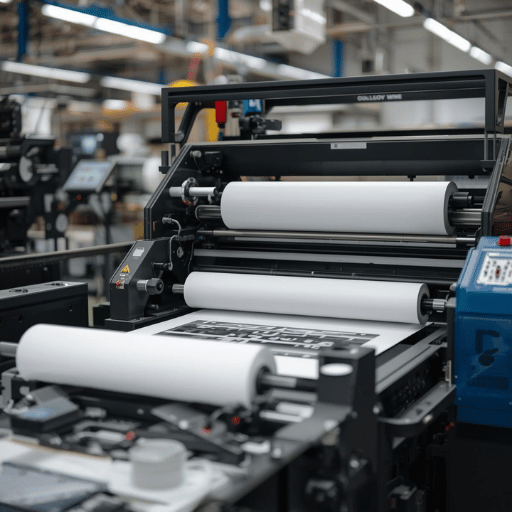
For converters
Check die-cutting behavior before production roll approval.
Confirm liner release with your applicator or printer.
Test barcode contrast after handling and stacking.
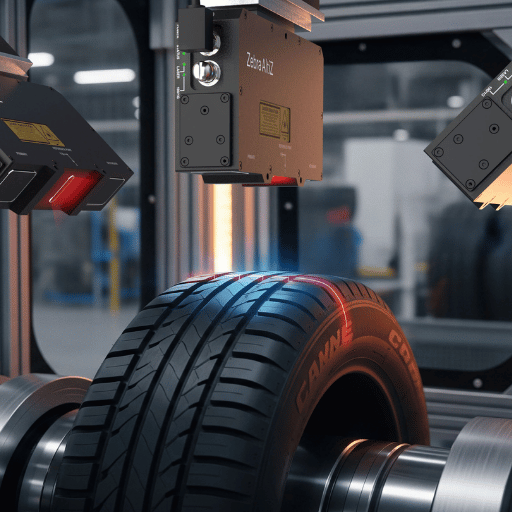
For tire plants
Separate bead, tread, retread, and specialty tire label needs.
Confirm manual or automatic application before selecting liner.
Ensure variable data fields are optimized for serial, size, lot, and QR applications.
Labels & Labeling points out that industrial labels regularly include barcodes, data matrix symbols, QR labels or RFID tags as a part of logistical tracking systems. This necessitates a print configuration that safeguards human readable and machine readable elements, though RFID inlay designs call for additional space and conversion verification.
Send your primer model, ribbon type, and label size for a match check.
Ask for a Tire Label Sample Sheet
Regional Supply and Customization for Export Tire Label Programs
Guanma exports label materials to Southeast Asia, South America and Europe. Production and support facilities in Thailand and Vietnam deliver local regional supply to reduce uncertainty while maintaining consistent combinations of materials.
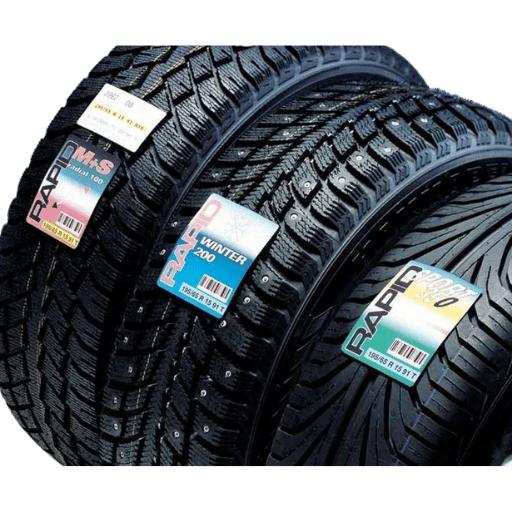
01
1. Requirement
Share tire surface, application method, print method, roll width, and target market.
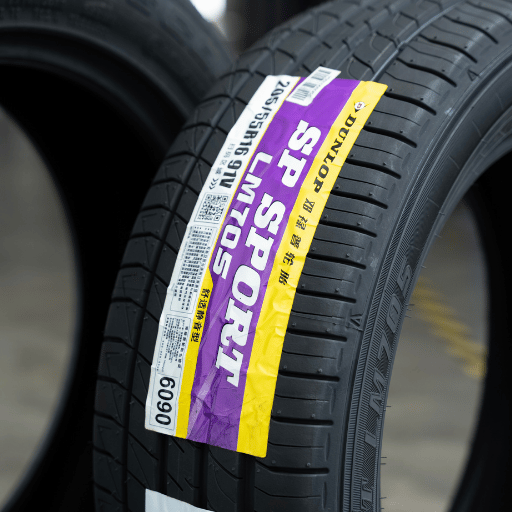
02
2. Construction
Guanma matches facestock, adhesive, liner, and coating requirements for sample testing.
03
3. Batch supply
Approved combinations become reproducible specifications for repeat ordering.
Procurement advisory
As no verified MOQ, price or lead-time value could be matched here, the generic price table is not broadcast. Ask Guanma for a quotation. Factors to specify are facestock, adhesive, liner, roll width, printing process, and destination country.
This keeps the commercial discussion tied to the actual construction. It also prevents distorting comparison between a tested tire label stock with a common retail tire car sticker that mitigates a different challenge.
Tire Label Material Selection Matrix
A stronger RFQ starts with application stage, not label size. Use this matrix to brief technical specifications before requesting samples.
Program need
Recommended starting point
What to test
Retail tread label
PP synthetic paper or PET with tire labeling adhesive
Print clarity, lift, residue, and point-of-sale readability
Barcode tire label
White PET or PP synthetic paper with thermal transfer compatibility
Barcode contrast after stacking and handling
Promotional tire label
BOPP or coated paper depending on durability target
Color reproduction, removal behavior, and surface staining risk
Export label program
Facestock + adhesive + liner matched to destination storage
Repeat batch consistency and transit handling
Cost-sensitive identification
Coated paper with application-specific adhesive
Short-term adhesion and print legibility
Performance Risk Card: Bronze tier
No confirmed Guanma ROI % can be claimed, so the page does not show a savings figure. Areas of risk that can be measured by testing samples are adhesive lift, adhesive bleed, curl, barcode contrast, liner release, and residue after removal.
Quality, Compliance, and Sample Validation
Guanma has 10 years of production and QC experience in self-adhesive label materials. Your provided includes ISO9001, FSC, and EU RoHS certificate documents, which should be published somewhere near the RFQ after web upload.
ISO9001
Quality management certificate file supplied in the customer package.
FSC
FSC certificate file supplied for Shanghai Guanma Adhesive Products Co., Ltd.
EU RoHS
EU RoHS Directive test report file supplied in the certificate folder.
Sample validation
Recommended before production for every tire surface and print process.
For tyres marketed within the EU scope, the European Commission states that tyre suppliers are required to list the plated tyre types in EPREL, and provide the system with a QR barcode to generate the tyre label. Material choice will secure readability and display of that data through supply chain.
Tire Labels Engineering Tools
Access Guanma’s technical utilities to validate your application requirements, assess performance risks, and configure accurate specifications before mass production.
Material Selector
Filter and match precise facestocks, adhesives, and liners tailored to your specific rubber compound, tread profile, and printer configuration.
Open Selector
Adhesive Risk Checklist
Evaluate potential failure points systematically. Audit your process for adhesive bleed, edge lift, readability loss, and conversion waste risks.
Start Audit
RFQ Builder
Configure your exact technical specifications to generate a comprehensive request. Ensure accurate sampling and precise batch quotation.
Build Request
FAQ About Tire Label Material
PET and PP synthetic paper are the best vector when increased durability, print clarity and handling resistance are desired. Coated paper might be suitable for momentary ID where low cost is the main driver.
Other options might include hot-melt, rubber-based, acrylic, tire labeling adhesive. Choices depend on rubber surface quality, print path, storage and removal expectations, and sample-test results.
Yes. Guanma Pet and synthetic paper options can be combined with suitable coating and adhesive for thermal transfer projects, provided their ribbon, printer and barcode resiliency requirements are met.
Begin by testing adhesive coat behavior, edge resistance, liner release, and print path; existing tire-shop chatter and manufacturer pages most often cite residue or ooze as handling issues.
Yes. Guanma supplies glassine paper at 60, 80, 100 gsm, CCK paper at 80, 100, 120, 140 gsm, and additional liner types on order.
Provide tire type of surface, target country, label shape and size, printing method, roll width, desired adhesive type, liner type, storage procedures and removal protocol.