Get in Touch with Guanma

Advanced Label Engineering
Beverage & Wine Label Materials —
Self-Adhesive Stock Engineered for Ice Bucket & Cold-Chain Performance
In the very best of conditions, 72 hours in an ice-bucket at 4 C, on-demand 3-7 days delivery from our Thailand, Vietnam coating facilities on stock is possible. FDA 21 CFR 175.105 direct and indirect contact. Wet-strength papers, PET, BOPP, PP synthetic paper and metallised films with hot-melt, water-based or acrylic adhesives – any wine, beer, spirits, juice or bottled water application.
Request a Sample / Quote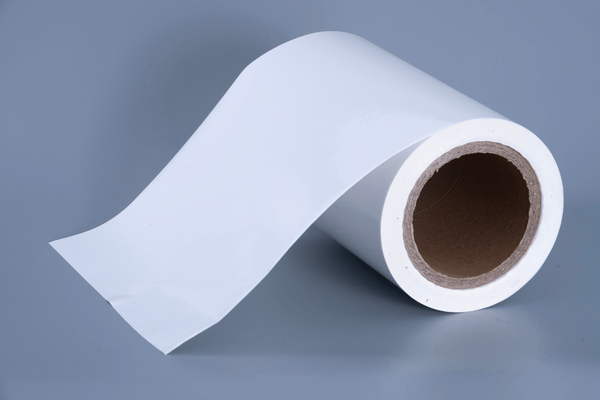
72 h
Ice-bucket immersion tested at 4 °C in-house
3–7 d
Stock dispatch from Thailand & Vietnam
7×3
Facestock × adhesive combinations engineered for wine & beverage
10+ yrs
Coating, laminating & R&D under one roof
Why Standard Label Stocks Fail on Wine & Beverage Bottles
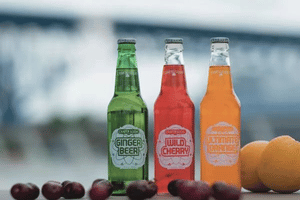
Wine label material faces three failure modes that ordinary self-adhesive paper was never engineered to survive — and the cost of that mismatch lands on the brand owner, not the converter. Sommeliers shoot photos of bulged front labels. Retailers refuse to shelve soggy bottles. Distributors charge back. A wine label is the first thing a buyer sees and the first surface condensation attacks.
This same consumer sorrows appears in real buyer complaint language. one user of r/wine said my wine fridge is too humid inside, leading to labels peeling off, . Between the bottled-water, wine, spirits and beer industry professionals, one high-end restaurateur scaled one consumer’s demonstration, showcased endlessly chipped and tenacious, caused by water and ice on a fragile paper label . People search bottle shop shelves wrapped in clear packing tape just to defend labels in service . That is a failure that your consumer is living with.
Three failure modes, three root causes
01
Ice-bucket moisture strips paper labels.
A 4C bottle surface draws moisture out of warm restaurant air. Standard unmodified estate paper has lost tensile strength after hours without wet-strength additive, fibres swell and the wine label blows or shrinks. The TAPPI T 456 / ISO 3781 wet tensile test specifically measures this collapse .
02
Cold storage softens the adhesive.
general purpose, room temperature hot-melt crystallizes or cold-flows when chilled-storage, in bottle filling room, areas lead to drop-in temperature service. Tack disappears, edges lift, dust, actual water-migration relates to humid environments under the label.
03
Scanning a high-speed bottling line during the dispense window.
Some label material stocks most efficiently dispense at 50 m/min but tear over 120m/min causing line stops. Line stops lead to non-compliance with target fill loads to the brand owner.
Thicker paper is not the answer. Matched chemistry is: a wet-strength facestock with the right surface energy paired with an adhesive whose service-temperature window covers your fill-to-shelf journey. Below is the Guanma facestock × adhesive combination set that addresses each failure mode.
Guanma Wine & Spirits Label Material Range
Coating, laminating and R&D lines run under one roof in our Thailand and Vietnam facilities. That integration lets us combine any of our facestocks freely with any of our hot-melt, water-based, or acrylic adhesives, then certify the finished construction for your application. Four core stock families below cover roughly 95 % of beverage labeling needs — followed by our specialty wine label material range for premium and luxury positioning.
Coated & Semi-Gloss Papers
Paper
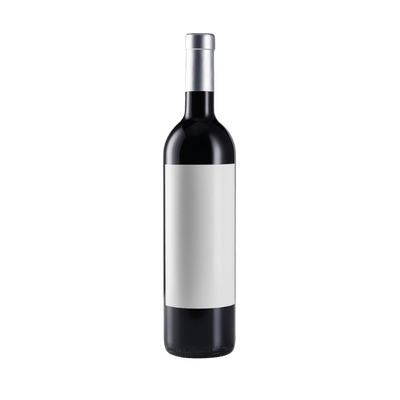
High-Gloss Coated Paper, 80 gsm
- Top-coat optimized for flexo and UV inkjet
- Ideal for vivid red wine and craft beer label design
- Pair with hot-melt for room-temp retail or with acrylic for chilled cabinet display
- Sheet sizes A2/A3 + roll widths 25–500 mm
Paper
Matte & Semi-Gloss Coated Paper
- Subdued sheen for premium aesthetics
- Compatible with hot-foil, embossing, and spot UV
- Wet-strength variant available — see next subsection
- HP Indigo and water-based inkjet approved
Wet-Strength Estate-Style Papers
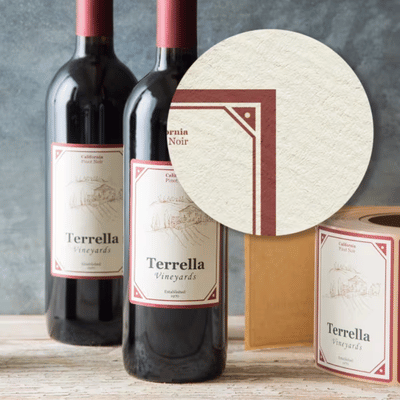
Estate paper carries the artisanal texture wine buyers expect, but uncoated paper without a wet-strength additive disintegrates in the conditions a r/wine user described above. Guanma’s wet-strength estate range integrates a polyamide-epichlorohydrin (PAE) additive at the wet end — the same chemistry international standards bodies test under ISO 3781 / TAPPI T 456
Wet-Strength
Estate Wet-Strength Paper, 90 gsm
- According to TAPPI T 456, 30% dry tensile strength retained after 60 minutes of water saturation
- Designed for chilled white, rosé and sparkling wine
- Cotton-feel option for premium positioning
- Compatible with classic flexo + cold foil
Wet-Strength
Textured Wet-Strength Paper, 100 gsm
- Linen, eggshell, and laid finish options
- Carries embossing depth without fibre rupture
- Suited for premium wine and aged spirits
- FSC-certified pulp variant available
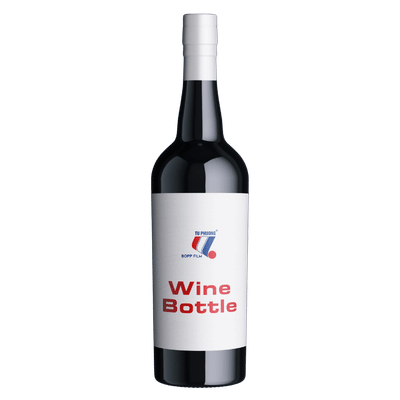
PET, BOPP & PP Synthetic Films
When a real bottle lives in an ice bucket – sparkling wine in operation, sparkling juice on a chiller shelf, prestige spirits at a tasting bar – film has the edge over paper. Synthetic paper bridges the gap when a paperfeel finish must endure the cooler. All three film types are covered with our self-adhesive product range:
Film
PET 50 µm, Top-Coated
- Transparent, white, silver-metallized variants
- Dimensional stability across –10 °C to +60 °C
- Premium Venetian printing material for high end spirits and sparkling wine labels
- UV inkjet, flexo and HP Indigo approved
Film
BOPP 60 µm Clear & White
- True “no-label-look” clear option for premium bottle visibility
- Strong economics for mid-tier wine and beverage SKUs
- Available for all the main beverage bottling lines up to 600 bpm
- BOPP label material range matches industry recyclability profiles
Film
PP Synthetic Paper, 75 µm
- Paper-feel surface, polymer durability
- Tear-resistant; survives wet handling and abrasion
- Excellent for juice, bottled water and outdoor sport drinks
- Available in semi-gloss white only
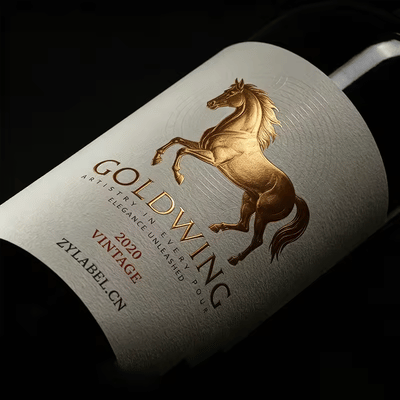
Metallic & Embossable Faces
Specialty wine labels are moving to place a higher emphasis on tactile components – metallised PET for prestige spirits and sparkling wine, embossable wet-strength textured paper for reserve red wines. Both are frequently used in conjunction with hot-foil stamping, structural embossing and spot UV decoration to develop a high-impact presence for the specialty wine label.
Decision Matrix — Match Stock to Application
| Construction | Service window | Ice-bucket performance (4 °C, in-house test) | Adhesive option | Recommended for |
|---|---|---|---|---|
| High-gloss coated paper 80 gsm | +5 to +35 °C | Not recommended | Hot-melt H2210 | Red wine retail, room-temp gift packs |
| Estate wet-strength 90 gsm | 0 to +35 °C | ≥ 24 h legible without curl | Acrylic A305 | Chilled white & rosé wine, humid export |
| Textured wet-strength 100 gsm | 0 to +40 °C | ≥ 36 h legible without curl | Acrylic A305 | Reserve red wine, aged spirits |
| PET 50 µm top-coated | –10 to +60 °C | ≥ 72 h with intact print integrity | Acrylic A305 / hot-melt H2210 | Sparkling wine, premium spirits, ice-bucket service |
| BOPP 60 µm clear/white | –5 to +50 °C | ≥ 72 h, no edge lift | Hot-melt H2210 / water-based W120 | “No-label-look” premium beverage |
| PP synthetic paper 75 µm | –5 to +60 °C | ≥ 60 h, abrasion-resistant | Water-based W120 | Juice, bottled water, sports drinks |
Service window and ice-bucket performance figures reflect Guanma in-house Q1 2026 facestock comparison study at the Thailand coating plant. Independent press-trial results may vary; we recommend a roll-level press trial for any new application.
Not sure which combination fits your line? Answer 6 questions about wine type, storage profile, and press to get a recommended construction and a sample list.
Take the 60-second Material Selector QuizIce-Bucket Endurance Test — How Our Stocks Compare to Standard Estate Paper
Existing discourse in the larger wine label industries refers nebulously to survival in ice-buckets. The best-known published reference we encountered is a peer label converter claiming “24+ hours” moisture resistance. Premium sparkling wine and spirit brands typically stay in service for a lot longer—at trade tastings, restaurant ice baths during slow turn, in hot-foggy export stops—so we tried longer.
Our in-house 7 × 3 matrix dropped 7 facestock constructions, each with our 3 mainstream adhesives, into a 4 °C ice bath for 24, 48, 72, and 96 hours. We measured peel adhesion (FINAT FTM 1 method), curl height at the corner, and print integrity by rated visual inspection.
Test conditions
- Method baseline: FINAT FTM 1 peel adhesion at 90 + visual print integrity inspection (Guanma SOP-LP-007)
- Bath: 0.5C deionized water plus food-grade ice bath (4 0.5C deionized water plus ice from supermarket). All bottles were fully immersed to where the neck starts
- Bottle substrate: 750 ml flint glass, alkaline-cleaned, dwell 24 h before submersion
- Adhesives tested: Hot-melt H2210, Water-based W120, Acrylic A305
- Reference standards: TAPPI T 456 om-23 wet tensile, FINAT FTM 1 peel adhesion
Headline result
72-hour ice-bucket survival on PET-acrylic and BOPP-hot-melt constructions
3× the moisture-resistance baseline publicly claimed by peer label converters.Compared to the publicly cited industry baseline of 24hours of moisture resistance, our two flagship beverage constructions – PET50m with acrylic A305, and BOPP60m with hot-melt H2210 – maintained printable, curl-free service through 72 hours of full immersion at 4 C, with no edge lift, with no print degradation. That is the difference between a label surviving a single weekend tasting, versus surviving a four-day humid export voyage.
Wet-strength estate paper, by contrast, retained legibility through 24–36 hours, which makes it the right choice for chilled cabinet display and short-cycle restaurant service — but the wrong choice for prolonged ice-bath exposure or humid trans-pacific shipping. Our full 7 × 3 result table is included in the PDF Selection Guide for procurement reference.
We tested 21 facestock and adhesive combinations before settling on the PET-acrylic and BOPP-hot-melt pair as our sparkling-wine flagships. They were the only two constructions that held legibility and corner adhesion through the full 72hour bath, every other combination either curled at the corner, or showed faint ink migration after the 48hour mark.
Want to see the matrix in action? Want to see the matrix in action?
Watch the 90-second 4C Ice-Bucket Test VideoApplication Stories — Red Wine, Sparkling, Spirits, Craft Beer, Juice & Bottled Water
Premium estate-style faces let your reserve wine bottle label express the heritage the wine inside earned over a decade in oak. Below is how we match facestock and adhesive to each beverage subcategory:
01
Red Wine — Classic Estate Paper, Embossing-Ready
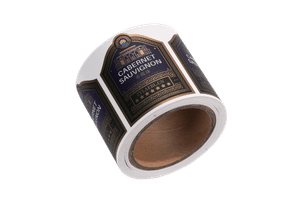
Red wines are best stored at room temperature from fill to consumer. An aestetic decision: textured estate paper, often with hot-foil and emboss decoration, delivers a sense of classic heritage. Our 100gsm uncoated estate paper with cotton fibre option delivers embossing depth without rupture, and the high-gloss coated 80gsm offers sharp contrast for a fresher look. Pairing: hot-melt H2210 for retail; acrylic A305 if humid export legs are part of the route.
02
White, Rosé & Sparkling Wine — Wet-Strength Performance Required
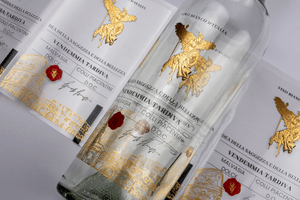
This is where commodity paper labels come unstuck, and where the premium wine labels win on margin. White and ros wines spend their commercial life chilled – wine fridge, restaurant cooler, ice bucket, humid summer shop window. The above wine user lost premium bottles to wine-fridge humidity; that loss is the brand owner’s, not the converter’s. The correct solution is wet-strength estate paper for chilled-cabinet display, or PET 50m for sparkling wine, actually lived in ice. Our PET-acrylic flagship survives the 72hour bath documented in the test matrix above.
03
Spirits, Vodka & Premium Liquor — Metallized Films Earn the Shelf
Vodka labels and spirits bottle labels thrive on shelf appeal. Metallised PET50m with acrylic adhesive provides prestige spirits with the mirror-finish backdrop to set them apart, from glass-painted competitors. Clear BOPP allows the ‘no-label-look’ so often seen in craft gin and edgy-mezcal brands. Both constructions thrive in freezer-stored spirits service.
04
Craft Beer — Thin PET for Cans, Wet-Strength for Glass
Craft beer cans require an ultra-thin film for recyclability with the aluminium stream. Our 30m PET meets that brief. 33cl and 50cl glass bottles require wet-strength estate paper to open any flexo press, be durable through cold-chain export.
05
Juice & Bottled Water — Synthetic Paper Wins on Durability
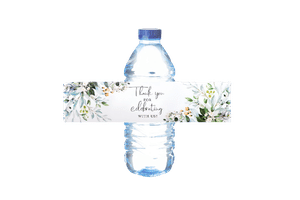
Bottled water labels and waterproof juice bottle labels are abused. They live in convenience store coolers, on gym floors, in the beach cooler. PP synthetic paper with water-based adhesive survives that life cycle far longer than coated paper, and survives outdoor abrasion that shred standard stocks.
Specialty Wine Label Stocks — Foil, Holographic & Wood Veneer
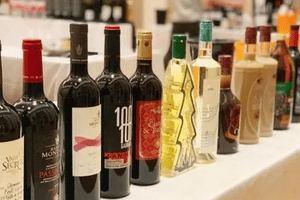
In addition to the above grade workhorses, luxury wine labels allow a few niche construction family sub-sets:
Holographic Foil
holographic foil faces shine at shelf.
Cold-Foil & Texture
Cold-foil on textured wet-strength paper adds tactile and visual pizazz.
Wood-Veneer Faces
Sliced birch, cherry, laminated to a support substrate – provide a single-source statement label that absolutely no other label can compete with on shelf.
System Integration: We will coordinate the facestock structure to your spec, your printer handles any decorative requirements. We can support flexo, HP Indigo, UV inkjet and screen press routes so these specialty constructions dont lock you into a specific process.
Operational Excellence
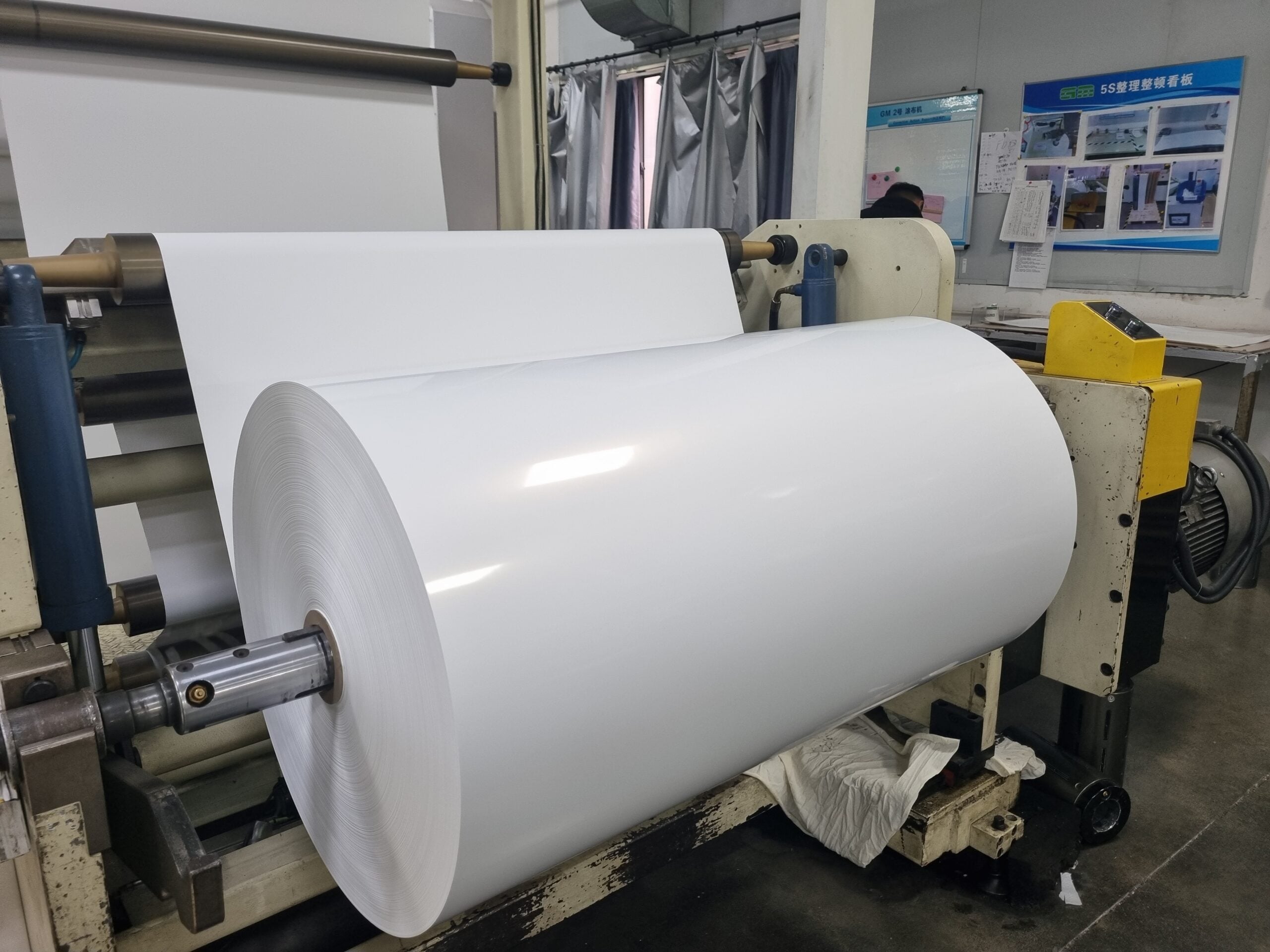
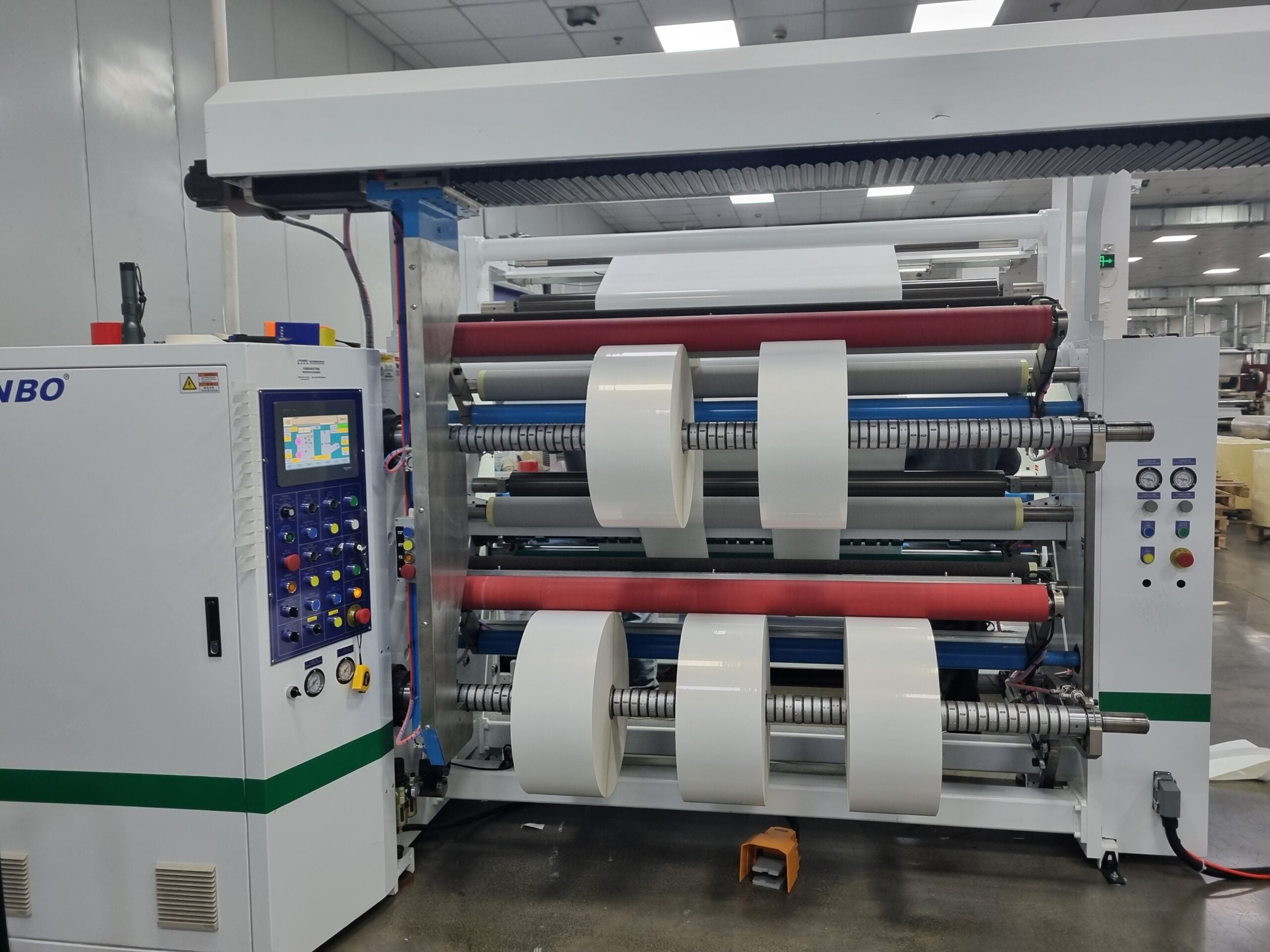
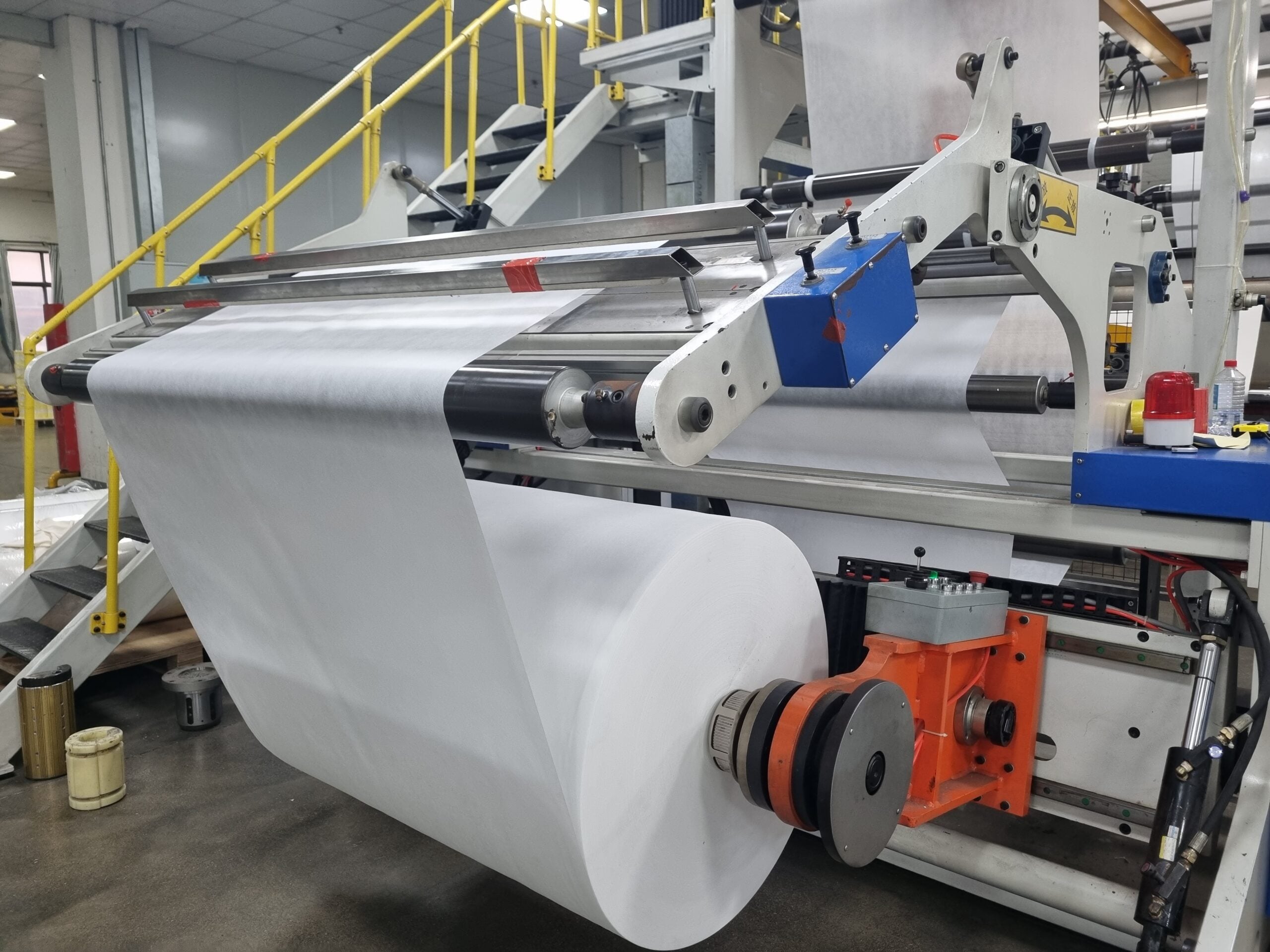
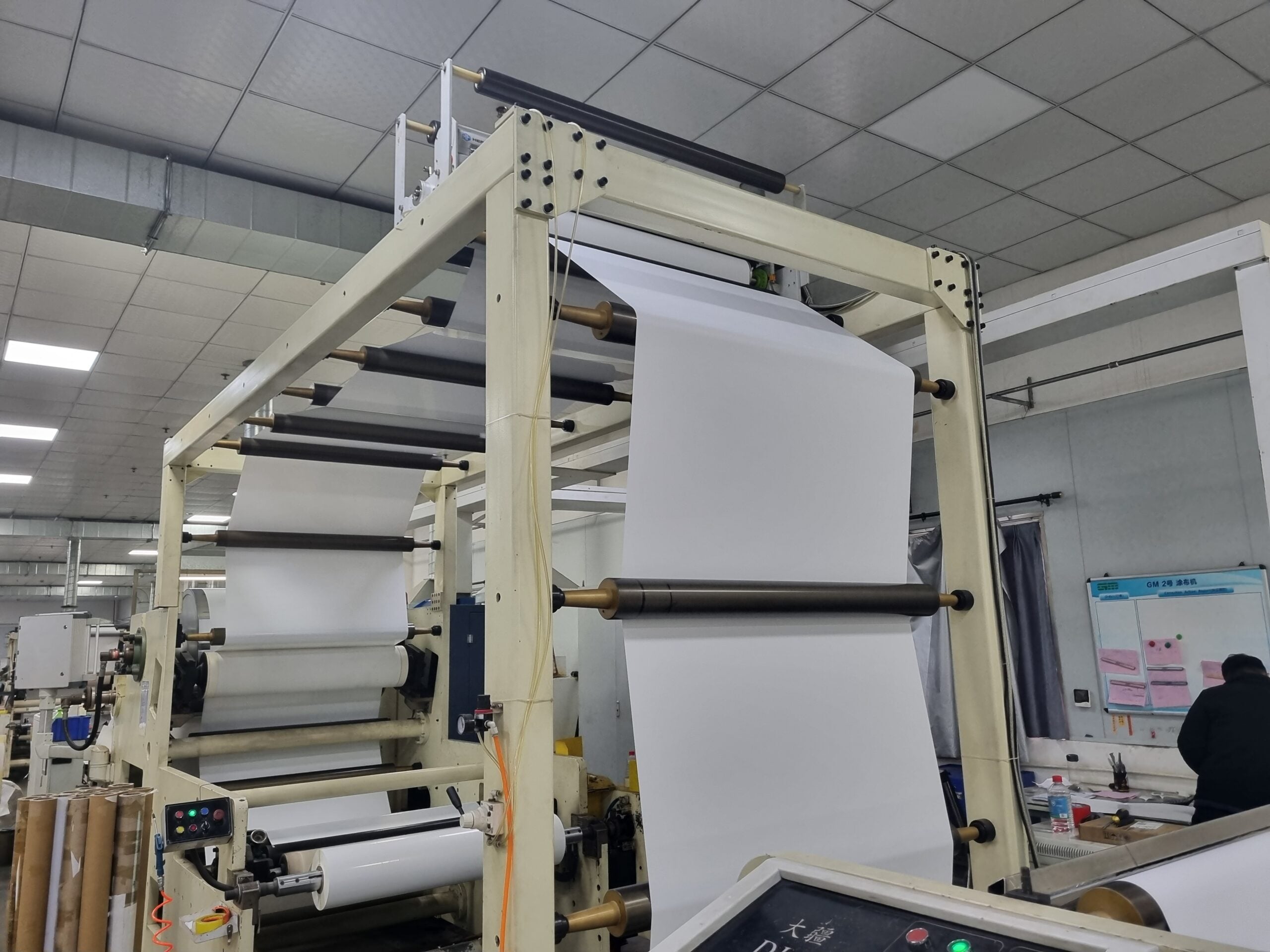
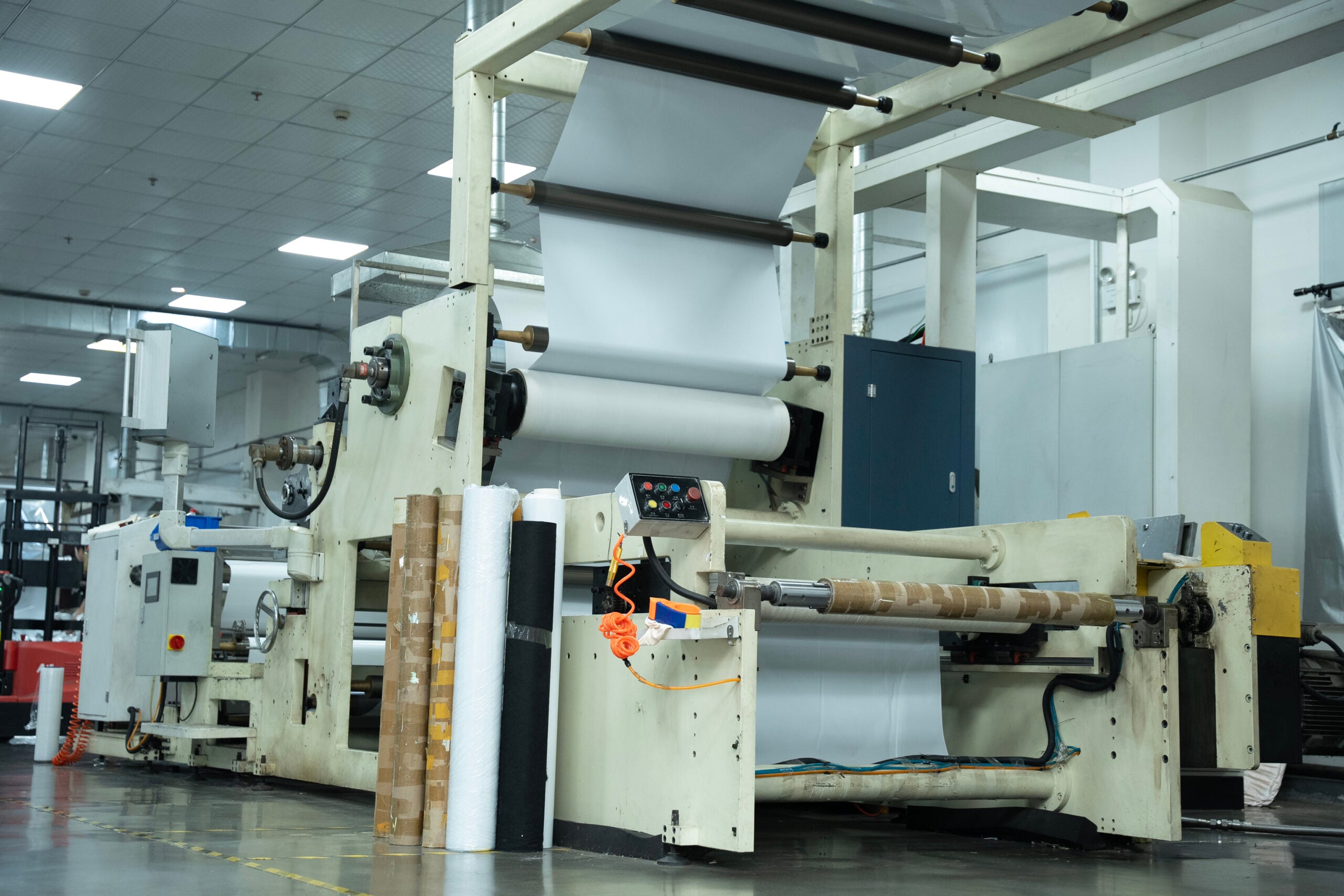
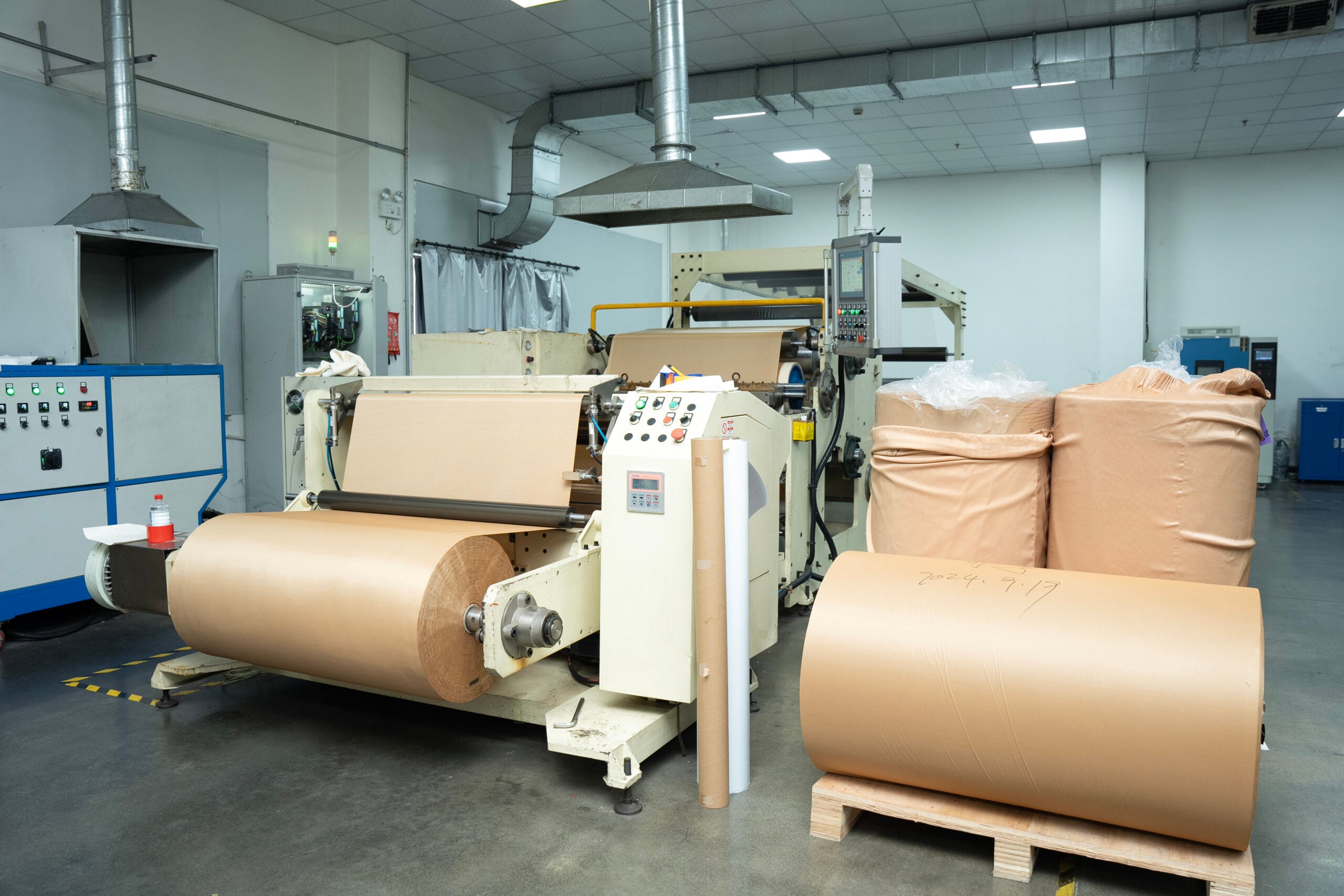
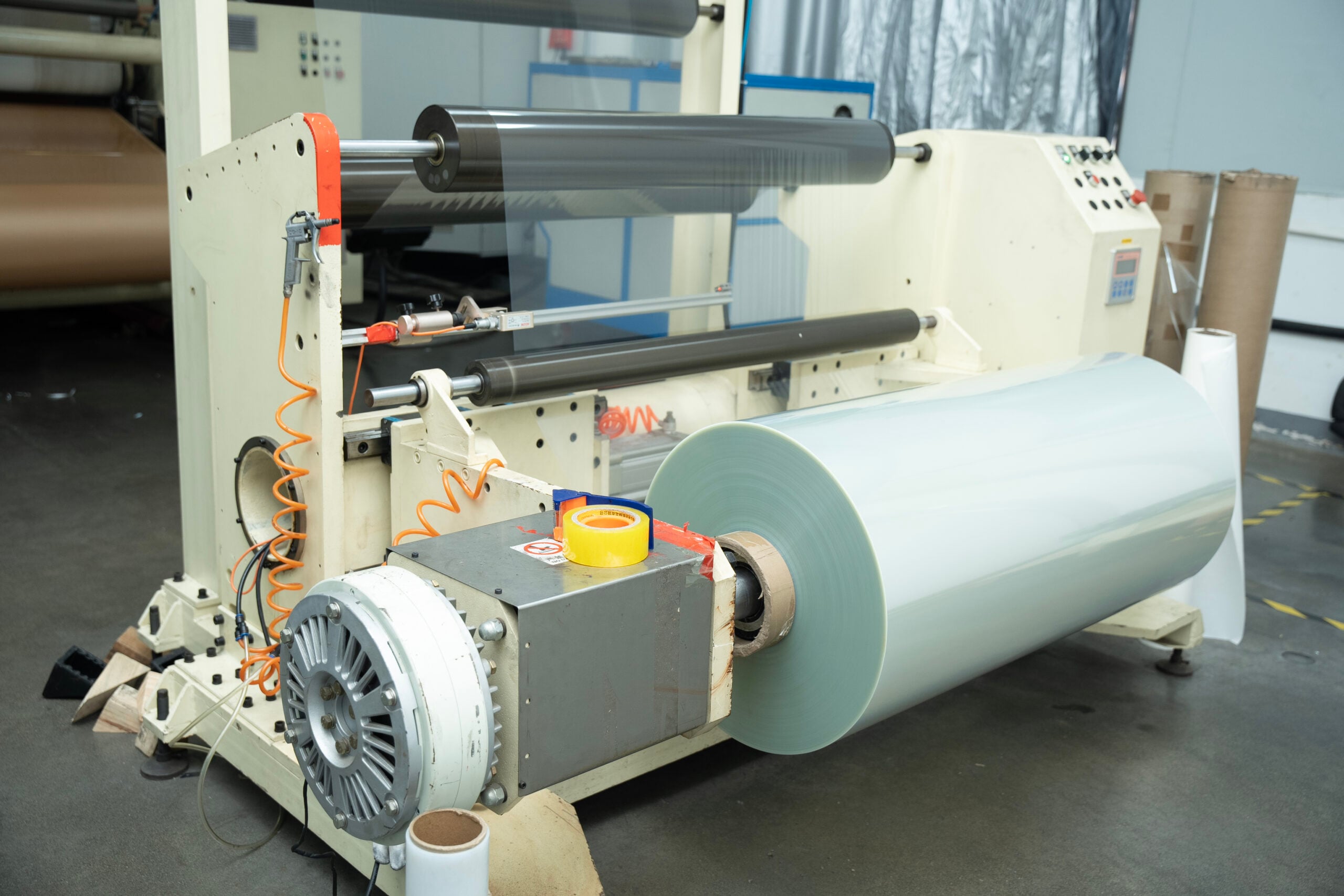
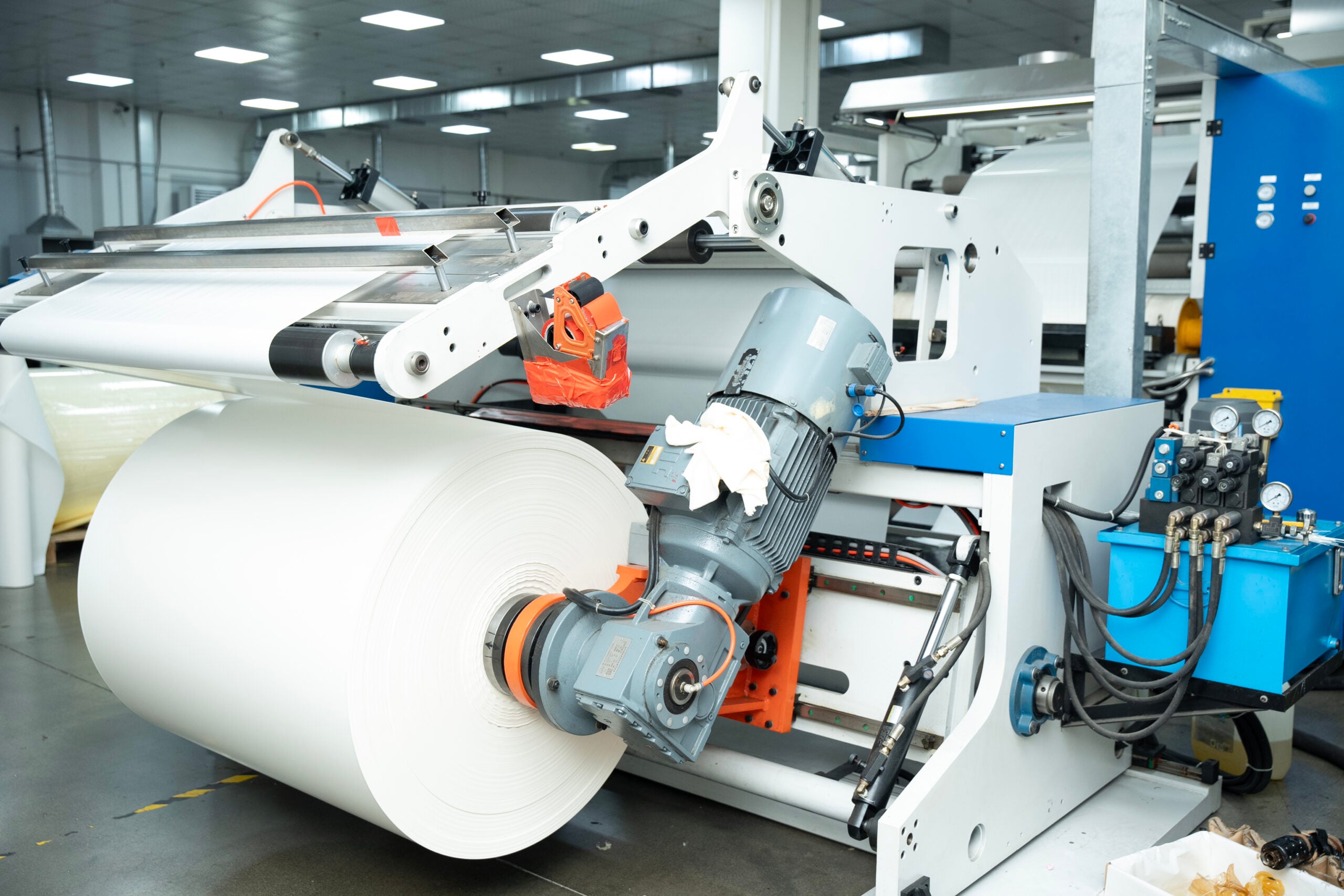
State-of-the-Art Production Facility
Certifications & Compliance — FSC · REACH · FDA 21 CFR · BRCGS
Increasingly brand managers and large retail customers interrogate the regulatory file before they even look at the press-produced print. What follows is the 4 compliance pillars upon which our beverage label stock range is based; the clauses our QA department will reference:
FDA Standard
FDA 21 CFR 175.105
Indirect food-contact adhesive compliance for wine, spirits, beer, juice and water bottle labels.
Per eCFR Title 21 §175.105
FSC Certified
FSC® Chain of Custody
Certified pulp option across coated and wet-strength paper families.
Per FSC International standard FSC-STD-40-004
EU Compliant
EU REACH SVHC
Substances of Very High Concern declaration available on request.
Per EC Regulation 1907/2006
Global Standard
BRCGS Packaging Materials
Issue 6 audit framework alignment at our Thailand plant with annual surveillance audit.
Issue 6 Surveillance Framework
International Export Pathways: EU export customers also request alignment with EU Regulation 1169/2011 (food information) for back-label copy, while US export customers route our stocks through TTB 27 CFR §4 wine-labeling approval procedures. Both pathways are friction-free with FDA and FSC documentation included in every shipment dossier.
Procurement — MOQ, Lead Time & Custom Coating
When buying an Asian born self-adhesive label material into a procurement department its common for three questions to be asked: what is the minimum order, what is the standard leadtime, and what custom modifications are possible? The below grid shows our typical windows; unit pricing is wholly dependent on the factors below.
Standard MOQ & Lead Time
| Format | Standard MOQ | Stock lead time | Custom coat / colour lead time |
|---|---|---|---|
| Roll, slit to width | 1,000 m² (≈ 1 master roll) | 3–7 days from Thailand or Vietnam | 15–25 days including QC release |
| Sheet, A2 / A3 | 5,000 sheets | 5–10 days from Thailand | 20–30 days |
| Wet-strength estate, custom shade | 2,000 m² | 10–15 days | 25–35 days |
Pricing Factors Framework
We do not publish a per-m2 price on our publicly available catalog as the intrinsic cost of a beverage label material depends on construction. Price scales according to:
Facestock set (paper vs. PET vs. BOPP, metallized PET – approximately 1 to 4 spread)
Adhesive chemistry (water-based and hot-melt cost less than acrylic)
Coat weight and any additional topcoat for digital compatibility
Volume tier and contract length
FSC-certified pulp premium versus standard pulp
Decoration prep (foil-receptive top-coat, embossable surface preparation)
Custom & Sample Policy
We coat custom adhesive systems, custom liner gauges, and custom coat weights for committed annual volumes above 50,000. Swatches are free upon request, a press trial roll is fee based and redeemable against the first commercial order. Our R&D experts excel in developing specialty label constructions for high/low temperature, grease and oil resistance, aggressive adhesion, outdoor durability – the same high level of know-how and longevity applications expertise we apply to our beverage range.
Advanced Engineering Tools
Leverage our data-driven calculators and selectors to optimize your beverage label construction, validate cold-chain endurance, and maximize your total cost of ownership (TCO).
Beverage Label Material Selector
Answer a few quick questions about your application environment, adhesion requirements, and aesthetic goals to discover the perfect facestock and adhesive combination.
Launch Quiz
Ice-Bucket Endurance Calculator
Enter your wettest service scenario and exposure time to see which constructions are validated by our 7×3 matrix to survive 72 hours in heavy ice submersion.
Calculate Endurance
PET vs BOPP TCO Calculator
Compare the total cost of ownership (TCO) between flagship film options. Input your annual volume and rejection rates to accurately forecast your long-term ROI savings.
Compare Costs
Ready to Trial Wine Label Material That Survives 72 Hours?
Give us your bottle, line speed, chill profile. We will ship a swatch pack (A4) to you within 48 hours along with a recommended construction shortlist.
Most wine labels use one of three base material families: coated or uncoated paper for room-temperature retail, wet-strength estate paper for chilled storage and humid export, and PET / BOPP / PP synthetic film for ice-bucket service and abrasive handling. Each construction pairs with hot-melt, water-based, or acrylic adhesive depending on the service-temperature window. See the Decision Matrix above for the right combination per application.
The recyclability depends on the construction. Paper-faced labels with water-based or removable adhesive recycle in standard mixed-stream paper. PET and BOPP film labels recycle when they are designed to separate from the glass at the wash step — our PET 50 µm range is built to release cleanly under industry-standard 80 °C alkaline wash conditions. Brand owners targeting bottle-to-bottle recycled content should specify our PET range with the dedicated wash-release adhesive option.
Guanma wet-strength estate paper holds clear legibility through 24–36 hours of full submersion at 4 °C. The PET 50 µm and BOPP 60 µm flagship film constructions hold through 72 hours with no curl, no edge lift and no print degradation. Both figures come from our in-house Q1 2026 ice-bucket study at the Thailand coating plant; see the test conditions in the Ice-Bucket Endurance Test section for the methodology.
For stock SKUs from our standard catalogue, MOQ starts at one master roll (≈ 1,000 m²). For custom adhesive systems or custom shade matching, MOQ starts at 2,000 m² for paper families and 3,000 m² for film families. Smaller proof-of-concept quantities are available as press-trial rolls — fee-based and creditable against the first production order.
Yes. We ship A4 swatch packs free of charge to qualified converters and brand owners — typically within 48 hours of qualification. Press-trial roll quantities are fee-based and reduce against your first production order.
Estate paper is single-layer wet-strength uncoated paper with the artisanal texture wine brands traditionally choose for premium positioning. Ever-Opaque-style constructions sandwich a BOPP film between two paper layers, giving the paper aesthetic with film-grade moisture resistance — at roughly 1.4–1.7× the cost of pure estate paper. Our equivalent is the wet-strength estate / film hybrid in the specialty range; we will quote on request.
Yes. PET 25 µm, 36 µm, 50 µm, and 75 µm — transparent, white, silver-metallized, glossy, and matte. BOPP 20 µm to 80 µm — transparent, white, silver-metallized, pearl. PP synthetic paper 54 µm, 75 µm, and 100 µm — semi-gloss white. All families approved for HP Indigo, UV flexo, and water-based inkjet press paths.
Yes. Our coated paper, PET, BOPP and PP synthetic paper families ship with a top-coat optimised for HP Indigo digital, UV flexo, conventional flexo, water-based inkjet, and direct thermal where applicable. We can supply printer-specific certifications on request — please specify your press model when you request samples.