Nehmen Sie Kontakt mit Guanma auf

Erweitertes Label-Engineering
Materialien zum Etikett für Getränke und Wein
Selbstklebender Vorrat für Eiskübel- und Kaltkettenleistung entwickelt
Unter den allerbesten Bedingungen ist eine Lieferung von 72 Stunden in einem Eisbucket bei 4 C, On-Demand 3-7 Tage von unseren Beschichtungsanlagen in Thailand, Vietnam auf Lager möglich. FDA 21 CFR 175.105 direkter und indirekter Kontakt Nassfeste Papiere, PET, BOPP, PP-Synthetikpapier und metallisierte Folien mit Heißschmelz-, Wasser- oder Acrylklebstoffen 21. Weinen, Bier, Spirituosen, Saft oder Flaschenwasseranwendung.
Fordern Sie ein Muster/Zitat an
72 Stunden
Eintauchen in Eisschnallen bei 4 °C im eigenen Haus getestet
3 – d
Lagerversand aus Thailand & Vietnam
7×3
Facestock × Klebstoffkombinationen für Wein und Getränke entwickelt
10+ Jahre
Beschichtung, Laminierung & F & E unter einem Dach
Warum Standard-Etikettenbestände auf Wein- und Getränkebottles versagen
Etikettenmaterial für Weinetiketten ist drei Versagensarten ausgesetzt, für die gewöhnliches selbstklebendes Papier nie ausgelegt war – und die Kosten dieser Fehlanpassung trägt der Markeninhaber, nicht der Etikettenverarbeiter. Sommeliers fotografieren ausgebeulte Vorderetiketten. Einzelhändler lehnen es ab, durchweichte Flaschen ins Regal zu stellen. Händler belasten die Kosten zurück. Ein Weinetikett ist das Erste, was ein Käufer sieht, und die erste Oberfläche, die von Kondenswasser angegriffen wird.
Dieselbe Verbrauchertracht erscheint in echter Käuferbeschwerdesprache. Ein Benutzer von r/wine sagte, mein Weinkühlschrank sei innen zu feucht, was zum Abblättern der Etiketten führe. „Zwischen den Fachleuten der Flaschenwasser-, Wein-, Spirituosen- und Bierindustrie skalierte ein High-End-Gastronom die Demonstration eines Verbrauchers, die endlos gechipt und hartnäckig präsentiert wird, verursacht durch Wasser und Eis auf einem zerbrechlichen Papieretikett. Die Leute durchsuchen Flaschenladenregale, die in durchsichtiges Verpackungsband gewickelt sind, nur um Etiketten im Dienst zu verteidigen. Das ist ein Misserfolg, mit dem Ihr Verbraucher lebt.
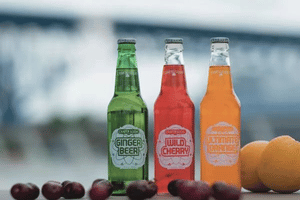
Drei Fehlermodi, drei Grundursachen
01
Eiskübel Feuchtigkeitsstreifen Papieretiketten.
Eine 4 C-Flaschenoberfläche zieht Feuchtigkeit aus warmer Restaurantluft Standard-unmodifiziertes Kombipapier hat nach Stunden ohne Nassfestigkeitszusatz die Zugfestigkeit verloren, Fasern quellen auf und das Weinetikett bläst oder schrumpft Der Nasszugtest TAPPI T 456 / ISO 3781 misst speziell diesen Kollaps. .
02
Kühllagerung weicht den Haftklebstoff auf.
Allzweck, Raumtemperatur-Heißschmelzkristallisiert oder Kaltströme bei Kühllagerung, im Flaschenfüllraum führen Bereiche zu einem Temperaturabfallservice. Die Tackung verschwindet, die Kanten heben sich an, Staub, die tatsächliche Wasserwanderung bezieht sich auf feuchte Umgebungen unter dem Etikett.
03
Scannen einer Hochgeschwindigkeits-Abfülllinie während des Ausgabefensters.
Einige Etikettenmaterialbestände geben am effizientesten mit 50 m/min ab, reißen aber über 120 m/min, was zu Linienstopps führt. Linienstopps führen zur Nichteinhaltung der Zielfüllladungen an den Markeninhaber.
Dickeres Papier ist nicht die Antwort. Die passende Chemie ist: ein nassfestes Obermaterial mit der richtigen Oberflächenenergie gepaart mit einem Klebstoff, dessen Service-Temperatur-Fenster Ihre Fahrt von der Stange bis zur Stange abdeckt. Unten finden Sie das Klebstoff-Kombinationsset Guanma facestock ×, das jeden Fehlermodus berücksichtigt.
Guanma Wein- und Spirituosenetiketten-Materialsortiment
Beschichtung, Laminierung und F & E-Linien laufen unter einem Dach in unseren Einrichtungen in Thailand und Vietnam Diese Integration lässt uns jedes unserer Facestocks frei mit jedem unserer Heißschmelz, wasserbasierten oder Acrylklebstoffe kombinieren, dann zertifizieren Sie die fertige Konstruktion für Ihre Anwendung Vier Kernstockfamilien unter Abdeckung ungefähr 95 1 TP3 der Getränkeetikettierung braucht 9 gefolgt von unserem Spezialwein-Label-Material für Premium – und Luxuspositionierung.
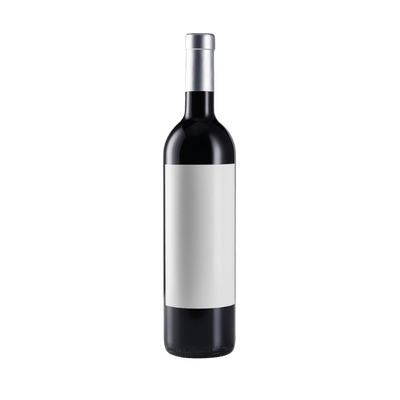
Beschichtete und halbglänzende Papiere
Papier
Hochglanzbeschichtetes Papier, 80 gsm
- Top-Coat optimiert für Flexo – und UV-Inkjet
- Ideal für lebhaften Rotwein und Craft-Beer-Etikettendesign
- Für den Einzelhandel bei Raumtemperatur mit Schmelzklebstoff oder für die Präsentation in gekühlten Vitrinen mit Acrylat kombinieren
- Blattgrößen A2/A3 + Rollenbreiten 25 – 500 mm
Papier
Matt- und Halbglanzbeschichtetes Papier
- Gedämpfter Glanz für erstklassige Ästhetik
- Kompatibel mit Heißfolie, Prägung und Punkt-UV
- Nassfeste Variante verfügbar, siehe nächster Unterabschnitt
- HP Indigo und wasserbasiertes Tintenstrahl zugelassen
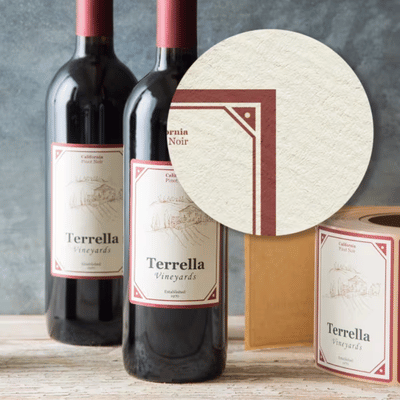
Papiere im Nass-Stärke-Estate-Stil
Estate-Papier trägt die handwerkliche Textur, die Weinkäufer erwarten, aber unbeschichtetes Papier ohne Nassfestigkeitszusatz zerfällt unter den oben beschriebenen Bedingungen, die ein r/Wein-Benutzer erwartet. Guanmas Nassfestigkeits-Estate-Sortiment integriert ein Polyamid-Epichlorhydrin (PAE)-Additiv am nassen Ende. Die gleichen chemischen internationalen Standards prüfen ISO 3781 / TAPPI T456
Nassfestigkeit
Estate Nassfestes Papier, 90 gsm
- Laut TAPPI T 456 blieb die Trockenzugfestigkeit von 30% nach 60 Minuten Wassersättigung erhalten
- Entwickelt für gekühlten Weiß, Rosé – und Sekt
- Baumwoll-Feel-Option für Premium-Positionierung
- Kompatibel mit klassischem Flexo + Kaltfolie
Nassfestigkeit
Texturiertes Nassfestpapier, 100 gsm
- Leinen, Eierschale und Lege-Finish-Optionen
- Bringt Prägetiefe ohne Faserbruch
- Geeignet für Premiumwein und gereifte Spirituosen
- FSC-zertifizierte Zellstoffvariante verfügbar
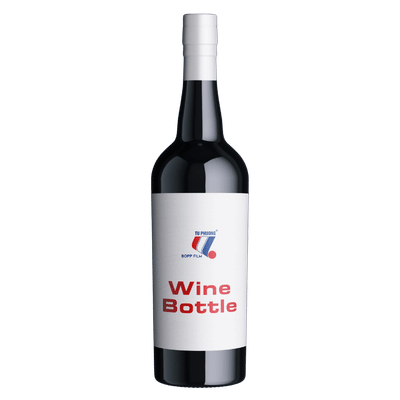
PET-, BOPP- und PP-synthetische Folien
Wenn eine echte Flasche in einem Eiskübel lebt – Schaumwein in Betrieb, Sekt auf einem Kühlregal, Prestige-Spirituosen an einer Verkostungsbar – Film hat den Vorteil gegenüber Papier Synthetisches Papier schließt die Lücke, wenn ein Paperfeel-Finish den Kühler ertragen muss Alle drei Filmtypen sind mit unserem selbstklebenden Produktsortiment abgedeckt:
Film
PET 50 µm, Top-Coated
- Transparente, weiße, silbermetallisierte Varianten
- Dimensionsstabilität über 10 °C bis +60 °C
- Premium-Venezianisches Druckmaterial für hochwertige Spirituosen und Sektetiketten
- UV-Tintenstrahl, Flexo und HP Indigo zugelassen
Film
BOPP 60 µm Klar und Weiß
- Echte “no-label-look” klare Option für Premium-Flaschensicht
- Starke Wirtschaftlichkeit für mittelständische Wein- und Getränke-SKUs
- Verfügbar für alle wichtigen Getränkeabfülllinien bis zu 600 Schlägen pro Minute
- Die Materialpalette des BOPP-Etiketts passt zu den Recyclingfähigkeitsprofilen der Branche
Film
PP-Synthesepapier, 75 µm
- Papiergefühloberfläche, Polymerhaltbarkeit
- Reißfest; überlebt nasse Handhabung und Abrieb
- Hervorragend geeignet für Saft, Wasser in Flaschen und Sportgetränke im Freien
- Nur in Halbglanzweiß erhältlich
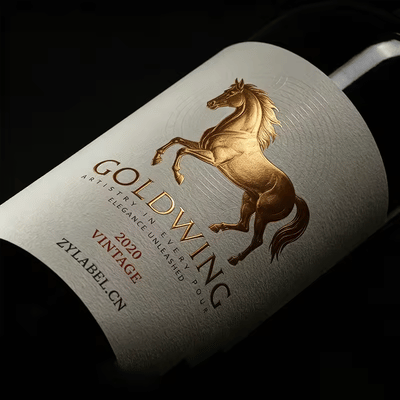
Metallische und prägbare Gesichter
Spezielle Weinetiketten legen zunehmend mehr Wert auf taktile Komponenten, metallisiertes PET für Prestige-Spirituosen und Schaumwein, prägbares nassfestes strukturiertes Papier für Reserve-Rotweine. Beide werden häufig in Verbindung mit Heißfolienprägung, Strukturprägung und punktueller UV-Dekoration verwendet, um eine wirkungsvolle Präsenz für das Speziallabel Wein zu entwickeln.
Entscheidungsmatrix, Match Stock zur Anwendung
| Konstruktion | Servicefenster | Eis-Eimer-Leistung (4 °C, Eigentest) | Klebeoption | Empfohlen für |
|---|---|---|---|---|
| Hochglanzbeschichtetes Papier 80 gsm | +5 bis +35 °C | Nicht empfohlen | Heißschmelz H2210 | Rotweineinzelhandel, raumtemp Geschenkpackungen |
| Estate Nassfestigkeit 90 gsm | 0 bis +35 °C | ≥ 24 h lesbar ohne Wölbung | Acryl A305 | Gekühlter Weiß- und Roséwein, feuchter Export |
| Strukturierte Nassfestigkeit 100 gsm | 0 bis +40 °C | ≥ 36 h lesbar ohne Wölbung | Acryl A305 | Reservieren Sie Rotwein, gealterte Spirituosen |
| PET 50 µm oberbeschichtet | 10 bis +60 °C | 72 h mit intakter Druckintegrität | Acryl A305 / Heißschmelz H2210 | Sekt, Premium-Spirituosen, Eis-Bucket-Service |
| BOPP 60 µm klar/weiß | 5 bis +50 °C | 72 h, kein Kantenlift | Heißschmelz-H2210 / wasserbasiertes W120 | “Premiumgetränk ”No-label-look” |
| PP-Synthesepapier 75 µm | 5 bis +60 °C | 60 h, abriebfest | Wasserbasiertes W120 | Saft, Wasser in Flaschen, Sportgetränke |
Die Leistungszahlen für Servicefenster und Eisschalen spiegeln die hauseigene Q1-Fastenstock-Vergleichsstudie 2026 von Guanma in der Beschichtungsanlage in Thailand wider. Die Ergebnisse unabhängiger Pressversuche können variieren; Wir empfehlen für jede neue Anwendung einen Pressversuch auf Rollenebene.
Sie sind sich nicht sicher, welche Kombination zu Ihrer Linie passt? Beantworten Sie 6 Fragen zur Weinsorte, zum Lagerprofil und drücken Sie, um eine empfohlene Konstruktion und eine Beispielliste zu erhalten.
Nehmen Sie am 60-sekündigen Materialauswahlquiz teilIce-B Endurance Test Wie Papiervorräte im Vergleich zu Standard-Papiervorräten
Der bestehende Diskurs in den größeren Weinlabel-Industrien bezieht sich nebulös auf das Überleben in Eisböcken. Die bekannteste veröffentlichte Referenz, die wir gefunden haben, ist ein Peer-Label-Konverter mit der Behauptung “24+ Stunden Feuchtigkeitsbeständigkeit”Premium-Sekt- und Spirituosenmarken, die typischerweise im Service für viele Verkostungen im Handel, Restaurantbäder in langsamen Kurven und in heißen, beschlagenen Exportstopps erhältlich sind. Wir haben es länger versucht.
Unsere interne 7 × 3-Matrix setzte 7 Obermaterialaufbauten, jeweils mit unseren 3 gängigen Haftklebstoffen, für 24, 48, 72 und 96 Stunden einem Eisbad bei 4 °C aus. Wir maßen die Schälhaftung (FINAT FTM 1-Methode), die Wölbungshöhe an der Ecke und die Druckintegrität mittels bewerteter Sichtprüfung.
Prüfbedingungen
- Methodenbasislinie: FINAT FTM 1 Abziehhaftung bei 90 + Sichtdruck-Integritätsinspektion (Guanma SOP-LP-007)
- Bad: 0,5 C entionisiertes Wasser plus Eisbad in Lebensmittelqualität (4 0,5 C entionisiertes Wasser plus Eis aus dem Supermarkt) Alle Flaschen wurden vollständig dort eingetaucht, wo der Hals beginnt
- Flaschensubstrat: 750 ml Feuersteinglas, alkalisch gereinigt, 24 h vor dem Eintauchen verweilen
- Geprüfte Klebstoffe: Heißschmelz-H2210, Wasserbasiertes W120, Acryl A305
- Referenzstandards: TAPPI T 456 om-23 Nasszug, FINAT FTM 1 Schälhaftung
Schlagzeilenergebnis
72-Stunden-Überleben von Eisschnallen auf PET-Acryl- und BOPP-Heißschmelzkonstruktionen
3. Die von Peer-Label-Konvertern öffentlich beanspruchte Feuchtigkeitsbeständigkeitskurslinie ist 3.Im Vergleich zur öffentlich zitierten Industriebasislinie von 24 Stunden Feuchtigkeitsbeständigkeit hielten unsere beiden Flaggschiff-Getränkekonstruktionen 50 m PET mit Acryl A305 und 60 m BOPP mit Heißschmelz-H2210 – bedruckbar und lockfrei durch 72 Stunden volles Eintauchen bei 4 C, ohne Kantenlift, ohne Druckverschlechterung. Das ist der Unterschied zwischen einem Etikett, das eine einzelne Wochenendverkostung überlebt, und dem Überleben einer viertägigen feuchten Exportreise.
Nassfestes Papier hingegen behält seine Lesbarkeit bis 24 –36 Stunden, was es zur richtigen Wahl für gekühlte Schränke und für Kurzzeitrestaurants zur richtigen Wahl macht, aber die falsche Wahl für längere Eisbade-Belichtung oder feuchten transpazifischen Versand. Unsere vollständige 7 × 3-Ergebnistabelle ist im PDF-Auswahlleitfaden als Beschaffungsreferenz enthalten.
Wir testeten 21 Gesichtsstoff – und Klebstoffkombinationen, bevor wir uns für das PET-Acryl – und BOPP-Heißschmelzpaar als unsere glitzernden Wein-Flaggschiffe entschieden, Sie waren die einzigen beiden Konstruktionen, die Lesbarkeit und Eckhaftung durch das volle 72-Stunden-Bad hielten, jede andere Kombination entweder an der Ecke gekräuselt, oder zeigten nach der 48-Stunden-Marke eine schwache Tintenwanderung.
Möchten Sie die Matrix in Aktion sehen? Möchten Sie die Matrix in Aktion sehen?
Sehen Sie sich das 90-sekündige 4 C-Eisknick-Testvideo anAnwendung Stories Rotwein, Schaumwein, Spirituosen, Craft Beer, Saft & Flaschenwasser
Mit erstklassigen Gesichtern im Kombi-Stil können Sie mit Ihrem Reservelabel für Weinflaschen das Erbe zum Ausdruck bringen, das der Wein im Inneren über ein Jahrzehnt in Eichenholz verdient hat. Nachfolgend erfahren Sie, wie wir das Gesichtsmaterial und den Klebstoff auf jede Getränkeunterkategorie abstimmen:
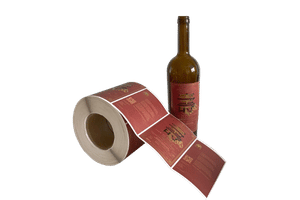
01
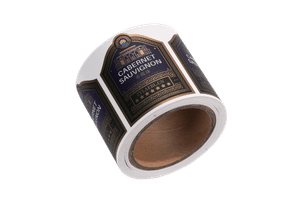
Rotwein Klassisches Immobilienpapier, prägend-bereit
Rotweine lagern am besten bei Raumtemperatur von der Füllung bis zum Verbraucher Eine ästhetische Entscheidung: Texturiertes Kombipapier, oft mit Heißfolien- und Prägedekoration, vermittelt ein Gefühl des klassischen Erbes. Unser unbeschichtetes Kombipapier mit 100 gsm-Option aus Baumwollfaser liefert Prägetiefe ohne Bruch, und das hochglanzbeschichtete 80 gsm bietet einen scharfen Kontrast für einen frischeren Look. Koppeln: Heißschmelzpapier H2210 für den Einzelhandel; Acryl A305, wenn feuchte Exportbeine Teil der Route sind.
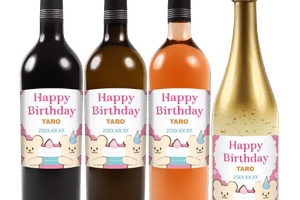
02
Weiß, Ros & Schaumwein Benötigte Nassfestigkeitsleistung
Hier lösen sich Standardpapieretiketten ab, und hier erzielen Premium-Weinetiketten höhere Margen. Weiß- und Roséweine verbringen ihr Handelsleben gekühlt – im Weinkühlschrank, Restaurantkühler, Eisbehälter oder feuchten Schaufenster im Sommer. Der oben genannte Weinverwender verlor Premiumflaschen durch die Feuchtigkeit im Weinkühlschrank; dieser Verlust trifft den Markeninhaber, nicht den Etikettenverarbeiter. Die richtige Lösung ist nassfestes Kombipapier für die Präsentation in gekühlten Vitrinen oder PET 50m für Schaumwein, der tatsächlich im Eis lag. Unser PET-Acrylat-Flaggschiff übersteht das in der obigen Testmatrix dokumentierte 72hour-Bad.
03
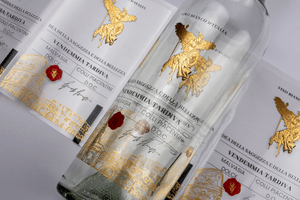
Spirituosen, V & Premium Liquorka & Premium Liquor Metallisierte Filme verdienen das Regal
Wodka-Etiketten und Spirituosenflaschenetiketten leben von der Attraktivität des Regals. Metallisiertes PET50 m mit Acrylkleber liefert Prestige-Spirituosen mit der spiegelglänzenden Kulisse, um sie von glasbemalten Konkurrenten abzuheben. Klares BOPP ermöglicht den ‘No-Label-Look’, der so oft in Craft Gin- und Edgy-Mezcal-Marken zu sehen ist. Beide Konstruktionen gedeihen im Tiefkühlschrank-Spirituosenservice.
04
Handwerk Bier Dünnes PET für Dosen, Nassfestigkeit für Glas
Craft-Bierdosen benötigen eine ultradünne Folie für die Recyclingfähigkeit mit dem Aluminiumstrom. Unser 30-m-PET erfüllt diese Aufgabe. 33-cl- und 50-cl-Glasflaschen erfordern nassfestes Kombipapier, um jede Flexopresse zu öffnen und durch den Export in Kühlketten langlebig zu sein.
05
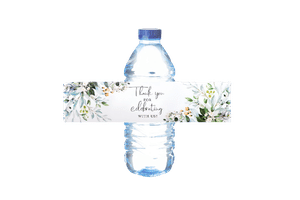
Saft & Flaschenwasser Synthetisches Papier gewinnt bei der Haltbarkeit
Flaschenwasseretiketten und wasserdichte Saftflaschenetiketten werden missbraucht Sie leben in Convenience-Store-Kühlern, auf dem Boden des Fitnessstudios, im Strandkühler PP-Synthetikpapier mit Klebstoff auf Wasserbasis überlebt diesen Lebenszyklus weit länger als beschichtetes Papier, und überlebt Abrieb im Freien, der Standardbestände zerkleinert.
Specialty Wine Label Stocks & Foil, Holographic Holzfurnier
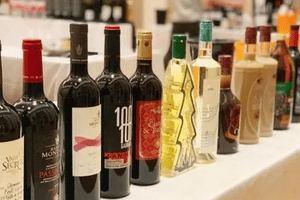
Zusätzlich zu den oben genannten Arbeitstieren ermöglichen Luxusweinetiketten einige Nischen-Baufamilien-Untergruppen:
Holografische Folie
Holografische Folienflächen glänzen im Regal.
Kaltfolie und Textur
Kaltfolie auf strukturiertem nassfestem Papier sorgt für taktilen und visuellen Schwung.
Holzfurniergesichter
Auf ein Trägersubstrat laminierte Birken- und Kirschscheiben sowie ein Single-Source-Statement-Label, mit dem absolut kein anderes Label im Regal konkurrieren kann.
Systemintegration: Wir koordinieren die Struktur des Obermaterials auf Ihre Spezifikation, Ihr Drucker erfüllt alle dekorativen Anforderungen Wir können Flexo-, HP Indigo-, UV-Tintenstrahl- und Siebdruckrouten unterstützen, damit Sie diese Spezialkonstruktionen nicht an einen bestimmten Prozess binden.
Operative Exzellenz
Modernste Produktionsanlage
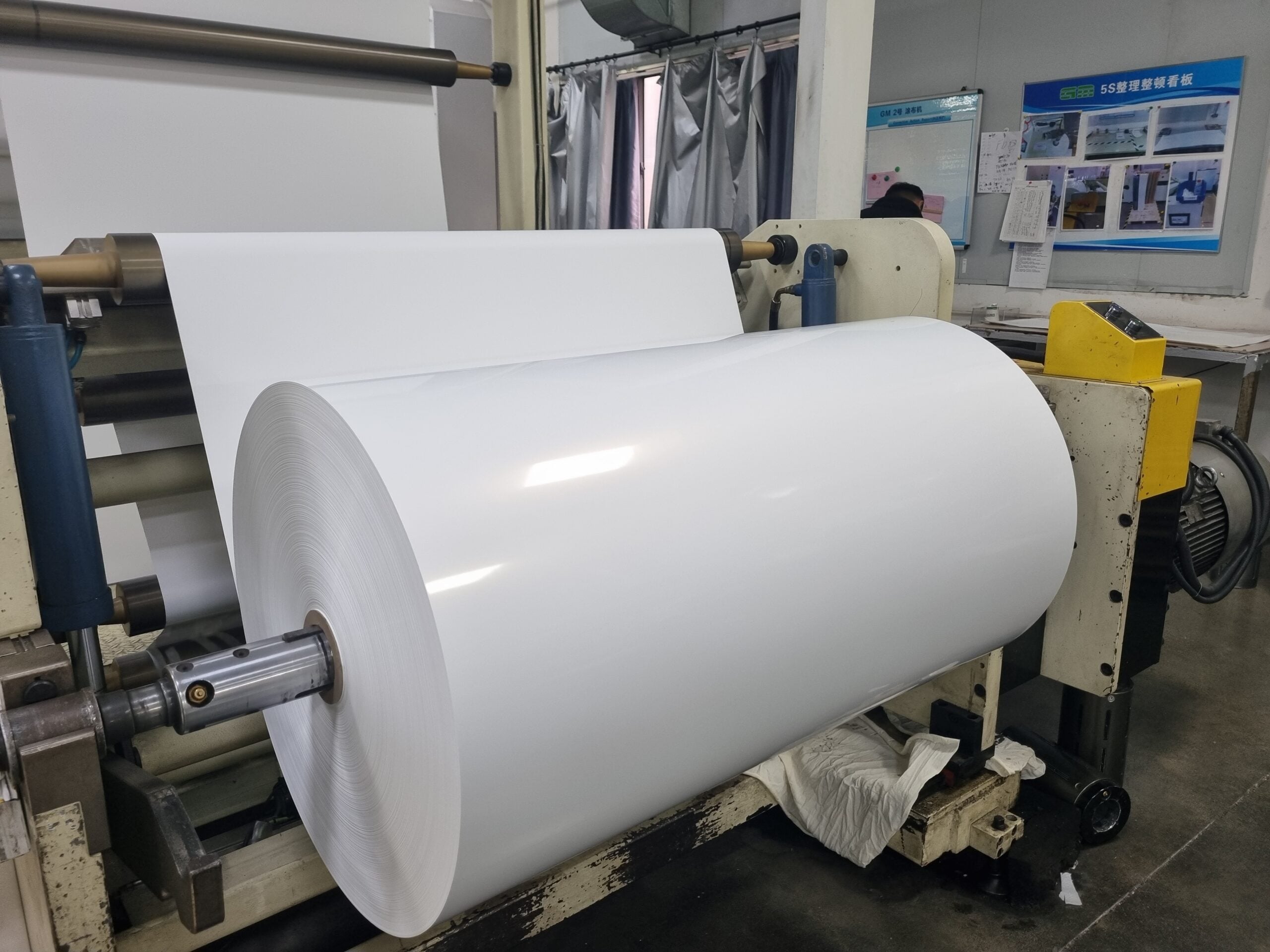
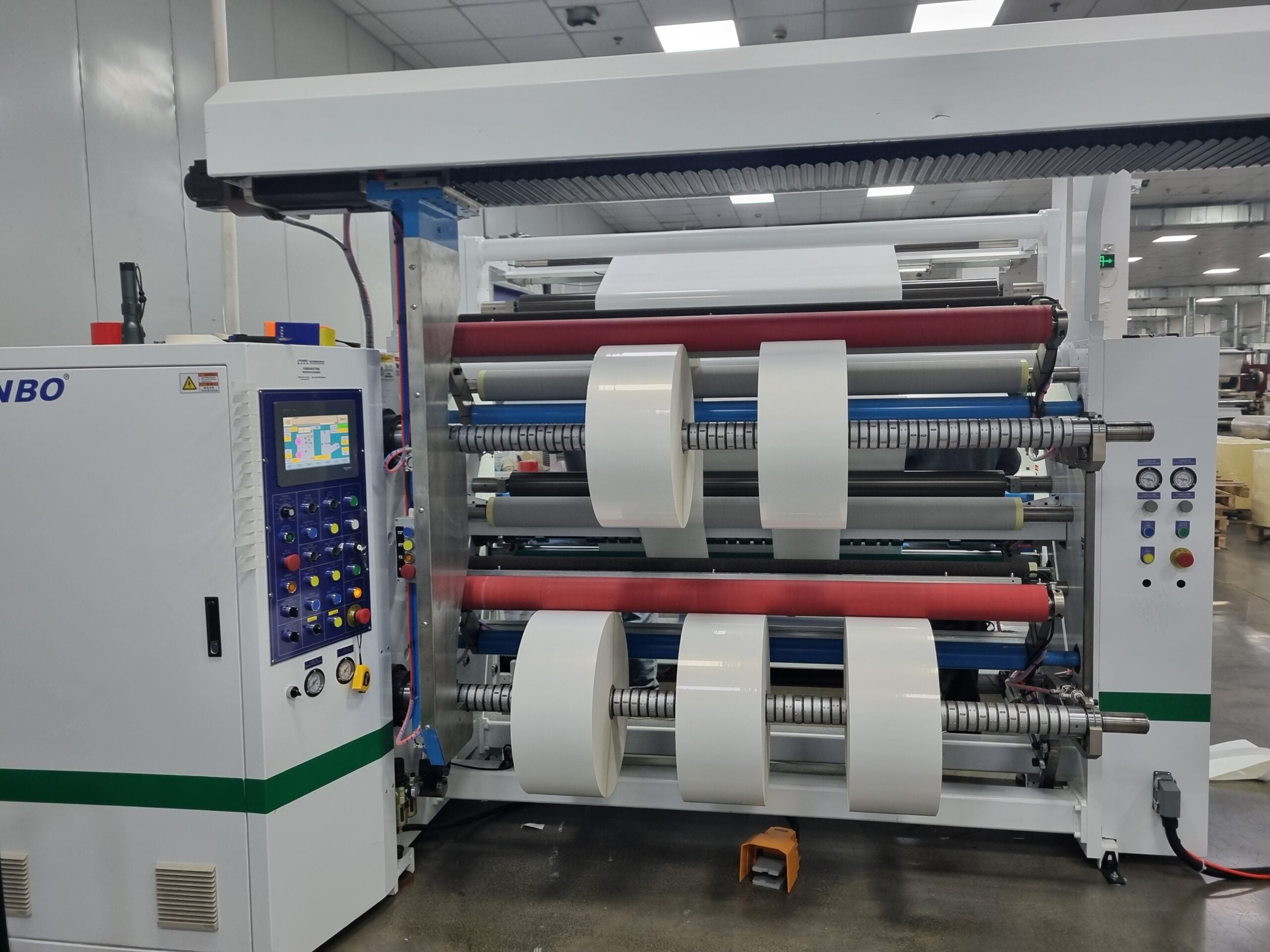
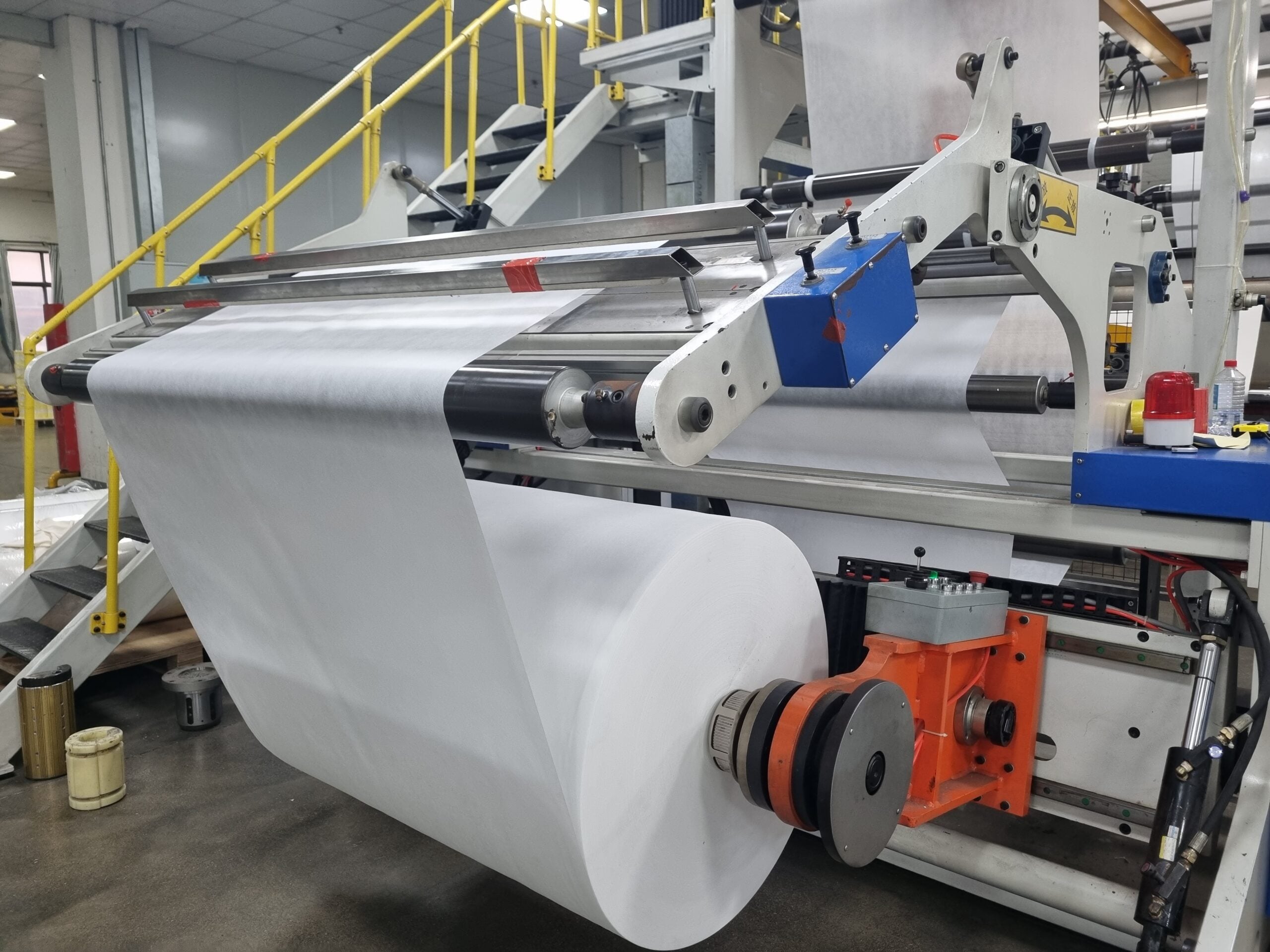
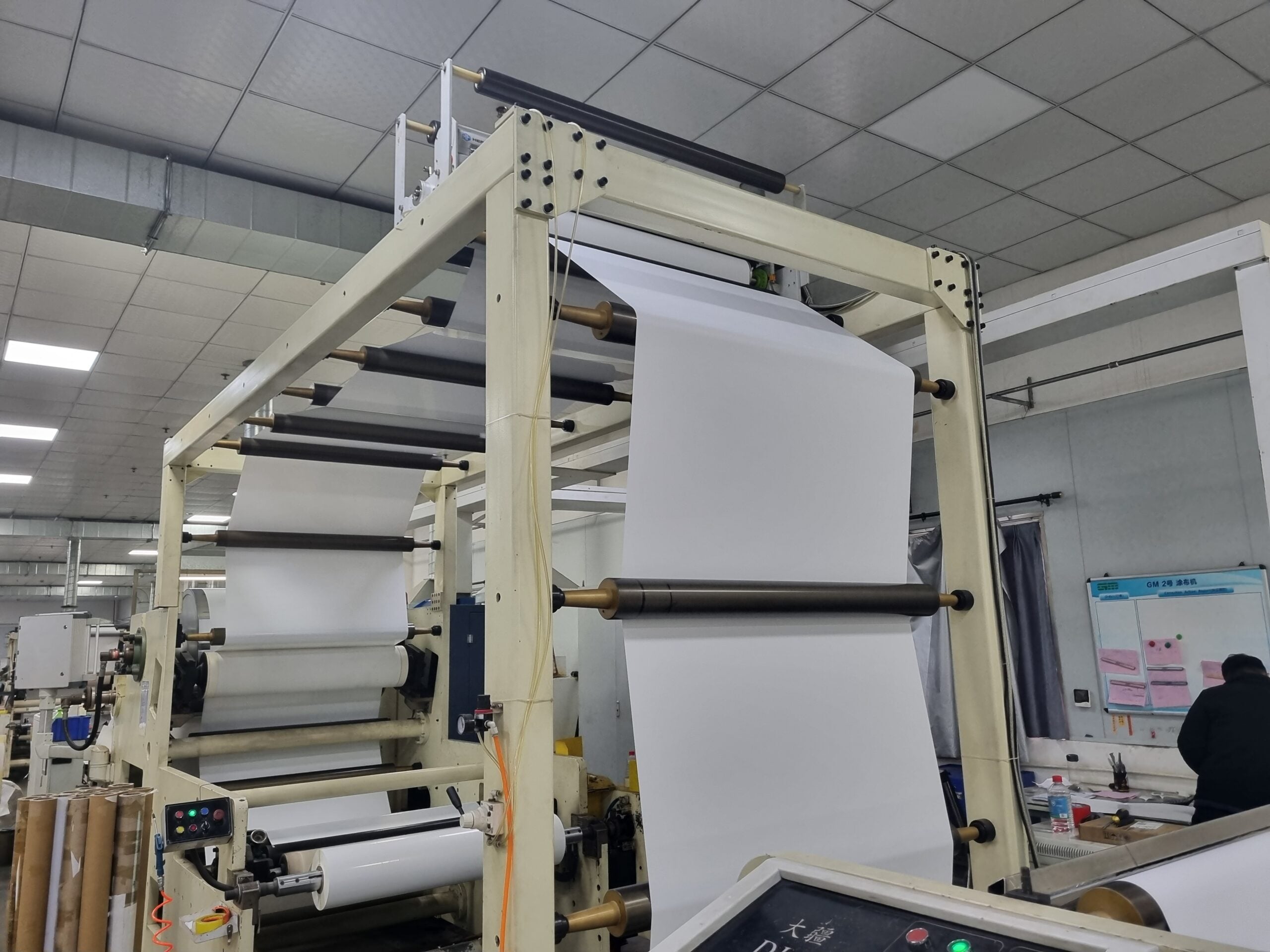
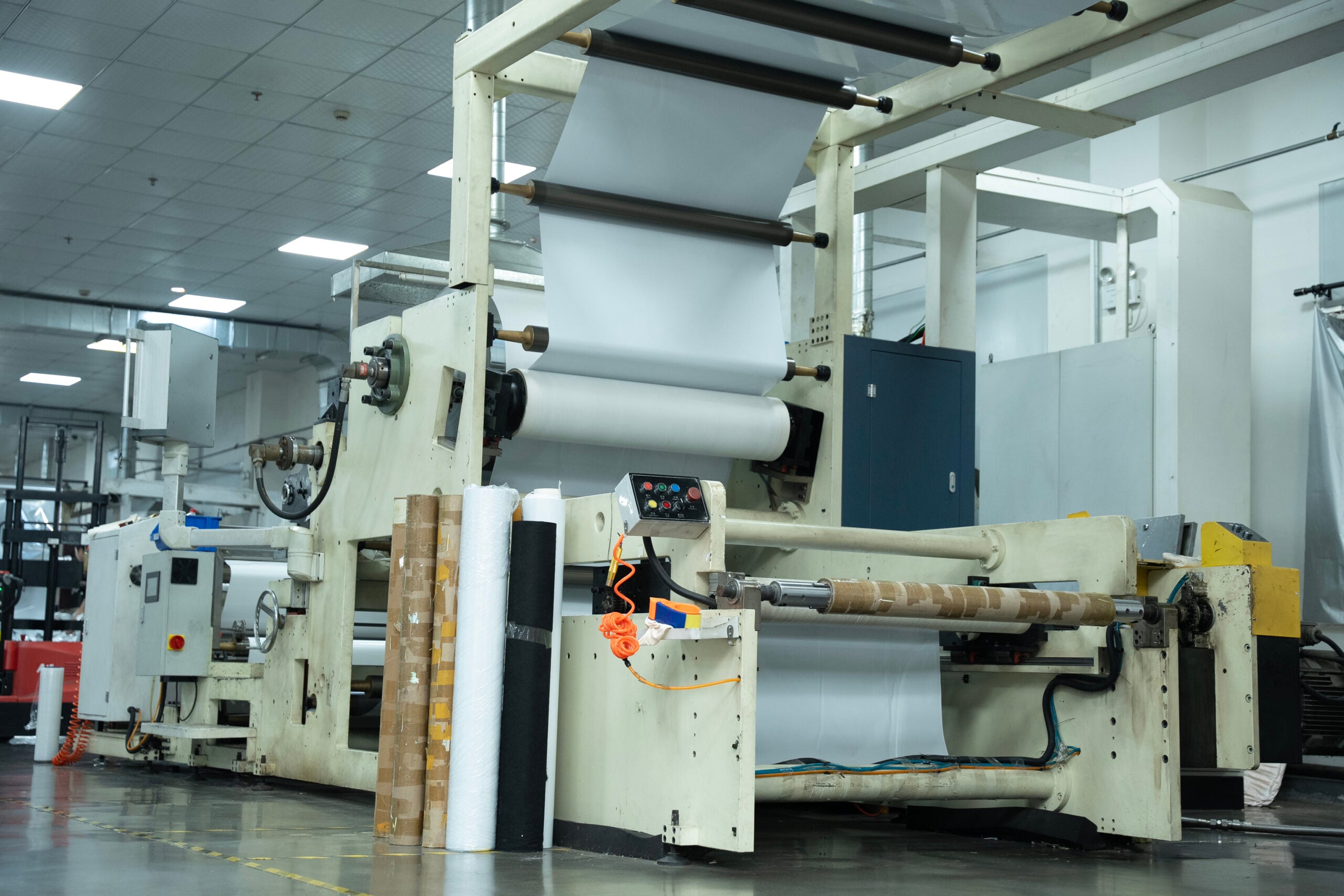
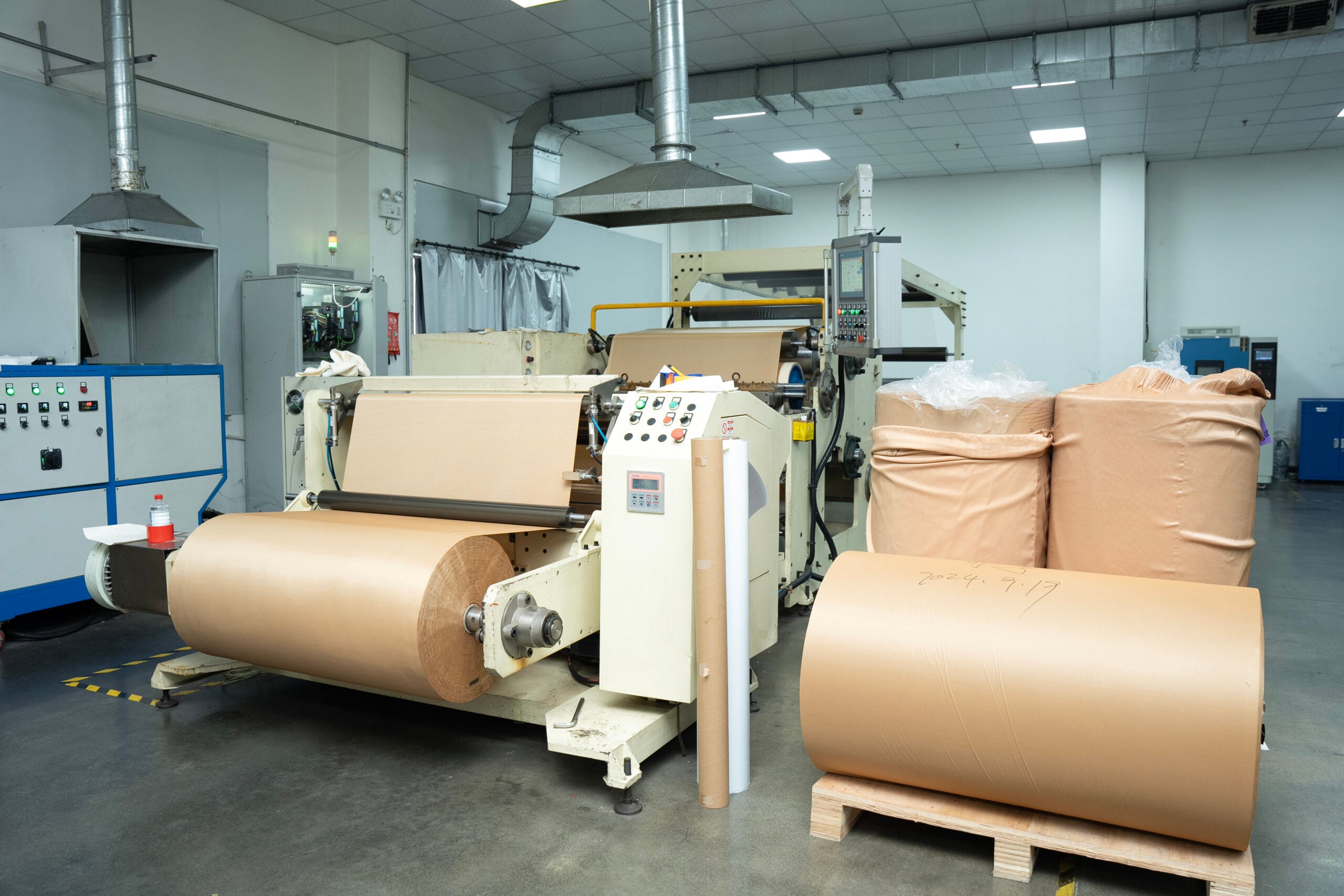
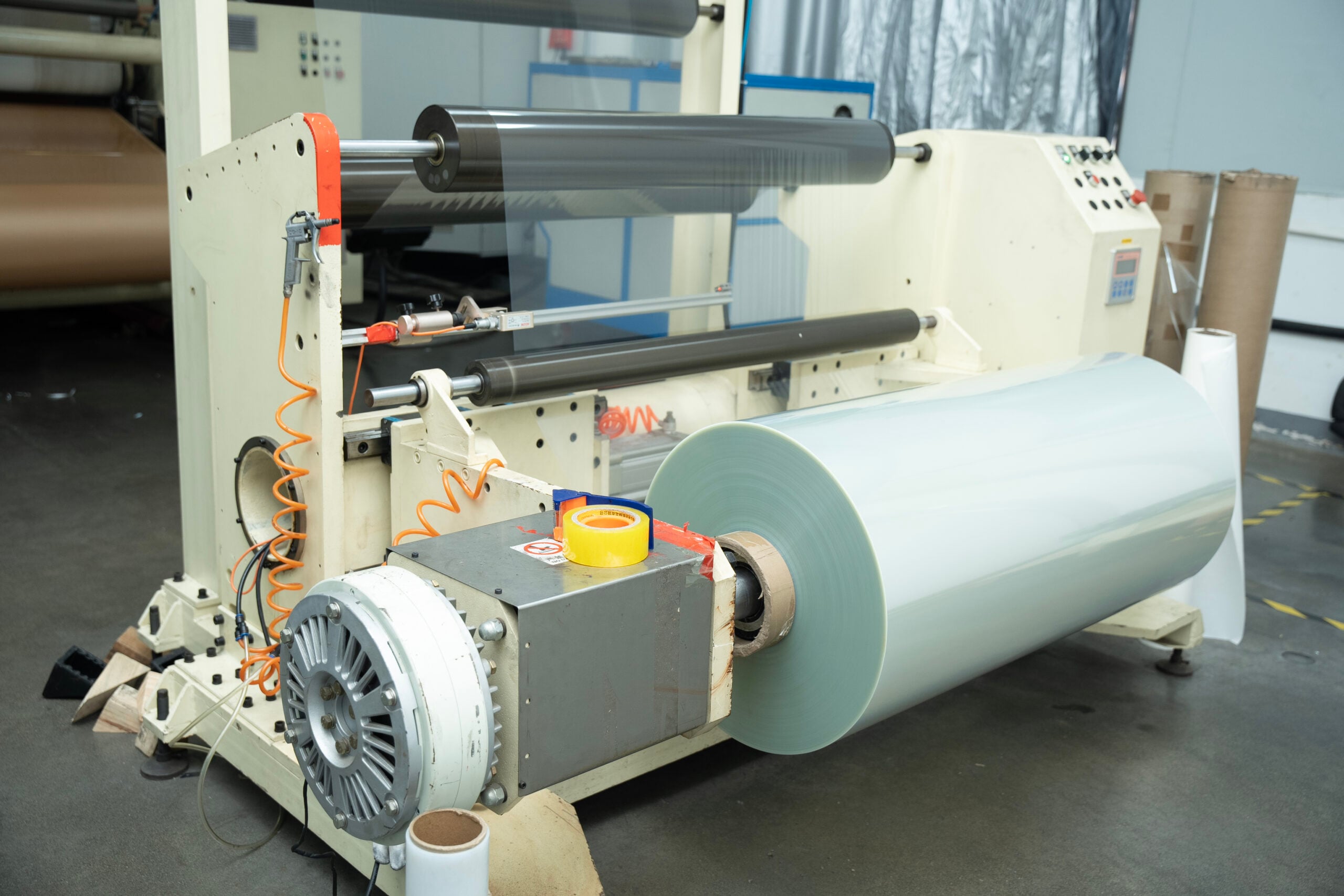
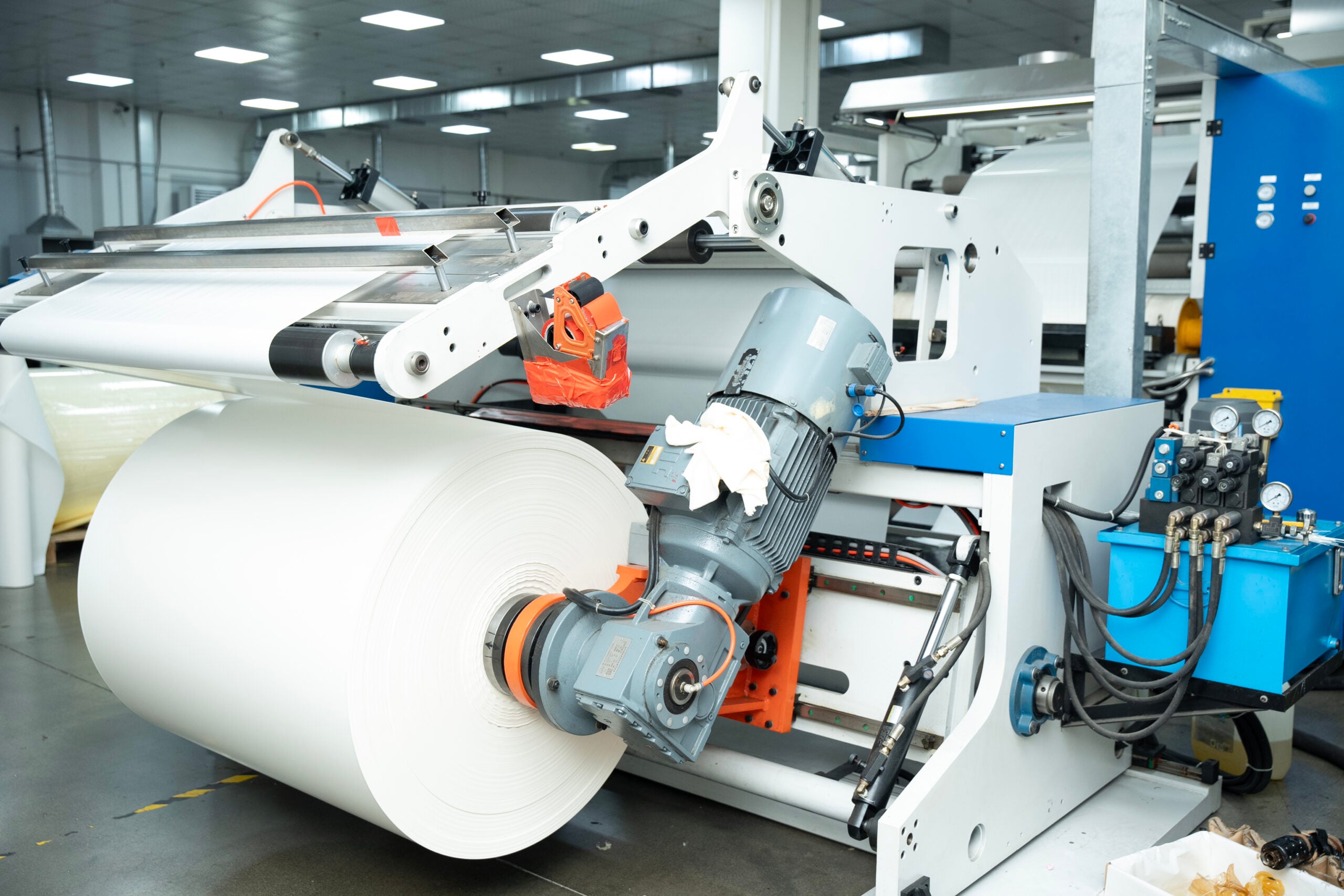
Zertifizierungen und Compliance & FDA FSC · REACH 21 CFR · BRCGS
Immer mehr Markenmanager und große Einzelhandelskunden befragen die Regulierungsakte, bevor sie sich überhaupt den in der Presse hergestellten Druck ansehen. Im Folgenden sind die 4 Compliance-Säulen aufgeführt, auf denen unser Sortiment an Getränkeetikettenbeständen basiert; die Klauseln, auf die sich unsere Qualitätssicherungsabteilung beziehen wird:
FDA-Standard
FDA 21 CFR 175.105
Indirekte Einhaltung von Lebensmittelkontaktklebstoffen für Etiketten mit Wein-, Spirituosen-, Bier-, Saft- und Wasserflaschen.
Gemäß eCFR Titel 21 §175.105
FSC-zertifiziert
FSC®-Haftkette
Zertifizierte Zellstoffoption für beschichtete und nassfeste Papierfamilien.
Pro FSC International Standard FSC-STD-40-004
EU-konform
EU REACH SVHC
Erklärung zu besonders besorgniserregenden Stoffen auf Anfrage erhältlich.
Gemäß EG-Verordnung 1907/2006
Globaler Standard
BRCGS-Verpackungsmaterialien
Ausrichtung des Prüfungsrahmens von Ausgabe 6 in unserem Werk in Thailand mit jährlicher Überwachungsprüfung.
Problem 6 Überwachungsrahmen
Internationale Exportwege: EU-Exportkunden fordern außerdem eine Angleichung an die EU-Verordnung 1169/2011 (Lebensmittelinformationen) für die Rückkopie, während US-Exportkunden unsere Bestände über die Zulassungsverfahren für die Weinkennzeichnung TTB 27 CFR §4 weiterleiten. Beide Wege sind reibungsfrei, da die FDA- und FSC-Dokumentation in jedem Versanddossier enthalten ist.
Beschaffung, individuelle Beschichtung, Lieferzeit und kundenspezifische Beschichtung
Beim Kauf eines in Asien geborenen selbstklebenden Etikettenmaterials in einer Beschaffungsabteilung werden häufig drei Fragen gestellt: Was ist die Mindestbestellung, wie hoch ist die Standardvorlaufzeit und welche benutzerdefinierten Änderungen sind möglich? Das folgende Raster zeigt unsere typischen Fenster; Die Preisgestaltung der Einheiten hängt vollständig von den folgenden Faktoren ab.
Standard-MOQ und Vorlaufzeit
| Format | Standard-moq | Lagervorlaufzeit | Benutzerdefinierte Beschichtung / Farbe Vorlaufzeit |
|---|---|---|---|
| Rollen, auf Breite schlitzen | 1,00 m² (000 Masterrolle) | 3 – 7 Tage von Thailand oder Vietnam entfernt | 15 – 25 Tage einschließlich QC-Freigabe |
| Blatt, A2 / A3 | 5.000 Blätter | 5 10 Tage von Thailand entfernt | 20 30 Tage |
| Nassfestes Anwesen, individueller Schatten | 2.000 m² | 10 15 Tage | 25 35 Tage |
Preisfaktorrahmen
Wir veröffentlichen keinen pro-m2-Preis in unserem öffentlich zugänglichen Katalog, da die Eigenkosten eines Getränkeetikettenmaterials von der Konstruktion abhängen Preisskalen nach:
Gesichtsstock-Set (Papier vs. PET vs. BOPP, metallisiertes PET – ca. 1 bis 4 Spread)
Haftklebstoffchemie (wasserbasiert und Schmelzklebstoff kosten weniger als Acrylat)
Auftragsgewicht und jede zusätzliche Deckbeschichtung für digitale Kompatibilität
Volumenstufe und Vertragslänge
FSC-zertifizierter Zellstoffprämie gegenüber Standardzellstoff
Dekorationsvorbereitung (folienempfindliche Deckschicht, prägbare Oberflächenvorbereitung)
Benutzerdefinierte & Beispielrichtlinie
Wir beschichten kundenspezifische Haftklebstoffsysteme, kundenspezifische Trägermaterialdicken und kundenspezifische Auftragsgewichte für zugesagte Jahresmengen über 50,000. Musterkarten sind auf Anfrage kostenlos, eine Pressversuchsrolle ist kostenpflichtig und wird auf die erste kommerzielle Bestellung angerechnet. Unsere F&E-Experten entwickeln Spezialaufbauten für Etiketten mit Beständigkeit bei hohen/niedrigen Temperaturen, gegen Fett und Öl, mit hoher Haftung und für den Außeneinsatz – mit demselben hohen Niveau an Know-how und Anwendungserfahrung für langlebige Anwendungen, das wir auf unser Getränkesortiment anwenden.
Fortgeschritten Ingenieurwerkzeuge
Nutzen Sie unsere datengesteuerten Taschenrechner und Selektoren, um die Konstruktion Ihres Getränkeetiketts zu optimieren, die Ausdauer der Kühlkette zu validieren und Ihre Gesamtbetriebskosten (TCO) zu maximieren.
Materialwähler für Getränkeetiketten
Beantworten Sie ein paar kurze Fragen zu Ihrer Anwendungsumgebung, Haftungsanforderungen und ästhetischen Zielen, um die perfekte Kombination aus Obermaterial und Klebstoff zu entdecken.
Startquiz
Eis-Bucket-Ausdauerrechner
Geben Sie Ihr feuchtestes Serviceszenario und Ihre Belichtungszeit ein, um zu sehen, welche Konstruktionen durch unsere 7×3-Matrix validiert werden, um 72 Stunden im starken Eistauchen zu überleben.
Ausdauer berechnen
PET vs. BOPP TCO-Rechner
Vergleichen Sie die Gesamtbetriebskosten (TCO) zwischen den Flaggschiff-Filmoptionen Geben Sie Ihr jährliches Volumen und Ihre Ablehnungsraten ein, um Ihre langfristigen ROI-Einsparungen genau vorherzusagen.
Kosten vergleichen
Bereit, Weinkennzeichnungsmaterial zu testen, das 72 Stunden überlebt?
Geben Sie uns Ihre Flasche, Liniengeschwindigkeit, Chill-Profil Wir versenden innerhalb von 48 Stunden ein Swatchpack (A4) zusammen mit einer empfohlenen Bau-Shortlist an Sie.
Die meisten Weinetiketten verwenden eine von drei Grundmaterialfamilien: beschichtetes oder unbeschichtetes Papier für den Einzelhandel bei Raumtemperatur, nassfestes Kombipapier für die Kühllagerung und den feuchten Export sowie synthetische PET / BOPP / PP-Folie für den Eis-Eimer-Service und die abrasive Handhabung Jede Konstruktion wird je nach Service-Temperatur-Fenster mit Heißschmelz-, Wasser- oder Acrylkleber kombiniert. Die richtige Kombination pro Anwendung finden Sie in der Entscheidungsmatrix oben.
Die Recyclingfähigkeit hängt von der Konstruktion ab Papiergesichtsetiketten mit wasserbasiertem oder abnehmbarem Klebstoff recyceln in Standard-Mischstrompapier PET – und BOPP-Folienetiketten recyceln, wenn sie so konzipiert sind, dass sie sich vom Waschschrittglas trennen. Unser PET 50 µm-Sortiment ist so aufgebaut, dass es unter branchenüblichen alkalischen Waschbedingungen von 80 °C sauber freigesetzt wird. Markeninhaber, die auf den recycelten Flaschengehalt abzielen, sollten unser PET-Sortiment mit der speziellen Waschklebstoffoption spezifizieren.
Guanma nassfestes Kombipapier bleibt nach 24–36 Stunden vollständigem Eintauchen bei 4 °C klar lesbar. Die PET 50 µm- und BOPP 60 µm-Flaggschiff-Folienaufbauten halten 72 Stunden ohne Wölbung, Kantenablösung und Druckbeeinträchtigung stand. Beide Werte stammen aus unserer internen Eiswasser-Studie Q1 2026 im Beschichtungswerk in Thailand; die Methodik finden Sie unter den Prüfbedingungen im Abschnitt Ice-Bucket Endurance Test.
Für Lager-SKUs aus unserem Standardkatalog beginnt die Mindestbestellmenge bei einer Master-Rolle (1.000 m²).Für kundenspezifische Klebesysteme oder kundenspezifische Farbanpassung beginnt die Mindestbestellmenge bei 2.000 m² für Papierfamilien und 3.000 m² für Filmfamilien. Kleinere Proof-of-Concept-Mengen sind als Press-Probe-Rollen erhältlich. Basierend und auf dem ersten Produktionsauftrag anrechenbar.
Ja. Wir versenden A4-Swatch-Pakete kostenlos an Konverter und Markeninhaber. Qualifizierte Walzenmengen reduzieren sich in der Regel innerhalb von 48 Stunden nach der Press-Trial-Qualifikation. Die Mengen sind gebührenpflichtig und Ihr erster Produktionsauftrag.
Estate-Papier ist ein einschichtiges nassfestes unbeschichtetes Papier mit der handwerklichen Textur, die Weinmarken traditionell für die Premium-Positionierung wählen. Ever-Opaque-Stil-Konstruktionen legen einen BOPP-Film zwischen zwei Papierschichten und verleihen dem Papier eine ästhetische Feuchtigkeitsbeständigkeit mit einer Feuchtigkeitsbeständigkeit in Papierqualität von etwa 1.41.7 ̄N die Kosten für reines Estate-Papier. Unser Äquivalent ist der Nassfestigkeits-Estate-/Filmhybrid im Spezialsortiment; Wir zitieren auf Anfrage.
Ja. PET 25 µm, 36 µm, 50 µm und 75 µm — transparent, weiß, silbermetallisiert, glänzend und matt. BOPP 20 µm bis 80 µm — transparent, weiß, silbermetallisiert, perlmuttfarben. PP-Synthetikpapier 54 µm, 75 µm und 100 µm — halbglänzend weiß. Alle Familien sind für HP Indigo, UV-Flexo und wasserbasierte Inkjet-Druckwege zugelassen.
Ja. Unsere beschichteten PET-, BOPP- und synthetischen BOPP-Papierfamilien werden mit einer für HP Indigo Digital, UV Flexo, konventionellen Flexo, wasserbasierten Tintenstrahl und Direct Thermal, wo zutreffend, optimierten Deckschicht geliefert. Wir können Drucker-spezifische Zertifizierungen auf Anfrage bereitstellen Bitte geben Sie Ihr Pressemodell an, wenn Sie Muster anfordern.
Im Trend