Get in Touch with Guanma

Self Adhesive Thermal Paper for Variable Information Labels
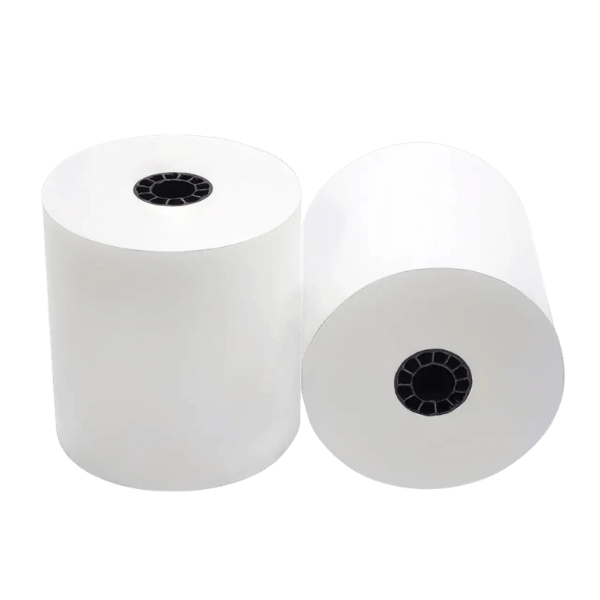
Customizable direct thermal and thermal transfer facestock – engineered for consistent print density, barcode scannability, and compliance with industry regulations from logistics to retail, pharmaceutical to industrial label applications.
DT & TT
Printing Compatibility
Printing Compatibility
BPA-Free
Phenol-Free Options
Phenol-Free Options
3 Adhesive
System Options
System Options
TH & VN
Production Facilities
Production Facilities
Custom
Facestock × Adhesive × Liner
Facestock × Adhesive × Liner
Self Adhesive Thermal Paper — Engineered for Reliable Variable Information Printing
Label converter needs, providing zero defects during high-volume direct thermal and thermal transfer production runs.
Inconsistencies in coat weight that result in proof-to-proof variation in print density from roll-to-roll, adhesive failures and cold-chain environments, and regulatory drives to identify BPA and BPS content in thermal paper formulations result in costly rejected label runs, press and tooling downtime, and compliance exposure for converters.
Guanma’s self-adhesive thermal paper is designed to mitigate each at material level.
With 98% control across all our in-house coating lines, we deliver consistently thermal sensitive facestocks for the high-precision barcode prints your CX1000 printers need. We match each thermal facestock with application-appropriate adhesives and liners: permanent acrylics for everyday logistics, high aggressiveness formulas for textured or irregular surfaces, and freezer-rated formulations proven to maintain bonds down to -40 C. Full, independent BPA-free certifications ensure every grade you specify will meet EU REACH Annex XVII regulations.
Selecting the right thermal facestock- direct thermal or thermal transfer- influences many downstream factors: printing durability, product cost, and application compatibility. Here is a quick comparison at the material level.
Direct Thermal vs Thermal Transfer — Material Selection Guide
The fundamental difference occurs in the coating layer it’s ownself. Direct thermal paper carries on top a chemically sensitive layer that turn black when exposed to heat from the printing head, eliminating the need for ribbon transfers or inkjet inks. On the other hand, thermal transfer facestocks receives the image from a melted wax, resin, or wax-resin ribbon. It’s these fundamental differences that influence printer settings, adhesive matching, and top coating choices.
| Parameter | Direct Thermal (DT) | Thermal Transfer (TT) |
|---|---|---|
| Print Mechanism | Heat-sensitive coating reacts to printhead energy | Ribbon transfers ink onto facestock via heat |
| Ribbon Required | No — zero ribbon cost | Yes — wax, wax-resin, or resin ribbon |
| Image Durability | 6–12 months (indoor, no UV/heat exposure) | 2+ years (resin ribbon: 5+ years outdoor) |
| Heat Resistance | Up to 60 °C — image degrades above threshold | Up to 150 °C with resin ribbon |
| Chemical Resistance | Low — solvents and oils cause fading | High with resin ribbon — resists IPA, oils, mild acids |
| Abrasion Resistance | Moderate with top coat; low without | High — printed image sits under a protective layer |
| Cost Per Label | Lower (no ribbon consumable) | Higher (ribbon adds $0.002–0.008/label typically) |
| Best Applications | Shipping labels, retail price tags, receipts, short-term warehouse labels | Asset tracking, chemical drums, outdoor equipment, pharmaceutical vials, durable product labels |
Engineering Note — Printhead Wear Factor
Direct thermal printing subjects the thermal chemistry directly to the printhead, which is often sharper and more abrasive than a thermal transfer ribbon surface. To mitigate this structural difference, top-coated DT grades apply an additional protective layer over the thermal chemistry, extending printhead lifespan by about 30–50% over non-top-coated grades. This differential is financially significant when running volumes over 50,000 labels per day.
Guanma Thermal Paper Grades & Specifications
Guanma engineers both direct thermal and thermal transfer facestocks across multiple coating formulations, each available in the substrate and adhesive combination that meets your specifications. We deliver these thermal facestocks in roll format — without liner or with commercial and industrial liner options matched to your die-cutting platform and dispense speed.
| Grade | Type | Top Coat | Sensitivity | Typical Facestock | Best For |
|---|---|---|---|---|---|
| DT-Eco | Direct Thermal | No | Standard | 60–80 gsm paper | Price tags, short-life shipping labels |
| DT-Premium | Direct Thermal | Yes | High | 65–80 gsm paper | Logistics barcodes, warehouse labels, retail |
| DT-PF | Direct Thermal | Yes | High | 70–80 gsm paper | EU-market labels requiring phenol-free compliance |
| TT-Semi | Thermal Transfer | N/A | N/A | 70–90 gsm semi-gloss coated paper | Product labels, food & beverage, pharma |
| TT-Matte | Thermal Transfer | N/A | N/A | 70–90 gsm matte coated paper | Chemical drums, durable asset labels |
Adhesive Systems
Permanent Acrylic — General-purpose bonding to paper, corrugate, polystyrene, and most packaging films; service range –20 °C to +80 °C.
Aggressive Permanent — Higher initial tack for textured or low-energy surfaces including recycled corrugate and HDPE containers.
Freezer-Grade — Tested to –40 °C application temperature; maintains bond strength through freeze-thaw cycles in cold-chain logistics and food storage.
Aggressive Permanent — Higher initial tack for textured or low-energy surfaces including recycled corrugate and HDPE containers.
Freezer-Grade — Tested to –40 °C application temperature; maintains bond strength through freeze-thaw cycles in cold-chain logistics and food storage.
Liner Options
We offer multiple liner options:
Glassine– 62 gsm smooth release suitable for high speed die cutting.
CCK-5-10 lighter weight coex for wider webs with rigid dimensions.
PET– 23-36 micron transparent or opaque white for automated application lines requiring consistent liner stiffness and edge quality.
Glassine– 62 gsm smooth release suitable for high speed die cutting.
CCK-5-10 lighter weight coex for wider webs with rigid dimensions.
PET– 23-36 micron transparent or opaque white for automated application lines requiring consistent liner stiffness and edge quality.
Procurement Advisory — Customization Lead Time
Standard grades ship within 7-10 business days of our facilities in Thailand and Vietnam. Custom combinations of adhesives and liners take around 15-20 business days. Request sample rolls first so you can confirm printer compatibility before making a larger material purchase.
Variable Information Label Applications
Variable data labels- labels printed as they are ordered with individual data for each unit – are the fastest expanding section of the self-adhesive label market. from shipping labels and bar coding to Price tags and serialized Pharmaceutical data, these facestocks must be compatible with your application environment.
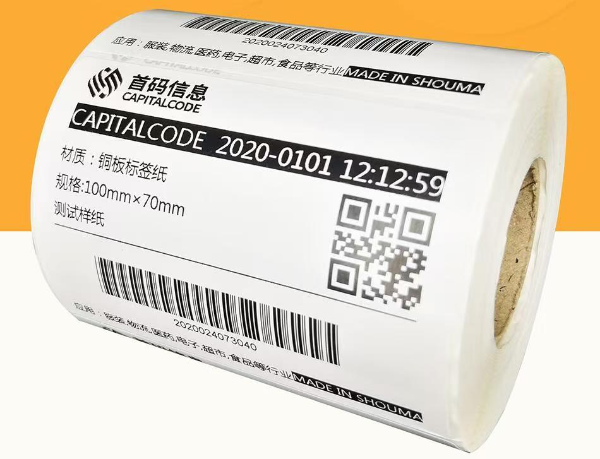
Logistics & Shipping
Direct thermal labels leading the packing and logistics market, as barcode life span rarely extends beyond the expected transit time (by definition from 3-14 days). We recommend DT-Premium grade with permanent adhesive for inside warehouse scanner distances up to 300 mm and unimpaired scannability, or for high throughput e-commerce distributed distribution, DT-Eco reduces the overall material cost per label without diminishing barcode density for automated sortation.
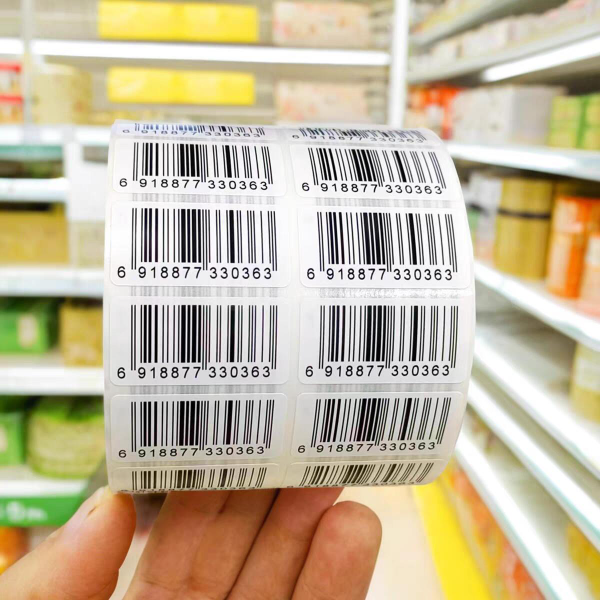
Retail & Point of Sale
End-caps, shelf priced labels and Sales Promotions sticker labelling achieve the best result with flexible no-ribbon thermal paper substrates. Top-coated grades can withstand handling smudges on the sales floor while re-positionable adhesive options enable revision of retail pricing and copy without surface damage to the product package surface.
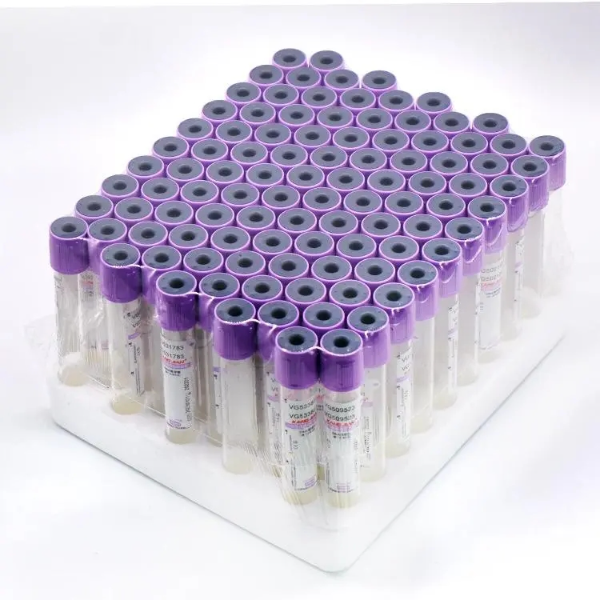
Pharmaceutical & Healthcare
Blood bag labels, sample tubes and pharmaceutical packaging field experience chemical resistance and longevity over the slip surface with a thermal transfer facestock and resin ribbon. Since freezing room shelves are curved, Guanma TT-Semi successfully provides the adhesion bond profile required for 300+ million vials, withsteroid medications passing the isopropyl alcohol wipe-down process.
Food & Cold Chain
Frozen labelstocks must remain resilient and uninterrupted when chilled to -40 C (-40 F). Those with traditional facestock can crack causing splitting: our line of freezer-grade facestock and adhesive systems adhere to the cold and dynamically balanced FINAT FTM 9 temperature resistance specification with continuous adhesion over production, storage, and display.
Barcode Print Quality & Scannability
Print quality on thermal paper media derives from the uniformity of the coating, chemical sensitivity of the optics, and gloss/porosity of the surface. Tooling imperfections in the coating process will show missing sections as white gaps in printed diagnostic black bars (voids). We mass-produce our facestock to reproducible coating specifications of 1.5% coefficient of variation in the coat weight of the web, leading to ANSI barcode Class C or better grade at 200 dpi scan resolution.
Engineering Note — The Scratch Test
A quick finger nail test for field check on plain paper whether the material is TT or direct thermal: a black line indicates direct thermal media (the pressure friction generates the thermal activation that runs the chemistry). No impact indicates the thermal transfer media in order. It only takes two seconds, but after 45 minutes of wasted production due to incorrect material supply during the setup, it is invaluable.
The highest first scan pass rates in excess of 99.5%, such as in automated conveyance systems require a level of robustness in the facestock and exactitude of the printer to operate at high speed time after time. Our recommendation is DT-Premium grade with a printer power setting of 22-25 dots/mm. Where the scanner is a handheld tool, the operator can adjust the scan angle and distance for satisfactory results; non-top coated grades are proven in this environment.
BPA-Free & Environmental Compliance
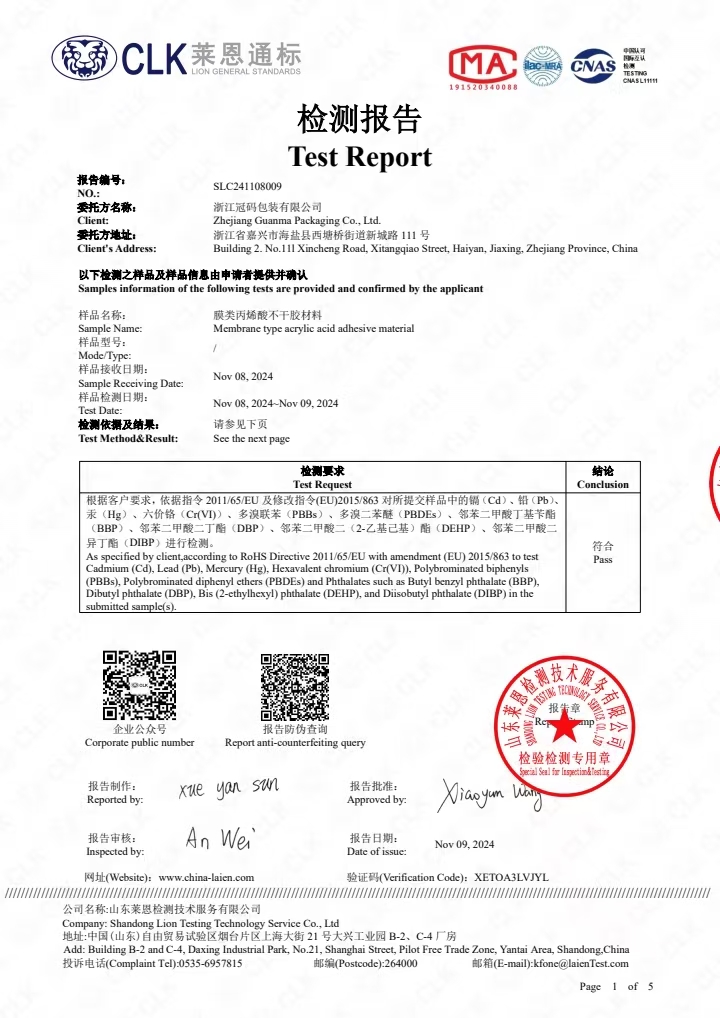
EU REACH Regulation Annex XVII restricts Bisphenol A (BPA) in thermal paper to ≤0.02% by weight, effective since January 2020. Many manufacturers shifted to Bisphenol S (BPS) as a replacement — but BPS now faces similar regulatory scrutiny due to suspected endocrine-disrupting properties. In 2026, EU Implementing Regulation 2026/313 introduced import registration requirements for lightweight thermal paper originating from China, adding traceability obligations for importers.
Guanma’s DT-PF (Phenol-Free) grade removes all bisphenol compounds from the thermal coating formula, by substituting an alternative non-phenol developer chemistry. This places your label products one step ahead of emerging regulation tightening in the EU—and provides a closer regulatory fit-—a head start—-when your products are exported to other markets that follow the EU’s chemical safety framework — including parts of Southeast Asia and South America where Guanma already supplies.
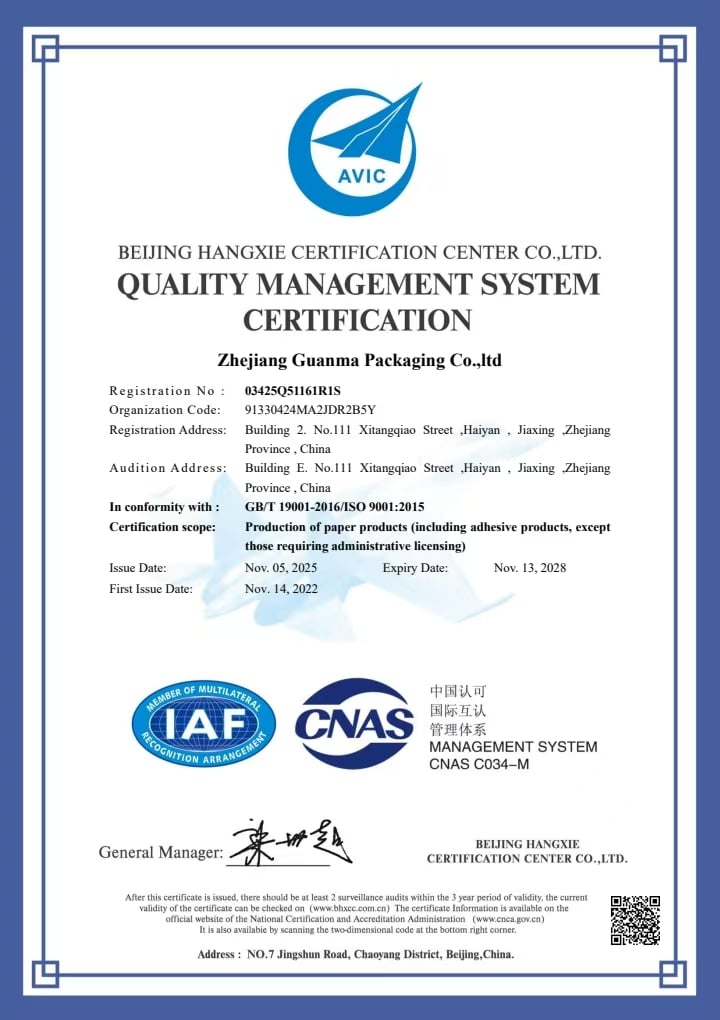
EU REACH
Annex XVII BPA Compliant
BPA-Free
All DT grades available
Phenol-Free
DT-PF grade — zero bisphenols
FINAT FTM 9
Cold adhesion tested

Ordering & Customization
We provide self-adhesive thermal paper as jumbo rolls to label converters and slit rolls to label printers. Fully customizable 3-layer construction––facestock, adhesive, and release liner. Pick out the thermal grade, adhesive system, and liner type, and we’ll coat and laminate to your width and diameter specifications.
Sample process:
Request sample rolls (100-200 linear meters in length) for your specific printer and die-cutting machines for testing, normally sent from our Thailand or Vietnam facilities within a 5 to 7 day window. Production orders will follow once your specification sheet confirms the grade selection.
Supply chain:
Our Thailand and Vietnam coating and laminating plants enable regional supply coverage for label converter and printer customers across SE Asia in a reliable and quick time frame, while established export routes and documentation support available to European and S. American volumes.
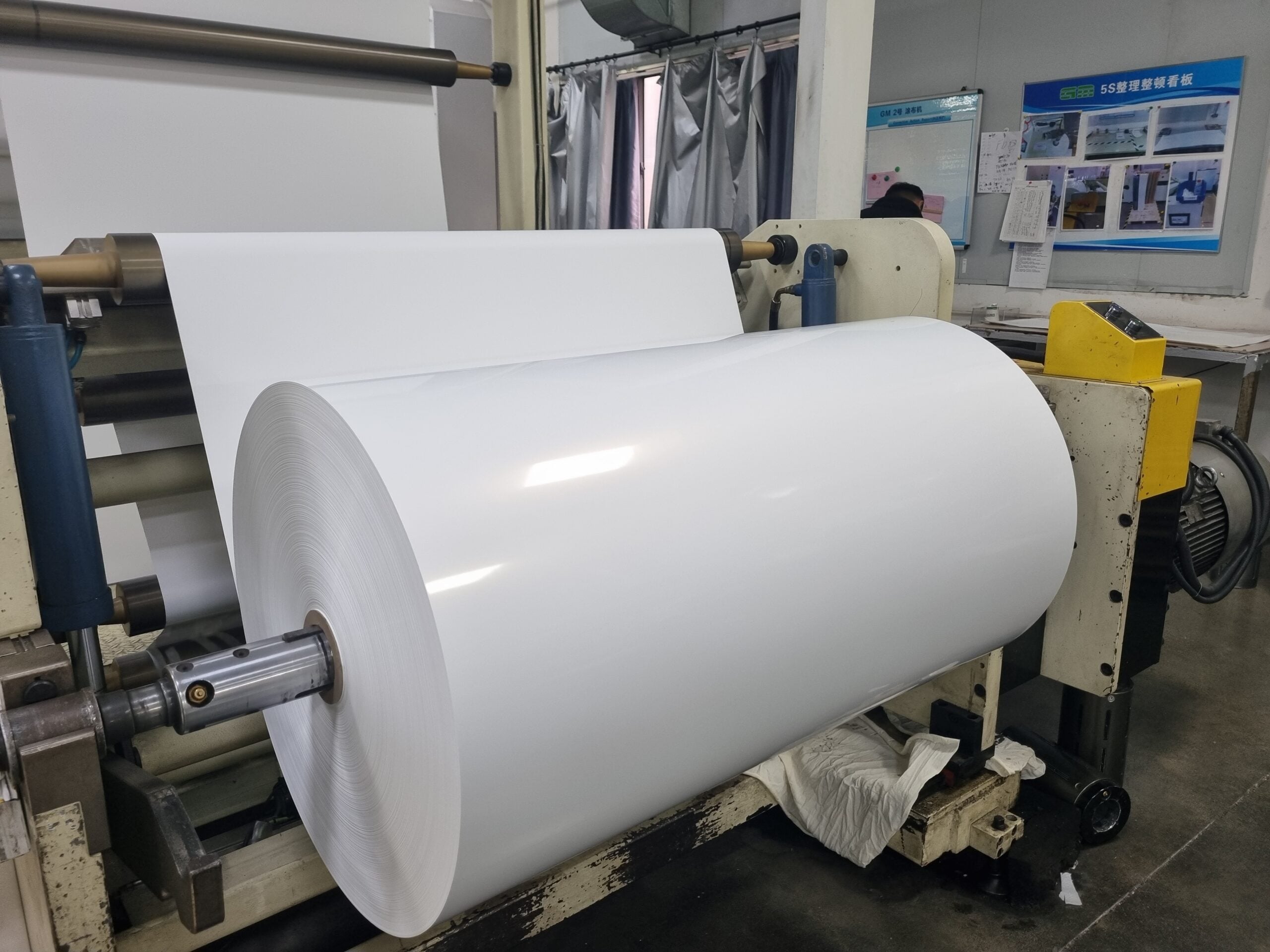
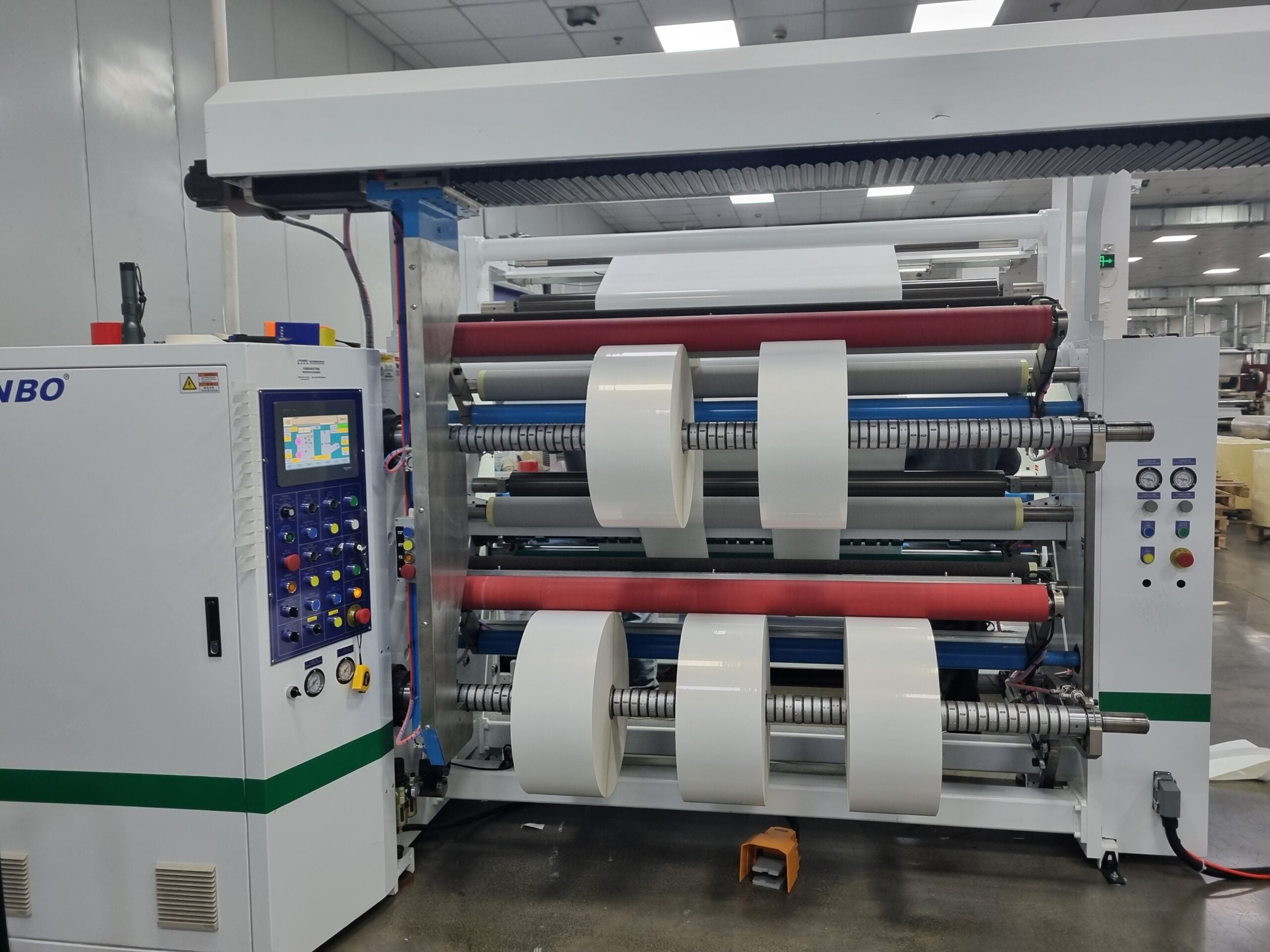
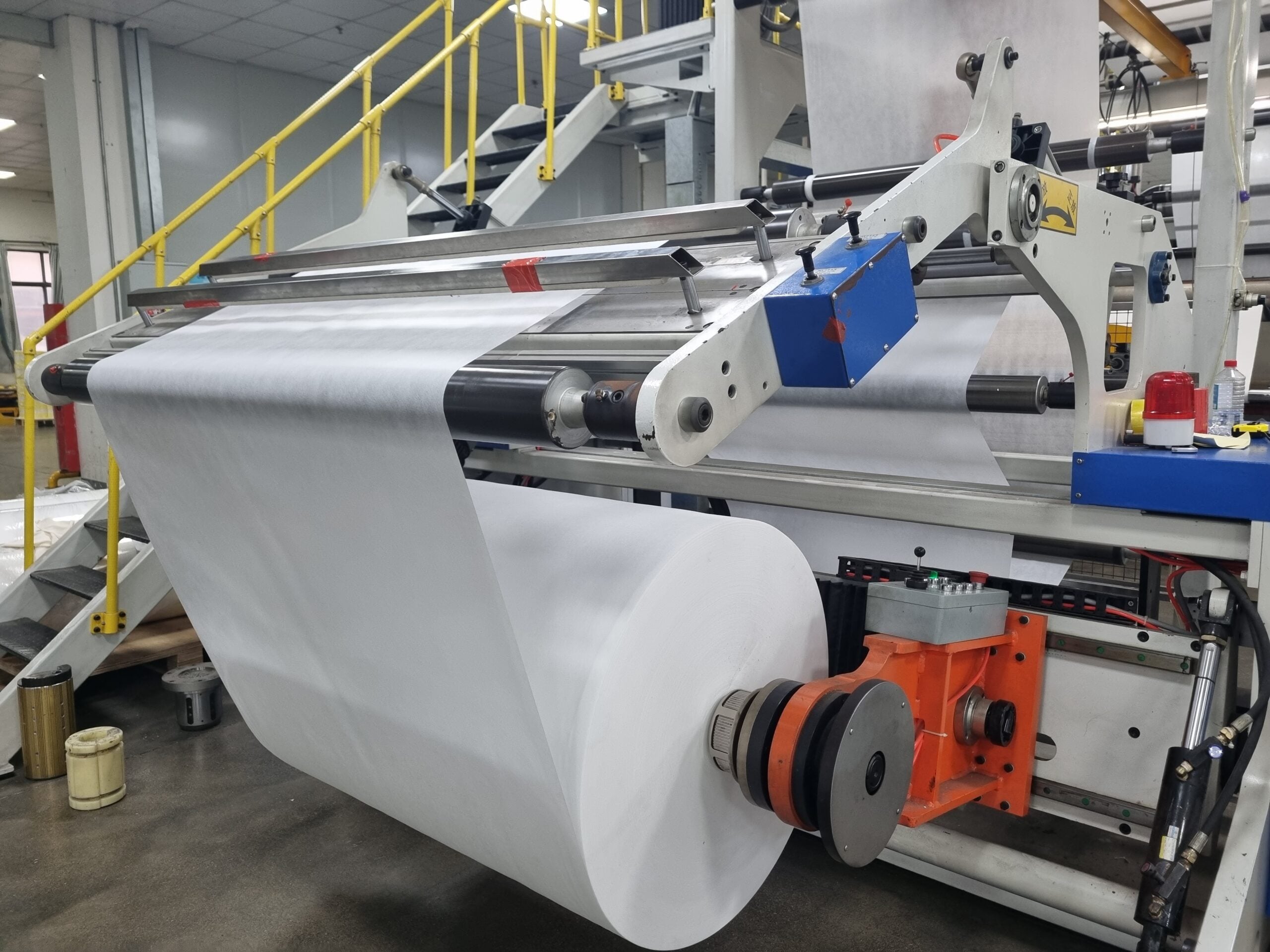
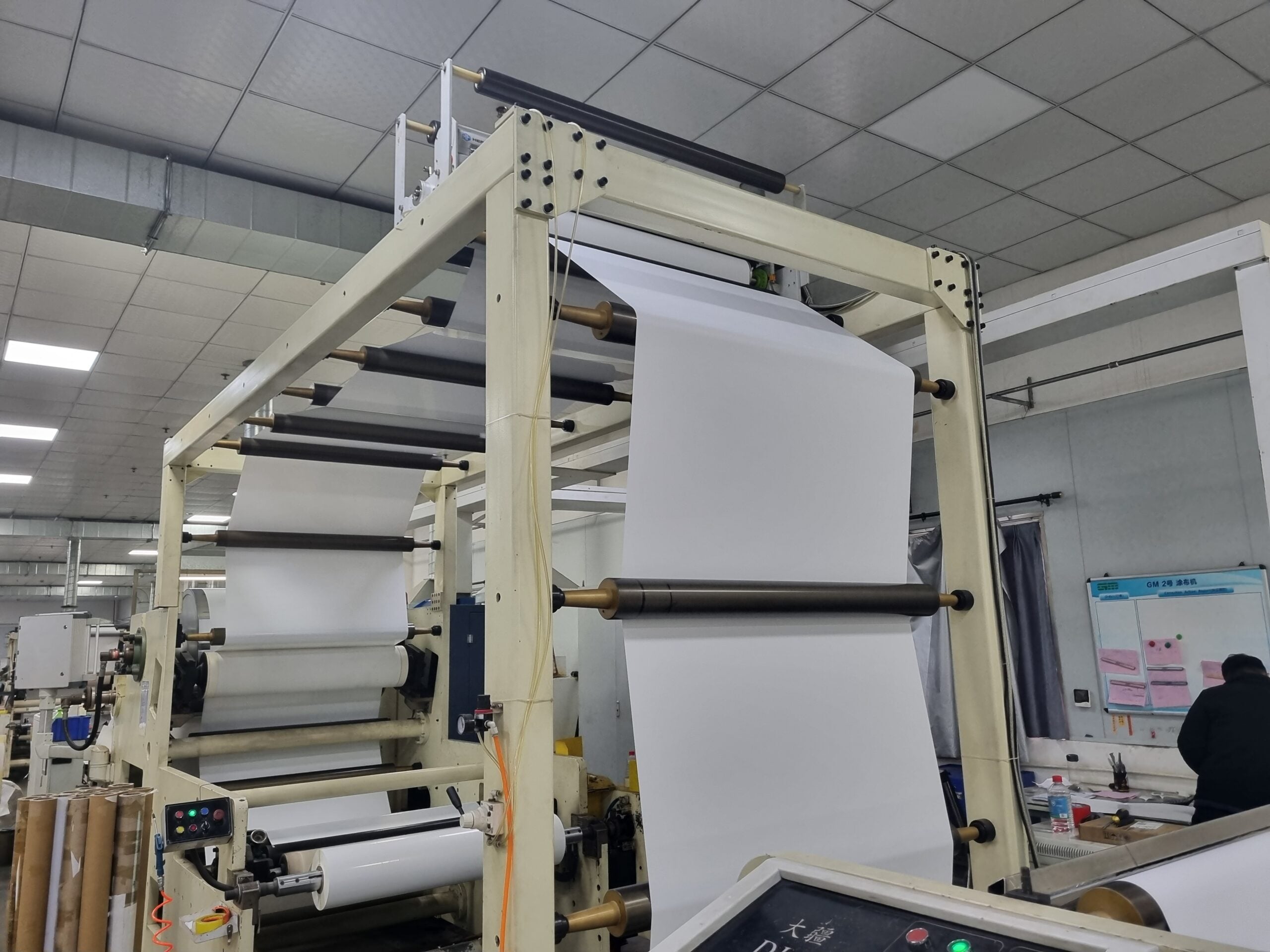
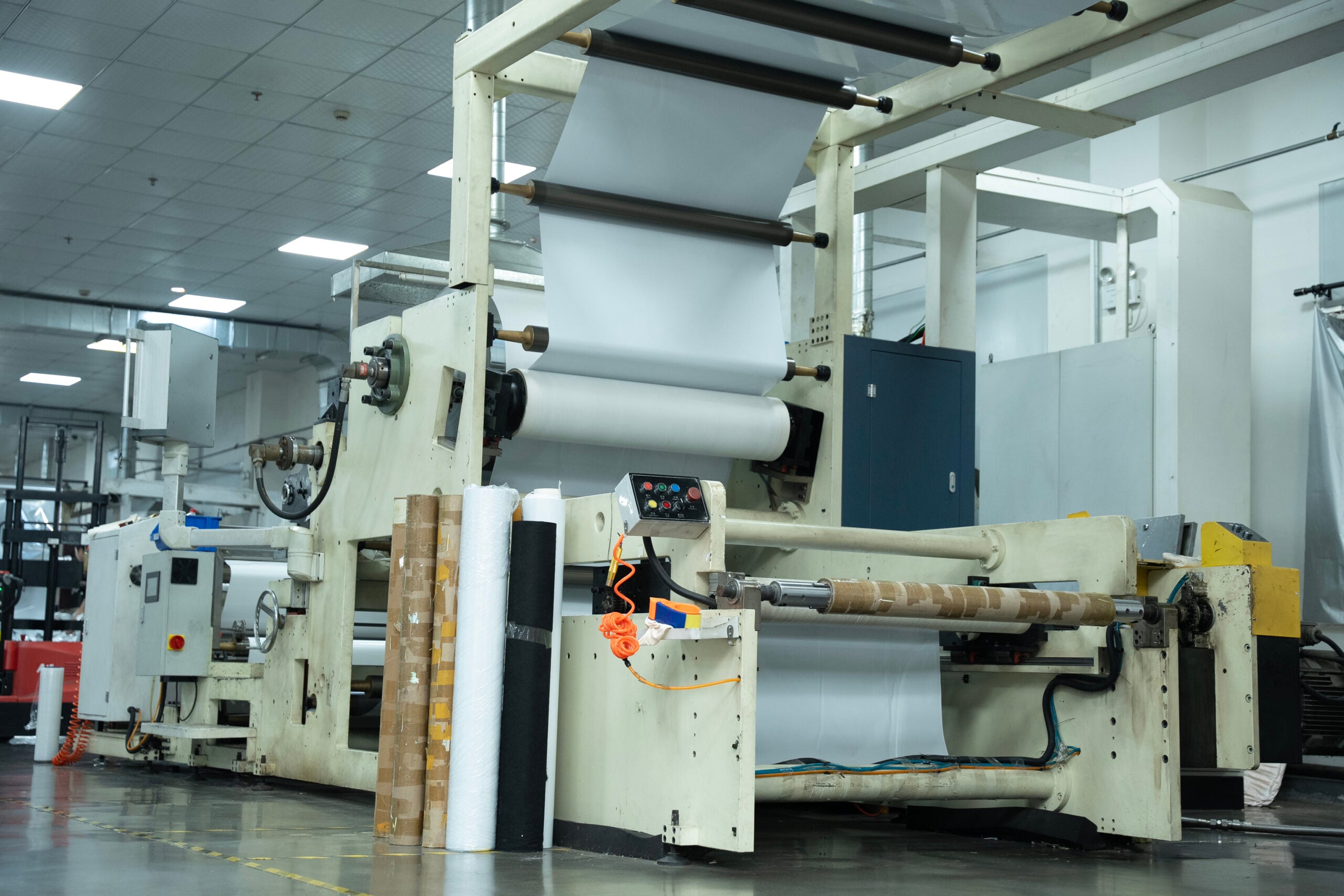
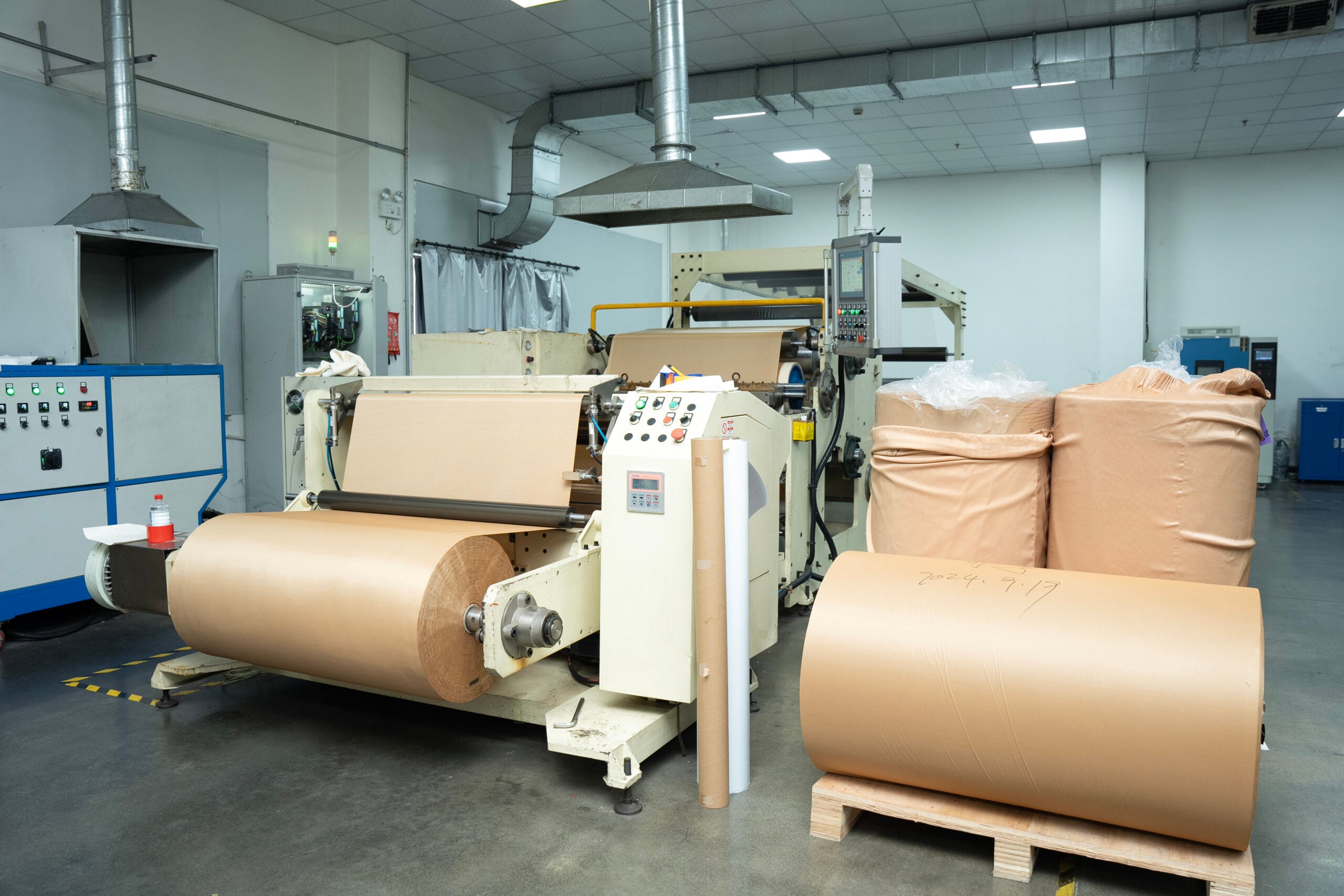
State-of-the-Art Production Facility
Ready to Test Our Thermal Paper on Your Line?
Provide us with your label specifications: facestock grade, adhesive requirement, type of liner preferred, and roll dimensions, and we’d be happy to send you samples within a week.
Request Samples & Specifications
Frequently Asked Questions
It is a three-layer label stock material: a thermal-sensitive facestock on top, a pressure-sensitive adhesive in the middle, and a release liner on the bottom. When a direct thermal printhead applies heat, the coating on the facestock darkens to form the printed image — no ink or ribbon needed. Label converters and printers buy this material in jumbo or slit rolls, then die-cut and print it into finished variable information labels for shipping, barcoding, retail, and industrial use.
Direct thermal labels use a heat-reactive coating that darkens when the printhead supplies energy directly in the form of heat-—no ribbon is needed. Thermal transfer labels use a ribbon that melts onto the facestock surface and creates the image transferred from the printhead. To produce images, thermal transfer labels are more costly (through the added cost of a ribbon), but offer 2-5+ years of image life and sustained resistance to heat, chemical, and UV exposure (direct thermal’s 6-12 months, in typical use environments). DT labels are the lowest cost sub-group, TT the most.
In normal storage conditions (constant room temperature, out of direct sunlight, no chemical contamination), immediate thermal labels are generally able to produce legible print for 6-12 months, on average. Suffering from image fading, thermal topcoated labels have this range extended (up to 12-24 months or more) through protection of the thermal layer itself from moisture and abrasion. For applications where image stability must last longer than 12-24 months, thick facestocks with thermal transfer resin ribbons are advisable.
Yes. All Guanma direct thermal grades are available in BPA-free formulations. Our DT-PF grade goes a step further — it eliminates all bisphenol compounds including BPS from the thermal coating, using an alternative developer chemistry. This meets current EU REACH requirements and gets ahead of anticipated phenol-related restrictions.
Three standard systems: permanent acrylic for general purpose (–20 °C to +80 °C service range), aggressive permanent for textured or low-energy surfaces, and freezer-grade tested to –40 °C. Removable adhesive is available on request.
Run a fingernail or pen cap firmly across the label face on a hard surface. A dark line appears? That is direct thermal stock — friction heat activates the thermal chemistry. No mark? Thermal transfer stock, which needs a ribbon to print.