Get in Touch with Guanma
Cable & Wire Labels
Label Materials for Industrial Identification
The Guanma Cable & Wire Label Materials options revolve around the part behind stable identification: the facestock, adhesive, liner, and coating stack.
ISO 9001
ROHS
REACH
UL CERTIFIED
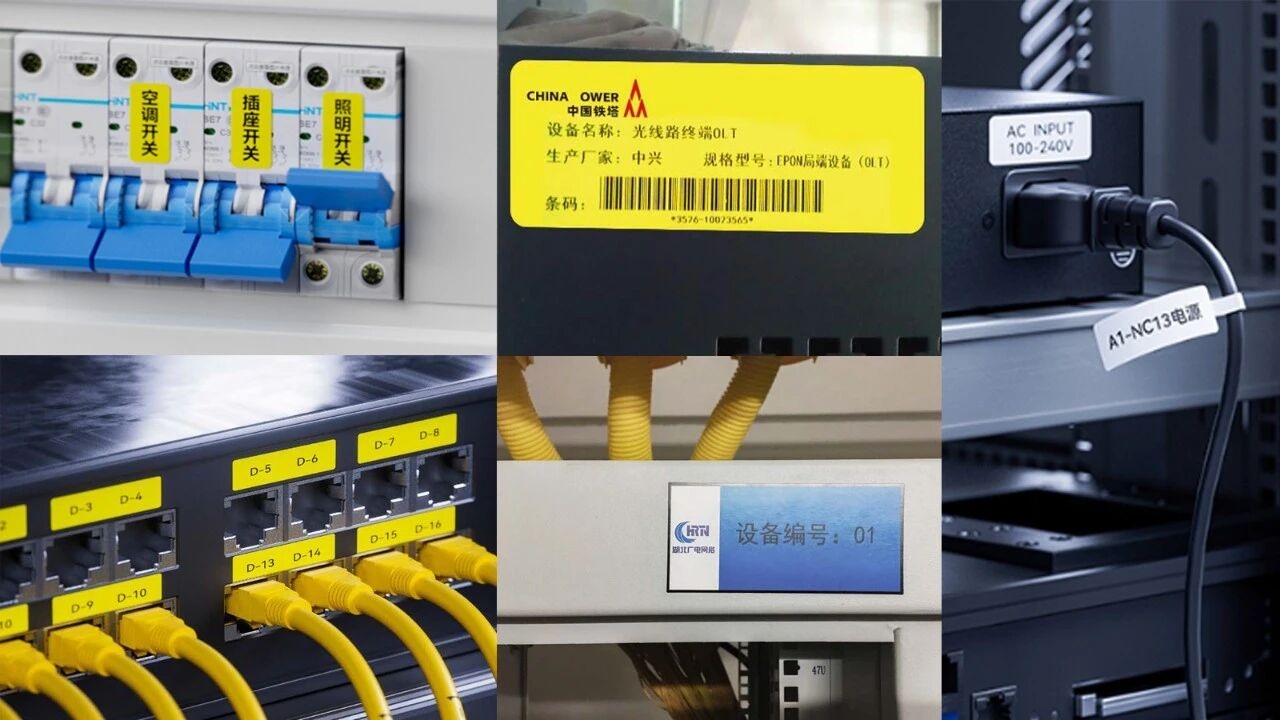
Facestocks
PET, BOPP, Synthetic Paper, Coated Paper
Adhesives
Acrylic, Water-Based, Hot-Melt
Widths
1000 / 1020 / 1080 / 1530 mm
Markets
SEA, South America, Europe
Pain To Material Match
Cable Label Failure Points: Match the Material Before You Print
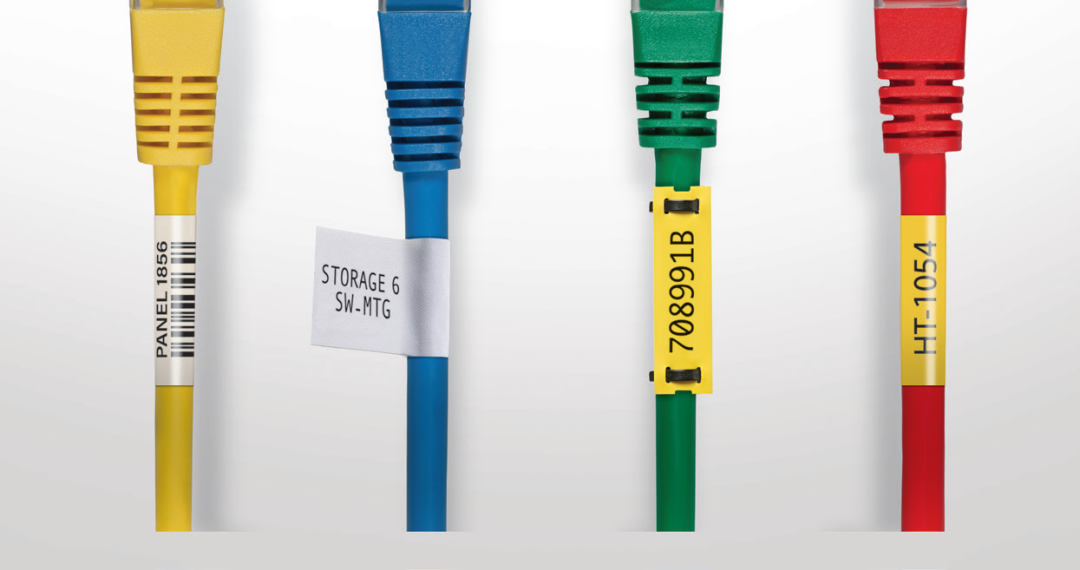
Cable and wire label application sample from Guanma material photo set
A cable label fails early when the wrong type of adhesive cannot wet the cable jacket, or when the film is too stiff for a curved surface, or when a print layer is exposed to abrasion. The finished label may look good on a flat lab plate, then delaminate on a cable run after heat, handling, or oil exposure.
Curved Jacket
Use a flexible facestock and adhesive that can maintain contact after wrap-around bending.
Oily Surface
Start with an oil-resistant or aggressive adhesive test instead of a generic permanent glue.
Variable Data
Match coating and ribbon before approving barcode or serial-number cable labels.
Outdoor Exposure
Use weatherable film and a test plan for humidity, UV exposure, and edge lift.
Material Platform
Guanma Material Platform: PET, BOPP, Synthetic Paper, and Coated Paper
This manufacturing approach combines coating, laminating, R&D, and sales. The cable label material options combine facestock, adhesive, liner, and coating choices instead of relying on fixed off-the-shelf SKU stock.
| Material | Available Specs | Best Fit | Print Compatibility |
|---|---|---|---|
| PET adhesive film | 25 / 36 / 50 micron; transparent, white, matte silver, glossy silver | Durable cable labels, barcode labels, and industrial identification | UV, flexo, screen, thermal transfer, digital inkjet |
| BOPP adhesive film | 20 / 25 / 50 / 60 / 80 micron; transparent, white, silver | Flexible cable/wire label stock where film economics matter | Flexographic, UV, gravure |
| Synthetic paper | 54 / 75 / 100 micron; white | Water-resistant and tear-resistant labels for demanding handling | UV, flexo, screen, thermal transfer, digital inkjet |
| Coated paper | 80 / 105 / 128 / 157 / 200 / 250 g; glossy, semi-gloss | Cost-sensitive indoor identification or packaging-related programs | Flexographic, offset, UV printing |

Adhesive Options
Acrylic adhesive, water-based adhesive, hot-melt, permanent, rubber-based, high temperature resistance, oil-resistant, and removable adhesive directions.
Release Liners
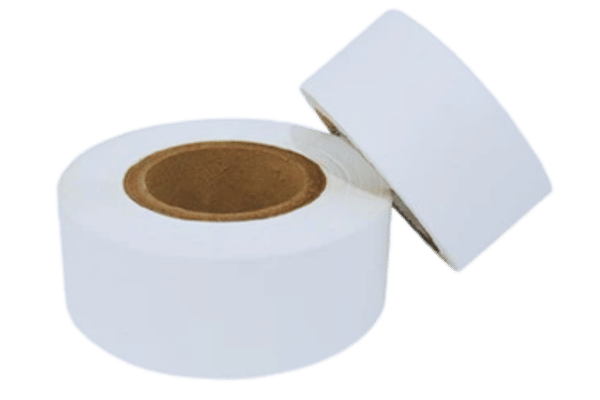
Glassine paper is available in 60 / 80 / 100 g/m2, while CCK paper is available in 80 / 100 / 120 / 140 g/m2 for converter efficiency.
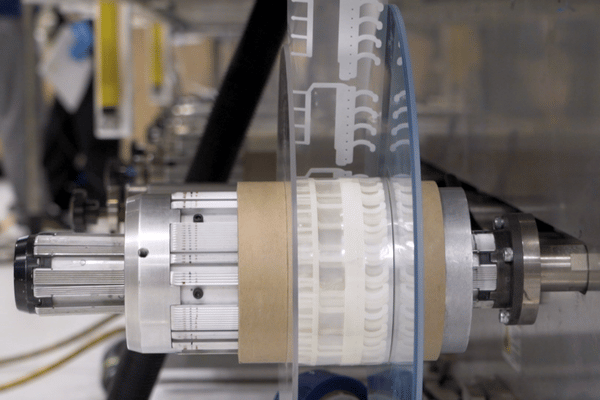
Roll Widths
Standard parent widths include 1000 / 1020 / 1080 / 1530 mm, with cutting available for converter or production-line needs.
Industrial RFQ Guidance
When requesting RFQ language, ask for acrylic adhesive, water-based adhesive, or hot-melt adhesives by name. If your finished components require self-laminating labels or wrap-around labels, mention this format in your opening query.
Request Material Systems Guide
5-Point Cable Jacket Fit Matrix
The Cable Jacket Fit Matrix: Adhesive, Surface, and Environment
Low-surface-energy cable jackets, surface contamination, and jacket curvature will vary the way pressure-sensitive adhesive interacts with the substrate. A practical solution is not to look for a “tougher label” but rather to test candidate material stacks against the cable surface, print process, and operating environment.
| Application Condition | Facestock Direction | Adhesive Direction | Coating / Print Focus | Validation Focus |
|---|---|---|---|---|
| Smooth PVC jacket | PET or BOPP | Acrylic or water-based | Flexo or thermal transfer coating | Initial tack and edge lift |
| Oily industrial wire assembly | PET or synthetic paper | Oil-resistant or aggressive | Barcode legibility after wipe-down | Contamination tolerance |
| Outdoor cable ID | PET or weatherable film | Acrylic/weatherable | UV-stable print layer | Humidity, UV, abrasion |
| Cold logistics cable sets | Film or synthetic paper | Freezer-grade direction | Low-temperature print adhesion | Tack after cold exposure |
| Control cabinet wiring | PET, BOPP, or coated paper | Permanent or removable | Thermal transfer / UV | Readable serial data |
| Network cable labeling | Thin film or synthetic paper | Permanent acrylic | High-contrast text | Wrap stability on small diameter |
| Wire assembly production | BOPP or PET | Water-based or acrylic | Batch print consistency | Slitting and liner release |
| Asset ID near cables | PET or coated paper | Permanent or removable | Digital inkjet printing or UV | Surface roughness and label size |
| High handling zones | PET or synthetic paper | Aggressive adhesive | Protective coating option | Abrasion and finger oil exposure |
Selection Trade-Off
Buyer role: EN and MGR
Self-Adhesive Cable Labels vs Heat Shrink Sleeves vs Cable Tags
Self-laminating cable labels cover printed characters with a transparent area, heat-shrink sleeves and cable tags address differing mechanical issues. Guanma assist buyers in selecting adhesive stock format.
| Option | Typical Format | Best Strength | Limit | When Guanma Stock Fits |
|---|---|---|---|---|
| Self-adhesive cable labels | Flat, wrap-around, flag, self-laminating style | Fast application, variable data, converter-friendly rolls | Needs surface and adhesive match | Barcode, serial number, control cabinet, data cable, and converter programs |
| Heat shrink sleeves | Tubing or ladder-style marker | Strong mechanical grip after shrink process | Needs heat process and is easier before termination | Use as comparison benchmark; not Guanma’s main stock format |
| Non-adhesive cable tags | Tied tag or carrier | Good for retrofit on large cable bundles | Bulkier and more visible on finished assemblies | Consider if adhesive cannot be validated |
| Pre-printed marker | Numbers, letters, or codes | Fast field work for fixed IDs | Limited variable data and branding | Not the main fit for custom label-stock buyers |
Converter-Ready Supply
Coating, Laminating, Slitting, and Regional Support
Manufacturing scope: For buying teams, the strength of this type of cable labeling system is the ability to build a more substantial, repeatable label stock versus a single use sample. Guanma can meld PET adhesive film, BOPP adhesive film, synthetic paper, or coated paper with various coating and release liner options, then slit material to size for converter or manufacturing run.
4-in-1
Manufacturing scope
Coating, laminating, R&D, and sales sit inside one self-adhesive material business.
10+ years
Production experience
Production and quality control experience supports stable adhesive performance across repeat batches.
2 bases
Regional support
Thailand and Vietnam production/support facilities help buyers in Southeast Asia, South America, and Europe manage supply.
Trust And Standards
Standards-Aware Label Stock for Cable Identification Programs
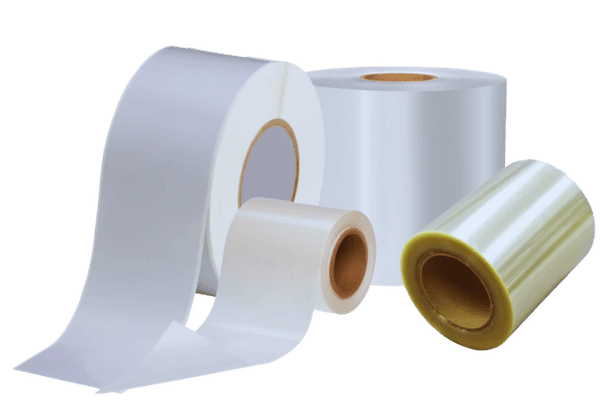
UL 969 Context
UL 969 covers adhesive-attached labels used as permanent markers, plus overlaminations, and material/ink combinations.
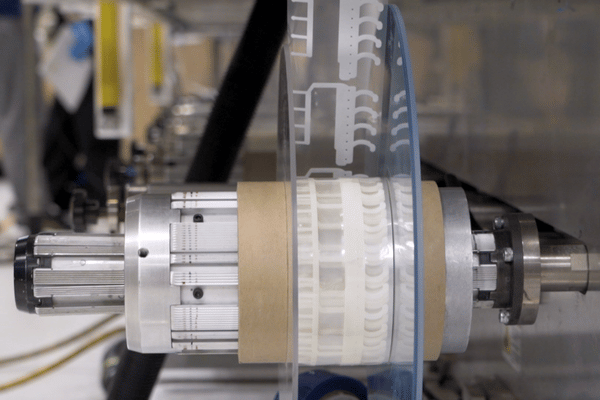
ANSI/TIA-606-D Context
ANSI/TIA-606-D addresses identifiers, records, reports, color-coding, and permanent labels for telecom infrastructure.
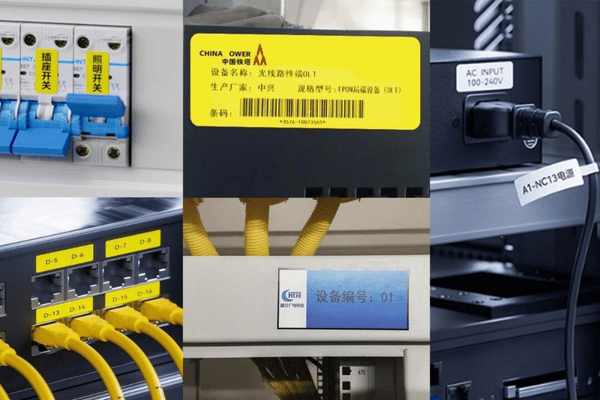
System Judgment
Final approval may depend on the printed label, ink process, substrate, and application environment beyond the stock itself.
RFQ Guide
Procurement Guide: What to Send Before Requesting Samples
Pricing for custom cable label material can be quoted based on structure and production details. Static US$ list prices are not appropriate for most B-to-B customers. A single RFQ is best stated in industry terms to elicit appropriate material and production recommendations from Guanma, avoiding several tug-of-war exchanges.
Send These Application Inputs
Cable jacket material or surface description
Wrap-around, flag, flat, or self-laminating style
Printing method: flexo, UV, gravure, TTR, screen, inkjet, or laser
Operating exposure: indoor, outdoor, oil, cold, heat, abrasion, etc.
Send These Production Inputs
Preferred facestock or open material question
Adhesive direction: permanent, aggressive, freezer-grade, etc.
Glassine, CCK, or special liner need
Parent width, slit width, order volume, and target market
Our team is able to mix-and-match facestock/adhesive/liner according to need, and the greatest value of that customizability is realized if the RFQ includes cable surface, printing, and testing parameters.
Engineering Assets
Industrial Selection & Compliance Tools
TOOL 01
Cable Label Material Selector
A dynamic technical engine to match PET, BOPP, and Synthetic Paper based on micron specs and adhesive wet-out requirements for industrial wire markers.
Launch Selector
TOOL 02
Cable Jacket Fit Matrix
Validate adhesion performance across PVC, PUR, and PE jackets against temperature and environmental exposure conditions.
View Matrix
TOOL 03
RFQ Procurement Checklist
Professional guidance for PROC and EN teams to ensure compliance targets (UL/ANSI) and slitting widths are accurately defined before sampling.
Get Checklist
FAQ: Cable & Wire Label Material Selection
PET adhesive film is often best for durable identification due to its chemical resistance and dimensional stability. Synthetic paper is a preferred choice for tear-resistance, while BOPP offers a balance of flexibility and cost-effectiveness.
Yes. Guanma material platform supports specialized coatings for UV, flexographic, and thermal transfer (TTR) printing processes across PET and synthetic paper substrates.
Curved surfaces require high-tack acrylic or aggressive adhesives combined with a flexible facestock to prevent edge lift after the wrap-around application.
Heat shrink sleeves offer strong mechanical grip but require a heat process. Self-adhesive labels (self-laminating or wrap-around) provide faster application and are more converter-friendly for variable data.
Common causes include adhesive incompatibility with low-surface-energy (LSE) jackets, surface contamination (oil/dirt), or using a film that is too stiff for the cable’s curvature radius.
Standard options include Glassine paper (60/80/100 g/m²) and CCK paper (80/100/120/140 g/m²) to suit various die-cutting and slitting requirements.