Why Label Converters Choose Coated Paper Facestock Over Uncoated Alternatives
Poor ink holdout, low colour density on press, and adhesive delamination after 90 days storage – these are the 3 most common complaints we receive from label converters who used uncoated stock in the past. On every occasion, the cause is found to be problems with the production surface finish of the facestock.
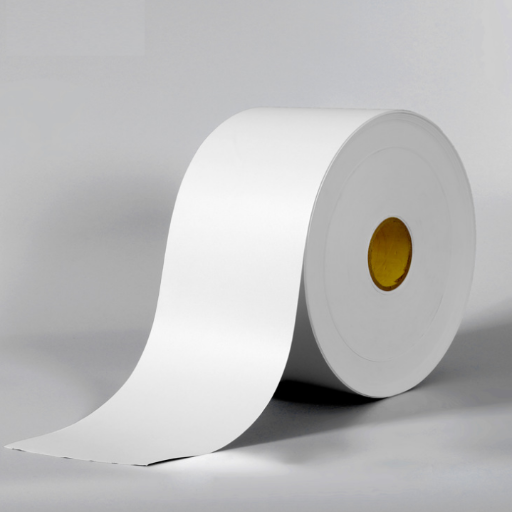
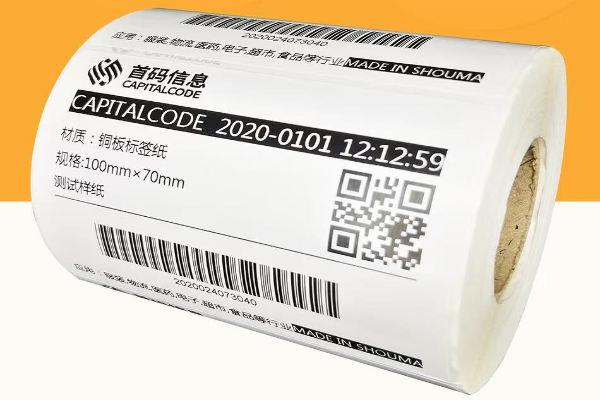
A coated paper for self-adhesive labels enhances ink performance by adding an opaque clay-mineral coating layer to the surface of the base paper stock. This coating provides a smooth, even printable surface that controls ink penetration in the press, giving you sharper halftone dots and more intense spot colours than uncoated alternatives. When print quality is your brand statement on pressure-sensitive labels, coated facestock is the material of choice for industry-wide good results.
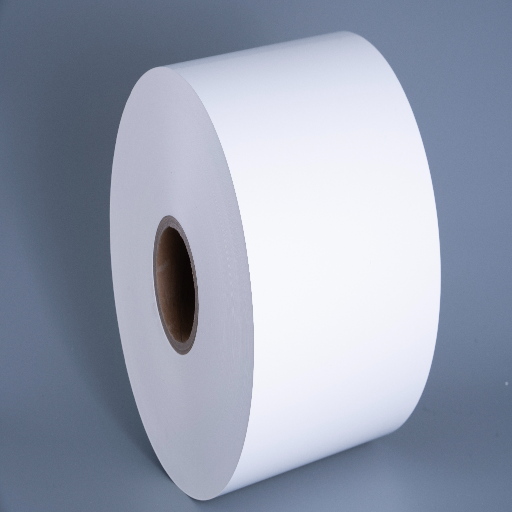
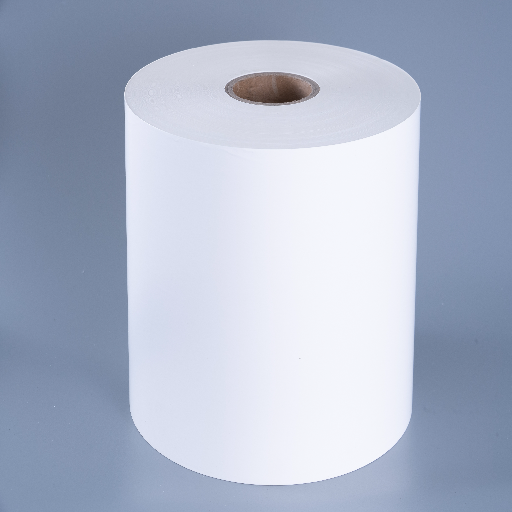
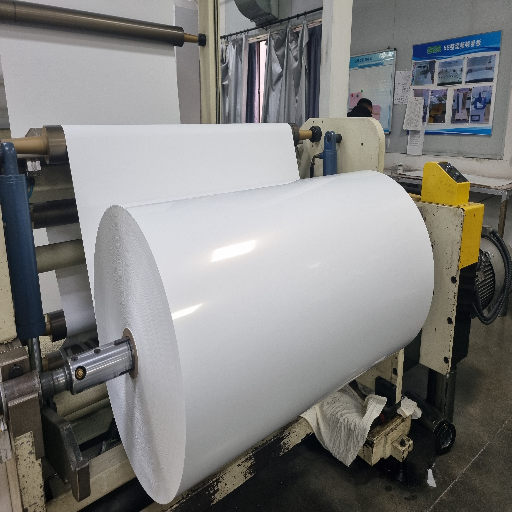
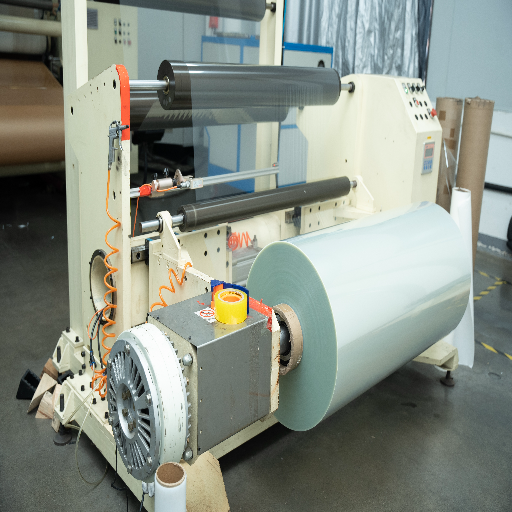
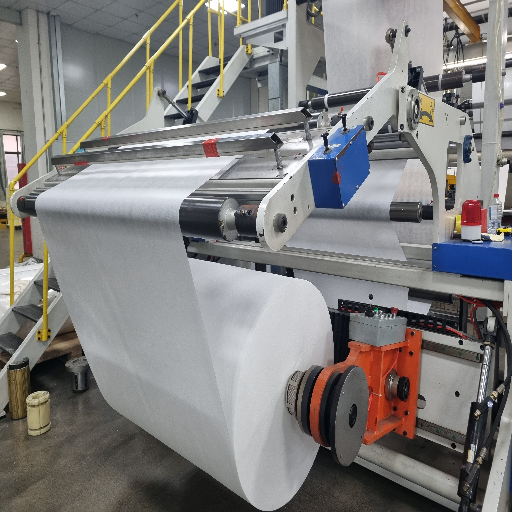
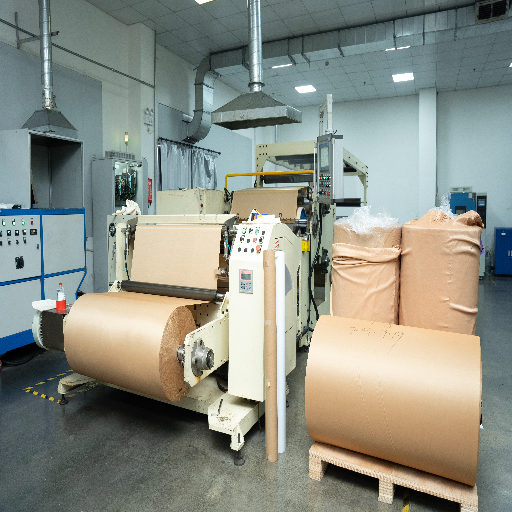
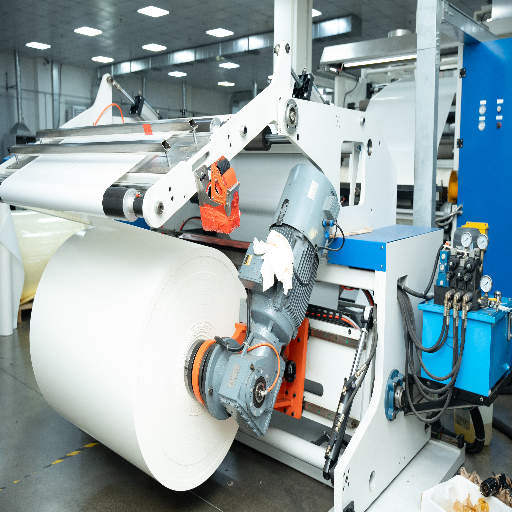
Guanma manufactures clay-coated paper facestock in semi-gloss, high-gloss, and matte surface finishes – each with consistent surface energy for uniform adhesive bonding. Our coating process targets a surface smoothness profile that maximizes ink holdout while maintaining a strong adhesive bond on curved or irregular application surfaces.
Converters in Southeast Asia, South America, and Europe are shifting to coated paper stock at increasing volumes — semi-gloss coated paper delivers print results close to film facestock at a paper-grade price point. Whether the end use is food packaging, beverage bottles, or parcel logistics, coated paper remains the least costly self-adhesive material choice on the market.