Entre em Contato com Guanma

Guia de verificação de embalagens farmacêuticas
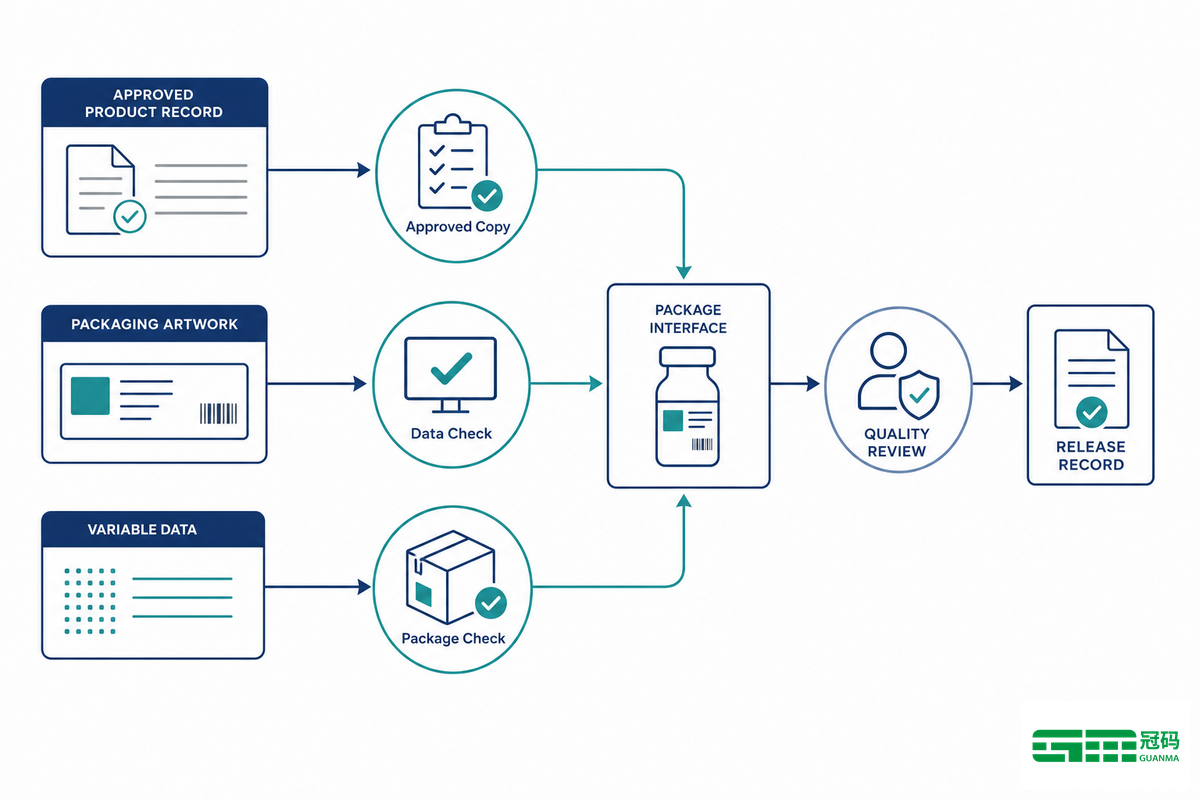
Os rótulos farmacêuticos são superfícies de informação controladas que conectam um registro de produto aprovado, um pacote, uma fonte de dados de produção e a pessoa que deve identificar ou usar o medicamento. Este guia oferece às equipes de embalagem, qualidade, regulamentação e compras uma maneira focada no lançamento de revisar essa interface.
Nota de escopo: Esta é uma informação educacional, não aconselhamento jurídico Os requisitos aplicáveis dependem da categoria do produto, mercado, nível de embalagem e uso Um material de rótulo pode suportar uma aplicação, mas não torna um produto de droga compatível por si só.
O que os rótulos farmacêuticos controlam e o que não controlam
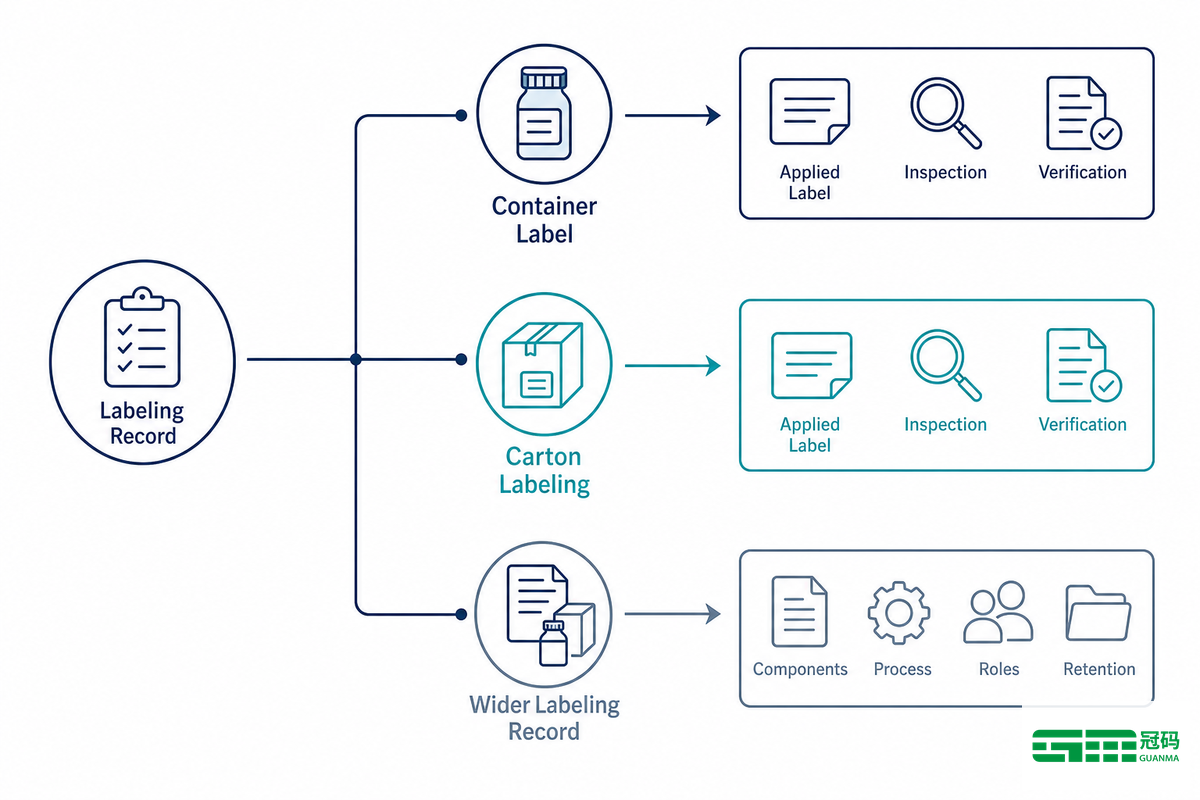
Para o trabalho de prescrição-droga dos EUA, comece separando o rótulo do recipiente físico do conjunto mais amplo de materiais de rotulagem Os recursos da FDA distinguem informações de prescrição, rotulagem do paciente e rotulagem de caixas e recipientes Uma aprovação de material e aprovação de obras de arte não provam por si só que a versão de informações aprovada atingiu o pacote certo.
Como limite prático, um rótulo de recipiente é a informação no recipiente imediato, enquanto a rotulagem da caixa pertence ao pacote externo Registros de rotulagem mais amplos também podem incluir informações aprovadas não impressas em uma única superfície Tratar cada artefato como “o rótulo” complica o controle de mudança e obscurece a propriedade.
Decisão do comprador: antes de solicitar uma construção a um convertedor ou fornecedor de material, registre o nível da embalagem, tipo de produto, mercado, fonte de conteúdo aprovada e responsável pela liberação. Esse briefing evita que a qualificação de material seja usada para resolver um problema de arte-final ou governança de dados.
Comece com a regra de rotulagem aplicável, não com uma lista de verificação genérica
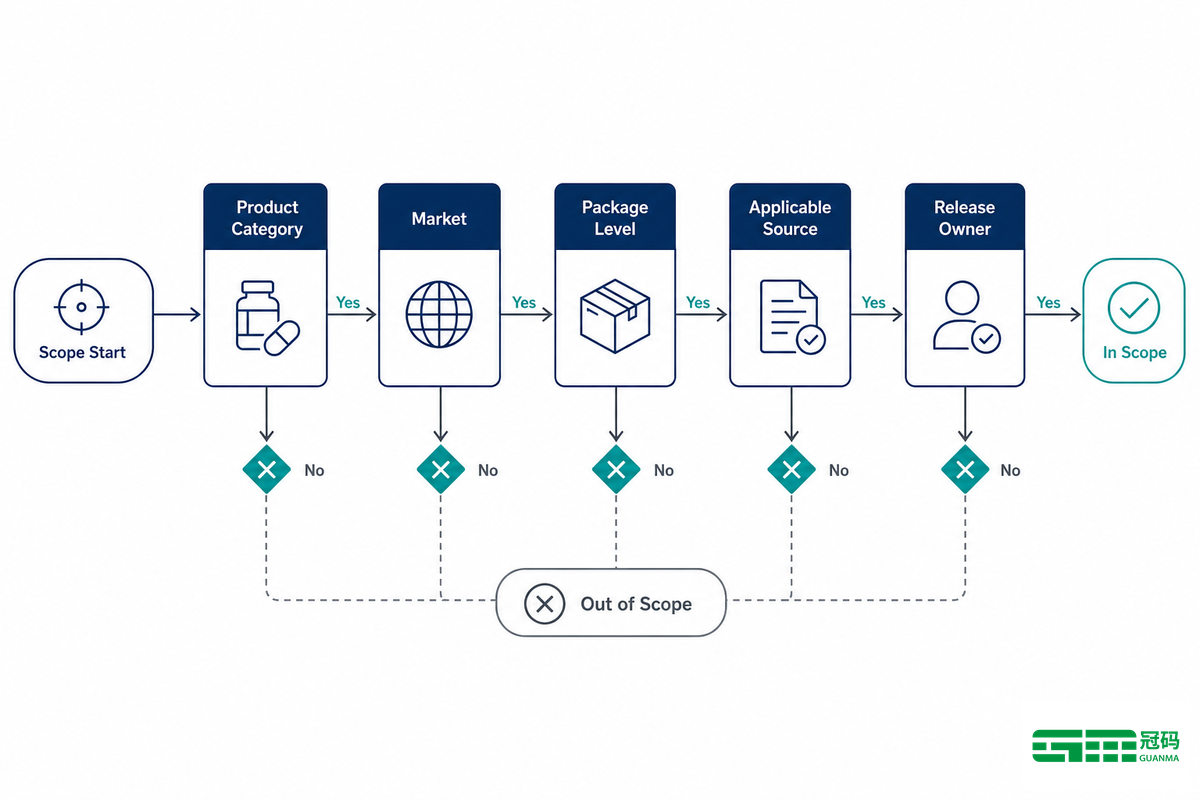
Uma lista genérica pode fornecer lembretes úteis, mas não é um substituto para o conjunto de regras que se aplica a cada produto Primeiro identifique se o trabalho é para um medicamento prescrito, um produto de venda livre, um biológico, um dispositivo ou outro pacote regulamentado Em seguida, identifique o mercado-alvo e se o item é um recipiente imediato, caixa, pacote secundário ou informações.
Esse mapeamento inicial responde a duas perguntas que não devem ser deixadas para a sala de impressão: qual conteúdo é controlado aqui e quem pode liberar uma revisão? Os recursos da FDA apontam para diferentes disposições para destaque, informações de expiração, números de lote ou controle e etiquetas de código de barras. Colocar o requisito exato na via regulatória aprovada do produto, e não em uma especificação genérica de rotulagem.
FDA publica recursos para rotulagem de medicamentos prescritos, fatos de medicamentos vendidos sem receita médica, produtos biológicos e dispositivos médicos Um profissional de saúde, farmacêutico ou equipe de farmácia pode depender de informações diferentes de um operador de embalagem Verifique o rótulo contra o uso pretendido de medicamentos, não apenas contra um arquivo de design O rótulo deve ser verificado em relação ao produto aplicável e fonte de mercado Dependendo do produto, conteúdo controlado e formato pode incluir o nome do medicamento, dose, forma farmacêutica, via de administração, instruções de medicação, advertências e precauções, requisitos de armazenamento e instruções de uso.
Estes requisitos de rotulagem não são um formato universal Um frasco para injetáveis e uma seringa podem exigir uma validação diferente da rotulagem do recipiente; a rotulagem do dispositivo e os rótulos de prescrição podem tomar caminhos diferentes Utilize o regulamento aplicável do 21 CFR e o recurso atual da FDA ou DailyMed para o produto em questão Este primer não traduz essas referências em um tamanho de fonte genérico, ou uma listagem genérica de materiais de rótulo.
| Entrada de decisão | O que a equipe estabelece | Divulgar provas |
|---|---|---|
| Produto e mercado | Qual regulador e via do produto se aplica. | Referência de avaliação regulamentar. |
| Nível pacote | Recipiente imediato, caixa, embalagem secundária ou informações de acompanhamento. | Desenho da hierarquia de embalagem. |
| Fonte de conteúdo controlada | Cópia estática aprovada e seu identificador de revisão. | Arte aprovada ou registro mestre. |
| Fonte de dados variáveis | Onde se originam dados de lote, vencimento, série ou outros dados de produção. | Registro de aprovação do sistema/fonte de dados. |
| Revise proprietários | Funções regulatórias, de qualidade, de embalagem e de aprovação na produção. | Libere o registro do fluxo de trabalho. |
Combine as condições de contêiner, rota e uso com um plano de verificação
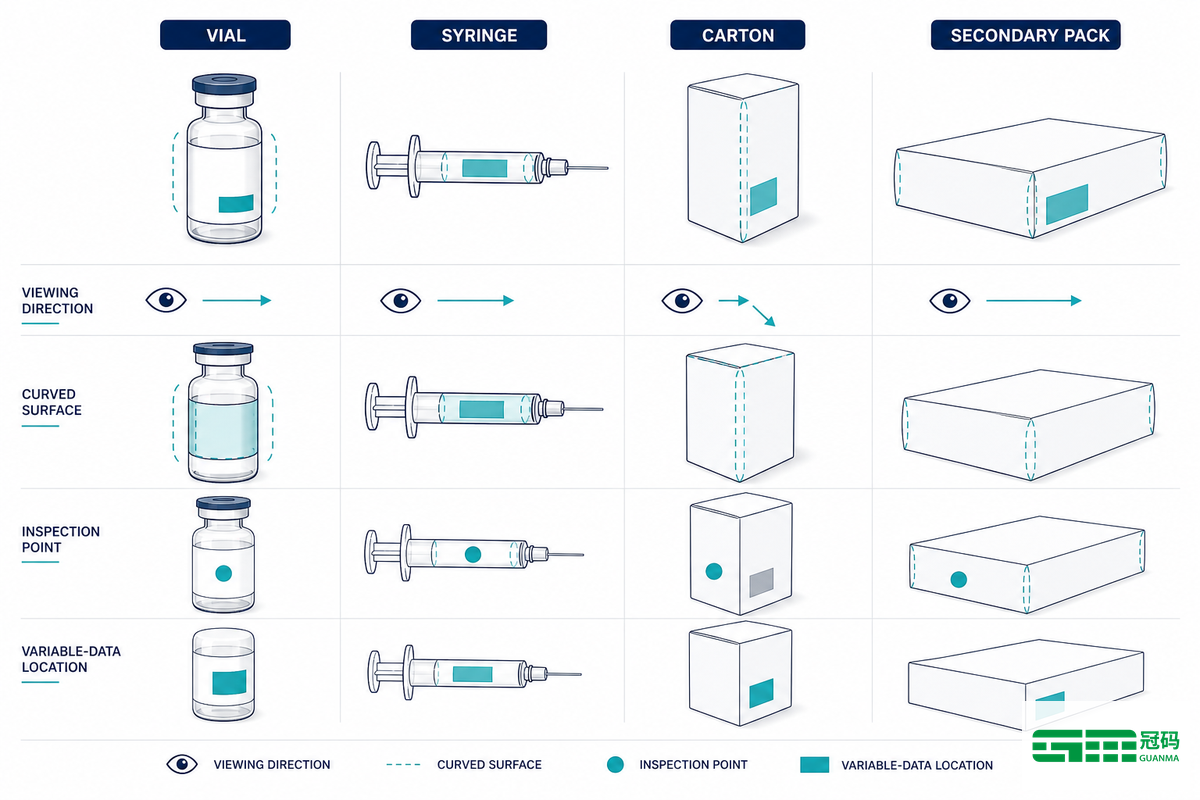
Um frasco, seringa, caixa e embalagem secundária não apresentam o mesmo problema de verificação. Superfícies menores levantam questões de espaço e legibilidade da fonte; uma seringa pode criar preocupações de superfície curva, orientação ou acesso à inspeção; uma caixa pode conter diferentes densidades de informações e locais de suporte de dados. Um plano de verificação deve nomear a interface que está verificando, em vez de assumir que um material de etiqueta é universalmente melhor.
| Interface pacote | Pergunta verificação | Evidências a serem retidas |
|---|---|---|
| Frasco ou ampola | As informações necessárias podem ser identificadas no ponto de visualização e manuseio pretendido? | Método aprovado da prova e da inspeção. |
| Seringa pré-cheia | A orientação preserva a sequência de leitura pretendida e a verificação de dados variáveis? | Registo de verificação específico do pacote. |
| Caixa | Os registros de contêineres e caixas estão alinhados onde devem trabalhar juntos? | Comparação da arte-final e registro de liberação. |
| Pacote secundário | As informações de rastreabilidade ou distribuição estão conectadas ao registro correto do produto? | Fonte de dados e evidências de reconciliação. |
Quando uma equipe se depara com uma questão genuína de ajuste de material, separe essa transferência da aprovação regulatória. Guanma página de material de aplicação de rótulo farmacêutico é o próximo lugar para discutir a qualificação material para um pacote breve que já existe Equipes que procuram comparar a própria construção do rótulo podem se referir à cartilha de Guanma sobre o que faz facestock e escolhas de papel versus etiqueta de filme.
Construa uma verificação de legibilidade e dados variáveis antes da aprovação da impressão
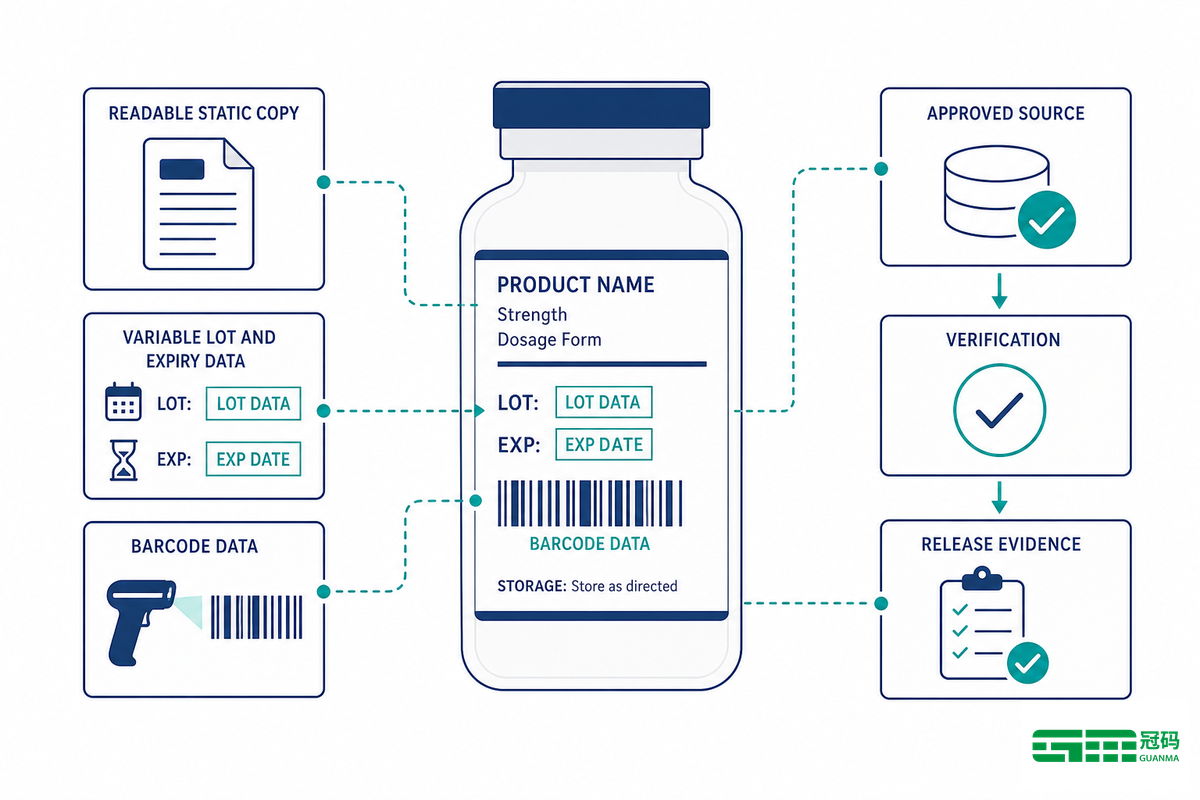
A legibilidade e a precisão dos dados precisam de diferentes tipos de verificações A legibilidade verifica se o usuário final pretendido pode encontrar e dar sentido às informações de que precisa As verificações de dados variáveis garantem que os dados impressos para esse lote ou pacote específico sejam o valor correto da fonte correta A impressão de um código de barras ou código QR não substitui a revisão do conteúdo da etiqueta circundante e seu status de aprovação.
Antes de um arquivo ir para a impressora de etiquetas, uma equipe de aprovação precisa identificar quais padrões de rotulagem se aplicam e se o texto permanece legível na interface física da embalagem Esse trabalho se concentra em evitar erros de rotulagem que possam afetar a segurança do paciente ou a segurança e eficácia do produto; uma impressão bem-sucedida por si só não é prova de uma versão aprovada.
Quando um profissional de saúde utilizar ou confiar no pacote, a revisão ainda deverá começar com a fonte específica do produto e os recursos relevantes da Food and Drug Administration, em vez de uma regra genérica de arte.
Os recursos de rotulagem da FDA apontam para disposições que abrangem a proeminência das declarações exigidas, a colocação da data de expiração, os números de controle e as etiquetas de código de barras. Trate os campos abaixo como uma matriz de planejamento, não como uma lista de verificação legal universal.
Matriz de dados para lançamento de rótulo
| Tipo de controle | Modo de falha a testar | Revisor primário | Evidência |
|---|---|---|---|
| Nome da droga | Apresentação semelhante ou versão aprovada errada. | Regulatório/qualidade | Comparação de cópias aprovadas. |
| Força e forma farmacêutica | Transposição, omissão ou falha de hierarquia. | Regulatório /embalagem | Prova de arte. |
| Via de administração | Rota errada ou associação pouco clara com o produto. | Revisão regulatória/médica | Gravação aprovada da gravadora. |
| Lote ou número de controle | Fonte errada, impressão ilegível ou reconciliação fracassada. | Qualidade /produção | Registro de linha e lote. |
| Data de vencimento | Formato, localização ou transferência de dados incorretos. | Qualidade /produção | Verificação de dados variáveis. |
| Declaração de armazenamento | Texto não aprovado ou perda de destaque quando aplicável. | Regulatório/qualidade | Arte aprovada. |
| Código de barras ou dados 2D | Valor codificado errado ou verificação de verificação com falha. | Embalagem /qualidade | Registro de dados e testes de varredura. |
| Declaração de advertência | Revisão, posicionamento ou hierarquia errados. | Regulatório/qualidade | Comparação aprovação. |
| Identificador de idioma/versão | Confusão de mercado ou liberação de arte-final obsoleta. | Controle regulatório/arte | Registro de controle de versão. |
Evidência, autenticação e serialização de violação separadas
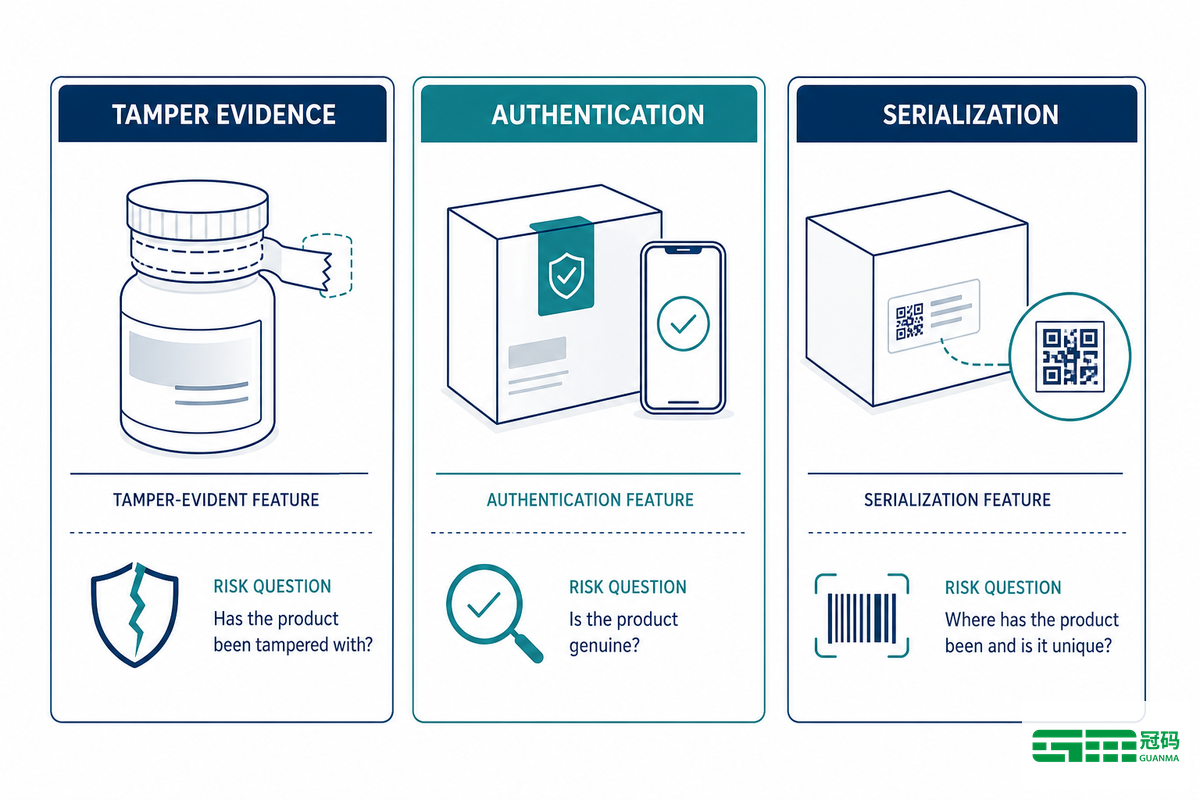
Todos esses controles são frequentemente abordados em conjunto, pois todos contribuem para a integridade do produto No entanto, eles não são substitutos entre si A embalagem inviolável visa detectar se um pacote foi aberto ou inserido Os controles de autenticação ajudam o usuário ou qualquer parte da cadeia de suprimentos a diferenciar produtos autênticos de falsificação A serialização e a rastreabilidade estão preocupadas em identificar e rastrear pacotes específicos dentro da cadeia de suprimentos Eles respondem a perguntas diferentes e envolvem diferentes tipos de evidências e drivers regulatórios.
Com produtos de venda livre cobertos pelos EUA aplicáveis, as embalagens resistentes a adulterações também podem gerar obrigações de declaração de rótulo voltadas para o consumidor. Alguns outros regulamentos vincularão identificadores exclusivos e tecnologias de dispositivos anti-adulteração para fornecer recursos de segurança; no entanto, isso deverá informar quais regras estão em vigor para o produto e mercado relevantes e não deve ser tomado como garantia de que todos os outros requisitos foram cumpridos.
| Controle | Pergunta que responde | O que não prova |
|---|---|---|
| Evidência de adulteração | Há evidências de que um pacote foi aberto ou inserido, quando necessário? | Que a cópia do rótulo ou os dados seriais estão corretos. |
| Autenticação | Um usuário específico pode avaliar um recurso de autenticidade física ou digital? | Que um pacote cumpre as obrigações de rastreamento DSCSA. |
| Serialização/rastreabilidade | O identificador do pacote e os dados da transação podem ser tratados para um processo da cadeia de suprimentos no escopo? | Que todas as verificações de conteúdo, legibilidade ou provas de violação tenham passado. |
FDA descreve DSCSA como uma abordagem eletrônica interoperável para identificar e rastrear certos medicamentos prescritos no nível do pacote Não interprete isso como um prazo para todos os medicamentos, uma regra de rastreamento universal ou evidência de que um número de série sozinho é uma medida anti-falsificação.
Use o Loop de Verificação de Etiquetas Farmacêuticas de 7 Pontos
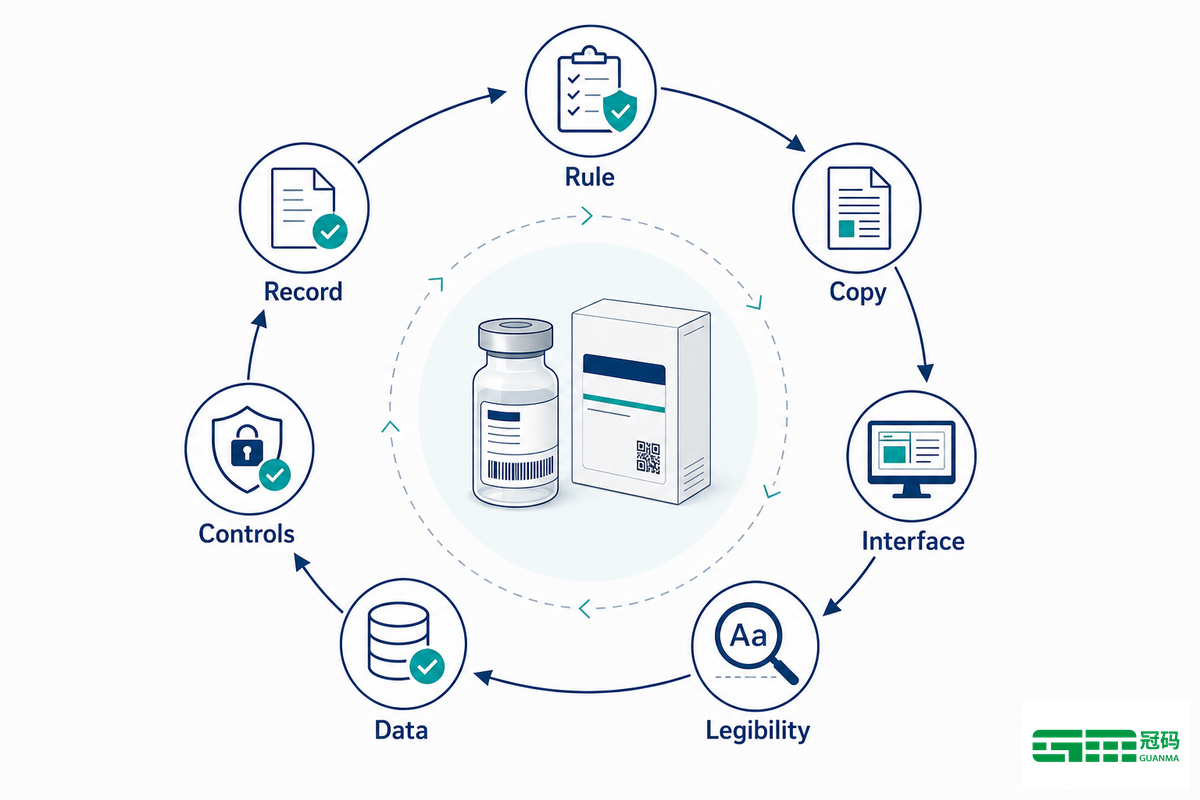
O loop abaixo fornece uma estrutura confiável para discutir uma liberação, mas não substitui os procedimentos específicos do produto e da instalação Os controles de embalagem e rotulagem dos EUA podem envolver procedimentos escritos, inspeção de correção e adequação e documentação de registro de lote O loop ajuda uma equipe a conectar essas atividades de controle com a interface de informações e pacotes em análise.
1
Regra
Registre o produto, o mercado, o nível do pacote e o conjunto de fontes aplicável.
2
Cópia aprovada
Bloqueie o conteúdo estático e a revisão que a produção pode usar.
3
Interface contêiner
Verifique as informações em relação à situação real de visualização, manuseio e inspeção.
4
Legibilidade
Revise a hierarquia, a diferenciação e as expectativas de destaque aplicáveis.
5
Dados variáveis
Prove que o lote, vencimento, série ou outro valor de produção veio da fonte aprovada.
6
Controles independentes
Lide com evidências de violação, autenticação, verificações de código de barras e rastreabilidade como controles separados.
7
Registro de liberação
Mantenha as evidências de aprovação, reconciliação, exceção e disposição.
Gargalo oculto: uma equipe pode aprovar a arte correta e ainda liberar a saída errada se a versão ativa, a fonte de dados variáveis, a liberação de linha ou o registro de reconciliação não estiverem conectados a essa arte. O gargalo geralmente é a governança, incluindo o controle de etiquetas obsoletas ou alteradas, em vez de tinta ou adesivo.
Controle Etiquetas de status e alterações após aprovação da arte
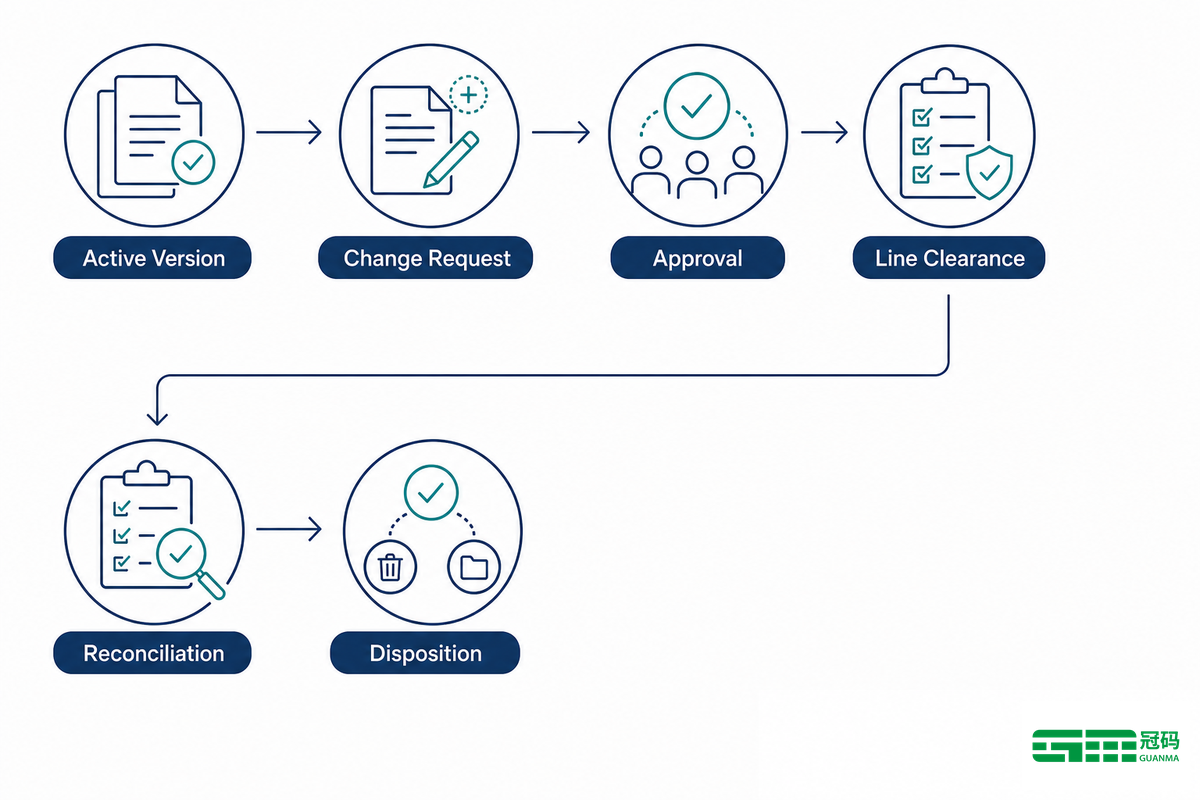
A aprovação da arte-final é um marco importante, não o fim do controle. As equipes precisam de processo visível para impedir que rótulos desatualizados ou substituídos, versões antigas de idioma ou alterações não autorizadas retornem à produção. Na prática, isso significa status definido, responsável pela liberação, ponto de reconciliação e rota de escalonamento para divergências.
Use pequenas transferências de controle de mudança Primeiro, identifique o campo alterado Em seguida, se a fonte aprovada mudou Em seguida, observe cada nível de pacote impactado Confirme a fonte para os dados mestre e imprimir-dados Por último, remova ou coloque em quarentena versões desatualizadas Em seguida, preserve a disposição final Esta sequência não é reivindicada como estando em conformidade em todas as jurisdições Em vez disso, é uma abordagem para ajudar equipes multifuncionais a emergir a pré-produção de lacunas de evidências.
Para a conversa seguinte sobre material e impressão, diferencie o processo de impressão do material para rótulos. As observações da Guanma sobre transferência térmica versus impressão térmica direta, filme autoadesivo, papel autoadesivo, liners liberação, e escolhas de etiquetas papel-versus-filme fornecer vocabulário material de apoio Eles não substituem a qualificação específica do produto.
O que está mudando: a serialização torna os dados do rótulo um problema de controle de versão
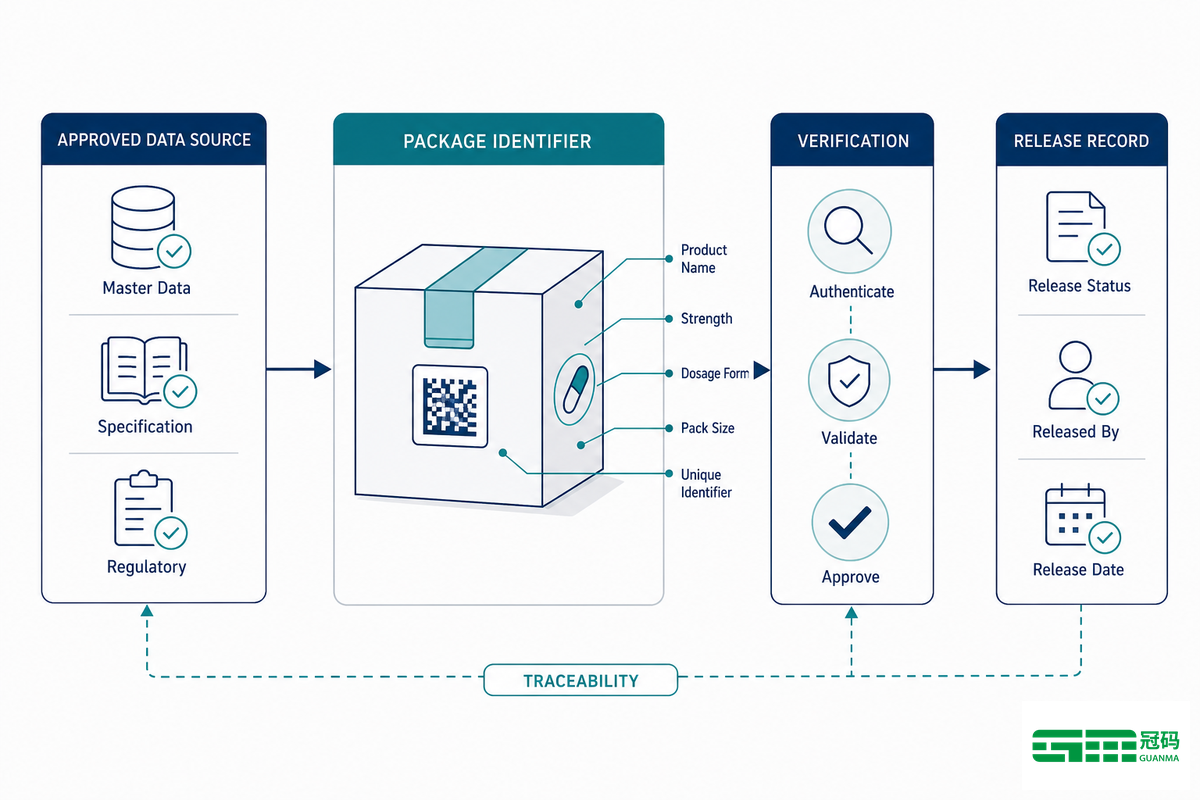
Para atividades abrangidas da cadeia de suprimentos de medicamentos sujeitos a prescrição nos EUA, a DSCSA torna a identificação e o rastreamento eletrônicos da embalagem um tema operacional atual. Para uma equipe de rótulos, a lição é simples, mas importante: informações de rótulo não podem ser tratadas como campo de impressão de última hora. Uma fonte aprovada, método de verificação e registro de liberação devem conectar as informações à embalagem específica em produção.
isso não significa que toda ideia de rótulo inteligente, portador de dados ou código QR seja obrigatória. Significa que as partes interessadas de qualidade, embalagem, dados e regulatório precisam decidir conjuntamente que informações são essenciais para o produto real e seu mercado, e guardar evidências de que os dados corretos foram usados no processo de liberação daquela embalagem específica.
Transforme o ciclo de verificação em um resumo de qualificação de materiais
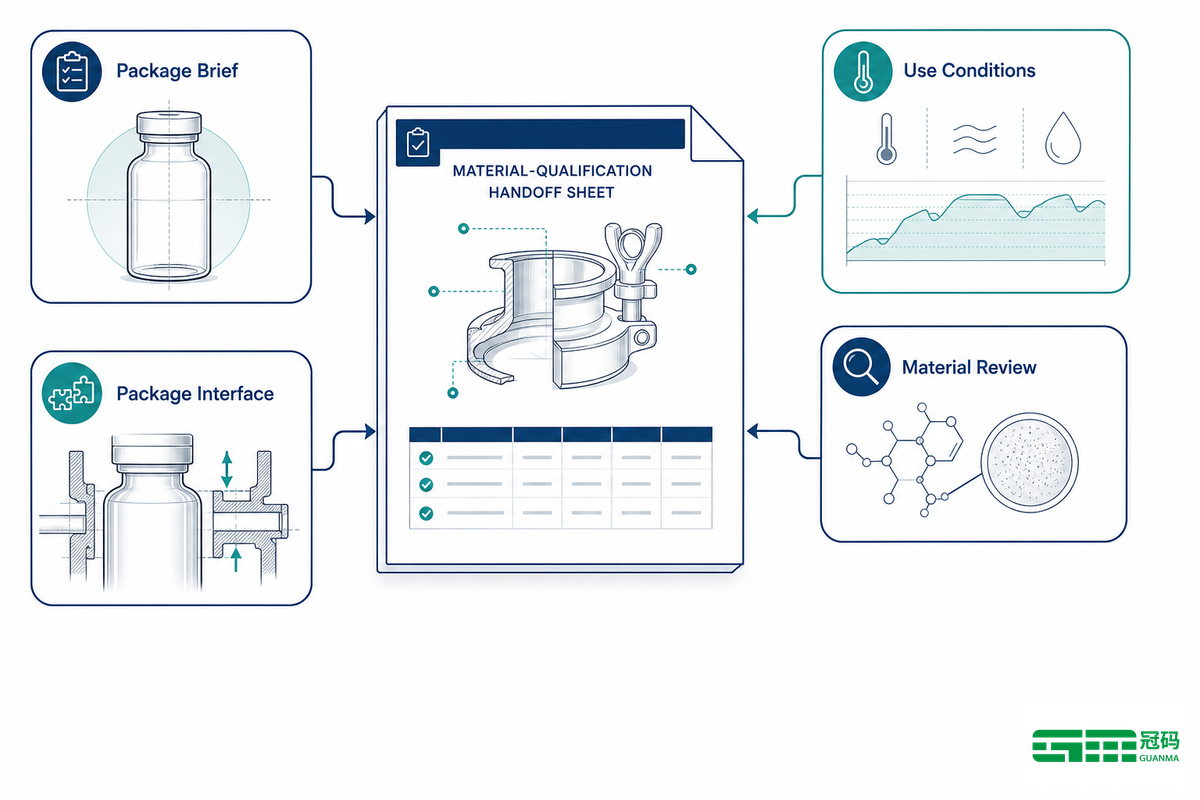
Uma vez que a interface do pacote, o produto, o conteúdo aprovado e os parâmetros de verificação estão claros, Guanma pode discutir uma rota de material auto-adesivo para a aplicação declarada Fornecer o pacote não apenas o rótulo de qualificação de modo começa com as condições reais de uso do pacote.
Se a próxima discussão é impressão de etiquetas farmacêuticas, etiquetas de embalagens farmacêuticas ou etiquetas invioláveis para embalagens farmacêuticas, comece com o mesmo resumo de embalagem aprovado e pergunta de qualificação específica do produto.
Perguntas frequentes
O que são rótulos farmacêuticos?
Os rótulos farmacêuticos são superfícies de informação controladas e materiais de rotulagem usados com embalagens farmacêuticas Seu conteúdo e formato dependem do produto, nível de embalagem, mercado e regras aplicáveis Distinguir o rótulo da embalagem física do registro de rotulagem mais amplo, que pode incluir informações do paciente ou de prescrição Antes da impressão, identificar a fonte aprovada e as evidências necessárias para a liberação.
O que deve ser verificado antes de um rótulo farmacêutico ser lançado?
Antes da liberação final, confirme o conjunto de regras aplicável, a revisão do texto aprovado, a interface da embalagem, a legibilidade, os dados variáveis e o registro de liberação. A embalagem impressa e a fonte dos dados de impressão devem corresponder às informações aprovadas, com as divergências tratadas antes da liberação.
Qual é a diferença entre um rótulo farmacêutico e uma rotulagem?
Um rótulo farmacêutico geralmente indica as informações físicas aplicadas diretamente a um recipiente ou embalagem de medicamentos A rotulagem, por outro lado, também pode incorporar uma gama mais ampla de informações aprovadas - como instruções de prescrição ou materiais do paciente - que viajam com o produto. Essa distinção é significativa, porque avaliar a mídia física não pode confirmar a integridade de todo o registro de rotulagem. Consequentemente, é necessário um processo separado para controlar o conteúdo aprovado, o histórico de alterações e a apresentação física da embalagem.
Quando um frasco ou seringa precisa de um plano de verificação diferente?
Um frasco ou seringa precisa de um plano específico da embalagem quando sua interface pequena ou curva altera a forma como as informações necessárias são visualizadas, orientadas, inspecionadas ou vinculadas a dados variáveis. Indique a fonte aprovada e o método de inspeção. Não presuma que uma verificação da caixa comprove a verificação imediata do contêiner.
Um código de barras 2 D substitui a revisão da etiqueta?
No. Um código 2 D pode transportar dados para um processo de rastreabilidade ou verificação definido, mas não prova que a arte, a revisão ativa, a hierarquia de aviso ou as especificações em nível de pacote estão corretas Trate o código como um campo controlado por alteração Reconcilie seu valor codificado com a fonte de dados aprovada e revise-o separadamente da verificação mais ampla do conteúdo do pacote.
Referências
- FDA: Recursos de etiquetagem de caixas e contêineres
- eCFR: 21 CFR 21.130 Operações de embalagem e rotulagem
- FDA: Requisitos de embalagem resistentes à violação para certos medicamentos OTC
- FDA: Considerações de segurança para etiquetas de contêineres e design de etiquetagem de caixas para minimizar erros de medicação
- FDA: Lei de Segurança da Cadeia de Fornecimento de Medicamentos
- DailyMed: Recursos da FDA e Rotulagem Estruturada de Produtos