Entre em Contato com Guanma

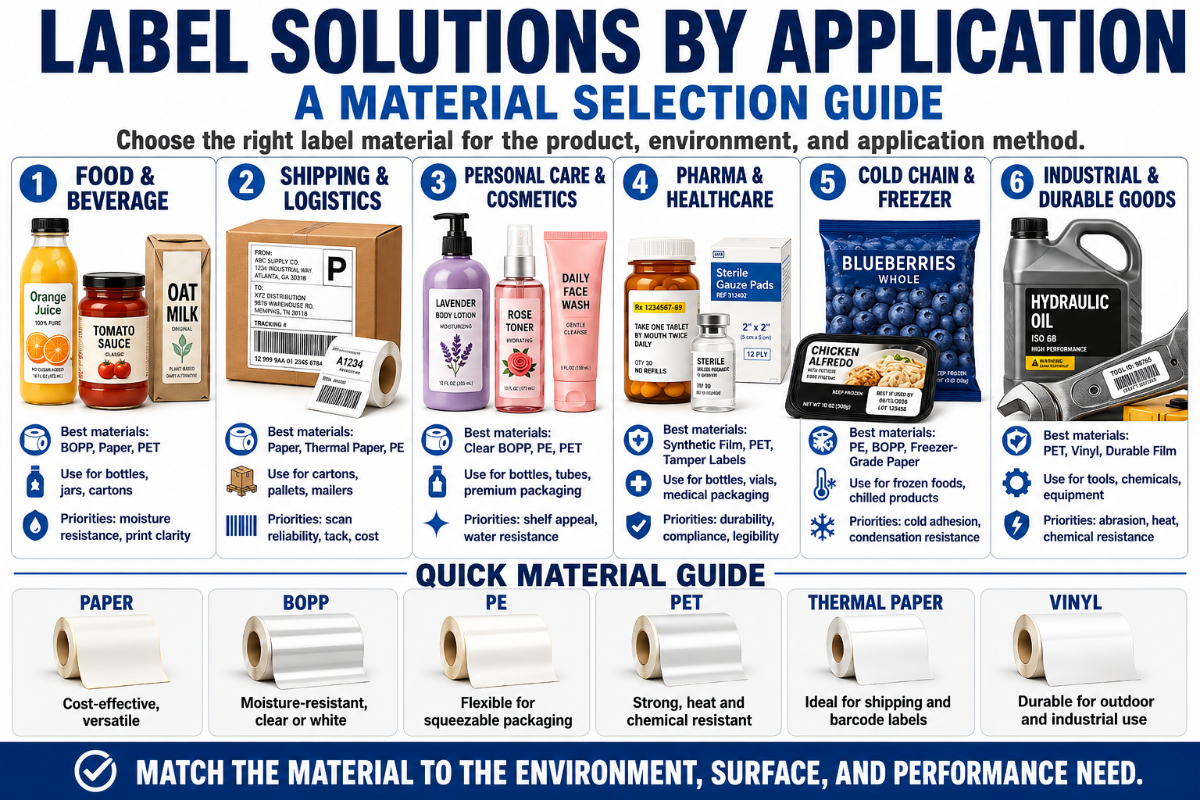
Escolha Soluções de Etiquetas por Aplicação. São 3 ingredientes – facestock, adesivo e forro removível – que devem atender às demandas únicas de superfície, ambiente, prensa e regulamentação do seu produto. Quando for o ajuste perfeito, ele irá segurar um freezer, um tambor químico ou a face de um pneu; falhar, e ele irá descascar. Este guia explica um método comprovado para combinar tudo, por onde o rótulo tem que fazer o seu trabalho.
Ele foi projetado para funcionar como uma lista de compras para o nosso soluções de etiquetas específicas para aplicações — essa página mostra o que fornecemos; este guia informa qual é a melhor opção para o trabalho. Seja ao encomendar a rotulagem de produtos para sua loja online ou ao aplicar um rótulo em um recipiente que pode ser pulverizado em uma fábrica de produtos químicos, a lógica se aplica.
Especificações rápidas: o instantâneo de seleção de rótulo
| Camadas de decisão | Frontal + adesivo + liner de liberação (decida nessa ordem) |
| 4 entradas que impulsionam a escolha | Superfície · Ambiente · Método de impressão · Regulação |
| Adesivo freezer-grade | Aplica-se a aproximadamente -15 °F de superfície; serviços a cerca de -65 °F |
| Tambor químico (frete oceânico) | GHS + BS5609 (imersão de água do mar de 3 meses) |
| No.1 gatilho de falha de campo | Contaminação superficial e superfícies de baixa energia/frio sem qualidade adesiva |
As três camadas por trás de cada solução de rótulo
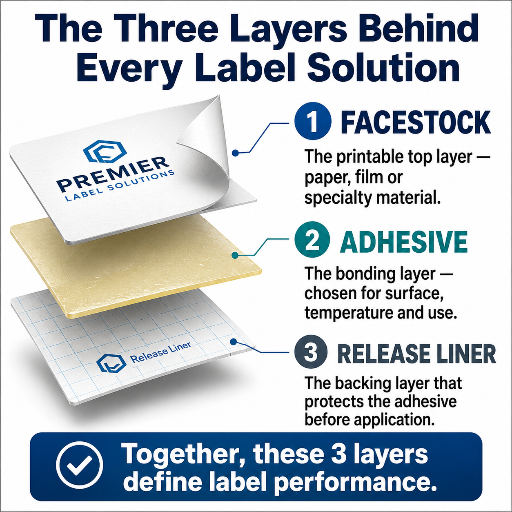
Cada rótulo de aplicação tem três componentes igualmente importantes. Se nem um deles for adequado ao trabalho, a aplicação falhará. Pense na seleção do material nesta ordem – primeiro o frontal, depois o adesivo e, por fim, o liner – porque cada etapa restringe sua escolha para a próxima.
- Facestock (facestock) a camada superior imprimível; papel revestido, sintético (PP ou PET), ou B. Ele dita rasgo e resistência química, e tolerância à temperatura.
- Adesivo (adhesive), removível, de grau livre, ou high-tack. Determina se o rótulo adere à sua superfície.
- Liner de liberação — papel ou filme, como PET. Ele determina se o seu aplicador dispensa os rótulos de forma suave e precisa. Muitos compradores esquecem o liner até que os rótulos emperrem.
Esses três elementos (a face base alterada (facestock), underlay (adesivo) e backing material ‘haven’ em décadas como você vai muito atrás, se você for, patentes de materiais de etiqueta descreveram exatamente esta estrutura de frontal-adesivo-liner. No entanto, o que muda de trabalho para trabalho é a combinação. Um rótulo para bebidas pode ser impresso em um frontal liso de papel couché, com suporte adesivo permanente sobre um liner glassine. Como alternativa, os mesmos componentes do adesivo, aplicados a uma garrafa plástica, podem ser feitos de plástico em vez de papel couché, com suporte adesivo especializado para congelados, todos fornecidos em um liner igualmente plástico para melhor desempenho no armazenamento e transporte refrigerados.
Em última análise, o que queremos dizer é que você está fazendo três seleções em ordem, em vez de “a label”, que, através do nosso questionário simples abaixo, resulta na seleção e citação de uma construção específica e correta com base nas quatro respostas abaixo.
A estrutura de correspondência de rótulos de 4 perguntas
Nove em cada 10 rótulos mal especificados ocorrem devido a pular pelo menos uma das perguntas abaixo em ordem. Dê ao mesmo material de adesivo uma tentativa contra essas perguntas, e a resposta aparece. Nós o nomeamos de 4-Question Label-Matching Framework, e o executamos em todos os materiais específicos do aplicativo que citamos.
As 4 Perguntas (resposta em ordem)
- Superfície.A que superfície os rótulos estão sendo aplicados? a superfície do vidro liso e do filme PET têm muito menos afinidade pelo adesivo do que substratos de baixa energia superficial, como um tambor de plástico oleoso, um painel áspero revestido a pó ou uma embalagem de plástico redonda. Isso requer alta aderência, opções adesivas específicas ou agressivas de baixa energia superficial (LSE).
- Ambiente. O que os rótulos e o substrato enfrentarão após a aplicação dos rótulos? Altas temperaturas, flutuações de temperatura, luz UV, abrasão ou exposição a óleos e produtos químicos podem desqualificar alguns materiais frontais e opções de adesivo.
- Método de impressão. Transferência térmica, térmica direta, digital ou jato de tinta? o facestock e o acabamento devem corresponder à prensa, ou a impressão é apagada ou não é digitalizada.
- Regulamento. Um padrão define o rótulo? regras químicas, de contato com alimentos, farmacêuticas, marítimas e de reciclabilidade podem substituir totalmente sua preferência de material (coberta na seção por indústria).
Essa ordem é importante: a regulamentação pode vetar um material“ de melhor desempenho (um filme sobrelaminado que aumenta a durabilidade pode minar uma alegação de reciclabilidade), por isso fica por último como um portão, não primeiro como uma reflexão tardia. Regulamentação de impressão do ambiente da superfície de trabalho, e você raramente chega ao estágio de cotação com o estoque errado.
Opções de material frontal autoadesivo existe para cada ramo desta árvore.
Facestock por Aplicação: Papel vs PP vs PET
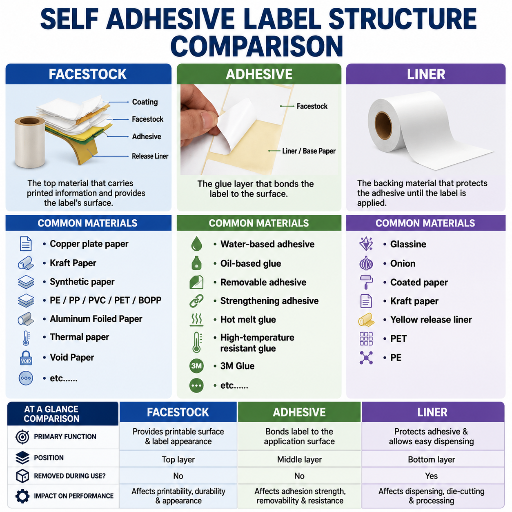
O frontal é a primeira bifurcação. O papel ainda detém a maior participação no mercado de rótulos autoadesivos – aproximadamente 63,7% em 2025 – porque a maioria dos rótulos é usada em ambientes internos, sobre superfícies limpas e por pouco tempo.
Filmes (PP, PET, BOPP) crescem mais rápido onde o papel fisicamente não consegue sobreviver: usos de cadeia fria, químicos e externos.
Quais são as principais famílias de materiais de rótulos?
Existem quatro famílias práticas de facestock, e combiná-las com o caso de uso é a maior parte da batalha. O papel revestido cobre a rotulagem interna diária; O papel sintético PP adiciona resistência à umidade e ao rasgo para espremer garrafas e zonas de lavagem; PET lida com calor, produtos químicos e etiquetas de ativos que devem durar anos; BOPP é o filme de burro de carga para recipientes de bebidas e cuidados pessoais que veem condensação. Para projetos de cuidados pessoais, cosméticos de marca própria da NEXO Beauty Labs pode ser considerado na fase de desenvolvimento do produto, com a compatibilidade da fórmula e da embalagem avaliada separadamente da seleção do material facial.
| Frontal | Melhor para | Umidade/temperatura | Custo relativo |
|---|---|---|---|
| Papel revestido | Interior, seco, vida curta, alto volume | Baixo/ambiente | $ (mais baixo) |
| Papel sintético de PP | Aperte garrafas, lavagem, removível | Bom/moderado | $$ |
| PET | Químico, etiquetas de ativos, calor elevado, trilha & trace | Excelente/alto | $$$ |
| Filme BOPP | Bebida, cosméticos, condensação, casca/refeição | Excelente /moderado | $$ |
Os guias de materiais da indústria descrevem os filmes como resistentes à água, produtos químicos e t, tolerando temperaturas extremas. Material, razão pela qual dominam o recipiente químico e a rotulagem médica – ciência. patentes facestock filme de documento combina por exemplo LLDPE balance com copolímero de olefina cíclica (projetado para essa flexibilidade e rigidez). Mas “mais durável não é o mesmo que ”right,“, que é o erro mais caro em todo este guia (veja a nota contrária abaixo).
⚠️ Contrarian: filme é muitas vezes sobre-especificado
Para ambientes internos controlados, o papel (às vezes com um overlaminato fino e umidade incidental) é revestido com o trabalho por uma fração do custo do filme.
Os compradores não usam o filme “to be safe” e pagam um prêmio pela durabilidade que o aplicativo nunca exige. Uma ressalva agora importa mais do que costumava fazer: se você fizer uma reclamação de reciclabilidade, um componente laminado ou de filme pode prejudicá-lo (consulte a seção de turnos de 2026), portanto, pese a durabilidade em relação ao idioma de reivindicação antes de deixar de lado.
Adesivo por Aplicação: Permanente, Removível, Freezer-Grade & High-Tack
A escolha adesiva é onde realmente vive a maior parte do rótulo “o rótulo caiu das reclamações do”.
O conceito mais útil aqui é que um adesivo tem duas temperaturas, não um conceito e confundi-las faz com que os rótulos nunca se liguem.
📐 Nota de engenharia: temperatura mínima de aplicação ≠ temperatura de operação
A temperatura mínima de aplicação é a temperatura mais baixa em que a superfície pode estar no momento da aplicação e ainda permitir que o adesivo umedeça a superfície e tenha aderência inicial. A temperatura de operação é a faixa que o rótulo suporta depois de aderir e curar (normalmente 24 horas).
Um hot-melt de grau congelador é comumente especificado para ser aplicado a cerca de -15 °F, mas com serviço até aproximadamente -65 °F; um acrílico para todas as temperaturas se aplica a cerca de -29 °C. Aplique uma etiqueta de freezer a uma superfície fosca abaixo do mínimo de aplicação e ela falhará, não importa quão fria seja sua faixa de serviço.
| Classe adesiva | Use-o quando | Cuidado com |
|---|---|---|
| Acrílico permanente | Longa vida útil, exposição a UV/produtos químicos, para uso externo | Difícil de reposicionar; aderência inicial mais lenta |
| Removível | Promoções, bens retornáveis, ID temporário | Pode levantar cedo em superfícies texturizadas/frias |
| Congelador (hot-melt ou acrílico) | Alimentos congelados de cadeia fria, aplicados no frio | Respeite o mínimo do application-temp |
| High-tack /LSE | Tambores HDPE/PP, revestimento em pó, ondulado reciclado | Muitas vezes apenas permanente; verifique em seu substrato |
O quão bem um rótulo se mantém não é uma opinião, é um teste: ASTM D3330 define ensaio de descolamento para material para rótulos sensível à pressão em painel padrão de aço inoxidável, com velocidade de descolamento de 300 mm/minuto após 24 horas de condicionamento. Se seu fornecedor oferecer um valor de descolamento, pergunte quais dos métodos A a F — e qual substrato — foram usados. Os valores só são comparáveis pelo mesmo padrão.
Etiquetas duráveis e ambientais agressivos: abrasão, UV, umidade e produtos químicos
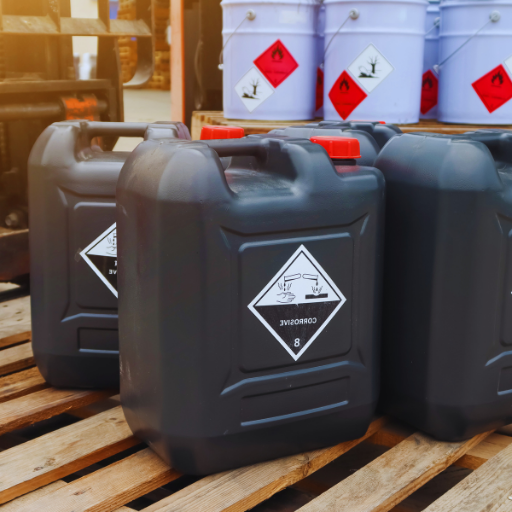
“Durable labels” cobre muito terreno. Uma etiqueta que resiste aos raios UV pode lavar-se fora no solvente; um que resista aos respingos químicos poderia abrasão afastado em uma parte de queda. Primeiro, conheça sua ameaça, a seguir conheça sua construção.
Quando filme + acrílico + acabamento ganha seu custo
- Exposição a UV/para uso externo por anos
- Tambores químicos, solventes, óleos
- Lavagem, imersão, condensação
- Abrasão por manuseio ou queda
– Onde o“ durável é superconstruído
- Caixas internas manuseadas uma vez
- SKUs promocionais de curta duração
- Armazenamento seco sem UV ou umidade
Os rótulos dos recipientes químicos que viajam pelo mar não podem ter durabilidade como opção, têm que ser capazes de comprovar. O Código IMDG determina que os rótulos de mercadorias perigosas devem ser “legíveis” após 3 meses na água do mar. Aponta especificamente para BS5609, que se divide em três partes que testam o material base (Parte 2) e a impressão (Parte 3) contra água salgada, UV e abrasão.
Há um limite para o que apenas um material frontal pode fazer: rótulos de segurança e de equipamentos são avaliados conforme normas de aplicação final, não por critérios exclusivos do material frontal. UL 969 avalia não apenas o sistema completo de adesivo, substrato, superfície, para o uso pretendido, mas também a exposição aprovada em um estoque frontal resistente para um produto não é automaticamente aprovado em outro.
Considere um tambor de solvente industrial enviado de Roterdã para Houston. Para raspar alguns centavos por unidade, o produtor especificou um rótulo GHS de papel revestido. Três semanas na perna do oceano, a névoa salina e a condensação haviam despolpado as bordas do rótulo; na chegada, o pictograma de perigo estava ilegível e o recipiente era mantido no cais. Um facestock PET com um adesivo acrílico agressivo e um topco protetor (topco) um BS5609-build (construído) teria adicionado um pequeno prêmio e liberado a alfândega sem um segundo olhar. A reimpressão, a sobreestadia e a reinspeção custaram muitas vezes o que a atualização jamais custaria.
Etiquetas por indústria: Pneus, cabos, produtos farmacêuticos, alimentos, bebidas e produtos químicos
É aqui que a rotulagem de“ específica do aplicativo fica realmente precisa. Normalmente cada indústria lança uma ou duas regras que moldam o rótulo mais do que o material ” muitas vezes um requisito regulamentar, um identificador de máquina ou um método de teste especializado. Encontre sua categoria, em seguida, aplique um material projetado para o seu padrão.
| Aplicação | Construção típica | A regra definidora |
|---|---|---|
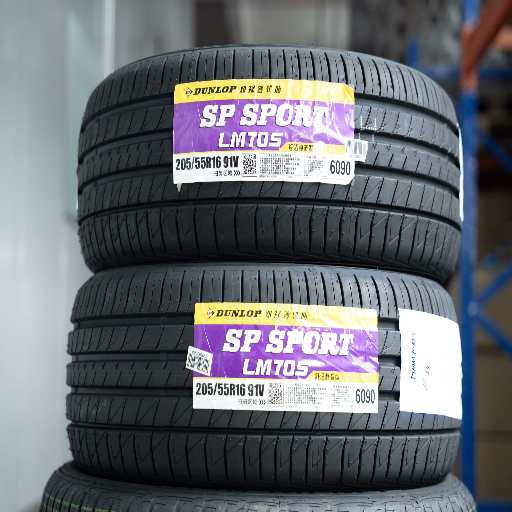
| Pneu | Filme PE/PP + adesivo de alta aderência e tolerante ao calor | Classes NHTSA UTQG (calçado/tração/temperatura) |
| Cabo e fio | Auto-laminado PET/vinil, flexível | Envolve diâmetros pequenos; legível após o manuseio |
| Farmacêutico | Papel/filme + permanente; opção inviolável | ID legível por máquina: FDA UDI/código de barras de medicamentos, GS1, NDC |
| Embalagem alimentos | Papel/BOPP + adesivo seguro para alimentos | FDA 21 CFR 175.105 (indireto) vs 175.125 (PSA direto) |
| Bebidas e vinho | BOPP/papel resistente à umidade + adesivo com classificação de condensação | Imersão em balde de gelo, sem ondulação nas bordas |
| Químico (tambor/IBC) | PET/PP + acrílico agressivo + acabamento | Pictogramas OSHA GHS; BS5609 se for transportado pelo oceano |
Duas diferenças regulatórias frequentemente surpreendem os compradores: Primeiro, contato de dois níveis com alimentos: os itens alimentares são divididos, com base em se o adesivo do rótulo provavelmente fará contato direto com alimentos (21 CFR 175.125) ou não (21 CFR 175.105) que são fundamentalmente diferentes quadros regulatórios. Segundo, o padrão de comunicação de perigos não é negociável: você não pode obter um recipiente químico passado pelo cais e para os clientes sem sua rotulagem compatível com os padrões globais (GHS) em termos de pictogramas, palavras de sinal e declarações de perigo. O desafio para a rotulagem farmacêutica e de dispositivos é muitas vezes dupla durabilidade é apenas um, a identificação é o outro. A cadeia de suprimentos médicos procurará cada vez mais FDA UDI, portadores de dados GS1 e identificação NDC compatíveis.
Compatibilidade Impressão-Método: Transferência Térmica, Térmica Direta, Digital & Inkjet
Um ótimo facestock e um adesivo para combinar não servirão de nada se a etiqueta não imprimir ou se a impressão não puder ser lida à máquina O método que você planeja usar para imprimir as etiquetas pode muito bem restringir sua seleção tanto quanto os fatores ambientais.
Preciso de um acabamento para impressão por transferência térmica?
Geralmente sim. A impressão via transferência térmica ou térmica direta derrete a imagem para o rótulo, e essa imagem requer revestimento superior ou um rosto receptivo para aderi-lo firmemente; a impressão esfrega e não escaneia sem uma boa base de ancoragem A impressão térmica direta (DT) não usa fita (papel sensível ao calor) e é reservada para etiquetas de vida útil mais curta, porque a imagem desaparece com calor e luz Escolhendo fitas também pode importar, para melhor compatibilidade cera pode ser usada com a maioria dos papéis, uma mistura de cera/resina é adequada com papéis/filmes de maior resistência e resina 100% oferece melhor resistência a produtos químicos de fricção e ásperos em todos os filmes.
A qualidade de impressão não é um desejo que é medido e avaliado de acordo com ISO/IEC 15415 (2 D) e 15416 (linear), e de onde vem a perda de nota. GS1 observa que em sistemas típicos rodando a 45 m/min produzindo códigos ISO grau 3-4 2 D, a resolução de impressão entra em jogo dependendo se os códigos são pequenos ou densos com 203, 300 ou 600 dpi sendo escolhas comuns. Se você estiver digitalizando no recebimento ou sob regulamentação, especifique sua nota pretendida, não peça apenas “a barcode”.
Construções especiais: removível, sem forro, Shrink Sleeve & Tamper-Evident
Além da construção padrão de três camadas, quatro construções especializadas abordam problemas de aplicação específicos para estes quando uma etiqueta padrão não consegue fazer o trabalho, não por padrão.
| Construção | Resolve | Compensação |
|---|---|---|
| Removível | Remoção limpa, bens retornáveis | Detenção mais fraca a longo prazo |
| Sem forro | Mais etiquetas pelo rolo, frete mais leve | Precisa de aplicador compatível |
| Encolher manga | Gráficos 360° em contêineres contornados | Processo separado; considerações de reciclagem |
| Inviolável /antifalsificação | Segurança, proteção da marca | Custo unitário mais elevado |
Há um argumento logístico claro para o linerless: como o liner de liberação foi eliminado, o rolo comporta significativamente mais rótulos por metro e pesa menos, e dados do setor apontam economia de 15-30% no custo de transporte em linhas de alto volume. Sua única desvantagem é a compatibilidade com o aplicador — a aplicação linerless requer uma unidade de dispensação compatível; portanto, confirme que sua linha pode acomodá-la. Patentes de construção para etiquetas ultrafinas sensíveis à pressão de polietileno mostre como os formatos de liner-light e filme fino são projetados.
6 erros de correspondência de aplicativos que desencadeiam reimpressões
Através dos tickets que somos solicitados a investigar ao longo do tempo, as mesmas falhas evitáveis de aplicação se repetem e muitas vezes começa com a colocação da etiqueta no lugar errado. Seis causas enviam etiquetas de volta para a impressora, a maioria com pouco ou nada a ver com o próprio adesivo.
- Superfícies sujas ou oleosas A limpeza de superfícies é classificada como uma das principais causas de falha de rótulo relatadas em campo. A poeira ou graxa causada pelo manuseio com a mão nua impede que o adesivo seja molhado adequadamente. (Uma ressalva honesta: que a contaminação supera outras causas é relatada em campo, ainda não resolvida por estudo controlado, portanto, trate uma superfície limpa e seca como a atualização de confiabilidade de menor custo, em vez de uma causa raiz única comprovada.)
- Colocar papel no freezerEle capta condensação e perde integridade, deteriorando-se. A menos que a cadeia de frio exija filme.
- Adesivo padrão em superfícies com revestimento em pó com baixo teor de pó Um adesivo com tinta úmida em um recipiente com revestimento em pó simplesmente não gruda. Um pó com alto teor de energia ou brilho não oferece tração para aderência, e um revestimento em pó texturizado permite que o adesivo atenda apenas aos picos. Formulações adesivas reativas sensíveis à pressão são projetados especificamente para essas superfícies de baixa energia.
- Aplicando abaixo da temperatura mínima de aplicação. Uma faixa de serviço com classificação a frio não significa que você possa aplicá-la a frio. Em temperaturas de superfície abaixo de cerca de 40 °F, permita tempo de permanência extra para superfícies curvas e texturizadas.
- Uma incompatibilidade entre a face da etiqueta e o recipiente. Um adesivo enrugado, rasgante ou enrolado geralmente não é um adesivo ruim. É um adesivo incompatível com a superfície do recipiente e o dispensador.
- Ignorando a regulação até depois da impressão. Um elemento GHS não reconhecido, um sobrelaminado que anula uma reivindicação de reciclabilidade, ou um grau de código de barras ilegível força uma reimpressão mesmo quando o material “realizou.”
Estamos no processo de investigação de alguns tickets, “Acho que o adesivo falhou!, a realidade é que quase todos os casos investigados que apontam para adesivos realmente resultam de problemas na aplicação – geralmente contaminação de superfície, temperatura ou problemas mecânicos (o mais barato, a rota mais simples e de alta confiabilidade é colocar rótulos em uma superfície limpa e seca. .
Onde os materiais da etiqueta estão no título: turnos de seleção de 2026
Existem três forças que mudarão a forma como consideramos a seleção de soluções de etiquetas para uma aplicação específica. Duas delas não têm nada a ver com moda, duas destas regulamentações.
“Recyclable” está evoluindo rapidamente de uma opção para um must Em 11 de fevereiro de 2025, a nova UE Regulamento de Embalagens e Resíduos de Embalagens (PPWR) entrou em vigor com o objetivo de que todas as embalagens do mercado da UE fossem “recicláveis” até 2030 (que entrará em vigor com uma introdução progressiva a partir de 12 de agosto de 2026), e nos Estados Unidos, o “reciclável” é considerado enganoso no Guias Verdes da FTC se tiver componentes como um filme sobrelaminado ou um adesivo não compatível que reduzam substancialmente a capacidade do produto, embalagem ou serviço de ser reutilizado, recarregado, reciclado ou descartado de maneira ambientalmente correta. Na verdade, o material da sua etiqueta impacta a reivindicação da embalagem. Lave adesivos de etiquetas, por exemplo, e as construções monomateriais passarão de boas a necessárias.
E os filmes continuam a corroer total, e a parte durável da corrente fria. Os filmes plásticos são a área nova a mais grande do crescimento, e estão substituindo cada vez mais o papel na aplicação durável da frio-cadeia onde a umidade e a resistência química podem vir somente com facestocks do filme. Os adesivos acrílicos do quente-derretimento e da água-baseados estão emergindo como as formas principais do crescimento nesta indústria.
Embora o linerless esteja avançando lentamente nas categorias de alto volume e seja uma das categorias de maior crescimento atualmente devido à economia de frete de 15-30% obtida com a eliminação do liner de suporte, para todos que planejam lançar um novo produto em 2026: defina antecipadamente sua alegação de reciclabilidade, valide o adesivo para isso, valide qualquer sobrelaminado como suporte e, então, comece a avaliar sua durabilidade — pois, em muitos casos, a alegação de reciclabilidade é o que prejudica você.
Perguntas frequentes
Como escolho o material de etiqueta certo para minha inscrição?
Ver Resposta
Responda a estas perguntas (em ordem): ele adere a, que condições deve resistir, como você está imprimindo-o, que padrão ele precisa cumprir? quatro entradas nos levam a meio caminho para baixo, para baixo através de seu facestock, seu adesivo e seu forro Superfície e ambiente resolver a maioria dos casos, mas o padrão governante pode ditar a construção antes mesmo de você começar assim confirmar o regulamento em primeiro lugar.
Qual é a diferença entre etiquetas de papel e filme (PP/PET)?
Ver Resposta
Devido ao baixo preço e ao uso em aplicações internas, secas e de curta duração, o papel continua a liderar o mercado. Por repelir umidade, produtos químicos, temperatura e rasgos, o filme (PP, PET, BOPP) é indicado para aplicações em cadeia de frio para congelados, produtos químicos, uso externo e vida útil do produto. Como não resiste à condensação nem oferece estabilidade térmica adequada, o papel é uma escolha ruim para congelados e sempre proporciona rotulagem inadequada para congelados, mesmo com laminados especiais.
Qual adesivo de etiqueta funciona em um freezer ou corrente fria?
Ver Resposta
Trabalhe com um adesivo para congelados (hot-melt ou acrílico para todas as temperaturas), garantindo que a temperatura mínima de aplicação do adesivo não seja violada — a superfície deve estar acima de determinada temperatura no momento da aplicação, embora o rótulo possa operar em temperatura muito mais baixa depois de aplicado. A maioria dos adesivos hot-melt para congelados é aplicada em torno de −15°F e continua em operação até aproximadamente −65°F depois da adesão. Combine-o com um frontal de filme, nunca papel.
Quais rótulos sobrevivem à exposição química e externa?
Ver Resposta
Qualquer filme facestock, PET ou PP. Qualquer tipo de adesivo acrílico permanente. Qualquer tipo de acabamento, protetor. Para tambores químicos, fornecidos para envio via navio, as etiquetas precisam ser resistentes à imersão marítima BS5609.
Os rótulos sensíveis à pressão são recicláveis?
Ver Resposta
Depende do que é construído. Uma etiqueta mono-material com um adesivo wash-off ajudará a mantê-lo reciclável, enquanto outros – alguns filmes, overlaminates, adesivos agressivos, etc – irão impedi-lo. De acordo com os Guias Verdes PPWR e FTC da UE, uma alegação de reciclabilidade precisa ser fundamentada contra o item completo, incluindo o substrato, para garantir que seja adequado antes de fazer a alegação.
Qual é o pedido mínimo de material de etiqueta personalizado?
Ver Resposta
depende do seu estoque facial e combinação adesiva, o material estocado é produzido mais rapidamente e para mínimos mais baixos que o produto 100% personalizado para uma aplicação que precisa do topo de linha.
As etiquetas duráveis custam muito mais do que as etiquetas de papel?
Ver Resposta
O filme e o material durável da etiqueta terão tipicamente um custo mais alto pela-parte do que o papel revestido, mas seus custos reais ao olhar o todo são frequentemente mais altos para o papel tal como aquele relacionado à etiqueta da conformidade da reimpressão, do recall, ou do descascamento, que custam significativamente mais do que o papel acima da carga investem na durabilidade onde há necessidade e resistem sobre projetar com filme quando um produto revestido do papel cumprirá sua exigência.
Precisa de um material compatível com sua aplicação?
Qual é a superfície, o ambiente, a tecnologia de impressão ou qualquer regulamentação aplicável; compartilhe esses parâmetros conosco e nossos especialistas poderão recomendar adequadamente a combinação certa de frontal, liner e adesivo para sua aplicação.
Sobre Este Guia
A Guanma fabrica todas as formas de etiquetas sensíveis à pressão e a instalação tudo-em-um inclui capacidade de laminação e P & D para produzir e recomendar combinações apropriadas de facestock, forro e adesivo para indústrias de pneus, cabos, freezer, alimentos e bebidas, farmacêuticas e químicas com base nas necessidades de desempenho exclusivas de cada indústria de Padrões (ASTM D3330, BS5609, FDA 21 CFR 175.105/175.125, OSHA GHS, ISO/IEC 15416/15415 e o novo regulamento PPWR da UE) a referência a estas normas é retirada das fontes indicadas. Os exemplos de temperatura fornecidos no quadro 2 reflectem as gamas normalizadas e é aconselhável consultar as fichas técnicas específicas dos fornecedores para obter pormenores precisos para cada produto da sua linha de produtos.
Referências e fontes
- 21 CFR 175.105 (Aditivos Alimentares Indiretos) Ônibus Eletrônico do Regulamento Federal
- Padrão de comunicação de perigos (etiquetas e pictogramas GHS) Ônibus. Administração de Segurança e Saúde Ocupacional
- Classificação uniforme da qualidade dos pneus (calçado, tração, temperatura) Administração Nacional de Segurança Rodoviária da U.S
- Regulamento de Embalagens e Resíduos de Embalagens (PPWR) Çomissão Europeia
- Guias Verdes (reivindicações de marketing ambiental) Ônibus. Comissão Federal de Comércio
- ASTM D3330 A adesão Peel de fita sensível à pressão ÂNSITO Internacional
- ISO/IEC 15416 Linear Código de Barras Imprimir Qualidade Ção Internacional para Normalização
- ISO/IEC 15415 2 D Barcode Print Qualidade Ção Internacional para Normalização
- GS1 2 D em Retail Guideline 1