ติดต่อกับกวนมา

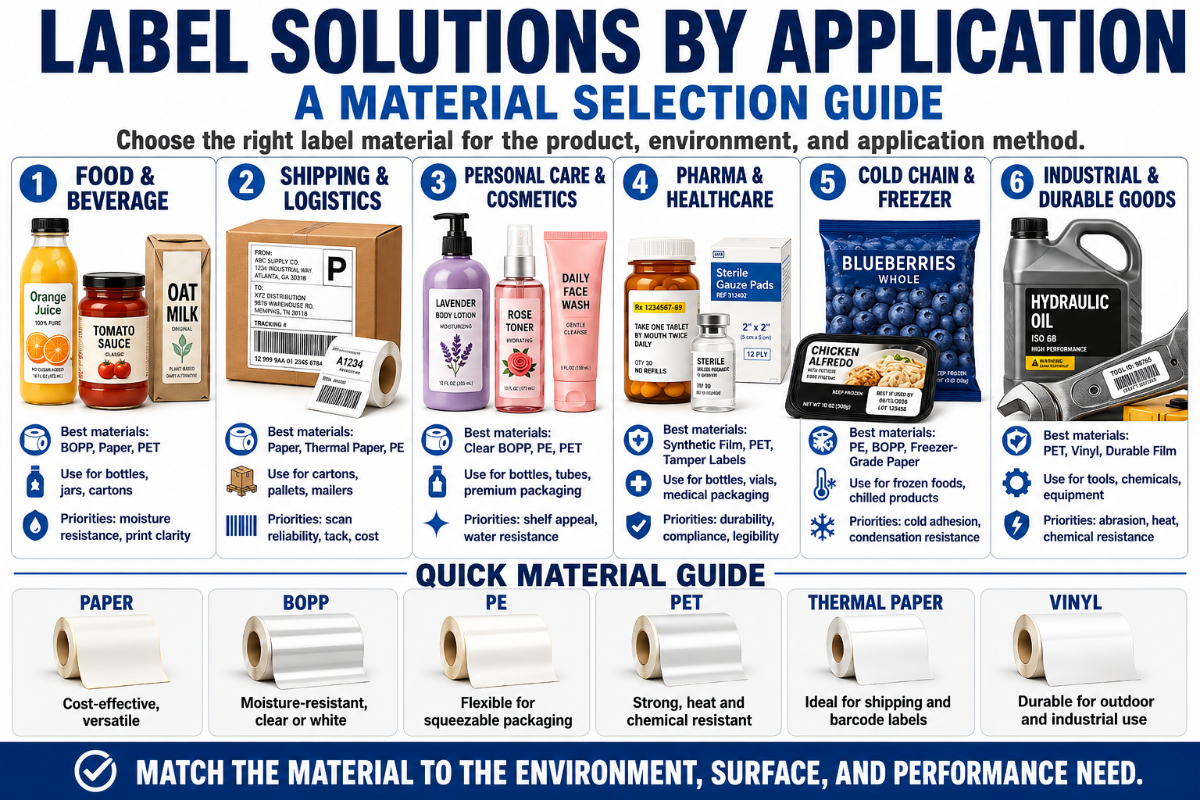
เลือกโซลูชันฉลากตามการใช้งาน มีส่วนประกอบ 3 ส่วน – วัสดุหน้า กาว และชั้นรองลอก – ที่ต้องตอบสนองต่อพื้นผิว สภาพแวดล้อม เครื่องพิมพ์ และข้อกำหนดทางกฎหมายเฉพาะของผลิตภัณฑ์คุณ เมื่อเข้ากันอย่างเหมาะสม ฉลากจะติดอยู่บนช่องแช่แข็ง ถังสารเคมี หรือแก้มยางได้; หากไม่เหมาะสม ฉลากจะลอก คู่มือนี้อธิบายวิธีที่พิสูจน์แล้วในการจับคู่ส่วนประกอบทั้งหมดตามสถานที่ที่ฉลากต้องทำงาน
ได้รับการออกแบบมาเพื่อใช้เป็นรายการช้อปปิ้งของเรา โซลูชันฉลากเฉพาะแอปพลิเคชัน หน้านั้นแสดงสิ่งที่เราจัดหา; คู่มือนี้จะบอกคุณว่าอันไหนดีที่สุดสําหรับงาน ไม่ว่าจะเป็นการสั่งติดฉลากผลิตภัณฑ์สําหรับร้านค้าออนไลน์ของคุณหรือการติดฉลากบนภาชนะที่อาจถูกฉีดพ่นในโรงงานเคมี ตรรกะใช้.
ข้อมูลจําเพาะด่วน: สแน็ปช็อตการเลือกป้ายกํากับ
| ชั้นการตัดสินใจ | Facestock + กาว + ไลเนอร์ปล่อย (ตัดสินใจตามลําดับ) |
| 4 อินพุตที่ขับเคลื่อนตัวเลือก | พื้นผิว · สิ่งแวดล้อม · วิธีการพิมพ์ · ระเบียบข้อบังคับ |
| กาวเกรดตู้แช่แข็ง | ใช้ลงไปที่พื้นผิวประมาณ −15°F; บริการประมาณ −65°F |
| ถังเคมี (ขนส่งทางทะเล) | GHS + BS5609 (การแช่น้ําทะเล 3 เดือน) |
| ทริกเกอร์ความล้มเหลวของฟิลด์หมายเลข 1 | การปนเปื้อนบนพื้นผิวและพื้นผิวพลังงานต่ํา/เย็น ไม่ใช่คุณภาพกาว |
สามชั้นเบื้องหลังโซลูชันฉลากทุกอัน
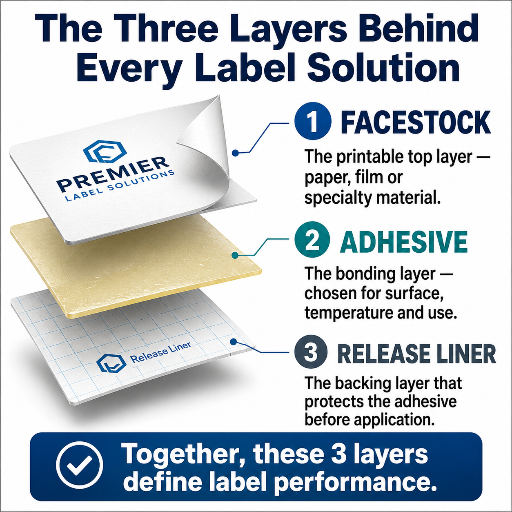
ป้ายกํากับแอปพลิเคชันทุกชิ้นมีสามองค์ประกอบที่สําคัญเท่าเทียมกัน หากแม้แต่หนึ่งชิ้นไม่เหมาะกับงานแอปพลิเคชันก็ล้มเหลว ลองนึกถึงการเลือกวัสดุในลําดับนี้ (หน้าแรก) จากนั้นไลเนอร์เลือกแล้วติดกาวเพราะแต่ละขั้นตอนจะแคบลงสําหรับขั้นตอนต่อไป.
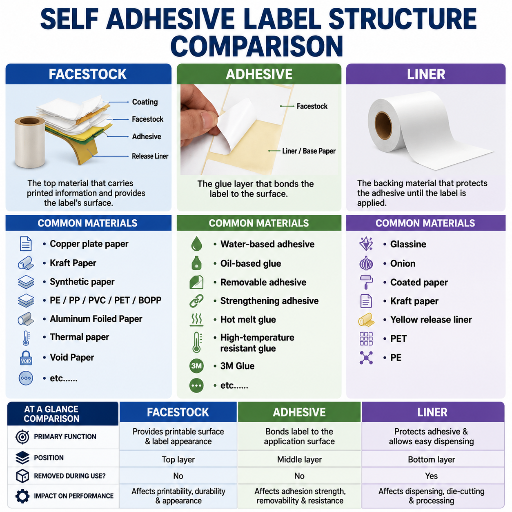
- Facestock aterials ชั้นบนสุดที่พิมพ์ได้ กระดาษเคลือบ กระดาษสังเคราะห์ (PP หรือ PET) หรือ BOPP กําหนดลักษณะที่ปรากฏ ความต้านทานต่อการฉีกขาดและสารเคมี และความทนทานต่ออุณหภูมิ.
- กาว ORDerate ถาวร ถอดได้ เกรดตู้แช่แข็ง หรือสูง-แทค เป็นตัวกําหนดว่าฉลากจะยึดติดกับพื้นผิวของคุณที่อุณหภูมิของคุณหรือไม่.
- ปล่อยกระดาษหรือฟิล์ม liner — เช่น PET จะตัดสินว่า applicator ของคุณจ่ายได้อย่างราบรื่นและถูกต้องหรือไม่ ผู้ซื้อจํานวนมากเกินไปลืมซับจนกว่าฉลากจะติดขัด.
องค์ประกอบทั้งสามนี้ (facestock), underlay (กาว) และวัสดุสํารอง (กาว) ไม่ได้เปลี่ยนแปลงในรอบหลายทศวรรษหากคุณย้อนกลับไป, สิทธิบัตรวัสดุฉลาก ได้อธิบายโครงสร้าง facestock-กาว-ซับนี้อย่างชัดเจน อย่างไรก็ตามสิ่งที่เปลี่ยนแปลงจากงานหนึ่งไปอีกงานหนึ่งคือการรวมกัน ฉลากเครื่องดื่มอาจพิมพ์บนหน้ากระดาษเคลือบเรียบพร้อมแผ่นรองกาวที่ถาวรบนแผ่นซับแก้ว อีกทางหนึ่งส่วนประกอบสติกเกอร์เดียวกันที่ใช้กับขวดพลาสติกอาจทําจากพลาสติกแทนกระดาษเคลือบพร้อมแผ่นรองกาวเกรดช่องแช่แข็งเฉพาะทั้งหมดส่งถึงคุณบนแผ่นซับพลาสติกที่เท่าเทียมกันเพื่อปรับปรุงประสิทธิภาพในการจัดเก็บและขนส่งในห้องเย็น.
ในที่สุดสิ่งที่เราหมายถึงคือคุณกําลังทําการเลือกสามตามลําดับมากกว่า “a ป้ายกํากับ” ที่ผ่านแบบสอบถามง่าย ๆ ของเราด้านล่างส่งผลให้เกิดการเลือกและการเสนอราคาของโครงสร้างที่เฉพาะเจาะจงและถูกต้องตามสี่คําตอบด้านล่าง.
กรอบการจับคู่ป้ายกํากับ 4 คําถาม
ป้ายกํากับ 9 ใน 10 ที่ระบุข้อมูลผิดเกิดขึ้นเนื่องจากการข้ามคําถามด้านล่างอย่างน้อยหนึ่งข้อตามลําดับ ให้ลองใช้วัสดุสติกเกอร์เดียวกันเพื่อตอบคําถามเหล่านี้และคําตอบก็ปรากฏขึ้น เราได้ตั้งชื่อให้มันว่า 4-Question Label-Matching Framework และเราเรียกใช้บนวัสดุเฉพาะแอปพลิเคชันทุกชิ้นที่เราอ้างอิง.
คําถาม 4 ข้อ (ตอบตามลําดับ)
- พื้นผิว.ฉลากที่นําไปใช้กับพื้นผิวใด พื้นผิวของกระจกเรียบและฟิล์ม PET มีความสัมพันธ์กับกาวน้อยกว่าพื้นผิวที่ใช้พลังงานพื้นผิวต่ําเช่นถังพลาสติกมันแผงหยาบเคลือบผงหรือบรรจุภัณฑ์พลาสติกกลม สิ่งนี้ต้องการการยึดติดสูงพลังงานพื้นผิวต่ํา (LSE) เฉพาะหรือตัวเลือกกาวเชิงรุก.
- สภาพแวดล้อม: หลังติดฉลากแล้ว ฉลากและวัสดุฐานรองจะต้องเผชิญกับอะไรบ้าง? อุณหภูมิสูง การเปลี่ยนแปลงของอุณหภูมิ แสง UV การเสียดสี หรือการสัมผัสน้ำมันและสารเคมี อาจทำให้วัสดุหน้าหรือกาวบางชนิดใช้ไม่ได้
- วิธีการพิมพ์ การถ่ายโอนความร้อนความร้อนโดยตรงดิจิตอลหรืออิงค์เจ็ทหรือไม่ ใบหน้าและสีทับหน้าต้องตรงกับกดหรือพิมพ์ถูออกหรือไม่สแกน.
- ระเบียบ มาตรฐานกําหนดฉลากหรือไม่ กฎทางเคมี การสัมผัสอาหาร ยา ทางทะเล และความสามารถในการรีไซเคิลสามารถแทนที่ความต้องการวัสดุของคุณโดยสิ้นเชิง (ครอบคลุมในส่วนอุตสาหกรรมพลอยได้).
คําสั่งนั้นมีความสําคัญ: กฎระเบียบสามารถยับยั้งวัสดุ “ดีกว่า-performing” (ฟิล์มที่ซ้อนทับกันซึ่งช่วยเพิ่มความทนทานอาจบ่อนทําลายการเรียกร้องความสามารถในการรีไซเคิล) ดังนั้นจึงนั่งสุดท้ายเป็นประตูไม่ใช่ครั้งแรกเป็นความคิดในภายหลัง สภาพแวดล้อมพื้นผิวการทํางาน ระเบียบการพิมพ์และคุณไม่ค่อยไปถึงขั้นตอนการเสนอราคาด้วยสต็อกที่ไม่ถูกต้อง.
ตัวเลือกสต็อกหน้าแบบมีกาวในตัว มีอยู่ทุกกิ่งของต้นไม้นี้.
Facestock ตามการใช้งาน: กระดาษ vs PP vs PET
Facestock เป็นส้อมแรก กระดาษยังคงครองส่วนแบ่งที่ใหญ่ที่สุดของตลาดฉลากแบบมีกาวในตัว 71 ประมาณ 63 7% ในปี 2025 2025 เนื่องจากฉลากส่วนใหญ่อาศัยอยู่ในอาคารบนพื้นผิวที่สะอาดเพื่ออายุการใช้งานสั้น.
ฟิล์ม (PP, PET, BOPP) เติบโตเร็วที่สุดโดยที่กระดาษไม่สามารถอยู่รอดได้ทางกายภาพ: การใช้สายโซ่เย็น เคมี และกลางแจ้ง.
ตระกูลวัสดุฉลากหลักคืออะไร?
มีสี่ตระกูล facestock ที่ใช้งานได้จริงและการจับคู่พวกเขาเพื่อใช้กรณีส่วนใหญ่ของการต่อสู้ กระดาษเคลือบครอบคลุมการติดฉลากในร่มทุกวัน; กระดาษสังเคราะห์ PP เพิ่มความชื้นและความต้านทานการฉีกขาดสําหรับขวดบีบและโซนล้าง; PET จัดการความร้อนสารเคมีและแท็กสินทรัพย์ที่ต้องมีอายุการใช้งานหลายปี; BOPP เป็นฟิล์มสําหรับเครื่องดื่มและภาชนะดูแลส่วนบุคคลที่เห็นการควบแน่น สําหรับโครงการดูแลส่วนบุคคล, เครื่องสําอางฉลากส่วนตัวจาก NEXO Beauty Labs สามารถพิจารณาได้ในขั้นตอนการพัฒนาผลิตภัณฑ์ โดยมีการประเมินความเข้ากันได้ของสูตรและบรรจุภัณฑ์แยกจากการเลือกสต็อก.
| วัสดุหน้า | ดีที่สุดสําหรับ | ความชื้น/อุณหภูมิ | ต้นทุนสัมพัทธ์ |
|---|---|---|---|
| กระดาษเคลือบ | ในร่ม แห้ง อายุสั้น ปริมาณมาก | ต่ํา/โดยรอบ | $ (ต่ําสุด) |
| กระดาษสังเคราะห์ พีพี | บีบขวด ล้าง ถอดออกได้ | ดี/ปานกลาง | $$ |
| PET | สารเคมี แท็กสินทรัพย์ ความร้อนสูง ติดตามและติดตาม | ยอดเยี่ยม/สูง | $$$ |
| บอปป์ฟิล์ม | เครื่องดื่ม เครื่องสําอาง การควบแน่น เปลือก/ปิดผนึก | ดีเยี่ยม/ปานกลาง | $$ |
คู่มือวัสดุอุตสาหกรรมอธิบายกระดาษสังเคราะห์และฟิล์มที่ทนต่อน้ําสารเคมีและการฉีกขาดในขณะที่ทนต่ออุณหภูมิที่รุนแรง – ซึ่งเป็นเหตุผลว่าทําไมพวกเขาจึงครองสารเคมี-ภาชนะบรรจุและการติดฉลากทางการแพทย์ วัสดุ-วิทยาศาสตร์ สิทธิบัตรเฟสสต๊อก ฟิล์มเอกสารผสม 「เช่น LLDPE กับโคพอลิเมอร์แบบไซคลิกโอเลฟินส์」ที่ออกแบบเพื่อความสมดุลของความยืดหยุ่นและความแข็งนั้น แต่“ทนทานมากขึ้น” ไม่เหมือนกับ “ขวา”” ซึ่งเป็นข้อผิดพลาดที่แพงที่สุดในคู่มือทั้งหมดนี้ „ดูหมายเหตุตรงกันข้ามด้านล่าง.
⚠️ ตรงกันข้าม: ฟิล์มมักมีการระบุมากเกินไป
สําหรับสภาพแวดล้อมภายในอาคารที่มีการควบคุม กระดาษเคลือบ (บางครั้งมีการเคลือบทับบางๆ กับความชื้นโดยบังเอิญ – ทํางานด้วยต้นทุนเพียงเล็กน้อยของฟิล์ม.
ผู้ซื้อเริ่มต้นที่จะฟิล์ม “เพื่อความปลอดภัย” และจ่ายพรีเมี่ยมสําหรับความทนทานที่แอพลิเคชันไม่เคยเรียกร้อง ข้อแม้หนึ่งในตอนนี้มีความสําคัญมากกว่าที่เคยเป็น: ถ้าคุณทําการเรียกร้องความสามารถในการรีไซเคิล, โอเวอร์ลามิเนตหรือส่วนประกอบของฟิล์มสามารถตัดราคาได้ (ดู 2026 กะส่วน) ดังนั้นชั่งน้ําหนักความทนทานกับภาษาเรียกร้องก่อนที่จะผิดนัดอย่างใดอย่างหนึ่ง.
กาวตามการใช้งาน: ถาวร ถอดออกได้ ระดับช่องแช่แข็ง และยึดติดสูง
ทางเลือกกาวเป็นที่ส่วนใหญ่ “ฉลากหลุด” ข้อร้องเรียนอาศัยอยู่จริง.
แนวคิดเดียวที่มีประโยชน์ที่สุดที่นี่คือกาวสองอุณหภูมิไม่ใช่หนึ่ง „ทําให้เกิดความสับสนทําให้ฉลากไม่เคยติดตั้งแต่แรก.
📐 หมายเหตุทางวิศวกรรม: อุณหภูมิต่ำสุดในการติด ≠ ช่วงอุณหภูมิใช้งาน
อุณหภูมิต่ำสุดในการติดคืออุณหภูมิต่ำสุดของพื้นผิว ณ ขณะติดฉลากที่ยังทำให้กาวแผ่สัมผัสและยึดเกาะได้. ช่วงอุณหภูมิใช้งานคือช่วงที่ฉลากทนได้หลังยึดติดและบ่มแล้ว (โดยทั่วไป 24 hours).
โดยทั่วไปการหลอมร้อนเกรดตู้แช่แข็งจะระบุให้ใช้ที่อุณหภูมิประมาณ −15°F แต่ให้บริการได้สูงถึงประมาณ −65°F; อะคริลิกทุกอุณหภูมิใช้ที่อุณหภูมิประมาณ −29°C ใช้ฉลากช่องแช่แข็งกับพื้นผิวที่มีน้ําค้างแข็งต่ํากว่าค่าต่ําสุดในการใช้งาน และจะล้มเหลวไม่ว่าช่วงการให้บริการจะเย็นแค่ไหนก็ตาม.
| คลาสกาว | ใช้เมื่อ | ระวัง |
|---|---|---|
| อะคริลิคถาวร | อายุการใช้งานยาวนาน การสัมผัสรังสียูวี/สารเคมี กลางแจ้ง | เปลี่ยนตําแหน่งได้ยาก แทคเริ่มต้นช้าลง |
| ถอดออกได้ | โปรโมชั่น, ทรัพย์สินที่คืนได้, บัตรประจําตัวชั่วคราว | สามารถยกได้ตั้งแต่เนิ่นๆ บนพื้นผิวที่มีพื้นผิว/เย็น |
| เกรดตู้แช่แข็ง (ร้อนละลายหรืออะคริลิก) | อาหารแช่แข็งแบบโซ่เย็น ทาในที่เย็น | เคารพขั้นต่ําของเวลาการใช้งาน |
| แท็คสูง / LSE | กลอง HDPE/PP, ผงเคลือบ, ลูกฟูกรีไซเคิล | มักจะถาวรเท่านั้น ตรวจสอบบนพื้นผิวของคุณ |
วิธีที่ดีติดฉลากไม่ใช่ความคิดเห็นมันคือการทดสอบ: ASTM D3330 กําหนดการทดสอบการลอกสําหรับสต็อกที่ไวต่อแรงกดบนแผงสแตนเลสมาตรฐานด้วยความเร็วการลอก 300 มม./นาทีหลังจากปรับสภาพ 24 ชั่วโมง หากซัพพลายเออร์ของคุณเสนอหมายเลขการลอกให้ถามว่าวิธีใด A ผ่าน F-เช่นเดียวกับวัสดุพิมพ์-พวกเขาใช้ ตัวเลขเปรียบเทียบกับมาตรฐานเดียวกันเท่านั้น.
ฉลากที่ทนทานและรุนแรงต่อสิ่งแวดล้อม: การเสียดสี, UV, ความชื้น และสารเคมี
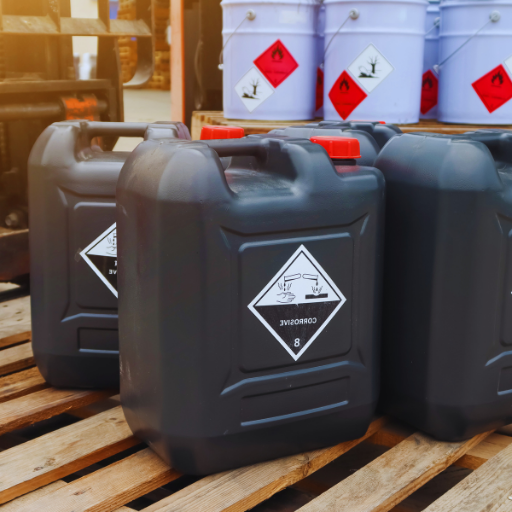
“ฉลากทนทาน” ครอบคลุมมากของพื้นดิน ฉลากที่ต้านทานรังสียูวีอาจล้างออกในตัวทําละลาย; หนึ่งที่ทนต่อการกระเด็นของสารเคมีสามารถขัดถูออกไปในส่วนที่ร่วงหล่น ขั้นแรกให้รู้ภัยคุกคามของคุณจากนั้นให้รู้การสร้างของคุณ.
✔ เมื่อฟิล์ม + อะคริลิค + สีทับหน้าได้รับค่าใช้จ่าย
- การสัมผัสรังสียูวีกลางแจ้ง/กลางแจ้งเป็นเวลาหลายปี
- ถังเคมีตัวทําละลายน้ํามัน
- การชะล้าง การแช่ การควบแน่น
- การเสียดสีจากการจัดการหรือการล้ม
李 โดยที่ “ทนทาน” ถูกสร้างขึ้นมากเกินไป
- กล่องในร่มจัดการครั้งเดียว
- SKU โปรโมชั่นระยะสั้น
- การจัดเก็บแบบแห้งโดยไม่มีรังสียูวีหรือความชื้น
ฉลากบนภาชนะบรรจุสารเคมีที่เดินทางในทะเลไม่สามารถมีความทนทานเป็นตัวเลือกพวกเขาต้องสามารถพิสูจน์ได้ รหัส IMDG กําหนดฉลากสินค้าอันตรายต้องเป็น “legible” หลังจาก 3 เดือนในน้ําทะเล มันชี้เฉพาะไปที่ BS5609, ซึ่งแบ่งออกเป็นสามส่วนที่ทดสอบสต็อกฐาน (ส่วนที่ 2) และการพิมพ์ (ส่วนที่ 3) กับน้ําเค็ม, UV และการขัดถู.
วัสดุหน้าเพียงอย่างเดียวมีข้อจำกัด: ฉลากความปลอดภัยและฉลากอุปกรณ์ต้องได้รับการประเมินตามมาตรฐานของการใช้งานจริง ไม่ใช่ตามเกณฑ์ของวัสดุหน้าเพียงอย่างเดียว UL 969 ประเมินไม่เพียงแต่ฉลากเท่านั้น แต่ยังประเมินระบบกาว พื้นผิว พื้นผิว และการสัมผัสทั้งหมดสําหรับการใช้งานตามวัตถุประสงค์ ดังนั้นวัสดุเคลือบผิวแข็งที่ได้รับการอนุมัติสําหรับผลิตภัณฑ์หนึ่งจะไม่ได้รับการอนุมัติโดยอัตโนมัติจากอีกผลิตภัณฑ์หนึ่ง.
พิจารณากลองของตัวทําละลายอุตสาหกรรมที่จัดส่งจากรอตเตอร์ดัมไปยังฮูสตัน เพื่อโกนไม่กี่เซ็นต์ต่อหน่วยผู้ผลิตระบุฉลาก GHS กระดาษเคลือบ สามสัปดาห์ในขามหาสมุทรสเปรย์เกลือและการควบแน่นได้เยื่อขอบฉลาก; เมื่อมาถึงรูปสัญลักษณ์อันตรายอ่านไม่ออกและภาชนะถูกเก็บไว้ที่ท่าเรือ เพสต็อค PET ที่มีกาวอะคริลิกที่ก้าวร้าวและสีทับหน้าป้องกัน 2009-rated build ÁBS5609-rated build จะได้เพิ่มพรีเมี่ยมขนาดเล็กและศุลกากรล้างโดยไม่ต้องดูที่สอง พิมพ์ซ้ํา demurrage และการตรวจสอบซ้ํามีค่าใช้จ่ายหลายเท่าของการอัพเกรดที่เคยจะ.
ป้ายกํากับตามอุตสาหกรรม: ยางรถยนต์, เคเบิล, ยา, อาหาร, เครื่องดื่มและเคมีภัณฑ์
นี่คือที่ที่ “การประยุกต์ใช้-เฉพาะ” ได้รับจริงแม่นยํา โดยทั่วไปแต่ละอุตสาหกรรมโยนในหนึ่งหรือสองกฎที่รูปร่างฉลากมากกว่าวัสดุ „มักจะข้อกําหนดกฎระเบียบ, ระบุเครื่อง, หรือวิธีการทดสอบเฉพาะ ค้นหาหมวดหมู่ของคุณ, แล้วใช้วัสดุที่ออกแบบมาสําหรับมาตรฐาน.
| ใบสมัคร | การก่อสร้างทั่วไป | กฎที่กําหนด |
|---|---|---|
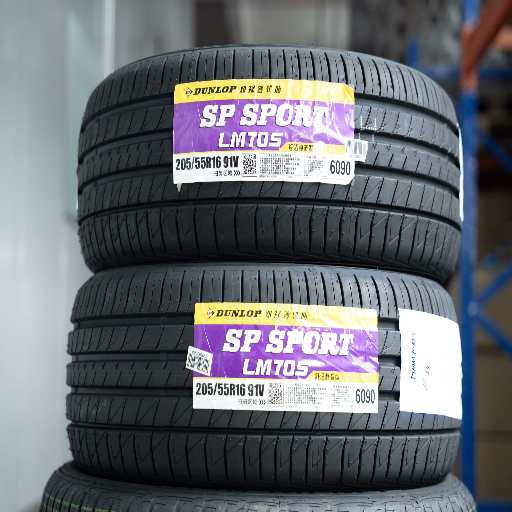
| ยาง | ฟิล์ม PE/PP + กาวติดสูง ทนความร้อน | เกรด NHTSA UTQG (ชุดยาง/แรงฉุด/อุณหภูมิ) |
| สายเคเบิลและสายไฟ | PET/ไวนิลเคลือบตัวเอง มีความยืดหยุ่น | ห่อขนาดเส้นผ่านศูนย์กลางเล็ก อ่านได้ชัดเจนหลังการจัดการ |
| เภสัชกรรม | กระดาษ/ฟิล์ม + ถาวร; ตัวเลือกที่ป้องกันการงัดแงะ | รหัสที่เครื่องอ่านได้: FDA UDI/บาร์โค้ดยา, GS1, NDC |
| บรรจุภัณฑ์อาหาร | กระดาษ/BOPP + กาวที่ปลอดภัยต่ออาหาร | อย 21 ซีเอฟอาร์ 175.105 (ทางอ้อม) เทียบกับ 175.125 (PSA โดยตรง) |
| เครื่องดื่มและไวน์ | BOPP/กระดาษเปียก + กาวที่มีอัตราการควบแน่น | แช่ถังน้ําแข็ง ไม่โค้งงอขอบ |
| เคมีภัณฑ์ (กลอง/IBC) | PET/PP + อะคริลิกดุดัน + สีทับหน้า | รูปสัญลักษณ์ OSHA GHS; BS5609 หากขนส่งทางทะเล |
ความแตกต่างด้านกฎระเบียบสองประการมักทําให้ผู้ซื้อประหลาดใจ: ประการแรก การสัมผัสอาหารสองชั้น: รายการอาหารจะถูกแบ่งออกโดยขึ้นอยู่กับว่ากาวของฉลากมีแนวโน้มที่จะสัมผัสโดยตรงกับอาหารหรือไม่ (21 CFR 175.125) หรือไม่ (21 CFR 175.105) ซึ่งเป็นกรอบการกํากับดูแลที่แตกต่างกันโดยพื้นฐาน ประการที่สอง มาตรฐานการสื่อสารอันตรายไม่สามารถต่อรองได้: คุณไม่สามารถรับภาชนะบรรจุสารเคมีผ่านท่าเรือและให้กับลูกค้าได้หากไม่มีการติดฉลากที่สอดคล้องกับมาตรฐานระดับโลก (GHS) ในแง่ของรูปสัญลักษณ์ คําสัญญาณ และข้อความแสดงความเป็นอันตราย ความท้าทายสําหรับการติดฉลากยาและอุปกรณ์มักจะมีความทนทานสองเท่าเพียงหนึ่งเดียว การระบุตัวตนจะเป็นไปตามข้อกําหนดอื่นๆ ของ UDC มากขึ้น.
ความเข้ากันได้ของวิธีการพิมพ์: การพิมพ์แบบถ่ายโอนความร้อน, ความร้อนโดยตรง, ดิจิทัล และอิงค์เจ็ต
ใบหน้าที่ยอดเยี่ยมและกาวที่เข้ากันจะไม่เกิดผลดีหากฉลากไม่พิมพ์หรือหากไม่สามารถอ่านการพิมพ์ด้วยเครื่องได้ วิธีการที่คุณวางแผนจะใช้ในการพิมพ์ฉลากอาจจํากัดการเลือกของคุณได้ดีพอๆ กับปัจจัยด้านสิ่งแวดล้อม.
จำเป็นต้องใช้สารเคลือบผิวหน้าสำหรับการพิมพ์แบบถ่ายโอนความร้อนหรือไม่?
โดยปกติใช่ การพิมพ์ผ่านการถ่ายเทความร้อนหรือความร้อนโดยตรงจะละลายภาพไปยังฉลากและภาพนั้นต้องใช้สีทับหน้าหรือใบหน้าที่เปิดกว้างเพื่อยึดให้แน่นพิมพ์ถูออกและไม่สแกนโดยไม่มีฐานยึดที่ดี การพิมพ์ด้วยความร้อนโดยตรง (DT) ไม่ใช้ริบบิ้น (กระดาษที่ไวต่อความร้อน) และสงวนไว้สําหรับฉลากที่มีอายุการใช้งานสั้นกว่าเนื่องจากภาพจางลงด้วยความร้อนและแสง การเลือกริบบิ้นก็มีความสําคัญเช่นกันสําหรับขี้ผึ้งที่เข้ากันได้ที่ดีที่สุดสามารถใช้กับกระดาษส่วนใหญ่ส่วนผสมของขี้ผึ้ง/เรซินเหมาะสําหรับกระดาษ/ฟิล์มที่มีความต้านทานสูงกว่าและเรซิน 100% ให้ความต้านทานที่ดีที่สุดต่อการถูและสารเคมีที่รุนแรงบนฟิล์มทั้งหมด.
คุณภาพการพิมพ์ไม่ใช่ความปรารถนาที่วัดและให้คะแนนตาม ISO/IEC 15415 (2D) และ 15416 (เชิงเส้น) และที่มาของการสูญเสียเกรด. จีเอส1 โปรดทราบว่าในระบบทั่วไปที่ทํางานที่ 45 เมตร/นาทีผลิต ISO เกรด 3-4 รหัส 2 มิติความละเอียดในการพิมพ์เข้ามาเล่นขึ้นอยู่กับว่ารหัสที่มีขนาดเล็กหรือหนาแน่น 203, 300 หรือ 600 dpi เป็นทางเลือกทั่วไป หากคุณกําลังสแกนเมื่อได้รับหรือภายใต้กฎระเบียบระบุเกรดที่คุณต้องการไม่เพียงแค่ขอ “บาร์โค้ด”.
โครงสร้างพิเศษ: ถอดออกได้ ไม่มีซับใน แขนหด และป้องกันการงัดแงะ
นอกเหนือจากโครงสร้างสามชั้นมาตรฐานแล้ว โครงสร้างพิเศษสี่แบบยังจัดการกับปัญหาการใช้งานเฉพาะอีกด้วย เมื่อฉลากมาตรฐานไม่สามารถทํางานได้ ไม่ใช่ตามค่าเริ่มต้น.
| การก่อสร้าง | แก้ปัญหา | การแลกเปลี่ยน |
|---|---|---|
| ถอดออกได้ | การกําจัดที่สะอาด สินทรัพย์ที่ส่งคืนได้ | การถือครองระยะยาวที่อ่อนแอลง |
| ไม่มีซับใน | ฉลากเพิ่มเติมต่อม้วนค่าขนส่งที่เบากว่า | ต้องการ applicator ที่เข้ากันได้ |
| หดแขน | กราฟิก 360° บนภาชนะที่มีรูปทรงโค้งมน | กระบวนการแยก; ข้อควรพิจารณาในการรีไซเคิล |
| ป้องกันการงัดแงะ/ป้องกันการปลอมแปลง | ความปลอดภัย การปกป้องแบรนด์ | ต้นทุนต่อหน่วยที่สูงขึ้น |
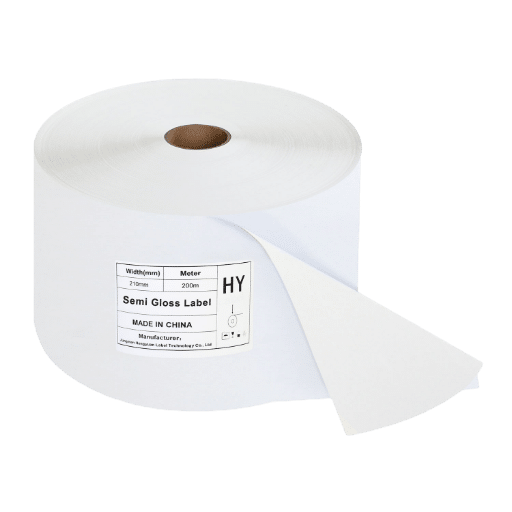
มีข้อได้เปรียบด้านโลจิสติกส์ที่ชัดเจนสำหรับ linerless: เนื่องจากไม่มีชั้นรองลอก ม้วนวัสดุจึงบรรจุฉลากต่อเมตรได้มากกว่ามากและมีน้ำหนักน้อยกว่า และตัวเลขในอุตสาหกรรมระบุว่าช่วยลดต้นทุนขนส่งได้ 15-30% สำหรับสายการผลิตปริมาณสูง. ข้อเสียเพียงประการเดียวคือความเข้ากันได้กับอุปกรณ์ติดฉลาก — การติดฉลากแบบ linerless ต้องใช้ชุดจ่ายที่เข้ากันได้ ดังนั้นควรยืนยันว่าสายการผลิตของคุณรองรับได้. สิทธิบัตรการก่อสร้างสําหรับฉลากที่ไวต่อแรงกดโพลีเอทิลีนบางเฉียบ แสดงวิธีการออกแบบรูปแบบไลเนอร์ไลท์และฟิล์มบาง.
6 ข้อผิดพลาดในการจับคู่แอปพลิเคชันที่ทริกเกอร์พิมพ์ซ้ํา
ข้ามตั๋วที่เราถูกขอให้ตรวจสอบเมื่อเวลาผ่านไปความล้มเหลวของแอปพลิเคชันที่หลีกเลี่ยงได้เหมือนกันเกิดขึ้นอีก „และมักจะเริ่มต้นด้วยการใส่ฉลากผิดที่ หกสาเหตุส่งฉลากกลับไปที่เครื่องพิมพ์ส่วนใหญ่มีส่วนเกี่ยวข้องกับกาวเพียงเล็กน้อยหรือไม่มีเลย.
- พื้นผิวสกปรกหรือมัน ความสะอาดของพื้นผิวได้รับการจัดอันดับให้เป็นสาเหตุชั้นนําของความล้มเหลวของฉลากที่รายงานภาคสนามฝุ่นหรือจาระบีจากการจัดการด้วยมือเปล่าหยุดกาวที่เปียกออกอย่างถูกต้อง (ข้อแม้ที่ตรงไปตรงมาประการหนึ่ง: การปนเปื้อนนั้นอยู่เหนือกว่าสาเหตุอื่น ๆ ที่รายงานจากสนามยังไม่ได้ตัดสินโดยการศึกษาที่มีการควบคุมดังนั้นจึงถือว่าพื้นผิวที่สะอาดและแห้งเป็นการอัพเกรดความน่าเชื่อถือที่มีต้นทุนต่ําที่สุดแทนที่จะเป็นสาเหตุเดียวที่พิสูจน์แล้ว)
- การใส่กระดาษในช่องแช่แข็งจะรับการควบแน่นและสูญเสียความสมบูรณ์ดังนั้นจึงเสื่อมสภาพ เว้นแต่โซ่เย็นต้องใช้ฟิล์ม.
- กาวมาตรฐานบนพื้นผิวที่ใช้พลังงานต่ําหรือเคลือบด้วยผง กาวสีเปียกบนภาชนะเคลือบด้วยผงจะไม่ติด „ผงมันวาวสูงไม่มีแรงฉุดจับและเคลือบผงพื้นผิวช่วยให้กาวพบเฉพาะยอด. สูตรกาวไวต่อแรงกดแบบปฏิกิริยา ได้รับการออกแบบทางวิศวกรรมมาโดยเฉพาะสําหรับพื้นผิวที่ใช้พลังงานต่ําเหล่านี้.
- การใช้ที่ต่ํากว่าอุณหภูมิการใช้งานขั้นต่ํา ช่วงบริการที่มีคะแนนเย็นไม่ได้หมายความว่าคุณสามารถทาเย็นได้ ที่อุณหภูมิพื้นผิวต่ํากว่าประมาณ 40°F ให้เวลาพักเป็นพิเศษสําหรับพื้นผิวโค้งและพื้นผิว.
- ความไม่เข้ากันระหว่างวัสดุหน้าของฉลากกับภาชนะ พื้นผิวหน้าที่ย่น สติกเกอร์ฉีกขาด หรือฉลากม้วนงอ มักไม่ได้เกิดจากกาวที่ไม่ดี แต่เกิดจากวัสดุหน้าที่ไม่เข้ากันกับพื้นผิวภาชนะและเครื่องจ่ายฉลาก
- ละเลยกฎระเบียบจนกระทั่งหลังจากการพิมพ์ องค์ประกอบ GHS ที่ไม่รู้จัก, การซ้อนทับที่ทําให้การเรียกร้องความสามารถในการรีไซเคิลเป็นโมฆะหรือเกรดบาร์โค้ดที่ไม่สามารถอ่านได้บังคับให้พิมพ์ซ้ําแม้ว่าวัสดุ “ดําเนินการ”
เรากําลังอยู่ในขั้นตอนการตรวจสอบตั๋วบางใบ “ฉันคิดว่ากาวล้มเหลว!” ความเป็นจริงคือเกือบทุกกรณีที่ได้รับการตรวจสอบซึ่งชี้ไปที่กาวที่จริงแล้วเป็นผลมาจากปัญหาในการใช้งาน – โดยปกติแล้วจะเป็นปัญหาการปนเปื้อนบนพื้นผิว อุณหภูมิ หรือทางกล = เส้นทางที่ถูกที่สุดและง่ายที่สุดสู่ความน่าเชื่อถือสูงคือการติดฉลากลงบนพื้นผิวที่สะอาดและแห้ง .
หัวข้อเรื่องวัสดุฉลาก: กะการเลือกปี 2026
มีสามแรงซึ่งจะเปลี่ยนวิธีที่เราพิจารณาการเลือกโซลูชันฉลากสําหรับการใช้งานเฉพาะ – และสองสิ่งนี้ไม่เกี่ยวข้องกับแฟชั่น สองในนี้เป็นข้อบังคับ.
“รีไซเคิล” กําลังพัฒนาอย่างรวดเร็วจากตัวเลือกหนึ่งไปสู่สิ่งที่จําเป็น เมื่อวันที่ 11 กุมภาพันธ์ 2568 สหภาพยุโรปใหม่ กฎระเบียบด้านบรรจุภัณฑ์และของเสียจากบรรจุภัณฑ์ (PPWR) มีผลบังคับใช้โดยมีเป้าหมายให้บรรจุภัณฑ์ในตลาดสหภาพยุโรปทั้งหมดเป็น “recyclable” ภายในปี 2573 (ซึ่งจะมีผลใช้บังคับโดยเริ่มเฟสอินในวันที่ 12 สิงหาคม 2569) และในสหรัฐอเมริกา “recyclable” ถือเป็นการหลอกลวงใน คู่มือสีเขียว FTC ถ้ามันมีส่วนประกอบเช่นฟิล์มทับหรือกาวที่ไม่เข้ากันซึ่ง “ลดความสามารถของผลิตภัณฑ์บรรจุภัณฑ์หรือบริการอย่างมากที่จะนํามาใช้ซ้ําเติมรีไซเคิลหรือกําจัดด้วยวิธีที่เป็นมิตรกับสิ่งแวดล้อม ในผลวัสดุของคุณส่งผลกระทบต่อแพคเกจของคุณเรียกร้อง 1 กาวล้างฉลากตัวอย่างเช่นและโครงสร้างวัสดุโมโนจะไปจากดีที่จะต้องการ.
และฟิล์มยังคงกัดเซาะทั้งหมดและการแบ่งปันความทนทานของโซ่เย็น ฟิล์มพลาสติกเป็นพื้นที่การเติบโตใหม่ที่ใหญ่ที่สุดและพวกเขากําลังแทนที่กระดาษมากขึ้นในการใช้งานที่ทนทานต่อโซ่เย็นซึ่งความชื้นและความต้านทานต่อสารเคมีสามารถมาพร้อมกับส่วนหน้าของฟิล์มเท่านั้น กาวอะคริลิกที่ละลายด้วยความร้อนและน้ํากําลังเกิดขึ้นเป็นรูปแบบการเติบโตชั้นนําในอุตสาหกรรมนี้.
ในขณะที่ linerless กําลังค่อยๆ กินเข้าไปในหมวดหมู่ที่มีปริมาณมาก และเป็นหนึ่งในหมวดหมู่ที่เติบโตดีที่สุดในขณะนี้ เนื่องจากการประหยัดค่าขนส่ง 15-30% เนื่องจากการถอด backing liner ออกไป สําหรับพวกคุณทุกคนที่วางแผนจะเปิดตัวผลิตภัณฑ์ใหม่ ในปี 2026: กําหนดการอ้างสิทธิ์ความสามารถในการรีไซเคิลของคุณล่วงหน้า ตรวจสอบกาวในนั้น ตรวจสอบความถูกต้องของส่วนที่ทับซ้อนกันเพื่อรองรับ จากนั้นเริ่มดูว่ามันทนทานแค่ไหน เพราะคุณจะพบในหลายกรณี มันเป็นการกล่าวอ้างความสามารถในการรีไซเคิลที่ทําร้ายคุณ.
คําถามที่พบบ่อย
ฉันจะเลือกวัสดุฉลากที่เหมาะสมสําหรับการใช้งานของฉันได้อย่างไร?
ดูคําตอบ
ตอบคําถามเหล่านี้ (ตามลําดับ): มันปฏิบัติตามเงื่อนไขอะไรต้องยืนขึ้นวิธีการพิมพ์มันสิ่งที่มาตรฐานจําเป็นต้องปฏิบัติตาม สี่อินพุตทําให้เราส่วนหนึ่งลงลงลงผ่าน facestock ของคุณกาวและซับของคุณ พื้นผิวและสิ่งแวดล้อมตัดสินกรณีส่วนใหญ่แต่มาตรฐานการปกครองสามารถกําหนดการก่อสร้างก่อนที่คุณจะเริ่มต้นแม้ „ดังนั้นยืนยันกฎระเบียบก่อน.
ฉลากกระดาษและฟิล์ม (PP/PET) แตกต่างกันอย่างไร?
ดูคําตอบ
เนื่องจากราคาที่ต่ําและการใช้งานสําหรับในร่ม แห้ง อายุการใช้งานสั้น Paper จึงยังคงเป็นผู้นําตลาด เนื่องจากขับไล่ความชื้น สารเคมี อุณหภูมิ และฟิล์มน้ําตา (PP, PET, BOPP) นําสารเคมีห่วงโซ่ความเย็นออกในช่องแช่แข็ง การใช้งานกลางแจ้ง และอายุการใช้งานของผลิตภัณฑ์ เนื่องจากไม่ต้านทานการควบแน่นและไม่ได้ให้ความเสถียรทางความร้อนที่เพียงพอ กระดาษจึงเป็นทางเลือกที่ไม่ดีสําหรับตู้แช่แข็งและมักจะให้การติดฉลากช่องแช่แข็งที่ไม่ดีแม้จะมีลามิเนตพิเศษ.
กาวฉลากใดที่ทํางานในช่องแช่แข็งหรือโซ่เย็น?
ดูคําตอบ
ทํางานกับกาวเกรดตู้แช่แข็ง (ทั้งอะคริลิละลายร้อนหรืออุณหภูมิทั้งหมด) ให้แน่ใจว่าไม่ละเมิดอุณหภูมิต่ําสุดของกาวที่ใช้- พื้นผิวต้องสูงกว่าอุณหภูมิที่แน่นอนเมื่อนําไปใช้แม้ว่าฉลากสามารถให้บริการที่อุณหภูมิที่เย็นกว่ามากเมื่อนําไปใช้ การหลอมร้อนเกรดตู้แช่แข็งส่วนใหญ่ใช้ประมาณ −15°F และยังคงให้บริการลงไปถึงประมาณ −65°F เมื่อผูกมัดแล้ว จับคู่กับส่วนหน้าของฟิล์มไม่เคยกระดาษ.
ฉลากใดบ้างที่รอดพ้นจากการสัมผัสสารเคมีและกลางแจ้ง?
ดูคําตอบ
หน้าฟิล์มใด ๆ PET หรือ PP กาวอะคริลิคถาวรชนิดใดก็ได้ สีทับหน้าชนิดใดก็ได้ป้องกัน สําหรับถังเคมีที่จัดหาให้สําหรับการจัดส่งทางเรือฉลากจะต้องทนต่อการแช่ในทะเล BS5609.
ฉลากที่ไวต่อแรงกดสามารถรีไซเคิลได้หรือไม่?
ดูคําตอบ
ขึ้นอยู่กับสิ่งที่สร้างขึ้น ฉลากวัสดุเดี่ยวที่มีกาวล้างออกจะช่วยให้สามารถรีไซเคิลได้ในขณะที่ฟิล์มอื่น ๆ บางชนิด, โอเวอร์ลามิเนต, กาวก้าวร้าว ฯลฯ จะป้องกันได้ ภายใต้ EU PPWR และ FTC Green Guides การเรียกร้องความสามารถในการรีไซเคิลจําเป็นต้องได้รับการพิสูจน์กับรายการที่สมบูรณ์รวมถึงวัสดุพิมพ์เพื่อให้แน่ใจว่ามีความเหมาะสมก่อนที่จะทําการเรียกร้อง.
คําสั่งซื้อขั้นต่ําสําหรับวัสดุฉลากที่กําหนดเองคืออะไร?
ดูคําตอบ
ขึ้นอยู่กับสต็อกใบหน้าและคอมโบกาวของคุณ วัสดุที่เก็บไว้จะถูกผลิตได้เร็วกว่าและสําหรับขั้นต่ําที่ต่ํากว่าผลิตภัณฑ์ที่กําหนดเอง 100 เปอร์เซ็นต์สําหรับการใช้งานที่ต้องการระดับไฮเอนด์.
ฉลากที่ทนทานมีราคาสูงกว่าฉลากกระดาษหรือไม่?
ดูคําตอบ
ฟิล์มและวัสดุฉลากที่ทนทานโดยทั่วไปจะมีค่าใช้จ่ายต่อส่วนสูงกว่ากระดาษเคลือบแต่ค่าใช้จ่ายจริงของคุณเมื่อดูโดยรวมมักจะสูงกว่าสําหรับกระดาษเช่นที่เกี่ยวข้องกับการพิมพ์ซ้ําการเรียกคืนหรือการลอกฉลากการปฏิบัติตามข้อกําหนดที่มีค่าใช้จ่ายอย่างมีนัยสําคัญมากกว่ากระดาษขึ้นค่าใช้จ่าย ลงทุนในความทนทานที่มีความต้องการและต่อต้านมากกว่าการออกแบบด้วยฟิล์มเมื่อผลิตภัณฑ์กระดาษเคลือบจะตอบสนองความต้องการของคุณ.
ต้องการวัสดุที่ตรงกับแอปพลิเคชันของคุณหรือไม่?
พื้นผิว สภาพแวดล้อม เทคโนโลยีการพิมพ์ หรือกฎระเบียบที่เกี่ยวข้องคืออะไร แบ่งปันพารามิเตอร์เหล่านั้นกับเรา และผู้เชี่ยวชาญของเราสามารถแนะนําการผสมผสานที่เหมาะสมของสต็อกใบหน้า ไลเนอร์ และกาวสําหรับการใช้งานของคุณ.
เกี่ยวกับคู่มือนี้
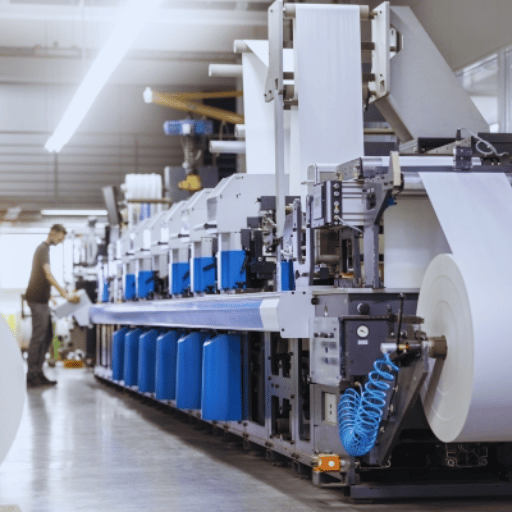
กวนมาผลิตฉลากที่ไวต่อแรงกดทุกรูปแบบและโรงงานแบบครบวงจรรวมถึงความสามารถในการเคลือบและการวิจัยและพัฒนาเพื่อผลิตและแนะนําการผสม facestock, ซับและกาวที่เหมาะสมสําหรับยาง, สายเคเบิล, ตู้แช่แข็ง, อาหารและเครื่องดื่ม, ยาและอุตสาหกรรมเคมีขึ้นอยู่กับแต่ละอุตสาหกรรมความต้องการประสิทธิภาพการทํางานที่ไม่ซ้ํากัน มาตรฐาน (ASTM D3330, BS5609, FDA 21 CFR 175.105/175.125, OSHA GHS, ISO/IEC 15416/15415 และกฎระเบียบ EU PPWR ใหม่) การอ้างอิงถึงมาตรฐานเหล่านี้นํามาจากแหล่งที่มาที่ระบุ ตัวอย่างอุณหภูมิที่ให้ไว้ในตารางที่ 2 สะท้อนถึงช่วงมาตรฐานและขอแนะนําให้อ้างอิงถึงเอกสารข้อมูลซัพพลายเออร์เฉพาะสําหรับรายละเอียดที่แม่นยําสําหรับแต่ละผลิตภัณฑ์ในสายผลิตภัณฑ์ของคุณ.
ข้อมูลอ้างอิงและแหล่งที่มา
- 21 CFR 175.105 addhesives (วัตถุเจือปนอาหารทางอ้อม) รหัสอิเล็กทรอนิกส์ของสหรัฐอเมริกา
- มาตรฐานการสื่อสารอันตราย (ฉลากและรูปสัญลักษณ์ GHS) □การบริหารความปลอดภัยและอาชีวอนามัยของสหรัฐอเมริกา
- การจัดระดับคุณภาพยางเครื่องแบบ (ชุดยาง การยึดเกาะ อุณหภูมิ) การบริหารความปลอดภัยการจราจรบนทางหลวงแห่งชาติของสหรัฐอเมริกา
- กฎระเบียบด้านบรรจุภัณฑ์และของเสียจากบรรจุภัณฑ์ (PPWR) คณะกรรมาธิการยุโรป
- Green Guides (คํากล่าวอ้างทางการตลาดด้านสิ่งแวดล้อม) □คณะกรรมาธิการการค้าของรัฐบาลกลางสหรัฐฯ
- ASTM D3330 การยึดเกาะของ Peel ของเทปไวต่อแรงกด เอเอสทีเอ็ม อินเตอร์เนชั่นแนล
- ISO/IEC 15416 □คุณภาพการพิมพ์บาร์โค้ดเชิงเส้น องค์การระหว่างประเทศเพื่อการมาตรฐาน
- ISO/IEC 15415 2D คุณภาพการพิมพ์บาร์โค้ด องค์การระหว่างประเทศเพื่อการมาตรฐาน
- GS1 2D ในแนวทางการค้าปลีก “จีเอส1”