Ponte en contacto con Guanma

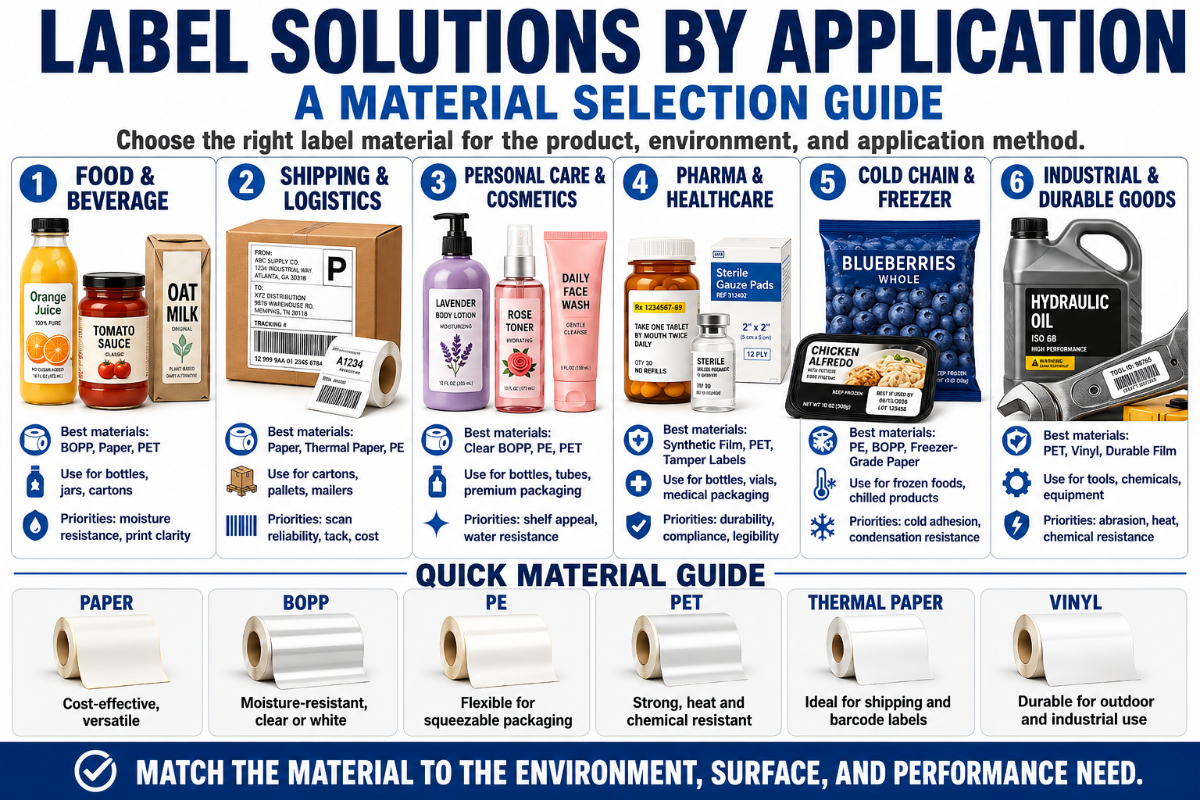
Elija Soluciones de etiquetas por aplicación. Son 3 ingredientes (pantalón frontal, adhesivo y revestimiento antiadherente) que deben cumplir con las exigencias únicas de superficie, entorno, prensa y regulación de su producto. Cuando se ajuste perfectamente, se sujetará a un congelador, un tambor químico o la cara de un neumático; falla y se pelará. Esta guía explica un método probado para combinarlo todo, según dónde la etiqueta debe hacer su trabajo.
Está diseñado para funcionar como una lista de compras para nuestro soluciones de etiquetas específicas para aplicaciones «esa página muestra lo que suministramos; Esta guía le indica cuál es mejor para el trabajo. Ya sea pidiendo etiquetas de productos para su tienda en línea o aplicando una etiqueta a un recipiente que podría ser rociado en una planta química, se aplica la lógica.
Especificaciones rápidas: la instantánea de selección de etiquetas
| Capas de decisión | Facestock + adhesivo + forro antiadherente (decidir en ese orden) |
| 4 entradas que impulsan la elección | Superficie · Medio ambiente · Método de impresión · Regulación |
| Adhesivo de grado congelador | Se aplica hasta aproximadamente «15°F de superficie; servicios a aproximadamente -65°F |
| Tambor químico (carga oceánica) | GHS + BS5609 (inmersión en agua de mar de 3 meses) |
| Activador de falla de campo número 1 | Contaminación de superficies y superficies frías/de baja energía: no calidad adhesiva |
Las tres capas detrás de cada solución de etiqueta
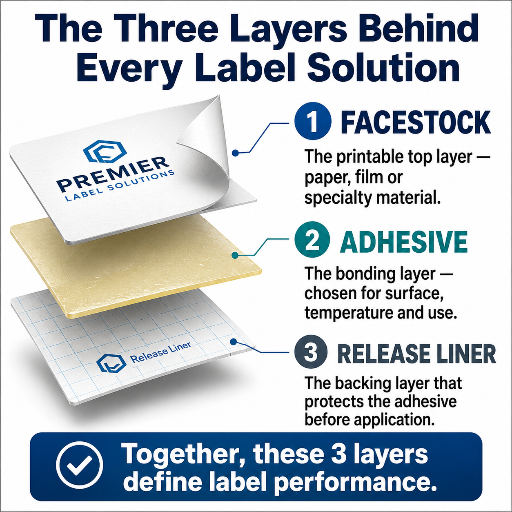
Cada etiqueta de aplicación tiene tres componentes igualmente importantes. Si ni siquiera uno es para el trabajo, la aplicación falla. Piense en la selección del material en este orden 'contra la primera cara, luego el adhesivo y luego el revestimiento' porque cada paso reduce su elección para el siguiente.
- Facestock « la capa superior imprimible; papel estucado, sintético (PP o PET) o BOPP. Dicta apariencia, resistencia al desgarro y a los químicos, y tolerancia a la temperatura.
- Adhesivo permanente, removible, de grado congelador o de alta adherencia. Determina si la etiqueta se adhiere a su superficie, a su temperatura.
- Desenrolle el revestimiento de papel o película como PET. Decide si su aplicador dispensa con suavidad y precisión. Demasiados compradores olvidan el revestimiento hasta que las etiquetas se atascan.
Estos tres elementos (la cara base (facetock), la base (adhesivo) y el material de respaldo) no han cambiado en décadas como, si retrocedemos mucho, patentes de materiales de etiquetas He descrito exactamente esta construcción de revestimiento adhesivo frontal. Sin embargo, lo que cambia de un trabajo a otro es la combinación. Se puede imprimir una etiqueta de bebida en una cara de papel suave y revestida con un respaldo adhesivo que es permanente sobre un revestimiento de vidrio. Alternativamente, los mismos componentes adhesivos, aplicados a una botella de plástico, pueden estar hechos de plástico en lugar de papel estucado, con un respaldo adhesivo especializado de grado congelador, todo entregado en un revestimiento igualmente plástico para mejorar el rendimiento en almacenamiento en frío y transporte.
En última instancia, lo que queremos decir es que está haciendo tres selecciones en orden en lugar de “una etiqueta” que, a través de nuestro sencillo cuestionario a continuación, da como resultado la selección y cita de una construcción específica y correcta basada en las cuatro respuestas a continuación.
El marco de coincidencia de etiquetas de 4 preguntas
Nueve de cada 10 etiquetas mal especificadas se producen debido a que se omite al menos una de las siguientes preguntas en orden. Pruebe el mismo material adhesivo contra estas preguntas y aparecerá la respuesta. Lo hemos llamado Marco de coincidencia de etiquetas de 4 preguntas y lo ejecutamos en cada material específico de la aplicación que citamos.
Las 4 Preguntas (respuesta en orden)
- Superficie. ¿A qué superficie se aplican las etiquetas? La superficie del vidrio liso y la película de PET tienen mucha menos afinidad por el adhesivo que los sustratos de baja energía superficial como un tambor de plástico aceitoso, un panel rugoso con recubrimiento en polvo o un embalaje de plástico redondo. Esto requiere opciones adhesivas agresivas o específicas de alta pegajosidad y baja energía superficial (LSE).
- Medio ambiente. ¿Qué enfrentarán las etiquetas y el sustrato después de aplicarlas? Las altas temperaturas, las fluctuaciones de temperatura, la luz ultravioleta, la abrasión o la introducción de aceites y productos químicos pueden descalificar algunas caras y opciones adhesivas.
- Método de impresión. ¿Transferencia térmica, térmica directa, digital o inyección de tinta? El material frontal y la capa superior deben coincidir con la prensa, o la impresión se borra o no se escanea.
- Regulación. ¿Una norma define la etiqueta? Las normas químicas, de contacto con alimentos, farmacéuticas, marinas y de reciclabilidad pueden anular por completo su preferencia material (cubiertas en la sección por industria).
Ese orden importa: la regulación puede vetar un material de “mejor rendimiento” (una película superpuesta que aumenta la durabilidad puede socavar un reclamo de reciclabilidad), por lo que queda al final como una puerta, no primero como una ocurrencia tardía. Regulación de impresión del entorno de la superficie de trabajo, y rara vez se llega a la etapa de cotización con el stock incorrecto.
Opciones de stock de cara autoadhesiva existe para cada rama de este árbol.
Facestock por aplicación: papel vs PP vs PET
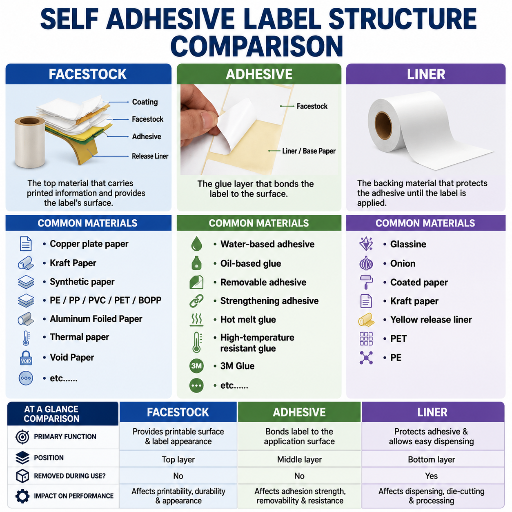
El facestock es la primera horquilla. El papel todavía posee la mayor participación en el mercado de etiquetas autoadhesivas «aproximadamente 63,7% en 2025 - porque la mayoría de las etiquetas viven en interiores, en superficies limpias y durante una vida corta.
Las películas (PP, PET, BOPP) crecen más rápido donde el papel físicamente no puede sobrevivir: usos en cadena de frío, químicos y en exteriores.
¿cuáles son las principales familias de materiales de etiquetas?
Hay cuatro familias prácticas de facestock, y combinarlas con el caso de uso es la mayor parte de la batalla. El papel recubierto cubre el etiquetado diario de interiores; El papel sintético PP agrega resistencia a la humedad y al desgarro para botellas exprimibles y zonas de lavado; PET maneja calor, productos químicos y etiquetas de activos que deben durar años; BOPP es la película de caballo de batalla para recipientes de bebidas y cuidado personal que ven condensación.
| Faceta | Mejor para | Humedad / temperatura | Costo relativo |
|---|---|---|---|
| Papel recubierto | Interior, seco, de corta duración, de gran volumen | Bajo/ambiente | $ (el más bajo) |
| Papel sintético PP | Apriete las botellas, lave, removibles | Bueno/moderado | $$ |
| PET | Productos químicos, etiquetas de activos, calor alto, seguimiento y localización | Excelente / alto | $$$ |
| Película BOPP | Bebidas, cosméticos, condensación, pelar/resellar | Excelente moderado | $$ |
Las guías de materiales de la industria describen los papeles y películas sintéticos como resistentes al agua, los productos químicos y al desgarro, al tiempo que toleran temperaturas extremas, razón por la cual dominan el etiquetado médico y de contenedores químicos. Ciencia de materiales patentes faciales las mezclas de películas de documentos, por ejemplo LLDPE con copolímero de olefina cíclica, están diseñadas para lograr ese equilibrio entre flexibilidad y rigidez. Pero “más duradero” no es lo mismo que “correcto”, que es el error más caro de toda esta guía (ver la nota contraria a continuación).
⚠¦ Contrario: la película suele estar sobreespecificada
Para ambientes interiores controlados, el papel estucado -gn, a veces con un fino sobrelaminado contra la humedad incidental, hace el trabajo a una fracción del costo de la película.
Los compradores incumplen la película “para estar seguros” y pagan una prima por la durabilidad que la aplicación nunca exige. Una advertencia ahora importa más de lo que solía importar: si hace un reclamo de reciclabilidad, un componente de película o superlaminado puede socavarlo (consulte la sección de turnos de 2026), así que sopese la durabilidad con el lenguaje del reclamo antes de incumplir cualquier forma.
Adhesivo por aplicación: permanente, extraíble, grado congelador y de alta adherencia
La elección del adhesivo es donde realmente viven la mayoría de las quejas de “la etiqueta se cayó”.
El concepto más útil aquí es que un adhesivo tiene dos temperaturas, no una, y confundirlas hace que las etiquetas nunca se unan en primer lugar.
📐 Nota de Ingeniería: temperatura mínima de aplicación ~ temperatura de servicio
La temperatura mínima de aplicación es la más fría que puede tener la superficie en el momento de la aplicación y aún así deja que el adhesivo se humedezca y se agarre. La temperatura de servicio es el rango en el que sobrevive la etiqueta después de haberla adherido y curado (normalmente 24 horas).
Comúnmente se especifica que un termofusible de grado congelador se aplique a alrededor de 15°F pero con un servicio de hasta aproximadamente 65°F; se aplica un acrílico para todas las temperaturas hasta aproximadamente -29°C. Aplique una etiqueta del congelador a una superficie esmerilada por debajo de su mínimo de aplicación y fallará sin importar cuán frío esté su rango de servicio.
| Clase adhesiva | Úselo cuando | Cuidado con |
|---|---|---|
| Acrílico permanente | Larga vida útil, exposición a rayos UV/químicos, exterior | Difícil de reposicionar; tachuela inicial más lenta |
| Extraíble | Promociones, bienes retornables, DNI temporal | Puede levantarse temprano en superficies texturizadas/frías |
| Grado congelador (hot-melt o acrílico) | Comida congelada en cadena de frío, aplicada en el frío | Respete el mínimo de temperatura de aplicación |
| Alta entrada / LSE | Tambores de HDPE/PP, capa en polvo, corrugado reciclado | A menudo sólo permanente; verificar en su sustrato |
Qué tan bien se pega una etiqueta no es una opinión, es una prueba: ASTM D3330 define las pruebas de pelado para material sensible a la presión en un panel estándar de acero inoxidable con una velocidad de pelado de 300 mm/minuto después de 24 horas de acondicionamiento. Si su proveedor ofrece un número de pelado, pregunte qué método A a F, así como el sustrato, utilizaron. Los números solo se comparan con el mismo estándar.
Etiquetas duraderas y de ambiente duro: abrasión, rayos UV, humedad y productos químicos
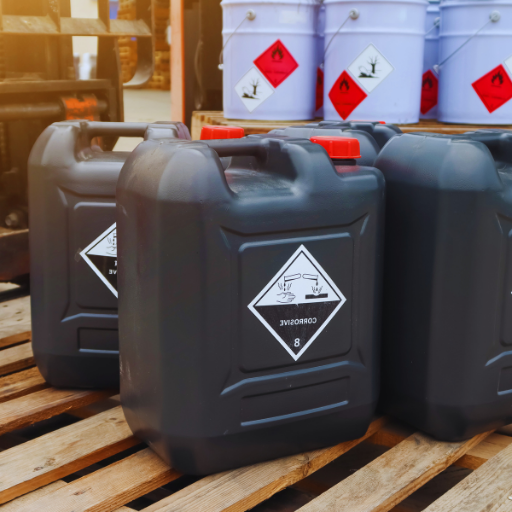
“Las ”etiquetas duraderas” cubren mucho terreno. Una etiqueta que resiste los rayos UV puede desprenderse en un disolvente; uno que resiste salpicaduras químicas podría desprenderse de una parte que cae. Primero, conoce tu amenaza, luego conoce tu constitución.
✔ Cuando la película + acrílico + capa superior gana su costo
- Exposición al aire libre/UV durante años
- Bidones químicos, disolventes, aceites
- Lavado, inmersión, condensación
- Abrasión por manipulación o caída
⚠ Donde lo “duradero” está sobreconstruido
- Cajas de cartón para interiores manipuladas una vez
- Sku promocionales de corta duración
- Almacenamiento en seco sin rayos UV ni humedad
Las etiquetas de los contenedores de productos químicos que viajan por el mar no pueden tener durabilidad como opción, tienen que poder demostrarlo. El Código IMDG dicta que las etiquetas de mercancías peligrosas deben ser “legibles” después de 3 meses en agua de mar. Señala específicamente BS5609, que se divide en tres partes que prueban el material base (Parte 2) y la impresión (Parte 3) contra el agua salada, los rayos UV y la abrasión.
Hay un límite a lo que una cara por sí sola puede hacer: las etiquetas de seguridad y de equipo se evalúan según los estándares de aplicación final, no según criterios exclusivos. UL 969 evalúa no sólo la etiqueta sino también el sistema completo de adhesivo, sustrato, superficie y exposición para el uso previsto, por lo que una superficie dura aprobada para un producto no se aprueba automáticamente para otro.
Considere un tambor de solvente industrial enviado de Rotterdam a Houston. Para ahorrar unos centavos por unidad, el productor especificó una etiqueta GHS de papel estucado. Tres semanas después de la etapa del océano, la niebla salina y la condensación habían pulpado los bordes de la etiqueta; a su llegada, el pictograma de peligro era ilegible y el contenedor se guardaba en el muelle. Una cubierta de PET con un adhesivo acrílico agresivo y una capa protectora (una construcción con clasificación BS5609) habría añadido una pequeña prima y habría pasado por la aduana sin una segunda mirada. La reimpresión, la estadía y la reinspección costaron muchas veces más que la actualización.
Etiquetas por industria: neumáticos, cables, productos farmacéuticos, alimentos, bebidas y productos químicos
Aquí es donde el etiquetado “específico de la aplicación” se vuelve realmente preciso. Normalmente, cada industria incluye una o dos reglas que dan forma a la etiqueta más que al material (a menudo un requisito reglamentario, un identificador de máquina o un método de prueba especializado). Encuentre su categoría y luego aplique un material diseñado para su estándar.
| Aplicación | Construcción típica | La regla definitoria |
|---|---|---|
| Neumático | Película PE/PP + adhesivo tolerante al calor de alta adherencia | Grados NHTSA UTQG (desgaste/tracción/temperatura de la banda de rodadura) |
| Cable y alambre | Pet/vinilo autolaminante, flexible | Envuelve diámetros pequeños; legible después de la manipulación |
| Farmacéutico | Papel/película + permanente; opción a prueba de manipulaciones | Identificación legible por máquina: FDA UDI / código de barras de medicamento, GS1, NDC |
| Envases de alimentos | Papel/BOPP + adhesivo apto para alimentos | FDA 21 CFR 175.105 (indirecto) vs 175.125 (PSA directo) |
| Bebida y vino | BOPP / papel resistente a la humedad + adhesivo con clasificación de condensación | Inmersión en cubitos de hielo, sin rizos en los bordes |
| Químico (tambor/IBC) | PET/PP + acrílico agresivo + capa superior | Pictogramas de OSHA GHS; BS5609 si se transporta por vía marítima |
Dos diferencias regulatorias frecuentemente sorprenden a los compradores: primero, el contacto con alimentos de dos niveles: los alimentos se dividen, según si el adhesivo de la etiqueta probablemente hará contacto directo con los alimentos (21 CFR 175.125) o no (21 CFR 175.105), que son fundamentalmente diferentes. marcos regulatorios. En segundo lugar, el estándar de comunicación de peligros no es negociable: no se puede pasar un contenedor de productos químicos por el muelle y llegar a los clientes sin que su etiquetado cumpla con los estándares globales (GHS) en términos de pictogramas, palabras de señalización y declaraciones de peligro. El desafío para el etiquetado farmacéutico y de dispositivos suele ser que la doble durabilidad es sólo uno, la identificación es el otro. La cadena de suministro médico buscará cada vez más identificación de la FDA UDI, los soportes de datos GS1 y la NDC que cumplan con las normas.
Compatibilidad con métodos de impresión: transferencia térmica, térmica directa, digital y inyección de tinta
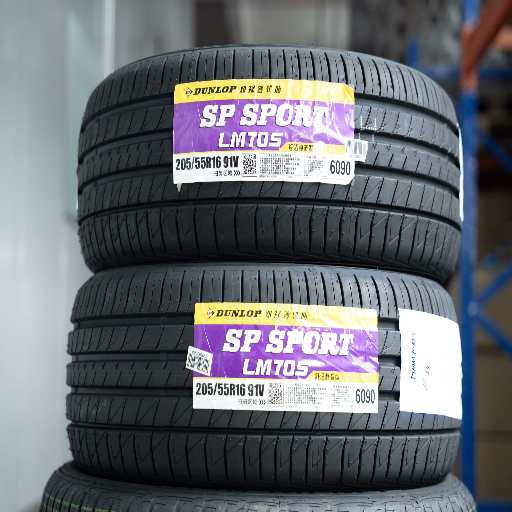
Una gran fachada y un adhesivo a juego no servirán de nada si la etiqueta no se imprime o si la impresión no se puede leer a máquina. El método que planea utilizar para imprimir las etiquetas puede limitar su selección tanto como lo hacen los factores ambientales.
¿necesito una capa superior para la impresión por transferencia térmica?
Generalmente sí. La impresión mediante transferencia térmica directa o térmica funde la imagen a la etiqueta, y esa imagen requiere una capa superior o una cara receptiva para adherirla firmemente; la impresión se desprende y no escanea sin una buena base de anclaje. La impresión térmica directa (DT) no utiliza cinta (papel sensible al calor) y está reservada para etiquetas de vida útil más corta, porque la imagen se desvanece con el calor y la luz. Elegir cintas también puede importar, para una mejor compatibilidad, se puede usar cera con la mayoría de los papeles, una mezcla de cera/resina es adecuada con papeles/películas de mayor resistencia y la resina 100% ofrece la mejor resistencia al roce y a los productos químicos agresivos en todas las películas.
La calidad de impresión no es un deseo, se mide y califica según ISO/IEC 15415 (2D) y 15416 (lineal), y de dónde proviene la pérdida de calificación. GS1 señala que en los sistemas típicos que funcionan a 45 m/min y producen códigos 2D ISO de grado 3-4, la resolución de impresión entra en juego dependiendo de si los códigos son pequeños o densos “ siendo 203, 300 o 600 ppp opciones comunes. Si está escaneando al recibirlo o bajo regulación, especifique la calificación prevista, no se limite a solicitar ”un código de barras”.
Construcciones especiales: removibles, sin forro, fundas retráctiles y a prueba de manipulaciones
Más allá de la construcción estándar de tres capas, cuatro construcciones especiales abordan problemas de aplicación específicos: alcancen estos cuando una etiqueta estándar no puede hacer el trabajo, no por defecto.
| Construcción | Resuelve | Compensación |
|---|---|---|
| Extraíble | Eliminación limpia, activos retornables | Retención más débil a largo plazo |
| Sin forro | Más etiquetas por rollo, carga más ligera | Necesita aplicador compatible |
| Manga retráctil | Gráficos de 360° en contenedores contorneados | Proceso separado; consideraciones de reciclaje |
| A prueba de manipulaciones / antifalsificación | Seguridad, protección de marca | Mayor costo unitario |
Existe un claro argumento logístico a favor de la falta de revestimiento: debido a que el revestimiento antiadherente ha desaparecido, el rollo contiene significativamente más etiquetas por metro y pesa menos, y las cifras de la industria sitúan el ahorro en un costo de transporte 15-30% menor en líneas de gran volumen. Su único inconveniente es el ajuste del aplicador. La aplicación sin revestimiento necesita una unidad dispensadora compatible, así que confirme que su línea pueda acomodarla. Patentes de construcción de etiquetas sensibles a la presión de polietileno ultrafinas muestre cómo se diseñan los formatos de película delgada y de luz de revestimiento.
6 errores de coincidencia de aplicaciones que desencadenan reimpresiones
En los tickets nos piden que investiguemos a lo largo del tiempo, se repiten los mismos fallos de aplicación evitables y a menudo comienza con poner la etiqueta en el lugar equivocado. Seis causas envían etiquetas de regreso a la impresora, la mayoría con poco o nada que ver con el adhesivo en sí.
- Superficies sucias o aceitosas. La limpieza de superficies se considera una de las principales causas de fallo de etiqueta informadas en el campo: el polvo o la grasa de la manipulación a mano alzada impiden que el adhesivo se humedezca correctamente. (Una advertencia honesta: que la contaminación supera a otras causas se informa desde el campo, aún no resuelta mediante un estudio controlado, así que trate una superficie limpia y seca como la mejora de confiabilidad de menor costo en lugar de una causa raíz única comprobada)
- Al poner papel en el congelador, se recoge la condensación y pierde integridad, por lo que se deteriora. A menos que la cadena de frío requiera película.
- Adhesivo estándar en superficies de bajo consumo energético o con recubrimiento en polvo. Un adhesivo de pintura húmeda en un recipiente con recubrimiento en polvo simplemente no se pega « el polvo de alto brillo no ofrece tracción para agarrarse, y una capa de polvo texturizada permite que el adhesivo se encuentre sólo con los picos. Formulaciones adhesivas reactivas sensibles a la presión están diseñados específicamente para estas superficies de baja energía.
- Aplicar por debajo de la temperatura mínima de aplicación. Un rango de servicio clasificado en frío no significa que pueda aplicarlo en frío. A temperaturas de superficie inferiores a aproximadamente 40°F, permita un tiempo de permanencia adicional para superficies curvas y texturizadas.
- Una falta de coincidencia entre la cara de la etiqueta y el recipiente. Una cara arrugada, una pegatina desgarradora o una etiqueta rizada no suele ser un mal adhesivo, sino que es una superficie incompatible con la superficie del recipiente y el dispensador.
- Ignorar la regulación hasta después de la impresión. Un elemento GHS no reconocido, un superlaminado que anula un reclamo de reciclabilidad o un grado de código de barras ilegible obliga a una reimpresión incluso cuando el material “se realizó”
Estamos en el proceso de investigar algunos tickets, “¡Creo que el adhesivo ha fallado!”, la realidad es que casi todos los casos investigados apuntan a que los adhesivos en realidad son el resultado de problemas en la aplicación, generalmente contaminación de la superficie, temperatura o problemas mecánicos 'la ruta más barata y sencilla hacia la alta -La confiabilidad es colocar etiquetas sobre una superficie limpia y seca '. .
Dónde se dirigen los materiales de las etiquetas: turnos de selección de 2026
Hay tres fuerzas que cambiarán la forma en que consideramos la selección de soluciones de etiquetas para una aplicación específica -ñon y dos de ellas no tienen nada que ver con la moda, dos de ellas son regulaciones.
“Reciclable” está evolucionando rápidamente de una opción a una imprescindible. El 11 de febrero de 2025, la nueva UE Embalaje y Regulación de Residuos de Embalaje (PPWR) entró en vigor con el objetivo de que todos los envases del mercado de la UE sean “reciclables” para 2030 (que entrará en vigor con una introducción gradual a partir del 12 de agosto de 2026), y en los Estados Unidos, “reciclables” se considera engañoso en el Guías verdes de la FTC si tiene componentes como una película superlaminada o un adhesivo no compatible que “reducen sustancialmente la capacidad del producto, embalaje o servicio para ser reutilizado, rellenado, reciclado o eliminado de forma respetuosa con el medio ambiente. De hecho, el material de su etiqueta afecta su reclamo de paquete 'adhesivos de etiqueta lavables, por ejemplo, y las construcciones de monomateriales pasarán de ser agradables a requerir.
Y las películas continúan erosionándose por completo y la participación duradera de la cadena de frío. Las películas plásticas son la mayor área de crecimiento nueva y están reemplazando cada vez más al papel en la aplicación duradera de cadena de frío, donde la humedad y la resistencia química solo pueden venir con las facestocks de película. Los adhesivos acrílicos termofusibles y a base de agua están emergiendo como las formas de crecimiento líderes en esta industria.
Si bien el sin revestimiento está devorando lentamente las categorías de gran volumen y es una de las categorías de mejor crecimiento que existen en este momento debido al ahorro de carga de 15-30% debido a la eliminación del revestimiento de respaldo, para cualquiera de ustedes que esté planeando un lanzamiento de un nuevo producto en 2026: determine su reclamo de reciclabilidad por adelantado, valide el adhesivo en eso, valide cualquier superlaminado para soportar y luego comience a analizar qué tan duradero es - porque encontrará que, en muchos casos, es el reclamo de reciclabilidad lo que le duele.
Preguntas frecuentes
¿Cómo elijo el material de etiqueta adecuado para mi aplicación?
Ver respuesta
Responda estas preguntas (en orden): cumple, a qué condiciones debe resistir, cómo lo imprime, qué estándar debe cumplir?
Cuatro entradas nos llevan parcialmente hacia abajo, hacia abajo a través de su facestock, su adhesivo y su revestimiento. La superficie y el entorno resuelven la mayoría de los casos, pero el estándar vigente puede dictar la construcción incluso antes de comenzar, así que primero confirme la regulación.
¿cuál es la diferencia entre etiquetas de papel y película (PP/PET)?
Ver respuesta
Debido a su bajo precio y uso en interiores, secos y de corta duración, el papel sigue liderando el mercado. Debido a que repele la humedad, los productos químicos, la temperatura y las lágrimas, la película (PP, PET, BOPP) elimina los usos químicos de la cadena de frío del congelador, exteriores y de vida útil del producto. Debido a que no resiste la condensación y no proporciona una estabilidad térmica adecuada, el papel es una mala opción para los congeladores y siempre proporciona un etiquetado deficiente del congelador incluso con laminados especiales.
¿qué adhesivo de etiqueta funciona en un congelador o en una cadena de frío?
Ver respuesta
Trabaje con un adhesivo de grado congelador (ya sea acrílico termofusible o para todas las temperaturas) asegurándose de no violar la temperatura mínima de aplicación del adhesivo: la superficie debe estar por encima de cierta temperatura cuando se aplica, aunque la etiqueta puede dar servicio a una temperatura mucho más fría. Una vez aplicado. La mayoría de los termofusibles de grado congelador se aplican alrededor de 15°F y continúan dando servicio hasta aproximadamente 65°F una vez adheridos. Emparejarlo con una película frontal, nunca con papel.
¿qué etiquetas sobreviven a la exposición química y al aire
Ver respuesta
Cualquier película frontal, PET o PP. Cualquier tipo de adhesivo acrílico permanente. Cualquier tipo de capa superior, protectora.
Para los bidones químicos, suministrados para su envío a través de un barco, las etiquetas deben ser resistentes a la inmersión marina BS5609.
¿son reciclables las etiquetas sensibles a la presión?
Ver respuesta
Depende de lo que se construya. Una etiqueta monomaterial con un adhesivo de lavado ayudará a mantenerlo reciclable, mientras que otras (algunas películas, superlaminados, adhesivos agresivos, etc.) lo impedirán. Según las Guías Verdes de la UE PPWR y la FTC, es necesario fundamentar una afirmación de reciclabilidad en el artículo completo, incluido el sustrato, para garantizar que sea adecuado antes de realizar la afirmación.
¿Cuál es el pedido mínimo de material de etiquetas personalizadas?
Ver respuesta
depende de su combinación de material facial y adhesivo, el material almacenado se produce más rápido y para mínimos más bajos, ese producto 100 por ciento personalizado para una aplicación que necesita la gama alta.
¿Las etiquetas duraderas cuestan mucho más que las etiquetas de papel?
Ver respuesta
La película y el material de etiqueta duradero normalmente tendrán un costo por pieza más alto que el papel estucado, pero sus costos reales al mirar el conjunto suelen ser más altos para papel como el relacionado con la reimpresión, el retiro del mercado o la etiqueta de cumplimiento de pelado, que cuesta significativamente más. que el cargo por el papel. Invierta en durabilidad donde sea necesario y resista el diseño excesivo con película cuando un producto de papel estucado cumpla con sus requisitos.
¿Necesita un material adaptado a su aplicación?
¿Cuál es la superficie, el entorno, la tecnología de impresión o cualquier regulación aplicable? Comparta esos parámetros con nosotros y nuestros expertos pueden recomendar adecuadamente la combinación adecuada de material facial, revestimiento y adhesivo para su aplicación.
Acerca de esta guía
Guanma fabrica todas las formas de etiquetas sensibles a la presión y las instalaciones todo en uno incluyen capacidades de laminación e I+D para producir y recomendar combinaciones apropiadas de revestimiento, revestimiento y adhesivo para las industrias de neumáticos, cables, congeladores, alimentos y bebidas, farmacéutica y química en función de sobre las necesidades de rendimiento únicas de cada industria. Estándares (ASTM D3330, BS5609, FDA 21 CFR 175.105/175.125, OSHA GHS, ISO/IEC 15416/15415 y el nuevo reglamento PPWR de la UE) la referencia a estas normas se toma de las fuentes indicadas. Los ejemplos de temperatura proporcionados en la tabla 2 reflejan rangos estándar y es recomendable consultar hojas de datos de proveedores específicos para obtener detalles precisos para cada producto de su línea de productos.
Referencias y fuentes
- 21 CFR 175.105 « Adhesivos (Aditivos Indirectos para Alimentos) « Código electrónico de regulaciones federales de EE. UU
- Norma de comunicación de peligros (etiquetas y pictogramas GHS) « Administración de Salud y Seguridad Ocupacional de EE. UU
- Clasificación uniforme de la calidad de los neumáticos (desgaste de la banda de rodadura, tracción, temperatura) «Administración Nacional de Seguridad del Tráfico en Carreteras de EE. UU
- Embalaje y Regulación de Residuos de Embalaje (PPWR) — Comisión Europea
- Guías Verdes (reclamaciones de marketing ambiental) «Comisión Federal de Comercio de Estados Unidos
- ASTM D3330 « Adhesión al pelado de cinta sensible a la presión « ASTM Internacional
- ISO/IEC 15416 « Calidad de impresión de códigos de barras lineales — Organización Internacional de Normalización
- ISO/IEC 15415 « Calidad de impresión de códigos de barras 2D — Organización Internacional de Normalización
- GS1 2D en Guía Minorista « GS1