Nehmen Sie Kontakt mit Guanma auf

Pharmazeutische Etikettenmaterialien, die für entwickelt wurden FDA-konform, migrationsfest Pharmaverpackung
Selbstklebende Etikettenvorräte und pharmazeutische Etikettenlösungen für PET, beschichtetes Papier, synthetisches Papier, PP-Kaltmaschinen für Fläschchen, Ampullen, Spritzen, Blisterpackungen, Anwendungen im Gesundheitswesen in der Kette. Compliance-Dossiers sind direkt der FDA-Richtlinie §§ unter 21 CFR Teil 211 Unterabschnitt G, USP , ISO 10993-1:2025, REACH und TSE/BSE-Erwartungen zugeordnet.
3 × 3 × 9
Facestock × Klebstoff × Anwendungskombinationen
10+ Jahre
Beschichtung + Laminierung F & E Erfahrung
2 Pflanzen
Thailand + Vietnam Herstellung
MEER / SA / EU
Aktive Exportregionen
100 m
Kostenlose Qualifizierungsmusterrolle
Vollständiges Dossier
Datenblatt, CoA, Migrationsbericht, TSE/BSE, REACH
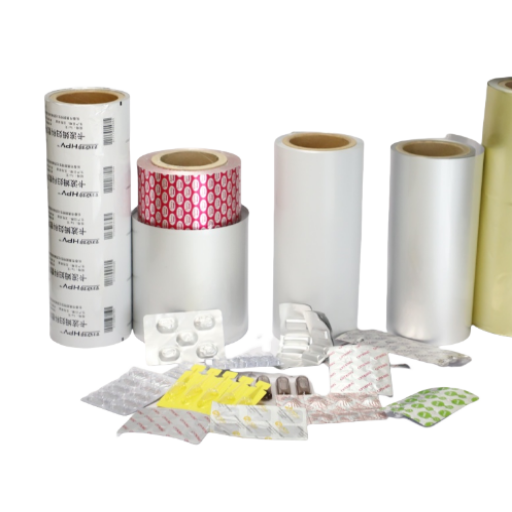
Warum Standardklebeetiketten in pharmazeutischen Anwendungen versagen
Pharmazeutische Etiketten enthalten lebenskritische Informationen für medizinisches Fachpersonal und die Endverbraucher, Charge, Verabreichungsweg, Warnhinweise zu verschreibungspflichtigen Medikamenten und Produktidentifikation sind die Fehlerarten, die sie beeinträchtigen: Alle verschmieren auf Materialebene, verblassende Kanten. “Lift, Kühlkettenablösung und Migration vom Klebstoff zum Produkt. Industriequellen stehen ausdrücklich auf dem Spiel: ”Fehler bei pharmazeutischen Etiketten resultieren typischerweise aus einer falsch ausgerichteten Materialauswahl oder unzureichenden Tests.“Selbst kleine Mängel können die Compliance und Patientensicherheit beeinträchtigen.” Die Auswahl von Etikettenmaterial für Apotheken- und Medizingeräteanwendungen ist daher keine Druckentscheidung; Es handelt sich um eine Entscheidung zur Einhaltung von Sicherheitsmaßnahmen, bevor das Etikett jemals gedruckt wird.
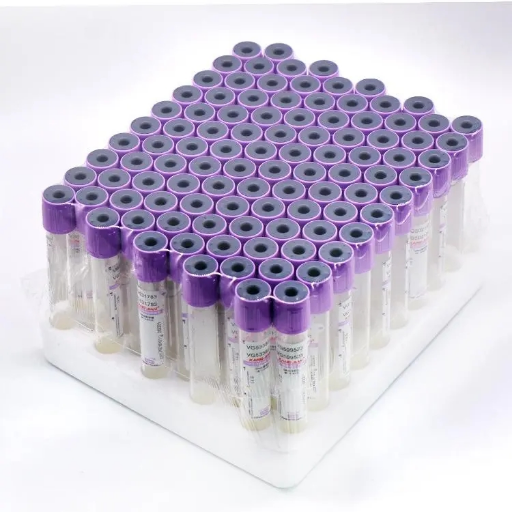
1 Klebstoffwanderung
Drei Ausfallmodi auf Materialebene treiben die meisten regulatorischen Beobachtungen auf pharmazeutischen Etiketten voran. Der erste ist die Migration von Klebstoffkomponenten und Tintenrückständen durch Kunststoff-Primärverpackungen in das Arzneimittel. Nelson Labs formuliert die Frage der Regulierungsbehörde direkt: “Extrahierbare aus Druck und Etiketten können theoretisch durch das plastifizierte PVC wandern.”” Dies ist kein hypothetisches Problem. Feldstudien zu vermarkteten pharmazeutischen Produkten in regulierten Märkten haben tatsächliche Tinten- und Klebstoffwanderungen in Dosierungsformen gemessen und das einst theoretische Risiko von Extrahierbaren und Lehnbaren in einen dokumentierten Expositionsweg umgewandelt.
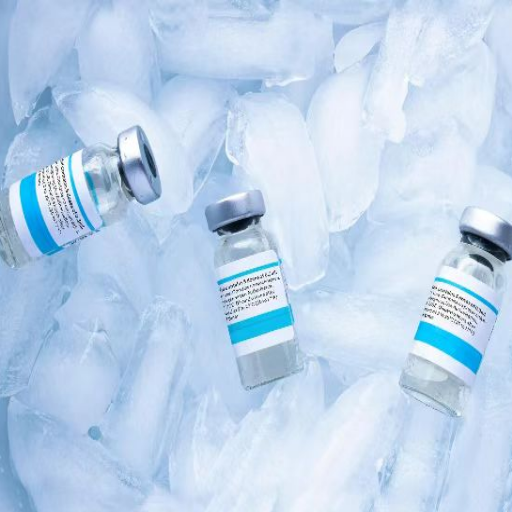
2 Lesbarkeitsverlust
Ein zweiter Modus ist der Verlust der Lesbarkeit unter Kalt-Alkohol-Wischwasser, Feuchtigkeit, UV-Abwischen, Gefrierketten-Gefrierkette Ein bei Raumtemperatur lesbares Fläschchenetikett, das sich jedoch bei -20 °C in einer Kühlkettensendung ablöst, weist ein anderes Regulierungsprofil auf als eines, das die Reise überlebt.
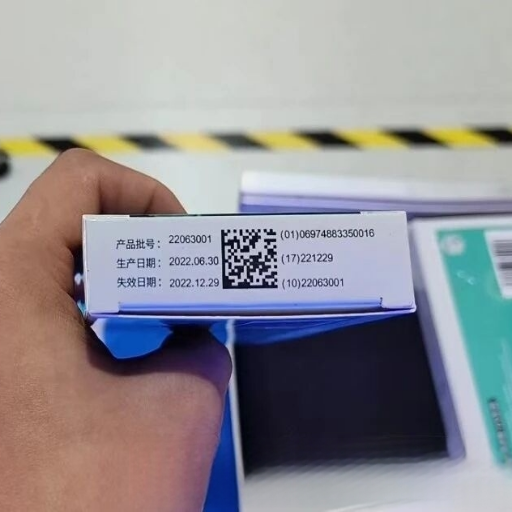
3 Rückverfolgbarkeitsfehler
Ein dritter Fehler bei der Rückverfolgbarkeit ist: Ein manipulationssicheres Etikett, das nicht zuverlässig Hinweise auf eine Öffnung eines rezeptfreien (OTC) menschlichen Arzneimittelprodukts aufweist, entspricht nicht 21 CFR § 211.132, unabhängig davon, wie attraktiv seine Druckqualität ist.
Der Material Stack Compliance Standard
Jeder Fehlermodus löst sich auf einer bestimmten Schicht des Etikettenmaterialstapels auf: Obermaterialchemie, Klebstoffklasse, Grundierung, Deckschicht und Trennfolie. Ersetzen eines generischen industriellen Haftklebers, entwickelt für Kartons, oder Supermarkt, eine pharmazeutische Linie ist die häufigste Ursache dieser Ausfälle. Pharmazeutisches Etikettenmaterial ist kein Marketing-Etikett; Es handelt sich um eine dokumentierte Kombination aus Oberflächenbeschlag, Klebstoff und pharmazeutischer Etikettierungslösung von Topcoat, die für Kartons konzipiert ist, mit einem Extrakt und auslaugbaren Verhalten, das gegen USP gekennzeichnet ist. Allgemeines Kapitel Serie und biologische Sicherheitsscreening-Methode aus ISO 1099-1:1:202222, wenn das Etikett auf einer Oberfläche des Etiketten-Anzeigerichts gekennzeichnet ist.
“Wir weigern uns, eine Charge in pharmazeutischer Qualität zu versenden, bis der Klebstoff jeder Charge ein aktuelles Profil der extrahierbaren Stoffe trägt und jede Charge über übereinstimmende Beschichtungsgewichtsdaten verfügt Das Etikett ‘pharma’ ist keine Marketingaussage Es handelt sich um eine dokumentationsnachvollziehbare Charge, oder es ist kein Pharma.”
Auf einer Etikettenfehler-Grundursachenanalyse stecken geblieben?
Fordern Sie unseren Fehlermodus-Referenzleitfaden an →
Guanma Materiallinien Pharmazeutisches Etikett × Klebstoff Entscheidungsmatrix
Guanma Etikettenmaterialkatalog Katalog-Gesichtsstofffamilien kombiniert drei PP-synthetisches Papier und pharmazeutisch beschichtetes Papier in pharmazeutischer Qualität mit drei Klebeklassen PET-Schmelzgummi, Acryl auf Wasserbasis und Acryl mit hoher Klebepackung. Jede Kombination ist auf ein definiertes Anwendungsfenster abgestimmt. Diese Matrix bildet die neun Anwendungskategorien ab, auf denen Guanma aktive Lagerhaltungseinheiten (SKUs) unterhält, auf die drei mal drei Gesichtsstock-Klebstoff-Matrix; Zellen mit der Markierung Best Fit werden empfohlene Ausgangspunkte für die Neulinienqualifikation empfohlen, und akzeptable Zellen sind validierte Alternativen mit dokumentierten Kompromissen.
Entscheidungsmatrix nach Anwendung von Vorräten und Klebstoffen
| Anwendung | PET-Obermaterial | PP-Synthetikpapier | Gestrichenes Papier | Empfohlener Klebstoff |
|---|---|---|---|---|
| Fläschchenetiketten (Glas/Polymer, Raumtemperatur) | Am besten passen | Akzeptabel | Begrenzt | Acryl auf Wasserbasis |
| Ampullenetiketten (kleiner Durchmesser, Konformitätskritik) | Am besten passen | Akzeptabel | Begrenzt | Hochkarätiges Acryl permanent |
| Etiketten der Fertigspritze (kleiner Radius) | Am besten passen | Begrenzt | Begrenzt | Hochkarätiges Acryl permanent |
| IV-Beuteletiketten (plastifiziertes PVC, flexibel) | Am besten passen | Akzeptabel | Nicht empfohlen | Acryl mit geringer Migration |
| Blisterpackung Sekundäretiketten | Akzeptabel | Am besten passen | Akzeptabel | Acryl auf Wasserbasis |
| Broschüren-/mehrseitige Packungsbeilageetiketten | Akzeptabel | Am besten passen | Am besten passen | Acryl auf Wasserbasis |
| Kaltkettig/kryogen (bis -80 °C) | Am besten passen | Akzeptabel | Nicht empfohlen | Kaltbewerteter Schmelzgummi |
| Manipulationssicheres OTC (21 CFR § 211.132) | Am besten passen | Begrenzt | Begrenzt | Zerbrechlicher / Hohlraummusterkleber |
| OTC-Einzelhandelsetiketten (raumtemp, papierfreundlich) | Akzeptabel | Am besten passen | Am besten passen | Acryl auf Wasserbasis |
Dieses Muster ist beabsichtigt. PET dominiert die Zellen für kleine Durchmesser, niedrige Temperaturen und weichmacherhaltige Untergründe, da biaxial orientiertes PET die Anpassungsfähigkeit und Dimensionsstabilität bietet, die Ampullen, Spritzen und IV-Beutel in großem Maßstab benötigen. Die Branchenleitlinien sind in diesem Punkt einheitlich: „Kleine Durchmesser erfordern Anpassungsfähigkeit und starke Haftung unter kalten Bedingungen“ — genau die Einschränkung, an der schwereres papierbasiertes Etikettenmaterial auf einer 1,5 mL Ampulle scheitert. PP-Synthetikpapier hingegen ist das Arbeitspferd für Sekundärverpackungen von Blisterpackungen und OTC-Einzelhandelsetiketten, bei denen matte Druckqualität und Reißfestigkeit wichtiger sind als die Leistung bei kleinen Radien. Gestrichenes Papier hat eine etablierte Nische bei Beipackzettelkörpern von Booklet-Etiketten und bei OTC-Einzelhandels-SKUs, bei denen die regulatorische Textdichte hoch ist und die Recycelbarkeit des Untergrunds Teil der Markenpositionierung ist.
Die Auswahl des Haftklebstoffs folgt dem Migrationsrisikoprofil der Primärverpackung. Weichmacherhaltige PVC-IV-Beutel erfordern migrationsarme Acrylatklebstoffe, deren Extrahierbare gegen die Verpackung-Etikett-Kombination charakterisiert wurden, da durch Weichmacher verursachter Stoffübergang Haftklebstoffbestandteile in das Arzneimittelprodukt ziehen kann. Kühlketten-SKUs verwenden für niedrige Temperaturen geeignete Gummi-Schmelzklebstoffformulierungen, die wegen ihrer Beständigkeit in Gefrier-Auftau-Zyklen ausgewählt und für den Erhalt der Haftung bei Temperaturen bis −80 °C validiert wurden. Manipulationssichere Anwendungen erfordern brüchige oder Hohlraummuster-Haftklebstoffsysteme, die so ausgelegt sind, dass sie beim Öffnen des Siegels einen dauerhaften Abdruck auf dem Untergrund hinterlassen; dies ist die maßgebliche technische Anforderung nach 21 CFR § 211.132 für OTC-Manipulationsschutzverpackungen.
Engineering Note Wenn die Entscheidungsmatrix nicht ausreicht
Diese Matrix ist ein nützlicher Leitparameter für die Qualifizierung neuer Linien; reale pharmazeutische Verpackungsprogramme bringen jedoch Prozessbeschränkungen zweiter Ordnung mit sich: Der Modus der Endsterilisation (gamma vs. ethylene oxide vs. autoclave) beeinflusst, welche Haftklebstofffamilien ohne Ausbleichen oder Migration überstehen können; die Serialisierungsdrucktechnologie (thermal transfer vs. UV inkjet) kann die Auswahl des Decklacks einschränken; und die Liniengeschwindigkeit am Linienende beeinflusst den Zuschnitt des Trennpapiers und die Ausgabequalität. Das Anwendungstechnikteam von Guanma kann Ihre spezifischen Anforderungen an Endsterilisation, Druck und Etikettenverarbeiter vor dem Vorschlag einer Kandidatenkombination zur Musterqualifizierung auf die obige Matrix übertragen.
Benötigen Sie eine Empfehlung zu Ihrer spezifischen Fläschchengeometrie, Ihrem Sterilisationsmodus oder Ihrer Füllliniengeschwindigkeit?
Holen Sie sich ein Datenblatt pro SKU →Guanma Pharmaceutical Label Materials vs. Generisches industrielles Klebematerial
Die Beschaffungsfrage lautet selten “welche Pharmabelmarke am besten ist”“Es sind ”die Grenzkosten für Etikettenmaterial in pharmazeutischer Qualität gerechtfertigt im Vergleich zu generischem druckempfindlichem Industriematerial für diese Artikelnummer?” Eine ehrliche Antwort ist „application-dependent” in Pharma. Der Vergleich wird weniger durch die Klebeleistung und mehr durch Dossier, Chargenrückverfolgbarkeit und Änderungskontrollverhalten ausgeglichen. Unsere Vergleichstabelle kontrastiert Guanma-Etikettenmaterial in pharmazeutischer Qualität mit typischen generischen industriellen Klebstoffen in den Dimensionen, die das Prüfungsrisiko und die Qualifikationszeit der Pharmahersteller bestimmen.
| Dimension | Guanma pharmazeutisches Etikettenmaterial | Generisches industrielles Klebstoffmaterial |
|---|---|---|
| Migration / extrahierbares Profil | Extrahierbare Daten pro Charge; Charakterisierung abgestimmt auf USP / Methodik | Nicht auf der Ebene des Etikettenmaterials charakterisiert |
| Biokompatibilität (gerätegebundene Anwendungen) | ISO 10993-1:2025 risikobasiertes Screening auf Anfrage erhältlich (Zytotoxizität, Sensibilisierung, Reizung, soweit zutreffend) | Nicht vorgesehen |
| Manipulationssichere OTC-Konformität | Zerbrechliche/hohlraumförmige Klebstoff-SKUs, ausgelegt für 21 CFR § 211.132 | Generische permanente Acrylabsicht, Manipulationsabsicht |
| Kaltkettenleistung | Kaltbewerteter Heißschmelzkautschuk mit einer Nennleistung von -80 °C für den Kaltketten- und Kryoversand | Standard-Heißschmelzanlage nur mit einer Nenntemperatur von -20 °C |
| REACH SVHC-Erklärung | Aktuelle Kandidatenliste (253 Stoffe, Stand Februar 2026) überprüft; hinterlegte Erklärung pro Los | Allgemeines Material — Abdeckung der Erklärungen uneinheitlich |
| TSE/BSE-Erklärung | EMA/410/01 rev. 3 Konformitätserklärung für Rohstoffe tierischen Ursprungs | Nicht Standard |
| Änderungskontrolle SOP | Abgestuft: 90 Tage Materialwechsel / 30 Tage Prozesswechsel / 72 h Notsicherheit nur | Stille auf der Oberfläche von Kadenz-Wechselereignissen über Batch-Überraschungen |
| Audit-Dossierpaket | Spezifikationsblatt, CoA, CoC, Migrationsbericht, REACH, TSE/BSE, Richtlinie für Aufbewahrungsmuster | Nur CoA, oft ohne Retentionsprobe |
Zwei dieser Reihen haben bei Audit und Qualifizierung ein unverhältnismäßig hohes Gewicht Change-Control SOP ist der stille Killer von Lieferantenprogrammen: Wenn ein Generika-Lagerlieferant ohne Benachrichtigung neu formuliert, übernimmt der Pharmahersteller die Kosten einer außerplanmäßigen Neuvalidierung, und die Kosten betragen oft mehrere Vielfache der Materialeinsparungen pro Rolle, die die Wahl motiviert haben. Die Referenz zur Branchen-Governance stellt die Basislinie sauber dar: “Neunzig Tage für materielle Veränderungen, dreißig Tage für Prozessänderungen stellen eine gemeinsame Basislinie dar” Ein Pharmalieferant, der sich nicht auf diese Basislinie festlegt, exportiert seine Formulierungsfreiheit in Ihr Qualitätsrisiko. Die Vollständigkeit des Dossiers bestimmt die Kosten zweiter Ordnung: Ein prüfungsbereites Dossier spart dem QA-Team Stunden, die andernfalls für die Zusammenstellung von Beweisen eines Generika-Lagerlieferanten auf Abruf, Mitte des Audits, aufgewendet würden.
Eine einfache Lektüre der Tabelle ist nicht, dass “Premium”ist. Guanma” ist, dass Guanma mit der erwarteten Dossierdichte arbeitet. Für OTC-Einzelhandels-SKUs im Besonderen, bei denen der Verbraucher das Etikett direkt von der Stange liest, sind die Haltbarkeit des Etiketts und die Manipulationserkennung keine optionalen Verfeinerungen; Sie sind die beschaffbare Beschaffung.
Kundenergebnisse / Europa / Südamerika Pharmazeutische Verpackungsprogramme
Das Pharmalabelmaterial von Guanma wird in drei regionale Pharmaherstellungsgürtel aufgeteilt: Südostasien, Südamerika und Europa. Über diese Regionen hinweg, das Kundenprofil, konsistente Arzneimittelhersteller, Vertragsverpackungsorganisationen und private Label-Füllfirmen. OTC. Der Qualifikationsrhythmus steht im Einklang mit der Gestaltung der mehrstufigen globalen Pharmalieferung durch die FDA Group: “Moderne Pharma-Lieferketten können unglaublich sein.”komplex, an dem mehrere Ebenen von Lieferanten beteiligt sind, die über verschiedene Länder verteilt sind.” Die regionale Lieferkontinuität ist daher keine Marketinglinie; Es ist der Dreh- und Angelpunkt, von dem Qualifikationsentscheidungen abhängen.
Compliance- und Dokumentationspaket FDA, USP, ISO, TSE/B
Pharmazeutische Etiketten sind nicht regulatorisch isoliert. Sie befinden sich in einem regulatorischen Rahmen, der sich von den guten Herstellungsregeln der US-amerikanischen FDA für fertige Arzneimittel über allgemeine USP-Kapitel zu Kunststoffverpackungen, biologische ISO-Sicherheitsstandards für gerätegebundene Kontakte und die chemischen Sicherheitsvorschriften der EU bis hin zu den TSE/BSE-Anmerkungen erstreckt für die europäische Handelsspur Das Etikettenmaterial von Guan ist so strukturiert, dass es jedem dieser Rahmenwerke sauber zugeordnet werden kann, mit einem Per-Lot- oder Per-SKU-Artefakt für jede regulatorische Erwartung. Die folgenden Badges zeigen die wichtigsten regulatorischen Anker. Detaillierte Testmethodennamen, Hinweise und Musterpapiere, die auf Anfrage verfügbar sind.
USP
Kunststoffverpackungssysteme und -materialien
USP
Kunststoffmaterialien des Bauwesens
USP
Kunststoffverpackungssysteme für Pharma
21 CFR 211 G
Verpackungs- und Etikettierungskontrolle
21 CFR §211.132
OTC-Verpackung mit Manipulation und Vorsichtigkeit
ISO 10993-1:2025
Biologische Bewertung (gerätegebunden)
ICH Q3E (2025)
Extraktierbare und auslaugbare Stoffe (Entwurf)
SVHC ERREICHEN
253 Stoffe (Liste vom Februar 2026)
EMA/410/01 r.3
TSE/BSE-Hinweis zur Orientierung
USP Serien- und Etikettenmaterial-Anwendbarkeit
USP Allgemeines <661 Kunststoffverpackungen <661 Materialien des Bauwesens und ihre Systeme Kapitel über die Erwartungen an die Primärverpackung von Kunststoff. Das Kapitel teilt sich auf (Plastic of Construction) und (Plastic Packaging Systems for Pharmaceutical Use) mit als Informationskapitel zur Folgenabschätzung der Anwendersicherheit. Etiketten sind nicht der Primärbehälter unter USP, aber die Klebe-, Vorrats- und Tintenschichten unterliegen einer Bewertung der extrahierbaren und löslichen Stoffe (E&L), wenn ein glaubwürdiger Migrationsweg vorliegt -U-Plastik-Poly-Gut-Gut-Gut-Gut-Gut-Gut-Gut-Gut-Gut-Gut-Gut-Gut-Gut-Gut-Gut-Gut-Gut-Gut-Gut-Gut-Gut-Gut-Gut-Gut-Gut-Gut-Gut-Gut-Gut-Gut-Gut-Gut-Gut-Gut-Gut-Gut-Gut-Gut-Gut-Gut-Gut-Gut-Gut-Gut-Gut-Gut-Gut-Gut-Gut-Gut-Gut-Gut-Gat-Gut-Gut-Gut-Gut-Gut-Gut-Gut-Gut-Gut-Gut-Gut-Gut-Gut-Gut-Gut-Gut-Gut-G’s-Gut-G’s-G’s-.
21 CFR Teil 211 Unterabschnitt G 211, was es von Lieferanten von Etikettenmaterialien verlangt
Unterabschnitt GFR Verpackung und Kennzeichnung Die Kontrolle von 21 C 211 regelt Etikettenmateriallieferanten nicht direkt; Es regelt die Verwendung von Etiketten durch pharmazeutische Hersteller. Drei Abschnitte bestimmen jedoch, was Hersteller von Lieferanten wie Guanma benötigen. § 211.122 (Materialuntersuchung und Verwendungskriterien) verlangt eine Inspektion von Etikettenmaterialchargen, die von der Lieferantenseite und der Rückverfolgbarkeit der Chargen abhängt. § 211.132 (Tper-evident Packungsanforderungen für OTC-Humanarzneimittelprodukte) sorgt für die Nachfrage nach zerbrechlichen oder void-Pat-Klebstoffersystemen auf OTC-EinzelhandelskUs. 1. § 213.
ISO 10993-2025: Biokompatibilitätsumfang auf Etikettenklebstoffen
ISO 10993-1 – zuletzt aktualisiert im Jahr 2025 – legt den risikobasierten Rahmen für die Bewertung der biologischen Sicherheit von Medizinprodukten fest. Reine Etiketten sekundär-pharmazeutischer Verpackungen sind keine Medizinprodukte und fallen nicht zwingend unter ISO 10993. Wenn jedoch ein Etikett auf einer gerätegebundenen Oberfläche angebracht wird (ein Autoinjektorkörper, ein wiederverwendbares Diagnoseinstrument, ein Primärbehälter, der gleichzeitig als Abgabegerät dient), verlangen Pharmahersteller häufig ein ISO 10993-ausgerichtetes Screening der biologischen Sicherheit auf dem Etikett Klebstoff (-5), Sensibilisierungs- und Reizgerät-Kategorie-zugelassene-Profilialitätsberichte für Gu3-Profil-Profil-Profil-.
ICH Q3E (Entwurf 2025) 2025 Vorwärtsrichtung bei E & L-Schwellen
Die aktuellen pharmakopeiellen Schwellenwerte für extrahierbare und leicht verwendbare Stoffe konsolidieren sich rund um ICH Q3E, das 2025 von EMA/CHMP in Entwurfsform veröffentlicht wurde. Dieser Entwurf legt keinen branchenweiten ppb-Schwellenwert für tägliche Expositionen (PDE), keinen Sicherheitsschwellenwert (SCT) und keinen Qualifikationsschwellenwert (QT) fest. Der dosis- und routenabhängige Schwellenwert bleibt jedoch bestehen Konsolidiert das E&L-Entscheidungsframework über alle Pfade hinweg und klärt, wie Etikettenmaterial-Extraktionsmitteldaten innerhalb einer Sicherheitsbewertung des Verpackungssystems inszeniert werden sollten Guanma-Per-SKUUUL-Daten werden in einem nicht kompatiblen Strukturformat geliefert, das die Q3-Framework der Hersteller benötigen, damit die Q3 nicht mit den pharmazeutischen Daten liefern, dass die Q3-Daten des Lieferanten-Daten-Daten-Daten-Qualität-Qualität-Qualität-Qualität-Qualität-Qualität-Qualität-Qualität-Qualität-Qualität-Qualität-Qualität-Qualität-Qualität-Qualität-Qualität-Qualität-Qualität-Qualität-Qualität-Qualität-Qualität-Qualität-Qualität-Qualität-Qualität-Qualität-Qualität-Qualität-Qualität-Qualität-Qualität-Qualität-Qualität-Qualität-Qualität-Qualität-Qualität-Qualität-Qualität-Qualität-Qualität-Qualität-Qualität-Qualität-Qualität-Qualität-Qualität-Qualität-Qualität-Qualität-Qualität-Qualität-Qualität-Qualität-Qualität-Qualität-Qualität-Qualität-Qualität.
REACH SVHC und REACH SVHC und 410/410/rev. 301 die europäischen Handelsstraßenanforderungen
Diese REACH SVHC-Kandidatenliste—derzeit 253 substances as of February 2026—wird für Guanma-Rohstoffe chargenweise geprüft; oberhalb des Schwellenwerts erfolgt eine Präsenzdeklaration, und pro Lieferung wird eine Konformitätserklärung ausgestellt. EMA’s Note for Guidance on minimising the risk of transmitting animal spongiform encephalopathy agents—EMA/410/01 rev. 3—ist das maßgebliche Dokument für Rohstoffe tierischen Ursprungs für Haftklebstoffe (gelatin, tallow derivatives, animal-source stearates). Guanma unterhält für jede Haftklebstoffklasse mit möglichen Einsatzstoffen tierischen Ursprungs eine TSE/BSE-Konformitätserklärung, die der Struktur von rev. 3 folgt.
“Pharma-Dokumentation ist keine Lieferungsdokumentation es ist das Produkt Das Etikettenmaterial selbst muss loseübergreifend reproduzierbar sein; die Dokumentation ist der Beweis dafür, dass es.”
Beschaffungsleitfaden, Beispielrichtlinie, Lieferzeit, Änderungskontrolle
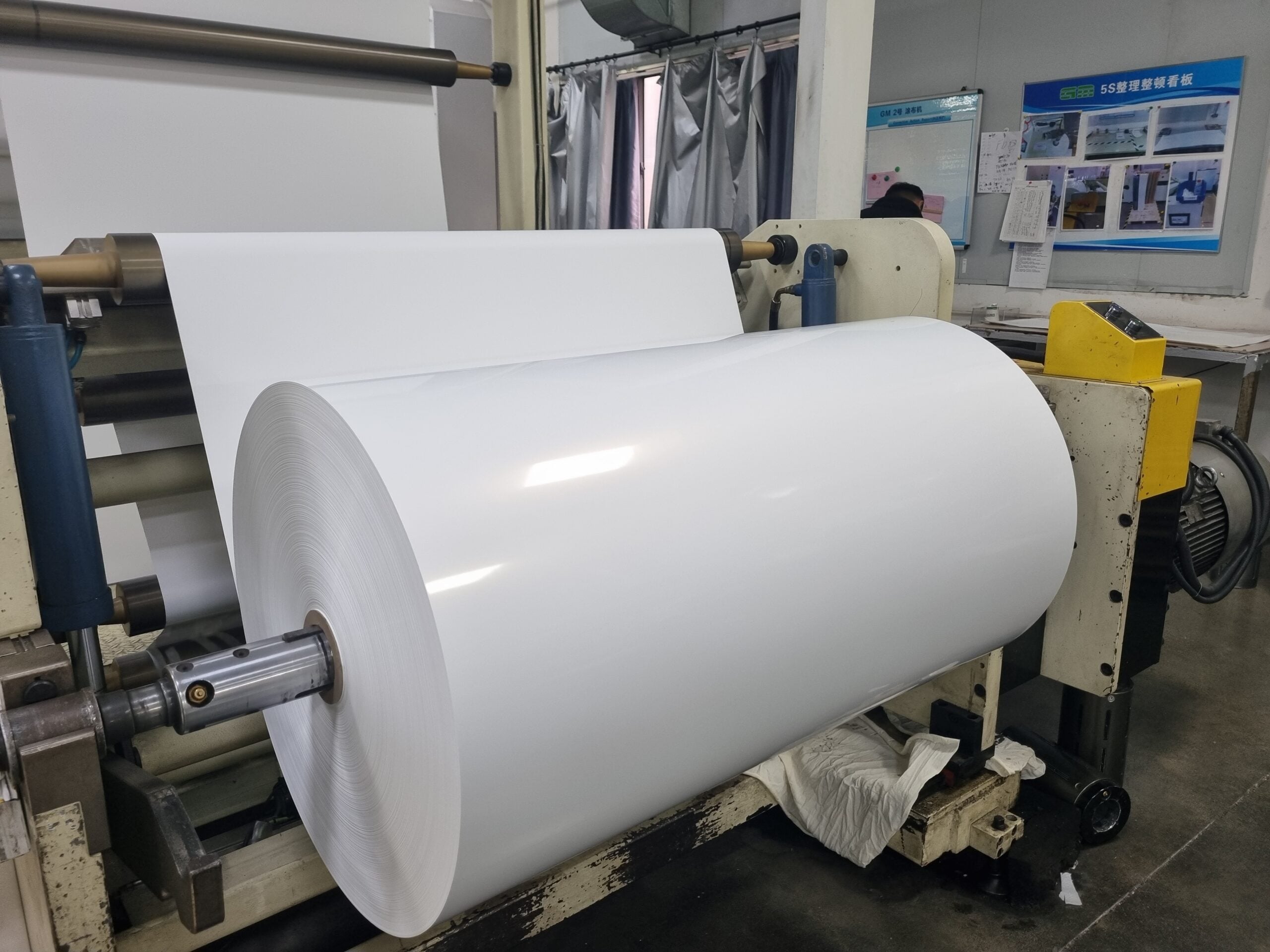
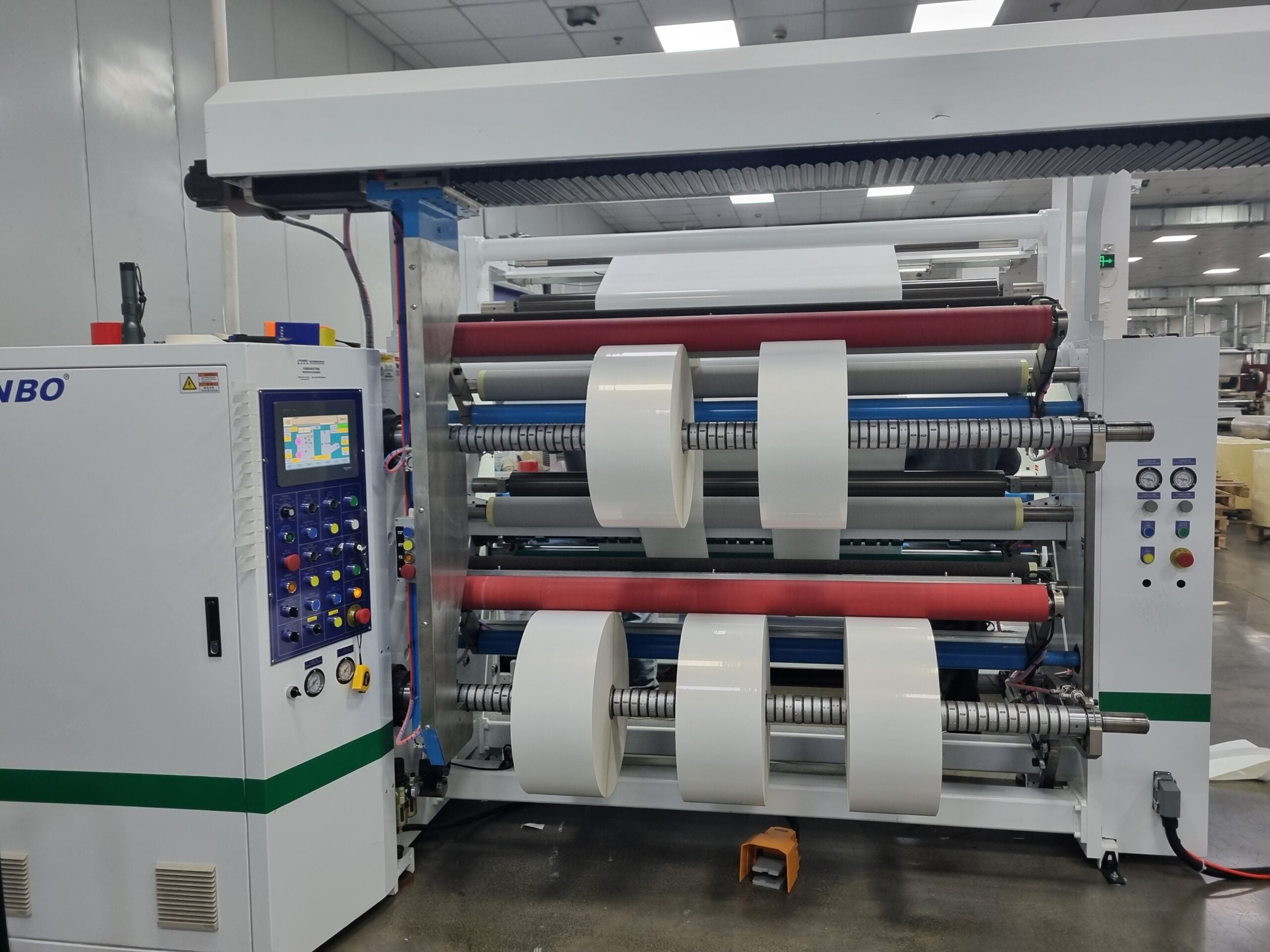
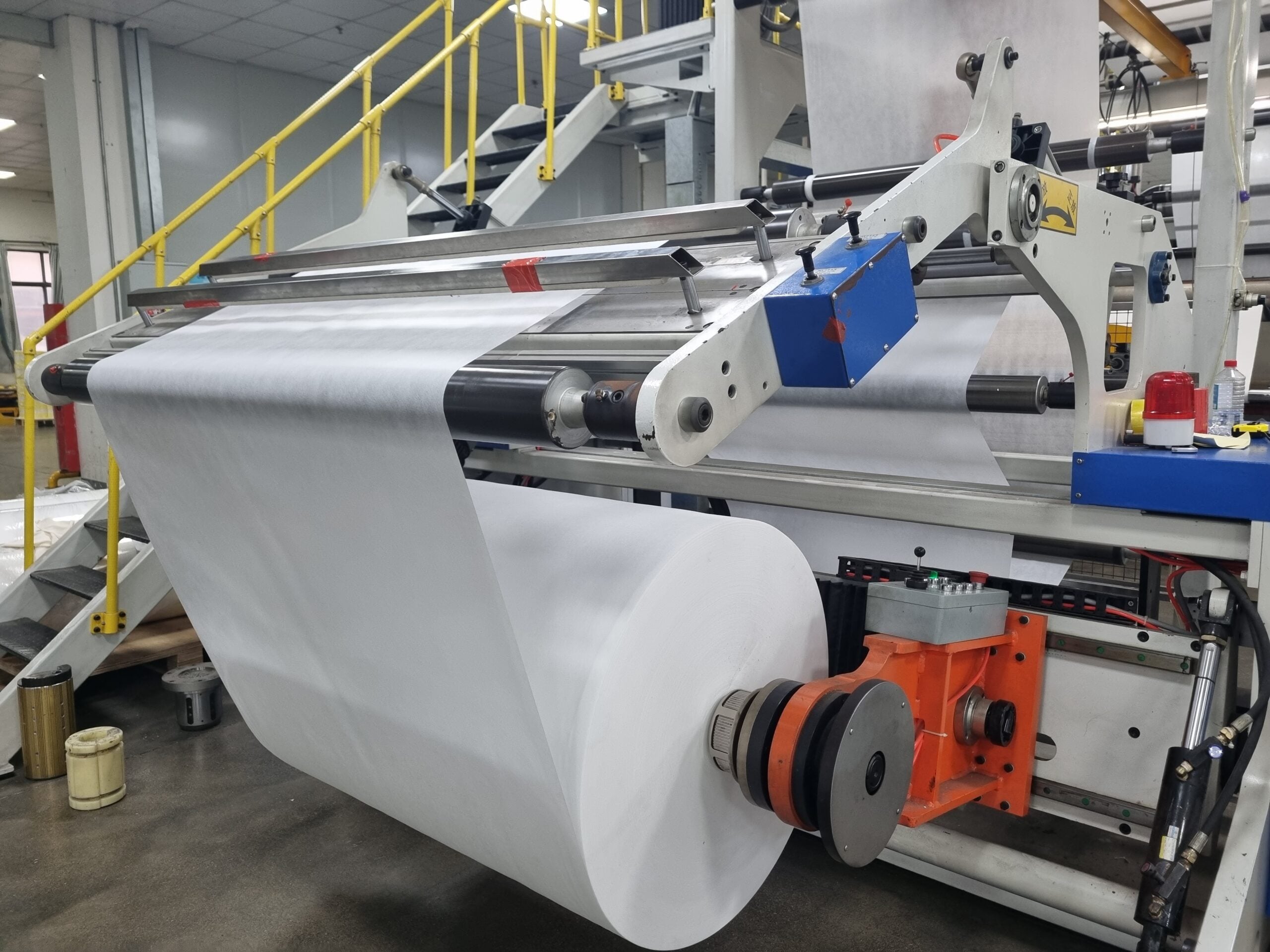
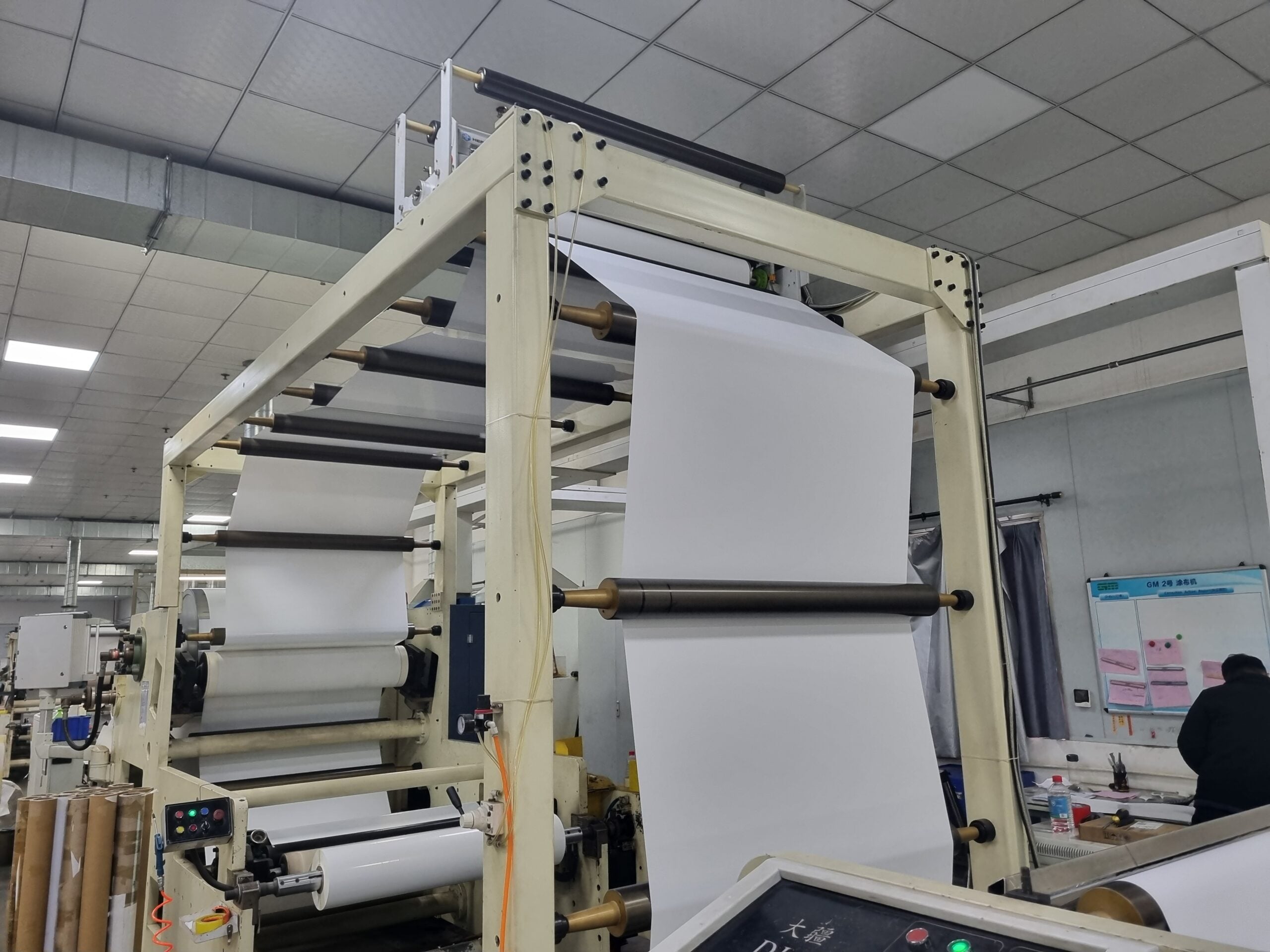
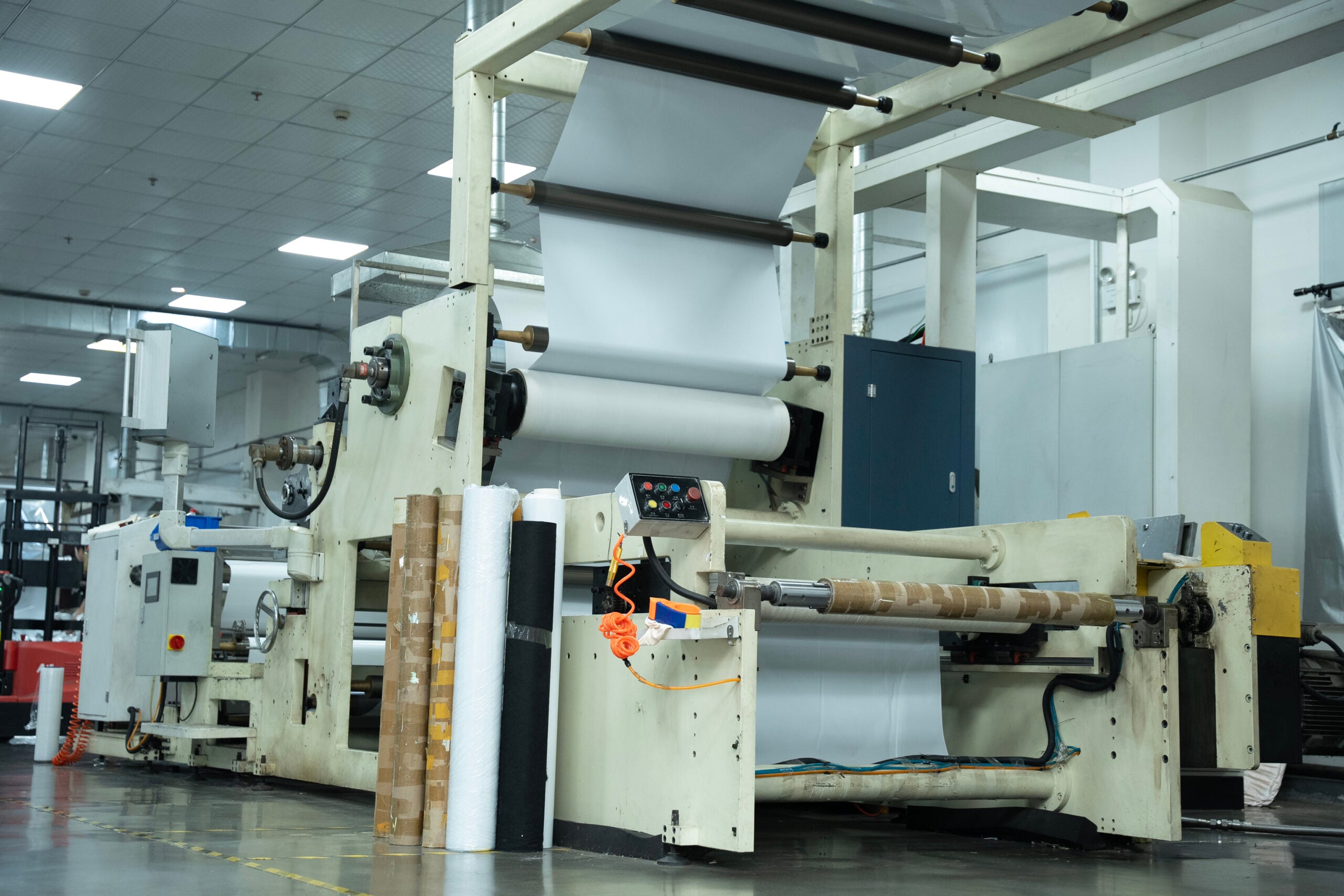
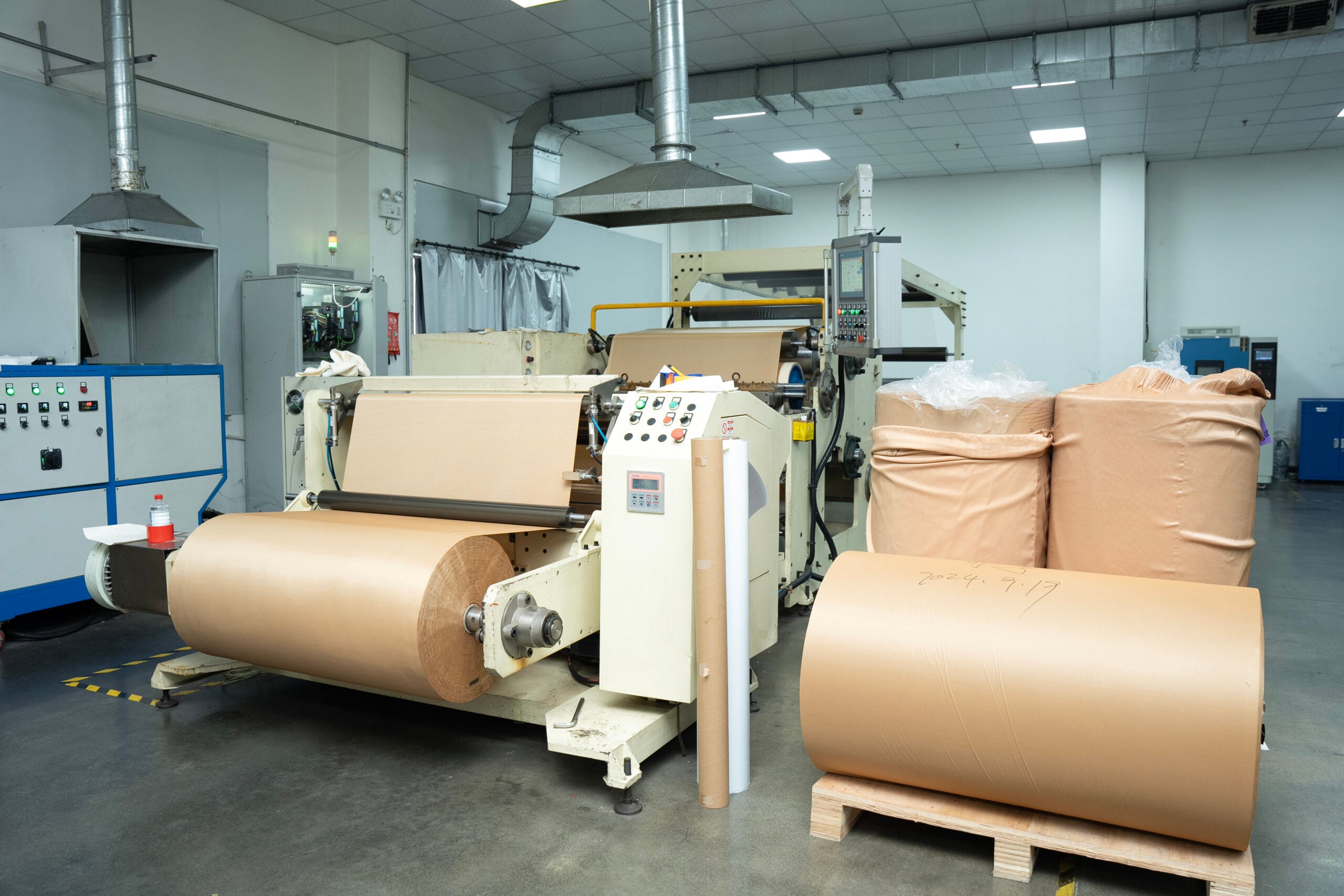
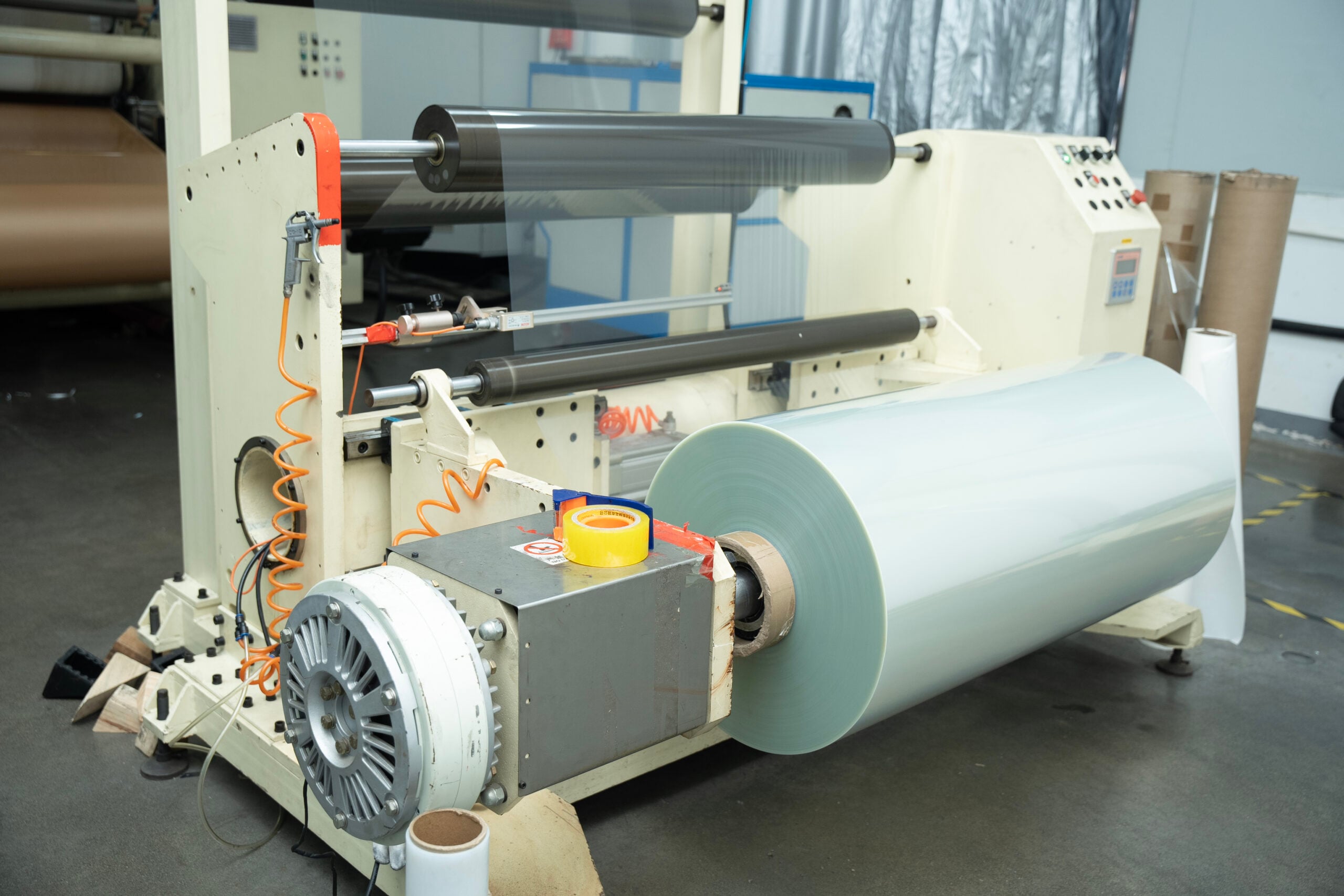

Pharmazeutische Beschaffungsteams bewerten Lieferanten von Etikettenmaterial anhand von vier Betriebsvektoren: Mindestbestellmenge, Standardvorlaufzeit, Qualifizierungsstichprobenrichtlinie und Änderungskontrolle SOP. Die veröffentlichte Branchenbasislinie ist bei den ersten beiden undurchsichtig und beim vierten still, weshalb Undurchsichtigkeit selbst das Beschaffungssignal ist: Ein Lieferant, der Vorlaufzeit-, MOQ- und Änderungskontrollverpflichtungen veröffentlicht, hat die Qualifikationsfragen, die andernfalls den Beschaffungszyklus verlängern würden, bereits vorab geklärt. Guanma arbeitet nach einem veröffentlichten Beschaffungsrahmen, der unten strukturiert ist.
MOQ- und Lead-Time-Framework
Guanmas Material MOQ in pharmazeutischer Qualität ist um die Unterscheidung zwischen Qualifikationsphase und Produktionsstufe herum strukturiert. Qualifikationsproben werden auf der Ebene der 100-m-Rolle kostenlos für eine definierte Anzahl von Facestock-and-Adhesive-Kombinationen pro Programm gegen einen unterzeichneten Qualifikationsumfang geliefert. Das Produktions-MOQ wird pro SKU basierend auf dem Facestock-Gewicht und der Klebstoffklasse festgelegt und im Spec-Sheet-Stadium transparent kommuniziert. Die Vorlaufzeit für Standard-SKUs nach Südostasien, Südamerika und Europa wird mit der regionalen Pflanzenherkunft (Thailand oder Vietnam) verglichen und im Vorfeld der Bestellung, nicht auf Anfrage, kommuniziert.
Musterrichtlinie für die Neuspannende-Qualifikation
Diese Qualifizierungsstichprobenrichtlinie ist so strukturiert, dass Kosten als Hindernis für Vergleichstests beseitigt werden. Pharmazeutische Füllstoffe, auf denen formale Qualifizierungsprotokolle ausgeführt werden, erhalten Musterrollen, die ausreichen, um ihre Standard- und beschleunigten Aging-Tests durchzuführen. pro Fac-and-adhesive-Kombination, mit mehreren Kombinationen pro Umfang und ohne Gebühr. Im Handel bittet Guanma um eine Kopie der Zusammenfassung des Qualifizierungsprotokolls im Voraus, damit Format und Lauflänge der Beispielrolle mit den Anforderungen des Protokolls übereinstimmen.
Stufenweise Änderungskontrolle SOP
Das glaubwürdigste Element der Beschaffungshaltung eines Lieferanten von pharmazeutischem Material ist seine Änderungskontrolle SOP. Die Grundlage für die Branchenführung ist explizit auf der Kadenz: “Neunzig Tage für materielle Änderungen, dreißig Tage für Prozessänderungen stellen eine gemeinsame Grundlage dar.”” Guanma betreibt eine abgestufte SOP-Benachrichtigung mit Änderungsbenachrichtigung, die so strukturiert ist, dass sie dieser Basislinie entspricht und Ausnahmen sauber behandelt:
90 Tage
Vorabbenachrichtigung bei jeder Änderung der Obermaterialchemie, der Klebstoffformulierung, der Grundierung oder der Deckschicht. Die Benachrichtigung umfasst die Änderungsbeschreibung, die Äquivalenzbegründung und den vorgeschlagenen Neuqualifikationsumfang.
Prozessänderungskadenz nach 30 Tagen
Vorabbenachrichtigung für die Übertragung der Beschichtungslinie, Lieferantenwechsel für einen nicht funktionsfähigen Hilfseingang oder erneute Validierung der Leitungsrate, die sich auf die Variabilität von Charge zu Charge auswirken kann.
72 Stunden
Notfall-Sicherheitsmeldung nur für Probleme verwendet, die eine Sicherheit oder Compliance-Bedenken auftauchen, die sofortiges Herstellerhandeln erfordern Nicht die Standardkadenz für routinemäßige Änderungen.
Das Dokumentationspaket enthält ein Guanma-Audit
Guanmas Dossier in pharmazeutischer Qualität pro SKU spiegelt das Vier-Säulen-Governance-Modell wider, das prüferfahrene Beschaffungsteams erwarten: Rechenschaftspflicht (die QA-Kontakt- und Genehmigungskette), Beweise (CoA, CoC, extrahierbare Daten, REACH- und TSE/BSE-Erklärungen, Aufbewahrungsprobenrichtlinie), Kadenz (Überprüfungshäufigkeit für jedes Artefakt) und Änderungskontrolle (der oben genannte formelle Mechanismus). Dieses Paket wird in einer einzigen gebundenen Lieferbarkeit bereitgestellt, sodass Audits von Pharmaherstellern keine Ad-hoc-Beweiserhebung während des Auditfensters erfordern selbst.
Was Sie vor Ihrer Zusage bei einem Lieferanten von pharmazeutischem Etikettenmaterial fragen sollten
Drei Fragen tauchen an den meisten Beschaffungslücken auf. Erstens: “Was ändert sich in Ihrer Standardvorankündigungsfrist?”“Was bedeutet Klebstoff für Klebstoff unter 60 Tagen, was der Lieferant vorgibt, dass Sie sich die Formulierungsfreiheit nicht leisten können. Zweitens: ”Stellen Sie Proben pro Los zur Verfügung, und wie lange?“ ”Hier sagt Stille, dass Sie Mittelprüfung vorhersagen – Schmerzen beim Sammeln. Drittens: „Ist Ihr CoA an ein bestimmtes Los gebunden oder an einen veröffentlichten speziellen Bereich?“” „Die nur lotgebundene CoA gibt Ihnen die Rückverfolgbarkeit, die die 211.122 Inspektion tatsächlich erfordert.
Geschwisterprodukte, wenn Sie sich stattdessen für eine langlebige, chemikalienbeständige oder CCK-Release-Auskleidung entscheiden
Das oben beschriebene pharmazeutische Etikettenmaterial ist für die FDA 21 CFR Part 211 Compliance, USP Verpackungstauglichkeit, und ISO 10993 Biokompatibilität konstruiert Der Markenkatalog von Guanma enthält außerdem drei Geschwisteretiketten-Materiallinien für benachbarte Anwendungen Wählen Sie die Linie, die mit dem dominanten Stressor in Ihrer Anwendung übereinstimmt.
Langlebige Etikettenmaterialien
Wählen Sie die dauerhafte Linie, wenn der dominierende Stressor UV-Strahlung im Freien, Wetterwechsel, Abrieb oder die Identifizierung von Industrieanlagen ist, und nicht die Einhaltung der Vorschriften durch Arzneimittel. Außenbeschilderung, Anlagenetiketten, Gefrierschrankspeicher, Fahrzeugunterhaube und Solarausrüstung sind typische Anwendungen für langlebige Leitungen.
Chemikalienbeständige Etikettenmaterialien
Wählen Sie die chemikalienbeständige Linie, wenn der dominierende Stressor Lösungsmittel, Öl, Kraftstoff oder aggressive Reinigungschemie ist und nicht regulatorische Rahmenbedingungen. Industrielle Trommeletiketten, Schmiermittelbehälter und Chemikalienverpackungen sind typische Anwendungen für chemikalienbeständige Linien.
CCK-Trennpapier
Wählen Sie die CCK-Trennpapierlinie (clay-coated kraft), wenn Sie Trennpapier separat für Ihren Betrieb als Etikettenverarbeiter beschaffen, statt den vollständigen Etikettenmaterialaufbau. CCK-Trennpapier ist der Träger unter der Haftklebstoffschicht und wird ISO-zertifiziert für Etikettenverarbeiter geliefert, die ihre eigene Beschichtungs- oder Laminierlinie betreiben.
Interaktive Engineering- und Compliance-Tools
Beschleunigen Sie Ihren Qualifizierungszyklus mit den proprietären Online-Dienstprogrammen von Guanma. Diese Tools sind darauf ausgelegt, die Lücke zwischen technischer Materialwissenschaft und der Zuordnung regulatorischer Konformität für pharmazeutische Verpackungen zu schließen.
Entscheidungsmatrixselektor für pharmazeutisches Etikettenmaterial
Filtern und wählen Sie die optimalen Kombinationen aus Gesichtsstoff und Klebstoff basierend auf Ihrem spezifischen Anwendungsradius, Terminalsterilisationsmodus und Temperaturbeschränkungen für die Kühlkette. Erzeugt einen datengestützten Ausgangspunkt für die Linienqualifizierung.
Startauswahl →
Generator für die Checkliste für die Materialkonformität von Pharma
Konfigurieren Sie Ihre Zielmärkte (FDA, EMA, ANVISA) und Verpackungstypen, um eine benutzerdefinierte, prüfungsbereite Checkliste für Compliance-Dossiers zu erstellen. Ordnen Sie die Anforderungen direkt den USP-, ISO 10993- und 21 CFR-Vorschriften zu.
Checkliste generieren →
Häufig gestellte Fragen
Wie wähle ich das richtige pharmazeutische Etikettenmaterial für Fläschchen, Spritzen oder Ampullen aus?
Beginnen Sie mit der Einschränkung des kleinen Radius und der Anpassungsfähigkeit. Fläschchen, Ampullen und Fertigspritzen haben Radien, die klein genug sind, dass sich das Papierfass kantenheben oder auf der Anwendungslinie knittern lässt. Biaxial orientiertes PET verarbeitet diese Radien zuverlässig und paart sich mit hochtackigem Acryl-Permanentklebstoff für Ampullen und Spritzen sowie mit Acryl auf Wasserbasis für Fläschchenetiketten bei Raumtemperatur. Eine entscheidende Frage zweiter Ordnung ist die Chemie des Primärbehälters aus plastischem PVC, Polyolefin, Polyolefin oder Glas (Daausgang, ob Sie ein Acrylsystem mit niedriger Migration benötigen Guanma’s Decision Matrix über dem vollständigen Satz von Empfehlungen pro Sterilisation und Refulation; die spezifischen Empfehlungen pro Anwendung.
Stellen Sie Muster für die Qualifikationsprüfung zur Verfügung?
Ja, 100 m freie Probe Rollen pro Gesichtsstoff-Klebstoff-Kombination, gegen einen signierten Qualifikationsumfang Guanma fragt nach der Zusammenfassung des Qualifikationsprotokolls im Voraus, also Musterformat, was Ihr Protokoll erfordert.
Wie verwaltet Guanma die Kontrolle des Materialwechsels für pharmazeutische Anwendungen?
Guanma betreibt eine abgestufte Änderungskontroll-SOP: 90 Tage im Voraus Benachrichtigung für jede Änderung der Oberflächenchemie, Klebstoffformulierung, Grundierung oder Deckschicht; 30 Tage für Prozessänderungen, die sich auf die Variabilität von Charge zu Charge auswirken können; und 72 Stunden nur für Notfall-Sicherheitsbenachrichtigungen. Sowohl die 90-Tage- als auch die 30-Tage-Kadenz entsprechen der veröffentlichten Basislinie der Branchenführung. Jede Benachrichtigung enthält die Änderungsbeschreibung, die Äquivalenzbegründung und den Neuqualifikationsumfang, den die Änderung erfordert, damit der eigene Änderungskontrollprozess des Herstellers ohne Verzögerung bei der Beweiserhebung sauber abheben kann.
Können Sie manipulationssicheres oder gefälschtes Etikettenmaterial für OTC-Medikamente liefern?
Ja. Die OTC-Anforderung an Manipulationssicherheit nach 21 CFR § 211.132 wird mit brüchigen oder Hohlraummuster-Haftklebstoffsystemen erfüllt, die so ausgelegt sind, dass sie beim Öffnen des Siegels einen dauerhaften Abdruck auf dem Untergrund hinterlassen. Das Sortiment manipulationssicherer SKUs von Guanma basiert überwiegend auf PET-Obermaterial mit brüchigem / Hohlraummuster-Haftklebstoff. Fälschungsschutz-Overlays — verdeckter UV-Taggant, holografischer Streifen — sind als Zusatzoptionen auf derselben Obermaterial-und-Haftklebstoff-Basis verfügbar; geben Sie das Gefährdungsprofil im Spec-sheet workflow an, und das Anwendungstechnikteam empfiehlt die Overlay-Schicht.
Wie hoch ist die Mindestbestellmenge und die Standardvorlaufzeit für Bestellungen von pharmazeutischem Etikettenmaterial?
Produktions-MOQ wird pro SKU strukturiert und transparent kommuniziert auf der spec-sheet-Stufe basierend auf Faceestock Gewicht und Klasse Qualifizierungsmuster in der Regel 100 m Faceestock-and-adhesive Kombination kostenlos gegen eine unterzeichnete Qualifikation Umfang Standardproduktion Lead Time in Südostasien, Südamerika, und Europa wird gegen die regionale Pflanzenherkunft (Th oder Vietnam) verglichen und kommuniziert vor der Auftragserteilung und nicht auf Anfrage Genaue Zahlen für Ihr Programm sind im Spec-Sheet; fordern Sie ein Angebot an, um sie zu erhalten.
Welche Dokumentation liegt jeder Materialpartie in pharmazeutischer Qualität bei?
Jedes Los wird mit einem Dossier geliefert, das auf dem Vier-Säulen-Governance-Modell basiert, das prüferfahrene Beschaffungsteams von einem Lieferanten von pharmazeutischem Material erwarten. Das Paket enthält: ein Analysezertifikat (CoA), das an das spezifische Los gebunden ist, und nicht einen veröffentlichten Spezifikationsbereich, ein Konformitätszertifikat (CoC), extrahierbare Daten, die an USP / Methodik angepasst sind, damit die Daten sauber in Ihr eigenes Systembewertung rollen, eine REACH-SVHC-Erklärung mit der aktuellen Kandidatenliste (253 Stoffe, Stand der E-Pack-/BSE1-Rückhaltbarkeit, eine gebundene-Rückmeldung für die per Päckchen-Rückhaltes-Rohstoff-Rohstoff-Rohstoff-Rohe-Rohstoff-Rohltat-Rohltat-Rohe-Rich-Rich-Rich-Rich-Rich-Rich-Rich-Rich-Rich-Rich-Rich-Rich-Rich-Rich-Rich-Rich-Rich.
Sind Guanma-Materialien mit der Kühlkette und der kryogenen Lagerung kompatibel?
Qualifizierte Artikelnachweise für die Kühlkette. Das kalte pharmazeutische Etikettenmaterial von Guanma ist auf PET-Obermaterial mit kaltbewertetem Heißschmelzkautschukklebstoff aufgebaut und für die Lesbarkeit durch Kaltkettenzyklen bis hinunter zu 80 °C validiert. Kryogene SKUs sind ein separater Qualifikationsbereich; Die veröffentlichten Kaltketten-SKUs decken die meisten pharmazeutischen Kühlkettenversandbereiche ab. PP-Synthetikpapier ist für einige Kühlkettenanwendungen akzeptabel, jedoch nicht für alle, und beschichtetes Papier wird nicht für die Verwendung in Kühlketten empfohlen. Unsere obige Entscheidungsmatrix markiert die durchgängigen Kombinationen aus Anwendungs- und Lagerhaltung.
Im Trend