Nehmen Sie Kontakt mit Guanma auf

★★★★★
Guanma herausnehmbare Klebemateriallösungen
Abnehmbare Etiketten
Abnehmbare Etiketten und Reinholz-Etikettenvorrat für individuelle Anwendungen
Abnehmbare Etiketten von Guanma sind B2B-Etikettenmaterial: PET-Folie, synthetisches BOPP-Papier oder beschichtetes Papier-Obermaterial, kombiniert mit abnehmbarem Klebstoff und Glas oder CCK-Trennfolie zum Konvertieren von Linien.
- Gebaut für Konverter und Verpackungsteams
- Kundenspezifische Kombinationen aus Obermaterial, Haftklebstoff und Trägermaterial.
- Regionale Versorgungsunterstützung aus Thailand und Vietnam.
- Probenprüfung vor der Massenproduktion.
B2B Verifiziert
Clean-Peel Tech
Benutzerdefinierte Spezifikationen
Fragen Sie nach einer Klebeempfehlung

Abnehmbare Etikettenanwendung auf Verbraucherverpackungen
3
Gesichterfamilien
60-140g/m²
Liner-sortiment
1530mm
Max Standardbreite
-10°C bis +60°C
Klebeabhängiger Bereich
Saubere Peel-Etiketten, die bis zur Entfernung angebracht bleiben
Ein abnehmbares Klebeetikett funktioniert, wenn diese drei Faktoren im Gleichgewicht sind: anfängliche Klebrigkeit zur Aufnahme der Handhabung, kontrollierte Schale zur Ermöglichung der Entfernung und Oberflächenschutz beim Entfernen.
01
Anfangsnähe
Der Klebstoff muss schnell genug greifen, um ihn zu verpacken, zu füllen, im Einzelhandel zu handhaben oder vorübergehend zu identifizieren.
02
Ziel für saubere Schalen
Das Abtragsverhalten ist nach der zu erwartenden Verweilzeit auf dem realen Substrat zu prüfen.
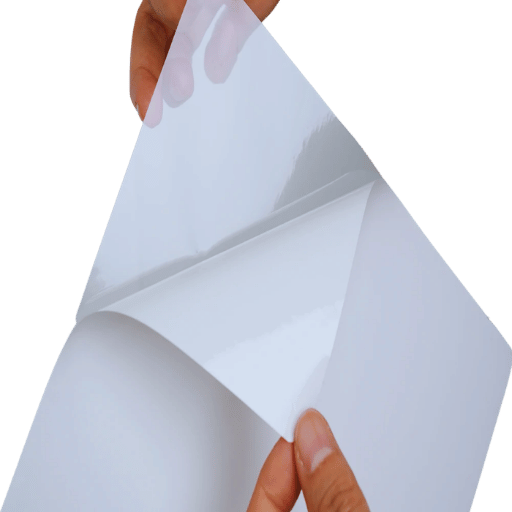
03
Oberflächensicherheit
Glas-, beschichtete Pappe-, PP-, PE-, PET- und Metalloberflächen verändern alle die Klebstoffwahl.
Notiz des Anwendungsingenieurs
Die saubere Entfernung ist ein Leistungsziel, keine Garantie. Zwei Etiketten, die sich sauber aus Glas entfernen, können sich bei Niedrigenergie-PP, strukturiertem Kunststoff oder beschichtetem Karton unterschiedlich verhalten, nachdem sie Hitze, Feuchtigkeit oder längerer Verweilzeit ausgesetzt wurden.
Guanma Abnehmbare Etiketten Stock Konstruktionen
Guanma produziert abnehmbares Etikettenmaterial aus Kombinationen von Obermaterial, Haftklebstoff und Trägermaterial, statt Käufer auf vorab abgestimmte Lagerartikel festzulegen. Ihr Team kann die Druckoberfläche, das Schälverhalten, die Abwicklung des Trägermaterials, das kundenspezifische Längsschneiden und die Rollenbreite auf die endgültige Verpackung abstimmen.
Konstruktion
Best-Fit abnehmbares Etikett Verwendung
Guanma-Spezifikationsbasis
Käuferhinweis
Beschichtetes Papier + abnehmbarer Klebstoff
Einzelhandelsaktionen, temporäre Verpackungen, Preisschilder, trockene Waren für den Innenbereich
80 / 105 / 128 / 157 / 200 / 250 g Papier; Flexo, Offset, UV
Wählen Sie, wann Druckfinish und Papierkosten wichtiger sind als Feuchtigkeitsbelastung.
BOPP Synthetikpapier + abnehmbarer Klebstoff
Feuchttuchdeckel, Nachfüllbehälter, Körperpflegeverpackung, feuchtigkeitsbelichtete Etiketten
54 / 75 / 100 µm; UV, Flexo, Bildschirm, TTR, digitaler Tintenstrahl
Einsatz dort, wo Reißfestigkeit, Feuchtigkeitseinwirkung und Passform mit gekrümmter Oberfläche wichtig sind.
PET-Folie + abnehmbarer Haftklebstoff
Dauerhafte temporäre Kennzeichnung, Premium-Behälter, höher stabiler Etikettenbestand
25 / 36 / 50 µm; transparent, weiß, mattes Silber, glänzendes Silber, aluminisiert
Verwendung dort, wo Dimensionsstabilität, chemische Einwirkung oder Premium-Folienfinish eine Rolle spielen.
Haftklebstoff auf die Oberfläche abstimmen
Das Haftklebstoffverhalten hängt von der Oberflächenbenetzung, der Klebrigkeit, der Schälfestigkeit, der Scherfestigkeit, der Verweilzeit und der Umgebung ab. Aus diesem Grund ist es erforderlich, dass das permanente/abnehmbare Etikettenmaterial vor einem Produktionslauf auf der tatsächlichen Packungsoberfläche getestet wird.
Senden Sie Ihre Oberfläche, Verweilzeit und Ihr Entfernungsziel.
Fragen Sie nach einer Beratung zur Substratkompatibilität
Oberfläche oder Paket
Empfohlener Ausgangspunkt
Risiko zu testen
Musterprüfschwerpunkt
Glasgläser und – flaschen
Gestrichenes Papier oder klare Folie mit abnehmbarem Haftklebstoff
Kondensation und lange Verweildauer
Entfernung nach Kühllagerung und Rückgewinnung bei Raumtemperatur
PP / PE Nasswischdeckel
BOPP-Synthetikpapier mit abgestimmtem abnehmbarem Haftklebstoff
Niedrige Oberflächenenergie und wiederholtes Handling
Kantenlifting, saubere Schale und Wiederversiegelung fühlen sich an
PET-Behälter
PET- oder BOPP-Obermaterial mit abnehmbarem Haftklebstoff
Kennzeichnungssteifigkeit auf gekrümmten Oberflächen
Ausflaggen nach 24-Stunden- und 72-Stunden-Aufenthalt
Beschichtete Kartons
Gestrichenes Papier mit abnehmbarem Haftklebstoff
Faserriss oder Beschichtungsschaden
Schälwinkel und Etikettengröße vs. Kartonbeschichtung
“
Arbeiten an herausnehmbaren Anwendungen, nicht von der Schälkraft allein ausgehend Angefangen von der Oberfläche des Käufers: Verweilzeit, der Handhabungsweg, und die Frage, wie das Paket nach dem Entfernen aussehen muss.Leitender Anwendungsingenieur, Guanma Engineering Team
Abnehmbare vs. permanent haftende vs. repositionierbare Etiketten
Die Unvollkommenheit aufgrund einer falschen Klebstoffwahl führt zu zwei umgekehrten Problemen: Etikett löst sich zu früh auf oder Etikett ruiniert die Verpackung beim Abnehmen. Es sollte rückwärts betrachtet werden: ein Ausgangspunkt mit Blick auf den Zeitpunkt der Entfernung, keine Gruppe von Klebstofftypen, die es zu berücksichtigen gilt.
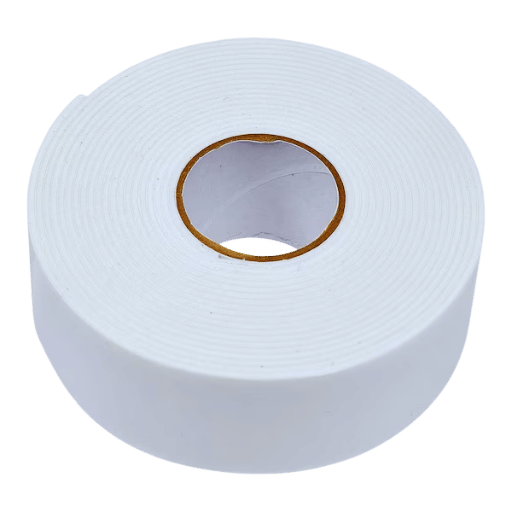
Dauerkleber
Erwartetes Bindungsverhalten
Bond baut für lange Lebensdauer; Entfernung ist nicht das Designziel.
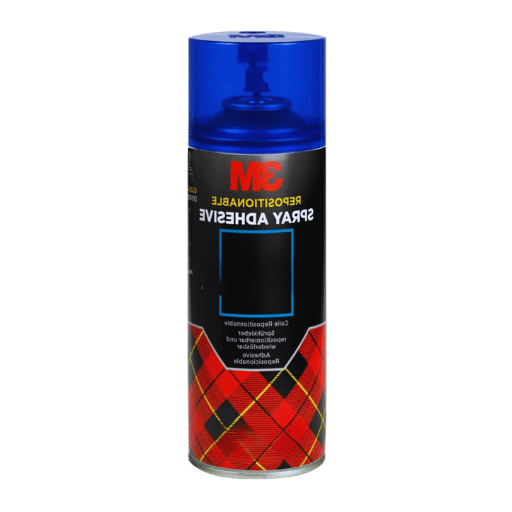
Abnehmbarer Klebstoff
Erwartetes Bindungsverhalten
Hält während der normalen Handhabung und zielt dann nach einer definierten Verweilzeit auf sauberes Peeling ab.
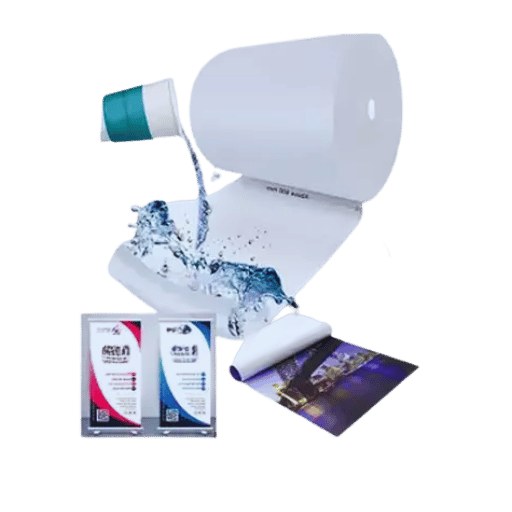
Repositionierbarer Klebstoff
Erwartetes Bindungsverhalten
Ermöglicht eine Platzierungskorrektur während der Anwendung, bevor sich die endgültige Bindung entwickelt.
Bronze: Test vor der Vergrößerung
Leistungssicherungskarte
Guanma bietet keinen unbestätigten ROI-Prozentsatz für abnehmbare Etikettenmaterialien. Die praktischen Kostenkontrollpunkte sind die Probenvalidierung vor der kommerziellen Produktion, einschließlich Oberflächenanpassung, Klebeverweildauer, Druckmethode, Linerfreigabe, Rollenbreite und Verpackungsstabilität.
Auswahl an Druck-, Druck- und Freigabelinien
Die Wahl des Trennpapiers beeinflusst, wie sich abnehmbares Etikettenmaterial stanzen, entgittern, aufwickeln und ausgeben lässt. Wilson Manufacturing berichtet, dass Dicke und Typ des Trägermaterials sowie die Prägetiefe das Stanzverhalten haftklebender Materialien beeinflussen können.
Laufende Drehmatrizen oder Hochgeschwindigkeitsausgabe?
Eine Liner-Empfehlung anfordern
Liner-option
Verfügbare Guanma-Gewichte
Wo es passt
Prüfpunkt für Etikettenverarbeiter
Glasurabziehfolie
60 / 80 / 100 g/m2
Roll-zu-Roll-Umbau, automatische Abgabe, allgemeine Etikettenproduktion.
Bestätigen Sie Trennkraft, Stanzdruck, Stabilität des Trägermaterials und das Abziehen des Stanzgitters.
CCK-Trennpapier
80 / 100 / 120 / 140 g/m2
Schwerere Gesichtsbedeckungen, flachheitsempfindliche Arbeiten, Bleche oder dicke Klebstoffaufbauten.
Bestätigen Sie Materialdicke, Planlage und Schnitttiefe vor der Produktionswerkzeugauslegung.
Benutzerdefinierte Liner
Auf Anfrage
Spezielle Ausgabebedingungen, Folien-Trägermaterial oder kundenspezifische Weiterverarbeitungsbedingungen.
Senden Sie Ihre Ausrüstung, Ihren Kern, Ihre Abwickelrichtung und Ihre Etikettengröße.

Papierweg
Beschichtete Papierkonstruktionen unterstützen Flexodruck, Offsetdruck und UV-Druck für temporäre Einzelhandels- und Verpackungsetiketten.
BOPP-Pfad
Synthetisches Papier unterstützt mit der richtigen Beschichtung UV-, Flexo-, Sieb-, Thermotransferdruck und digitalen Inkjetdruck.

PET-Pfad
PET-Folie unterstützt langlebige abnehmbare Klebefolien, wenn die Formstabilität wichtiger ist.
Probentest-Workflow vor Massenproduktion
Die Leistung eines abnehmbaren Haftklebstoffs sollte über einen kontrollierten Musterweg freigegeben werden. Ziel ist nicht nur, dass sich das Etikett abziehen lässt, sondern dass die Entfernung nach Lagerung, Handhabung und der vorgesehenen Anwendungsdauer vorhersehbar bleibt.
01
Schritt 1 Nutzungsbedingungen teilen
- Verpackungsmaterial und Oberflächenbeschaffenheit.
- Etikettengröße, Form und Verweilzeit.
- Temperatur-, Feuchtigkeits-, Öl- oder Handhabungseinwirkung.
02
Schritt 2 Materialaufbau auswählen
- Wählen Sie beschichtetes Papier, synthetisches BOPP-Papier oder PET-Folie.
- Passen Sie abnehmbaren Klebstoff und Liner an.
- Bestätigen Sie die Rollenbreite und die Druckmethode.
03
Schritt 3 Testumwandlung
- Musterrollen bedrucken, stanzen, Stanzgitter abziehen und aufwickeln.
- Überprüfen Sie das Verhalten der Trennfolie an Ihrer Ausrüstung.
- Kantenablösung, Rollneigung oder Haftklebstoffübertragung dokumentieren.
04
Schritt 4 Scale-up genehmigen
- Obermaterial, Haftklebstoff, Trägermaterial, Breite und Verpackung festlegen.
- Bestätigen Sie die Spezifikation der Wiederholungsreihenfolge.
- Wechseln Sie zum Angebot und zum Produktionsplan.
Reduzieren Sie das Risiko im falschen Material vor dem ersten vollständigen Auftrag.
Herausnehmbares Klebeproben-Kit anfordern
Zertifizierungen, regionale Versorgung und Qualitätskontrolle
Guanma integriert Beschichtung, Laminierung, FuE und Vertrieb für selbstklebende Etikettenbestände. Die Exportunterstützung umfasst Südostasien, Südamerika und Europa, wobei Einrichtungen in Thailand und Vietnam die regionale Versorgung und stabile Vorlaufzeiten unterstützen.
Benötigen Sie Dokumente für die Lieferantengenehmigung?
Compliance-Dateien anfordern
ISO 9001
Qualitätsmanagement Zertifikat vorhanden.
RoHS
EU RoHS Richtlinie Prüfbericht verfügbar.
FSC
Papierkettendokumentation für relevante Builds verfügbar.
10+ Jahre
Erfahrung in Produktion und Qualitätskontrolle.
Fabriksteuerung
Beschichtungs-, Laminierungs- und Schlitzparameter können in einer Spezifikation wiederholter Reihenfolge festgelegt werden.
FuE-Unterstützung
Für hohe/niedrige Temperatur-, Öl-, Wetter- oder Haltbarkeitsanforderungen ist eine maßgeschneiderte Entwicklung abnehmbarer Klebstoffe erhältlich.
Exportverpackung
Die Verpackungs- und Versandbedingungen für Rollen werden rund um den Käuferstandort, die Kerngröße und den Handhabungsweg bestätigt.
Technische Tools zur Validierung abnehmbarer Etiketten
Greifen Sie auf unsere Suite interaktiver Rechner und Auswahltools zu. Bestimmen Sie den genauen erforderlichen Aufbau aus Obermaterial, Haftklebstoffformulierung und Trägermaterial, bevor Sie in kommerzielle Produktionsläufe übergehen.
Systeme Online
Substratkompatibilitätsprüfung
Analysieren Sie das Verhalten von abnehmbaren Klebstoffen über verschiedene Oberflächen, einschließlich Glas, PP/PE, PET und beschichtete Kartons Vorhersage der Schälreinheit basierend auf den Belichtungsbedingungen und der Verweilzeit.
Etiketten-Stock-Construction-Selektor
Erstellen und vergleichen Sie kundenspezifische Materialkombinationen. Stimmen Sie die Spezifikationen für Guanma-Obermaterial, speziellen abnehmbaren Haftklebstoff und Trennpapier auf Ihren genauen Weiterverarbeitungs- und Druckweg ab.
Entscheidung: abnehmbar vs. permanent haftend
Bewerten Sie die Ziele des Produktlebenszyklus, um eine solide Klebstoffbasislinie zu erstellen Navigieren Sie durch die kritischen Kreuzungspunkte zwischen permanenten, entfernbaren und repositionierbaren Klebeanforderungen.
Fragen des Käufers zu Clean-Peel-Etikettenbeständen
Diese Antworten konzentrieren sich auf den Kauf und Test von herausnehmbarem Etikettenmaterial, nicht auf fertige Büroetiketten Teilen Sie Ihre Oberfläche, Druckmethode und Ihr Entfernungsziel, wenn Sie eine direkte Empfehlung benötigen.
Datenbankdatensatz // 07 Einträge
Glatte, energiereiche Oberflächen wie Glas, PET und glattes Metall sorgen für das vorhersehbarste Clean-Peel-Verhalten. Niedrigenergie-Kunststoffe (PP/PE), strukturierte Oberflächen oder stark beschichtete Kartons erfordern maßgeschneiderte Klebstoffformulierungen, um ein vorzeitiges Anheben der Kanten oder Beschichtungsschäden beim Entfernen zu verhindern.
Nein. Repositionierbare Etiketten werden mit einer verlängerten “open time” formuliert, die während der ersten Anwendung eine Korrektur der Position ermöglicht, bevor sich eine permanent haftende Verbindung bildet. Abnehmbare Etiketten sind darauf ausgelegt, während des gesamten Produktlebenszyklus sicher zu haften, sich aber nach einer definierten Verweilzeit rückstandsfrei abziehen zu lassen.
Absolut. Guanma integriert herausnehmbare Klebesysteme über unser gesamtes Facestock-Sortiment Wir bieten beschichtetes Papier für Standardanwendungen im Einzelhandel, BOPP-Synthetikpapier für Feuchtigkeits-/Rissbeständigkeit und PET-Folie für hohe Haltbarkeit und formstabile Anforderungen.
Die saubere Entfernung ist ein strenges Leistungsziel, aber externe Variablen sind wichtig. Extreme Hitze, längere Verweilzeit, Feuchtigkeit oder UV-Exposition können den Klebstofffluss erhöhen und Rückstände riskieren. Wir schreiben vor, die spezifische Konstruktion des abnehmbaren Etiketts auf Ihrem tatsächlichen Substrat zu testen, um unter realen Bedingungen keine Rückstände zu gewährleisten.
Glassine Liner (60-100 g/m²) ist aufgrund seiner hervorragenden Druckschlageigenschaften der Industriestandard für die Hochgeschwindigkeits-Roll-to-Roll-Umwandlung und automatische Abgabe. CCK Liner (80-140 g/m²) wird für schwerere Vorrichtungen, Blechanwendungen oder immer dann empfohlen, wenn maximale Maßstabilität beim Flachlegen erforderlich ist.
Ja. Unsere abnehmbaren Etikettenkonstruktionen verfügen über optimierte Deckbeschichtungen. Beschichtetes Papier und synthetische Folien (BOPP/PET) sind so konstruiert, dass sie Flexodruck-, Offset-, UV-, Sieb-, Thermotransferband- (TTR) und digitale Tintenstrahldruckwege unterstützen.
Sie können ein gezieltes Musterkit anfordern, indem Sie Ihr Verpackungsmaterial (z.B. Glas, PP, Karton), die erwartete Verweilzeit, die Druckmethode und die Details der Umrüstung der Ausrüstung teilen Unser Engineering-Team wird die ideale Kombination aus Obermaterial, Klebstoff und Liner für Ihren Probelauf anpassen.
Im Trend