Liên hệ với Guanma
Chứng nhận ISO
Giải pháp ghi nhãn theo ứng dụng
Giải pháp vật liệu nhãn nhạy cảm với áp suất cho mọi ngành công nghiệp
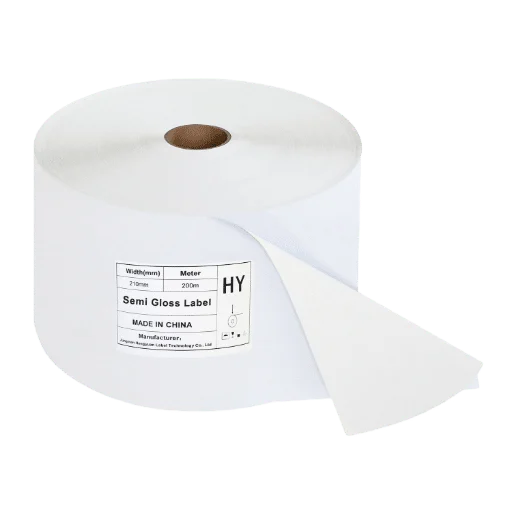
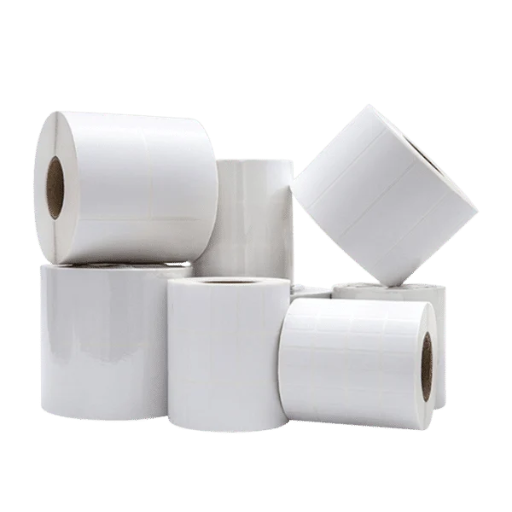
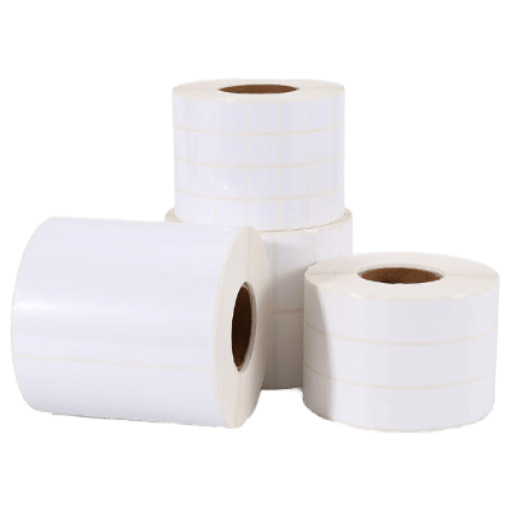
Nhãn nhạy áp lực bắt đầu từ sự phù hợp đúng của vật liệu: facestock bằng PET, giấy tổng hợp PP hoặc giấy phủ, kết hợp với keo nóng chảy, gốc nước hoặc acrylic, trên lớp đế chống dính phù hợp với máy in của bạn. Guanma thiết kế các tổ hợp vật liệu nhãn tự dính cho ứng dụng nhãn lốp xe, dược phẩm, hóa chất, tủ đông, thực phẩm, rượu vang và nhãn bền – được sản xuất tại cơ sở của chúng tôi ở Thái Lan và Việt Nam để cung ứng nhanh trong khu vực trên khắp Đông Nam Á, Nam Mỹ và châu Âu.
Tóm tắt giải pháp — Vật liệu nhãn tự dính cho các nhà gia công
Facestocks
PET /giấy tổng hợp PP /giấy tráng /đặc sảnChất kết dính
Nóng chảy /gốc nước /acrylic /cấp đông lạnhTùy chọn lót
Glassine / PET / PE /phủ siliconTùy chỉnh
Kết hợp miễn phí của facestock × dính × lót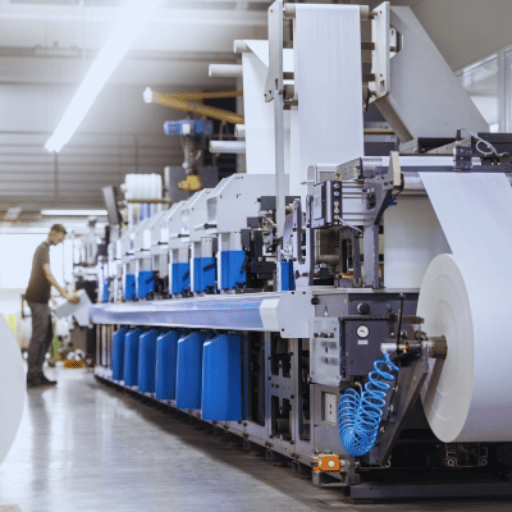
Phạm vi dịch vụ
−40°C đến +150°C(acrylic cao cấp)
Sản xuất
Thái Lan & Việt Namnhà máy kép
Thị trường được phục vụ
SE Châu Á · Nam Mỹ· Châu Âu
Theo dõi ghi
Lớp phủ 10+ năm &kinh nghiệm cán màng
Chất kết dính -Facestock -Liner không khớp khiến khách hàng phải trả chi phí chuyển đổi
Chi phí thực sự của sự không phù hợp về môi trường
Một đơn vị gia công nhãn báo giá cho một thương hiệu đồ uống toàn cầu về 800.000 nhãn rượu vang. Sản xuất bắt đầu. Ba tuần sau, hơi ngưng tụ trong tủ trưng bày làm lạnh của khách hàng làm bong mép nhãn và thương hiệu hủy đơn hàng. Phân tích sau sự cố chỉ ra một nguyên nhân: lớp mặt nhãn giấy kết hợp với keo dán gốc nước được chỉ định cho ứng dụng trên kệ khô, nhưng lại dùng trên chai thủy tinh trong môi trường xô đá.
Mô hình này lặp đi lặp lại trên toàn ngành công nghiệp chuyển đổi nhãn. lãng phí vật liệu, vấn đề lao động và thời gian chết máy là nơi chuyển đổi nhãn mất lợi nhuận nhiều nhất, theo phân tích hoạt động ngành công nghiệp. nguyên nhân gốc rễ hiếm khi là báo chí – nó là một sự không phù hợp giữa ba lớp của một nhãn nhạy cảm áp lực và môi trường ứng dụng.
Điểm trách nhiệm duy nhất
Guanma cung cấp các tổ hợp lớp mặt nhãn-keo dán-lớp đế phù hợp với môi trường thực tế của khách hàng, không chỉ với điều kiện lý tưởng trong danh mục. Chúng tôi tráng phủ, cán và xẻ cuộn ba lớp nội bộ tại các cơ sở Thailand và Vietnam, nghĩa là có một đầu mối chịu trách nhiệm duy nhất về liên kết mà khách hàng đơn vị gia công nhãn của Quý khách sẽ thấy khi sử dụng thực tế. Sự kiểm soát đó được xác minh bằng 10+ năm thử nghiệm tính nhất quán theo lô dựa trên các tiêu chuẩn bóc tách và độ bền chịu cắt FINAT FTM và ASTM. Các giải pháp nhãn tự dính chất lượng cao của chúng tôi đáp ứng yêu cầu ghi nhãn sản phẩm và thiết kế nhãn trong toàn bộ hoạt động của đơn vị gia công nhãn, với chuyên môn kỹ thuật ứng dụng được tích hợp trong mọi quy cách lớp mặt nhãn-keo dán.
Cấu trúc ba lớp
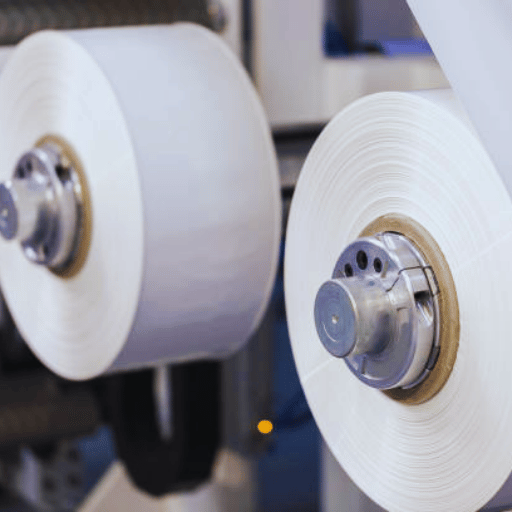
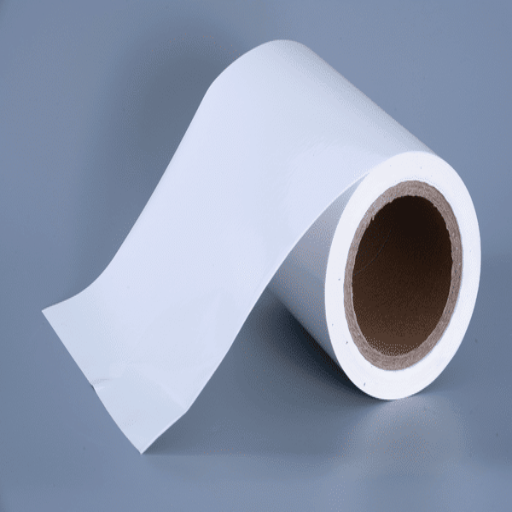
Nhãn nhạy áp là một thành phần bao bì tự dính liên kết với vật liệu nền khi có áp lực tác dụng mà không cần kích hoạt bằng nước, nhiệt hoặc dung môi. Mỗi nhãn là một cấu trúc ba lớp: a facestock có thể in (giấy hoặc phim), a lớp dính (hóa học liên kết) và a lớp đế chống dính (lớp nền bảo vệ). Mỗi lớp phải được chọn cho chất nền, môi trường và tốc độ dây chuyền sản xuất – và lỗi ở bất kỳ lớp nào sẽ dẫn đến khiếu nại của khách hàng.
Vật liệu nhãn nhạy áp lực Guanma — Tổ hợp Facestock × chất kết dính × lớp đế
Hầu hết các danh mục vật liệu nhãn ẩn logic kết hợp đằng sau các trang sản phẩm riêng biệt. người mua kết thúc gửi email bán hàng kỹ thuật cho mọi trận đấu spec. ma trận quyết định của chúng tôi đặt các cặp phổ biến nhất trong một chế độ xem, vì vậy kỹ sư R & D của bạn có thể liệt kê các kết hợp vật liệu trước khi yêu cầu mẫu. cho dù bạn đang xây dựng một nhãn tùy chỉnh chạy cho một thương hiệu tiêu dùng hoặc mực đủ điều kiện và tái tạo đồ họa cho một máy ép kỹ thuật số mới, ma trận đặt các cặp phổ biến nhất trong một chế độ xem. ma trận của chúng tôi dưới đây bản đồ ba facestocks chính của Guanma chống lại ba hóa chất kết dính chính, với mục đích sử dụng cuối cùng điển hình mà ghép nối hỗ tr.
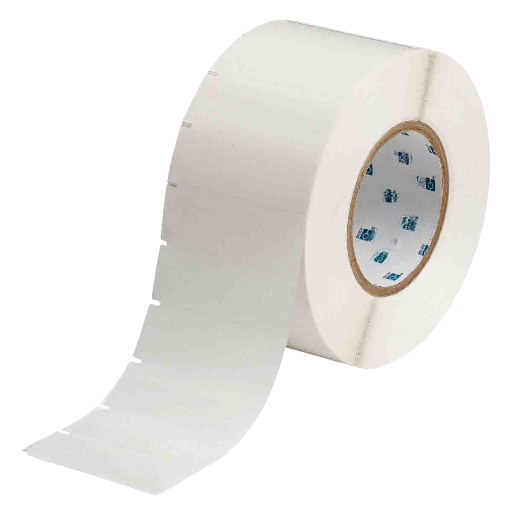
PET (Polyethylene Terephthalate)
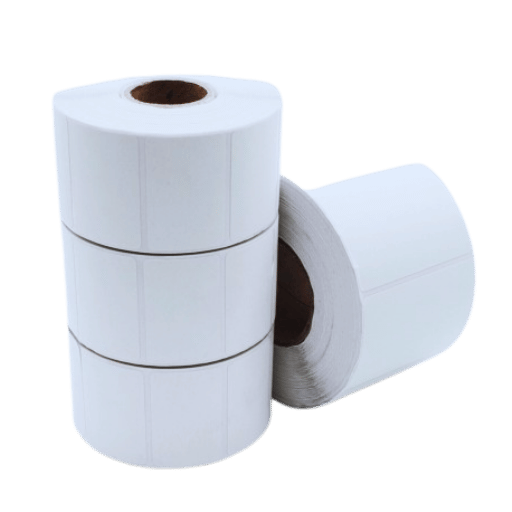
PP (Giấy tổng hợp Polypropylene)
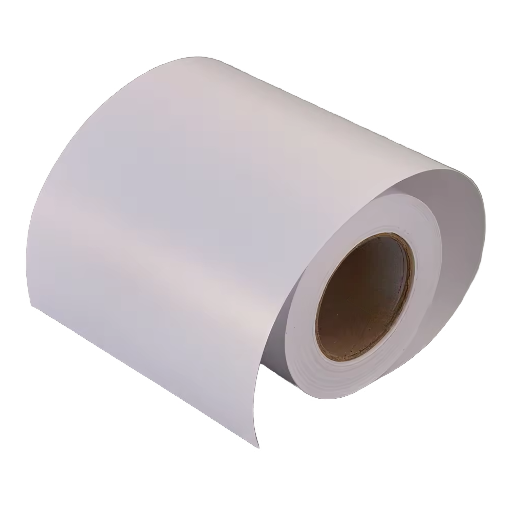
Giấy tráng (Bán/Gloss/Matte)
Thông số hiệu suất theo ứng dụng INT 9 ngành được ánh xạ tới sự kết hợp vật liệu
Ma trận lựa chọn cấu thành: kỹ sư ứng dụng sẽ tham khảo hướng dẫn người dùng này khi phản hồi bản tóm tắt ứng dụng của đơn vị gia công nhãn. Ma trận đối chiếu chín nhóm ngành mà Guanma cung cấp, với lớp mặt nhãn, cấp keo dán được đánh số, loại lớp đế, Chỉ số hiệu suất chính (KPI) của thiết kế và quy trình in mà cấu trúc được thiết kế để hoạt động.
Ứng dụng -Ma trận lựa chọn Spec
(Dữ liệu tham khảo Guanma, được xác thực theo phương pháp thử nghiệm FINAT FTM và ASTM)
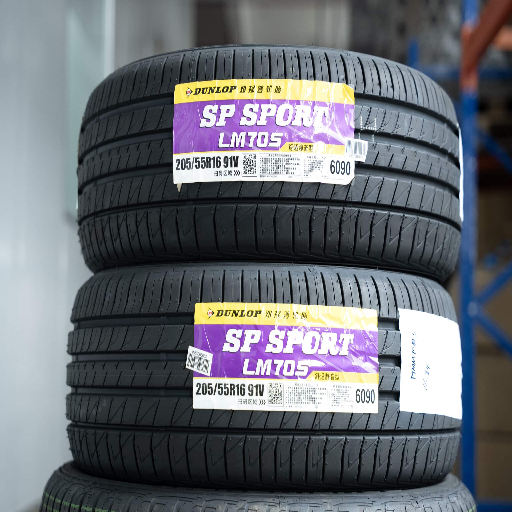

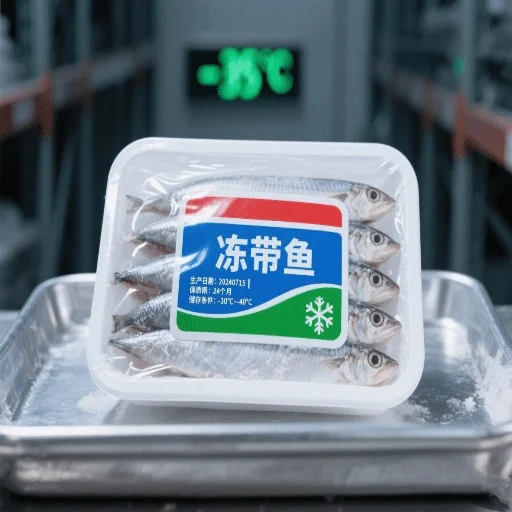

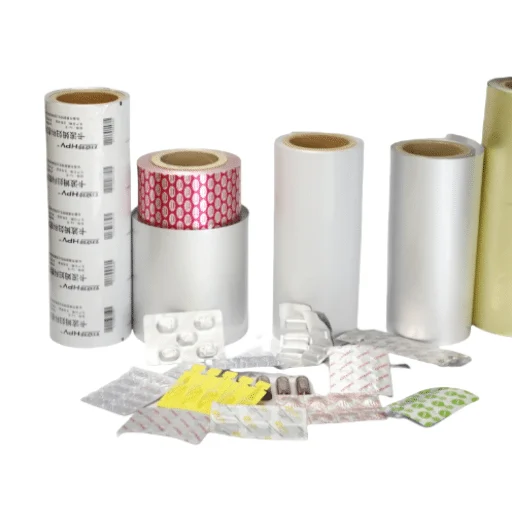
Kỹ thuật Lưu ý: Mỗi KPI hiệu suất được liệt kê là điểm khởi đầu cho thử nghiệm đánh giá trên máy ép của Quý khách; hiệu suất thực tế có thể yêu cầu phạm vi thông số chặt chẽ hơn, dựa trên vật liệu nền, ứng dụng và hồ sơ vận chuyển/lưu kho của khách hàng. Kỹ sư ứng dụng có thể cung cấp cấu trúc 3 lớp tùy chỉnh ngoài ma trận này nếu đơn vị gia công nhãn cần cấu trúc định hướng theo ứng dụng. Ma trận chỉ là cây quyết định, không phải danh mục in.
Nhận báo giá ngay lập tứcGuanma vs Nhập khẩu Nhãn Stock V r Chì Thời gian, MOQ & Tùy chỉnh So sánh
Các thương hiệu vật liệu nhãn châu Âu và Mỹ đã xây dựng uy tín kỹ thuật lớn qua nhiều thập kỷ. Đổi lại, các nhà gia công nhãn tại South East Asia, South America và vùng rìa phía đông của Europe phải trả giá bằng khoảng cách chuỗi cung ứng, lượng MOQ phù hợp với các nhà gia công nhãn phương Tây sản lượng lớn và quy trình tùy chỉnh coi trọng tính linh hoạt của tổ hợp lớp mặt nhãn-keo dán hơn các SKU danh mục. Hãy dùng bảng so sánh dưới đây với một tài liệu tham chiếu trong ngành để xem các cấp lựa chọn gia nhập của Guanma có ưu thế ở đâu.
So sánh trực tiếp: Guanma so với nhập khẩu từ Châu Âu/Mỹ so với các nhà cung cấp Châu Á khác
| Yếu tố quyết định | Guanma (khu vực châu Á) | Châu Âu /Mỹ nhập khẩu | Các nhà cung cấp châu Á khác |
|---|---|---|---|
| Địa điểm sản xuất | Thái Lan & Việt Nam dual-factory | EU /Mỹ, vận tải đường biển đến SEA/SAM | Trung Quốc dựa trên, nhà máy duy nhất điển hình |
| Thời gian giao hàng đến các thị trường SEA / SAM / EU | Kho khu vực, vận chuyển ngắn | Vận chuyển xuyên đại dương nhiều tuần cộng với hải quan | Ngắn hơn EU/Mỹ, nhưng rủi ro một nhà máy |
| Tính linh hoạt của MOQ cho các kết hợp tùy chỉnh | Kết hợp miễn phí của facestock × dính × lót | Được xây dựng cho SKU danh mục khối lượng lớn; phí bảo hiểm MOQ tùy chỉnh | Biến; nhiều vẫn được điều khiển theo danh mục |
| R & D cho các ứng dụng đặc biệt | Đặc sản nội bộ (nhiệt độ cao/thấp, dầu/mỡ, thời tiết) | R & D mạnh mẽ, quay vòng tùy chỉnh dài hơn | R & D trong nhà hạn chế điển hình |
| Phương pháp thử nghiệm chất kết dính | FINAT FTM 1, 2, 8, 9 + Thử nghiệm hàng loạt ASTM D3330 /D3654 | FINAT / ASTM (tiêu chuẩn công nghiệp) | Biến; chất lượng bảng thông số kỹ thuật khác nhau |
| Kênh | Từ nhà sản xuất trực tiếp đến đơn vị gia công nhãn (không có phần chênh giá của nhà phân phối) | Nhà phân phối hoặc văn phòng bán hàng khu vực | Trực tiếp hoặc thương nhân/đại lý |
| Nhận diện thương hiệu | Xây dựng (danh tiếng khu vực trong SEA/SAM/EU) | Thành lập thương hiệu toàn cầu | Biến |
Nâng cao Giải pháp ghi nhãn theo ứng dụng
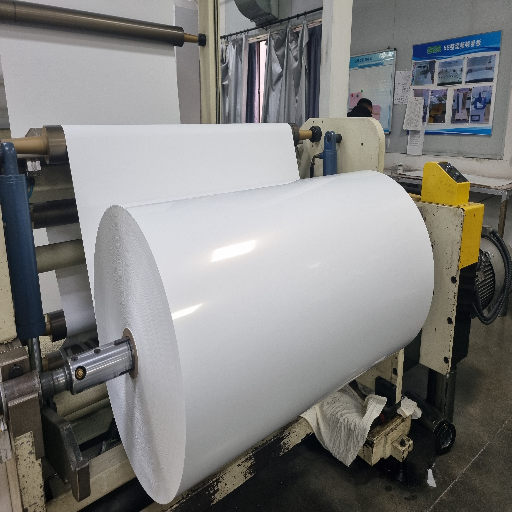
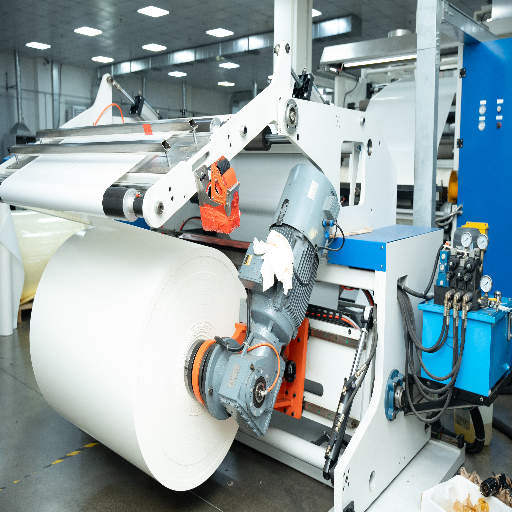
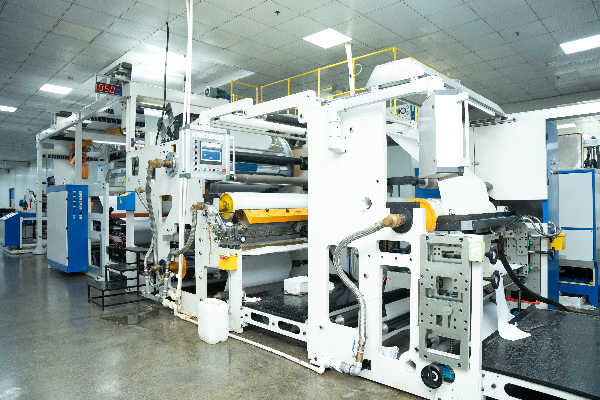
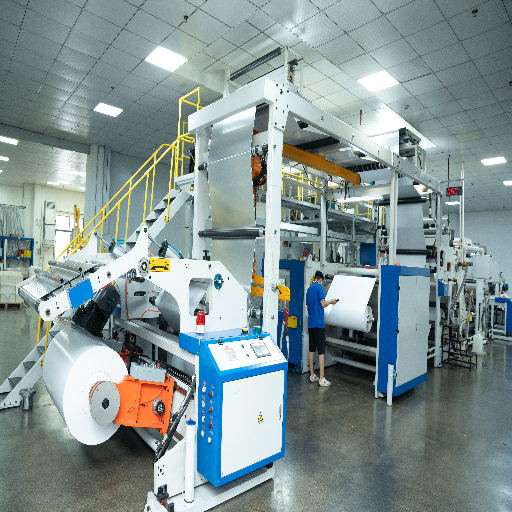
Dây chuyền phủ tốc độ cao

Trạm hoàn thiện bán bóng

Thiết bị rạch chính xác
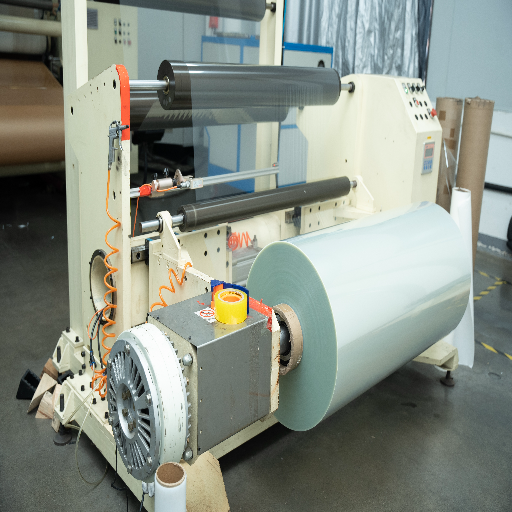
Phòng thí nghiệm kiểm soát chất lượng
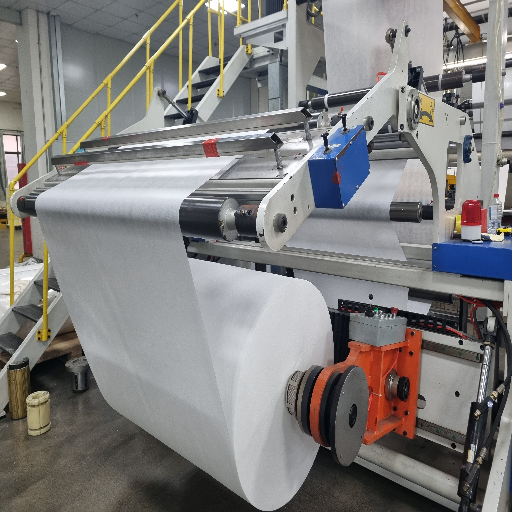
Hệ thống bao bì tự động
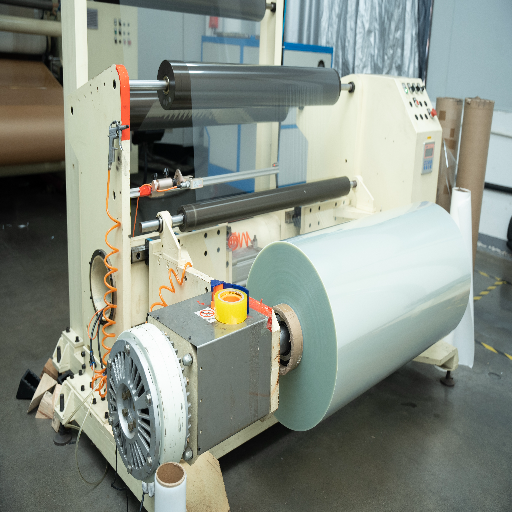
Khu vực công thức chất kết dính
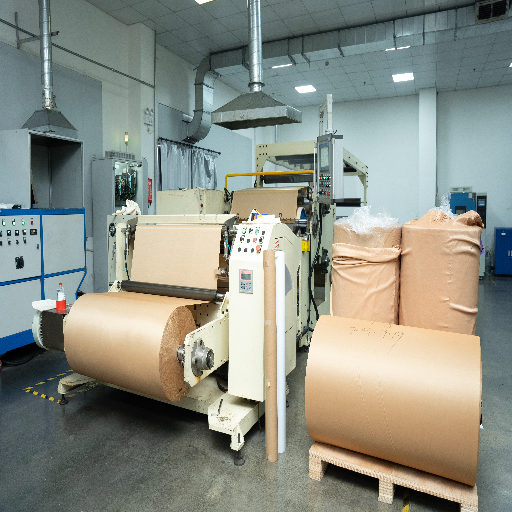
Lưu trữ cuộn Jumbo
Hậu cần & Phân phối Toàn cầu
Hơn 10 năm phủ và cán màng 0 Kết quả trên toàn ngành khách hàng
Hạ tầng sản xuất của Guanma tập trung vào tính đồng nhất theo lô trong mười năm cung cấp cho các nhà gia công nhãn với vai trò đối tác sản xuất của cả các tập đoàn toàn cầu và chuyên gia khu vực tại thị trường Trung Á và Đông Âu. Hai địa điểm nhà máy của chúng tôi tại Thailand và Vietnam được lựa chọn cẩn thận nhằm nhấn mạnh: dự phòng (không khách hàng nào phải mất sản lượng do một địa điểm gặp sự cố) và sự gần gũi trong khu vực (kho bãi tại địa phương có thể giảm đáng kể phần thời gian giao hàng khi nhập khẩu vào, chẳng hạn, thị trường Austrian hoặc Turkish).
Điều này có ý nghĩa gì đối với khách hàng chuyển đổi: một công cụ chuyển đổi nhãn đồ uống ở Việt Nam cung cấp một thương hiệu khu vực có thể chạy giấy tráng với chất kết dính gốc nước để “no-label look” trong một lô sản phẩm duy nhất được gửi từ kho khu vực, ưu tiên cho một container xuyên đại dương.Một công cụ chuyển đổi nhãn dược phẩm ở Brazil cung cấp các gói chính có thể chỉ định PET facestock với chất kết dính acrylic tamperevident, và đủ điều kiện nó, không chậm trễ, cho các chu kỳ sản xuất kết hợp hải quan châu Âu.Một công cụ chuyển đổi nhãn hóa chất ở Đông Âu cung cấp nhãn trống tuân thủ GHS có thể chỉ định PET facestock với acrylic dung môi kháng hóa chất, và đủ điều kiện nó, trên báo chí của họ, trong một chu kỳ mẫu duy nhất.
“Không, sự lựa chọn khó khăn nhất mà một kỹ sư R & D chuyển đổi phải thực hiện là” không phải trong việc lựa chọn một facestock hoặc một chất kết dính trong sự cô lập, nhưng trong quyết định đi cho một ngăn xếp ba lớp sẽ được sản xuất trong 2 năm trên một hợp đồng khách hàng. bảng vật liệu của chúng tôi được xây dựng, để một kỹ sư có thể làm việc thông qua các khả năng trên báo chí của mình, mà không cần phải requalify toàn bộ rất nhiều từ đầu mỗi lần.Đó là những gì khả năng lớp phủ linh hoạt có nghĩa là trong thực tế.”
Kiểm soát chất lượng & Tuân thủ ạch Batch Consistency cho hiệu suất dính
Biến động hiệu năng keo là lý do được các nhóm R & D của nhà gia công nêu ra thường xuyên nhất khiến họ ngần ngại thay đổi nhà cung cấp vật liệu nhãn. Một facestock in tốt và lớp đế tách ở lực chính xác là cần thiết nhưng chưa đủ – nếu độ bền liên kết keo trôi giữa các lô, khách hàng của nhà gia công sẽ gặp lỗi nhãn ngoài thực địa và bộ phận R & D của nhà gia công sẽ chịu khoản bồi hoàn. Quy trình kiểm tra chất lượng của Guanma dựa trên các phương pháp thử FINAT và ASTM mà các thương hiệu châu Âu và Mỹ sử dụng, áp dụng cho từng lô phủ.
Phương pháp kiểm tra chất kết dính
FINAT FTM 1
(độ bám dính vỏ 180° ở tốc độ 300 mm/phút) định lượng tính lâu dài hoặc khả năng bóc vỏ của vật liệu nhạy cảm với áp suất tự dính.Thử nghiệm tiêu chuẩn cho phân loại vĩnh viễn và có thể tháo rời.
FINAT FTM 2
(độ bám dính của lớp vỏ 90° ở tốc độ 300 mm/phút) đo thử nghiệm độ bong tróc theo góc cụ thể để đo độ bám dính của lớp mỏng.
FINAT FTM 8
(độ bám dính cắt /công suất giữ) kiểm tra thời gian giữ bề mặt thẳng đứng dưới tải trọng có trọng số; xác minh sự ổn định lâu dài của trái phiếu.
FINAT FTM 9
(thanh nhanh /độ bám ban đầu) đo độ bám dính ngay lập tức sau lần tiếp xúc đầu tiên; dự đoán hiệu suất của dụng cụ bôi tốc độ cao.
PPCC Pin bám dính
để kiểm tra độ bám dính ngay lập tức sau lần tiếp xúc đầu tiên; dự đoán các thuộc tính ứng dụng tốc độ nhanh.
ASTM D3330
định nghĩa độ bám dính của vỏ tương đương (180) được sử dụng trong tham chiếu chéo của tờ thông số kỹ thuật cho người Mỹ.
ASTM D3654
Độ bám dính cắt tương đương cho dịch vụ nhiệt độ cao.
Bảo hiểm tuân thủ & quy định
FDA 21 CFR tiếp xúc thực phẩm
REACH (hóa chất EU)
RoHS
Độ ổn định màu sắc của chữ tượng hình GHS
DOT 49 CFR 574.5 (nhãn lốp)
thử nghiệm hàng loạt FINAT FTM
ASTM D3330/D3654
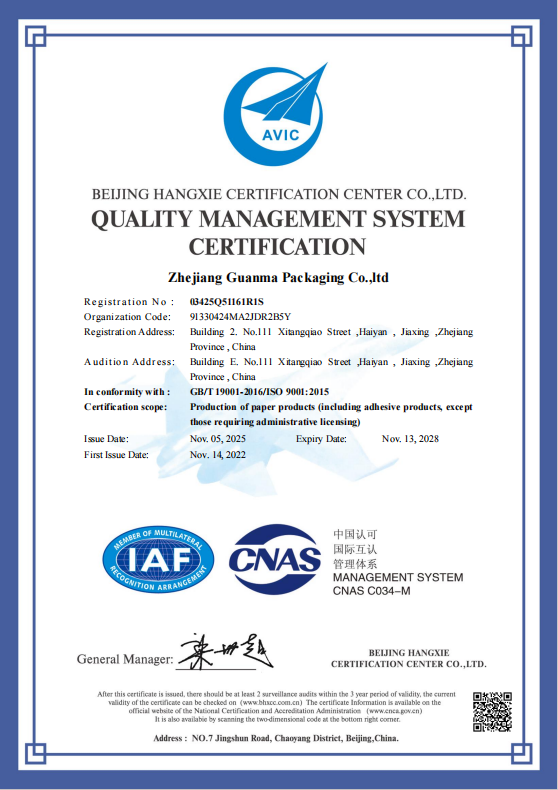
ISO 9001
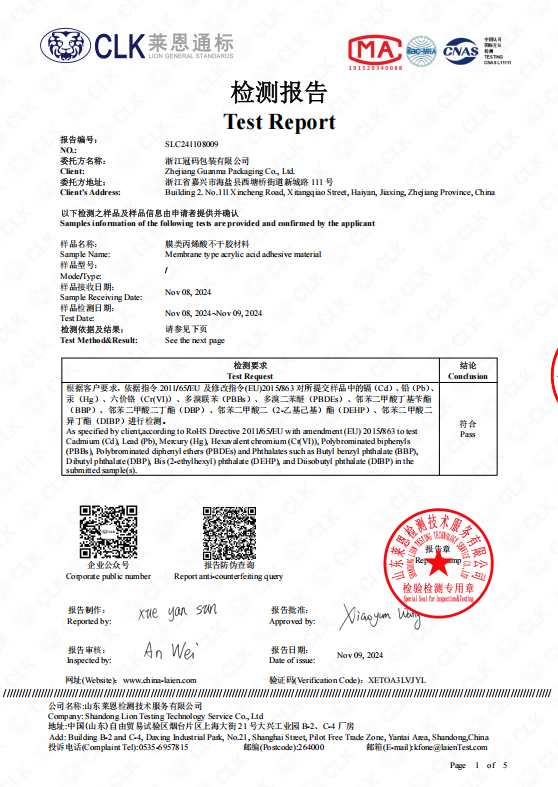
Báo cáo thử nghiệm RoHS
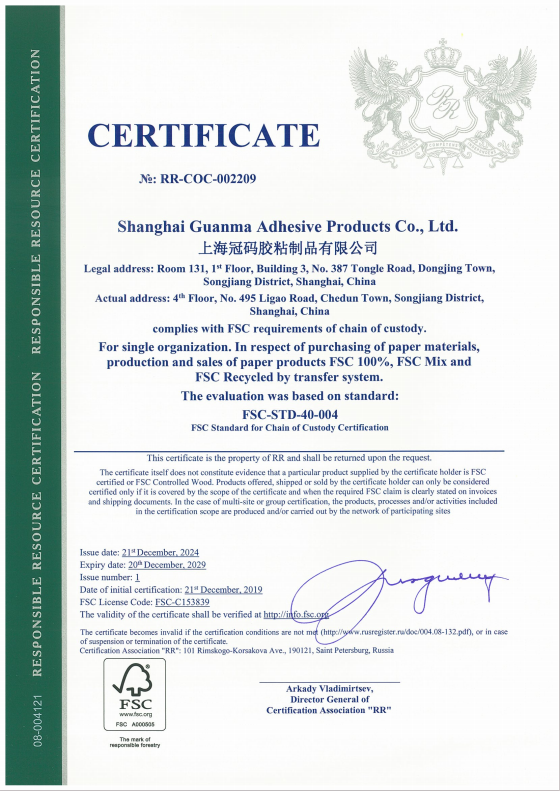
FSC COC
Mỗi cấp keo dán có một phạm vi thông số. Mỗi lô tráng phủ đều có thử nghiệm thông số theo phạm vi đó. Các lô ngoài phạm vi không rời khỏi nhà máy của chúng tôi; các lô trong phạm vi được xuất xưởng kèm tài liệu hồ sơ lô. Khi đơn vị gia công nhãn của Quý khách sẵn sàng mua số lượng lớn, kiểm toán viên chất lượng của họ cần có thể yêu cầu tài liệu cho hệ thống chất lượng riêng của mình.
Mang theo người hút thuốc: Bảng dữ liệu an toàn vật liệu, tuyên bố về sự phù hợp tiếp xúc với thực phẩm, sự phù hợp REACH, báo cáo thử nghiệm hàng loạt đi kèm với các đơn đặt hàng tiêu chuẩn. bất kỳ chỉ số dược phẩm hoặc thực phẩm tiếp xúc sẽ muốn xem một hồ sơ.
×
Hướng dẫn mua sắm đ U MOQ, Thời gian dẫn, Yêu cầu mẫu & Báo giá tùy chỉnh
Quyết định mua vật liệu nhãn phải cân bằng bốn khía cạnh chi phí tương tác với nhau: vốn lưu động giam trong tồn kho, chi phí vận chuyển và hải quan, phụ phí tùy chỉnh phía nhà cung cấp, và chi phí thiếu hàng khi yêu cầu của khách hàng đơn vị gia công đến nhanh hơn khả năng bổ sung nguyên liệu. Khung dưới đây cho thấy từng khía cạnh thay đổi theo chiến lược tìm nguồn như thế nào – không phải báo giá cố định mà là cây quyết định để đội mua hàng đối chiếu với khối lượng ứng dụng của riêng bạn.
Khung yếu tố giá cả (yêu cầu báo giá cho thông số kỹ thuật của bạn)
Lớp Facestock:
PET chỉ huy một phí bảo hiểm trên giấy tổng hợp PP, trong đó chỉ huy một phí bảo hiểm trên giấy tráng. facestocks đặc biệt (giấy kết cấu, lá kim loại, công trình nhiệt độ cao) mang phí bảo hiểm của riêng mình.
Hóa học kết dính:
nóng chảy là chi phí cơ bản. acrylic nhũ tương nước dựa trên mang một phí bảo hiểm vừa phải cho tính bền vững và thẩm mỹ. acrylic dung môi và tan chảy nóng cấp tủ đông mang phí bảo hiểm cho hiệu suất. keo silicone cho các ứng dụng y tế nhiệt độ cực cao là 3-5 chi phí cơ bản tiêu chuẩn.
Loại lót:
glassine là đường cơ sở chi phí. lót PET thêm cho tốc độ cao pha chế hoặc yêu cầu mỏng-gauge. lót PE thêm cho độ ẩm kháng.
Khối lượng đặt hàng:
các kết hợp danh mục tiêu chuẩn có MOQ thấp hơn; hoàn toàn tùy chỉnh ba lớp xây dựng mang yêu cầu chạy lớp phủ tối thiểu. kỹ sư ứng dụng của bạn sẽ xác nhận MOQ cho sự kết hợp cụ thể của bạn.
Phạm vi tùy chỉnh:
chiều rộng khe tiêu chuẩn và chiều dài cuộn chạy theo lịch trình đứng; kích thước lõi và rạch không chuẩn có thể làm tăng thêm phí thiết lập.
Thời gian giao hàng & Quy trình mẫu
Nguồn cung khu vực thông qua các nhà máy Thailand và Vietnam rút ngắn thời gian giao hàng đến Southeast Asia, South America và các thị trường phía đông của Europe so với tìm nguồn từ nhà cung cấp châu Âu hoặc Mỹ. Khoảng thời gian giao hàng cụ thể phụ thuộc vào cảng đến, trạng thái tồn kho sẵn có của cấu trúc và điều kiện cước vận chuyển – hãy yêu cầu báo giá với các thông số ứng dụng để có lịch trình chính xác.
Đối với các mối quan hệ chuyển đổi mới, chúng tôi khuyên bạn nên bắt đầu với một bộ mẫu gồm ba facestocks ghép nối với ba chất kết dính (chín kết hợp trên cuộn nhỏ) để kỹ sư R & D của bạn có thể chạy trình độ báo chí trước khi cam kết kết hợp tùy chỉnh. yêu cầu mẫu bao gồm các cặp facestock-dính chiếm ưu thế cho ứng dụng mục tiêu của bạn; công trình đặc biệt có thể được thêm vào theo yêu cầu.
Công cụ lựa chọn vật liệu tương tác
Trợ lý lựa chọn lớp mặt nhãn × keo dán
Chọn lớp mặt nhãn, cấp keo dán và ứng dụng mục tiêu. Chúng tôi sẽ đưa ra cấu trúc được đề xuất cùng các thông số hiệu suất chính.
Khởi chạy Wizard →Ứng dụng Kết hợp nhanh ine ngành với vật liệu được đề xuất
Chọn ngành công nghiệp sử dụng cuối cùng của bạn. chúng tôi sẽ hiển thị ngưỡng facestock, chất kết dính, lớp lót và hiệu suất chính được Guanma đề xuất cho ứng dụng đó.
Khởi chạy Matcher →Bộ kiểm tra tuân thủ nhãn
Chọn ngành sử dụng cuối cùng của bạn để xem các chứng nhận và tài liệu quy định thường được yêu cầu cho tài liệu nhãn trong ứng dụng đó. sử dụng điều này như một danh sách kiểm tra bắt đầu khi đủ điều kiện một nhà cung cấp.
Trình kiểm tra khởi chạy →Câu hỏi thường gặp 4 Câu hỏi về quyết định của người mua đã được trả lời
Tóm lại, đây là cùng một họ sản phẩm; việc chọn tên này hay tên kia tùy thuộc vào quy ước của ngành hoặc doanh nghiệp. “Nhạy áp” là phương thức liên kết (nhãn liên kết trên máy ép khi có áp lực tác dụng, không cần nước hoặc nhiệt). “Tự dính” dùng khi muốn nhấn mạnh đặc tính đối với người dùng cuối (không cần thêm keo dán). Trong các OEM của ngành, một số ít sử dụng danh mục kết hợp của Avery Dennison, Wausau Coated, Beontag và Guanma
“Cấu trúc” theo một nghĩa nào đó. Khối cơ bản gồm facestock + chất kết dính + lớp đế chống dính! Các tổ hợp khác nhau phụ thuộc vào lựa chọn GF2, GF4 và lớp đế của chúng tôi.
Nếu bạn dự định sử dụng chất kết dính để đóng băng (-18 C đến -40 C), Acrylic nóng chảy hoặc toàn nhiệt độ cấp đông lạnh được chỉ định.Đối với các ứng dụng nóng (+40 C và +150 C) như khoang động cơ và thành lốp, chất kết dính acrylic dung môi được chỉ định.Đối với môi trường ẩm ướt như xô đá, máy làm lạnh và chai nước giải khát, màng acrylic nhũ tương gốc nước hoặc nóng chảy với màng PE được chỉ định. Đối với điều kiện môi trường xung quanh, cấu trúc mặc định acrylic nhũ tương hiệu ứng chi phí được chỉ định.
Đối với các ứng dụng tủ đông (−18 đến −40 °C), chỉ định acrylic nóng chảy hoặc toàn nhiệt độ cấp tủ đông.Đối với dịch vụ nhiệt độ cao (khoang động cơ, thành lốp, khử trùng nồi hấp lên đến +150 °C), chỉ định chất kết dính acrylic dung môi. các ứng dụng ẩm như xô đá và chai nước giải khát sẽ chọn acrylic nhũ tương gốc nước với facestock màng hoặc nóng chảy với cấu trúc màng PE. Nếu bạn nói tất cả các điều kiện cùng một lúc, thì cấu trúc acrylic nhũ tương tiết kiệm chi phí mặc định được chỉ định.
Keo vĩnh viễn cho độ bám dính tốt nhất 10-20+ N/25mm và khả năng bám chắc nhất khi cần bóc gỡ khó khăn, dùng cho nhận diện sản phẩm, vận chuyển, theo dõi tài sản, v.v. Keo bóc gỡ được với độ dính ban đầu vừa phải có thể kiểm soát độ bám dính cuối cùng 5-10 N/25mm và bóc sạch trong 6-12 tháng, dùng cho định giá bán lẻ, bao bì khuyến mại và nhãn hộp bánh. Làm ẩm lại sẽ cho phép bóc nhiều lần, dành cho các ứng dụng hướng dẫn bố cục và hướng dẫn bao bì.
Số lượng đặt hàng tối thiểu phụ thuộc vào việc kết hợp là một cặp danh mục tiêu chuẩn hay một cấu trúc ba lớp tùy chỉnh phức tạp. kết hợp danh mục đơn giản có số lượng đặt hàng tối thiểu có thể quản lý được vì chúng được phủ khi đứng vì chúng là cổ phiếu dự phòng tiêu chuẩn. công trình tùy chỉnh luôn mất nhiều thời gian hơn; một lớp phủ tối thiểu chạy có thể được chỉ định. để có được MOQ của bạn cho đặc điểm kỹ thuật của bạn, yêu cầu báo giá trên facestock, chất kết dính và lớp lót.
Thời gian giao hàng phụ thuộc vào cảng đến, cấu trúc có sẵn trong kho hay không và điều kiện cước vận chuyển được chọn. Là một giải pháp thay thế để giảm quãng đường và thời gian giao hàng, hãy tận dụng nguồn cung khu vực của chúng tôi thông qua các cơ sở tại Thailand hoặc Vietnam để đẩy nhanh giao hàng đến Southeast Asia, South America hoặc Europe. Để nhận được thời gian giao hàng dự kiến chính xác cho quy cách của mình, hãy yêu cầu báo giá theo sản lượng và điểm đến.
Chắc chắn. chúng tôi có thể cung cấp bộ dụng cụ mẫu với ba facestocks định hướng với ba chất kết dính để sản xuất chín kết hợp để kỹ sư R & D của bạn có thể chạy báo chí trình độ chuyên môn, bóc vỏ và cắt thử nghiệm, và QC phê duyệt trước khi bạn đặt hàng một sự kết hợp tùy chỉnh. cho bất kỳ hội đồng khác bên ngoài bộ dụng cụ mẫu tiêu chuẩn của chúng tôi, chỉ cần hỏi!
Có. Cấu trúc nhãn tiếp xúc thực phẩm được giao kèm tài liệu tuân thủ FDA 21 CFR; cấu trúc nhãn hóa chất và dược phẩm được giao kèm tuyên bố tuân thủ REACH khi áp dụng. Kỹ sư ứng dụng của Quý khách sẽ xác nhận hồ sơ tuân thủ cụ thể có sẵn cho cấu trúc của Quý khách ở giai đoạn báo giá.
Có. facestock PET với dung môi acrylic dính là sự kết hợp tiêu chuẩn cho nhãn sidewall lốp, nhãn khoang động cơ ô tô và các ứng dụng dịch vụ nhiệt độ cao khác. sự kết hợp hỗ trợ dịch vụ liên tục trong phạm vi −40 °C đến + 150 °C, với các công trình tuân thủ DOT có sẵn để nhận dạng lốp xe trên 49 CFR 574.5 (FMVSS 119).
PET facestock kết hợp với một dải ruy băng nhựa hoặc sáp-nhựa mang lại bản in truyền nhiệt bền nhất cho các ứng dụng ghi nhãn công nghiệp, theo dõi tài sản và mã vạch. giấy tổng hợp PP là một thay thế hiệu quả chi phí cho cuộc sống dịch vụ ít đòi hỏi. giấy tráng (bán bóng hoặc mờ) xử lý truyền nhiệt để đánh dấu giá bán lẻ và nhãn vận chuyển với chi phí thấp hơn.
Lựa chọn lớp đế phụ thuộc vào ba yếu tố. Thứ nhất, tốc độ cấp nhãn của máy in: dây chuyền tự động tốc độ cao hưởng lợi từ lớp đế PET nhờ định lượng mỏng và ổn định kích thước, trong khi máy in flexo và kỹ thuật số tiêu chuẩn chạy tin cậy với glassine. Thứ hai, môi trường ẩm: lớp đế PE tăng khả năng chống ẩm cho chuỗi lạnh hoặc lưu kho ẩm. Thứ ba, cửa sổ lực tách: định lượng lớp phủ silicone được điều chỉnh theo yêu cầu lực kéo bóc của máy dán nhãn để nhãn tách ổn định, không bị cấp sớm hoặc bỏ sót.
Guanma cung cấp vật liệu nhãn (facestock + chất kết dính + lớp lót) cho các ứng dụng nhãn bao bì dược phẩm và thực phẩm. nhãn in và chuyển đổi thực tế được sản xuất bởi khách hàng chuyển đổi của bạn; vai trò của Guanma là nguồn cung cấp vật liệu ngược dòng với các công trình kết dính cấp dược phẩm và tiếp xúc thực phẩm của FDA 21 CFR mà bạn cần để đủ điều kiện nhãn thành phẩm của bạn chống lại thông số kỹ thuật của khách hàng cuối.
Các ngành chúng tôi phục vụ
Chín nhóm ứng dụng dưới đây đại diện cho các mục đích sử dụng cuối phổ biến nhất mà vật liệu nhãn Guanma hỗ trợ cho khách hàng là nhà gia công ở Đông Nam Á, Nam Mỹ và châu Âu. Mỗi ô thể hiện tính linh hoạt ứng dụng của các tổ hợp facestock Guanma và liên kết đến tổ hợp vật liệu được khuyến nghị từ Ma trận lựa chọn theo ứng dụng–quy cách ở trên.
01
02
03
04
05
06
07
08
09
Nhãn lốp
PET + acrylic dung môi, tuân thủ DOT
Cáp & Dây
PET/PP + LSE acrylic, chống mài mòn
Nhãn Tủ đông
PP + nóng chảy cấp tủ đông
Nhãn có thể tháo rời
PP/giấy tráng + acrylic có thể tháo rời
Dược phẩm
PET + có bằng chứng giả mạo hoặc cấp độ nồi hấp
Hóa chất (GHS)
PET/PP + acrylic dung môi kháng hóa chất
Bao bì Thực phẩm
Giấy tráng /PP + tuân thủ tiếp xúc với thực phẩm
Đồ uống & Rượu
Giấy kết cấu /Pp trong suốt + chống xô đá
Nhãn Bền
PET + acrylic dung môi chống tia cực tím
Sẵn sàng để phù hợp với ứng dụng của bạn với đúng tài liệu?
Yêu cầu một bộ mẫu, nhận báo giá tùy chỉnh hoặc nói chuyện với kỹ sư vật liệu Guanma.