Liên hệ với Guanma

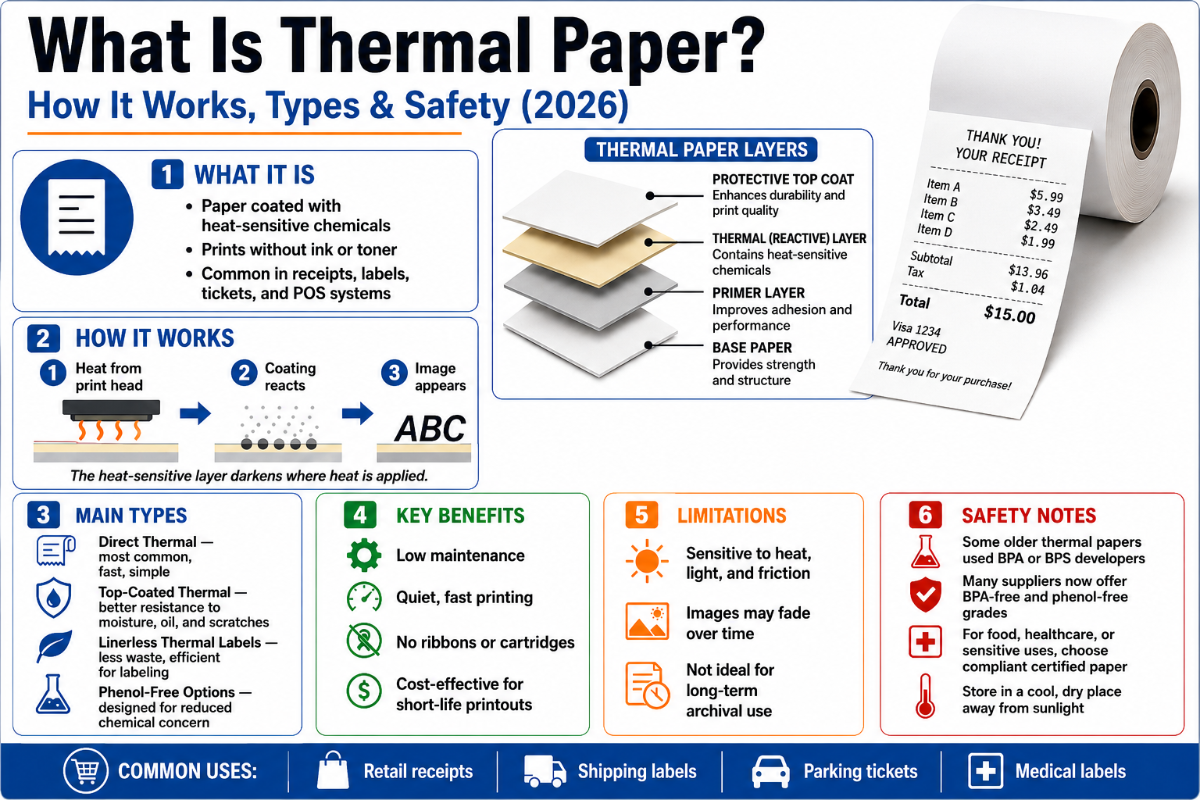
Giấy nhiệt là một loại giấy được sử dụng trong một số loại máy in chuyển sang màu đen để đáp ứng với nhiệt độ cao hơn là sử dụng mực.Nó được sử dụng trong phần lớn các máy tính tiền, nhãn máy bán hàng tự động và vé bạn tương tác.Tuy nhiên, “giấy nhiệt” là một trong những loại giấy bị xuyên tạc nhất từ ngành công nghiệp ghi nhãn.Mọi người nghĩ rằng tất cả giấy nhiệt đều giống nhau, và bản in là vĩnh viễn và “không có BPA” đồng nghĩa với sự an toàn.Điều này, thật không may, không phải lúc nào cũng đúng.Hướng dẫn này cố gắng làm rõ cách thức hoạt động của giấy nhiệt, việc xây dựng giấy, sự khác biệt giữa truyền nhiệt trực tiếp và truyền nhiệt, tuổi thọ của hình ảnh, sự an toàn của nhãn và hướng của toàn bộ danh mục do các quy định có hiệu lực vào năm 2026.
Sơ lược về giấy nhiệt
| Nó là gì | Giấy có lớp phủ nhạy nhiệt, sẫm màu dưới đầu in nhiệt, không có mực, mực hoặc hộp mực |
| Phản ứng hình ảnh | Thuốc nhuộm leuco và chất tạo màu phản ứng dưới nhiệt để tạo thành một vết nhìn thấy được (thường là màu đen) |
| Các lớp lõi | Giấy cơ sở · precoat · lớp hoạt động nhiệt · (tùy chọn) lớp phủ bảo v |
| Hai phương pháp in | Nhiệt trực tiếp (không có ruy băng) và truyền nhiệt (sử dụng ruy băng) |
| Trọng lượng điển hình | Thông thường 48–80 gsm ít nhẹ hơn (~48–55 gsm) cho doanh thu, nặng hơn (~70–80 gsm) cho vé và hồ sơ y tế; các ban nhạc khác nhau tùy theo nhà máy và cấp độ |
| Đời sống hình ảnh | ~6 tháng đến 10 năm; hầu hết giấy cấp POS có tuổi thọ 5 -7 năm nếu được bảo quản tốt |
| Tùy chọn an toàn | Không có BPA, không có BPS và không có phenol (cấp an toàn nhất) |
Giấy Nhiệt Là Gì? (Và Làm Thế Nào Nó In Không Có Mực)
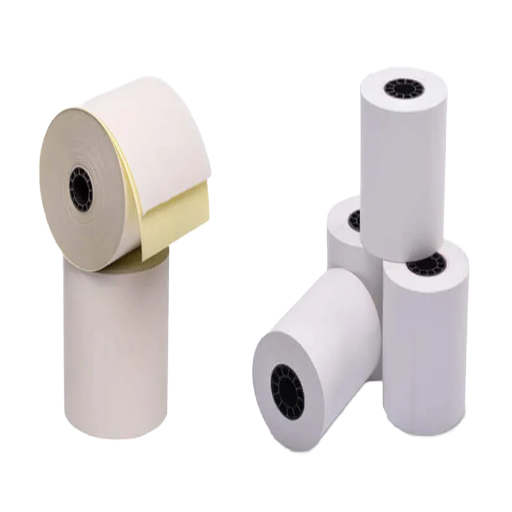
Giấy nhiệt là một loại giấy tráng đặc biệt có lớp hóa học phản ứng làm thay đổi màu sắc của giấy khi in yếu tố làm nóng của máy in tiếp xúc với nó.Nó tương tự như những gì bạn sẽ thấy được bán dưới dạng giấy máy in nhiệt, hoặc chỉ giấy máy in cho máy nhận, nhưng nó khác rất nhiều so với giấy máy in tiêu chuẩn.Trong một bản in nhiệt trực tiếp không có mực, mực hoặc ruy băng được sử dụng inh hình ảnh được sản xuất bởi giấy.Sự khác biệt cụ thể này giải thích rất nhiều về sản phẩm: nó làm rõ lý do tại sao máy in nhiệt yên tĩnh hơn so với truyền thống, tại sao biên lai có cảm giác bóng bẩy về chúng và tại sao in có xu hướng mờ dần theo thời gian.
Bên trong máy in nhiệt là các hàng yếu tố làm nóng nhỏ chạm vào giấy chuyển động.Khi mỗi yếu tố được kích hoạt, lớp phủ vượt qua ngưỡng nhiệt độ để kích hoạt, gây ra một quá trình hóa học biến chấm đen.Điều này tạo ra văn bản và mã vạch ở hàng ngàn chấm mỗi giây. vật tư tiêu hao duy nhất trong quá trình này là giấy, bởi vì phản ứng hóa học được xây dựng vào lớp phủ 1 vật liệu ghi nhạy nhiệt có thành phần được nêu chi tiết trong bằng sáng chế vật liệu ghi nhiệt.
Sự khác biệt giữa giấy nhiệt và giấy bình thường là gì?
Giấy bình thường (liên kết) sẽ chỉ in một hình ảnh nếu mực, mực, hoặc một dải ruy băng có chứa sắc tố được gửi trên đó.Đây không phải là trường hợp cho giấy nhiệt, đã được xây dựng trong hình ảnh hình thành hóa học trong lớp phủ và do đó không yêu cầu cung cấp mực để làm việc trong một máy in.Khi giấy trái phiếu đồng bằng được đặt trong một máy in nhiệt trực tiếp, nó sẽ đi ra trống.Tuy nhiên, nếu giấy nhiệt được đặt trong một máy in phun, mực bôi trên lớp phủ trơn.Đây cũng là lý do tại sao một nhận nhiệt cảm thấy mượt mà hơn một chữ in ide rằng độ mịn là lớp phủ.
💡 Bài kiểm tra móng tay
Không chắc chắn nếu một tờ là nhiệt?Rake một móng tay hoặc cạnh của một đồng xu trên nó. giấy nhiệt tạo ra một đường tối từ nhiệt ma sát. giấy thông thường không để lại dấu.Đây là một thử nghiệm trường nhanh chóng trước khi bạn tải một cuộn không xác định.
Chìa khóa mang đi: giấy nhiệt chứa hóa học phản ứng nhiệt cho phép nó in mà không cần mực.Tuy nhiên, lớp phủ tương tự đó là thứ sau này phản ứng với nhiệt, ánh sáng và dầu trong quá trình bảo quản.
Bên trong giấy nhiệt: Giải phẫu lớp phủ bốn lớp
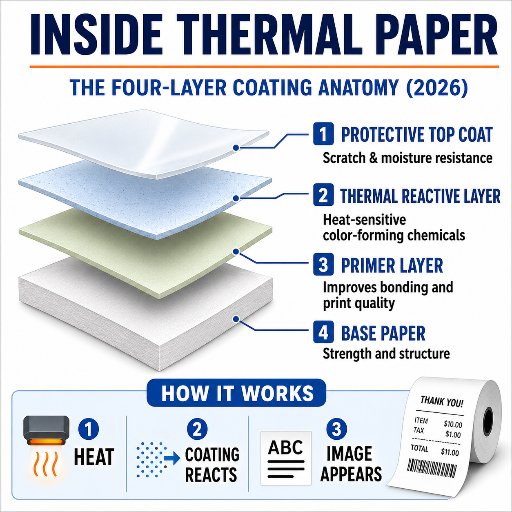
Hầu hết các hướng dẫn chỉ đi xa như “nó có một lớp phủ.” Trong thực tế, giấy nhiệt chất lượng là một cấu trúc của nhiều lớp được thiết kế, với mỗi lớp xác định cách in giấy và hình ảnh sẽ tồn tại bao lâu.Đây là những gì chúng tôi đề cập đến như các Giải phẫu lớp phủ nhiệt bốn lớp. Biết được điều này là sự khác biệt giữa mua trên giá và mua trên hiệu suất.
| Lớp | Nó là gì | Tại sao nó quan trọng |
|---|---|---|
| 1. giấy cơ s | Chất nền bột gỗ, ~48–80 gsm | Đặt độ cứng, độ bền xé và cách thức nạp cuộn |
| 2. lớp sơn lót | Lớp lót cách nhiệt (thường là đất sét, mủ cao su, chất độn nung) | Cách nhiệt và làm mịn để nhiệt ở lại lớp hoạt động ing hình ảnh tốt hơn với ít năng lượng hơn |
| 3. nhiệt hoạt động lớp | Thông thường một vài g/m²: thuốc nhuộm leuco + chất phát triển màu + chất nhạy cảm + chất kết dính | Bản thân hình ảnh; hóa học của nhà phát triển quyết định bóng tối và sự an toàn |
| 4. bảo vệ topcoat (tùy chọn) | ~1 -2 g/m2 áo khoác trong suốt | Tấm chắn chống nước, dầu, cồn, chất làm dẻo và mài mòn đầu in |
Hóa học lớp 3 là trái tim của nó. ở nhiệt độ phòng thuốc nhuộm leuco và nhà phát triển ngồi tách ra, bị khóa bởi một chất kết dính rắn.Khi đầu in làm nóng một điểm qua ngưỡng nóng chảy của lớp phủ, nhà phát triển tan chảy, tiếp xúc với thuốc nhuộm và buộc phản ứng tạo màu: thuốc nhuộm chấp nhận một proton và chuyển sang màu đen. phản ứng nhanh và cục bộ vì chỉ có chấm nóng chảy ine là lý do tại sao in nhiệt nhanh và không cần sấy khô, và cũng là lý do tại sao bảng điều khiển nóng có thể làm tối hoặc xóa sạch toàn bộ biên nhận sau đó.
A giấy nhiệt tham khảo kỹ thuật tài liệu hai lớp tùy chọn một số lớp thêm: một backcoat cho curl và kiểm soát tĩnh, và topcoat bảo vệ mà con dấu tất cả. topcoat đó là trình điều khiển lớn nhất duy nhất của tuổi thọ ine dẫn đến sự đánh đổi chúng tôi bao gồm trong phần lớp.
Key takeaway: chất lượng in cuộc sống trong lớp precoat và hoạt động; tuổi thọ cuộc sống trong topcoat.Một cuộn cấp thấp thường bỏ qua topcoat.
Truyền nhiệt trực tiếp và truyền nhiệt: Hai cách để in bằng nhiệt
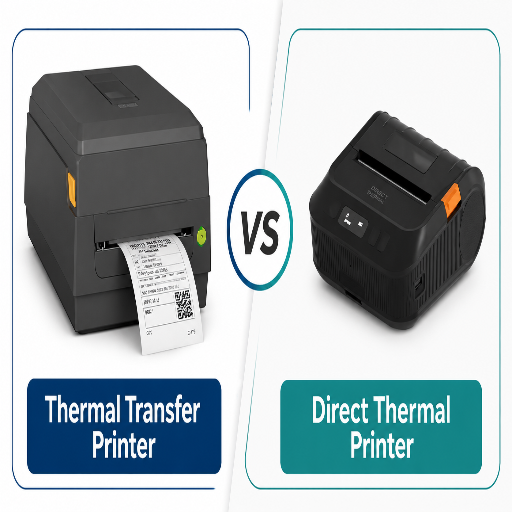
Cả hai phương pháp đều sử dụng đầu in được làm nóng nhưng đặt màu ở những vị trí rất khác nhau.
Với nhiệt trực tiếp, đầu áp dụng nhiệt trực tiếp cho giấy tráng và bản thân màu giấy inh no ribbon, vì giấy là nguồn màu. đó là lý do tại sao nó được gọi là “nhiệt trực tiếp”: không có sắc tố riêng biệt được chuyển giao. truyền nhiệt thay vào đó sử dụng một dải băng sáp hoặc nhựa. môi trường nhiệt trực tiếp sở hữu giấy tráng mà màu sắc chính nó sở hữu là một vật liệu ghi được cấp bằng sáng chế; bằng sáng chế vật liệu ghi nhạy nhiệt ghi lại hóa học của nhà phát triển đằng sau nó.
Đây, đầu in thực sự in lên ruy băng, sau đó chuyển mực (dưới dạng chất lỏng/sắc tố nóng chảy) lên facestock của bạn. điều đó có nghĩa là facestock của bạn có thể là giấy thường, tổng hợp, thậm chí cả bề mặt in. vì đây là hướng dẫn “học cách,” không phải là “cái quái gì thế này?”, thêm thông tin liên quan đến từng quy trình và các danh mục cấp Guanma cụ thể cho các dòng giấy nhiệt tự dính truyền nhiệt và nhiệt trực tiếp của chúng tôi có sẵn tại các liên kết riêng biệt.
| Thứ nguyên | Nhiệt trực tiếp (DT) | Truyền Nhiệt (TT) |
|---|---|---|
| Nguồn ảnh | Giấy tráng làm tối chính nó | Ribbon tan chảy sắc tố lên facestock |
| Ribbon cần? | Không | Có (sáp /nhựa sáp /nhựa) |
| Đời sống hình ảnh | Tháng đến vài năm; mờ dần với nhiệt/ánh sáng | Nhiều năm đến nhiều thập kỷ; ổn định hơn nhiều |
| Tốt nhất cho | Biên lai, nhãn vận chuyển, vé ngắn hạn | Thẻ tài sản, nhãn trống/hóa chất, mã vạch lưu tr |
| Chi phí chạy | Thấp hơn (chỉ bằng giấy) | Cao hơn (giấy + ruy băng) |
Truyền nhiệt trực tiếp hay truyền nhiệt tốt hơn cho nhãn vận chuyển?
Đối với đại đa số các giao hàng vận chuyển, DT phải là đủ. nhãn vận chuyển của bạn cần chỉ tồn tại trong hành trình của một vài ngày đến vài tuần trong quá cảnh và chi phí ruy băng được tránh, trong khi các cơ chế máy in vẫn đơn giản hơn, nhẹ hơn và ít bị hỏng hơn hệ thống TT.
Nhưng khi nhãn của bạn cần phải cứng rắn hơn nhiều so với máy in của bạn, khi nhãn là biến số quan trọng trong thành công lâu dài của bạn, thì bạn sẽ chọn truyền nhiệt.Đây là trường hợp khi: Nhãn trống chịu nhiệt và hóa chất, hoặc Thẻ tồn kho kho được sử dụng trong nhiều năm phải vẫn dễ đọc, hoặc Vận chuyển chuỗi lạnh cần phải chịu đựng sự khắc nghiệt của việc rửa xuống lặp đi lặp lại.Một quy tắc vàng: khớp phương pháp in với thời gian và mức độ khắc nghiệt của nhãn phải sống 5 càng lâu và khắc nghiệt, TT 2 càng không phải với máy in mà bạn tình cờ sở hữu.
Key Takeaway: DT rẻ và đơn giản nhưng dùng một lần; TT đắt hơn nhưng bền bỉ; các yêu cầu cuộc sống quyết định sự lựa chọn của bạn, không phải thói quen hoặc phần cứng hiện tại.
Các loại và cấp độ giấy nhiệt (Kinh tế, tráng phủ trên cùng, cao cấp)
“giấy nhiệt” biểu thị toàn bộ danh mục sản phẩm.
Đối với giấy in nhiệt trực tiếp, các sản phẩm rơi vào khoảng ba cấp độ nhạy và hiệu suất, và điều chính phân biệt các lớp tốt với phần còn lại là một lớp đơn giản: lớp phủ ngoài đó từ phần giải phẫu ine cái mà chúng tôi gọi là Sự đánh đổi Topcoat.
| Lớp | Áo khoác ngoài | Chống cự | Sử dụng điển hình |
|---|---|---|---|
| Kinh tế (không tráng) | Không có | Nhỏ; vết bẩn với dầu/nước | Biên lai POS ngắn hạn |
| Phủ trên | ~1 -2 g/m2 | Nước, dầu, rượu, mài mòn, chất làm dẻo | Vận chuyển & nhãn sản phẩm |
| Cao cấp /đặc sản | Hóa học nặng hơn + điều chỉnh | Temps tủ đông, lưu trữ dài, xử lý khắc nghiệt | Nhãn dây chuyền lạnh, chăm sóc sức khỏe, bền |
Điều gì Tách các lớp in tốt từ xấu là hai con s.
Số đầu tiên là một phép đo độ nhạy tĩnh-số đại diện cho temp khi lớp phủ là nhạy cảm đầu tiên với nhiệt và bắt đầu thay đổi. thứ hai là độ nhạy động ase nhanh như thế nào và ở mức năng lượng nào lớp phủ hình ảnh ở tốc độ dòng.Một hình ảnh giấy phù hợp tốt sạch sẽ ở năng lượng đầu thấp hơn, có nghĩa là mã vạch sắc nét hơn và tuổi thọ đầu in dài hơn, bởi vì cùng một lớp phủ bảo vệ hình ảnh cũng che chắn đầu khỏi mài mòn.
Hỗ trợ quyết định: phù hợp với điểm số với công việc
- Việc tiếp xúc với dầu/mỡ hoặc rượu (dịch vụ thực phẩm, phòng thí nghiệm hóa chất) đòi hỏi phải có sản phẩm được phủ trên cùng vì bản in có thể bôi lên một lớp không được bảo vệ.
- Tủ đông hoặc dây chuyền lạnh → a nhiệt trực tiếp cao cấp được xếp hạng lạnh cộng với chất kết dính ở nhiệt độ lạnh; môi trường nhiệt trực tiếp không chứa phenol chống phai màu thuộc loại này được đề cập gần đây Bằng sáng chế USPTO.
- Ánh sáng mặt trời, nhiệt, hoặc một kho lưu trữ nhiều năm → bước lên đến truyền nhiệt; không có cấp nhiệt trực tiếp nào thực sự được lưu trữ.
- Biên lai bán lẻ tốc độ cao trong đó quy tắc chi phí → tiết kiệm hoặc áo khoác nhẹ là chấp nhận được.
Điểm mấu chốt: Đối với việc mua áo khoác ngoài, hãy thanh toán khi nhãn đang đối mặt với độ ẩm, dầu hoặc thời gian và chỉ bỏ qua chúng đối với các biên lai thực sự ngắn hạn.
Nơi sử dụng giấy nhiệt: Biên lai, nhãn, vé & dây chuyền lạnh
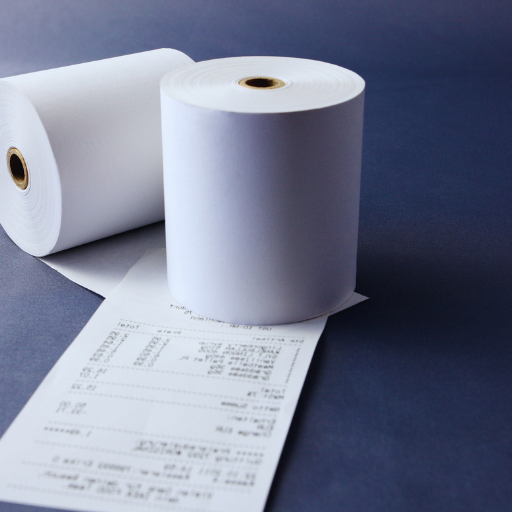
giấy nhiệt có mặt ở bất cứ nơi nào yêu cầu về tốc độ, chi phí thấp và không có nguồn cung cấp mực được ưu tiên hơn vĩnh viễn.Mỗi ứng dụng tạo ra một nhu cầu khác nhau trên giấy.Câu hỏi thông minh do đó không phải là “cuộn nào là tốt nhất”mà là “thuộc tính nào thực hiện công việc này cần.”
- POS & biên lai ase tốc độ cao, chi phí thấp, thời gian sử dụng ngắn. Đối với hầu hết các doanh nghiệp, cuộn giấy in nhiệt tiết kiệm 48 -55 gsm, giấy biên nhận nhiệt trơn, là tiêu chuẩn; ở đây chất lượng in của giấy biên nhận và độ tin cậy của nguồn cấp dữ liệu quan trọng hơn tuổi thọ lưu trữ.
- Nhãn vận chuyển & logistics — mã vạch phải đọc được ngay lần đầu ngay cả sau quá trình vận chuyển khắc nghiệt, vì vậy vật liệu nhiệt trực tiếp có lớp phủ bề mặt giúp giảm thiểu hư hại do trầy xước và nước.
- •Vé & Vòng đeo tay-70-80 GSM xé kháng để vượt qua cổng với sử dụng ngày bình thường
- Nhãn dây chuyền lạnh và tủ đông – Giấy cần ghi hình tại đường kẻ; chất kết dính cần giữ ở nhiệt độ dưới 0. Khó khăn nhất trong những thử thách kết hợp này là lấy chất kết dính để giữ ở nhiệt độ lạnh giá đó.
- Chăm sóc sức khỏe — vật liệu dày hơn cho hồ sơ và vòng đeo tay, cộng với khả năng chống nước rửa tay và găng tay của lớp phủ bề mặt.
Kết hợp những nhu cầu đó lại với nhau, đây là cách các công việc chung ánh xạ tới một cấp độ, trọng số và rủi ro thực sự quyết định thông số kỹ thuật, một tham chiếu nhanh để khớp giấy in nhiệt với ứng dụng (giá trị điển hình; cấp độ chính xác khác nhau tùy theo nhà cung cấp):
| Danh mục ứng dụng | Lớp lớp | Trọng lượng (gsm) | Áo khoác ngoài | Đời sống hình ảnh | Rủi ro thúc đẩy thông số kỹ thuật |
|---|---|---|---|---|---|
| Biên nhận POS | DT kinh tế | 48–55 | Không | 1 -3 năm | Nhiệt /ánh sáng mờ dần |
| Phiếu thẻ tín dụng | DT kinh tế | 48 | Không | 1 -3 năm | Chất làm dẻo (ví) |
| Vận chuyển /nhãn hậu cần | DT phủ trên cùng | 60–80 | Vâng | 1 -3 năm | Trầy xước, ẩm ướt khi vận chuyển |
| Thẻ tài sản kho | Chuyển nhiệt | 70–80 | Ruy băng | 5–10+ năm | Mài mòn qua nhiều năm |
| Nhãn chuỗi lạnh/tủ đông | DT lạnh cao cấp | 70–80 | Vâng | 2 -5 năm | Báng dính dưới 0 °C |
| Sự kiện /vé quá cảnh | DT phủ trên cùng | 70–80 | Vâng | <1 năm | Xé cổng |
| Dây đeo cổ tay chăm sóc sức khỏe | DT cao cấp | 80+ | Vâng | Ngày -tuần | Nước rửa & dầu tay |
| Phòng thí nghiệm /bản in y tế | DT cao cấp | 70–80 | Vâng | 5 -7 năm | Ánh sáng, dung môi |
| Xổ số /thẻ đậu xe | DT kinh tế | 48–55 | Không | Tháng | Nhiệt trong xe |
| Nhãn bao bì thực phẩm | DT không có phenol | 60–80 | Vâng | Mỗi lần sử dụng | Sự di cư của nhà phát triển vào thực phẩm |
Ví dụ, một nhà đóng gói thực phẩm có thể đặt ‘cuộn tiêu chuẩn cấp biên lai’ để in lên thùng carton. Những nhãn đó in tốt ở nhiệt độ phòng; nhưng khi kiện hàng đi vào tủ đông cấp tốc, keo mất độ bám và đến sáng hôm sau một pallet thùng carton đã rơi mã vạch — một lần in lại có thể tránh được nếu dùng vật liệu đạt cấp nhiệt độ lạnh cùng loại keo phù hợp. Việc chọn lớp mặt nhãn mới chỉ là một nửa vấn đề; keo và lớp đế chống dính hoàn thiện phần còn lại — đó là lý do vật liệu nhiệt thường được đặt theo hệ thống.
Bạn muốn xem xét lựa chọn cho từng mục đích sử dụng cụ thể – bằng hướng dẫn của chúng tôi về việc sử dụng nguyên liệu cho mỗi công việc – cũng như phía nhà cung cấp dịch vụ trong kho ạch cách thức lớp đế chống dính làm công việc của mình. Guanma cung cấp những thứ này như được thiết k cổ phiếu giấy nhãn nhiệt khớp chính xác với ứng dụng.
Ánh xạ việc sử dụng đến đặc tính mà nó nhấn mạnh ine tốc độ, khả năng chống trầy xước, độ bền xé hoặc độ bám lạnh ine sau đó đặc điểm kỹ thuật facestock, chất kết dính và lớp lót.
Giấy Nhiệt Kéo Dài Bao Lâu?Hình Ảnh Phai Màu Và Lưu Tr
Bản in nhiệt không phải là vĩnh viễn. Tuổi thọ hình ảnh dao động từ khoảng sáu tháng đến mười năm và hầu hết giấy in nhiệt cấp POS đều có hình ảnh có thể đọc được trong 5 -7 năm nếu được bảo quản tốt 0 nhưng được lưu trữ không tốt, cùng một biên nhận có thể bị bỏ trống trong vài tuần. biến thể đó không phải là ngẫu nhiên; nó đi xuống đến một tập hợp nhỏ của kẻ thù chúng tôi nhóm như các Heat–Light -Plasticizer Fade Triad.
| Yếu tố mờ dần | Những gì nó làm | Nhanh thế nào |
|---|---|---|
| Nhiệt | Đẩy toàn bộ tấm về nhiệt độ kích hoạt của nó brid có thể làm tối hoặc xám nó ra | Một bảng điều khiển xe hơi vào mùa hè: ngày |
| Ánh sáng (UV /đèn LED mạnh) | Phá vỡ thuốc nhuộm và nhà phát triển | Cửa sổ đầy nắng: vài tuần đến vài tháng |
| Chất dẻo | Tay áo PVC và ví vinyl kéo nhà phát triển ra xa nhau, xóa hình ảnh | Trong một thư mục vinyl: tháng |
| Dầu & dung môi | Kem dưỡng da tay, dầu thực phẩm, thuốc xịt làm sạch phản ứng với lớp phủ | Biến; tăng tốc các yếu tố khác |
| Liên hệ dính | Dung môi trong băng phản ứng với lớp hoạt động | Ghi âm trên bản in: một vài tuần |
Điều khác cần chăm sóc: Lớp phủ chính nó là nhạy cảm hơn bạn'd đoán. giữ giấy nhiệt và biên lai in mát mẻ quis dưới 25 °C (77 °F) nếu bạn có thể ify tránh ánh sáng mặt trời trực tiếp và ánh sáng cửa hàng liên tục, liên tục và, lý tưởng nhất, trong một căn phòng có độ ẩm tương đối giữa 30 và 50%. Ngay cả trước khi nó được in, nhiệt và độ ẩm làm hỏng lớp phủ; đây là lý do tại sao các bộ chuyển đổi nhãn giữ cuộn chủ bị khóa trong một căn phòng kiểm soát khí hậu.Không bao giờ băng một biên nhận nhiệt trực tiếp vào sổ cái; không bao giờ trượt nó vào một tay áo PVC-cả hai đều là những cách chắc chắn để mất hồ sơ của bạn.
Làm thế nào để bạn giữ một biên nhận nhiệt từ mờ dần?
Bất cứ điều gì bạn cần phải giữ cho hơn một vài tuần thuế thuế thuế thuế, bảo hành, yêu cầu bồi hoàn đ nên được quét hoặc photocopy vào ngày bạn nhận được nó, sau đó được lưu trữ bằng phẳng trong một ngăn kéo mát mẻ, tối đi từ vinyl, băng, và nhiệt. lưu trữ quốc gia đạt được cùng một kết luận: hướng dẫn từ các Cơ quan Lưu trữ Quốc gia Úc về quản lý hồ sơ giấy in nhiệt xử lý một bản sao trên giấy ổn định như là bản ghi dài hạn đáng tin cậy, không phải là bản gốc nhiệt.
Tóm tắt: Nó, nhiệt, ánh sáng và nhựa, không phải năm, thực sự phá hủy hình ảnh nhiệt; kiểm soát lưu trữ và quét bất cứ điều gì có thể cần để kéo dài.
Giấy Nhiệt có An toàn không? BPA, BPS, Không Phenol & Tái chế
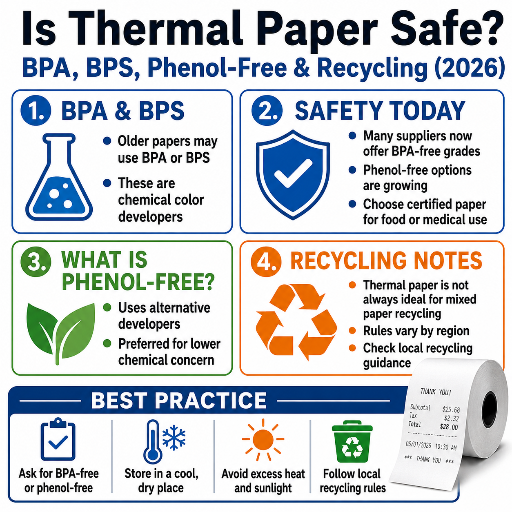
Vì sao câu hỏi về sức khỏe lại nghiêm trọng hơn điều chúng ta đã giả định trong nhiều năm? Câu trả lời quay về chất hiện màu — cụ thể là loại được dùng trong lớp hoạt tính nhạy nhiệt của giấy. Trong thời gian dài, chất hiện màu đơn giản và được sử dụng rộng rãi nhất trên vật liệu giấy là bisphenol A (BPA). Chất hiện màu BPA đáng lo ngại vì hóa chất này không bám hoàn toàn vào chính giấy; nó nằm trên bề mặt, từ đó có thể được da hấp thụ.
Mặc dù lượng được chuyển trong tiếp xúc riêng lẻ là nhỏ, nhưng mức phơi nhiễm trở nên đáng kể tại nơi làm việc: một nghiên cứu giám sát sinh học nghề nghiệp của nhân viên thu ngân bán lẻ cho thấy tổng BPA trung bình trong nước tiểu là 3,54 µg/L ở nhóm đối chứng so với 8,92 µg/L ở nhân viên thu ngân xử lý biên lai tất cả các ca. Lượng tiêu thụ qua da được mô hình hóa chạy khoảng 17,5 ng/ngày đối với dân số nói chung nhưng khoảng 1.300 ng/ngày đối với người lao động tiếp xúc với nghề nghiệp và sự hấp thu qua da duy trì lưu thông lâu hơn BPA trong chế độ ăn uống. Mức độ quan tâm đó chính xác là lý do tại sao EU hạn chế BPA trong giấy in nhiệt ngay từ đầu.
⚠️ Quan niệm sai lầm quan trọng: “Không có BPA” không giống với “an toàn”
Để tránh những hạn chế, một số nhà sản xuất đã chọn thay thế BPA bằng chất gần họ hàng của nó, bisphenol S (BPS), một hóa chất mà các nghiên cứu đã chỉ ra là mang những lo ngại về sức khỏe gây rối loạn nội tiết tương tự, dưới dạng thay thế đáng tiếc. Các nghiên cứu vẫn phát hiện ra bisphenol trong một phần lớn các khoản thu của Hoa Kỳ thường xuyên nhất từ các nhà bán lẻ địa phương và khu vực thậm chí nhiều chuỗi quốc gia đã chuyển sang các nhà phát triển không phải bisphenol. Một nhãn đọc “không có BPA” vẫn có thể chứa đầy BPS. Chỉ có một nhãn giải quyết câu hỏi đ “không có phenol,” không chỉ đơn giản là “không có BPA.”
| Lớp developer | Ví dụ | Trạng thái |
|---|---|---|
| BPA | Bisphenol A | Bị hạn chế (EU, Trung Quốc, các bang của Mỹ) |
| BPS | Bisphenol S | “Sự thay thế đáng tiếc” ide mối quan tâm tương t |
| Không có phenol | Pergafast 201 (một loại sulfonyl-urea), các loại axit ascorbic, Blue4est (không nhuộm) | Không bisphenol; tầng an toàn nhất |
Tìm kiếm một “bữa trưa miễn phí” hoàn hảo có thể là không thể, nhưng không hoàn toàn nằm ngoài tầm với: một đánh giá của EPA Hoa K Quan hệ đối tác lựa chọn an toàn hơn đánh giá 19 nhà phát triển màu thay thế và thấy rằng mỗi người mang một số đánh đổi. mặc dù vậy, các nhà phát triển không có phenol như các nhà phát triển màu không phenolic được bảo vệ bởi các bằng sáng chế gần đây loại bỏ hoàn toàn câu hỏi bisphenol trong khi vẫn chống lại tốt dầu và chất làm dẻo.
Có an toàn khi chạm vào giấy nhiệt, và bạn có thể tái chế nó không?
Thỉnh thoảng cầm hóa đơn thì có lẽ không phải mối lo lớn với đa số người; mức phơi nhiễm đáng kể là mạn tính và do nghề nghiệp (ví dụ, thu ngân). Vì vậy, những người này — và bất kỳ ai đang mang thai hoặc thường xuyên xử lý chúng — nên rửa tay kỹ, và thực hành tốt nhất là mua vật liệu không chứa phenol. Ngay cả tái chế cũng phức tạp: không tái chế giấy thường cùng với giấy nhiệt. Các chất hiện màu bisphenol đó có thể đi vào dòng giấy tái chế (BPA đã xuất hiện trong sản phẩm giấy tái chế như giấy vệ sinh), và tại một số địa phương chúng được coi là chất ô nhiễm không thể chấp nhận, dù dữ liệu về hành vi cụ thể của chúng trong các dòng chất thải US vẫn còn hạn chế. Một con đường phơi nhiễm của người tiêu dùng ít được chú ý hơn: nhiều loại giấy nhiệt được dùng trực tiếp trên bao bì thực phẩm tươi, và việc dùng trực tiếp có nghĩa hóa chất hiện màu có thể di chuyển vào thực phẩm, bỏ qua tiếp xúc qua da.
Tóm tắt: “Không có phenol”-không phải “Không có BPA”-là tín hiệu bạn muốn xem, và trong khi nhiều giấy tờ thương mại với các nhà phát triển không có phenol là tốt để bao gồm với tái chế thường xuyên của bạn, bạn vẫn tốt hơn nhiều khi gửi giấy nhiệt trực tiếp đến thùng rác, đặc biệt là kể từ khi ” không có phenol” và “không có BPA” không thể hoán đổi cho nhau khi đề cập đến các nhà phát triển in ấn kích hoạt nhiệt.
Sự thay đổi không có Phenol: Quy tắc giấy nhiệt năm 2026 và hơn thế nữa
Tất cả các thị trường vật liệu nhạy cảm với nhiệt đang di chuyển theo cùng một hướng, và năm 2026 là điểm uốn dự kiến của chúng tôi. quá trình chuyển đổi là một trong những chúng tôi theo dõi như là các BPA → BPS → Phenol-Migration Timeline (Dòng thời gian di chuyển không có Phenol) ba làn sóng cải cách được thúc đẩy bởi việc thắt chặt quy định.
| Khi | Thẩm quyền | Quy tắc |
|---|---|---|
| Ngày 2 Tháng 1 năm 2020 | Liên minh châu Âu | REACH hạn chế BPA trong giấy nhiệt ở mức hoặc cao hơn 0,02% theo trọng lượng |
| Đang diễn ra | California | Dự luật 65 liệt kê BPA và BPS là hợp pháp để bán, nhưng phải đăng cảnh báo |
| 2024–2025 | Trung Quốc | Tiêu chuẩn GB/T 28210-2024 thắt chặt các giới hạn BPA của giấy in nhiệt, đồng thời phù hợp với hạn chế của EU |
| Ngày 1 tháng 1 năm 2026 | Washington (Mỹ) | Lệnh cấm đầu tiên của quốc gia tất cả bisphenol (BPA và BPS) trong biên lai, vé và nhãn |
Quy tắc của Washington là quy tắc để xem inhe nhà nước cấm BPS, thay thế cho BPA, không chỉ BPA chính nó, đóng lỗ hổng đáng tiếc-thay thế và đẩy phenol-miễn phí về phía tiêu chuẩn de-facto. Connecticut, New York, Minnesota, và Vermont đều đang di chuyển dọc theo những dòng này là tốt. (Phạm vi có thể hẹp hoặc rộng: quy định Washington có một số carve-outs, và cho châu Âu nó hiện đang giới hạn nồng độ trên BPA chứ không phải là một lệnh cấm hoàn toàn bisphenol.) Trong khi đó, về phía công nghệ, các nhà phát triển không có phenol 5 được xác định và vận chuyển bởi các nhà sản xuất nhiệt trực tiếp lớn V. U. bây giờ span hóa sulfonyl-urê (Pergafast 201), ascorbic-axit (vitamin C) loại, và thậm chí thuốc nhuộm-miễn phí hệ thống vật lý. cải cách có xu hướng chỉ thêm một phần trăm vừa phải tăng chi phí inh thấp đơn đến thấp hai chữ số là phổ biến inh nhưng nó loại bỏ rủi ro tuân thủ trên mọi khu vực pháp lý của Hoa Kỳ và nhiều bên ngoài nó.
“Hóa ra các loại giấy có khả năng chống cả dầu và chất làm dẻo tốt nhất cũng dễ tiếp thu nhất với các công thức mới hơn này và chúng có bản in mạnh hơn và bền hơn, vì vậy không có phenol hiếm khi là một sự thỏa hiệp về hiệu suất.”
Nếu bạn đang tìm nguồn vật liệu nhiệt cho năm 2026, bước đi thực tế là thẩm định cấp không chứa phenol ngay bây giờ thay vì chờ đến khi một thời hạn buộc phải làm vậy. Là nhà sản xuất giấy tráng phủ và vật liệu nhãn vận hành phủ và cán màng tại Thái Lan và Việt Nam, đội ngũ chúng tôi xem chất hiện màu không chứa phenol và độ bền lớp phủ bề mặt là một thông số, không phải hai — cũng là tiêu chuẩn người mua nên áp dụng cho mọi nhà cung cấp. Thẩm định vật liệu không chứa phenol sớm giúp bạn tuân thủ khi ngày càng nhiều bang của US theo Washington và hạn chế của EU vẫn còn hiệu lực.
Tóm tắt: không có phenol đang trở thành sàn, không phải là phí bảo hiểm inge tiêu chuẩn tất cả các giấy tờ nhiệt cuối cùng sẽ đáp ứng. đủ điều kiện một lớp không có phenol trước lệnh cấm ngày 1 tháng 1 năm 2026 của Washington và bạn được bảo hiểm gần như ở mọi nơi khác quá.
Câu hỏi thường gặp về giấy nhiệt
Giấy in nhiệt dùng để làm gì?
Xem Câu Trả Lời
Giấy nhiệt được sử dụng bất cứ nơi nào nhanh chóng, vấn đề in ấn không có mực: điểm bán hàng và biên lai thẻ tín dụng, vận chuyển và hậu cần nhãn, vé sự kiện và quá cảnh, cuống đậu xe, phiếu xổ số, y tế và phòng thí nghiệm in ấn, và lạnh-chuỗi nhãn carton.Nó thống trị những công việc này bởi vì một máy in nhiệt không cần mực, mực, hoặc ruy băng ỉ chỉ là giấy tráng 5 mà giữ cả phần cứng và chi phí chạy thấp.
Những nhược điểm của giấy in nhiệt là gì?
Xem Câu Trả Lời
Ba nhược điểm chính. Thứ nhất, hình ảnh không phải là vĩnh viễn ing in nhiệt trực tiếp mờ dần với nhiệt, ánh sáng, dầu, và chất làm dẻo, vì vậy họ nghèo cho các hồ sơ dài hạn. thứ hai, nhà phát triển màu sắc đã lịch sử là một bisphenol (BPA hoặc BPS) làm tăng xử lý-an toàn và tái chế mối quan tâm. thứ ba, giấy nhiệt không thể được tái chế với giấy bình thường vì nhà phát triển làm ô nhiễm dòng tái chế. lớp không có phenol giải quyết mối quan tâm hóa học nhưng không phải là vô thường của nhiệt trực tiếp.
Bạn có thể sử dụng giấy thông thường trong máy in nhiệt không?
Xem Câu Trả Lời
Không — không dùng được trong máy in nhiệt trực tiếp. Máy in nhiệt trực tiếp không có mực hoặc ribbon và hoàn toàn dựa vào lớp phủ nhạy nhiệt của giấy, vì vậy giấy thường sẽ in ra trang trắng. Máy in truyền nhiệt là ngoại lệ: vì làm nóng chảy sắc tố từ ribbon, máy có thể in lên vật liệu thường hoặc vật liệu tổng hợp. Nếu máy in của bạn không dùng ribbon, máy cần giấy nhiệt thực sự.
Làm thế nào bạn có thể biết giấy có nhiệt không?
Xem Câu Trả Lời
Cào nó. kéo một móng tay hoặc đồng xu cạnh vững chắc trên bề mặt đ giấy nhiệt để lại một dấu ma sát tối, giấy thường không.
Giấy in nhiệt hết hạn hay có thời hạn sử dụng?
Xem Câu Trả Lời
Giấy nhiệt chưa in có thời hạn lưu kho thực tế khoảng hai đến ba năm khi được bảo quản mát, tối và khô (dưới ~25°C, độ ẩm 30–50%). Giấy không “hết hạn” vào một ngày cố định, nhưng lớp phủ sẽ dần mất độ nhạy và nhiệt hoặc độ ẩm làm quá trình đó nhanh hơn — vì vậy hãy luân chuyển vật liệu và bảo quản cuộn tránh sàn bê tông cũng như nguồn nhiệt.
Giấy in nhiệt không chứa phenol là gì?
Xem Câu Trả Lời
Giấy in nhiệt không chứa phenol sử dụng một nhà phát triển màu sắc không chứa BPA, BPS, hoặc bất kỳ bisphenol/phenol inge khác ví dụ như các nhà phát triển sulfonyl-urea như Pergafast 201, các loại ascorbic-axit, hoặc các hệ thống vật lý không có thuốc nhuộm.Nó là loại duy nhất hoàn toàn vượt qua các câu hỏi về an toàn và quy định bisphenol, và đó là những gì quy tắc năm 2026 của Washington yêu cầu một cách hiệu qu.
Tìm nguồn cung ứng nhiệt không chứa phenol?
Guanma áo khoác và laminates tự dính giấy nhiệt để spec ở Thái Lan và Việt Nam ase facestock, chất kết dính, và lót được phù hợp với ứng dụng của bạn và xây dựng phenol-miễn phí cho 2026 tuân th.
Tại sao chúng tôi viết hướng dẫn này
Hầu hết các giải thích giấy nhiệt dừng lại ở “nó phản ứng với nhiệt.” Chúng tôi đã viết điều này bởi vì các câu hỏi thực sự quyết định mua hàng ạch hình ảnh kéo dài bao lâu, không có BPA có nghĩa là an toàn, và những gì lệnh cấm bisphenol 2026 đòi hỏi ing không được trả lời, hoặc các câu trả lời được đưa ra hiếm khi được hỗ trợ bởi dữ liệu thực tế. các thông số kỹ thuật và hóa học ở đây là biểu thị của đánh giá một nhà sản xuất giấy tráng thực hiện khi đánh giá một lớp nhiệt, sử dụng số liệu thu được từ chính phủ, học thuật, và các nguồn tiêu chuẩn (xem tài liệu tham khảo dưới đây).
Tài liệu tham khảo & Nguồn
- Quan hệ đối tác để đánh giá các lựa chọn thay thế cho Bisphenol A trong giấy nhiệt 'Cơ quan Bảo vệ Môi trường Hoa Kỳ
- Quy định của Ủy ban (EU) 2016/2235 inh Hạn chế BPA trong giấy in nhiệt (REACH Phụ lục XVII) 0 EUR-Lex
- Sản phẩm an toàn hơn cho Washington rib bisphenol trong giấy in nhiệt ing Bộ Sinh thái Tiểu bang Washington
- BPA và BPS trong Giấy Nhiệt 5 Cơ quan Kiểm soát Ô nhiễm Minnesota
- Tiếp xúc nghề nghiệp của nhân viên thu ngân với Bisphenol A thông qua giấy nhiệt thư viện Y khoa Quốc gia Hoa Kỳ (PMC)
- BPA và các chất tương tự của nó trong giấy in nhiệt: sự hiện diện và phơi nhiễm qua da (2025) il RSC Khoa học môi trường: Những tiến bộ
- US20210060994A1 inh Vật liệu ghi nhạy nhiệt với các nhà phát triển màu không phenolic t USPTO /Bằng sáng chế của Google
- Giấy nhiệt ờ Wikipedia
Bài viết liên quan
- Lớp lót nhả là gì? Lực giải phóng, mặt silicon và các loại lớp lót
- Giải pháp nhãn theo ứng dụng inh phù hợp với tài liệu nhãn với công việc
- Giấy Nhiệt tự dính 5 lớp Guanma và thông số kỹ thuật
- Phim tự dính & Nhãn Stock 5 tổng quan về vật liệu nhạy áp lực
- Guanma — nhà sản xuất vật liệu nhãn tự dính (TH + VN)