Liên hệ với Guanma

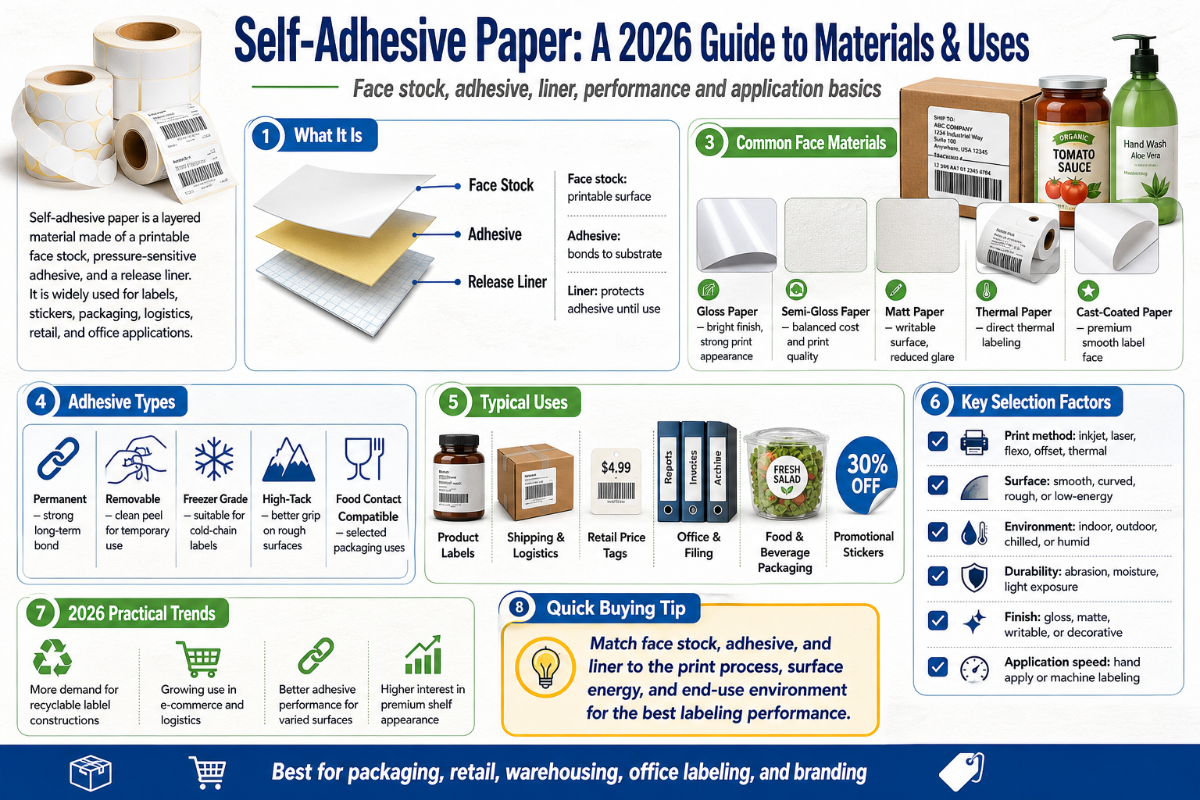
Thông số kỹ thuật nhanh: Sơ lược về giấy tự dính
| Cấu trúc | Ba lớp 1 facestock | keo nhạy áp lực | lớp lót giải phóng phủ silicon |
| Mặt tiền chung | Giấy tráng (bán bóng /độ bóng cao), nhiệt trực tiếp, truyền nhiệt, BOPP, PET, PP giấy tổng hợp |
| Hóa chất kết dính | Acrylic (gốc nước hoặc dung môi), cao su keo nóng chảy, nhũ tương gốc nước — phạm vi Tg PSA điển hình -40°C đến -60°C |
| Tiêu chuẩn chính | ASTM D6252 (vỏ 90°), FINAT FTM 1 (vỏ 180°), FDA 21 CFR 175.105 (tiếp xúc gián tiếp với thực phẩm), ISO 9001 |
| Thị trường toàn cầu | Nhãn tự dính ạch USD 53.7B vào năm 2025, dự kiến USD 92.5B vào năm 2034 (6.1% CAGR); phân khúc nhạy cảm với áp lực ≈ 39% của tổng khối lượng nhãn trên mỗi FINAT |
Giấy tự dính là gì? Định nghĩa, Nguồn gốc và Gia đình nhạy cảm với áp lực
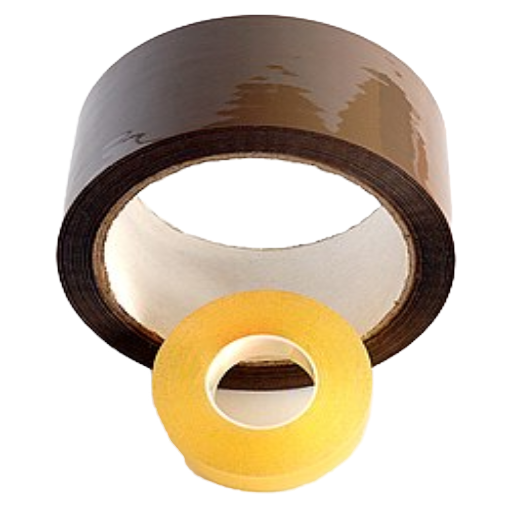
Giấy tự dính là vật liệu nhãn giấy có keo nhạy áp lực vĩnh cửu hoặc có thể tháo (PSA) ở một mặt, được phủ bằng lớp đế chống dính phủ silicone. Không giống nhãn có keo gôm (cần nước để kích hoạt) hoặc nhãn keo ướt (dùng quy trình phủ keo độc lập, tức không phải máy cấp nhãn), nhãn tự dính sẵn sàng để dán bằng lực ấn ngón tay hoặc bằng máy cấp nhãn. Kỹ thuật “nhạy áp lực” này có nghĩa là liên kết xảy ra khi tiếp xúc mà không cần kích hoạt bằng nhiệt, độ ẩm hoặc dung môi.
R. Stanton Avery Sinh năm 1907 tại Oklahoma, tốt nghiệp trường Cao đẳng Nhân văn Pomona55 tại một cửa hàng in nhỏ ở Los Angeles vào năm 1935, R. Stanton Avery đã phát minh ra nhãn tự dính thành công về mặt thương mại đầu tiên trên thế giới.
Sử dụng khoản vay (chỉ 100 đô la!) từ vị hôn phu một thời của mình, Dorothy Durfee,76 Avery đã tạo ra và máy cắt khuôn cơ bản từ các mũi khoan được tái sử dụng và cưa kiếm,77 và được bọc để phủ giấy bằng chất kết dính gốc cao su có thể bóc ra khỏi lớp lót. Người Avery (Avery Adhesive Label Corporation, 1946)77 cuối cùng đã bán hết cho Dennison Manufacturing, 1990 để trở thành,11 Avery Dennisonzih, công ty dẫn đầu nhãn tự dính trên thế giới.
Ngày nay, khoảng 39% nhu cầu thế giới đối với các sản phẩm nhãn được tạo thành từ nhãn nhạy cảm với áp lực, theo FINAT hiệp hội thế giới cho các nhà sản xuất nhãn tự dính. nghiên cứu ngành công nghiệp chỉ ra rằng nhu cầu cho phân khúc nhãn tự dính thế giới đã chuyển từ 53,7 tỷ USD vào năm 2025 hướng tới một chỉ định 57 tỷ USD vào năm 2026, với châu Á Thái Bình Dương đại diện cho khối lượng chính ở khoảng 39,4% của toàn bộ nhu cầu với CAGR khu vực gần 7,3%. Đây là một phần của danh mục đầu tư chất kết dính nhạy áp lực cũng bao gồm băng, miếng dán y tế, phim đồ họa, liên kết lắp ráp điện tử – vật liệu nhãn liên quan đến ứng dụng được công nhận tốt nhất của nó.
Giấy tự dính vs Giấy dán vs Tấm dính 5 Sự nhầm lẫn về thuật ngữ
Một phần lý do người mua gặp khó khăn khi mua giấy tự dính là vì “sticker paper”, “adhesive sheets”, “label material” (label sheets) và “self-adhesive paper” đều được dùng như từ đồng nghĩa trong hai thị trường hoàn toàn khác nhau—và kết quả tìm kiếm Google gộp chúng lại: khi một người tiêu dùng tìm nhãn Cricut có thể in gặp một đơn vị gia công nhãn đang tìm cuộn vật liệu chính làm nhãn lốp xe, cô ấy thấy cùng các từ đó—nhưng lại cần một sản phẩm hoàn toàn khác.
Bốn nhóm sản phẩm liên kết thuật ngữ dùng chung với đúng nhóm vật liệu để các nhà gia công nhãn, chủ sở hữu thương hiệu và chuyên gia thu mua có thể lập danh sách ngắn về dòng sản phẩm phù hợp mà không cần xem các bảng thông số kỹ thuật dày đặc số liệu.
| Tên thường gọi | Người mua điển hình | Định dạng | Nơi nó sống |
|---|---|---|---|
| Giấy dán /tờ nhãn dán có thể in được | Người tiêu dùng /thủ công / SOHO | A4 hoặc Hoa Kỳ Letter cắt tờ, 5-50 gói | Amazon, Nhãn trực tuyến, cửa hàng thủ công |
| Tấm tự dính /giấy dính cho máy in | Văn phòng, thương mại nhẹ | Tấm cắt sẵn có kích thước cho máy in laser/in phun | Avery tờ nhãn, Staples, OEM in phương tiện truyền thông |
| Giấy tự dính / vật liệu nhãn / vật liệu làm nhãn | Công cụ chuyển đổi nhãn công nghiệp, chủ sở hữu thương hiệu | Master cuộn khe rộng 100-1500 mm | Avery Dennison, HERMA, Beontag, các nhà máy tích hợp khu vực |
| Giấy tiếp xúc trang trí /hình nền bóc và dán | Người tiêu dùng /trang trí nội thất | Cuộn định dạng dài, in trang trí | Bán lẻ cải thiện nhà cửa |
Trong suốt hướng dẫn này, “giấy tự dính” sẽ có nghĩa là một cổ phiếu nhãn công nghiệp, lớp Rolapechye2 - cùng một lớp sản phẩm cấp độ chuyển đổi, cuộn chính mà tôi sẽ lấy nếu tôi cần một mã định danh chịu nhiệt và dầu cho một nhà máy lốp xe. mua nhãn giấy để dán trên lốp xe xe liên quan đến một vấn đề rất khác nhau, và tiếp theo là Vudajur Anfimuk, Pantokatin, và, điểm giá của tờ thông số kỹ thuật kết quả sẽ rất khác nhau.
Làm thế nào Giấy tự dính được thực hiện ≥ Từ bột giấy đến cuộn hoàn thiện
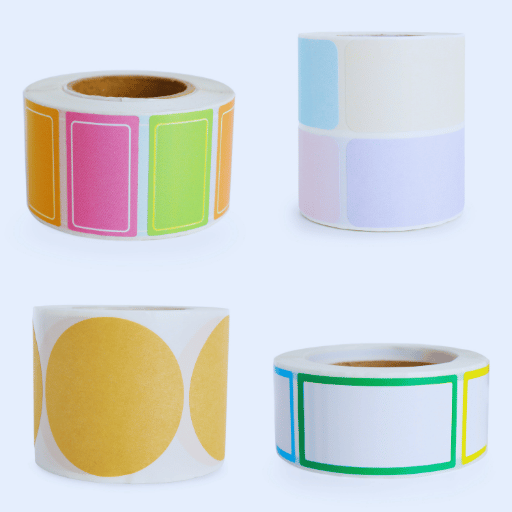
Giấy tự dính được xây dựng từ ba lớp, nhưng một cuộn chính đi qua bốn đến si × trạm sản xuất trước khi nó tàu ra khỏi nhà máy. mỗi trạm điều khiển một biến trở nên có liên quan trong hiệu suất spec-tấm, đó là nơi “nơi nó được thực hiện” cũng quan trọng như “những gì nó được làm từ” đó.
Lớp 1 – Chuẩn bị facestock. Các vật liệu mặt giấy tráng phủ (các biến thể mờ, bán bóng và có độ bóng cao) có nguồn gốc từ một nhà máy giấy, nơi bột giấy được cán, định kích thước và xử lý bề mặt để có thể in được. Các vật liệu mặt tổng hợp (các biến thể polypropylen định hướng hai trục tương đương polyester BOPP, màng polyester PET, giấy tổng hợp PP và lá kim loại cho dịch vụ trang trí lâu dài) được sản xuất dưới dạng ép đùn màng polymer, với lớp phủ trên cùng mờ hoặc bóng được tạo ra để tối ưu hóa cho in flexo, kỹ thuật số, truyền nhiệt hoặc nhiệt trực tiếp. Năng lượng bề mặt của vật liệu mặt - được biểu thị bằng dynes trên mỗi cm – ảnh hưởng đến nơi mực sẽ bắn tung tóe và dính vào.
Lớp 2 – Lớp phủ dính. Bất kỳ chất kết dính nhạy áp lực nào cũng được áp dụng dưới dạng màng liên tục ở trọng lượng lớp phủ thường từ 18 đến 30 gam trên mét vuông, bằng một trong ba phương tiện: lớp phủ dung môi, lớp phủ nhũ tương gốc nước hoặc lớp phủ nóng chảy. Độ đồng đều của lớp phủ quyết định độ bám dính của cạnh nhãn và chất lượng cuối cuộn. Một lớp phủ không nhất quán chiếm bình luận chuyển đổi phổ biến nhất – “lần chạy này khác với lần chạy trước”.
Lớp 3 – Cán màng để giải phóng lớp lót. Lớp lót giải phóng phủ silicon – giấy kraft phủ đất sét (CCK), Glassine hoặc màng PET – được dát lớp trên lớp bùn kết dính hoặc mặt khô. Lớp phủ silicon giúp nhãn bong ra sạch sẽ trong quá trình chuyển đổi hoặc ứng dụng cuối cùng. Đây là nơi mà một người chuyển đổi nhãn chỉ mua từ một nhà cung cấp thay vì ba nhà cung cấp thực sự được hưởng lợi: máy phủ nhà máy kiểm soát chất kết dính, lớp lót và vật liệu trong một lần, bỏ qua sự thay đổi ở giao diện cán màng.
Lớp 4-6 – Xẻ cuộn, cắt tờ và gia công nhãn. Cuộn vật liệu chính được xẻ theo dung sai chiều rộng chặt hơn ±1 mm, cuộn lại và gửi đến các nhà gia công nhãn để bế, in và dán nhãn tại khách hàng cuối. Các tổ hợp tích hợp hiện đại cũng cung cấp hệ lớp đế chống dính bằng giấy CCK sản xuất tại chỗ điều đó kết hợp với chất kết dính và vật liệu mặt đã chọn, loại bỏ một nguồn khác gây ra vấn đề về độ bám dính phía lớp lót.
Cam kết CELAB-Châu Âu của FINAT - ban đầu là một nỗ lực kinh tế tuần hoàn của ngành tự dính - đã cam kết tái chế 75% hoặc hơn tất cả các vật liệu lớp lót và ma trận đã qua sử dụng vào năm 2025, bắt đầu thay đổi cách các nhà máy tích hợp chọn lớp lót được giải quyết để xử lý ở hạ lưu. Áp lực quy định và tiêu chuẩn ngành mới này hiện xuất hiện trong hoạt động mua sắm: việc mua hàng đang được hướng tới việc xác định tính khả thi của việc chăm sóc lớp lót của nó.
Các loại giấy tự dính của Facestock rib tráng, nhiệt và tổng hợp
Việc chọn lớp mặt nhãn là nơi khả năng in (mực của tôi có bám không?), khả năng gia công nhãn (băng vật liệu liên tục có chạy sạch qua máy in ở 300 m/min mà không bị độ cong vênh hoặc tách lớp không?) và hiệu suất ứng dụng (nhãn hoàn chỉnh có tồn tại không?) hội tụ thành một quyết định. Hiện nay, 6 nhóm lớp mặt nhãn chi phối quyết định mua của đơn vị gia công nhãn B2B.
| Lớp mặt nhãn | Các phương pháp in | Phạm vi nhiệt độ dịch vụ | Phù hợp nhất | Chỉ số chi phí (giấy = 1,0) |
|---|---|---|---|---|
| Giấy không tráng | Flexo, kỹ thuật số, truyền nhiệt | ~ -10 °C đến + 60 °C | Địa chỉ, vận chuyển, bán lẻ cấp thấp | 1.0 |
| Giấy tráng bán bóng | Flexo, bù đắp, kỹ thuật số, TT | ~ -10 °C đến + 80 °C | Prime FMCG, nước giải khát, rượu vang | 1.2-1.4 |
| Giấy tráng bóng cao | Bù đắp, kỹ thuật số, UV flexo | ~ -10 °C đến + 80 °C | Bán lẻ cao cấp, mỹ phẩm | 1.4-1.7 |
| Giấy trực tiếp nhiệt | Chỉ nhiệt trực tiếp | ~ -20 °C đến + 50 °C | Hậu cần, kho, cân | 1.1-1.3 |
| Giấy chuyển nhiệt | Truyền nhiệt (ribbon) | ~ -20 °C đến + 90 °C | Thông tin thay đổi, truy xuất nguồn gốc, dược phẩm | 1.2-1.5 |
| Tổng hợp (BOPP / PET / PP) | Flexo, kỹ thuật số, UV | ~ -40 °C đến + 120 °C | Tủ đông, hóa chất, bền, ngoài trời | 2.0-3.5 |
Trong tất cả các quy trình in hiện đại (flexo, offset, kỹ thuật số, truyền nhiệt, phun tia UV), Trên các công nghệ in nhãn hiện đại (flexo, offset, kỹ thuật số, truyền nhiệt, phun tia UV), hai quyết định facestock (sự lựa chọn giữa bóng và mờ áo khoác, và sự lựa chọn giữa giấy và tổng hợp) chiếm khoảng hai phần ba các lỗi chuyển đổi gặp phải trong kiểm toán hiện trường: spec'ing giấy không tráng phủ vào một môi trường vệ sinh ẩm ướt lau, và spec'ing nhiệt trực tiếp vào các ứng dụng ngoài trời hoặc kính chắn gió bên nơi tiếp xúc với uv làm cho lớp phủ nhiệt tối hơn, nơi lớp phủ sau đó tối và mất độ tương phản.
Đối với nhãn chính tại chỗ trong đồ uống và mỹ phẩm, giấy bán bóng tráng facestock là tiêu chuẩn mà tất cả những người khác được đánh giá-nó cho phép hình ảnh flexo kỹ thuật số, bù đắp và UV sạch sẽ và đáng tin cậy và được mua với chi phí chấp nhận được trên hầu hết các SKU bán lẻ.Đối với các ứng dụng có khối lượng thay đổi, chẳng hạn như tuần tự hóa dược phẩm và chọn và đóng gói kho, vật liệu giấy nhiệt cho nhãn thông tin thay đổi đối với in một lần và là tùy chọn lựa chọn.
Hóa học kết dính đ Vĩnh viễn so với có thể tháo rời, Acrylic so với nóng chảy so với gốc nước
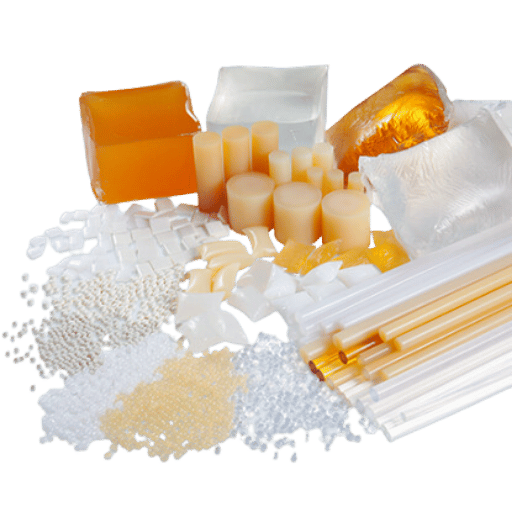
Ba hóa chất tự dính chiếm ưu thế là acrylic dựa trên dung môi và nước, nóng chảy dựa trên cao su và nhũ tương nước. Theo đó, mỗi loại có một trong bốn đặc tính này được nhắm mục tiêu cho hiệu suất tối ưu – độ bám dính ban đầu, độ bám dính cuối cùng, độ bám dính (chống rão) và nhiệt độ sử dụng; hóa học phù hợp phụ thuộc vào năng lượng bề mặt của chất nền và môi trường ứng dụng.
Dựa trên công trình được công bố trong Phòng thí nghiệm lâm sản của Sở Lâm nghiệp Hoa Kỳ, một loại acrylic nhạy áp lực điển hình hoạt động tốt nhất với Tg kéo dài -40C đến -60C. Tg thấp cho phép chất kết dính chảy ở áp lực ngón tay và làm ướt chất nền; một Tg bằng hoặc quá gần với môi trường xung quanh sẽ tạo ra một vật liệu cứng, không dính mà không bao giờ có được nó trên bề mặt để liên kết. PSA nóng chảy dựa vào một cơ chế khác- chúng được áp dụng trong khi ở trạng thái nóng chảy và phát triển độ bám dính khi làm mát và đông đặc lại với chất nền.
| Hóa học | Nhiệt độ dịch vụ | UV /khả năng chịu thời tiết | Phù hợp nhất |
|---|---|---|---|
| Acrylic gốc nước (vĩnh viễn) | -30 °C đến + 120 °C | Tuyệt vời (không có màu vàng) | Ngoài trời, bền, tiếp xúc với thực phẩm (khi tuân thủ) |
| Dung môi acrylic (vĩnh viễn) | -40 °C đến + 150 °C | Xuất sắc | Nhãn lốp, ô tô, hóa chất đòi hỏi khắt khe |
| Cao su nóng chảy (vĩnh viễn) | -20 °C đến + 60 °C | Trung bình (màu vàng dưới tia cực tím) | Thùng các tông, dây chuyền lạnh đông lạnh, tốc độ dây chuyền nhanh |
| Nhũ tương gốc nước (có thể tháo rời) | -10 °C đến + 60 °C | Tốt | Khuyến mại, ghi nhãn giá bán lẻ, IBC có thể trả lại |
| Nhũ tương acrylic (đóng băng sâu) | Xuống đến -40 °C | Xuất sắc | Thực phẩm đông lạnh, đông lạnh, hậu cần đông lạnh sâu |
Loại chất kết dính nào hoạt động trên nhựa năng lượng bề mặt thấp như Polypropylene?
Năng lượng bề mặt có thể nói là đặc tính duy nhất sẽ quyết định liệu nhãn có tồn tại hay không: các vật liệu có năng lượng bề mặt dưới khoảng 36 dynes/cm (mN/m) – polypropylen, polyetylen và hầu hết các màng polyolefin -được gọi là bề mặt thấp chất nền năng lượng (LSE). Thủy tinh, kim loại sơn và hầu hết các tấm giấy đều nằm ở phía năng lượng bề mặt cao (HSE), trên 38 mN/m.
Chất kết dính acrylic gốc nước và dung môi tiêu chuẩn không bám dính đáng tin cậy vào nhựa LSE, vì xương sống acrylic phân cực bình thường không thể bò lên bề mặt polyolefin không phân cực. Viện Y tế Quốc gia PubMed Central chỉ số tóm tắt được bình duyệt cho thấy chất kết dính acrylate biến tính đặc biệt – chất kết dính bổ sung silicon urethane dimethacrylate hoặc cấu trúc mạng lưới polymer xuyên thấu để cải thiện chất kết dính acrylate biến tính Năng lượng bề mặt riêng của chúng - là cần thiết để liên kết với chất nền LSE. Các acrylate biến tính như vậy có sẵn. Thử nghiệm rằng PSA cao su nóng chảy gốc para-phenylene biến tính được tối ưu hóa cho LSE bằng cách tìm ra sự kết hợp ít phân cực nhất.
📐 Kỹ thuật Lưu ý vầ Kiểm tra nhanh năng lượng bề mặt
Một thử nghiệm đảm bảo độ bám dính mức tham chiếu: áp dụng mực thử nghiệm 38 dyne/cm cho chất nền.Nếu màng vỡ thành hạt trong vòng 2 giây, chất nền là LSE và PSA acrylic bình thường sẽ không giữ đáng tin cậy. chỉ định một acrylate sửa đổi hoặc một chất kết dính cao su nóng chảy cho một mẫu khả thi.
Làm thế nào để đọc một tờ giấy tự dính Spec Sheet ¤ ASTM, FINAT, FDA, ISO Demystified
Nhiều thông tin tồn tại trên một tờ giấy spec giấy tự Acrylate nhưng nó khác nhau về giá trị, thường là trong khoảng cách mười lần. ba yếu tố hạn chế thành công chuyển đổi nhất được liệt kê dưới đây.
Kiểm tra tờ giấy thông số kỹ thuật tự dính 5 trường
- giá trị độ bám dính vỏ theo tiêu chuẩn ASTM D6252 (90 vỏ, dải 1 inch trên thép không gỉ ở tốc độ 12 inch/phút) hoặc FINAT FTM 1 (180 vỏ, dải 25 mm trên kính nổi ở tốc độ 300 mm/phút).Chỉ cần ghi chú một tiêu chuẩn trên mỗi số. Giá trị 24 giờ cho biết độ bám dính cuối cùng cho FINAT FTM 1.
- cửa sổ nhiệt độ dịch vụ – cả nhiệt độ ứng dụng tối thiểu và nhiệt độ dịch vụ tối đa. Giá trị 0/0 biểu thị trường bị thiếu.
- lớp quy định: FDA 21 Phần 175.105 (đối với tiếp xúc thực phẩm gián tiếp), BfR 14 Phần 14 (đối với tiếp xúc thực phẩm châu Âu), REACH (đối với nhà sản xuất hóa chất), RoHS (đối với thiết bị điện tử). Một bảng thông số kỹ thuật chỉ liệt kê một giá trị duy nhất không được chấp nhận bởi người mua bao bì thực phẩm đang phát triển.
- thông số kỹ thuật lớp đế: định lượng lớp đế, loại lớp đế (CCK / glassine / PET). Đơn vị gia công nhãn cần biết lớp đế để đảm bảo khả năng gia công, nhưng người mua tiềm năng thì không cần.
- thời hạn bảo hành: tháng tại 2022C, 50% RH. thời tiết lưu trữ tưởng tượng ngoài thời gian đặc điểm kỹ thuật làm mất hiệu lực của người được bảo hành.
ASTM D6252 là gì và tại sao nó quan trọng trên bảng thông số kỹ thuật?
ASTM D6252/D6252M, Standard Test Method for Peel Adhesion of Pressure-Sensitive Label Stocks at a 90 Angle (Phương pháp thử tiêu chuẩn về độ bám dính của nhãn mác nhạy áp lực ở Bắc Mỹ) là thử nghiệm bóc nhãn mác chung được sử dụng rộng rãi nhất.Nó bao gồm việc cắt một dải vật liệu nhãn rộng 1 inch, dán nó vào bảng thử nghiệm bằng thép không gỉ sạch sẽ bằng cách sử dụng một con lăn có khối lượng được kiểm soát, sau đó bóc nó trở lại ở góc 90 với tốc độ bóc 12 inch-phút trên máy thử độ bền kéo.Lực bóc (tích hợp trên đường dừng, hoặc tạm dừng, thời gian) xuất hiện trong lực pound trên mỗi inch chiều rộng.
D6252 cho phép sử dụng các chất nền đại diện cho ứng dụng thực tế inh a chuyển đổi ghi nhãn một bảng thép sơn tĩnh điện có thể chạy D6252 với bảng điều khiển chính xác đó chứ không phải là chất nền tham chiếu thép không gỉ mặc định của thép không gỉ.Nếu một giá trị vỏ xuất hiện trên tờ thông số kỹ thuật của bạn nhưng tiêu chuẩn không được xác định nói rằng nó là một thông số kỹ thuật cho lực khoét hoặc lực bịt kín, không bóc vỏ, không ngại yêu cầu làm rõ trên PO. Đi từ D6252 đến FINAT FTM 1 hoặc PSTC-101 có thể thay đổi đáng kể số lượng vì những thay đổi về góc bóc, tốc độ bóc và chất nền.
Đối với người chuyển đổi và chủ sở hữu thương hiệu thực hiện kiểm toán nhà cung cấp, a vật liệu giấy tự dính với sự tuân thủ ASTM và FDA được ghi lại từ một nhà cung cấp tích hợp sẽ loại bỏ một nguồn mơ hồ của bảng thông số kỹ thuật – các phương pháp thử nghiệm, chất nền và các tham chiếu quy định truy ngược lại một m?lange của sơ đồ quản lý chất lượng thay vì một số nhà cung cấp..
Ứng dụng công nghiệp iv Giấy tự dính trên chín ngành công nghiệp
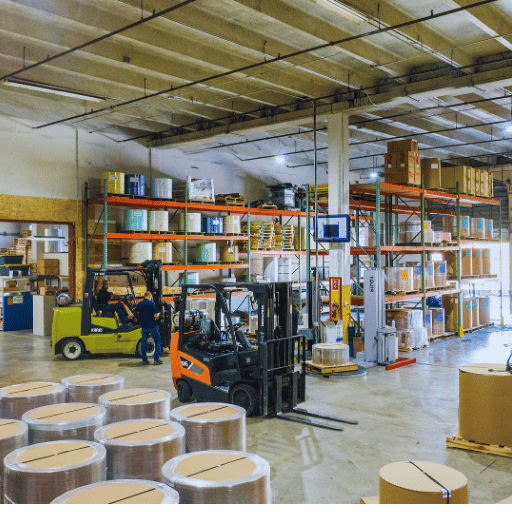
Các giải pháp nhãn công nghiệp có bề ngoài tương tự — một hình vuông bằng giấy hoặc màng đã in dán lên sản phẩm — nhưng yêu cầu kỹ thuật phía sau mỗi loại khác nhau tới một bậc độ lớn. Xét về tính linh hoạt, chúng đều gần như giống nhau—một nhãn bằng giấy hoặc màng được dán lên sản phẩm—nhưng yêu cầu kỹ thuật phía sau mỗi loại cách nhau trọn một bậc độ lớn. Tại đây, góc nhìn về chín ngành đối với ứng dụng giấy tự dính cho thấy tập hợp thông số kỹ thuật mà các nhà gia công nhãn và chủ thương hiệu đang vận hành trong đó:
| Ngành công nghiệp | Nhu cầu quan trọng | Vật liệu điển hình |
|---|---|---|
| Nhãn lốp | Nhiệt độ cao, mài mòn, khả năng chống dầu/mỡ trong quá trình chữa bệnh | Lớp mặt nhãn PET tổng hợp + acrylic dung môi |
| Nhãn cáp & dây | Bán kính nhỏ bao quanh, mài mòn, nhận dạng UL | BOPP/PET + acrylic tự cán |
| Nhãn tủ đông | -20 °C ban đầu dây chuyền lạnh tack trên bề mặt mờ sương | Giấy tráng + nhũ tương đóng băng sâu acrylic |
| Nhãn dược phẩm | FDA + EU FMD serialization + giả mạo-bằng chứng | Giấy chuyển nhiệt + acrylic vĩnh viễn |
| Nhãn trống hóa học | Dung môi giật gân, IBC tái sử dụng, BS 5609 hàng hải, kháng hóa chất để giật gân | Facestock tổng hợp + acrylic dung môi |
| Nhãn bao bì thực phẩm | FDA 21 CFR 175.105 tiếp xúc gián tiếp | Giấy tráng + acrylic tuân thủ thực phẩm |
| Nhãn đồ uống & rượu vang | Ướt-sức mạnh, băng-xô ngâm | Giấy ướt cường độ hoặc nhũ tương BOPP + |
| Nhãn khuyến mại có thể tháo rời | Loại bỏ sạch sẽ, không có dư lượng, dịch vụ 6-12 tháng | Giấy tráng + nhũ tương có thể tháo rời |
| Nhãn bền /ngoài trời | UV, nhiệt, thời tiết nhiều năm | PET ổn định UV + acrylic vĩnh viễn |
Giấy tự dính nào được yêu cầu cho nhãn dược phẩm?
Vật liệu nhãn dược phẩm có ngăn xếp chặt chẽ nhất các yêu cầu quy định và truy xuất nguồn gốc trong ngành. chất kết dính có thể di chuyển đến thùng chứa chính hoặc tiếp xúc với thực phẩm cấp điền phải đáp ứng FDA 21 CFR 175.105 cho tiếp xúc thực phẩm gián tiếp, và nhà cung cấp chất kết dính tài liệu phải theo dõi công thức theo danh sách dương của quy định. Ngoài FDA, nhãn dược phẩm thường phải đáp ứng yêu cầu tuần tự hóa của Chỉ thị Thuốc Giả mạo của EU (FMD) — nghĩa là quy trình in phải chấp nhận mã 2D dữ liệu biến đổi (Data Matrix, GS1) ở tốc độ sản xuất mà không bị thiếu mã, và cấu trúc nhãn phải phù hợp để thể hiện các yếu tố chống giả mạo như lớp bóc tách để lộ dấu hiệu hoặc tai trên có lỗ xé.
Giấy truyền nhiệt có chất kết dính acrylic vĩnh viễn vẫn là loại chất nền phổ biến nhất để tuần tự hóa dược phẩm vì nó dễ dàng in dữ liệu thay đổi và cả hai đều tương thích với chuỗi thủ tục giấy tờ theo quy định.
Đối với các ứng dụng hóa học và quy trình, Vật liệu nhãn kháng hóa chất cho các bề mặt có dung môi và dầu có tính chất hóa học khác với loại tiếp xúc với thực phẩm – thường là acrylic dung môi trên mặt sân PET tổng hợp và có tuổi thọ sử dụng bên ngoài hoặc lâu dài, vật liệu nhãn bền được thiết kế cho UV, nhiệt và thời tiết ngoài trời sử dụng PET hoặc BOPP ổn định bằng tia cực tím với chất kết dính chịu được thời tiết.
Cách chọn giấy tự dính cho ứng dụng của bạn · Khung quyết định 5 bước
Hầu hết các sai sót về tài liệu nhãn đều bắt nguồn từ việc bỏ qua bước lựa chọn có cấu trúc để ủng hộ “nhà cung cấp cho biết nó hoạt động”. Khung quyết định gồm 5 bước giúp giảm thời gian đưa vào danh sách rút gọn từ một tuần gửi email qua lại xuống còn 30 phút tóm tắt nội bộ. 1:
Cây quyết định giấy tự dính 5 bước
- Loại bề mặt chất nền. bìa /thủy tinh /kim loại (HSE) acrylic mặc định. PP /PE /màng tráng (LSE, <36 m N/m) acrylate biến tính hoặc cao su nóng chảy.
- Vấn đề môi trường dịch vụ. ngoài trời UV / -20C tủ đông / + 120C lốp-chữa bệnh / văng hóa chất / ngâm ướt. mỗi thu hẹp facestock và chất kết dính dọc theo một đường cong chặt chẽ hơn.
- Quá trình in. nhiệt trực tiếp /truyền nhiệt /flexo / offset / digital / UV in phun.Trong thực tế, quá trình in xác định xử lý bề mặt facestock.
- Lớp quy định. liên hệ thực phẩm, FDA 21CFR 75.105. pharma, FMD + giả mạo-rõ ràng. biển,BS5609. hóa chất,REACH + Rhohs. xác nhận lớp học trước khi bạn bắt đầu; don't post-hoc xác định nó.
- Xếp hạng theo sản lượng + thời gian giao hàng. quy mô nhỏ và nhanh (nhà máy tích hợp khu vực) / sản lượng trung bình + nhiều SKU (đơn vị gia công nhãn tích hợp) / sản lượng cao + nhiều khu vực (nhà cung cấp toàn cầu có vùng đệm khu vực).
Vẫn còn năm câu hỏi. ma trận hiệu chuẩn từ loại ứng dụng đến chất kết dính sẽ chuyển đổi các yêu cầu này thành lớp chất kết dính được đề xuất - nhóm các ứng cử viên cho Danh sách nhanh (không phải Thông số kỹ thuật cuối cùng).
| Danh mục ứng dụng | Acrylic dung môi hoặc nước | Cao su nóng chảy | Nhũ tương gốc nước (có thể tháo rời) |
|---|---|---|---|
| Ngoài trời /bền /hóa chất | ✓ Đề nghị (dung môi acrylic + PET) | ' Nguy cơ vàng hóa tia cực tím | 1 Độ bền không đủ |
| Chuỗi lạnh /tủ đông (xuống đến -20 °C) | ✓ Nhũ tương đóng băng sâu Acrylic | ✓ Nóng chảy cho các tông dòng nhanh | 1 Mất tích khi nhiệt độ thấp |
| FMCG /đồ uống /thực phẩm chính | ✓ Acrylic gốc nước (tuân thủ thực phẩm) | tro rủi ro di chuyển khi điền trực tiếp | & Độ bền hạn chế |
| Thùng nhựa LSE (PP /PE) | & Acrylic tiêu chuẩn không đủ | ✓ Đề nghị (chất kết dính cao su) | & Nhũ tương tiêu chuẩn không đủ |
| Khuyến mại/bán lẻ di động | 9 Độ bền liên kết quá mức | ' Rủi ro chuyển chất kết dính | ✓ Đề nghị (làm sạch-loại bỏ) |
Khi ma trận thu hẹp hóa học, bước tiếp theo là yêu cầu một cuộn mẫu phù hợp với chất nền thực tế và chạy thử nghiệm bóc FINAT FTM 1 24 giờ trong phòng thí nghiệm QC của riêng bạn α không phải là chứng chỉ kiểm tra do nhà cung cấp cung cấp. xác thực trường dựa trên mẫu là những gì tách biệt danh sách rút gọn khỏi lựa chọn nhà cung cấp cuối cùng. người mua bỏ qua xác thực nội bộ trả tiền cho phím tắt đó sau đó trong các điểm dừng dòng và lỗi trường. để lọt vào danh sách rút gọn so với các kết hợp 9 ứng dụng được xác thực trước, vật liệu giấy tự dính đã được thử nghiệm sản xuất từ cơ sở tích hợp ASEAN của Guanma có thể phục vụ như một đường cơ sở tham chiếu trước khi chạy mẫu tùy chỉnh.
Những Sai Lầm Thường Gặp Người Mua Khi Tìm Nguồn Giấy Tự Dính
Năm sai lầm ngớ ngẩn khi mua hàng gây ra hầu hết những hiểu biết được tiết lộ trái ngược nhau. Trên mọi danh mục giấy tự dính, các hướng dẫn viên trong ngành đều chỉ ra chúng nhiều lần:...
- ⚠️
So sánh chỉ giá là cái bẫy đầu tiên.Một điểm dừng đường dây có thể tránh được chi phí nhiều hơn một chênh lệch giá nhỏ trên một nghìn giữa hai nhà cung cấp. Chi phí ẩn bao gồm thử nghiệm hàng loạt lặp lại, phế liệu từ chất kết dính không nhất quán, vận chuyển hàng hóa khẩn cấp, thêm thời gian vận hành, thất bại hiện trường và nỗ lực theo đuổi tài liệu hiếm khi được mô hình hóa thành bảng tính mua sắm. - ⚠️
Đánh giá năng lực nhà cung cấp dựa trên mẫu mà không xác minh lô sản xuất là cái bẫy thứ hai. Nhiều nhà cung cấp có thể tạo ra một cuộn mẫu trông đúng trên bàn QC. Ít nhà cung cấp hơn có thể tạo ra cùng kết quả qua mọi đợt sản xuất trong 12 tháng. Chương trình bao bì phụ thuộc vào tính nhất quán nhiều hơn năng lực. - ⚠️
Rủi ro cấu trúc công ty thương mại là cái bẫy thứ ba. mua thông qua một trung gian thương mại thường lớp trách nhiệm trên nhiều bên.Khi một khiếm khuyết bề mặt sáu tuần sau khi lô hàng, chuỗi các mảnh trách nhiệm giải trình inh một vấn đề mà một nhà máy tích hợp với các mối quan hệ chuyển đổi trực tiếp tránh. - ⚠️
Bỏ qua năng lượng bề mặt chất nền là cái bẫy thứ tư. Spec'ing một acrylic tiêu chuẩn cho một container polypropylene LSE là hóa học không phù hợp phổ biến nhất trong ngành công nghiệp. nhãn tuân thủ vào ngày đầu tiên, sau đó thất bại trong quá trình vận chuyển chuỗi lạnh hoặc lưu trữ kho. - ⚠️
Tách rời quyết định tìm nguồn cung ứng khỏi thực tế sản xuất là cái bẫy thứ năm. Khi nhóm thu mua chọn nhà cung cấp dựa trên điều khoản thương mại mà không tham vấn đơn vị gia công nhãn hoặc nhóm sản xuất của chủ thương hiệu vận hành vật liệu, vấn đề chỉ bị trì hoãn thay vì được ngăn ngừa. Một buổi rà soát phía sản xuất 30-minute trước PO khi lập danh sách ngắn nhà cung cấp.
Triển vọng ngành 2026 inh Tính bền vững, Cổ phiếu sẵn sàng sử dụng RFID và Sự thay đổi nguồn cung của ASEAN
Ba lực lượng đang định hình lại các quyết định mua sắm giấy tự dính vào năm 2026 mà không có quyết định nào trong số đó được hiển thị trên bảng thông số kỹ thuật năm 2024.
Tính bền vững đang chuyển từ ưu tiên sang ủy quyền. Quy định về Bao bì và Chất thải Bao bì (PPWR) sửa đổi - được Nghị viện Châu Âu thông qua vào tháng 5 năm 2025 – hiện củng cố các mục tiêu cắt các bộ phận không thể tái chế trong thẻ công nghiệp, đẩy nhanh việc hấp thụ màng lót không có lớp lót và có thể tái chế. Dự án CELAB-Europe của FINAT cũng nhằm mục đích tái chế hơn 75% vật liệu lót và ma trận vào năm 2025. Chất kết dính Henkel's Aquence PS 3017 RE inher chiến thắng Giải thưởng Bền vững FINAT 2024 inh, đạt được hiệu quả rửa trôi ở 65 °C, cắt giảm mức tiêu thụ năng lượng trong các dòng tái chế PET. Dự báo về khối lượng nhãn không có lớp lót đạt tới 3,0 tỷ USD vào năm 2026 với mức tăng trưởng 4-8% hàng năm. Người mua lập kế hoạch tìm nguồn cung ứng vào năm 2026 nên yêu cầu các nhà cung cấp cung cấp các lộ trình tái chế lớp lót được ghi lại, không chỉ các tuyên bố chung chung “bền vững”.
Cổ phiếu nhãn mác hỗ trợ RFID là phân khúc nhãn mác phát triển nhanh nhất. Dữ liệu thị trường từ một số nhóm nghiên cứu thị trường ngành công nghiệp lớn cho thấy CAGR phân khúc nhãn mác RFID ở mức xấp xỉ 12,4 phần trăm cho đến đầu những năm 2030. điều này so với CAGR 5-6 phần trăm của giấy tự dính thông thường. Kiểm soát hàng tồn kho bán lẻ, truy xuất nguồn gốc hậu cần và việc áp dụng rộng rãi RFID cấp mặt hàng trong lĩnh vực may mặc của Hoa Kỳ là động lực chính để áp dụng. Các nhà cung cấp giấy tự dính phục vụ các thị trường cuối này ngày càng được yêu cầu để đủ điều kiện facestock và chất kết dính của họ chống lại các yêu cầu về cán và đánh đơn lớp phủ RFID – một con đường đủ điều kiện khác với in flexo thông thường.
Sự dịch chuyển chuỗi cung ứng ASEAN đã qua giai đoạn áp dụng sớm. Chênh lệch chi phí sản xuất, giảm thiểu rủi ro địa chính trị và chiến lược tìm nguồn cung ứng China+1 đã đưa Thailand và Vietnam từ “các lựa chọn thay thế cần cân nhắc” thành “nguồn cung khu vực chính” đối với nhiều nhà gia công nhãn tại Asia Pacific và trên toàn cầu. Chênh lệch chi phí lao động của Vietnam — khoảng một nửa coastal China — cùng sản lượng xuất khẩu dệt may và bao bì của Thailand khiến các nhà máy tích hợp ASEAN trở thành lựa chọn đáng kể cho người mua phục vụ khách hàng cuối tại Southeast Asian, South American và European, khi thời gian giao hàng khu vực ngắn hơn vượt trội lợi thế của thời gian giao hàng vận chuyển dài hơn từ far-east China. Các nhà hoạch định tìm nguồn cung ứng cho năm 2026 nên bổ sung nhà máy tích hợp ASEAN vào danh sách ngắn nhà cung cấp bên trên các nhà cung cấp China và EU hiện hữu – đa dạng hóa khu vực giảm rủi ro gián đoạn một khu vực ngoài lợi ích về chi phí.
FAQ · Câu hỏi hàng đầu của người mua và chủ sở hữu thương hiệu Hỏi về giấy tự dính
Q: Sự khác biệt giữa giấy tự dính và nhãn keo khô hoặc keo ướt là gì?
Hiện Answer
Giấy tự dính có một laban Ze nhạy áp lực vĩnh viễn hoặc có thể tháo rời kích hoạt dưới áp lực ngón tay hoặc con lăn – không có nước, không có đầu dính riêng biệt, không có nhiệt. keo ướt và nhãn dán keo cho dòng ứng dụng yêu cầu nước hoặc đầu dính, và ít thuận tiện hơn để hoạt động, thường hạn chế tốc độ đường dây và/hoặc làm phức tạp tài liệu quy định thực phẩm.
Q: Tôi có thể in giấy tự dính trên máy in văn phòng bình thường không?
Xem Câu Trả Lời
Các sản phẩm tấm cắt sẵn dành cho các phân khúc thị trường dành cho máy in phun và laser để bàn được thiết kế cho mục đích đó. Kho nhãn công nghiệp cuộn chính không phải là giấy tự dính cấp chuyển đổi – được rạch và quấn lại cho máy in flexo, web kỹ thuật số, truyền nhiệt hoặc máy ép nhiệt trực tiếp, không được đưa vào máy in văn phòng và sau đó thường xảy ra hiện tượng tách lớp lót.
Q: Giấy tự dính tồn tại trên chất nền trong bao lâu?
Đọc Trả lời
Tuổi thọ dự kiến của sản phẩm tự dính thay đổi từ khoảng 6 tháng, khi được sử dụng trên các ứng dụng có thể tháo rời khuyến mại, đến hơn 5 năm nếu sử dụng vật liệu ngoài trời tổng hợp ổn định UV. nhãn giấy vĩnh viễn trong nhà thường được đánh giá từ 1 đến 2 năm; BOPP hoặc PET cấp thời tiết ngoài trời với acrylic vĩnh viễn được đánh giá là 3 đến 5 năm; nhũ tương acrylic đông lạnh sâu đông lạnh duy trì độ bám dính thông qua thời gian chuỗi lạnh tiêu chuẩn. luôn so sánh các thông số kỹ thuật so với các giá trị cấp dịch vụ và thời tiết được công bố của nhà sản xuất.
Q: MOQ điển hình cho cuộn giấy tự dính công nghiệp là gì?
Mở Trả lời
Nguyên liệu chứng khoán từ các nhà máy tích hợp khu vực thường được bắt đầu trên 1-2 cuộn jumbo, khoảng 1000m tuyến tính Ze laban, tùy thuộc vào trọng lượng facestock. kết hợp tùy chỉnh-phay của facestock và Ze labanthường mất 3-5 cuộn, hoặc một chạy coater đơn. các nhà máy tích hợp khu vực từ ASEAN thường yêu cầu một custom-MOQ thấp hơn do chu kỳ thay đổi coater ngắn hơn.
Q: Giấy tự dính có thể tái chế không?
Xem Trả lời
Có hai dòng vật liệu; một là facestock đang được áp dụng cho gói hiện đang di chuyển từ phế liệu> rửa gia đình> tái chế, và thứ hai là lớp lót phát hành được phủ silicone (trong thùng xử lý bao bì lịch sử). nỗ lực của ngành thông qua sáng kiến FINAT CELAB-Europe, cũng như chương trình tái chế lớp lót PET của Avery Dennisons (với hai trung tâm thu gom mới của châu Âu gần đây đã được mở với sự hợp tác của Morssinkhof Rymoplast), đang mở đường để phục hồi lớp lót dưới dạng runpolimerecept Granulat. Các công trình nhãn không có lớp lót loại bỏ vấn đề xử lý lớp lót. người mua cần phải nhấn các nhà cung cấp cho một tuyến đường cuối đời được ghi lại, thay vì dựa vào các tuyên bố chung có thể tái ch.
Q: Làm thế nào để tôi phù hợp với loại chất kết dính với bề mặt ứng dụng của tôi?
Hiện Answer
Bắt đầu với năng lượng bề mặt chất nền. kính, kim loại sơn, và hầu hết các bìa là trên 38 mN/m và chấp nhận chất kết dính acrylic tiêu chuẩn. polypropylene, polyethylene, và các loại nhựa LSE khác là dưới 36 mN/m và yêu cầu một chất kết dính cao su nóng chảy hoặc một công thức sửa đổi-acrylate. sau đó yếu tố trong môi trường dịch vụ (chuỗi lạnh, UV ngoài trời, hóa chất giật gân) và lớp quy định (thực phẩm, pharma, biển). chạy một mực thử nghiệm 38 dyne/cm trên chất nền trước khi lấy mẫu, bất kỳ beading trong vòng 2 giây chỉ ra LSE.
Về Phân tích này
Về Phân tích này
Hướng dẫn này được điều chỉnh từ dữ liệu ngành được tài trợ bởi các nguồn chính của FINAT, ASTM và FDA (văn bản tiêu chuẩn D6252, eCFR 21 CFR 175.105, cập nhật Đăng ký Liên bang tháng 10 năm 2024), tài liệu về độ bám dính được bình duyệt trong NIH PubMed Central và Phòng thí nghiệm Lâm sản của Sở Lâm nghiệp Hoa Kỳ và các quan sát bên mua sắm trong khảo sát người mua bao bì. Nó đã được xem xét bởi nhóm R & D kết dính Guanma. Trường hợp các nguồn không đồng ý, hoặc dữ liệu mang tính khu vực, tài liệu nêu rõ như vậy thay vì giải quyết trên một hình.Để thu hẹp danh sách cho một dự án đang hoạt động, hãy yêu cầu a yêu cầu Gói mẫu miễn phí Guanma bao gồm 12 lớp mặt nhãn, sự kết hợp chất kết dính và lớp lót để kiểm tra chất nền và môi trường dịch vụ cụ thể của bạn.
Tài liệu tham khảo & Nguồn
- 21 CFR Phần 175 IDE Phụ gia thực phẩm gián tiếp: Chất kết dính và thành phần của lớp phủ ulty Cục Quản lý Thực phẩm và Dược phẩm Hoa Kỳ, Bộ luật điện tử về Quy định Liên bang
- Cập nhật Đăng ký Liên bang về Phụ gia Thực phẩm Gián tiếp, ngày 30 tháng 10 năm 2024 0 Đăng ký Liên bang Hoa Kỳ
- Phương pháp thử nghiệm tiêu chuẩn ASTM D6252/D6252M cho độ bám dính bóc của cổ phiếu nhãn nhạy áp lực ở góc 90° & ASTM quốc tế
- Phương pháp thử nghiệm FINAT emin FTM 1 Độ bám dính bong tróc (180°) in FINAT Hiệp hội các nhà sản xuất tự dính quốc tế
- Sáng kiến tái chế FINAT CELAB-Châu Âu 1 FINAT
- Tính chất của keo nhạy áp lực acrylic gốc nước Phòng thí nghiệm Lâm sản của Sở Lâm nghiệp USDA
- Chất kết dính nhạy áp lực Acrylate biến tính cho chất nền năng lượng bề mặt thấp 5 Viện Y tế Quốc gia PubMed Central
- R. Stanton Avery 1 Người phát minh ra Nhãn tự dính ờ Wikipedia
- Vai trò của Thái Lan trong chuỗi cung ứng ASEAN 1 Tóm tắt ASEAN
Bài viết liên quan
- Danh mục vật liệu giấy tự dính tích hợp của Guanma ine Vật liệu đã được thử nghiệm sản xuất trên 9 loại nhãn công nghiệp
- Vật liệu nhãn dược phẩm với FDA 21 CFR 175.105 tuân thủ tiếp xúc gián tiếp
- Vật liệu nhãn kháng hóa chất cho các bề mặt có dung môi và dầu
- Vật liệu nhãn bền cho UV, nhiệt và khả năng chịu thời tiết ngoài trời
- Hệ lớp đế chống dính bằng giấy CCK