ติดต่อกับกวนมา
★★★★★★ การผลิตอาเซียน ISO 9001 ISO 22000 Food-Contact 10+ Years วัสดุกาว R&D
CCK ปล่อยกระดาษ ไซด์ เคลือบคราฟท์ซับสําหรับฉลากกาวในตัวและคอมโพสิต
กระดาษรองกาว CCK จาก Guanma คือชั้นรองลอกคราฟท์เคลือบดินที่ออกแบบสำหรับฉลากกาวในตัว เทป คอมโพสิตพรีเพรก งานเภสัชภัณฑ์ และบรรจุภัณฑ์อาหาร. เรามีน้ำหนักพื้นฐาน 45-160 g/m² แบบเคลือบด้านเดียวหรือสองด้านจากโรงงานของเราใน Thailand และ Vietnam จัดส่งสินค้าของคุณภายใน 7-30 days FOB Bangkok หรือ Ho Chi Minh และบันทึกย้อนกลับทุกม้วนไปยังล็อตเยื่อกระดาษ – เพื่อให้ค่าการกักซิลิโคน ความคงตัวของขนาด และแรงลอกที่คุณระบุใน RFQ เป็นสิ่งที่เราส่งมอบให้ไลน์การแปรรูปวัสดุฉลากของคุณ.
ISO 9001/14001/22000
คุณภาพ · สิ่งแวดล้อม · อาหาร-การติดต่อ
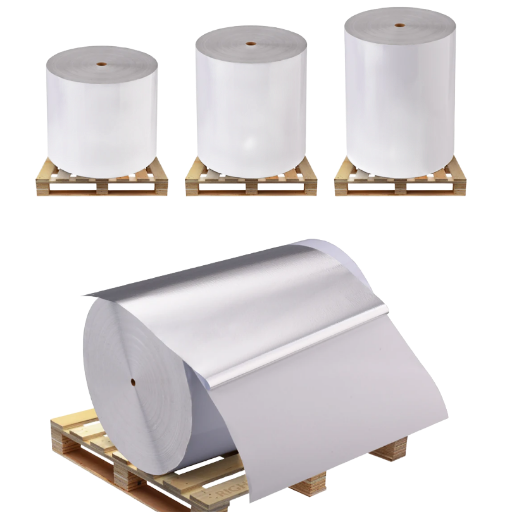
โดยสรุป: กลุ่มผลิตภัณฑ์กระดาษวางจําหน่าย Guanma CCK
ห้าประเภทผลิตภัณฑ์สองโรงงานอาเซียนปรับแต่งเคลือบซิลิโคนเต็มรูปแบบ.
45 ² 160 กรัม/ตร
ช่วงน้ําหนักพื้นฐาน (ISO 536)
47 µm 130 µ
ช่วงความหนา (ISO 534)
10 นิ้ว 200 กรัม/
การปรับแรงปล่อย (FINAT FTM 3)
5 รูปแบบ
ด้านเดียว · สองด้าน · ปราศจากตัวทําละลาย · ใช้ตัวทําละลาย · การพิมพ์
7 30 วัน
เวลานํา FOB กรุงเทพฯ / โฮจิมินห์
ความล้มเหลวของฉลากแบบมีกาวในตัวจะย้อนกลับไปที่โซลูชันกระดาษวางจําหน่าย CCK ของ Liner (Guanma’s CCK)
กระดาษรองลอก CCK: อยู่ใต้ฉลากกาวในตัว เทป และคอมโพสิตพรีเพรกทุกชิ้นในโรงงานของคุณ และไลน์การแปรรูปวัสดุฉลากจะหยุดเมื่อการกักซิลิโคนมีปัญหา. ตามงานวิจัยอุตสาหกรรมที่ AWA รวบรวม อุตสาหกรรมชั้นรองลอกทั่วโลกฟื้นตัว 3.1% ใน 2024 โดยคราฟท์เคลือบดินมีส่วนแบ่งตลาด 44% ควบคู่กับคราฟท์เคลือบ PE (PCK) ที่ 40% – โครงสร้างชนิดกระดาษสองแบบที่ผู้แปรรูปฉลากทั่วโลกพึ่งพาสำหรับการผลิตฉลากกาว. เมื่อชั้นรองลอกผิดประเภทมาถึงโรงงานของคุณ จะเกิดต้นทุนสามประการ: อุปกรณ์หยุดเดินเมื่อแรงลอกไม่สม่ำเสมอ การสูญเสียวัสดุเมื่อการขยายตัวตามขนาดในสภาพชื้นทำให้งานตัดด้วยแม่พิมพ์เสีย และคำสั่งซื้อเร่งด่วนเมื่อห่วงโซ่อุปทานแหล่งเดียวเพิ่มต้นทุนต่อหน่วยเหนือราคาที่เสนอ 15-30%.
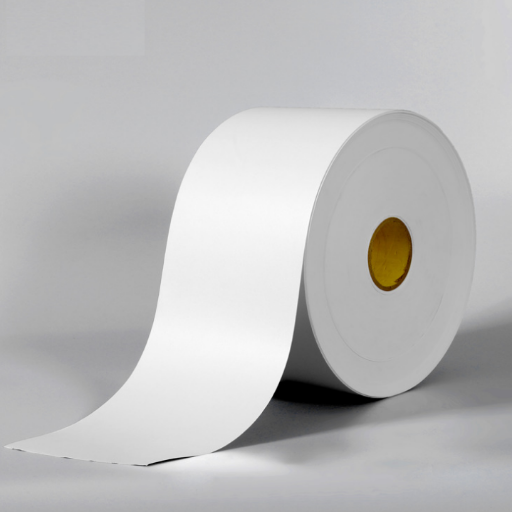
กระดาษรองกาวคราฟท์เคลือบดิน (CCK) คือวัสดุพื้นผิวกระดาษคราฟท์ที่เคลือบด้านบนด้วยชั้นดินละเอียด (kaolin) ซึ่งให้พื้นผิวเรียบและคงตัวตามเวลา ก่อนเคลือบซิลิโคนเพื่อให้กาวไวต่อแรงกดลอกออกง่ายโดยไม่เกิดอาการกาวเยิ้ม. ชั้นดินนี้เองที่ทำให้ CCK แตกต่างจาก PCK (PE-coated kraft) และกระดาษรองลอกกลาสซีน – เพราะช่วยกักซิลิโคนไว้บนชั้นดินแทนการซึมเข้าสู่เส้นใย ทำให้แรงลอกสม่ำเสมอในทุกแบตช์. เรามีตารางเปรียบเทียบโครงสร้างอย่างครบถ้วนเพิ่มเติมด้านล่างของหน้า.
กวนมาเป็นผู้ผลิตวัสดุฉลากกาวตนเองที่ครอบคลุมการเคลือบเคลือบลามิเนตการวิจัยและพัฒนาและการขายในตลาดสําหรับฉลากกาวตนเองอุตสาหกรรมและการทํางานทั้งหมดผ่านโรงงานในประเทศไทยและเวียดนามด้วยสาย PCK เฉพาะสําหรับยาง, สายเคเบิล & ลวด, ตู้แช่แข็ง, ถอดออกได้, บรรจุภัณฑ์อาหาร, เครื่องดื่ม, ยา, เคมีและการใช้งานฉลากที่ทนทานและยังคาร์บอนไฟเบอร์คอมโพสิตแผ่นรองก่อนทําหมัน ทุกม้วนที่ส่งออกมาถึงด้วยหมายเลขซีเรียลที่บันทึกรายงานการทดสอบ Q-A ตรวจสอบย้อนกลับได้จากล็อตเยื่อกระดาษผ่านชุดเคลือบทะเล, เคลือบซิลิโคน, สถานีตัดไปยัง QC สุดท้าย ดังนั้นสิ่งที่สายของคุณได้รับคือสิ่งที่คุณร้องขอ.
สามประเด็นปัญหาที่ผู้แปรรูปฉลากนำมาพูดคุยกับวิศวกรฝ่ายขายของเรา
ปล่อยแรงดริฟท์หยุดแปลงสายกลางรัน
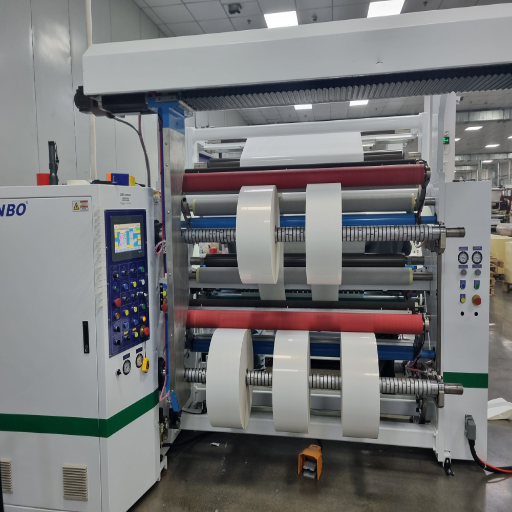
ผู้แปรรูปฉลากรายหนึ่งบรรจุกระดาษรองกาว CCK ม้วน 50,000 m ลอก 8,000 m แรกได้สะอาด และในรีลที่สามแรงลอกกระโดดจาก 15 g/in เป็น 60 g/in – การเคลือบชั้นลอกคลาดเคลื่อนกลางรีล. สาเหตุหลักคือซิลิโคนซึมเข้าเส้นใยคราฟท์เมื่อชั้นเคลือบดินบางเกินไปหรือเคลือบไม่สม่ำเสมอ. แนวทางของเรา: ควบคุมการกักซิลิโคนให้มีความสม่ำเสมอของแบตช์ที่ผ่านการทดสอบ – ค่าสัมประสิทธิ์ความแปรปรวนต่ำกว่า 2% – และเพิ่มตัวเลือกการเคลือบซิลิโคนไร้ตัวทำละลายที่ช่วยให้ลอกออกง่ายโดยไม่มีปัญหาและไม่มีอาการกาวเยิ้ม ตามค่าที่วัดระหว่างการผลิต โดยตรวจสอบทุกม้วนด้วยการสุ่มตัวอย่างแรงลอก FINAT FTM 3 ที่ต้น กลาง และท้ายของรีลที่ตัดแบ่งหน้ากว้าง.
การบวมมิติภายใต้ความชื้นเอียงการตัดด้วยแม่พิมพ์
ปัญหาของผู้นำอุตสาหกรรมในสภาพแวดล้อมโรงงานเขตร้อนและชื้นคือความไม่คงตัวจากการขยายตัวตามขนาดของไลเนอร์. เมื่อวัสดุพื้นผิวกระดาษคราฟท์ดูดซับความชื้น ขอบจะขยาย .5-.15% ร่วมกับการเลื่อนตำแหน่งลงทะเบียนของงานตัดด้วยแม่พิมพ์ จนต้องทิ้งงานพิมพ์ทั้งรอบ. กระดาษรองกาว Guanma CCK รักษาส่วนผสมเยื่อกระดาษที่ควบคุมอย่างเข้มงวด พร้อมระบบควบคุมสมดุลความชื้นที่ออกแบบไว้ในโรงงานผลิตของเราใน Thailand และ Vietnam โดยวัดการเปลี่ยนแปลงขนาดตามการทดสอบ ISO 5630 ด้วยค่าสัมประสิทธิ์ความแปรปรวนต่ำกว่า 2%- ไลน์การแปรรูปวัสดุฉลากจึงรักษาการลงทะเบียนได้ใสตลอดรอบความชื้นช่วงฤดูร้อน ASEAN.
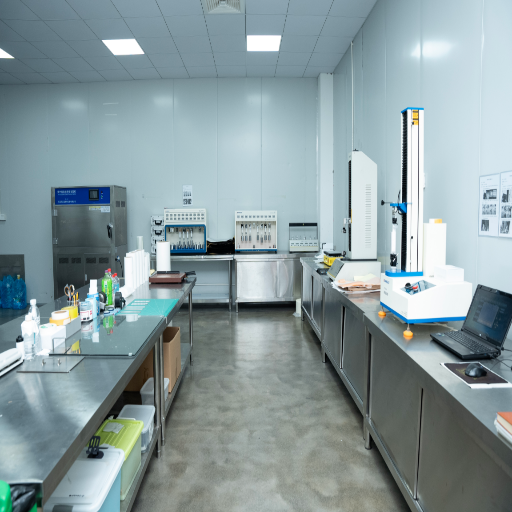
ความเสี่ยงด้านอุปทานจากแหล่งเดียวกระทบ 15 ครั้ง 30%้นทุนพุ่งสูงขึ้นจากการหยุดชะงัก
เอกสารอุตสาหกรรมที่วิเคราะห์ผู้จัดซื้อของผู้แปรรูปฉลากระบุความเสี่ยงแฝงสามประการจากซัพพลายเออร์ชั้นรองลอกแหล่งเดียว: การส่งมอบหยุดชะงักเมื่อมีเพียงโรงงานเดียวที่ปิดซ่อมบำรุงตามกำหนด ต้นทุนเพิ่ม 15-30% จากการเร่งส่งทางอากาศ และการผูกมัดยอดซื้อขั้นต่ำที่กัดกินกำไรจากการแปรรูป. ด้วยการตั้งค่าโรงงานคู่ของ Guanma ใน Thailand และ Vietnam ระบบ QC เดียวกัน การเคลือบซิลิโคนเดียวกัน และข้อกำหนดทางเทคนิคสินค้าสำเร็จรูปเดียวกัน จะถูกจัดส่งทั่วประเทศ-ผู้แปรรูปฉลาก Guanma ที่เป็นไปตามข้อกำหนดจึงมีแหล่งจัดหาคู่โดยอัตโนมัติ เพื่อคุ้มครองจากการหยุดชะงักของสถานที่ใดสถานที่หนึ่ง.
กลุ่มผลิตภัณฑ์ CCK สําหรับงานเบาของ Guanma 5 รูปแบบ การตรวจสอบสถาปัตยกรรมเทียบกับฟิล์ม PCK/กลาสซีน/ PET การอัปเดตเกี่ยวกับอุตสาหกรรมผู้ซื้อฉลาก 9 รายการที่ให้บริการ และการอภิปรายเกี่ยวกับการรับรอง ISO การตรวจสอบย้อนกลับของวัสดุ และความโปร่งใสในการซื้อ.
ชุดกระดาษวางจําหน่าย Guanma CCK 5 รูปแบบสําหรับฉลาก เทป คอมโพสิต ยา และอาหาร
กระดาษรองกาวคราฟท์เคลือบดินของ Guanma ในฐานะชั้นรองลอกซิลิโคน รองรับผลิตภัณฑ์ห้ารุ่นที่มีจำหน่าย และได้รับการออกแบบให้ตรงกับลักษณะการใช้งานของผู้แปรรูปฉลากกาวในตัวและโรงงานคอมโพสิตพรีเพรก. แต่ละประเภทจัดส่งพร้อมรายงาน QC ของแบตช์ที่มีหมายเลขซีเรียล การตรวจติดตามแรงลอก FINAT FTM 3 และใบรับรองวัสดุที่เชื่อมโยงล็อตเส้นใยกระดาษคราฟท์กับแบตช์เคลือบซิลิโคนขั้นสุดท้าย. รายการด้านล่างแสดงชุดการใช้งานหลักของแต่ละประเภท.
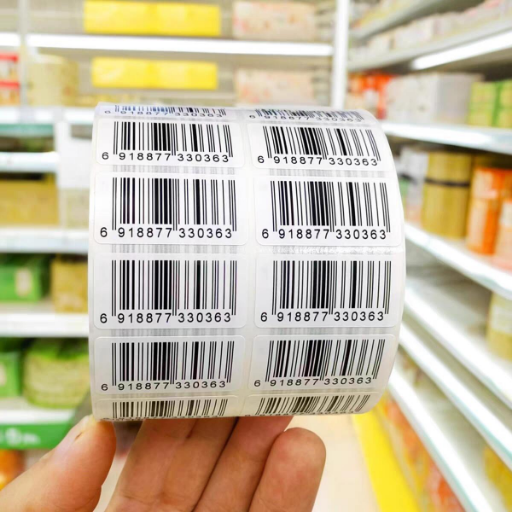
CCK การเคลือบด้านเดียว
45-92 กรัม/ตร.ม.· 47-82 µm· ปล่อยแสงถึงปานกลาง
วัสดุหน้าคราฟท์ เคลือบซิลิโคนด้านเดียวเพื่อให้ลอกง่ายจากด้านหนึ่ง และด้านหลังเป็นคราฟท์ที่พิมพ์ได้ สำหรับผู้แปรรูปฉลากกาวในตัวและผู้ผลิตสติกเกอร์ที่ต้องการวัสดุหน้าคราฟท์ที่มีคุณสมบัติการลอกคาดการณ์ได้
ขอเอกสารข้อมูลจําเพาะ →
▲
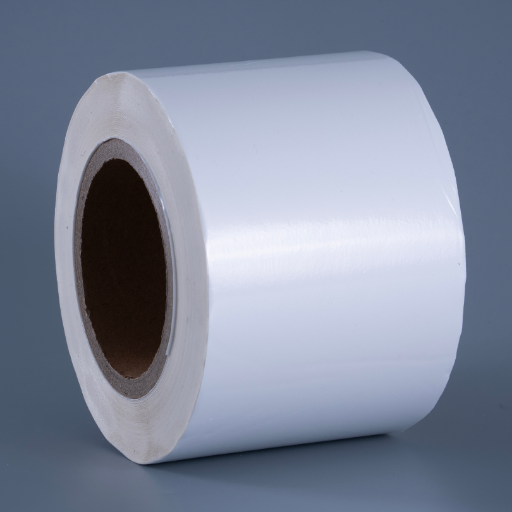
CCK เคลือบสองด้าน
66-160 กรัม/ตร.ม.· 63-130 µm· ปล่อยปานกลางถึงหนัก
เคลือบซิลิโคนสองด้านเพื่อให้ง่ายต่อการปลดปล่อยทั้งสองด้าน สําหรับแผ่นซับเทปกาวสองชั้นเทปถ่ายโอนรังสียูวีหรือผลิตภัณฑ์กาวอื่น ๆ ซึ่งต้องการการปลดปล่อยบนสต็อกใบหน้าทั้งสอง ออกแบบมาเพื่อให้ความแตกต่างในการปลดปล่อยที่มั่นคงและวัดได้ในการวิ่งแปลงปริมาณสูง.
ขอเอกสารข้อมูลจําเพาะ →
▲
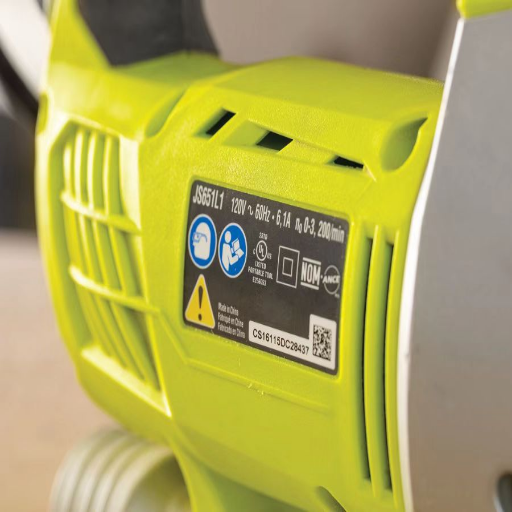
CCK ปราศจากตัวทําละลาย
50 · 20 กรัม/ตร.ม. · VOC ต่ํา · เข้ากันได้กับ PSA แบบละลายร้อน
การใช้งานแบบไร้ตัวทําละลายซิลิโคนสําหรับคอนเวอร์เตอร์ที่มีจุดมุ่งหมายเพื่อลดการปล่อยสาร VOC และถึงขีดจํากัดข้อกําหนดเฉพาะเนื้อหาตัวทําละลาย EU REACH เหมาะอย่างยิ่งสําหรับระบบ PSA ยางละลายร้อนและอะคริลิกอิมัลชันที่การโยกย้ายของตัวทําละลายเป็นสิ่งที่ยอมรับไม่ได้.
ขอเอกสารข้อมูลจําเพาะ →
▲
CCK ที่ใช้ตัวทําละลาย
45 · 60 กรัม/ตร.ม. · ปรับต้นทุนให้เหมาะสม · ความเข้ากันได้ของกาวแบบกว้าง
แอพลิเคชันซิลิโคนไร้ตัวทําละลายที่การแปลงนําโดยการย้ายไปยังกาวไร้ตัวทําละลาย ครอบคลุมความเข้ากันได้ของ PSA ที่กว้างที่สุดซองเต็มเป็นทางเลือกที่ใช้ตัวทําละลาย.
ขอเอกสารข้อมูลจําเพาะ →
▲
การพิมพ์ซีซีเค
60-120 กรัม/ตร.ม. · พื้นผิวเรียบ · เข้ากันได้กับ ISO 8791 Flexo/ Offset
ซับที่มีเคลือบทินเหนียวพร้อมพิมพ์ที่ด้านหลังช่วยให้สามารถแปลงเป็นพิมพ์ซับที่มีตราสินค้าที่ลูกค้าการเข้ารหัสชุดเครื่องหมายควบคุมหรือคุณสมบัติป้องกันการปลอมแปลง ความเรียบที่ปรับให้เหมาะสมตามมาตรฐาน ISO 8791 Bekk สําหรับกระบวนการพิมพ์เฟล็กโซและออฟเซ็ต.
ขอเอกสารข้อมูลจําเพาะ →
▲
ตารางข้อกําหนดกระดาษวางจําหน่าย CCK
ความคลาดเคลื่อนของข้อกําหนดด้านล่างตรงกับพอร์ตโฟลิโอเต็มรูปแบบของฐานกระดาษปล่อย Guanma CCK ยืนยันน้ําหนักพื้นฐานเฉพาะไวยากรณ์คาลิเปอร์และค่าแรงปล่อยเมื่อแอปพลิเคชันทดสอบถูกตั้งค่าด้วยโปรไฟล์หน้าที่ที่คุณต้องการในช่วง RFQ; ม้วนทดลองของแต่ละรายการจะมีให้สําหรับการตรวจสอบการรวมก่อนที่จะซื้อจํานวนมาก.
| ทรัพย์สิน | วิธีทดสอบ | ช่วง | ค่าทั่วไป |
|---|---|---|---|
| น้ําหนักพื้นฐาน | ISO 536 | 45 160 กรัม/ตร.ม | 78 กรัม/ตร.ม. (ฉลาก) |
| ความหนา | ISO 534 | 47 130 ไมโครเมตร | 82 ไมโครเมตร (ฉลาก) |
| แรงปล่อย (ความเร็วต่ํา) | ฟินัต เอฟทีเอ็ม 3 | 10200 กรัม/นิ้ว | 20 (ปล่อยแสง 0 กรัม/นิ้ว) |
| ความเรียบของพื้นผิว | ISO 8791 เบ็ค | 150000 วินาที 3000 วินาที | 2200 ส |
| ความมั่นคงมิติ | ISO 5630 (ความชื้น) | CV < 2% | CV 1.4% |
| อุณหภูมิในการทํางาน | รักษา/จัดเก็บ | −40 ถึง 200 °C | การบ่มคอมโพสิต 200 °C |
| พื้นผิวที่ไม่ติด | การทดสอบการมองเห็น + การลอก | ผ่าน/ล้มเหลว | ผ่าน (ไม่มีการถ่ายโอนสารตกค้าง) |
| น้ําหนักเคลือบซิลิโคน | เอ็กซ์อาร์เอฟ | 0.8 1.5 ก./ตร.ม | 1.1 กรัม/ตร.ม |
| การปฏิบัติตามข้อกําหนดการติดต่อด้านอาหาร | BfR XXXVI/FDA 21 CFR | มีให้บริการตามคําขอ | เกรดยา/อาหาร |
ที่มา: บันทึก QC ของโรงงาน Guanma ปี 2024-2025 เงื่อนไขการทดสอบ: 23 C, 50% ความชื้นสัมพัทธ์ตามบรรยากาศอ้างอิง ISO 187 เว้นแต่จะระบุไว้เป็นอย่างอื่น.
ตัวเลือกการเคลือบซับซิลิโคนปล่อย & การปรับแต่งแรงปล่อย
แรงปล่อยบนแผ่นซับซิลิโคนสามารถจับคู่ได้ภายในสองลําดับความสําคัญในช่วงกว้างโดยการเปลี่ยนแปลงของเคมีโพลีเมอร์ซิลิโคนระบบการบ่มและโหลดการเคลือบ กวนมานําเสนอเคมีสามชนิดที่จับคู่กับวัสดุ PSA ห้าชนิดที่ใช้โดยตัวแปลงฉลากและเทปทั่วโลก.
- ซิลิโคนที่ใช้ตัวทําละลาย •ให้ ความเข้ากันได้ของ PSA ที่กว้างที่สุดกับการแปลงรวมต่ําสุด รอบการรักษาที่เร็วที่สุด PCT สิทธิบัตรป้องกันสารเคมี เหมาะสําหรับอะคริลิคตัวทําละลายการยึดเกาะตามน้ําและระบบรักษาความร้อน.
- ซิลิโคนไร้ตัวทําละลาย •ศูนย์ VOC สําหรับ EU REACH และตัวแปลงที่ทํางานตามเป้าหมายการลด VOC ที่ดีที่สุดสําหรับการยึดเกาะของยางร้อนละลายและระบบ PSA อิมัลชันอะคริลิกที่ต้องเก็บไว้โดยปราศจากการโยกย้ายของตัวทําละลาย.
- ซิลิโคนสูตรน้ํา •แอพลิเคชันสีเขียวเหมาะสําหรับตัวแปลงหาโซลูชั่นที่ยั่งยืน เข้ากันได้กับกาวอิมัลชัน PSA และอะคริลิคแบบน้ํา.
ควบคุมแรงปล่อยโดยอัตราส่วนโมลของซิลิโคนโพลีเมอร์และความหนาของเคลย์โค้ต:
- การปล่อยแสง (10-30 กรัม/นิ้ว ต่อ FINAT FTM 3) ฉลากขวดเร็วและการจ่ายความเร็วสูงลอกและติดการใช้งานของผู้บริโภค
- ปล่อยปานกลาง (30-80 กรัม/นิ้ว) – การแปรรูปวัสดุฉลากชนิดน้ำ การผลิตไลเนอร์เทป และการใช้งานถ่ายโอนอื่น ๆ
- รุ่นสูง (80-200 กรัม/นิ้ว) ฉลากติดรถยนต์และฉลากอุตสาหกรรมต้องใช้กาวติดถาวร
“เราแยกส่วนผสมอัตราส่วนซิลิโคนโพลีเมอร์ 18 ชนิดกับตัวแยก FINAT FTM 3 ก่อนที่จะแก้ไขข้อกําหนดเนื้อหา Guanma CCK ตามแนวโน้มการกําหนดสูตรทางเคมี สูตรเคลือบขั้นสุดท้ายเพิ่มเติมทุกชุดทําให้เกิดช่วงแรงปลดปล่อยเดียวกันที่แม่นยําไม่ว่าจะเรียนรู้จากตัวแปลงในกรุงเทพฯหรือเวียดนาม ความสามารถในการทําซ้ําของแรงปลดปล่อยเป็นทางเลือกในการจัดซื้อไม่ใช่การอ้างสิทธิ์ทางการตลาด.”
CCK กับ PCK กับ Glassine กับ PET Film กับ Non-Silicone — การเปรียบเทียบสถาปัตยกรรมซับที่ปล่อยซิลิโคน
ผู้แปรรูปฉลากกาวในตัวและซัพพลายเออร์คอมโพสิตพรีเพรกต้องเลือกระหว่างโครงสร้างชั้นรองลอกซิลิโคนห้าแบบ ตามรายละเอียดของเคมีกาว เคมีของการเคลือบชั้นลอก ข้อกำหนดความคงตัวของขนาด อุณหภูมิใช้งานที่เหมาะสม และต้นทุนรวมของชุดไลเนอร์ตลอดอายุการใช้งานของไลน์การแปรรูปวัสดุฉลาก. ประสิทธิภาพไม่ติดของแต่ละโครงสร้างร่วมกับคุณภาพการกักซิลิโคนของชั้นที่ได้ เป็นตัวกำหนดว่าไลเนอร์จะลอกออกได้ตามความเร็วไลน์การแปรรูปวัสดุฉลากที่โรงงานใช้งานหรือไม่.
จากการคํานวณส่วนแบ่งการตลาดของ AWA ปรากฏว่าคราฟท์เคลือบดินเหนียว (CCK) ประกอบขึ้นเป็น 44% และคราฟท์เคลือบ PE (PCK) ประกอบขึ้นเป็น 40% ของตลาดไลเนอร์ปล่อยทั่วโลกทั้งหมด ดังนั้นกาวทั้งหมดครอบงําส่วนฉลากทั้งหมดอย่างสมบูรณ์ ฉลากด้วยแก้ว, ฟิล์มปล่อย PET และวัสดุทดแทนที่ไม่ใช่ซิลิโคนที่เหมาะสมอย่างเลือกสรรสําหรับการใช้งานเฉพาะกลุ่ม เมทริกซ์ด้านล่างตัดกันสถาปนิกทั้งห้าที่มีข้อกําหนดเชิงพาณิชย์จริงช่วงสูง/กลาง/ต่ําโทน.
| มิติ | ซีซีเค (กวนมา) | PCK (เคลือบ PE) | กลาสซีน | ฟิล์มลอก PET | ไม่ใช่ซิลิโคน |
|---|---|---|---|---|---|
| น้ําหนักพื้นฐาน | 45 160 กรัม/ตร.ม | 60 150 กรัม/ตร.ม | 50 กรัม/ตร.ม | 25 ฟิล์ม 100 µm | หลากหลาย |
| แรงปล่อย (FTM 3) | 10200 กรัม/นิ้ว | 15 180 กรัม/นิ้ว | 20 150 กรัม/นิ้ว | 5 นิ้ว 00 กรัม/นิ้ว | 8 กรัม/นิ้ว |
| ความเข้ากันได้ของการพิมพ์ | ยอดเยี่ยม (เคลย์โค้ต) | ดี | จํากัด (กึ่งโปร่งใส) | ยาก (พลังงานพื้นผิวต่ํา) | จํากัด |
| ซิลิโคนโฮลดิ้ง | ยอดเยี่ยม | ยอดเยี่ยม | ดี | ยอดเยี่ยม | ไม่มี (ไม่ใช่ซิลิโคน) |
| ความมั่นคงมิติ | CV < 2% | CV < 2% | ประวัติย่อ < 3% | ประวัติย่อ < 0.5% | ประวัติย่อ < 3% |
| ช่วงปฏิบัติการ | −40 ถึง 200 °C | −40 ถึง 130 °C | −40 ถึง 150 °C | −60 ถึง 200 °C | −20 ถึง 80 °C |
| ส่วนแบ่งการตลาดทั่วโลก | 44% (ส่วนป้ายกํากับ) | 40% | ~10% (เอนเทป) | 3% | <1% |
| ดัชนีต้นทุน (CCK = 1.0) | 1.0 พื้นฐาน | 0.95 | 0.85 | 1.6 | 0.7 |
| ความสามารถในการรีไซเคิล | สูง (กระดาษ) | ปานกลาง (การแยก PE) | สูง (กระดาษ) | ต่ํา (กระแส PET) | สูง |
| แอพพลิเคชั่นที่ดีที่สุด | ฉลาก + คอมโพสิต + ยา + อาหาร | ป้ายกํากับ + เทป | สติ๊กเกอร์ + งานฝีมือ + เทปแสง | คอมโพสิต + อิเล็กทรอนิกส์ที่มีอุณหภูมิสูง | ไม่มีซับใน/พิเศษ |
ที่มา: การวิเคราะห์ตลาดฟิล์มกราฟิกที่ไวต่อแรงกดของ AWA; การวิเคราะห์ QC ของโรงงานกวนมา; FINAT FTM 3; ISO 534/5630 ดัชนีต้นทุนทําให้เป็นมาตรฐานจนถึงพื้นฐาน CCK; ต้นทุนจริงจะแตกต่างกันไปตามเกรดวัสดุ เคมีเคลือบ ระดับขั้นต่ํา.
ลอจิกการตัดสินใจด้านสถาปัตยกรรม ซึ่งไลเนอร์ชนะเมื่อ
เมทริกซ์ความเข้ากันได้ของไลเนอร์-กาว
นอกเหนือจากวัสดุพิมพ์ที่จะเคลือบและจํานวนเครื่องมือที่จะเรียกใช้แล้วปัจจัยการตัดสินใจที่สําคัญในการเลือกแผ่นซับปล่อยคือเคมี PSA ที่จะเข้าร่วม แผนภูมิด้านล่างเชื่อมโยงเคมี PSA ที่พบบ่อยที่สุดห้าชนิดที่วิ่งออกจากเส้นแปลงไปยังลามิเนต Guanma CCK ห้าสายพันธุ์ที่ตรงกับพื้นผิวกาวเหล่านั้น.
| ครอบครัวกาว | มาตรฐานซีซีเค | CCK ปราศจากตัวทําละลาย | ซีซีเคสองด้าน | กลาสซีน | ฟิล์ม PET |
|---|---|---|---|---|---|
| ยางร้อนละลาย PSA | ยอดเยี่ยม | ยอดเยี่ยม | ยอดเยี่ยม | ยอมรับได้ | ยอมรับได้ |
| อะคริลิคอิมัลชัน | ยอดเยี่ยม | ยอดเยี่ยม | ยอดเยี่ยม | ยอดเยี่ยม | ยอมรับได้ |
| ตัวทําละลายอะคริลิค | ยอดเยี่ยม | ความเสี่ยงในการอพยพของพลาสติไซเซอร์ | ยอดเยี่ยม | ยอดเยี่ยม | ยอดเยี่ยม |
| กาวที่รักษาด้วยรังสียูวี | ยอดเยี่ยม | ยอดเยี่ยม | ยอดเยี่ยม | ยอมรับได้ | ยอดเยี่ยม |
| PSA ที่ใช้น้ํา | ยอดเยี่ยม | ยอดเยี่ยม | ยอดเยี่ยม | ยอดเยี่ยม | ยอมรับได้ |
ข้อมูลจําเพาะของแอปพลิเคชันพัฒนาอย่างราบรื่นจากการทดลองทดสอบทางวิศวกรรมแอปพลิเคชัน Guanma กับเคมี PSA ที่ละลายด้วยความร้อน อิมัลชัน ตัวทําละลาย อะคริลิก กระตุ้นด้วยรังสียูวี และน้ําที่ทํางานบนความเร็วสายการแปลงทั่วไป.
สําหรับ: ผู้จัดการโรงงาน · วิศวกร (พอดีทางเทคนิค)
ต้องการปรับต้นทุนรวมของโมเดล Liner ให้เข้ากับสายการแปลงของคุณหรือไม่?
ขอแผ่นงาน TCO แบบกําหนดเอง → ขนาดตามโปรไฟล์หน้าที่ของคุณ.
โดยที่กระดาษวางจําหน่าย Guanma CCK ทํางาน 9 อุตสาหกรรมฉลาก + การผลิตคอมโพสิต
กระดาษรองกาว Guanma CCK ได้จัดส่งให้ผู้แปรรูปฉลากในอุตสาหกรรมฉลากกาวในตัวเก้าประเภท. นอกจากนี้ยังจัดส่งให้ผู้ผลิต Carbon Fiber และ TPU Pre-Preg สำหรับการบ่มหรือการลามิเนต. แต่ละอุตสาหกรรมมีลักษณะภาระงานเฉพาะด้านแรงลอก ความคงตัวของขนาด การปฏิบัติตามข้อกำหนดอาหารและเภสัชภัณฑ์ และอุณหภูมิใช้งาน ภายในกลุ่มผลิตภัณฑ์และเคมีซิลิโคนที่เรามี.
อุตสาหกรรมฉลากแบบมีกาวในตัว
ฉลากยาง
การปลดปล่อยแน่นสต็อกใบหน้าที่ทนต่อการขัดถูกาวที่ทนทาน CCK ที่ใช้ตัวทําละลาย 92 กรัม/ตร.ม. และการปลดปล่อยปานกลาง.
ฉลากสายเคเบิลและสายไฟ
ทนต่อรังสียูวีทนความร้อนได้ถึง 105C CCK ด้านเดียวเข้ากันได้กับกาวอะคริลิคตัวทําละลาย.
ป้ายตู้แช่แข็ง
โซ่เย็นที่ 40 C ในช่องแช่แข็ง CCK สองด้านพร้อมการควบคุมความชื้นให้ชินกับสภาพแวดล้อม.
ป้ายที่ถอดออกได้
การปรับแต่งการปล่อยแสง (10-25 กรัม/นิ้ว) เพื่อการลอกที่สะอาดโดยไม่มีสารตกค้าง ยางละลายร้อน CCK ด้านเดียว PSA.
ฉลากยา
เข้ากันได้กับ ISO 22000 Bf R XXXVI, ล้างเส้นทางการตรวจสอบ GMP, บันทึกเธรดการติดตามวัสดุ.
ฉลากเคมี
RoHS, การปฏิบัติตามข้อกําหนด REACH, ทนต่อตัวทําละลายและทนน้ํามันสําหรับการส่งออกของสหภาพยุโรป ตัวทําละลายหรือตัวทําละลายฟรี CCK.
ฉลากบรรจุภัณฑ์อาหาร
FDA 21 CFR, การสัมผัสอาหารโดยตรง, ตัวทําละลาย Free CCK พร้อมซิลิโคนที่มีการโยกย้ายต่ํา.
เครื่องดื่มและฉลากไวน์
การเก็บรักษาขวดฮัมหรือสภาพแวดล้อมความชื้นเสถียรภาพมิติผ่านการควบแน่น CCK ด้านเดียวที่มีน้ําหนักพื้นฐานควบคุม.
ฉลากที่ทนทาน
ความทนทานกลางแจ้งสําหรับ 5-7 ปีของการสัมผัสรังสียูวี ซีซีเคสองด้านพร้อมอะคริลิคอิมัลชัน PSA.
การผลิตพรีเพรกคาร์บอนไฟเบอร์และ TPU คอมโพสิต
คอมโพสิตพรีเพกสําหรับการบ่มด้วย 180-200 C ผ่านกระบวนการ Autoclave หรือ Out of Autoclave CCK ระดับกลางต้องคงความสมบูรณ์ของมิติผ่านกระบวนการ เรซินและเครื่องมือที่ไม่มีการบ่มในสถานะของเหลวจะต้องไม่ถูกปนเปื้อนโดยไลเนอร์ Guanma Solvent-Free หรือ Double-Side CCK50 ในน้ําหนักพื้นฐาน 100-160 กรัม/ตร.ม. ได้รับการออกแบบมาสําหรับหน้าต่าง 200 C ซิลิโคนการโยกย้ายต่ํา.
สแนปชอตแอปพลิเคชันภาคสนาม
KajuSuh ผู้แปรรูปฉลากเภสัชภัณฑ์
(10 M/ปีในเกรด B จากยุโรป): เปลี่ยนจากซัพพลายเออร์ในยุโรปแหล่งเดียวเป็น CCK ISO 22000 ที่ปราศจากตัวทําละลาย Guanma เคลียร์การตรวจสอบ EU-GMP เป็นครั้งแรกด้วยคอลัมน์ติดตาม + เอกสารประกอบ.
ฉลากยาง EU OEM (รายปี)
เปลี่ยนไปใช้ CCK ที่ใช้ตัวทําละลาย Guanma 92 กรัม/ตร.ม. คัดกรองการตรวจสอบ EU REACH; เริ่มจัดส่ง FOB กรุงเทพฯ และภายใน 14 วันสําหรับช่องว่างการจัดหาฉุกเฉิน.
พรีเพกคาร์บอนไฟเบอร์ระดับการบินและอวกาศ
Guanma 120 กรัม/ตร.ม. ที่ผ่านการรับรอง CCK ปราศจากตัวทําละลายสําหรับการบ่ม 200 C พร้อมการเปลี่ยนแปลงมิติย่อย 1% เปลี่ยนซับ Mondi; ไม่มีการกําหนดสูตรเรซินใหม่.
บรรจุภัณฑ์อาหารปรุงสําเร็จแช่แข็ง
CCK สองด้านผ่านการจัดเก็บช่องแช่แข็ง 40 C เป็นเวลา 90 วันโดยไม่มีการแยกชั้นที่หน้าไลเนอร์.
กําลังมองหาตัวแปร CCK ที่ตรงกับอุตสาหกรรมฉลากเฉพาะของคุณหรือโปรไฟล์การรักษาแบบคอมโพสิตอยู่ใช่ไหม?
สําหรับ: การจัดซื้อจัดจ้าง (หลัก) · วิศวกร (การบังคับใช้มาตรฐาน)มาตรฐานวัสดุ การรับรอง ISO และเธรดการติดตามวัสดุ
สาเหตุที่แพร่หลายมากที่สุดสําหรับการปฏิเสธการนําเข้าวัสดุฉลากระหว่างประเทศไม่ใช่ข้อบกพร่องด้านคุณภาพในระหว่างการตรวจสอบที่เข้ามา แต่ใบรับรองวัสดุที่ไม่ตรงกันที่เปิดเผยในการตรวจสอบ GMP หรือ REACH ของลูกค้าสองปีหลังจากข้อเท็จจริง การรวมแนวตั้งของ Guanma ในการจัดหาเยื่อกระดาษการเคลือบดินเหนียวรอยพิมพ์ซิลิโคนการตัดและ QC ภายใต้ระบบการจัดการคุณภาพ ISO 9001:2015 ที่ครอบคลุมทั้งหมดเดียวทั่วทั้งห่วงโซ่อุปทานหลีกเลี่ยงความไม่ตรงกันเหล่านี้: หนึ่งม้วนอ้างอิงหมายเลขซีเรียลหนึ่งหมายเลขสําหรับการกระทบยอดที่สมบูรณ์จากล็อตวัตถุดิบไปยังใบรับรองการทดสอบประสิทธิภาพ.
ISO 9001:2015
การจัดการคุณภาพ
ISO 14001:2015
เอ็มจีเอ็มทีสิ่งแวดล้อม
ISO 45001:2018
เอชแอนด์เอสอาชีวอนามัย
ISO 22000
ติดต่อด้านอาหาร (req)
RoHS/การเข้าถึง
การปฏิบัติตามข้อกําหนดของสหภาพยุโรป
ฟินัต เอฟทีเอ็ม 3
การทดสอบแรงปล่อย
วัสดุติดตามเธรด Pulp Lot ถึง Performance Curve
กระดาษรองกาว Guanma CCK ทุกม้วนมีหมายเลขซีเรียลเฉพาะที่ติดตามผ่านขั้นตอนการผลิตทั้งหกขั้นตอน โดยแต่ละขั้นตอนมีบันทึกแบตช์จัดเก็บไว้เป็นเวลาห้าปี—นานเกินพอสำหรับการตรวจสอบตามกฎระเบียบ การเรียกร้องความเสียหายจากการกัดกร่อนหรือการปนเปื้อนของลูกค้า หรือปัญหาด้านประสิทธิภาพของกาวไวต่อแรงกดที่ปรากฏขึ้นหลายปีหลังการส่งมอบ. การบูรณาการภายในคือสิ่งที่ทำให้การติดตามนี้เป็นไปได้; ม้วนที่ประกอบจากแผ่นวัสดุที่จัดซื้อมาไม่สามารถทำได้.
เยื่อกระดาษล็อต
→
ชุดเคลือบดินเหนียว
→
ชุดแอปพลิเคชันซิลิโคน
→
สถานีตัด
→
หมายเลขซีเรียลม้วน
→
ใบรับรองการทดสอบประสิทธิภาพ
วิธีการทดสอบและการอ้างอิงมาตรฐาน
- น้ําหนัก; น้ําหนักพื้นฐาน: AS ระบบ MOOT 22 p://home.smhp.net/po.html; ISO 536 (กราวิเมตริก, 23 C / 50% RH ต่อ ISO 187)
- ความหนา: ISO 534 (หน้าสัมผัสแผ่นเดียว)
- แรงปล่อย: FINAT FTM 3 การลอกด้วยความเร็วต่ําและการลอกความเร็วสูง TLMI L1 สําหรับการใช้งานเทป.
- ความเรียบของพื้นผิว: ISO 8791 Bekk (วิธีอากาศรั่ว)
- ความคงตัวของขนาด: การสัมผัสความชื้น ISO 5630
- อาหารปนเปื้อน: คําแนะนํา Bf R XXXVI (Allemagne), FDA 21 CFR 175.300 (สหรัฐอเมริกา)
- การรักษาคอมโพสิต: ข้อมูลอ้างอิง ASTM D3171 สําหรับการทดสอบลามิเนตไฟเบอร์เรซิน
- ใบรับรองการผลิต: แหล่งที่มาของ pâte vérifiée par SGS, qualite de prélèvement pour le Clay et Batch de Silicium polymer ศรีเนเซสแซร์.
การทดสอบอุทกสถิตและประสิทธิภาพ
กระดาษปล่อย CCK แต่ละชุดที่ออกจากโรงงานจะต้องสุ่มตัวอย่างแรงปล่อยที่จุดเริ่มต้น/กลาง/สิ้นสุดของการตัดโดยใช้โปรโตคอล FINAT FTM 3 ความแปรผันจะถูกบันทึกไว้ในช่วงชุดและผลลัพธ์จะรวมอยู่ในเส้นโค้งประสิทธิภาพที่จัดส่งซึ่งสืบย้อนไปถึงปั๊มของแหล่งกําเนิดที่จัดส่งแบบอนุกรมม้วน การตรวจสอบบุคคลที่สามของ SGS หรือ TUV มีให้โดยค่าใช้จ่ายของผู้ซื้อและไม่มีค่าใช้จ่ายบันทึกประสิทธิภาพของชุดจะถูกเผยแพร่หลังจากได้รับการอนุมัติจากผู้ตรวจสอบเท่านั้น.
ดําเนินการตรวจสอบ EU REACH หรือคุณสมบัติ GMP ทางเภสัชกรรมหรือไม่?
ดาวน์โหลดเอกสารการปฏิบัติตามข้อกําหนดฉบับเต็ม → ใบรับรอง ISO, รายงานการทดสอบ FINAT, จดหมายปฏิบัติตามข้อกําหนด BfR.
คู่มือการจัดซื้อจัดจ้างผู้ผลิตกระดาษ CCK สําหรับระยะเวลารอคอยสินค้า MOQ และ OEM
ลูกค้าอุตสาหกรรมกล่าวถึงข้อกังวล 4 ข้อเดียวกันที่เกิดขึ้นเสมอในระหว่างการตัดสินใจจัดหาเพื่อประเมินผู้จัดจําหน่ายกระดาษวางจําหน่าย CCK ที่มีศักยภาพ: ชิ้นส่วนและความพร้อมของเกรดระดับเอกสาร (ISO + การรับรองวัสดุ) ความสอดคล้องของเวลานําและความสามารถในการรักษาความสัมพันธ์ระยะยาวหลังจากใบสั่งซื้อครั้งแรก ในฐานะผู้ผลิตเอกสารวางจําหน่าย CCK กับโรงงานในประเทศไทยและเวียดนามสําหรับการทําธุรกิจในเอเชียตะวันออกเฉียงใต้อเมริกาใต้และยุโรปรูปแบบการซื้อกวนมาถูกสร้างขึ้นเพื่อเชื่อม 4 ‘shorings’ ทั้งหมดเหล่านั้น กรอบการทํางานของตัวขับเคลื่อนความสําเร็จด้านต้นทุนต่อหน่วยด้านล่างช่วยให้คุณแยกค่าใช้จ่ายออกจากกันใบเสนอราคาจะถูกสร้างขึ้นกับโปรไฟล์หน้าที่ระดับการรับรองและปริมาณการซื้อของคุณ.
กรอบปัจจัยการกําหนดราคา
| ปัจจัย | ผลกระทบต่อราคาที่เสนอ |
|---|---|
| น้ําหนักพื้นฐานและเกรด | คนขับที่โดดเด่น แผ่นป้ายที่มีน้ําหนักต่ํากว่า (45 จาก 78 กรัม/ตร.ม.) นั่งอยู่ในราคาที่แตกต่างกันแผ่นซับคอมโพสิตหนัก (120 160 กรัม/ตร.ม.) การเคลือบด้านเดียวและด้านคู่จะเพิ่มค่าใช้จ่ายในการใช้งานซิลิโคนเป็นสองเท่า. |
| เคมีเคลือบผิว | มาตรฐานที่ใช้ตัวทําละลายเป็นพื้นฐานที่ปรับต้นทุนให้เหมาะสม ซิลิโคนที่ปราศจากตัวทําละลายจะเพิ่มระดับพรีเมียมสําหรับกระบวนการใช้งาน VOC ที่ต่ํากว่า ซิลิโคนสูตรน้ําเพิ่มระดับพรีเมียมที่สอง. |
| เรขาคณิตม้วน | ความกว้างมาตรฐานสูงสุด 1500 มม. และเส้นผ่านศูนย์กลางแกน 76 มม. หรือ 152 มม. ความกว้างที่กําหนดเองหรือแกนที่ไม่ได้มาตรฐานจะเพิ่มค่าใช้จ่ายในการตั้งค่าการตัด. |
| ขอบเขตการรับรอง | รวม ISO 9001 พื้นฐานแล้ว ISO 22000 การติดต่อด้านอาหาร, เอกสาร BfR XXXVI, จดหมาย RoHS หรือ REACH, การตรวจสอบที่มีพยาน SGS แต่ละรายการจะเพิ่มระยะเวลารอคอยเอกสารและค่าธรรมเนียมการรับรองต่อชุด. |
| ปริมาณการสั่งซื้อ (ขั้นต่ํา) | ตัวแปรสต็อกจัดส่งจากขั้นต่ํา 1 ตัน การกําหนดค่าตามสั่ง (น้ําหนักพื้นฐานที่กําหนดเองแรงปล่อยเคมีเคลือบ) เริ่มต้นที่ 5 ตัน OEM แบบกําหนดเอง (ซับพิมพ์บรรจุภัณฑ์ที่มีตราสินค้าบรรจุภัณฑ์รหัส RAL) เริ่มต้นที่ 20 ตัน. |
| ข้อกําหนดที่กําหนดเอง | การพิมพ์ด้านหลัง ขอบซับที่มีตราสินค้า บรรจุภัณฑ์สี RAL แบบกําหนดเอง เอกสาร SI / US สองภาษา แต่ละรายการจะเพิ่มรอบเวลา OEM และต้นทุนการปรับแต่งต่อม้วน. |
รับใบเสนอราคาจาก Guanma ตามโปรไฟล์หน้าที่ของคุณน้ําหนักพื้นฐานเคมีเคลือบขอบเขตการรับรองและปริมาณการสั่งซื้อ เราจะให้คําแนะนําตัวแปรสามตัวของตัวแปร CCK และการประมาณการเวลานําภายใน 24 ชั่วโมงเมื่อได้รับข้อมูลหน้าที่ทั้งหมด.
ระยะเวลาอ้างอิงอ้างอิงประเทศไทยและเวียดนามโรงงานโดยตรง
- หุ้นประเภทต่างๆ (5.0 มิลลิเมตรเหล็กหล่อเยื่อกระดาษมาตรฐานน้ําหนักตัวทําละลายที่ใช้ซิลิโคน): งานเก่ากรุงเทพฯหรือโฮจิมินห์ที่มีอยู่ภายใน 7-10 วันทําการ.
- สร้างตามคําสั่งซื้อ (น้ําหนักพื้นฐานที่กําหนดเองหรือเคมีเคลือบ): 14-30 วันผ่านรอบการเคลือบ การตัด และการควบคุมคุณภาพที่สมบูรณ์.
- OEM กําหนดเอง (การพิมพ์ฉลากส่วนตัว บรรจุภัณฑ์ที่มีตราสินค้า บันทึกที่กําหนดเอง): 30-45 วันตลอดทั้งสี่ขั้นตอนของการไหลของ OEM.
- เวลาขนส่ง: ค่าขนส่งทางอากาศโดยคํานวณค่าธรรมเนียมต่อกิโลกรัมที่ RFQ สําหรับโครงการเส้นทางวิกฤตภายใน 3-7 วัน.
- เวลาจัดส่ง: โรงงานกระดาษส่งออกอาเซียนให้โรงงานในยุโรป (Sappi, UPM, Mondi) ได้เปรียบในการขนส่ง 30-45 วันเมื่อส่งออกไปยังเอเชียอเมริกาใต้หรือยุโรปตะวันออก ภายใต้กรอบ RCEP อัตราภาษียังคงเป็นดอลลาร์ต่อดอลลาร์สําหรับผู้แปลงในประเทศสมาชิก.
ความสามารถ OEM และฉลากส่วนตัว
กวนมาดําเนินการไหล OEM สี่ขั้นตอนสําหรับตัวแปลงที่ต้องการน้ําหนักพื้นฐานที่กําหนดเองช่วงแรงปล่อยที่ไม่ได้มาตรฐานการพิมพ์ย้อนกลับแบรนด์บรรจุภัณฑ์ที่กําหนดเองหรือชุดเอกสารฉลากส่วนตัวเต็มรูปแบบ:
- ข้อมูลจําเพาะ ล็อคดาวน์ ข้อกําหนดด้านน้ําหนัก เคมี แรงปล่อย ขอบเขตการรับรอง บรรจุภัณฑ์ และเอกสารที่ได้รับการยืนยันในเอกสารข้อมูลที่ลงนามฉบับเดียว.
- การผลิตชุดทดลอง 3 ปล่อยตัวอย่างม้วนกรีดเคลือบและ FINAT FTM 3 ทดสอบแรงที่จุดเริ่มต้น/กลาง/สิ้นสุด จัดส่งให้กับลูกค้าสําหรับคุณสมบัติสภาพการทํางานภาคสนาม.
- คุณสมบัติภาคสนาม •ลูกค้าปล่อยกดม้วนทดลองของตัวเองสําหรับแรงความเสถียรของมิติและความเข้ากันได้ของการพิมพ์.
- การผลิตและจัดส่งแบบเต็มรูปแบบ •ตัวอย่างที่ผ่านการสุ่มตัวอย่างไดรฟ์จํานวนมากวิ่งผ่านการเคลือบการตัด QC การบรรจุและการจัดส่ง FOB กรุงเทพฯหรือโฮจิมินห์.
ทําซ้ําคําสั่ง OEM สําหรับสูตรที่แน่นอนหลังจากชุดแรกมักจะจัดส่งไปยังเวลารอคอยมาตรฐาน การพิมพ์ย้อนกลับฉลากส่วนตัวทั้งหมดบรรจุภัณฑ์สี RAL แบบกําหนดเองบันทึก SI / US สองภาษาและสติกเกอร์หลักที่มีตราสินค้าเปิดใช้งาน.
อะไหล่และการสนับสนุนวงจรชีวิต
น้ำหนักพื้นฐานมาตรฐานสำหรับงานเทปและฉลากที่ขายดีที่สุดจะจัดส่ง ex-works ภายในสัปดาห์เดียวกัน สำหรับคำสั่งซื้อ SKU ที่ไม่เกิน MOQ มาตรฐาน. ผู้แปรรูปฉลากที่แจ้งวิศวกรการใช้งานของเราถึงการใช้งานและช่วงภาระงาน จะได้รับข้อเสนอแนะการกำหนด CCK เฉพาะภายในสองวันทำการหลังสอบถาม; วิศวกรผู้ใช้งานที่อนุมัติช่วงภาระงานของคุณจะยังคงเป็นผู้ติดต่อด้านเทคนิคหลังการขาย ไม่ใช่คิวบริการลูกค้าที่ถูกส่งต่อ. มีบริการวินิจฉัยทางไกลด้วยวิดีโอคอล 24/7 สำหรับแก้ไขปัญหาแรงลอกบนไลน์การแปรรูปวัสดุฉลาก.
ส่งออกเอกสารและข้อกําหนดด้านสินค้า
กวนมาขายให้กับคอนเวอร์เตอร์ในเอเชียตะวันออกเฉียงใต้อเมริกาใต้และยุโรป FOB กรุงเทพฯหรือโฮจิมินห์เป็น Incoterm มาตรฐาน; CIF (พอร์ตที่ส่งมอบ) สามารถรองรับสําหรับโครงการที่ต้องการใบเสนอราคาต้นทุนที่ดินราคาเดียว 30% T/T ล่วงหน้าแล้ว 70% กับเอกสารการจัดส่งเป็นแผนการชําระเงินทั่วไป L/C ที่ไม่สามารถยกเลิกได้ที่สายตาสามารถรองรับคําสั่งซื้อที่ทีมบริการลูกค้าของเราระบุด้วยใบเสนอราคาของคุณ ทุกคําสั่งซื้อประกอบด้วยใบรับรองแหล่งกําเนิดสินค้ารายการบรรจุรายงานการทดสอบแรงปล่อย FINAT FTM 3 ใบรับรอง ISO 9001 ใบรับรองวัตถุดิบที่ผ่านการตรวจสอบ SGS (ถ้ามี) และโปรไฟล์ประสิทธิภาพการม้วนแต่ละรายการ.
ต้องการระยะเวลารอคอยสินค้าและใบเสนอราคาขั้นต่ําสําหรับตัวแปร CCK และขอบเขตการรับรองเฉพาะหรือไม่?
FOB กรุงเทพฯ หรือ โฮจิมินห์ การพลิกกลับใบเสนอราคาตลอด 24 ชั่วโมง.
สําหรับ: ใครก็ตามที่ประเมินกระดาษเผยแพร่ Guanma CCK
CCK ปล่อยกระดาษวิศวกรรมและเครื่องมือจัดซื้อจัดจ้าง
คําถามที่พบบ่อยเกี่ยวกับกระดาษวางจําหน่าย CCK การเลือก ข้อมูลจําเพาะ และการจัดซื้อจัดจ้าง
ใช่ กวนมาเสนอคุณสมบัติการทดลองม้วนล่วงหน้าของข้อตกลงจํานวนมาก ปริมาณการทดลองพื้นฐานคือหนึ่งม้วนที่ความกว้างของร่องสถานะเดิมซึ่งออกแบบมาเพื่อให้เข้ากันได้กับสายการแปลงของคุณ การจัดส่งแต่ละครั้งจะมีบันทึกที่ครอบคลุมการสุ่มตัวอย่างแรงปล่อยโดยใช้วิธี FINAT FTM 3 การวิเคราะห์น้ําหนักพื้นฐานโดยใช้วิธี ISO 536 และชุดที่ประกอบด้วยใบรับรองวัตถุดิบ ตัวแปลงส่วนใหญ่ได้เสร็จสิ้นคุณสมบัติการทดลองใช้ตั้งแต่ 2 ถึง 4 สัปดาห์ก่อนออกคําสั่งจํานวนมากครั้งแรก ขั้นตอนนี้ลดช่องว่างความพร้อมใช้งานเมื่อคุณเปลี่ยนซัพพลายเออร์จากแหล่งเดียวในยุโรป.
การแปรรูปวัสดุฉลากกาวในตัวตามปกติใช้ CCK 60–90 g/m². ชั้นรองลอกสำหรับวัสดุหน้าฉลากที่ใช้ทั่วไปที่สุดคือ 78 g/m². ไลเนอร์เทปและวัสดุรองรับเทปสองหน้ามีน้ำหนักมากกว่า อยู่ในช่วง 90–130 g/m². ไลเนอร์คอมโพสิตพรีเพรกสำหรับรอบการบ่มคาร์บอนไฟเบอร์หรือ TPU ใช้ 100–160 g/m² เพื่อความคงตัวตลอดช่วงรอบการบ่ม 200 °C. แจ้งน้ำหนักวัสดุหน้าฉลาก ประเภทกาว และความเร็วไลน์การแปรรูปวัสดุฉลากของคุณ แล้วเราจะแนะนำน้ำหนักพื้นฐานเฉพาะจากกลุ่มผลิตภัณฑ์ Guanma.
ใช่ ในการสัมผัสอาหารและเกรดยาที่กําหนด CCK เกรด ISO 22000 ของ Guanma เป็นเคมีซิลิโคนที่มีการโยกย้ายต่ําซึ่งได้รับการสนับสนุนโดย Bf R Recommendation XXXVI (เยอรมนี) และ FDA 21 CFR 175.300 (สหรัฐอเมริกา) ใบรับรองวัสดุและรายงานการทดสอบการย้ายข้อมูลจะรวมอยู่ในทุกชุดในเกรดนี้ ฉลากมาตรฐานและเกรดเทปไม่ได้รับการรับรองการสัมผัสอาหารเป็นมาตรฐาน F9K ของ FJC ที่ระบุโดย RFQ สําหรับเกรด ISO 22000.
ใช่. โปรแกรม OEM รวมถึงการปรับแต่งสําหรับน้ําหนักพื้นฐานช่วงแรงปล่อยเคมีซิลิโคนที่ใช้ตัวทําละลายปราศจากตัวทําละลายหรือน้ําการพิมพ์ย้อนกลับบนแผ่นซับที่มีตราสินค้าหรือการเข้ารหัสชุดบรรจุภัณฑ์ที่กําหนดเองเป็นสี RAL หรือ FS 34100 การรายงาน SI / US สองภาษา เวลานํา OEM คือ 30-45 วันสําหรับบทความแรกผ่านกลุ่มที่ได้รับอนุมัติจากนั้นทําซ้ําคําสั่ง OEM รักษาระยะเวลานํามาตรฐาน กระบวนการสี่ขั้นตอนของ OEM (ล็อคข้อมูลจําเพาะจากนั้นม้วนทดลองจากนั้นการอนุมัติตัวอย่างจากนั้นดําเนินการจํานวนมาก) ได้รับการบันทึกไว้ข้างต้นในคู่มือการจัดซื้อจัดจ้าง.
กวนมาได้รับการรับรองมาตรฐาน ISO 9001:2015 Quality Management, ISO 14001:2015 Environmental Management และ ISO 45001:2018 Occupational & safety ทั้งที่โรงงานในประเทศไทยและเวียดนาม มาตรฐาน ISO 22000 food-contact grade และ BfR XXXVI มีให้สําหรับการใช้งานด้านเภสัชกรรมและบรรจุภัณฑ์อาหารตามคําขอ ทุกชุดจะมาพร้อมกับรายงานการทดสอบแรงปล่อย AT FTM 3 ฟรี การตรวจสอบน้ําหนักพื้นฐาน ISO 536 และใบรับรองวัสดุที่ผ่านการตรวจสอบ SGS (มีจําหน่ายตามคําขอ) จดหมายการปฏิบัติตามข้อกําหนด EU REACH และ RoHS ออกให้สําหรับการใช้สารเคมีและฉลากถาวร.
CCK มาตรฐาน 1 ตัน MOQ จัดส่งแบบ FOB กรุงเทพฯ หรือโฮจิมินห์ภายใน 7-10 วันทำการ สั่งทำตามสเปก (น้ำหนักพื้นฐาน ช่วงแรงลอก เคมีภัณฑ์เคลือบ) 5 ตัน MOQ ใช้เวลา 14-30 วัน และ OEM (แบรนด์ของลูกค้า & บรรจุภัณฑ์สั่งทำ) 20 ตัน MOQ ใช้เวลาจัดส่ง 30-45 วัน โครงการที่มีเส้นทางวิกฤตสามารถเพิ่มการขนส่งทางอากาศตามอัตราต่อกิโลกรัมได้ ระยะเวลานำจากโรงงานในอาเซียนเร็วกว่ากระดาษจากโรงงานยุโรปที่ส่งไปเอเชียหรือละตินอเมริกา 30-45 วัน
CCK ปราศจากตัวทําละลายหรือ CCK สองด้านที่น้ําหนักพื้นฐาน 100-160 กรัม/ตร.ม. ได้รับการออกแบบมาสําหรับหน้าต่างการรักษา 200 C ตามแบบฉบับของกระบวนการเตรียม CFRP และ TPU เคมีซิลิโคนปราศจากตัวทําละลายจํากัดการย้ายเข้าสู่ระบบเรซินและน้ําหนักพื้นฐานที่หนักกว่าจะรักษาความเสถียรของมิติในระหว่างความดันในการบ่ม วิศวกรรมแอปพลิเคชัน GMS จะตรวจสอบโปรไฟล์หน้าที่คอมโพสิตแต่ละรายการในการทดสอบอ้างอิง ASTM D3171 ด้วย อุณหภูมิการบ่มที่ต้องการ รอบเวลา และเคมีของเรซินควรระบุที่ RFQ สําหรับคําแนะนําตัวแปร.
ใช่. พื้นผิวกระดาษคราฟท์ของเราสามารถรีไซเคิลได้ผ่านคอลเลกชันกระดาษมาตรฐานและการเคลือบซิลิโคนจะถูกถอดออกในระหว่างกระบวนการเยื่อกระดาษ ความคิดริเริ่มในอุตสาหกรรมของเรารวมถึง UPM RafCycle ได้เริ่มบุกเบิกโซลูชั่นสําหรับกระแสขยะซับฉลากที่ปล่อยออกมาภายใต้คอลเลกชันในระดับโลก เรา โรงงานในเวียดนามและไทยให้ความร่วมมือด้านลอจิสติกส์การรวบรวมการรีไซเคิลสําหรับผู้แปลงที่ดําเนินโครงการความยั่งยืนแบบวงปิด โปรดระบุข้อกําหนดหลักฐานความยั่งยืนของคุณที่ RFQ สําหรับการรับรอง/การรับประกันห่วงโซ่การดูแล FSC หรือ PEFC ที่เกี่ยวข้องในชุดที่เกี่ยวข้อง.
มุมมองทางวิศวกรรมแอปพลิเคชันของเราเกี่ยวกับการเลือกกระดาษเผยแพร่ CCK
ข้อมูลปี 2024-2025 ที่บันทึกโดย Guanma ในหน้านี้เกี่ยวกับน้ําหนักพื้นฐาน ความหนา แรงปลดปล่อย และความเสถียรของมิติโดยเฉลี่ยตลอดทั้งชุดสิ่งอํานวยความสะดวกการผลิตในประเทศไทยและเวียดนามของเราในลักษณะที่ปรับเทียบตามมาตรฐาน FINAT FTM 3 ทุกสถานีสายตัดแบทช์ ข้อมูลส่วนแบ่งการตลาด (CCK 44, PCK 40%) ระบุการศึกษาอุตสาหกรรมที่มาจาก Label และ Narrow Web 2024 เช่นเดียวกับตัวแปร CCK 30 45 วัน นําเวลาเทียบกับเวลาใบเสนอราคาโรงสีของสหภาพยุโรป ตัวแปร CCK ที่แน่นอนแอตทริบิวต์แตกต่างกันไปตามเคมีกาว ความเร็วของสายการแปลง และสภาวะความชื้นในการจัดเก็บ วิศวกรรม หน้านี้แก้ไขโดย Guman ของเราทุก ๆ ตัวแปร GuCK ประเทศไทย 45 วันเทียบกับเวลานําใบเสนอราคาของ EU MCK Vietnam คุณลักษณะของตัวแปร CCK ที่แน่นอน.