Liên hệ với Guanma

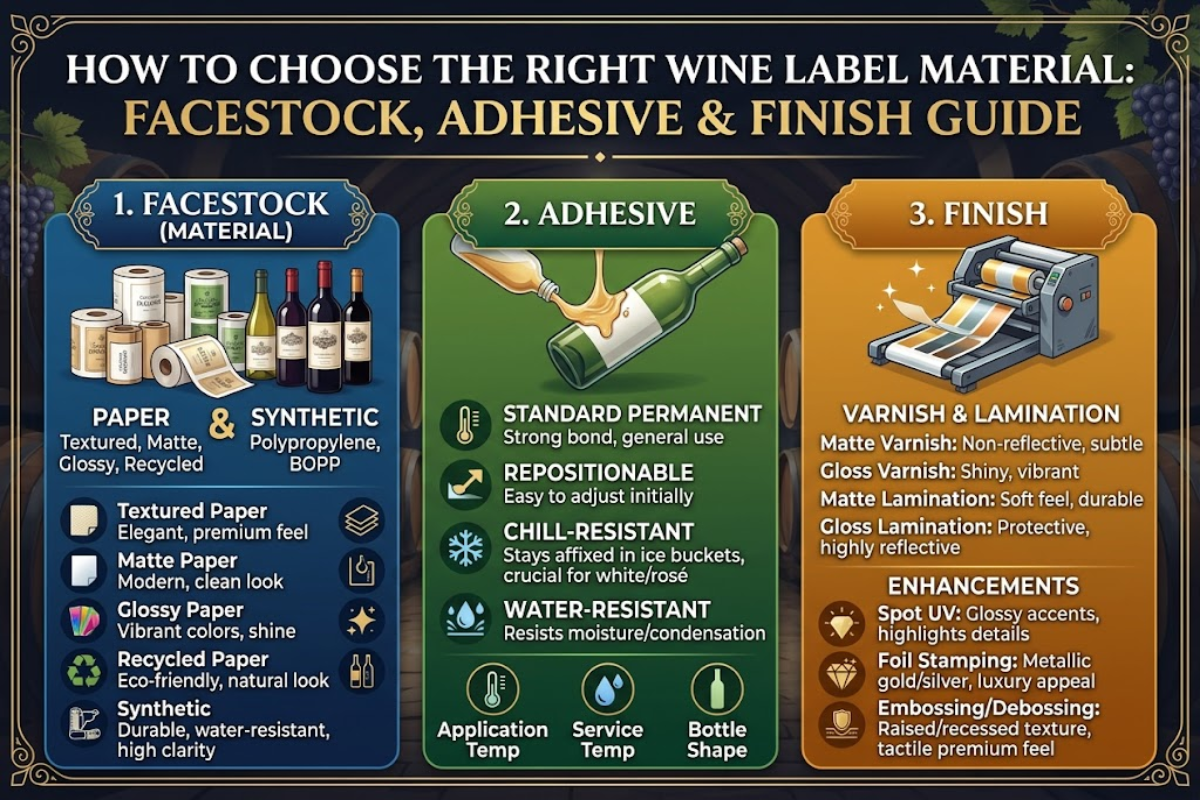
Thông số kỹ thuật nhanh: Thông số vật liệu nhãn rượu
| Các loại facestock chính | Giấy · Phim (BOPP / PET / PP tổng hợp) · Hybrid |
| Các loại chất kết dính | Nóng chảy · Acrylic (dung môi /nhũ tương) · Dựa trên nước |
| Điểm chuẩn điều kiện ẩm ướt | Ngâm xô đá ≥4 giờ (tiêu chuẩn lĩnh vực công nghiệp rượu vang) |
| Phạm vi trọng lượng giấy | 80–160 gsm (có tráng /không tráng); 75–130 gsm (đặc sản có kết cấu) |
| Phạm vi độ dày phim | 50–100 µm (BOPP / PET / PP tổng hợp) |
| Khả năng tương thích in | Flexo · Letterpress · HP Indigo · UV Inkjet · Truyền nhiệt |
| Các loại lót | Glassine · Màng lót PET · Kraft tráng PE |
Tại sao chất liệu nhãn rượu của bạn quyết định nhiều hơn tính thẩm mỹ
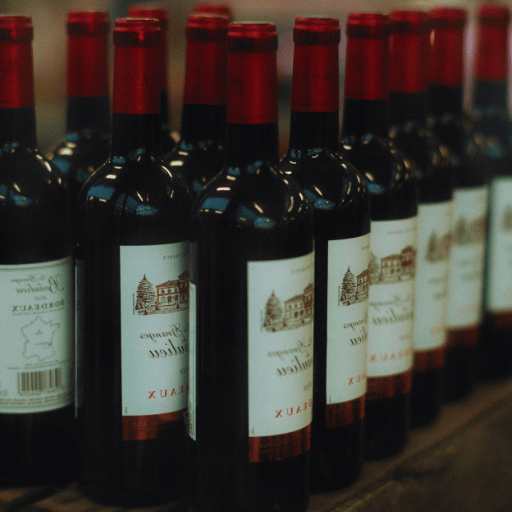
Nhà xuất khẩu Burgundy đã vận chuyển sáu pallet Pinot Noir từ Burgundy đến các nhà hàng ở London đã phát hiện ra vấn đề ba tuần sau khi lô hàng đến. Đột nhiên, báo cáo từ những người phục vụ rượu xuất hiện: “Khi đổ dịch vụ đá, nhãn đã tắt”.Từ nhà kho, các nhãn, được in trên giấy tráng 90 gsm bình thường trông rất tuyệt.
Sau 20 phút trong nước băng giá, liên kết dính hòa tan và facestock giấy trở nên ngâm, tách ra và bóc vỏ. rượu vang là OK, thương hiệu rượu vang danh tiếng ở bên bàn không.
Lỗi vật liệu nhãn loại này xảy ra thường xuyên hơn trong ngành công nghiệp rượu vang so với các nhà cung cấp hoặc nhà quản lý thương hiệu công khai thừa nhận. nguyên nhân gốc rễ gần như luôn luôn giống nhau: một quyết định trực quan độc quyền ) xuất hiện, chất lượng in, chi phí cho mỗi cuộn (in) được thực hiện mà không xem xét môi trường dịch vụ cụ thể của nhãn.
Lựa chọn vật liệu nhãn rượu ảnh hưởng đến bốn kích thước hiệu suất lồng vào nhau:
- Thẩm m đ kết cấu, độ bóng, độ sâu dập nổi, gam màu in
- Hiệu suất sống sót 5 độ ẩm, ngâm xô đá, vận chuyển dây chuyền lạnh
- Tuân thủ quy định 'các tuyên bố bắt buộc bao gồm nồng độ cồn và tên gọi xuất xứ yêu cầu bề mặt in bền, dễ đọc
- Khả năng tương thích của quy trình in: các vật liệu khác nhau cần hệ thống mực, lớp phủ sơn lót và điều kiện sấy khác nhau
Theo các Cục Thương mại và Thuế Rượu và Thuốc lá (TTB), nhãn rượu được bán ở Mỹ phải mang thông tin bắt buộc α bao gồm tên thương hiệu, nồng độ cồn và tên gọi xuất xứ α phải duy trì dễ đọc trong suốt thời hạn sử dụng của sản phẩm. thất bại vật chất là thất bại tuân thủ, không chỉ là vấn đề xây dựng thương hiệu.
70%+
Mua rượu được thực hiện tại cửa hàng, nơi hình thức nhãn thúc đẩy sự lựa chọn
4 giờ
Khả năng chống ngâm xô đá tối thiểu đạt tiêu chuẩn của ngành rượu vang về hiệu suất nhãn ướt
Quyền vật liệu nhãn rượu đừng chỉ gói tên thương hiệu hấp dẫn của bạn - họ còn vận chuyển toàn bộ và không bị tổn hại qua tất cả các vị trí giữa dây chuyền đóng chai và kính sử dụng cuối cùng.
Hệ thống nhãn ba lớp: Facestock, chất kết dính và lớp lót
Hầu hết các nhà quản lý thương hiệu rượu muốn có một facestock.Những gì họ thực sự muốn chỉ định là một hệ thống.Một facestock rượu nhạy cảm áp lực bao gồm ba lớp chức năng, mỗi lớp có một số vật liệu có thể, và hiệu suất của hệ thống như một toàn bộ phụ thuộc vào cách các lớp thực hiện cùng nhau...không phải một mình.
📐 Hệ thống Nhãn mác Ba lớp
Xác định tất cả ba lớp với nhau, như một hệ thống ghép nối. một facestock giấy hydrat-sức mạnh kết hợp với một nước dựa trên keo thấp dính sẽ phá vỡ trong môi trường băng., điểm yếu sẽ là chất kết dính chứ không phải giấy! lớp phù hợp phù hợp với độ dày của land là chìa khóa thành công cho một thiết kế nhãn!
| Lớp | Chức năng | Tùy chọn vật liệu chung |
|---|---|---|
| Lớp mặt nhãn | Bề mặt có thể nhìn thấy mang thiết kế in, thương hiệu và văn bản quy định | Giấy tráng · Giấy không tráng · Giấy kết cấu · Giấy ướt-sức mạnh · BOPP · PET · PP tổng hợp · Hybrid |
| Keo dính | Liên kết facestock với bề mặt chai; xác định hiệu suất ướt, lạnh và ẩm | Nóng chảy · Acrylic (dung môi /nhũ tương) · Dựa trên nước · High-tack · Có thể định vị lại |
| Lớp lót | Lớp đế chống dính bảo vệ chất kết dính; ảnh hưởng đến tốc độ cấp nhãn và khả năng tái chế khi hết vòng đời | Glassine · Màng lót PET · Kraft phủ PE · Linerless (không có lớp lót) |
Mô hình Hệ thống Nhãn Ba lớp đặt facestock, chất kết dính và lớp lót như một quyết định đặc điểm kỹ thuật. chuyển đổi và in nhãn khách hàng những người nghĩ trong các hệ thống- không chỉ bề mặt- nhận ra sự sống sót nhãn tốt hơn và ít in lại chạy do lỗi bám dính trong trường.
Facestocks giấy: Sự lựa chọn cổ điển cho thương hiệu rượu vang cao cấp
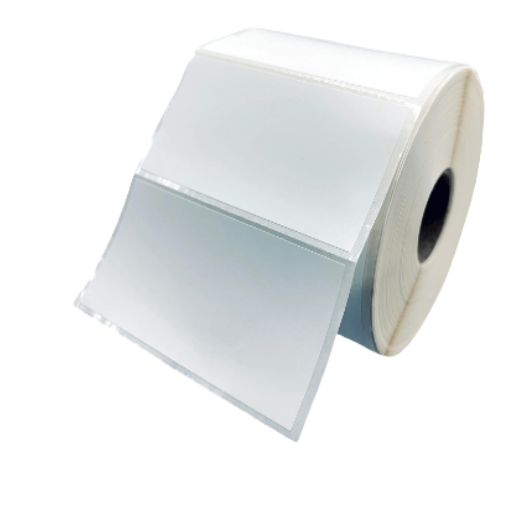
Nhãn giấy là phổ biến trong các loại rượu vang siêu cao cấp và cao cấp. kết thúc, kết cấu, và trọng lượng của một facestock giấy truyền đạt định vị sản phẩm trước khi một người tiêu dùng đọc một từ duy nhất.Nếu một loại rượu đang tìm kiếm giá trị và tác động kệ, giấy nên là loại đầu tiên được xem xét.
✔ Ưu điểm của Facestocks giấy
- Độ sâu dập nổi và gỡ lỗi có thể truy cập được (giảm tới 1,5 mm đối với hàng tồn kho trên 120 gsm)
- Letterpress, chặn giấy bạc và in UV tại chỗ cần thiết để định vị rượu vang ở đầu sang trọng
- Tự nhiên, xúc giác nhìn và cảm thấy rằng bộ phim không thể sao chép
- Chi phí mỗi nhãn thấp hơn ở các hạng cân tầm trung (80–120 gsm)
- Các tùy chọn có thể phân hủy sinh học/có thể phân hủy có sẵn ở các cấp được FSC chứng nhận
⚠ Hạn chế của Facestocks giấy
- Các lớp tiêu chuẩn không thành công trong môi trường ẩm ướt kéo dài mà không được xử lý độ bền ướt
- Độ ổn định kích thước thấp hơn so với màng trong điều kiện dây chuyền đóng chai có độ ẩm cao
- Cổ phiếu trọng lượng nặng hơn làm tăng thêm chi phí và làm phức tạp việc cắt khuôn trên máy ép web hẹp
- Độ sâu dập nổi bị giới hạn bởi thước cặp giấy – lượng rất mỏng (dưới 80 gsm) không phù hợp để dập nổi sâu
H3a: Giấy tráng ẠCH In sống động cho rượu vang đỏ và rượu vang lưu trữ xung quanh
Mặt giấy tráng (80-160 gsm, có sẵn trong lớp hoàn thiện litho có độ bóng cao, bán bóng và mờ) mang lại bản in sắc nét nhất so với bất kỳ loại giấy nào. Lớp phủ đất sét hoặc canxi cacbonat bịt kín sợi giấy và tạo ra bề mặt mịn, tiếp nhận mực lý tưởng cho các thiết kế nhãn ảnh và màu sắc rực rỡ. Nhãn rượu giấy tráng là mã lực của danh mục rượu vang đỏ lưu trữ xung quanh – Bordeaux, Cabernet Sauvignon, Shiraz. Nơi dịch vụ đá không được mong đợi, giấy tráng luôn cung cấp tỷ lệ chi phí trên chất lượng in tốt nhất
H3b: Giấy không tráng và kết cấu IN Thủ công, Di sản, và Tactile Premiumness
Giấy không tráng (vải lanh, nỉ, trải và dệt) mang mực khác nhau – sợi hấp thụ thay vì phản chiếu. Sự hấp thụ mực vào sợi tạo ra hiệu ứng hình ảnh mềm mại hơn, hữu cơ hơn, truyền đạt nguồn gốc thủ công. Giấy đặc sản có kết cấu (75-130 gsm) chấp nhận in letterpress và dập nổi sâu đặc biệt tốt, khiến chúng trở thành chất nền ưa thích cho các thương hiệu di sản và nhà sản xuất hàng loạt nhỏ. Nhãn có kết cấu bằng vải lanh không chỉ trông cao cấp – nó có cảm giác cao cấp trong tay, điều này quan trọng đối với các dịp tặng quà cao cấp. Nhãn giấy tại thông số kỹ thuật này là nơi bắt nguồn danh tiếng sang trọng của danh mục
H3c: Giấy ướt-Strength ạch ing Hiệu suất Ice Bucket Mà không cần chi phí phim
Giấy có độ bền ướt được xử lý hóa học trong quá trình sản xuất giấy – thường bằng nhựa polyamidoamine-epichlorohydrin (PAE) – để duy trì tính toàn vẹn về cấu trúc khi bão hòa hoàn toàn. Phương pháp xử lý này tạo ra một lớp mặt duy trì liên kết, mức độ dễ đọc và hình thức bên ngoài sau 4 giờ ngâm trong xô đá: tiêu chuẩn của ngành rượu vang về hiệu suất nhãn ướt
📐 Kỹ thuật Lưu ý ord Giấy ướt-Strength + Keo acrylic
Tại cơ sở sản xuất của Guanma, facestock giấy có độ bền ướt kết hợp với chất kết dính acrylic có độ bám dính cao đã chứng minh hiệu suất đáng tin cậy trong điều kiện xô đá mô phỏng (bùn đá 2C, ngâm trong 6 giờ). giấy kết hợp, độ bền ướt và acrylic có độ bám dính cao mang lại hiệu suất ướt chức năng tương đương với facestock lai với chi phí vật liệu thấp hơn – một đặc điểm kỹ thuật thực tế cho rượu vang trắng, rượu hồng và nhãn rượu vang sủi nơi ngân sách và độ bền đều phải được đáp ứng
Những người thực hành ngành rượu vang thường báo cáo rằng giấy có độ bền ướt là thông số kỹ thuật chính xác cho bất kỳ giống nào dành cho dịch vụ xô đá – một cái nhìn sâu sắc thường được học sau khi in lại tốn kém sau những lỗi nhãn hiện trường
H3d: Giấy tráng lá và kim loại hóa vầ Tác động trực quan với giá giấy
Giấy nhiều lớp giấy bạc (bạc hoặc vàng ủng hộ hợp nhất với một cơ sở giấy) cung cấp bộ phim truyền hình trực quan của một nhãn kim loại mà không có chi phí đầy đủ của một facestock phim.Một lớp cơ sở giấy giữ lại sự phù hợp của nó để dập nổi và letterpress; lớp metalized thêm phản xạ và cảm nhận sang trọng. các ứng dụng phổ biến bao gồm rượu vang sủi (Cava, Prosecco, Champagne) và cuves uy tín nơi tác động kệ tối đa là bắt buộc.
H3e: Hybrid Facestock 0 Paper Look với Độ bền được hỗ trợ bởi phim
Các facestocks lai kết hợp một vật liệu mặt giấy với một lớp lót phim- cho cảm giác xúc giác và hình ảnh của giấy với sự ổn định kích thước và rào cản độ ẩm của phim này nhãn lai facestock vẫn là đặc điểm kỹ thuật phổ biến nhất cho rượu vang trắng, rượu vang hồng và rượu vang sủi mong muốn thẩm mỹ chất lượng nhưng mong muốn dành phần lớn thời gian trong xô đá. lớp nền phim ngăn lớp mặt giấy bão hòa khi chất kết dính bị xâm phạm (bị vỡ ra) với nước, do đó lai đại diện cho tùy chọn “loại giấy” bền nhất cho môi trường ứng dụng rượu vang ướp lạnh thách thức nhiệt đ.
Facestocks phim: Khi độ bền và sự khác biệt đến trước
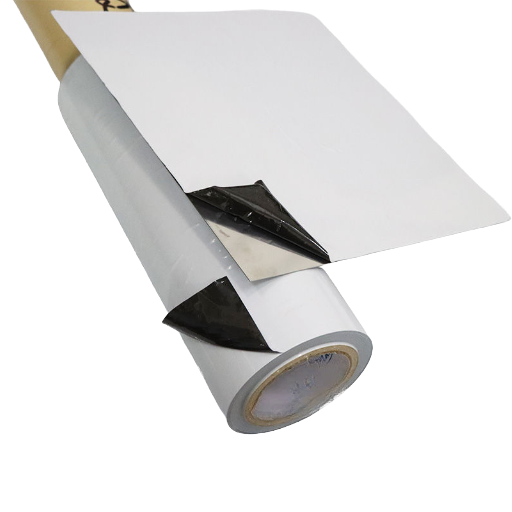
Facestocks phim được chỉ định khi nhu cầu thực hiện vượt quá mà bất kỳ loại giấy-bao gồm cả ướt-sức mạnh- có thể đạt được. quá cảnh xuất khẩu đường dài, độ ẩm cao, môi trường sản xuất và đóng chai kháng hóa chất, và “no-nhãn nhìn”trên chai thủy tinh màu là tất cả các điều kiện hợp lệ cho phim để được lựa chọn hàng tồn kho đúng.
| Tài sản | BOPP | PET | Giấy tổng hợp PP |
|---|---|---|---|
| Độ dày điển hình | 50 -60 µm | 50 -75 µm | 80 -120 µm |
| Chịu nhiệt đ | −20°C đến +70°C | −30°C đến +100°C | −20°C đến +80°C |
| Chống nước | Xuất sắc | Xuất sắc | Xuất sắc |
| Tương thích emboss | Limited (chỉ nông) | Giới hạn | Trung bình |
| Khả năng tương thích in | Flexo, máy in phun UV, HP Indigo | Flexo, máy in phun UV | Flexo, bù đắp, HP Indigo |
| Cấp chi phí điển hình | Giữa | Giữa -Cao | Giữa -Cao |
| Trường hợp sử dụng tốt nhất | Xuất khẩu rượu vang, giá trị độ bền | Dây chuyền đóng chai có nhiệt độ cao, xuất khẩu | “Nhìn không nhãn mác,” chai màu |
H3a: BOPP (Polypropylen định hướng hai trục) ẠCH Tiêu chuẩn cấp xuất khẩu
BOPP là vật liệu nhãn phim phổ biến nhất thế giới, được sử dụng trong toàn bộ ngành công nghiệp rượu vang & đồ uống toàn cầu. xây dựng định hướng hai trục của nó- kéo dài hai chiều trong quá trình sản xuất- cho vay BOPP ổn định kích thước tuyệt vời, khả năng chống nước và độ bám dính in. Phim nhãn BOPP ở độ dày 50–60 µm là giá trị đã được chứng minh thông qua vận tải đường biển đường dài và kho bãi có độ ẩm cao, khiến đây trở thành thuộc tính tồn kho chiến thắng cho các nhãn rượu vang có phân phối tập trung vào xuất khẩu.
H3b: PET (Polyethylene Terephthalate) quis Hóa chất và chịu nhiệt
PET facestocks phim cung cấp khả năng chịu nhiệt độ cao nhất trong danh mục vật liệu nhãn rượu vang eld ổn định đáng tin cậy từ − 30 °C đến + 100 °C. Phạm vi này làm cho Phim nhãn PET đặc điểm kỹ thuật chính xác cho rượu vang được xử lý thông qua các dây chuyền thanh trùng nhiệt độ cao hoặc đóng chai nóng, và cho các tuyến xuất khẩu qua các kho xích đạo nơi nhiệt độ môi trường thường xuyên vượt quá 40 °C. Khả năng kháng hóa chất của PET cũng làm cho nó phù hợp với các loại rượu vang có hàm lượng sulfite cao có thể làm suy giảm các chất nền màng khác theo thời gian.
H3c: Giấy tổng hợp PP đ The Paper-Look Film Option
Giấy tổng hợp PP trông, cảm nhận và thực hiện như giấy, in như phim và mang lại hiệu suất giống như vải trong môi trường ẩm ướt. bán mờ đục, bề mặt mờ của nó cho vay chính nó để “no-label look” trên chai thủy tinh trong suốt và mờ nơi hình ảnh nhãn xuất hiện để được in trực tiếp trên bề mặt thủy tinh. giấy tổng hợp PP trắng hoặc rõ ràng ở độ dày 80–120 µm chấp nhận in offset, flexo, hoặc HP Indigo kỹ thuật số, và cung cấp một kỳ vọng thẩm mỹ tương thích với hiệu suất chức năng trên rosé cao cấp, rượu vang tự nhiên, và gói nhãn xu hướng tối thiểu.
Lựa chọn chất kết dính: Lớp quyết định hiệu suất ướt
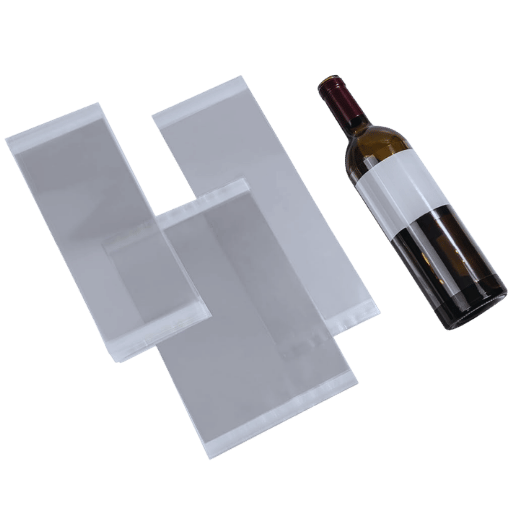
Trong bất kỳ ứng dụng nhất định, chất kết dính được sử dụng để gắn nhãn vẫn là yếu tố không thể nhìn thấy nhưng quyết định trong khả năng sống sót của nhãn. một facestock được chỉ định phù hợp liên kết với một chất kết dính không chính xác sẽ thất bại- đôi khi đáng kể, đôi khi chậm và cho các chi phí liên quan không cần thiết-cao-khi tiếp xúc với một nhu cầu hiệu suất nhãn. lớp này phải được lựa chọn bởi môi trường sử dụng cuối dự kiến, trước khi chọn vật liệu facestock.
| Điều kiện | Nóng chảy | Acrylic (Cao cấp) | Dựa trên nước |
|---|---|---|---|
| Xô đá (0–5°C, ướt) | ⚠ Biên | ✔ Đề ngh | ⚠ Biên |
| Kho lạnh /hầm rượu (5–12°C) | ✔ Tốt | ✔ Xuất sắc | ✔ Tốt |
| Lưu trữ tủ đông (−5 °C đến − 18 °C) | μ Tránh | ✔ Đề ngh | ⚠ Phụ thuộc vào cấp độ |
| Môi trường xung quanh /nhiệt độ phòng (18–25 °C) | ✔ Xuất sắc | ✔ Xuất sắc | ✔ Xuất sắc |
| Kho có độ ẩm cao (RH 80%+) | ✔ Tốt | ✔ Tốt | ⚠ Biên |
Chất kết dính nóng chảy mất một phần đáng kể độ dính của nó ở nhiệt độ duy trì 0–5 °C ason phạm vi nhiệt độ hiệu quả của môi trường xô đá.Đây không phải là một hoàn cảnh khó hiểu, đó là nhiệt độ phòng phục vụ được khuyến nghị cho rượu vang trắng, hồng, rượu vang sủi, và Champagne trong hầu hết các nhà hàng hoặc sự kiện. chất kết dính nóng chảy do đó kém cho các loại rượu này.
Keo acrylic – loại dung môi acrylic hoặc loại nhũ tương acrylic – có thể, do nhiệt độ cao từ tuyệt vời đến rất tốt (−20 °C đến + 70 °C) và hiệu suất nhiệt độ lạnh ướt lâu dài – đảm bảo hiệu suất bám dính tuyệt vời trong môi trường này. Vật liệu nhãn dùng keo acrylic nên được áp dụng làm thông số kỹ thuật kết dính tiêu chuẩn cho nhãn rượu vang trong việc gửi dịch vụ xô đá hoặc phân phối dây chuyền lạnh.
Kịch bản: Rosé Label Sourcing ạch Sự kiện Thương mại Việt Nam
Một thương hiệu rượu vang Việt Nam chạy nhãn rosé cho tài khoản phân phối khách sạn trong khu vực đã chỉ định keo acrylic cao cấp Guanma trên một mặt giấy có độ bền ướt sau khi nhận được mẫu. tại sự kiện thương mại khách sạn sau đây ở Thành phố Hồ Chí Minh, chai được trình bày trong máy làm mát rượu chứa đầy đá cho một buổi nếm thử sáu giờ. kiểm tra sau sự kiện đã xác nhận không có sự phân tách nhãn trên 240 chai 1 tỷ lệ vượt qua đặc điểm kỹ thuật nóng chảy trước đây của thương hiệu đã không đạt được trong cùng một bối cảnh địa điểm.
Chất liệu tốt nhất cho nhãn rượu trong dịch vụ xô đá là gì?
Tốt nhất trong lớp cho nhãn rượu trong dịch vụ xô đá là một đặc điểm kỹ thuật gồm hai phần: giấy có độ bền ướt hoặc facestock lai kết hợp với chất kết dính acrylic có độ bám dính cao. Giấy có độ bền ướt cung cấp cấu trúc của nhãn trong quá trình ngâm. acrylic có độ bám dính cao cung cấp độ bền liên kết ở 0–5 °C – nhiệt độ mà chất kết dính nóng chảy nhanh chóng mất độ bám dính.
Điều này dẫn đến nhãn sẵn sàng cho xô đá với chi phí vật liệu tổng thể thấp hơn nhiều so với mặt tiền phim đầy đủ và là thông số kỹ thuật được các học viên trong ngành rượu vang sử dụng cho nhãn rượu vang trắng, rượu hồng và rượu vang sủi trong dịch vụ xô đá.
Ma trận tương thích trang trí: Kết hợp kết thúc của bạn với Facestock của bạn
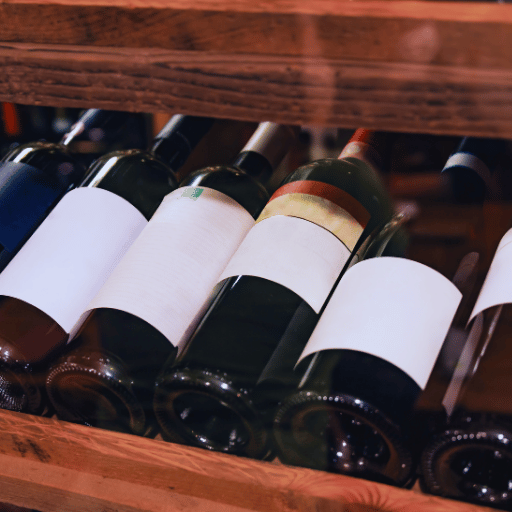
Các câu hỏi về dập nổi/kết thúc phải được giải quyết trước – chứ không phải sau – lựa chọn vật liệu mặt. Bất kỳ kỹ thuật hoàn thiện nào, không phải là suita
ble cho facestock chọn, là hoặc sẽ cung cấp chất lượng không thể chấp nhận được hoặc yêu cầu một sự thay đổi tổng thể của vật liệu mà lần lượt thêm chi phí cũng như thời gian trì hoãn. dưới đây là một ma trận tương thích ánh xạ 6 kỹ thuật hoàn thiện chống lại các loại facestock nhãn rượu chính.
| Lớp mặt nhãn | Nóng Foil Stamp | Lá Lạnh | Dập nổi/Deboss | Điểm UV/Vecni | Chết Cắt | Matte /Lâm bóng |
|---|---|---|---|---|---|---|
| Giấy tráng phủ | ✔ | ✔ | ✔ (độ sâu trung bình) | ✔ | ✔ | ✔ |
| Kết cấu /Giấy không tráng | ✔ | ⚠ Độ bám dính khác nhau | ✔ (dập nổi sâu) | ⚠ Chỉ Matt | ✔ | ⚠ Chỉ Matt |
| Giấy ướt-Strength | ✔ | ✔ | ✔ (độ sâu trung bình) | ✔ | ✔ | ✔ |
| Facestock lai | ✔ | ✔ | ⚠ Chỉ nông | ✔ | ✔ | ✔ |
| Phim BOPP | ⚠ Yêu cầu mồi | ✔ | μ Không phù hợp | ✔ | ✔ | ✔ |
| Phim PET | ⚠ Yêu cầu mồi | ✔ | μ Không phù hợp | ✔ | ✔ | ✔ |
💡 Mẹo chuyên nghiệp 1 Hoàn thiện thông số kỹ thuật trang trí trước
Quy tắc sản xuất thiết kế nhãn rượu cao cấp: chọn đặc điểm kỹ thuật trang trí trước, sau đó quyết định trọng lượng facestock và thước cặp. dập nổi sâu cần một thước cặp giấy tốt (120 + gsm); lá nóng trên phim, một lớp phủ sơn lót mà trên giấy bạn có thể làm mà không cần. đảo ngược thứ tự đó tốn thời gian và tiền bạc.
⚠️ Sai lầm thường gặp 100mm Dập nổi sâu trên Facestock lai
Mặt nạ lai (mặt giấy + mặt sau phim) không bao giờ có thể cung cấp độ sâu dập nổi, vì mặt sau phim ngăn cản việc dập nổi đi sâu.Các thương hiệu yêu cầu dập nổi sâu trên một lai, mong đợi một kết quả giấy-to-giấy, nhận được một cứu trợ nông; các dập nổi trông không đạt yêu cầu và không đáp ứng các thiết kế ngắn gọn.Nếu dập nổi sâu là một yêu cầu, luôn luôn chỉ định 120 + gsm 100% facestock giấy.
Aww, nhưng việc lựa chọn kỹ thuật tô điểm không chỉ là một quyết định thiết kế.Nó, một quyết định tương thích in ấn nhãn và facestock, dịch trực tiếp đến chi phí sản xuất.
Khung lựa chọn vật liệu nhãn rượu
Việc lựa chọn chất liệu phù hợp cho nhãn rượu của bạn đòi hỏi phải căn chỉnh ba biến số thường được đánh giá một cách riêng biệt.Ba biến số này được sử dụng là: môi trường dịch vụ, thẩm mỹ thương hiệu và quy trình sản xuất in ấn và sau đó được kết hợp với nhau trong quy trình ba bước dưới đây (dựa trên quy trình lựa chọn nguyên liệu được Guanma sử dụng cho nhãn rượu và đồ uống ở Đông Nam Á và thị trường xuất khẩu châu Âu):
Lựa chọn vật liệu nhãn rượu 3 bước
- Bước 1: Xác định môi trường. rượu sẽ được phục vụ ướp lạnh (trắng / rosé / lấp lánh)?Nó sẽ dành thời gian trong một thùng đá?Nó sẽ được xuất khẩu trong hơn 30 ngày qua vận tải đường biển?Môi trường xác định tiêu chuẩn hiệu suất chất kết dính & facestock tối thiểu.
- Bước 2: Xác định tính thẩm mỹ. dập nổi, dập lá, in chữ? Kết cấu giấy xúc giác quan trọng đối với việc định vị thương hiệu? Hoặc đặc điểm kỹ thuật dẫn đầu về độ bền có thể cung cấp được? Tiêu chí thẩm mỹ giới hạn lựa chọn vật liệu mặt đối với giấy so với phim so với lai.
- Bước 3: Xác định quy trình in. công nghệ nào máy in của bạn (bộ chuyển đổi) sử dụng ify flexo, HP Indigo, UV in phun, letterpress?Mồi, lớp phủ, & tương thích mực thay đổi theo quy trình in & chất nền facestock.
| Loại Rượu | Lưu trữ /Môi trường dịch vụ | Facestock được đề xuất | Keo đề xuất |
|---|---|---|---|
| Rượu vang đỏ (Cabernet, Shiraz, Bordeaux) | Hầm xung quanh (12–18 °C), không có dịch vụ băng | Giấy tráng 90–130 gsm, hoặc không tráng kết cấu | Tiêu chuẩn nóng chảy hoặc acrylic |
| Rượu vang trắng /Rosé | Dịch vụ tủ lạnh + xô đá | Giấy có độ bền ướt hoặc vật liệu lai | Acrylic cao (khuyến nghị) |
| Rượu vang sủi /Sâm panh / Cava | Dịch vụ ướp lạnh, hầm độ ẩm cao | Giấy ghép mặt hoặc giấy nhiều lớp | Acrylic cao cấp |
| Xuất khẩu rượu vang (vận chuyển đường biển trên 30 ngày) | Độ ẩm thay đổi, quá cảnh xích đạo | BOPP hoặc PET phim facestock | Acrylic cao-tack |
| Rượu cao cấp /thủ công (thương hiệu cửa hàng) | Môi trường xung quanh, bán lẻ quà tặng, không có dịch vụ đá | Giấy không tráng kết cấu 110–160 gsm | Tiêu chuẩn nóng chảy hoặc acrylic |
| “No-label look” thiết kế tối giản | Bất kỳ môi trường nào | Giấy tổng hợp PP (trong hoặc trắng) | Rõ ràng acrylic |
Tình huống: Đánh giá ba báo giá vật liệu nhãn
Một Brand Manager cho một nhà xuất khẩu rượu vang khu vực đã nhận được ba báo giá cho một nhãn rosé chạy một với giá thấp hơn đáng kể cho mỗi cuộn. vẽ trên khung hệ thống nhãn ba lớp, Brand Manager đã xác định một chất kết dính dựa trên nước được chỉ định trong báo giá chi phí thấp nhất là đáng ngạc nhiên về mặt kỹ thuật chức năng ở nhiệt độ môi trường xung quanh nhưng không hoàn toàn phù hợp với mục đích cho dịp xô đá mà qua đó rosé của họ sẽ được phân phối.Bằng cách chọn báo giá giữa giá với một chất kết dính acrylic cao, Brand Manager tránh được chi phí in lại bám dính 3 lần sự khác biệt giữa Báo giá chi phí thấp và giá trung bình.
Đối với việc mua B2B nhãn tùy chỉnh & cổ phiếu nhãn tự dính, không bao giờ mua trước khi bạn thấy – yêu cầu chạy mẫu vật liệu. MOQ điển hình cho nhãn tùy chỉnh và mẫu vật liệu nhãn rượu phạm vi từ 100-500 mét tuyến tính, tùy thuộc vào sự kết hợp của facestock và chất kết dính trong câu hỏi. mẫu chạy xác minh sự lựa chọn của bạn của liên kết dính với loại thủy tinh chai cụ thể của bạn, mực dính vào lựa chọn facestock cuối cùng của bạn, & chất lượng tô điểm trước khi bạn sản xuất-chạy.
Xu hướng năm 2026: Vật liệu nhãn rượu bền vững và thông minh
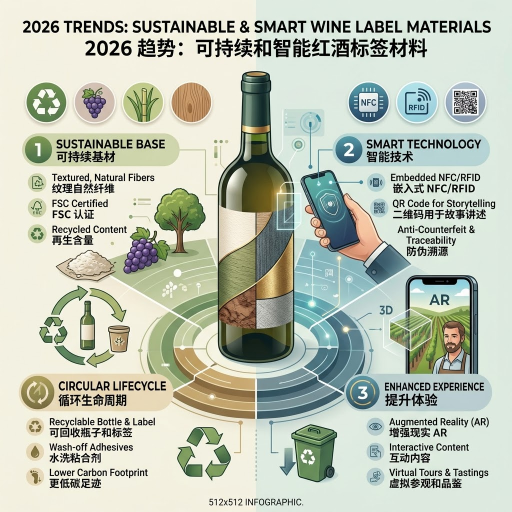
Chuỗi cung ứng bao bì rượu vang đang trải qua áp lực đặc điểm kỹ thuật vật liệu đồng thời từ quan điểm của người tiêu dùng & quy định. năm phát triển vật liệu đang tích cực phá vỡ các tiêu chí RFQ trong năm 2025-2026.
- Vật liệu nhãn không có lớp đế — Nhãn không lớp đế loại bỏ hoàn toàn lớp đế chống dính, giảm khoảng 30% chất thải vật liệu nhãn PSA (lớp đế chiếm ~30% tổng khối lượng nhãn).
Quy định về chất thải bao bì và bao bì của EU (PPWR 2024) đang đẩy nhanh các mốc thời gian áp dụng é xem “https://www.europarl.europa.eu/topics/en/article/20230913STO06024/packaging-waste-new-eu-rules-to-make-packaging-more-sustainable” style=”text-decoration:underline; text-underline-offset:3px;”>EU Packaging and Packaging Waste Regulation (PPWR 2024) đang đẩy nhanh các mốc thời gian áp dụng. người mua nên hỏi nhà cung cấp liệu các định dạng không có lớp lót có sẵn cho thiết bị phân phối của bộ chuyển đổi của họ hay không. - Vật liệu giấy được chứng nhận FSC — Chứng nhận FSC International đối với cổ phiếu nhãn giấy đang trở thành một yêu cầu bắt buộc của nhà cung cấp từ các thương hiệu rượu vang của EU và Vương quốc Anh. chứng nhận xác minh quản lý rừng có trách nhiệm trong toàn bộ chuỗi cung ứng. yêu cầu nhà cung cấp tài liệu chuỗi hành trình sản phẩm FSC theo tiêu chuẩn trong kho nhãn tiếp theo của bạn RFQ.
- Vật liệu tích hợp NFC/RFID Nhãn rượu thông minh Is nhúng chip NFC trong lớp facestock cho phép xác thực chai, sự tham gia của người tiêu dùng (liên kết với các ghi chú cổ điển, ghép nối thực phẩm và câu chuyện về nhà máy rượu) và truy xuất nguồn gốc chuỗi cung ứng. Việc áp dụng thí điểm của các nhà sản xuất rượu vang cao cấp ở Pháp và Úc đã tăng tốc đến năm 2024 -2025. Đơn giá theo khối lượng vẫn là thách thức chính, với các nhãn hỗ trợ NFC hiện đang yêu cầu mức phí bảo hiểm 40–80% so với facestock tiêu chuẩn.
- Keo acrylic gốc sinh học — Chất kết dính acrylic gốc dung môi chiếm tỷ trọng đáng kể trong phát thải VOC của hoạt động gia công nhãn. Công thức acrylic có nguồn gốc sinh học — dùng monome nguồn gốc thực vật thay cho nguyên liệu đầu vào nguồn gốc dầu mỏ — hiện có từ một số nhà cung cấp vật liệu nhãn và mang lại hiệu suất khi ướt tương đương với mức phụ phí vừa phải. Phù hợp với các thương hiệu có tuyên bố bền vững đã được xác minh trong chuỗi cung ứng.
- Mặt tiền màng siêu mỏng (40–45 µm) ¤ Màng BOPP và PET thế hệ tiếp theo ở 40–45 µm (so với 75 µm tiêu chuẩn) mang lại khả năng chống nước tương đương và khả năng tương thích in ở mức ít hơn khoảng 40% cho mỗi lần chạy nhãn. Giảm caliper cũng cải thiện tính phù hợp của nhãn trên hình dạng chai thon và không đều inh một lợi ích thiết thực cho chai rượu vang sủi định dạng nhỏ và kích thước chia nhỏ. yêu cầu các nhà cung cấp cho các mẫu thử nghiệm của các lớp phim siêu mỏng cùng với cung cấp tiêu chuẩn của họ. đánh giá trên của bạn vật liệu nhãn thân thiện với môi trường danh sách kiểm tra đặc điểm kỹ thuật.
Câu hỏi thường gặp về vật liệu nhãn rượu
Chất liệu tốt nhất cho nhãn rượu là gì?
Xem Câu Trả Lời
Không có vật liệu tốt nhất nào phù hợp cho tất cả – vật liệu nhãn rượu tối ưu là chức năng của loại rượu, môi trường dịch vụ và ưu tiên thẩm mỹ. Đối với rượu vang đỏ được giữ ở nhiệt độ môi trường, giấy tráng là phù hợp tối ưu. Đối với rượu vang trắng, hồng hoặc sủi bọt được phục vụ ướp lạnh hoặc trong xô đá, giấy có độ bền ướt hoặc vật liệu lai với dung dịch kết dính acrylic có độ bám dính cao tương ứng là thông số kỹ thuật tốt nhất. Đối với rượu vang xuất khẩu, vật liệu BOPP hoặc PET đảm bảo độ bền đường dài tối đa. Lập bản đồ kịch bản của bạn thông qua ma trận quyết định trong hướng dẫn này để tìm ra loại phù hợp nhất.
Giấy độ bền ướt là gì và tại sao nó lại quan trọng đối với nhãn rượu?
Hiển thị chi tiết
Giấy ướt-sức mạnh: một xử lý hóa học của facestock giấy được xây dựng để giữ tính toàn vẹn kéo của nó khi ướt. facestocks giấy tiêu chuẩn cung cấp một 90% giảm độ bền kéo khô khi ướt. để phù hợp với sức mạnh giấy giữa hai bề mặt ướt, hiệu suất facestock nhãn phải ở giữa 15-40% của sức mạnh khô ban đầu.
Điều này giữ nhãn từ delaminating trong dịch vụ trên bàn và ngăn chặn các vấn đề rách tổng thể và dễ đọc với chất nền giấy (xem thêm thẻ mài mòn).Tất cả các nhãn rượu vang để được phục vụ trong một xô đá-rượu vang trắng, rosé, rượu vang sủi- phải chỉ định tối thiểu một facestock giấy ướt-sức mạnh để đảm bảo hiệu suất xô đá thích hợp, Chip.Điều này chi phí ít hơn cho một kinh nghiệm xô đá tương đương so với một facestock lai hoặc phim và có thể chứa dập nổi và dập lá.
Nhãn rượu vang màng BOPP có thể được dập nóng hoặc dập nổi không?
Xem Giải thích
Phim BOPP không phù hợp với việc dập nổi sâu hoặc ‘deboss’ vì phim không chấp nhận sự thay đổi cơ học xảy ra trong các hiệu ứng cứu trợ; việc dập nổi BOPP thông thường thường không tạo ra hiệu ứng hình ảnh – hoặc làm hỏng chất nền. Có thể đạt được việc dập lá nóng lên chất nền BOPP – nên phủ một lớp sơn lót lên bề mặt để đảm bảo chấp nhận lá mỏng – nên ưu tiên cho lá mỏng lạnh so với lá mỏng nhiệt khi sử dụng chất nền màng. Khi cần dập và dập nổi lá nóng đồng thời – nên chỉ định vật liệu mặt bằng giấy tráng hoặc không tráng.
Làm cách nào để chọn giữa giấy tráng và không tráng cho nhãn rượu?
Đọc Thêm
Giấy tráng cung cấp mức độ cao nhất của độ sắc nét hình ảnh, độ bão hòa và độ trung thực với in kỹ thuật số (HP Indigo) hoàn hảo cho hình ảnh chụp ảnh và các thương hiệu mà tác động trực quan là chìa khóa. mực được hấp thụ vào sợi của một giấy không tráng phủ cho hiệu ứng hình ảnh tự nhiên hơn, mềm mại hơn mà hoạt động tốt khi in letterpress, thương hiệu di sản và định vị rượu thủ công là bắt buộc. cảm giác xúc giác của giấy không tráng là một điểm khác biệt có giá trị gia tăng cao cho lĩnh vực rượu boutique.
Nếu độ sâu dập nổi là rất quan trọng, thì các cổ phiếu không tráng kết cấu (110-160gsm) thường sẽ cho kết quả dập nổi tốt hơn trên cơ sở ‘táo với táo’ so với các lớp phủ có cùng trọng lượng.
Các lựa chọn vật liệu nhãn rượu thân thiện với môi trường vào năm 2025 là gì?
Mở rộng
Các lựa chọn vật liệu nhãn rượu bền vững hàng đầu năm 2025 bao gồm: Vật liệu giấy được chứng nhận FSC (nguồn cung ứng có trách nhiệm đã được xác minh); màng PET có nội dung tái chế (rPET từ tái chế sau tiêu dùng); tùy chọn nhãn không có lớp lót (loại bỏ khoảng 30% chất thải vật liệu tổng thể liên quan đến lớp lót); và chất kết dính acrylic gốc sinh học (monome gốc thực vật thay thế nguyên liệu gốc dầu mỏ truyền thống). Khi lựa chọn nhà cung cấp, hãy yêu cầu tài liệu chứng nhận chuỗi hành trình sản phẩm của FSC và xác định xem công thức kết dính có vượt qua các tiêu chuẩn phát thải VOC có thể chấp nhận được cho trang web của bạn hay không. Một số thương hiệu rượu vang cao cấp của EU hiện yêu cầu thông qua tín dụng bền vững ở cấp nhà cung cấp như một chính sách tìm nguồn cung ứng bắt buộc.
Quan điểm của chúng tôi về vật liệu nhãn rượu
Guanma sản xuất vật liệu nhãn tự dính - từ giấy phủ và màng PET đến giấy tổng hợp PP và vật liệu mặt BOPP – cùng các hệ keo nóng chảy, gốc nước và acrylic, cho ứng dụng nhãn đồ uống và công nghiệp. Các chi tiết kỹ thuật và so sánh hiệu năng trong hướng dẫn này dựa trên kinh nghiệm sản xuất của chúng tôi tại thị trường xuất khẩu rượu vang và đồ uống ở Đông Nam Á và châu Âu, thay vì nghiên cứu biên tập của bên thứ ba.
Đã gửi tới Nhóm Kỹ thuật Vật liệu Nhãn Guanma – các chuyên gia về vật liệu tự dính cho các ứng dụng ghi nhãn đồ uống, dược phẩm và công nghiệp.
Cần mẫu vật liệu cho dự án nhãn rượu của bạn?
Nêu rõ loại rượu, môi trường dịch vụ và mức độ trang trí mong muốn -chúng tôi sẽ đề xuất sự kết hợp giữa vật liệu/chất kết dính cho bạn và sắp xếp các cuộn mẫu để bộ chuyển đổi của bạn kiểm tra.
Tài liệu tham khảo & Nguồn
- Yêu cầu ghi nhãn rượu vang reg Cục Thương mại và Thuế Rượu và Thuốc lá (TTB), Bộ Tài chính Hoa Kỳ
- Chất thải bao bì: Các quy định mới của EU nhằm làm cho bao bì bền vững hơn Nghị viện Châu Âu (PPWR 2024)
- Chứng nhận FSC 0 Hội đồng Quản lý Rừng (FSC International)
- Vật liệu Nhãn mác Ứng dụng Đồ uống ing 1 Avery Dennison (tham khảo hiệu suất của vật nuôi và chất kết dính)
- Hiệu suất Nhãn Rượu trong Môi trường Dịch vụ ing Wine Business Analytics /Wines & Vines (dữ liệu trường nhãn độ bền ướt)
Bài viết liên quan
- Hướng dẫn về vật liệu nhãn tủ đông ED Lựa chọn chất kết dính và vật liệu cho các ứng dụng dây chuyền lạnh
- Nhãn dược phẩm Facestock Selection HIP GMP-Compliant Materials for Drug Labels
- Bia & Nước giải khát Nhãn Tổng quan về kho ₫ Thông số kỹ thuật vật liệu cho lon và chai
- BOPP so với Phim nhãn PET ine Facestock phim nào phù hợp với ứng dụng của bạn?