Liên hệ với Guanma
Thông số kỹ thuật
BOPP Label Film une Tự dính BOPP Facestock, Custom-Coated by Guanma
Màng nhãn BOPP là lớp mặt nhãn chủ lực cho các nhãn sản phẩm cần chịu được độ ẩm, dầu, ma sát và lạnh — và Guanma tráng phủ theo thông số của Quý khách, không theo một danh mục định sẵn.
Yêu cầu Báo giá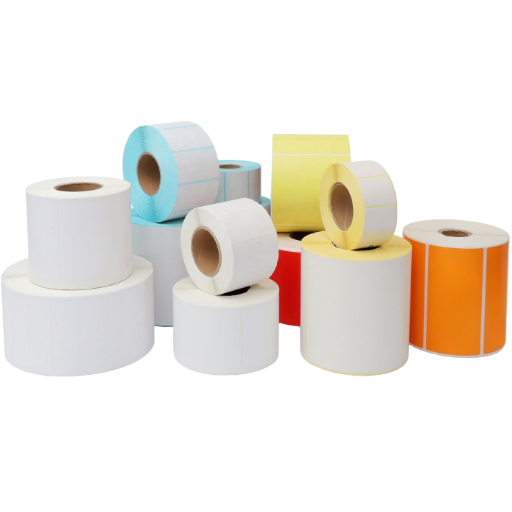
Thông số kỹ thuật chính Ma trận
6 kết thúc
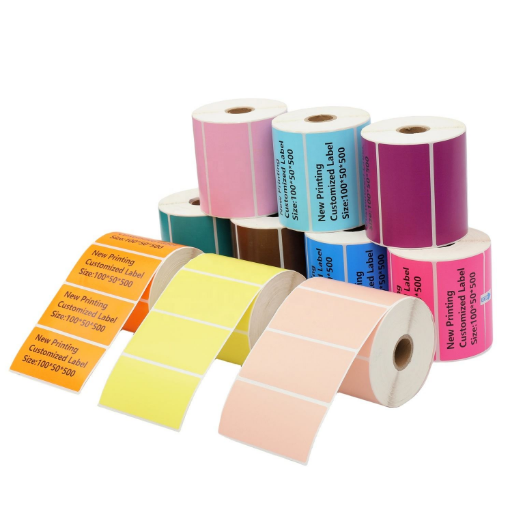
Trắng, trong, mờ, bóng, kim loại bạc, ngọc trai
3 chất kết dính
Nóng chảy, gốc nước, acrylic
15 -50 µm
Phạm vi độ dày facestock
9 ứng dụng
Lốp xe, tủ đông, dược phẩm, hóa chất và nhiều thứ khác
TH + VN
Dây chuyền tráng phủ tại Thái Lan & Việt Nam
Moq thấp
Tùy chỉnh facestock + chất kết dính + lót
Dành cho: người mua kỹ thuật, mua sắm và thương hiệu
Màng nhãn BOPP là gì — và vì sao không phải băng keo
Định nghĩa vật liệu
Màng nhãn BOPP là lớp mặt nhãn polypropylene định hướng hai trục, được cung cấp dưới dạng vật liệu tự dính, phủ keo nhạy áp lực và ghép với lớp đế chống dính để có thể in, bế và cấp phát dưới dạng nhãn tự dính. Nếu bạn đã từng tìm kiếm “BOPP adhesive” hoặc “BOPP adhesive film” rồi đến các trang về băng dán đóng gói, đó chính là sự nhầm lẫn mà chúng tôi cần làm rõ trước tiên: băng BOPP là sản phẩm dán kín thùng carton, còn màng nhãn BOPP là vật liệu nhãn nhạy áp lực được thiết kế cho độ trung thực in và tuổi thọ sử dụng. Chúng cùng là một loại polyme nhưng không cùng mục đích sử dụng.
Thách thức Downstream
Vấn đề này xuất hiện ở công đoạn hạ nguồn. Một đơn vị gia công nhãn đặt một cuộn “BOPP trắng” trông có vẻ ổn trên bảng dữ liệu, chạy qua máy in flexo hoặc in truyền nhiệt, rồi mực bị co lại hoặc nhãn bong ở góc trong tủ đông. Nguyên nhân gốc hiếm khi nằm ở chính polypropylene — mà là sự kết hợp giữa xử lý bề mặt lớp mặt nhãn, hóa học keo dán và mục đích sử dụng cuối cùng. Polypropylene có năng lượng bề mặt thấp theo bản chất thiết kế và kháng mực cho đến khi được xử lý corona để tăng mức dyne; keo dán phải được chọn theo vật liệu nền và nhiệt độ mà nó sẽ tiếp xúc.
Phương pháp tiếp cận hệ thống
Giải pháp của Guanma là xử lý màng nhãn BOPP như một hệ thống, không phải SKU. Chúng tôi phát triển lớp hoàn thiện facestock, chất kết dính và lớp lót như một cấu trúc được chỉ định cho sản phẩm của bạn, sau đó duy trì lô công thức đó theo từng lô. Mỗi tiểu mục bên dưới đi qua lớp hoàn thiện facestock, ba họ chất kết dính, cách BOPP so sánh với PET, PVC-vinyl và giấy, và thực tế mua sắm – MOQ, thời gian thực hiện và tính khả dụng của khu vực – xác định xem vật liệu có thực sự phù hợp với dòng của bạn hay không.
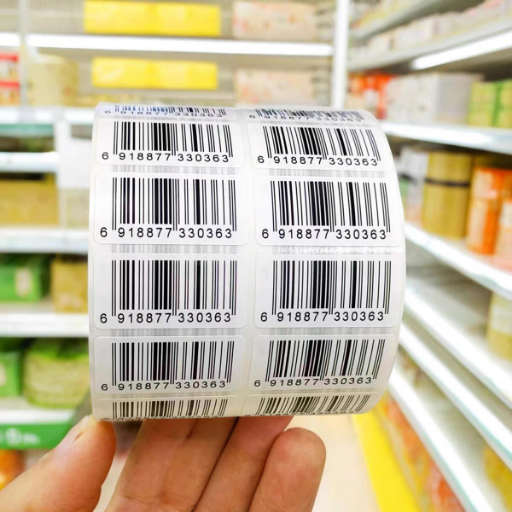
Primary: kỹ thuật · Secondary: mua sắm (RFQ phù hợp)
Guanma BOPP Facestock Range 5 Hoàn thiện & Thông số kỹ thuật
Hầu hết màng nhãn BOPP để sử dụng tự dính là từ 15 đến 50 micron màng mặt, với các cuộn cấp nhãn thường trong phạm vi 30-50 micron và siêu mỏng trong suốt “no-label-look” xóa chạy thấp đến 20-30 micron độ dày.[1][2] Dưới đây là bản đồ thực tế về những gì mỗi kết thúc làm và nơi nó biện minh cho sự hiện diện của nó.Đây là các thông số kỹ thuật facestock; chất kết dính và lớp lót được chỉ định riêng trong phần tiếp theo, đó chính xác là tính linh hoạt mà một danh mục cố định có thể cung cấp cho bạn.
Lựa chọn trong số đó là ma trận quyết định, không phải là lựa chọn. Bảng dưới đây là cách các kỹ sư ứng dụng của chúng tôi hướng một câu hỏi điển hình – bắt đầu từ nhu cầu chủ đạo, không phải kết thúc mà bạn đã thấy trên thẻ mẫu của đối thủ cạnh tranh.
| Hoàn thiện facestock | Độ dày lớp mặt nhãn điển hình | Tài sản chính | Nơi nó phù hợp |
|---|---|---|---|
| BOPP trắng (tráng trên cùng) | ~50 -60 µm | Độ tương phản in đục, chống trầy xước, cao | Sức khỏe & sắc đẹp, thực phẩm, hộ gia đình |
| BOPP rõ ràng/trong suốt | ~23 -38 µm | “Không nhãn nhìn”, độ rõ nét cao | Đồ uống, mỹ phẩm, bán lẻ cao cấp |
| BOPP mờ | ~50µm | Bề mặt có độ chói thấp, có thể ghi được | Nhãn hướng dẫn, thủ công, rượu vang |
| BOPP bóng | ~50µm | Độ bóng cao, màu sắc sống động | Bao bì khuyến mại, bán lẻ |
| Bạc /BOPP kim loại | ~50µm | Ánh kim loại | Tinh thần, điện tử, trang trí |
| BOPP ngọc trai hóa (có khoang) | ~55 -60 µm | Trắng ngọc trai mềm, mật độ thấp | Đồ uống cao cấp, sữa |
| Nếu ưu tiên của bạn là… | Lớp mặt nhãn được khuyến nghị | Tại sao |
|---|---|---|
| Độ tương phản in tối đa | BOPP phủ trắng trên cùng | Đế mờ + lớp phủ ngoài dễ tiếp thu để in flexo, UV và truyền nhiệt |
| Độ trong “không nhãn”cao cấp | BOPP rõ ràng, 23 -38 µm | Thin caliper phù hợp với chai cong, trong suốt, cạnh gần như vô hình |
| Tác động kệ trang trí | BOPP kim loại bạc hoặc ngọc trai | Lớp kim loại/núi thêm độ bóng mà không tốn chi phí giấy bạc |
| Bề mặt có thể ghi, chống chói | BOPP mờ | Áo khoác ngoài khuếch tán dùng bút và laser mà không bị chói |
Sơ cấp: kỹ thuật · Thứ cấp: mua sắm
Hệ thống kết dính V I Hot-Melt, Water-Based & Acrylic
Đây là lớp hầu hết các trang phim BOPP bỏ qua hoàn toàn, và nó là nơi nhãn thực sự thất bại. một nhãn tự dính chỉ tốt như chất kết dính nhạy áp lực giữ nó với một bề mặt thực sự ở nhiệt độ thực. Guanma phủ ba họ dính và điều chỉnh mỗi loại là vĩnh viễn hoặc có thể tháo rời, do đó, cùng một facestock BOPP màu trắng có thể được chỉ định cho một thùng carton đóng băng sâu hoặc một chai thủy tinh có thể trả lại.
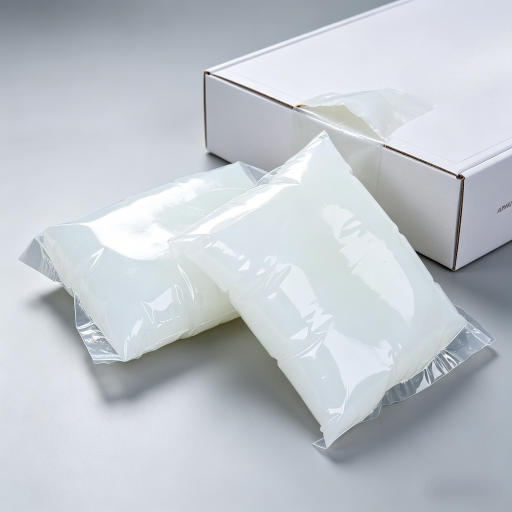
Nóng chảy (dựa trên cao su)
- Nhân vật Bond
- Chiến thuật ban đầu cao, lấy tích cực
- Nhân vật dịch vụ-temp
- Mạnh mẽ ở môi trường xung quanh; hạn chế ở nhiệt độ cao
- Sử dụng phù hợp nhất
- Thùng carton, hậu cần, cố định giá rẻ
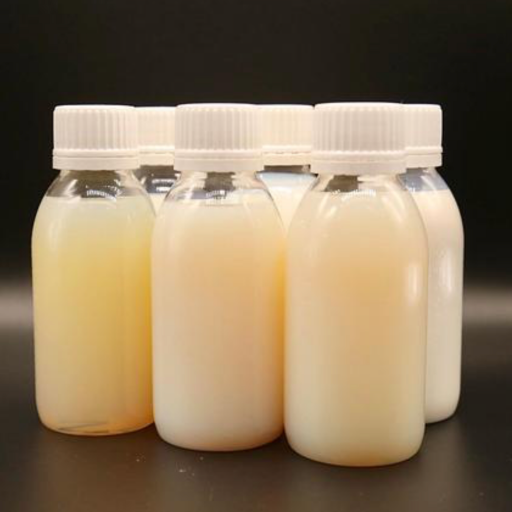
Gốc nước (acrylic nhũ tương)
- Nhân vật Bond
- Cân bằng tack, sạch sẽ, thân thiện với thực phẩm
- Nhân vật dịch vụ-temp
- Phạm vi môi trường xung quanh rộng, độ rõ nét tốt
- Sử dụng phù hợp nhất
- Thực phẩm, đồ uống, mục đích chung
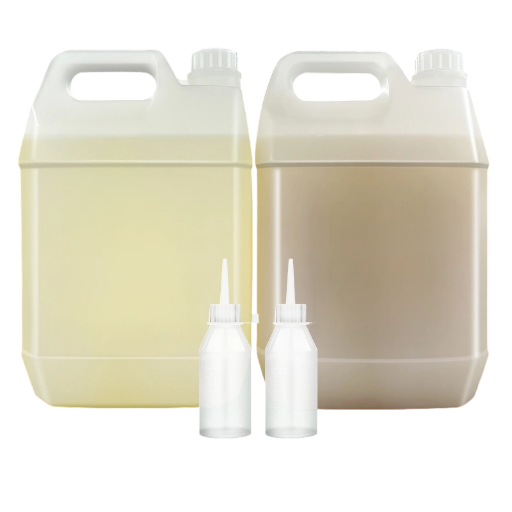
Dung môi /acrylic biến tính
- Nhân vật Bond
- Bền, hóa chất & UV kháng
- Nhân vật dịch vụ-temp
- Thực hiện nóng, lạnh và ngoài trời
- Sử dụng phù hợp nhất
- Hóa chất, ô tô, bền/ngoài trời
Sơ cấp: kỹ thuật + quản lý · Thứ cấp: mua sắm (chi phí)
BOPP vs PET vs PVC-Vinyl vs Facestock giấy
“Tài liệu nào?” là câu hỏi mà người mua thực sự tìm kiếm, và câu trả lời trung thực là BOPP là điểm ngọt ngào về độ bền giá trị, không phải là hoàn toàn tốt nhất trong mỗi cột. so sánh của chúng tôi dưới đây sử dụng hành vi tương đối, trong thế giới thực thay vì hộp kiểm Có/Không tiếp thị, dựa trên hướng dẫn facestock được xuất bản.[2][3]
| Tài sản | BOPP (PP) | PET (polyester) | PVC/vinyl | Giấy |
|---|---|---|---|---|
| Chi phí vật liệu tương đối | Thấp -trung bình | Cao | Vừa phải -cao | Thấp nhất |
| Khả năng chống nước/độ ẩm | Xuất sắc | Xuất sắc | Xuất sắc | Nghèo (không tráng) |
| Nhiệt /khả năng chống mài mòn | Tốt | Tốt nhất | Tốt | Thấp |
| Khả năng phù hợp với đường cong | Tốt | Cứng | Linh hoạt nhất | Tốt |
| Câu chuyện về khả năng tái chế | Mono-PP thân thiện | Tái ch | Có vấn đề (clo) | Tái ch |
| Độ trong của bản in (“no-label”) | Tuyệt vời (rõ ràng) | Xuất sắc | Tốt | không áp dụng |
Hai takeaways hướng dẫn hầu hết các quyết định.Đầu tiên, PET chịu đựng nhiệt cao hơn, mài mòn và tiếp xúc với dung môi và là bộ phim dễ nhất để in, nhưng nó chi phí nhiều hơn và cứng hơn trên đường cong chặt chẽ V pick nó khi môi trường là thực sự trừng phạt.Thứ hai, vinyl phù hợp đẹp nhưng, như một PVC, mang một hình phạt tái chế dựa trên clo mà thương hiệu-chủ sở hữu ngày càng muốn tránh; Hồ sơ mono-polyolefin của BOPP là lựa chọn sạch hơn và thường là chi phí vật liệu thấp hơn.Khi độ bền và ngân sách cả hai vấn đề ify mà bao gồm hầu hết các nhãn ord BOPP là mặc định, và đó là lý do tại sao nó thống trị thực phẩm, đồ uống và kệ chăm sóc cá nhân.
Các chủ sở hữu thương hiệu ngày càng nâng cao khoảng cách về khả năng tái chế ở giai đoạn báo giá và điều đó đáng để hiểu. Nhãn BOPP trên hộp đựng bằng polypropylen hoặc polyetylen giữ gói hàng trong một họ polyolefin duy nhất, dòng tái chế này xử lý sạch hơn nhiều so với nhãn PVC-vinyl chứa clo. Điều đó làm cho BOPP trở thành lựa chọn có độ ma sát thấp hơn cho bất kỳ thương hiệu nào có cam kết bền vững về bao bì, bạn có được độ ẩm và khả năng chống dầu của màng mà vinyl chịu phạt khi hết tuổi thọ mang theo. Đó là một trong số ít quyết định mà vật liệu rẻ hơn cũng là vật liệu sạch hơn.
Primary: quản lý · Secondary: kỹ thuật (technical validation)
Cấu trúc phù hợp với ứng dụng
Một kết thúc và một chất kết dính chỉ là một giải pháp khi nó Lừa một trận đấu với nơi nhãn sống.Đây là những công trình Guanma xây dựng thường xuyên nhất ạch một facestock + kết hợp dính được chọn cho một chế độ thất bại cụ thể, không phải là một chung “tất cả các mục đích” cuộn.
| Ứng dụng | Cấu trúc | Yêu cầu mà nó giải quyết |
|---|---|---|
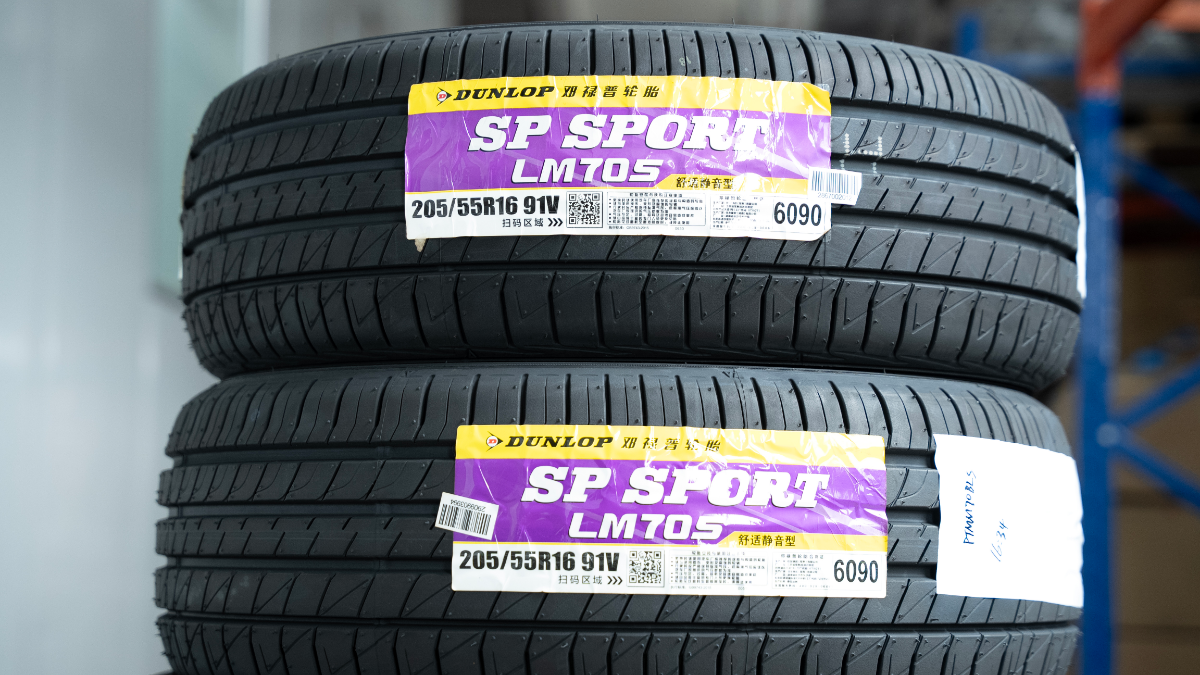
| Nhãn lốp | BOPP trắng + acrylic vĩnh viễn cao-tack | Gắn bó với cao su năng lượng bề mặt thấp thông qua mài mòn và xếp chồng |
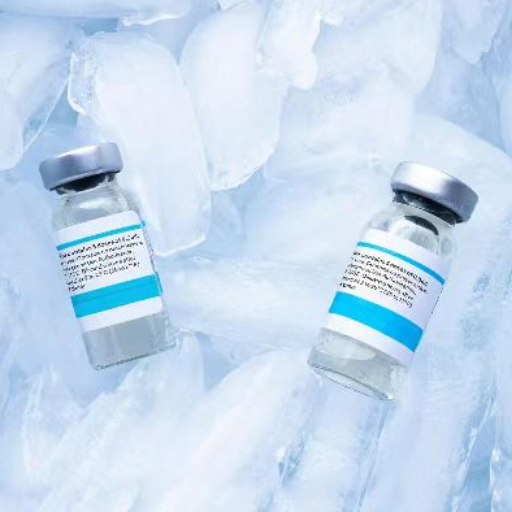
| Tủ đông /dây chuyền lạnh | BOPP trắng hoặc trong + acrylic đông lạnh sâu | Áp dụng và giữ xuống khoảng − 40 °C mà không có thang máy góc |
| Dược phẩm | BOPP trắng + acrylic kiểm soát di chuyển | Độ trung thực của bản in, truy xuất nguồn gốc, khả năng tháo rời sạch sẽ khi cần thiết |
| Hóa chất /trống | BOPP trắng + acrylic kháng dung môi | Các công trình được xây dựng cho nhiệm vụ BS 5609 Phần 2 biển-ngâm[4] |
| Bao bì thực phẩm | BOPP trắng/rõ ràng + nước tiếp xúc với thực phẩm | Độ ẩm và khả năng chống mỡ nhẹ với chất kết dính phù hợp với thực phẩm |
| Đồ uống & rượu vang | BOPP trong suốt hoặc ngọc trai + acrylic cường độ ướt | Sống sót ngưng tụ và ngâm trong xô đá, nhìn cao cấp |
| Bền /ngoài trời | Trắng BOPP + UV-ổn định acrylic vĩnh viễn | Thời tiết và khả năng chống tia cực tím cho dịch vụ ngoài trời mở rộng |
| Có thể tháo rời | BOPP trắng + acrylic có thể tháo rời | Vỏ sạch không có cặn trên tài sản có thể hoàn trả |
Sơ cấp: mua sắm · Thứ cấp: kỹ thuật (khả năng áp dụng tiêu chuẩn)
Chứng nhận & Đảm bảo chất lượng
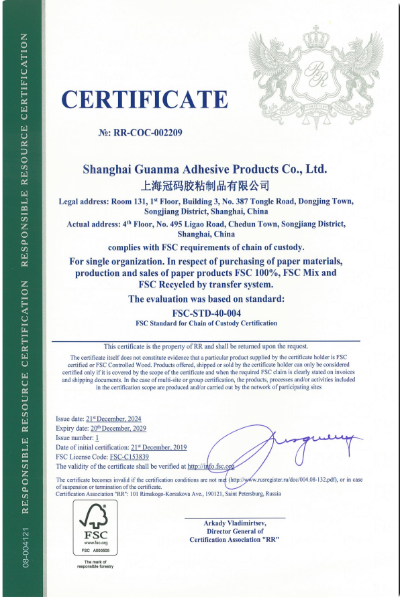
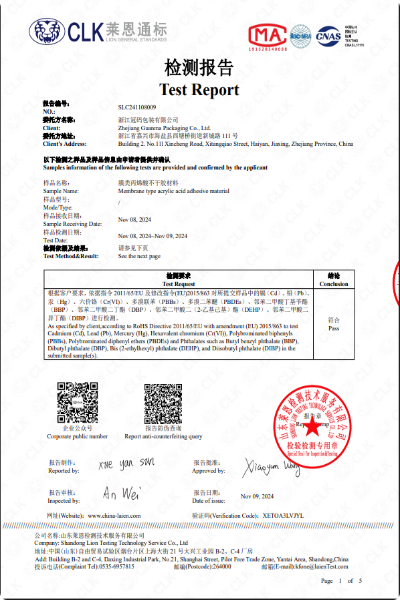
Khi một người mua quốc tế đánh giá một nhà cung cấp mới, niềm tin đi xuống đến hai điều: bạn có thể chứng minh vật liệu đáp ứng tiêu chuẩn, và sẽ reel #500 hành xử như reel #1?Chất lượng nhất quán hàng loạt để hàng loạt là duy nhất hầu hết-trích dẫn nhà cung cấp lựa chọn tiêu chí trong nhãn-vật liệu tìm nguồn cung ứng 5 trước khi giá tiêu đề 5 vì vậy chúng tôi đối xử với quá trình kiểm soát, không tiếp thị, như tín hiệu tin cậy.

ISO 9001
Quản lý chất lượng cho tính nhất quán hàng loạt
BS 5609
Các công trình được thiết kế cho nhãn hàng hải/hóa chất Phần 2
Tiếp xúc với thực phẩm
Chất kết dính gốc nước cho các công trình phù hợp với thực phẩm
FINAT FTM
Độ bám dính và độ bám dính được thử nghiệm theo các phương pháp được công nhận
Chính: mua sắm · Thứ cấp: quản lý (phê duyệt ngân sách)
Hướng dẫn thu mua — MOQ, thời gian giao hàng & tùy chỉnh
Vật liệu đạt yêu cầu trên bảng dữ liệu kỹ thuật vẫn phải vượt qua khâu mua sắm; với vật liệu nhãn, các yếu tố quyết định là tính nhất quán, thời gian giao hàng và số lượng đặt hàng tối thiểu — thường theo đúng thứ tự đó, trước đơn giá. Đây là cách Guanma giải đáp từng yếu tố:
Thời gian giao hàng & nguồn cung theo khu vực
Các dây chuyền tráng phủ của chúng tôi hoạt động tại Thái Lan và Việt Nam, giúp sản xuất ở cùng khu vực với người mua trên khắp Đông Nam Á và rút ngắn chặng vận chuyển đến Nam Mỹ và Châu Âu so với nguồn cung chỉ từ Trung Quốc. Trên thực tế, điều đó mang lại khả năng bổ sung hàng dễ dự đoán hơn và khoảng thời gian rủi ro ngắn hơn khi một chiến dịch đặt lại hàng. Thời gian giao hàng chính xác phụ thuộc vào lớp mặt nhãn, keo dán và chiều rộng cuộn, vì vậy chúng tôi báo giá khung thời gian cam kết cho từng cấu trúc thay vì quảng cáo “quay vòng nhanh”.
MOQ & tùy chỉnh
Vì lớp mặt nhãn, keo dán và lớp đế được chỉ định độc lập, bạn không bị buộc phải dùng một tổ hợp vật liệu chỉ phù hợp 80%. Các cấu trúc tùy chỉnh vẫn khả thi với số lượng đặt hàng tối thiểu hợp lý — điểm cốt lõi của hoạt động phủ và cán tích hợp là một công thức chuyên biệt không cần đến cả một công-ten-nơ vận chuyển mới có tính khả thi.
Tại sao tính nhất quán đánh bại đơn giá
Sai lầm thu mua tốn kém nhất mà chúng tôi gặp không phải là trả giá cao hơn trên mỗi mét vuông — mà là thẩm định một vật liệu chỉ bằng một cuộn mẫu rồi phát hiện sự sai lệch giữa các cuộn khi sản xuất số lượng lớn bắt đầu. Một lớp mặt nhãn đạt 38 dynes trên mẫu phê duyệt nhưng giảm ở các lô sau có thể chạy tốt trên máy in tuần này và bị lem tuần sau, và chi phí thu hồi một lô in lớn hơn nhiều so với bất kỳ khoản tiết kiệm đơn giá nào. Vì vậy, chúng tôi gắn một cấu trúc với công thức được lập thành tài liệu và giữ ổn định xử lý bề mặt, định lượng phủ keo dán và thông số lớp đế giữa các lô, thay vì tìm nguồn lại từng thành phần theo từng đơn hàng. Hãy hỏi mọi nhà cung cấp tiềm năng cách họ kiểm soát tính nhất quán giữa các lô trước khi so sánh báo giá; câu trả lời cho biết nhiều hơn con số.
Tài nguyên Kỹ thuật
Công cụ kỹ thuật màng nhãn BOPP
Câu hỏi thường gặp về màng nhãn BOPP
Phim BOPP là gì?
Màng BOPP là polypropylene định hướng hai trục — một tấm polypropylene được kéo giãn theo cả chiều máy và chiều ngang — bằng quá trình gọi là định hướng hai trục, giúp tăng độ bền kéo, độ cứng và độ trong suốt đồng thời giảm độ dày. Khi dùng làm lớp mặt nhãn, vật liệu này được phủ keo nhạy áp lực và ghép với lớp đế chống dính để tạo thành màng nhãn BOPP.
Phim BOPP có thể in được không?
Vâng. màng nhãn BOPP tương thích với in flexo, offset, UV và truyền nhiệt, miễn là bề mặt được xử lý bằng corona; top-coat có thể được mong muốn cho mực đòi hỏi. in trên polypropylene là khó khăn do năng lượng bề mặt thấp của nó, đó là lý do Guanma corona-xử lý mỗi facestock, và phù hợp với mỗi top-coat với báo in và mực của bạn.
Sự khác biệt giữa nhãn BOPP và vinyl là gì?
BOPP là một màng polypropylen mỏng hơn, chi phí vật liệu thấp hơn và dễ tái chế hơn dưới dạng mono-polyolefin; vinyl (PVC) dày hơn và phù hợp hơn với các đường cong chặt chẽ nhưng mang hình phạt tái chế dựa trên clo.Đối với hầu hết các nhãn sản phẩm BOPP mang lại độ bền mà người mua muốn mà không có chi phí vinyl hoặc nhược điểm bền vững.
Sự khác biệt giữa nhãn BOPP và PET là gì?
PET (polyester) chịu được nhiệt độ cao, mài mòn và tiếp xúc với dung môi và là bộ phim dễ in nhất nhưng nó đắt hơn và cứng nhắc hơn.BOPP là sự lựa chọn độ bền giá trị cho các nhãn tiện dụng được thiết kế cho hiệu suất chống nước hàng ngày, cộng với độ ẩm và khả năng chống dầu nhưng PET rất xứng đáng với phí bảo hiểm cho các điều kiện dịch vụ thực sự ‘khắc nghiệt’.
BOPP trắng có chống thấm nước không?
Lớp mặt nhãn BOPP trắng vốn chống nước trong sử dụng hằng ngày và có khả năng kháng nước cao, vì vậy được sử dụng phổ biến cho nhãn thực phẩm, đồ uống và chăm sóc cá nhân; hiệu suất chuyên sâu khi thực sự ngâm trong nước phụ thuộc vào toàn bộ cấu trúc — keo dán và mọi lớp màng cán đều quan trọng ngang với màng. Để sử dụng trong môi trường thùng hóa chất hoặc hàng hải, hãy yêu cầu cấu trúc phù hợp với tiêu chí BS5609 Section 2.
BOPP trắng bóng là gì?
BOPP trắng bóng là một facestock trắng đục với bề mặt trên cùng có độ bóng cao tạo ra màu sắc sống động và lớp hoàn thiện bán lẻ cao cấp. Nó kết hợp lớp nền trắng chống trầy xước với lớp phủ tiếp nhận bóng; thay vào đó hãy chọn mờ khi bạn cần bề mặt có độ chói thấp, có thể ghi được.
Ai sản xuất màng nhãn BOPP tại Trung Quốc và Đông Nam Á?
Guanma là nhà sản xuất vật liệu nhãn tự dính có các dây chuyền phủ và cán màng tại Thái Lan và Việt Nam, cung ứng cho Đông Nam Á, Nam Mỹ và châu Âu. Khác với các nhà máy chỉ sản xuất màng nền, chúng tôi tự phủ keo dán và cán lớp đế, vì vậy bạn có thể chỉ định vật liệu nhãn BOPP hoàn chỉnh — lớp mặt nhãn, keo dán và lớp đế — thay vì mua vật liệu nền rồi tìm nguồn các phần còn lại.
Quý khách có cung cấp màng nhãn BOPP dạng cuộn jumbo hoặc chiều rộng tùy chỉnh không?
Có. Chúng tôi cung cấp cuộn jumbo cho các nhà gia công nhãn tự xẻ cuộn tại chỗ, cũng như cuộn thành phẩm đã xẻ theo chiều rộng. Định dạng cuộn là một yếu tố chi phí trong báo giá của Quý khách, vì vậy hãy cho chúng tôi biết năng lực xẻ cuộn và chiều rộng mục tiêu để chúng tôi đề xuất định dạng kinh tế nhất.