ติดต่อกับกวนมา

![กระดาษรองลอก CCK: คู่มือชั้นรองหลังคราฟต์เคลือบดินขาว [2026]](https://guanmalabel.com/wp-content/uploads/2026/07/cck-release-paper-featured.png)
อัปเดตกรกฎาคม 2026 · คู่มือด้านวัสดุสําหรับวิศวกรโรงงาน ผู้แปรรูป และการจัดซื้อ.
กระดาษรองกาว CCK คือชั้นรองลอกคราฟท์เคลือบดินขาว: ฐานกระดาษคราฟท์ที่ปิดผนึกด้านหนึ่งด้วยชั้นดินขาวละเอียด (kaolin) แล้วเคลือบซิลิโคน เพื่อให้กาวไวต่อแรงกด (PSA) ลอกออกได้สะอาดโดยไม่ทิ้งคราบกาวที่แรงลอกที่ควบคุมได้ โครงสร้างสามส่วน—คราฟท์ ดินขาว ซิลิโคน—นี้เองที่ทำให้เกรด CCK หนึ่งจ่ายฉลากได้ราบรื่นบนสายการแปรรูปวัสดุฉลากความเร็วสูง ขณะที่อีกเกรดหนึ่งเกิดการเลื่อนตำแหน่งกลางม้วน คู่มือนี้อธิบายกลไก วิธีอ่านข้อกำหนดทางเทคนิคแรงลอก วิธีเลือกน้ำหนักพื้นฐาน และวิธีวินิจฉัยข้อบกพร่องที่ทำให้สายการผลิตหยุด.
ภาพรวมกระดาษรองลอก CCK
| วัสดุฐาน | กระดาษคราฟท์ + เคลือบดิน (ดินขาว) + ซิลิโคน |
| น้ําหนักพื้นฐาน | 45 160 กรัม/ตร.ม. (ISO 536) |
| ความหนา | 47 1 30 ไมโครเมตร (ISO 53) |
| ปล่อยแรง | 10 200 g/in (FINAT FTM 3, ความเร็วต่ํา) |
| ช่วงการดําเนินงาน | −40 ถึง 200 °C (หน้าต่างการบ่มแบบคอมโพสิต) |
| ตําแหน่งทางการตลาด | ≈44% ของไลเนอร์สําหรับปล่อยฉลากทั่วโลก (การศึกษาของ AWA) |
กระดาษวางจําหน่าย CCK คืออะไร?
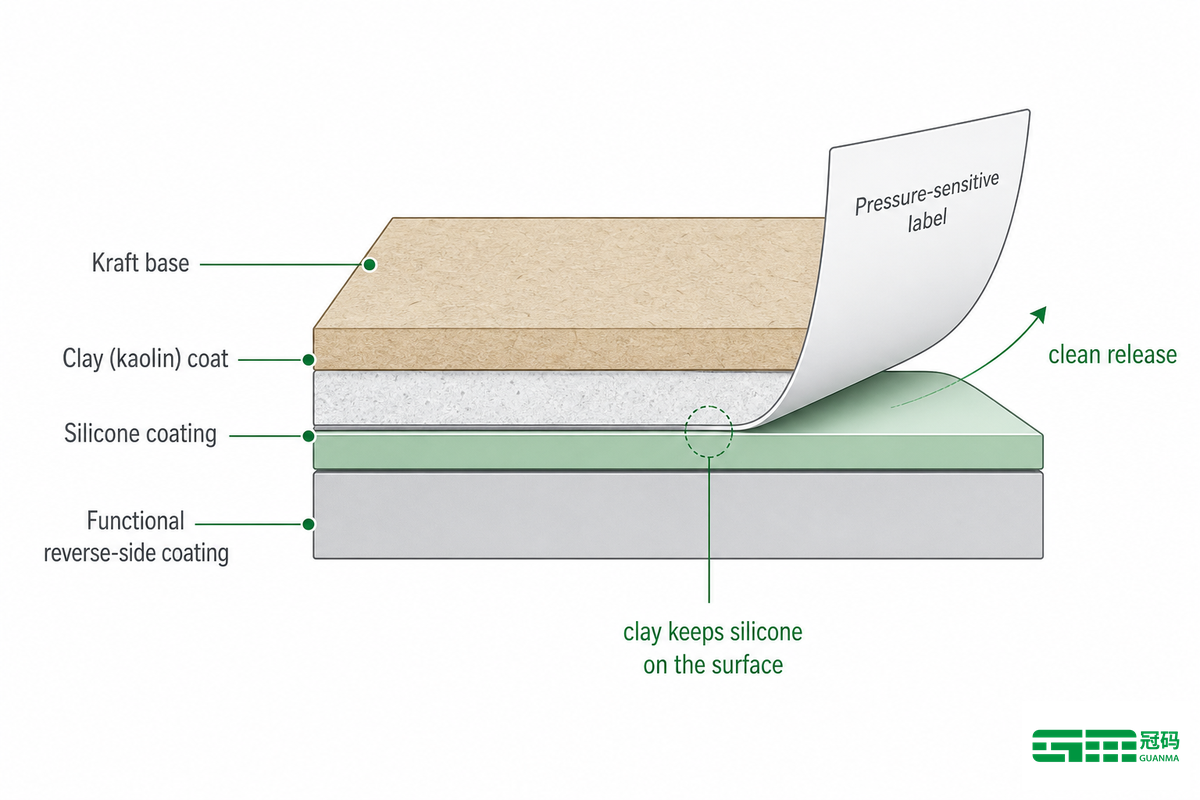
กระดาษลอก CCK (คราฟท์เคลือบดินเหนียว) เป็นซับกระดาษคราฟท์ที่เคลือบด้านหนึ่งด้วยชั้นดินเหนียวละเอียด จากนั้นจึงเคลือบซิลิโคน เพื่อให้กาวที่ไวต่อแรงกดหลุดออกอย่างหมดจดและมีแรงที่คาดการณ์ได้. ดินเหนียวจะผนึกพื้นผิวคราฟท์ที่มีรูพรุน ดังนั้นซิลิโคนจึงอยู่ด้านบนของเส้นใยแทนที่จะแช่ใน „และรายละเอียดเดียวคือสิ่งที่ช่วยให้แรงปลดปล่อยสม่ําเสมอม้วนเพื่อม้วน.
เพื่อให้เข้าใจว่าทําไมดินเหนียวมีความสําคัญให้ภาพทางเลือก กระดาษคราฟท์เปลือยมีรูพรุน เคลือบด้วยซิลิโคนและซิลิโคนจะไส้ตะเกียงเข้าไปในเครือข่ายเส้นใยไม่สม่ําเสมอดังนั้นปริมาณที่เหลืออยู่บนพื้นผิว (ส่วนที่กาวให้จริงควบคุมวิธีการที่กาวให้ไป 4 แตกต่างกันไปตามรีล แรงปล่อยแล้วเปลี่ยนเมื่อคุณวิ่ง เคลือบดินเหนียว (ดินขาว) ให้ซิลิโคนผิวเรียบปิดนั่ง ตามที่สภาเทปไวต่อแรงกดบันทึกพื้นผิวคราฟท์เคลือบดินเหนียวเป็น “และ ”ช่วยให้ซิลิโคนน้อยลงซึ่งเป็นทั้งคันโยกต้นทุนและคันโยกสม่ําเสมอ“.
ซับ CCK ที่เสร็จแล้วเป็นสแต็คของสี่ชั้นการทํางาน:
- 1. ฐานคราฟท์ •ความแข็งแรงในการฉีกขาด, ความแข็ง, และความต้านทานสําหรับการจ่ายความเร็วสูง.
- 2. เคลย์โค้ท •กําแพงดินขาวที่ยึดซิลิโคนบนพื้นผิว (ซิลิโคนค้าง).
- 3. เคลือบซิลิโคน ปลดชั้นพลังงานต่ํา- เปลือกกาว.
- 4. การเคลือบผิวแบบย้อนกลับเชิงหน้าที่ (ไม่บังคับ) – การเคลือบด้านหลังที่ช่วยให้แผ่นเรียบ เพิ่มความคงตัวของขนาด และความสามารถในการพิมพ์.
ชั้นสุดท้ายนั้นไม่ใช่รายละเอียด การย้ายจากด้านกลับด้านที่เปิดอยู่ (ไม่เคลือบ) ไปสู่การเคลือบด้านกลับด้านที่ใช้งานได้นั้นเป็นสิ่งที่เปลี่ยน CCK จากซับประนีประนอมให้กลายเป็นม้าทํางานไดคัท หากคุณต้องการบริบทครอบครัวที่กว้างขึ้นก่อนโปรดดูไพรเมอร์ของเราบน วิธีการทํางานของไลเนอร์ปล่อย ก่อนที่คุณจะลงลึกบนคราฟท์เคลือบดินเหนียว.
💡 ประเด็นสําคัญ
การเคลือบดินขาวคือเหตุผลที่วัสดุรองหลัง CCK คงแรงลอกไว้ได้ ให้ประเมินเกรด CCK จากการเคลือบดินขาวและการปรับสภาพด้านหลังเป็นอันดับแรก – ไม่ใช่จากซิลิโคนเพียงอย่างเดียว ผู้ซื้อยังค้นหาวัสดุชนิดเดียวกันด้วยคำว่า silicone coated kraft paper หรือ silicone coated release paper และเปรียบเทียบการใช้งานกับราคาของกระดาษรองกาว CCK กับวัสดุรองหลังฟิล์ม.
ซีซีเค vs พีซีเค, กลาสซีน, เอสซีเค & PET: ไลเนอร์รุ่นใดที่ชนะเมื่อ
CCK แตกต่างจาก PCK ในที่เดียวที่จะตัดสินใจทุกอย่าง: พื้นผิวที่ปล่อยออกมาเป็นดินเหนียวแร่ ไม่ใช่โพลีเอทิลีนอัดขึ้นรูป. นั่นทําให้ CCK แข็งขึ้น มีความเสถียรต่อความร้อนมากขึ้น และสามารถรีไซเคิลกระดาษได้ ในขณะที่ PCK (คราฟท์เคลือบ PE) จะวางราบเรียบและต้านทานความชื้นได้ดีขึ้น ผู้ชนะทั้ง “ดีที่สุด” ไม่ได้ขึ้นอยู่กับสภาพอากาศ ความแม่นยําในการตัดไดคัท และภาระผูกพันในการรีไซเคิลของคุณ.
ลักษณะที่ตรงกันข้ามที่คุณจะไม่พบในหน้าผลิตภัณฑ์ส่วนใหญ่: CCK ไม่ใช่ #1 โดยอัตโนมัติ ตามตัวเลขอุตสาหกรรมที่มีการอ้างอิงมากที่สุด คราฟท์เคลือบดินเหนียวคิดเป็นประมาณ 44% ของตลาดไลเนอร์รุ่น คราฟท์เคลือบ PE คือ 40% และ กลาสซีน บวก SCK ทั้งหมดใกล้ 12% พร้อมซับฟิล์มที่เหลือ 3% (AWA “ฟิล์มกราฟิกไวต่อแรงกด” การศึกษาผ่านนิตยสารกาว) แต่ตัวเลขทั่วโลกซ่อนความแตกต่างทางการตลาดที่สําคัญ: ในยุโรป CCK มีส่วนแบ่งการตลาดประมาณ 77% ในขณะที่ในสหรัฐอเมริกาคราฟท์เคลือบ PE มีอํานาจเหนือประมาณ 49% โดย CCK เข้ามาที่ 40% นั่นเป็นเพราะบริบทในอดีตเกรด CCK ของสหรัฐฯ ถูกจัดส่งตามปกติโดยมีด้านกลับด้านแบบเปิดซึ่งเป็นอันตรายต่อเสถียรภาพของมิติ เป็นผลให้ผู้แปลงในสหรัฐอเมริกาชอบ PCK.
| ทรัพย์สิน | ซีซีเค | PCK (เคลือบ PE) | กลาสซีน | เอสซีเค | ฟิล์ม PET |
|---|---|---|---|---|---|
| ปล่อยพื้นผิว | ดินเหนียว + ซิลิโคน | พีอี+ซิลิโคน | กระดาษที่มีความหนาแน่น + ซิลิโคน | ซุปเปอร์คาเลนเดอร์+ซิลิโคน | โพลีเอสเตอร์ + ซิลิโคน |
| ความแม่นยําในการไดคัท | ดี; สามารถแตกร้าวในการตัดที่ซับซ้อนได้ | ดี | ยอดเยี่ยม (ขอบหนาแน่นสะอาด) | ดีมาก | ยอดเยี่ยม (บางมั่นคง) |
| ความชื้น/นอนราบ | ดี (เคลือบแบบย้อนกลับ); อ่อนลงหากเปิดย้อนกลับ | อุปสรรคที่ยอดเยี่ยม | ปานกลาง | ปานกลาง | ยอดเยี่ยม |
| ความต้านทานความร้อน | ถึง ~200 °C (เลเซอร์, การบ่มแบบคอมโพสิต) | จํากัด (PE นุ่ม) | ดี | ดี | ยอดเยี่ยม |
| ความสามารถในการรีไซเคิล | สูง (กระแสกระดาษ) | ต่ํากว่า (แยก PE) | สูง (กระดาษ) | สูง (กระดาษ) | ต่ํา (กระแส PET) |
| พอดีที่ดีที่สุด | ฉลาก เทป คอมโพสิต ยา | ภูมิอากาศชื้นลามิเนต | ไดคัทอย่างดี การแพทย์ อิเล็กทรอนิกส์ | ช่วงกลางที่คํานึงถึงต้นทุน | อุณหภูมิสูง, อิเล็กทรอนิกส์, บางเฉียบ |
ที่มา: การศึกษา AWA ในสื่อการค้า; วิธีการทดสอบ FINAT; ข้อกําหนดอุตสาหกรรมที่ยอมรับโดยทั่วไป.
คิดว่าตารางนี้เป็นแนวทางในการตัดสินใจไม่ใช่กระดานคะแนน เลือกใช้ CCK สําหรับการรีไซเคิลกระดาษความต้านทานต่อความร้อนและความสามารถในการพิมพ์ที่สม่ําเสมอที่ด้านหลังสําหรับการใช้งานมาตรฐานฉลากและการแปลงเทป เลือก glassine หากการตัดด้วยแม่พิมพ์ที่มีความแม่นยําและความโปร่งใสของภาพเป็นกุญแจสําคัญพื้นผิวที่มีความหนาแน่นของ glassine ให้การตัดที่สะอาดกว่า CCK ซึ่งสามารถพบกับการแตกร้าวในการเคลือบเมื่ออยู่ภายใต้การตัดตายที่ละเอียดและละเอียดมาก SCK ทําหน้าที่เป็นเครื่องชั่งที่คุ้มค่า PCK เป็นไปเพื่อประสิทธิภาพการนอนราบที่มั่นคงในความชื้นสูงและการเคลือบคอมโพสิตและ PET จะดีที่สุดเมื่อกระบวนการถูกควบคุมโดยอุณหภูมิสูงหรือเกจวัสดุที่บางเป็นพิเศษเป็นหลัก หากการตัดสินใจอยู่ระหว่าง CCK และคู่มือที่ใช้กระดาษเปรียบเทียบ ไลเนอร์ปล่อยกลาสซีน สําหรับข้อมูลเชิงลึกเกี่ยวกับเรื่องหลัง ที่ เกรดไลเนอร์ปล่อยกลาสซีน รายการหน้า ข้อมูลจําเพาะของผลิตภัณฑ์.
ก่อนที่จะขัดเกลาใน CCK ให้พิจารณามุมมองที่กว้างขึ้นของภูมิทัศน์นี้ เก้าประเภทซับรายละเอียดด้านล่างมีการจัดระเบียบตามวัสดุฐานและปล่อยคลาส-กระบวนการจําแนกประเภทที่ใช้เป็นประจําโดยตัวแปลงเมื่อแคบลงตัวเลือกผู้ให้บริการ.
| ประเภทไลเนอร์ | วัสดุฐาน | คลาสปล่อยตัว | การใช้งานที่เหมาะสมที่สุด | รีไซเคิลได้ |
|---|---|---|---|---|
| ซีซีเค | คราฟท์เคลือบดินเหนียว | แสง200 กรัม/นิ้ว) | ฉลาก เทป คอมโพสิต ยา | ใช่ (กระดาษ) |
| พีซีเค | คราฟท์เคลือบ PE | แสงสว่าง | ภูมิอากาศชื้นลามิเนต | จํากัด (PE) |
| เอสซีเค | คราฟท์ซุปเปอร์คาเลนเดอร์ | แสงสว่าง | ช่วงกลางที่สมดุลต้นทุน | ใช่ (กระดาษ) |
| กลาสซีน | กระดาษที่มีความหนาแน่น | แสงสว่าง | ไดคัทอย่างดี การแพทย์ อิเล็กทรอนิกส์ | ใช่ (กระดาษ) |
| คราฟท์ (ไม่เคลือบ) | กระดาษคราฟท์ | ตัวแปร | เทปอุตสาหกรรมต้นทุนต่ํา | ใช่ (กระดาษ) |
| ฟิล์ม PET | โพลีเอสเตอร์ | แสงสว่าง | อุณหภูมิสูง, อิเล็กทรอนิกส์, บางเฉียบ | ต่ำ (PET) |
| กระดาษเอ็มจี | คราฟท์เคลือบด้วยเครื่องจักร | แสง | เทปแสง,ปล่อยเบเกอรี่ | ใช่ (กระดาษ) |
| กระดาษเอ็มเอฟเค | คราฟท์สําเร็จรูปด้วยเครื่องจักร | ปานกลาง | เรือเดินสมุทรอุตสาหกรรมทั่วไป | ใช่ (กระดาษ) |
| ไม่ใช่ซิลิโคน/ไม่มีซับใน | เคลือบหรือไม่มีซับ | ความเชี่ยวชาญพิเศษ | ป้ายไร้ไลเนอร์แบบพิเศษ | แตกต่างกันไป |
EUUS แยกตัวดีขึ้น และ CCK ปรับปรุงอย่างไร
ตลาดฉลากถูกครอบงําโดยตัวเลือกการปลดปล่อยกระดาษสองแบบมานานแล้ว (ดินเหนียวเคลือบกระดาษคราฟท์และ PE-เคลือบกระดาษคราฟท์) และการศึกษาตลาดทั่วโลกของ AWA เป็นข้อมูลอ้างอิงส่วนใหญ่ของราคาอุตสาหกรรมสําหรับการแยก แต่เหตุผลที่ยุโรป CCK ถึงประมาณ 77% ในขณะที่ผู้แปลงสหรัฐในอดีตพึ่งพา PCK อยู่ในประวัติศาสตร์การผลิตกระดาษไม่ใช่การตลาด เป็นเวลาหลายปีที่กระดาษเคลือบดินเหนียวของสหรัฐฯจัดส่งมาพร้อมกับด้านกลับด้านแบบเปิด; โรงงานในยุโรปย้ายไปเคลือบด้านหลังด้วยดังนั้นวันนี้เกรด CCK ส่วนใหญ่จะเคลือบทั้งสองด้าน.
การเคลือบด้านย้อนกลับเชิงฟังก์ชันนั้น กระดาษ CCK ที่มีด้านย้อนกลับเชิงฟังก์ชัน — เป็นสิ่งที่ช่วยให้ผู้ผลิตปรับปรุงความเสถียรของมิติของฐาน ในช่วงหลายปีที่ผ่านมาโรงงานได้กลั่นกระดาษ CCK เพื่อปรับปรุงการตอบสนองมิติต่อความชื้นและในหลายงานผู้ให้บริการ PE ถูกแทนที่ด้วยกระดาษ CCK ที่มีความเสถียรในมิติ ผลลัพธ์: สําหรับการแปลงส่วนใหญ่กระดาษ CCK เพียงอย่างเดียวเป็นโซลูชันไลเนอร์ที่มีประสิทธิภาพและปล่อยได้ดีและเฉพาะในสุดขั้วที่มีความชื้นสูงเท่านั้นที่กระดาษเคลือบ PE ยังคงเป็นตัวเลือกชั้นนํา เกรด CCK และ PE ยังสามารถรวมกันเป็นไฮบริดได้เมื่องานต้องการทั้งหน้ากระดาษและแผงกั้นความชื้นพลาสติก.
คุณสมบัติการเคลือบซิลิกอนของสารเคลือบ CCK มากเท่ากับฐาน เนื่องจากคุณสมบัติของการเคลือบ CCK ให้การเคลือบ CCK ด้วยพื้นผิวดินเหนียวที่แข็งแกร่งและปิดซิลิโคนจึงอยู่ด้านบนของกระดาษเคลือบแทนที่จะแช่ใน „เคลือบด้านข้างทําการปล่อยไม่ใช่เส้นใย นั่นบวกกับความจริงที่ว่ากระดาษเคลือบดินเหนียวเหล่านี้รีไซเคิลในกระแสกระดาษคือเหตุผลที่กระดาษ CCK นําเสนอความยั่งยืนที่ดีขึ้นกว่าเกรดพลาสติกและทําไมผู้แปลงจํานวนมากในขณะนี้ระบุเกรดเหล่านี้เป็นซับปล่อยของทางเลือก การใช้โครงสร้างการปล่อยที่ได้เปรียบมากขึ้นนี้เพิ่มมากขึ้นเรื่อย ๆ ค่าเริ่มต้นในตลาดซับปล่อยที่กว้างขึ้น.
วิธีอ่านข้อมูลจําเพาะแรงปล่อย CCK (FINAT FTM 3)
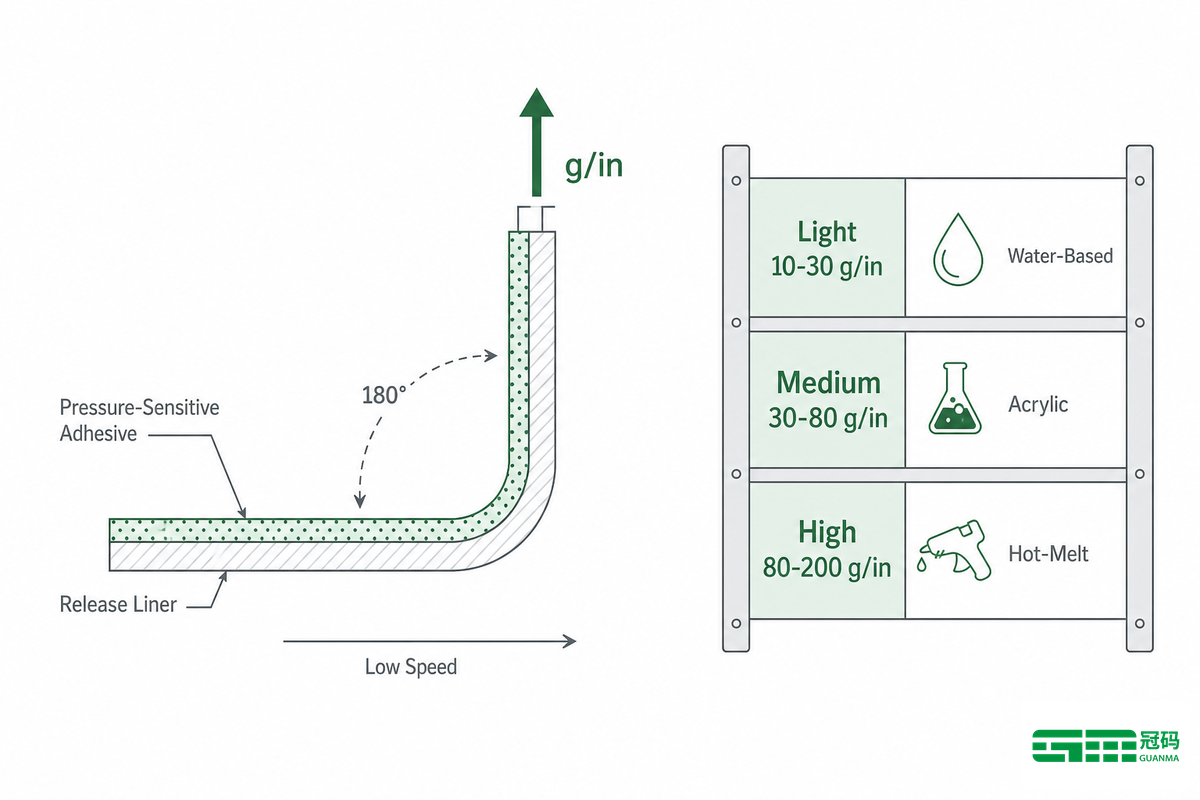
ค่าแรงปล่อยหมายถึงบางสิ่งเมื่อคุณทราบความเร็วทดสอบที่อยู่เบื้องหลังเท่านั้น. ตัวเลขแรงปลดปล่อยที่นําเสนอในเอกสารข้อมูล CCK ส่วนใหญ่มีหน่วยเป็นกรัมต่อนิ้ว (กรัม/นิ้ว) โดยพิจารณาจาก วิธีทดสอบ FINAT FTM 3. วิธีนี้จะวัดการปล่อยไลเนอร์จากกาวที่ความเร็วต่ําและมุมลอก 180° ค่านี้บ่งบอกถึงประสิทธิภาพของไลเนอร์เป็นหลักในระหว่างการจัดเก็บและการจัดการที่ช้า-ไม่จําเป็นต้องสะท้อนถึงพฤติกรรมบนสายจ่ายที่เคลื่อนที่เร็วที่ 150 ม./นาที.
จัดหมวดหมู่ค่าแรงปล่อยออกเป็นสามช่วงในทางปฏิบัติและจัดช่วงที่เหมาะสมกับความเร็วกาวและเส้นของคุณ:
| วงรี | FTM 3 (กรัม/นิ้ว) | กาวพอดี | การใช้งานทั่วไป |
|---|---|---|---|
| แสง | 10–30 | แบบใช้น้ําแบบถอดได้ | การจ่ายความเร็วสูง ลอกและติด |
| ปานกลาง | 30–80 | อิมัลชันอะคริลิค, ยูวีรักษาได้ | การแปรรูปวัสดุฉลาก, วัสดุรองเทป |
| สูง | 80–200 | ยางร้อนละลาย ดุดันถาวร | ฉลากอุตสาหกรรมและยานยนต์ |
ที่นี่มักจะเกิดความสับสน FTM 3 เป็นการทดสอบความเร็วต่ํา และโดยทั่วไปแล้ว แรงปลดปล่อยจะเพิ่มขึ้นตามความเร็วการลอกที่เพิ่มขึ้น ซึ่งหมายถึงผลิตภัณฑ์ที่แสดงรายการด้วย ความเร็วต่ํา แรงปล่อย 20 กรัม/นิ้วอาจแตกหรือพังเว็บโดยไม่คาดคิดเมื่อใช้ที่ความเร็วสูงกว่าบนเส้นเร่งความเร็ว.
📐 หมายเหตุทางวิศวกรรมตัวอย่างการทํางาน
สมมติว่าคุณกําลังจ่ายฉลากอะคริลิกสูตรน้ําด้วยความเร็วสูงบนเครื่อง 150 ม./นาที ตั้งเป้าไปที่แถบแสง (15-25 กรัม/นิ้ว) แต่ขอค่าการปลดปล่อยที่ความเร็วสูงไม่ใช่ตัวเลข FTM3 ความเร็วต่ํา หาก FTM3 ของซัพพลายเออร์ = 20 กรัม/นิ้ว และเขาไม่สามารถสร้างตัวเลขความเร็วสูงได้ ให้ใช้ 20 กรัม/นิ้วเป็นค่าพื้น ไม่ใช่เพดาน และมีคุณสมบัติเป็นม้วนทดลองก่อนซื้อ ไลเนอร์ที่ทดสอบช้า 20 กรัม/นิ้ว แต่เร็ว 55 กรัม/นิ้ว มีแนวโน้มที่จะยกฉลากออกจากเว็บในสายของคุณ.
วิธีหนึ่งที่มีระเบียบวิธีในการเข้าถึงกลุ่มเป้าหมายคือการใช้ของเรา ตัวเลือกแรงปล่อย; และเมื่อคุณพร้อมที่จะจับคู่ตัวเลขกับเกรดจริงแล้ว ข้อมูลจําเพาะของกระดาษปล่อย CCK แสดงรายการช่วงการทดสอบทั้งหมด.
การเลือกน้ําหนักพื้นฐานและคาลิปเปอร์สําหรับฉลาก เทป และคอมโพสิต
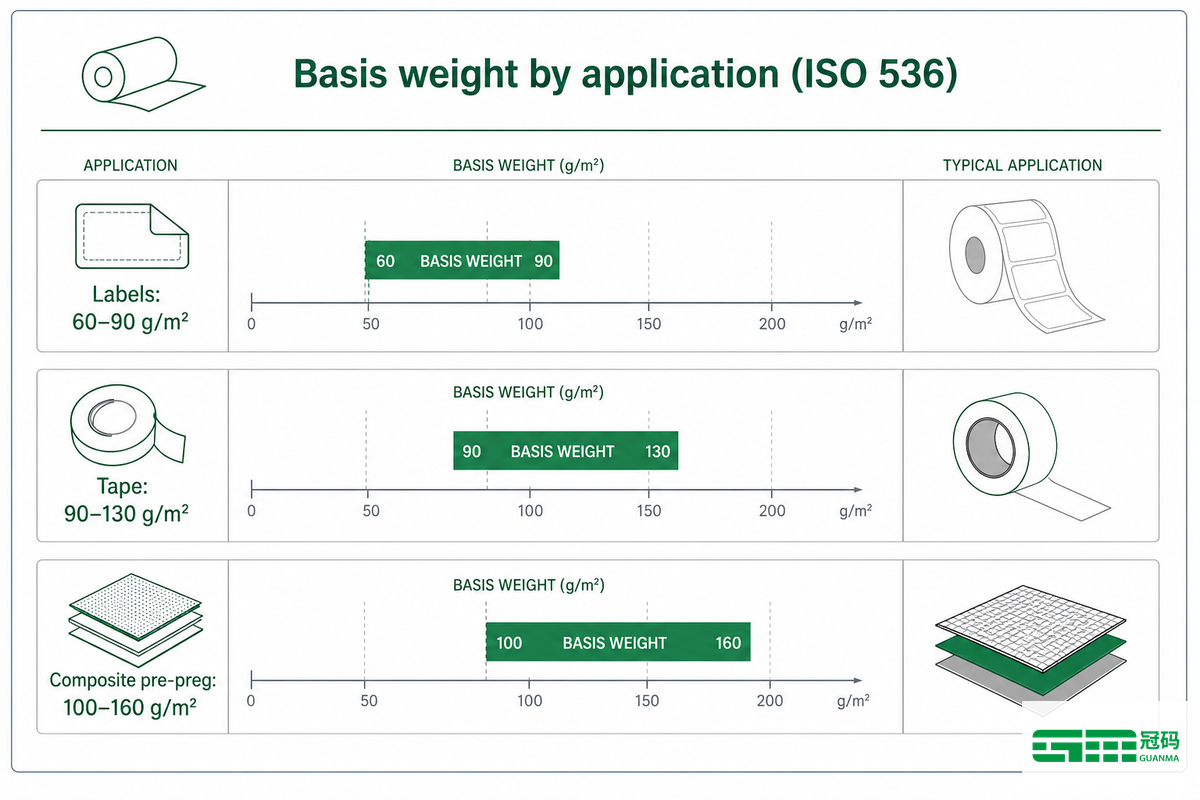
เลือกน้ําหนักพื้นฐานตามการใช้งาน ไม่ใช่การตั้งค่า เบากว่าสําหรับฉลาก หนักกว่าสําหรับเทปและคอมโพสิต. ฐานคราฟท์ของกระดาษ CCK รับภาระทางกลของการตัดด้วยไดคัทและการจ่าย ดังนั้นคาลิปเปอร์จึงตัดสินใจว่าไดคัทอย่างหมดจดไปยังไลเนอร์โดยไม่ต้องตัดผ่านหรือไม่ และแผ่นใยจะแบนภายใต้ความชื้นหรือไม่.
| ใบสมัคร | น้ําหนักพื้นฐาน | ทําไม |
|---|---|---|
| ฉลากแบบมีกาวในตัว | 60 กรัม/ตร.ม. (ทั่วไป 78) | ความแข็งเพียงพอสําหรับการตัดไดคัทที่สะอาด ปริมาณน้อยสําหรับการจ่ายความเร็วสูง |
| เทป/ผู้ให้บริการกระดาษปล่อยสองด้าน | 90 130 กรัม/ตร.ม | แผ่นใยที่หนักกว่าต้านทานการบิดเบี้ยวภายใต้กาวที่ดุดัน |
| ไลเนอร์พรีเพรกคอมโพสิต | 100 กรัม/ตร.ม | ความคงตัวของขนาดคงอยู่ตลอดการบ่มในหม้อนึ่งความดัน 180–200 °C |
กฎพื้นฐานสองประการของนิ้วหัวแม่มือช่วยเลือกน้ําหนักพื้นฐานอย่างยุติธรรม ประการแรกยิ่งซับนุ่มยิ่งมีโอกาสมากขึ้นสําหรับแม่พิมพ์ที่จะเปลี่ยนรูปเว็บ „ความท้าทายในการตัดตายที่ชัดเจนที่ระบุในฉลาก-เทคโนโลยีสว่าง ประการที่สองน้ําหนักที่มากขึ้นไม่ได้หมายความว่าดีขึ้น: คาลิเปอร์ที่เพิ่มเข้ามายังเพิ่มค่าใช้จ่ายและเพิ่มความแข็งที่จะต่อต้านความต้องการของฉลากห่อรัศมีแน่น หากคุณยังคงพัฒนาการก่อสร้างทั้งหมดของคุณ facestock กาวและซับเริ่มต้นด้วยของเรา การเลือกหุ้นฉลาก คําแนะนําและสําหรับงานห่วงโซ่ความเย็นตรวจสอบซับกับของเรา วัสดุฉลากตู้แช่แข็ง หมายเหตุ.
เคมีเคลือบซิลิโคน: ใช้ตัวทําละลาย ปราศจากตัวทําละลาย และใช้น้ํา
เคมีของซิลิโคนจะกําหนดโปรไฟล์ VOC พฤติกรรมการรักษา และการเคลือบที่คงสภาพไว้ได้ดีเพียงใด “การยึดเกาะ” CCK ส่วนใหญ่ผลิตจากหนึ่งในสามเคมี และแต่ละคู่จะดีที่สุดโดยมีเป้าหมายการยึดเกาะและการปฏิบัติตามข้อกําหนดเฉพาะ.
ใช้ตัวทําละลายเป็นหลัก
ต้นทุนการแปลงต่ําสุด, ความเข้ากันได้ของกาวที่กว้างที่สุด, การรักษาที่รวดเร็วที่สุด ม้าทํางานของสายผลิตภัณฑ์.
ปราศจากตัวทําละลาย
ใกล้ศูนย์ VOC มากที่สุด จําเป็นสําหรับ REACH และการควบคุมการปล่อยมลพิษ และในกรณีที่ต้องคํานึงถึงการปนเปื้อนของตัวทําละลายของกาว (ระบบยางร้อนละลายและระบบอิมัลชันอะคริลิก).
แบบใช้น้ํา
สารละลาย “Green” สําหรับกาวสูตรน้ําส่วนใหญ่ (PSA และอิมัลชันอะคริลิก).
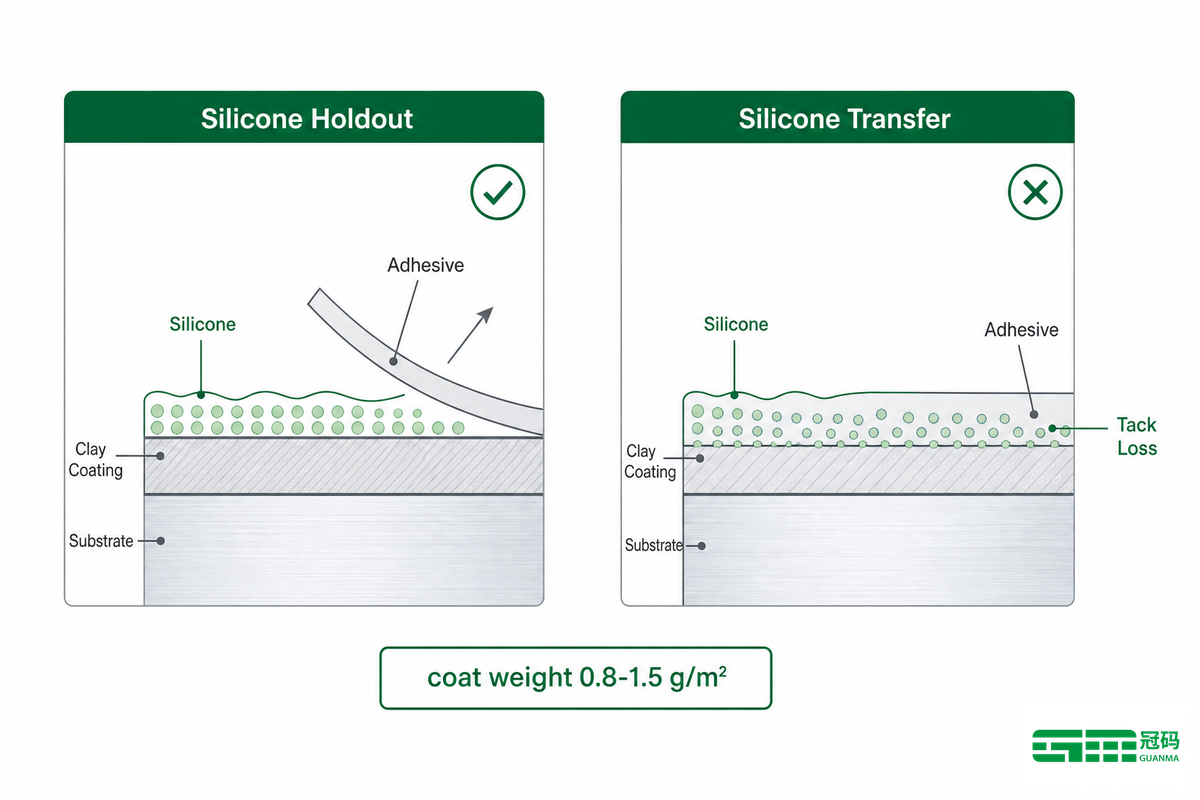
แนวคิดซิลิโคนสองแนวคิดอธิบายความล้มเหลวส่วนใหญ่. ซิลิโคนค้าง คือการเคลือบอยู่ในที่ที่ควรจะเป็น 3 บนพื้นผิวเคลือบดินเหนียว. ซิลิโคนโอน เป็นสิ่งที่ตรงกันข้าม: ซิลิโคนจะย้ายไปยังกาวและฆ่าตะปูของมัน การระงับคือสิ่งที่คุณจ่ายเคลย์โค้ตสําหรับ; การถ่ายโอนคือสิ่งที่ทําให้ซับล้มเหลว น้ําหนักเคลือบซิลิโคนอยู่ที่ประมาณ 0.8 ถึง 1.5 กรัม/ตร.ม. วัดโดยการเรืองแสงด้วยรังสีเอกซ์ สําหรับตัวแปลงบรรจุภัณฑ์อาหารมักจะหมายถึงการระบุซิลิโคนที่ปราศจากตัวทําละลายเพื่อระงับการโยกย้ายที่ต่ํากว่าขีด จํากัด การสัมผัสอาหารสําหรับสายฉลากความเร็วสูงหมายถึงการเรียกร้องหน้าต่างน้ําหนักเคลือบเอกสารในทุกล็อต เคมีเคลือบปล่อยตัวเองมีลักษณะที่ดีในบันทึกสิทธิบัตรดูตัวอย่างเช่น, สิทธิบัตร USPTO US6806339B2 เกี่ยวกับองค์ประกอบการเคลือบซิลิโคน.
“เราแยกส่วนผสมอัตราส่วนซิลิโคน-โพลีเมอร์-อัตราส่วน 18 ชิ้นกับเครื่องหมาย FINAT FTM 3 ก่อนที่เราจะตัดสินตามข้อกําหนดแรงปล่อย CCK ของเรา สูตรสุดท้ายทุกชุดจึงผลิตช่วงแรงปล่อยเดียวกันไม่ว่าจะทํางานในกรุงเทพฯหรือเวียดนาม ความสามารถในการทําซ้ําของแรงปล่อยเป็นทางเลือกในการจัดซื้อไม่ใช่การเรียกร้องทางการตลาด.”
สัญญาณที่ใช้งานได้จริงที่สุดของซัพพลายเออร์ที่ต้องการคือความสม่ําเสมอแบบแบทช์ต่อแบทช์ซึ่งแสดงเป็นค่าสัมประสิทธิ์ของการเปลี่ยนแปลง ตัวอย่างเช่น เส้นเคลือบของ Guanma นําความแปรผันของแรงปล่อยบนรีลให้ต่ํากว่า 2% โดยการสุ่มตัวอย่าง FINAT FTM 3 ที่รีลสตาร์ท/กลาง/สิ้นสุดในทุกกรีด.
การแก้ไขปัญหาเอกสารเผยแพร่ CCK: 6 ข้อผิดพลาดในการแปลงบรรทัด
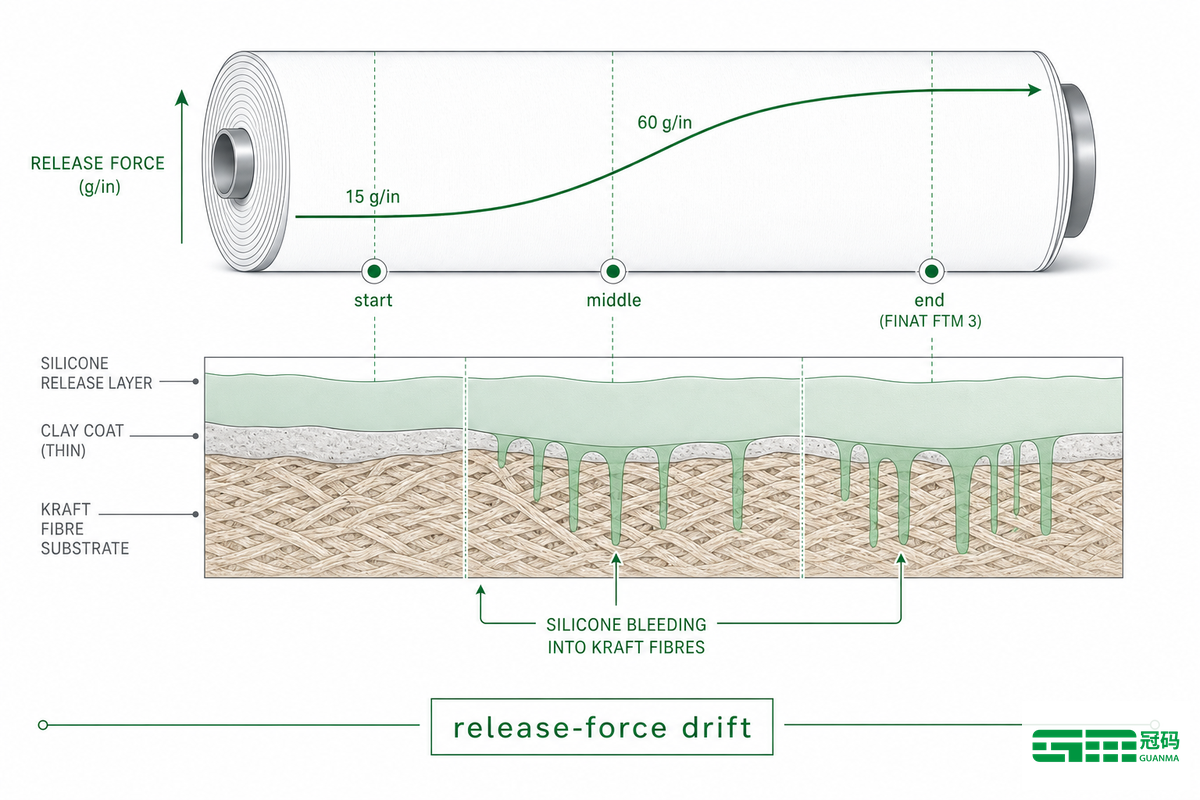
ข้อผิดพลาดในการแปลง CCK ที่พบบ่อยที่สุดคือแรงปล่อยที่ลอยอยู่กลางรีล ซึ่งเกิดจากการที่ซิลิโคนไหลเข้าไปในคราฟท์ โดยที่ชั้นเคลย์เคลย์บางหรือไม่สม่ําเสมอ ได้รับการยืนยันโดยการสุ่มตัวอย่าง FINAT FTM 3 ที่จุดเริ่มต้น ม้วนกลาง และปลาย. การหยุดบรรทัดส่วนใหญ่ติดตามย้อนกลับไปที่หนึ่งในหกสาเหตุที่แท้จริง ใช้ตารางด้านล่างเป็นแผนที่วินิจฉัย: จับคู่อาการแล้วโจมตีสาเหตุไม่ใช่อาการ.
| ความผิด | อาการบนเส้น | สาเหตุรากเหง้า | การดําเนินการแก้ไข |
|---|---|---|---|
| ปล่อยดริฟท์ | แรงกระโดดกลางรีล (เช่น 15 → 60 กรัม/นิ้ว) | ซิลิโคนเลือดออกในคราฟท์ เคลือบดินเหนียวบาง/ไม่สม่ําเสมอ | ความต้องการ FTM 3 การสุ่มตัวอย่างเริ่มต้น/กลาง/สิ้นสุด ระบุการค้างที่ปราศจากตัวทําละลาย |
| ซิลิโคนโอน | ฉลากสูญเสียการยึดเกาะ การยึดเกาะล้มเหลว | การแข็งตัวหรือการเคลื่อนตัวบนกาวไม่ดี | ตรวจสอบการรักษา ทดสอบการยึดเกาะหลังจากอยู่อาศัย ตรวจสอบน้ําหนักเคลือบ |
| การลงทะเบียนแบบไดคัท | ตัดลอยออกจากการลงทะเบียนในความชื้น | การบวมมิติของฐานคราฟท์ | ใช้ CCK เคลือบย้อนกลับ สต็อกที่ปรับตัวให้ชินกับสภาพแวดล้อม ตรวจสอบข้อมูล ISO 5630 |
| หยิกงอ/นอนราบไม่ดี | แผ่นวัสดุต่อเนื่องในม้วนเกิดการโก่งงอหรือม้วนตัว และป้อนไม่สม่ำเสมอ | ความไม่สมดุลของความชื้น เปิดด้านหลัง | ระบุการเคลือบด้านหลังที่ใช้งานได้ ควบคุมความชื้นในการจัดเก็บ |
| คงที่ในการจ่าย | ป้ายติด ป้อนผิดด้วยความเร็วสูง | ความชื้นต่ํา + ลอกอย่างรวดเร็วสร้างคงที่ | เพิ่มการควบคุมแบบคงที่ ตรวจสอบแถบปล่อยความเร็วสูง |
| รอยแตกเคลือบ/ม็อต | รูเข็มหรือรอยแตกในไดคัทละเอียด | เคลย์โค้ตรอยแตกภายใต้การตัดที่ซับซ้อน | เปลี่ยนไปใช้กลาสซีนหรือ SCK เพื่อการตัดที่ดีที่สุด |
ตัวอย่างจากภาคสนามช่วยขยายความแถวแรก ผู้แปรรูปฉลากโหลดม้วนวัสดุ 50,000 m และลอก 8,000 m แรกได้โดยไม่มีปัญหา; ในม้วนที่สาม แรงลอกพุ่งจากประมาณ 15 g/in เป็น 60 g/in ไม่มีสิ่งใดเปลี่ยนแปลง; ซิลิโคนซึมเข้าไปในคราฟท์ตรงที่การเคลือบดินขาวบาง วิธีแก้ต้องทำที่ต้นทางในกระบวนการเคลือบ ไม่ใช่ปลายทางที่เครื่องจักร: ต้องมีชั้นดินขาวปิดสนิท และสุ่มตัวอย่างแรงลอกช่วงต้น/กลาง/ท้ายในทุกม้วนตัดแบ่งหน้ากว้าง วิธีที่การเคลือบดินขาวยึดซิลิโคนไว้ภายใต้แรงกดของแม่พิมพ์ตัดเป็นวิทยาศาสตร์วัสดุที่มีเอกสารรองรับ — โปรดดู สิทธิบัตร WO2005052082A1 บนแผ่นซับสําหรับปล่อยกระดาษที่มีโครงสร้าง คุณจะพบกับข้อจํากัดนี้ครั้งแล้วครั้งเล่า: ไดคัทที่ดีที่สุดและซับซ้อนที่สุดบางครั้งอยู่บนกลาสซีน ไม่ใช่ CCK.
การอ่านเอกสารข้อมูลจําเพาะ CCK: มาตรฐานและสิ่งที่ต้องตรวจสอบ
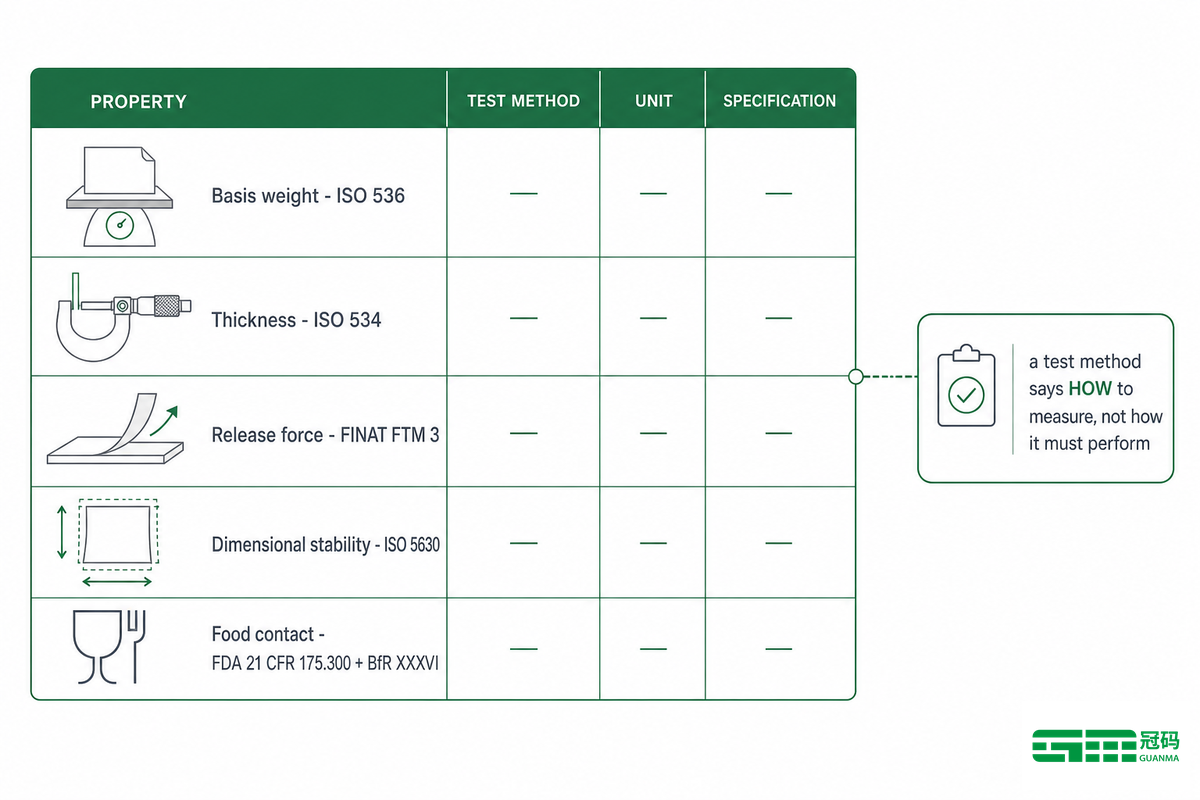
วิธีทดสอบจะบอกห้องปฏิบัติการถึงวิธีการวัดไลเนอร์ ไม่ใช่วิธีที่ไลเนอร์ต้องดําเนินการให้คุณ. ไฟล์คุณสมบัติของคุณเองถือสเปคประสิทธิภาพ รู้ว่ามาตรฐานใดควบคุมคุณสมบัติใด; เรียนรู้ที่จะอ่านเอกสารข้อมูล CCK แทนที่จะเชื่อถือป้าย.
- FINAT FTM 3 / FTM 2 ปลดปล่อยแรง (ความเร็วต่ํา 180° ลอก) และการยึดเกาะของเปลือก (90°) การวัดการปล่อยแกน.
- ISO 536/ISO 534 – พื้นฐานน้ําหนักและความหนา มิติพื้นฐาน.
- ISO 5630/ISO 8791 มิติความเสถียรของความชื้นและความเรียบของพื้นผิว (Bekk).
- อย.21 CFR 175.300 + BfR XXXVI any food-contact scope สําหรับชั้นเคลือบซิลิโคน/เรซิน.
การอ้างอิงการสัมผัสอาหารเป็นสิ่งที่ตอบผิดบ่อยที่สุด การเคลือบซิลิโคนเรซินถูกควบคุมโดย FDA 21 CFR 175.300 มาตรฐานสําหรับการเคลือบโพลีเมอร์และเรซินไม่ใช่โดย 21 CFR 175.105 ซึ่งเกี่ยวข้องกับกาว ทั้งสองสามารถปรากฏบนโครงสร้างกาวในตัวแต่พวกเขาควบคุมชั้นตามลําดับ “175.300 สอดคล้อง” อธิบายขอบเขตของการเคลือบเรซินไม่ใช่การอนุมัติอาหารแบบครอบคลุม สําหรับงานยา/อาหารที่มีการควบคุมยืนยันเกรด; ดูของเรา วัสดุฉลากยา หน้าสําหรับเอกสารฉบับเต็ม เมื่อคุณขอเอกสารข้อมูล ให้ขอข้อมูลแรงปล่อยระดับล็อตและชื่อการแก้ไขมาตรฐาน แผ่นข้อมูลจําเพาะกระดาษปล่อย CCK ควรตั้งชื่อพวกเขา.
CCK Liners สามารถรีไซเคิลได้หรือไม่ รูปภาพความยั่งยืน
ใช่ กระดาษลอก CCK สามารถรีไซเคิลได้ผ่านกระแสกระดาษมาตรฐาน เนื่องจากซิลิโคนจะถูกลอกออกระหว่างการผลิตเยื่อกระดาษ และเส้นใยคราฟท์จะกลับเข้าสู่ส่วนผสมอีกครั้ง. ความสามารถในการรีไซเคิลกระดาษนั้นเป็นจุดแข็งด้านความยั่งยืนหลักของ CCK เมื่อเทียบกับแผ่นเคลือบ PE และ PET ซึ่งแผงกั้นพลาสติกทําให้การแยกมีความซับซ้อน เกรด CCK ที่ใช้กระดาษซึ่งได้รับการรับรอง FSC และ PEFC จากนั้นยังให้ห่วงโซ่การดูแลที่ได้รับการตรวจสอบแล้ว.
ข้อแม้ที่ซื่อสัตย์ประการหนึ่งที่สามารถรีไซเคิลได้ในทางเทคนิคไม่เท่ากับการรีไซเคิล ไลเนอร์ปล่อยเป็นกระแสของเสียที่ซ่อนอยู่ของอุตสาหกรรมฉลาก = ไลเนอร์ที่ใช้แล้วจํานวนมากยังคงจบลงด้วยการฝังกลบเนื่องจากโครงสร้างพื้นฐานการรวบรวมและการกําจัดซิลิคอนมี จํากัด มาก การรีไซเคิลไลเนอร์นําแผนการกลับมีอยู่แต่ขึ้นอยู่กับตัวแปลงที่มีปริมาณและโลจิสติกส์ที่จะเข้าร่วม.
หากความยั่งยืนอยู่ในวาระการประชุมถือว่าจุดสิ้นสุดของชีวิตของไลเนอร์ของคุณเป็นคําถามในการจัดหาไม่ใช่ส่วนเสริมและถามว่าซัพพลายเออร์สนับสนุนเส้นทางสิ้นสุดชีวิตใดจริง ๆ การพิจารณาวัสดุอื่น ๆ อยู่ในของเรา ปล่อยกระดาษและซับตัวเลือก ภาพรวม.
แนวโน้มอุตสาหกรรม: หัวข้อเรื่องวัสดุซับสําหรับวางจําหน่าย (2026)
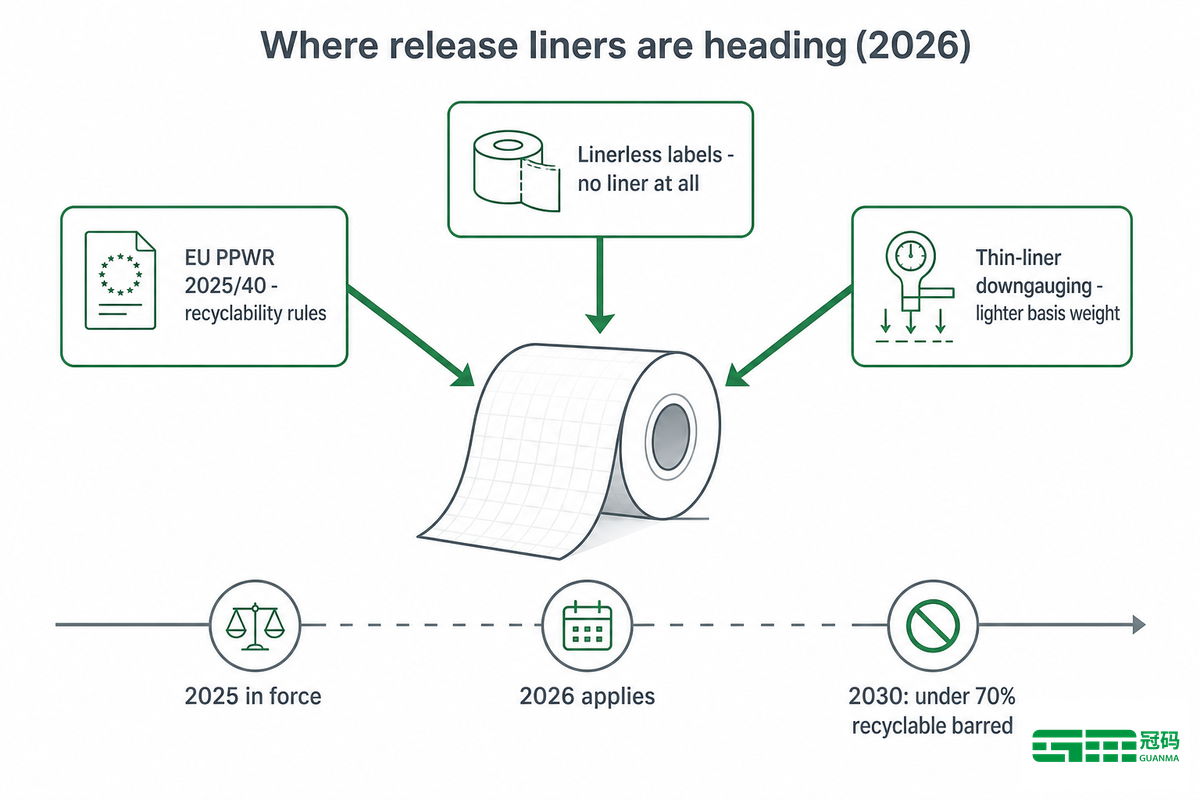
กฎระเบียบ ไม่ใช่ความต้องการดิบ คือแรงผลักดันในการปรับเปลี่ยนรูปร่างเมื่อตัวแปลงยังคงระบุ CCK กระดาษเทียบกับย้ายออกจากมัน. ความเสี่ยงเป็นรูปธรรม: ผู้แปลงที่ตัดสินกะผิดสามารถปล่อยให้ถือสต็อกซับที่ไม่เป็นไปตามข้อกําหนดเมื่อการตัดพื้นที่รีไซเคิล 70% ในปี 2030 หรือจ่ายเงินเพื่อคัดเลือกซับทดแทนใหม่ตามกําหนดเวลา.
ของสหภาพยุโรป กฎระเบียบด้านบรรจุภัณฑ์และของเสียจากบรรจุภัณฑ์ (PPWR) 2025/40 กลายเป็นกฎหมายเมื่อวันที่ 11 กุมภาพันธ์ 2025 และมีผลบังคับใช้ในวันที่ 12 สิงหาคม 2026; บรรจุภัณฑ์จะไม่ได้รับอนุญาตในตลาดหากน้อยกว่า 70% ความสามารถในการรีไซเคิลได้ตั้งแต่ปี 2030 CCK ที่ใช้กระดาษได้รับการพิจารณาอย่างดีภายใต้กฎหมายนี้ อย่างไรก็ตามแรงกดดันในการปรับตัวคือการเร่งสองแรงซึ่งบ่อนทําลายความต้องการซับกระดาษ; เทคโนโลยีฉลากไร้ไลเนอร์ในการใช้งานที่มีความเร็วสูงมากและการดาวน์เกจแบบบาง – ลินิน (thin-liner downgauging) ลดน้ําหนักพื้นฐานเพื่อลดต้นทุนต่อฉลากและคาร์บอน.
หลักฐานของทิศทางสามารถพบได้ในสิทธิบัตรล่าสุดเช่นปี 2024 สิทธิบัตรซับปล่อยคราฟท์ซุปเปอร์คาเลนเดอร์ การใช้เนื้อใยรีไซเคิลชี้ไปสู่กระดาษที่เบากว่าและรีไซเคิลได้มากขึ้น ไม่ใช่โครงสร้างที่เน้นพลาสติก ข้อมูลตลาดเกี่ยวกับปริมาณวัสดุรองหลัง—ในระดับประมาณการ—ชี้ว่าชั้นรองลอกโดยรวมเติบโตในช่วงเลขหลักเดียวระดับกลาง การดำเนินการที่เป็นรูปธรรมสำหรับ 2026: ก่อนทำสัญญาวัสดุรองหลังครั้งถัดไป ให้ตรวจสอบ SKU ที่มีปริมาณสูงสุดของคุณเพื่อหาโอกาสลดความหนาและใช้แบบไร้วัสดุรองหลัง และถามว่าสินค้าแต่ละรายการยังจำเป็นต้องใช้วัสดุรองหลังตามน้ำหนักปัจจุบันหรือไม่ ตัวอย่างเช่น ผู้แปรรูปฉลากเครื่องดื่มปริมาณสูงอาจตัดวัสดุรองหลังออกทั้งหมดจาก SKU หลักด้วยระบบไร้วัสดุรองหลัง ขณะที่ผู้แปรรูปฉลากเภสัชกรรมยังคงใช้กระดาษ CCK เพื่อรักษาหลักฐานการปฏิบัติตามข้อกำหนดที่บันทึกไว้—กฎระเบียบเดียวกันผลักดันให้โรงงานสองแห่งเดินไปคนละทิศทาง.
คําถามที่พบบ่อย
ถาม: กระดาษเผยแพร่ CCK คืออะไร?
ดูคําตอบ
กระดาษรองกาว CCK คือชั้นรองลอกคราฟท์เคลือบดินขาว วัสดุพื้นผิวกระดาษคราฟท์จะเคลือบชั้นกั้นดินขาวบางก่อน แล้วจึงเคลือบซิลิโคน ซึ่งช่วยให้ลอกกาวออกได้สะอาดโดยไม่ทิ้งคราบกาวที่ระดับแรงลอกที่ควบคุมได้ ดินขาวออกแบบมาเพื่อปิดผนึกเส้นใยคราฟท์ ป้องกันซิลิโคนซึมเข้าสู่เส้นใย และคงคุณสมบัติการลอกให้สม่ำเสมอระหว่างแต่ละล็อต.
ถาม: กระดาษ CCK และ PCK แตกต่างกันอย่างไร?
ดูคําตอบ
ทั้งสองเป็นแผ่นซับปล่อยตามคราฟท์แต่แตกต่างกันบนพื้นผิวที่ปล่อย CCK ใช้ชั้นดินแร่ภายใต้ซิลิโคนในขณะที่ PCK (คราฟท์เคลือบ PE) อาศัยการเคลือบ PE อัดขึ้นรูป อดีตโดยทั่วไปแข็งกว่าทนต่อความร้อนและง่ายต่อการรีไซเคิลในห่วงกระดาษในขณะที่หลังวางแบนและดีกว่าต้านทานความชื้นเหตุผลที่เป็นที่ต้องการในสภาพอากาศชื้นและในตลาดสหรัฐอเมริกา ในสถิติ AWA ที่มีการอ้างอิงมากที่สุด CCK และ PCK ตามลําดับถือ 44% และ 40% ของตลาดแผ่นซับปล่อย.
ถาม: กระดาษ CCK และ SCK แตกต่างกันอย่างไร?
ดูคําตอบ
พื้นผิวการปลดปล่อยของ CCK (คราฟท์เคลือบดินเหนียว) เป็นเคลือบทินเหนียว; พื้นผิวการปลดปล่อยของ SCK (คราฟท์ซุปเปอร์คาเลนเดอร์) ได้มาจากการรีดแบบหนักที่บีบอัดโครงสร้างกระดาษเองโดยไม่ต้องเคลือบ เนื่องจากพื้นผิว SCK ถูกบีบอัดมากกว่าเคลือบจึงมักจะให้การครอบคลุมของซิลิโคนที่สม่ําเสมอมากขึ้นและความเสถียรในการตัดไดคัทที่ดีกว่า CCK ในขณะที่ต้นทุนน้อยกว่ากลาสซีน ในทางกลับกัน CCK ให้ความสามารถในการพิมพ์และความต้านทานความร้อนที่ดีกว่า SCK มักถูกเลือกให้เป็นตัวเลือกกลางที่สมดุลและคํานึงถึงต้นทุนระหว่าง CCK และกลาสซีน.
ถาม: ฉันควรใช้น้ําหนักพื้นฐานของกระดาษปล่อย CCK เท่าใด?
ดูคําตอบ
จับคู่น้ําหนักพื้นฐานกับแอปพลิเคชัน: ประมาณ 600 กรัม/ตร.ม. (โดยทั่วไป 78 กรัม/ตร.ม.) สําหรับฉลากแบบมีกาวในตัว, 90130 กรัม/ตร.ม. สําหรับเทปและกระดาษรองสองหน้า และ 100 160 กรัม/ตร.ม. สําหรับคอมโพสิต pre-preg liners ที่ต้องรอดจากการรักษาที่อุณหภูมิ 180 200 °C.
ถาม: CCK ปล่อยกระดาษสัมผัสอาหารปลอดภัยหรือไม่?
ดูคําตอบ
เกรดสัมผัสอาหารสามารถใช้ได้เมื่อใช้ซิลิโคนที่มีการโยกย้ายต่ําซึ่งเป็นไปตามข้อกําหนด FDA 21 CFR 175.300 (กฎการเคลือบเรซินและโพลีเมอร์) และคําแนะนํา BfR XXXVI สําหรับซิลิโคน จดบันทึกเรื่องของข้อบังคับเหล่านั้น: พวกเขาควบคุมชั้นเคลือบซิลิโคนสําหรับการสัมผัสทางอ้อม 21 ไม่ได้รับการอนุมัติอาหารสากลของโครงสร้างทั้งหมด ขอเอกสารเฉพาะเกรดและข้อมูลการย้ายเมื่อทํางานกับเภสัชควบคุมหรือการใช้งานอาหาร.
ถาม: กระดาษลอก CCK สามารถรีไซเคิลได้หรือไม่?
ดูคําตอบ
ใช่ฐานคราฟท์เข้าไปในกระแสกระดาษมาตรฐานสําหรับการรีไซเคิลและซิลิโคนแยกออกที่ขั้นตอนการเยื่อกระดาษ ในทางปฏิบัติแม้ว่าจํานวนมากของซับที่ใช้ยังคงสิ้นสุดในการฝังกลบที่โครงสร้างพื้นฐานการรวบรวมบาง.
ถาม: กระดาษลอก CCK สามารถใช้สําหรับการบ่มคอมโพสิตคาร์บอนไฟเบอร์ได้หรือไม่?
ดูคําตอบ
ใช่. เกรดที่หนักกว่า CCK โดยทั่วไป 100 160 กรัม/ตร.ม. ด้วยซิลิโคนที่มีการโยกย้ายต่ําที่ปราศจากตัวทําละลาย ANCIDE ได้รับการออกแบบให้ทนทานต่อหน้าต่าง 180 °C ที่ใช้ในการรักษาคาร์บอนไฟเบอร์และพรีเพรก TPU น้ําหนักพื้นฐานที่สูงกว่าจะคงความเสถียรของมิติภายใต้ความดันในการบ่มในขณะที่ซิลิโคนที่มีการโยกย้ายต่ําช่วยให้เรซินที่ไม่มีการบ่มสะอาด ตรวจสอบอุณหภูมิการบ่มวงจรและประเภทเรซินกับซัพพลายเออร์ของคุณเพื่อให้แน่ใจว่าเกรดที่คุณเลือกเหมาะสมกับความต้องการในการประมวลผลของคุณ.
จับคู่เกรด CCK กับสายของคุณ
ส่งเป้าหมายกาว ความเร็วของเส้น และแรงปล่อยของคุณไปยังวิศวกรแอปพลิเคชันของเรา ซึ่งจะเสนอเกรด CCK ในอุดมคติสําหรับคุณ และเราจะจัดเตรียมม้วนทดลองสําหรับคุณสมบัติของสายการผลิต.
เกี่ยวกับการวิเคราะห์นี้
คู่มือนี้ดึงวิธีการทดสอบการเปิดตัวไลเนอร์ที่เผยแพร่ (FINAT FTM 3) การศึกษาตลาด AWA ตามที่รายงานโดยสื่อการค้าอุตสาหกรรมแหล่งกํากับดูแลของสหภาพยุโรปและสหรัฐอเมริกาและบันทึกสายการเคลือบของ Guanma เองจากโรงงานในประเทศไทยและเวียดนามรวมถึงความสามารถในการทําซ้ําของแรงปล่อยที่ต่ํากว่า 2% การเปลี่ยนแปลงในการทดลองอัตราส่วนซิลิโคน 18 รายการ ในกรณีที่ข้อมูลมีทิศทางหรือมาจากอุตสาหกรรมเราพูดเช่นนั้น ตรวจสอบโดยทีมเทคนิคของ Guanma.
ข้อมูลอ้างอิงและแหล่งที่มา
- 21 CFR ส่วนที่ 175 กาวและส่วนประกอบของสารเคลือบ (175.300) รหัสอิเล็กทรอนิกส์ของสหรัฐอเมริกา
- กฎระเบียบด้านบรรจุภัณฑ์และของเสียจากบรรจุภัณฑ์ (EU) 2025/40 คณะกรรมาธิการยุโรป
- วิธีทดสอบ FINAT (แรงปล่อย FTM 3, การยึดเกาะของเปลือก FTM 2) ฟินาต
- ปล่อยคําแนะนําการเลือกซับ สภาเทปไวต่อแรงกด (PSTC)
- การเปรียบเทียบไลเนอร์รุ่น: กระดาษ CCK กับ PCK (ข้อมูลตลาด AWA) — ฉลากและแผ่นวัสดุต่อเนื่องในม้วนหน้ากว้างแคบ
- ไลเนอร์สําหรับวางจําหน่าย: คราฟท์เคลือบดินเหนียวกับกระดาษเคลือบโพลีเอทิลีน อุตสาหกรรมกาวและซีลแลนท์
- US20240287741A1, กระดาษ SCK สําหรับซับออก (2024) USPTO ผ่านสิทธิบัตร Google