Entre em Contato com Guanma

ISO 9001:2015 + FSC disponível
Revestimento de liberação de glassina Etiquetas adesivas para auto-ajuda Guanma SCK 35-120gsm
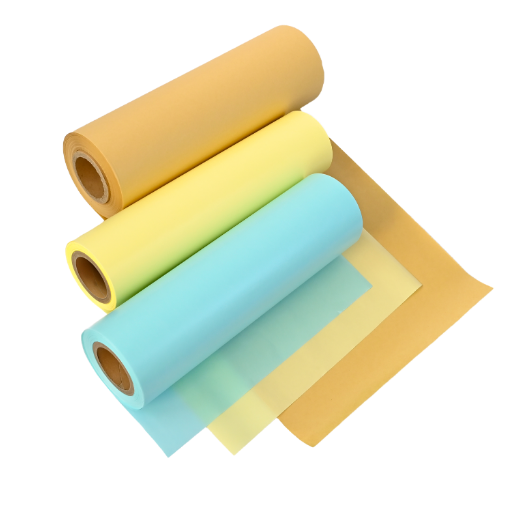
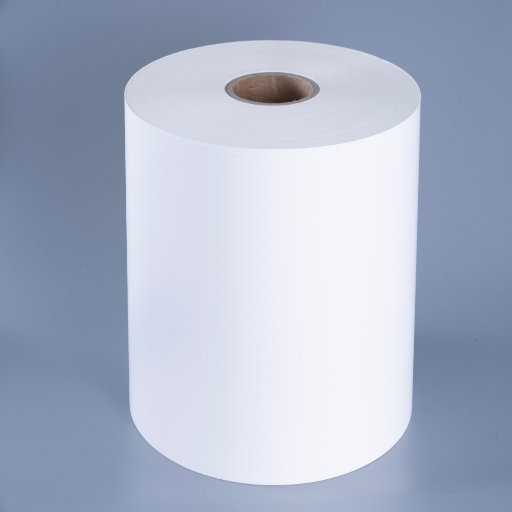
Revestimento de liberação de glassine construído para conversores de etiquetas que precisam de corte e distribuição previsíveis em alta velocidade em aplicações de etiquetas de pneus, cabos, farmacêuticas, alimentares e duráveis. Guanma supercalendered SCK glassine navios em 60 /72 /80 /100 g/m² graus padrão mais personalizado 35-120 g/m, com 0,85-1,2 g/m² peso de revestimento de silicone controlado dentro da indústria-apertado ±0,03 g/m² NIR-medido banda de precisão 1 amostra de bobinas prontas em 10 dias úteis da Tailândia ou Vietnã.
Resumo da solução Por que os conversores se movem para Guanma SCK Glassine
- Faixa de especificações publicada antecipadamente: 35-120 gsm SCK glassine, 0,85-1,2 g/m² de silicone, revestimento de um lado ou de dois lados não há formulários de consulta antes das especificações.
- O corte e a distribuição são ajustados: a densidade de folha altamente calandrada combinada com suporte de silicone controlado permite liberação limpa na distribuição automática de alta velocidade.
- Reciclável e compatível com a UE: A glassina Guanma corresponde à classe de substrato comprovadamente reciclável sob a EN 13430 no estudo CELAB x CTP de 2024 (1,3% rejeitos de triagem vs 7,1% para CCK).
- A configuração é o produto: Pair Guan facestocks (PET/PP sintético/papel revestido) com adesivos de fusão a quente, à base de água ou acrílicos sobre este fornecedor de revestimento de vidro, uma folha de especificação responsável.
- Abastecimento regional, não apenas transporte: Produção em ambos Tailândia e Vietnã plantas 3 Sudeste Ásia entrega em 7-10 dias, exportação completa para a América do Sul e Europa em 25-45 dias.
Mais de 10 anos
em material autoadesivo para rótulos
40+
países entregues
TH + VN
plantas produtivas
10 dias
política amostral
Quando Liners Antiaderentes Padrão Falham na Sua Linha de Rótulos
→ Solução
Um suporte de papel supercalendado de liberação de glassine que contém uma etiqueta autoadesiva até a aplicação. Seu trabalho correto é permitir uma fácil liberação da etiqueta exatamente com a força, cada rolo, cada bobina, cada turno.
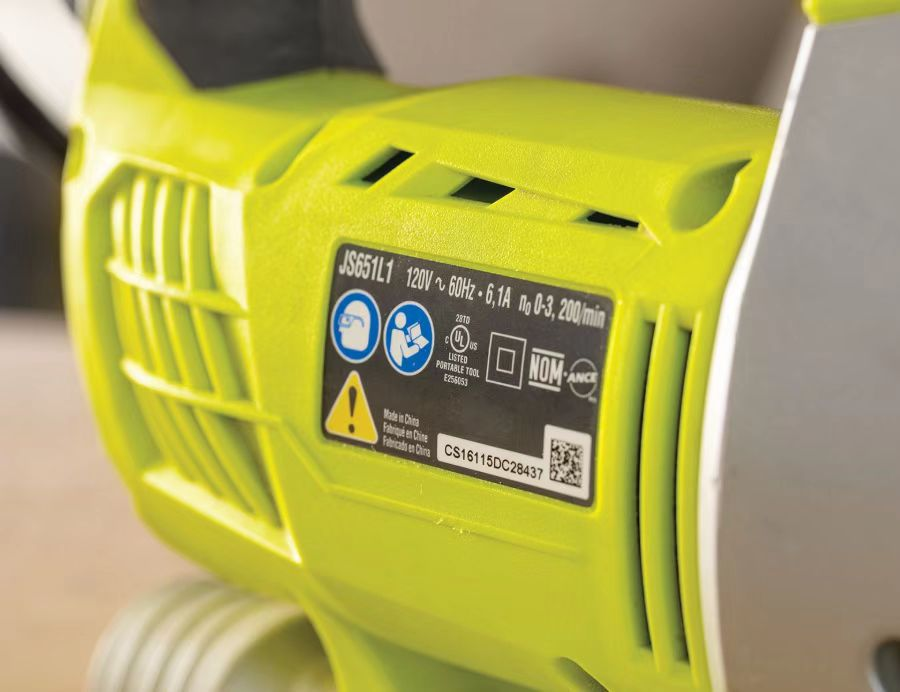
Quando o revestimento está errado, três falhas aparecem no piso do conversor: corte errático que refuga material de face impresso, dispensa pausas isso impede as etiquetadoras de alta velocidade no meio da corrida e sangramento silicone isso contamina a superfície antiaderente onde a impressão a jusante depende de um revestimento de liberação limpa.

Compostos de dor em escala.
Uma indústria típica de etiquetas sensíveis à pressão consome mais de 500.000 toneladas métricas de substrato de revestimento removível por ano, com revestimentos à base de papel funcionando a uma média de 60 lb/3000 ft² de peso (98 g/m²).Even pequena variabilidade 5-101 TP3 no revestimento de silicone (Even small variability 5-101 tP3 on silicone coating coating) traduz em custos de rejeição no nível do carretel que o conversor nunca recupera.
Pior: o comportamento pouco transparente dos fornecedores torna o problema invisível: as brochuras de liners antiaderentes mais bem posicionadas em 2026 ainda ocultam MOQ, preço e prazo de entrega atrás de formulários “fale conosco”, deixando os convertedores descobrirem incompatibilidades de especificação somente após uma rodada de amostras.
Liner Antiaderente Glassine SCK Guanma — Guia de Especificações e Graus
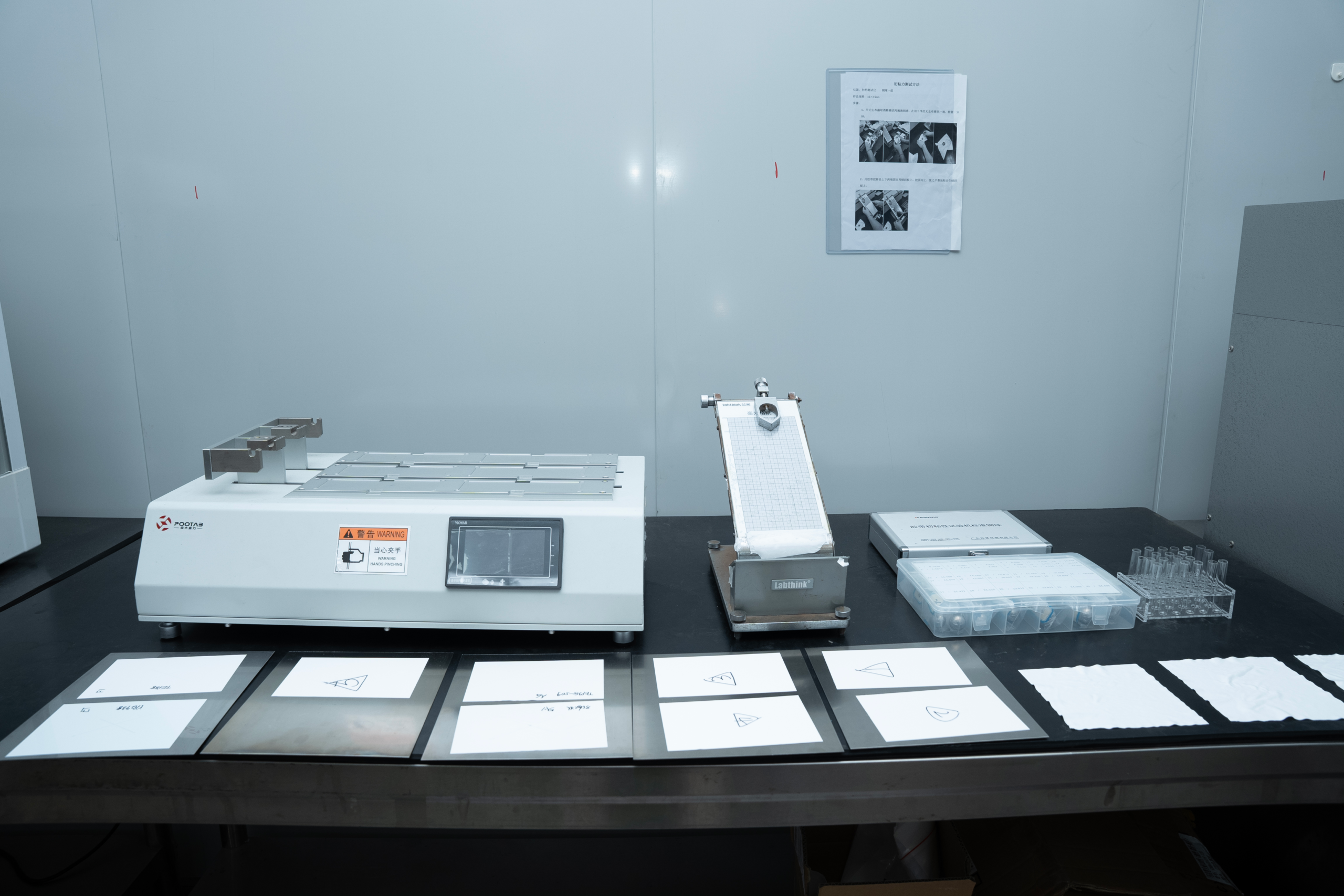
Guanma SCK glassine liberação forro é um substrato de papel kraft supercalendado, tratado a alta densidade e suavidade de superfície, em seguida, revestido de silicone em um ou ambos os lados para controlar a força de liberação Quatro graus padrão cobrem a faixa de trabalho que 90% + de aplicações de etiquetas autoadesivas exigem, com personalizado 35-120 gsm disponível para o trabalho de especialidade forros à base de papel representam 55.67% do mercado global de forros de liberação, e silicone-revestido graus conta para 62.50% a classe SCK glassine senta-se na intersecção de ambos os segmentos principais.
Liner Antiaderente Glassine SCK Guanma — Especificações de Graus Padrão
| Grau | Peso Básico | Pinça | Peso do revestimento de silicone | Força de Liberação (FTM-3) | Aplicação Típica |
|---|---|---|---|---|---|
| GM-G60 | 60g/m² | 1,7 mil | 0,85g/m² | 8-12 cN/polegada | Farmacêutico, Alimentos, Etiquetas primárias cosméticas |
| GM-G72 | 72g/m² | 2,0 mil | 0,85g/m² | 10-15 cN/polegada | Cabo e fio, bebidas, indústria de serviço médio |
| GM-G80 | 80g/m² | 2,2 milhões | 0,95g/m² | 12-20 cN/polegada | Etiquetas de pneus, Etiquetas congeladoras, Distribuição de alta velocidade |
| GM-G100 | 100g/m² | 2,8 milhões | 1,0g/m² | 15-25 cN/polegada | Exterior durável, Tambor químico, Industrial pesado |
| Personalizado | 35-120g/m² | 1,0-3,5 mil | 0,7-1,5g/m² | Por especificação | Aplicações especiais |
O peso do revestimento de silicone é onde o controle de qualidade do conversor mantém ou falha A pesquisa da indústria da Mahlo America registra que o peso base do revestimento de liberação cai na faixa de 0,5-3 g/m², e os métodos históricos de medição de fluorescência de raios X carregaram variabilidade de 211 T a um alvo de 1 g/m² uma tolerância o conversor moderno não pode aceitar As linhas de revestimento da Guanma executam o monitoramento em linha NIR com precisão de ±0,03 g/m², validado contra XRF de laboratório no teste de força de liberação padrão FINAT FTM-3. Isso produz consistência de peso de revestimento bobina a bobina apertada o suficiente para que os parâmetros de impressão e distribuição a jusante sejam transferidos sem re-funcionamento entre lotes.
Nota de engenharia Por que as matérias de supercalendário
Vidro SCK de alta calandragem é o que permite o corte limpo através do material da face sem telegrafar irregularidades de fibra Revestimentos à base de papel de menor densidade (kraft acabado por máquina, MFK) economizam custos iniciais, mas aparecem como inconsistência de ataque durante a 2a ou 3a ordem. Guanma SCK é supercalendado para 1.10-1.15 densidade g/cc a faixa de trabalho para conversores de etiquetas automáticas de alta velocidade rodando a mais de 200 m/min de velocidade de linha.
Glassine vs PET vs CCK Matriz de comparação de substrato para etiquetas autoadesivas
Conversores pesando uma mudança de substrato enfrentam quatro classes de revestimento de liberação credíveis: glassine (kraft supercalandrado, à base de papel), CCK (kraft revestido de argila, à base de papel), filme PET e kraft acabado por máquina (MFK) Cada um ganha por uma razão diferente, e a escolha é raramente sobre o revestimento sozinho é sobre como o revestimento emparelha com o facestock, adesivo e linha de conversão a jusante Nossa tabela de dados abaixo mapeia os trade-offs em conversores de dimensões realmente preço contra.
| Dimensão | Guanma SCK Glassine | Forro de filme PET | Forro CCK | Forro Kraft MFK |
|---|---|---|---|---|
| Faixa de peso básico | 35-120g/m² | 20-75 µm (~28-105 g/m² equiv) | 30-120g/m² | 50-150g/m² |
| Custo por metro linear (60gsm equiv) | $0.012-0.018 | $0.028-0.045 | $0.018-0.028 | $0.010-0.014 |
| Limpeza de corte | Excelente (alta densidade) | Excelente | Bom | Variável (telégrafo de fibra) |
| Distribuição de alta velocidade (200+ m/min) | Sim | Sim (melhor em>300 m/min) | Sim | Não (risco dividido) |
| Resistência à temperatura (contínua) | Até 110°C | Até 150°C | Até 110°C | Até 90 °C |
| Reciclabilidade (EN 13430) | Sim, 1.3% rejeições (CELAB) | Apenas fluxo de plástico | Sim — 7.1% de rejeitos (CELAB) | Sim |
| Translucidez (inspeção visual) | Alto | Médio-Alto | Baixo | Baixo |
| Aplicações mais adequadas | Farmacêutica, alimentos, bebidas, pneus, cabos, duráveis | Eletrônica, tratamento médico de feridas, transdérmica | Industrial, fita dupla face, especialidade | Apenas etiquetas de escritório de baixo custo |
Duas descobertas merecem atenção Primeiro, glassine é aproximadamente 35-40% menor custo por metro linear do que o filme PET em equivalente peso, razão pela qual os conversores de etiquetas que servem aplicações farmacêuticas e de bebidas de alto volume padronizam a glassine, apesar da tolerância ao calor superior do PET Segundo e esta é a descoberta contrária mais folhetos de liberação bury (a bury) glassine realmente supera o CCK em reciclabilidade de acordo com o estudo de Papier de dualidade CELAB x Center Technique de 2024: 1.3% rejeita a triagem contra EN 13430 versus 7.1%. Ambos os substratos passam pelos padrões de reciclabilidade da UE, mas os conversores que perseguem os compromissos de sustentabilidade de 2030 agora têm uma razão quantificada para escolher a química do vidro em vez do CCK, onde a adesão e a superfície permitem Para uma comparação profunda entre material de vidro e material kraft, consulte nossa comparação artigo de conhecimento técnico sobre as principais diferenças.
~30-40%
o material do forro inferior gasta mais de 5 anos
Instantâneo de custo de material 5 anos SCK Glassine vs PET
Um conversor de etiquetas rodando 50.000 km/ano de rendimento equivalente ao revestimento normalmente economiza 30-40% no custo do material do revestimento ao padronizar em glassine SCK versus PET, antes de levar em consideração as vantagens de velocidade da linha de conversão ou os diferenciais de custo de descarte de reciclabilidade A linha de base da indústria (SNS Insider 2025) relata que os revestimentos baseados em papel detêm 55 67% de participação de mercado de revestimentos removíveis (conversores) consistentemente escolhem com base em papel para trabalhos de alto volume sensíveis ao custo, reservando PET para aplicações termicamente agressivas.
Aplicação Ajuste Matrix gsm + Recomendações de peso de silicone por indústria
A maneira mais rápida de um revestimento de liberação errado perseguir um único número é especificar rotineiramente seus solicitantes que solicitam apenas para a videira de vidro de 60gsm receber um revestimento que falha na linha real porque o peso do revestimento de silicone, a banda de força de liberação e o emparelhamento de facetock não foram especificados juntos Nossa matriz abaixo emparelha os quatro graus padrão de vidro Guanma SCK com a aplicação Guanma serve (Tire, Cable & Wire, Freezer, Farmacêutico, Embalagem de Alimentos, Bebidas e Vinho, Bandagem e curativo médico e etiquetas externas duráveis baseadas no desempenho real da linha de conversão em vez de generalidades do catálogo.
| Classe Aplicação | Grau recomendado | Peso Silicone | Facestock Recomendado | Par Adesivo | Porquê esta combinação |
|---|---|---|---|---|---|
| Etiquetas pneus | GM-G80 | 0,95g/m² | Face PET (brilho) | Resina de borracha termofusível | Tolerância contínua à cura a 110°C + material de face resistente à abrasão |
| Etiquetas de cabo e fio | GM-G72 | 0,85g/m² | Papel sintético PP | Acrílico permanente | Resistência ao rasgo + sobrevivência de contato químico/óleo |
| Etiquetas congelador | GM-G80 | 0,95g/m² | Cara revestida PET | Acrílico a temperatura fria | A adesão abaixo de zero mantém-se; A face PET resiste à delaminação do ciclo de geada |
| Etiquetas removíveis | GM-G60 | 0,85g/m² | Papel revestido | Acrílico removível/à base de água | O forro mais leve permite uma liberação limpa e de baixa aderência sem danos faciais |
| Etiquetas farmacêuticas | GM-G60 | 0,85g/m² | Papel revestido (fosco) | Acrílico permanente | FDA 21 CFR 175.105 grau disponível; alta translucidez para inspeção on-line |
| Etiquetas químicas de tambores | GM-G100 | 1,0g/m² | Filme PET (branco) | Acrílico agressivo | Resistência ao óleo, solvente, e tempo exterior; o forro mais grosso sobrevive BS5609 ciclo de teste |
| Embalagem alimentos | GM-G72 | 0,85g/m² | Papel revestido /PP | Seguro para alimentos à base de água | Conformidade direta e indireta com contato com alimentos; reciclável em fluxos mistos de papel |
| Bebidas e vinho | GM-G80 | 0,95g/m² | Papel revestido (brilho) | Acrílico de resistência úmida | Adesão úmida em banho de gelo; dispensação em linha de garrafa de alta velocidade sem pré-soltura |
| Durável /exterior | GM-G100 | 1,0g/m² | Cara de PET | Acrílico permanente agressivo | Face estável aos raios UV + forro pesado para corte estável em substratos exteriores texturizados |
| Bandagem médica/curativo | GM-G60 | 0,85g/m² | Papel revestido/filme PE | Acrílico seguro para a pele/derretimento a quente | A baixa força de liberação permite o descascamento limpo durante o uso clínico; Química de produtos adesivos em conformidade com a FDA |
Esta matriz surge uma verdade discutida sobre a especificação do revestimento removível (mas o peso do revestimento básico é mais importante do que o peso básico para o desempenho da aplicação, o peso é mais importante para a velocidade da linha e a qualidade do corte. A pesquisa da Mahlo America sobre medição de silicone em linha registra que 1,10-2,0 g/m² é a faixa alvo de silicone de produção em um grande conversor norte-americano; Os alvos de 0,85-1,0 g/m² da Guanma ficam na extremidade inferior dessa faixa, otimizados para os sistemas adesivos de aderência mais leve que dominam a rotulagem farmacêutica e de alimentos. Conversores que executam adesivos industriais para serviços pesados devem solicitar o alto teor de silicone (1,0-1,5 g/m²) banda personalizada.
Qualidade, Conformidade e Sustentabilidade & Contato Alimentar ISO 9001 //En 1330
O fornecimento de liners antiaderentes no nível Capex não é mais apenas uma questão de qualidade — é também uma questão de conformidade e custos de descarte, e os compradores da União Europeia (EU), em especial, avaliam os fornecedores quanto à reciclabilidade documentada antes de fazer os primeiros pedidos. O conjunto de certificações da Guanma cobre os quatro critérios de confiança que convertedores de rótulos e proprietários de marcas aplicam durante a qualificação de fornecedores.
ISO 9001:2015
Cadeia de Custódia do FSC (a pedido)
FDA 21 CFR 175.105
RoHS 2011/65/UE
EN 13430 reciclabilidade por estudo CELAB x CTP
Teste de força de liberação FINAT FTM-3/FTM-4
A conformidade do contato com alimentos é uma porta de liberação de qualificação que os fornecedores lidam de forma inconsistente. Os graus GM-G60 e GM-G72 estão disponíveis no FDA 21 CFR 175.105 para aplicações de contato indireto com alimentos, a base regulatória usada pelas marcas de embalagens de alimentos dos EUA e equivalentes EU 10/2011 os papéis de conformidade de contato plástico são fornecidos mediante solicitação para o trabalho de etiqueta de contato direto Esta conformidade não é adicionada posteriormente; ele é projetado na seleção de resina de silicone no estágio de revestidor, com certificados de lote liberados junto com cada remessa.
A reciclabilidade é o aspecto que a maioria dos fornecedores de liners antiaderentes menos valoriza.
O estudo CELAB x Centre Technique du Papier de 2024, patrocinado pelo consórcio europeu da indústria de etiquetas autoadesivas, executou revestimentos de liberação CCK de 60 g/m² e 125 g/m² através de polpação em escala de laboratório ISO 5263-1, além de um ciclo de reciclagem de papel misto em escala piloto. Ambos passaram pela EN 13430.
Uma manchete que descobriu que fornecedores que vendem glassina e CCK sem preferência geraram aquela glassina Rejeições de triagem de 1,3% contra CCK 7.1%. A glassina não é apenas "tão reciclável" como a CCK; é mensuravelmente melhor na sequência padrão de polpação e triagem utilizada pelas fábricas de reciclagem de papel da UE.
Configure suas combinações de forro Facestock × adesivo ×
A maioria de comum que compra o material autoadesivo da etiqueta do erro é tratar a cara, o adesivo, e o forro três compras separadas Desempenho que importa a qualidade da impressão na velocidade da linha da conversão, durabilidade do recycuse, recicl a combinação emerge dos componentes, não a linha de produtos de Guanma é projetada como uma matriz da configuração, não um catálogo de SKUs independentes.
Combinações Personalizadas
Fora das combinações padrão, a R & D executará uma janela de personalização de 30 dias em trios de facetock-adhesive-liner particularmente para resistência a altas/baixas temperaturas, ambientes de óleo/graxa, resistência às intempéries externas ou alvos de adesão agressivos que o catálogo padrão não aborda.
Nossa vantagem de personalização separa Guanma do mercado final de ware-brochura Um conversor de etiquetas executando uma nova etiqueta de compartimento de motor automotivo não precisa de uma seleção de 9 páginas PDF eles precisam de uma amostra de espessura de dez dias úteis, com uma folha de especificações de registro de peso base, peso da camada de silicone, faixa de força de liberação, facestock, valor de descascamento adesivo e escopo de conformidade com alimentos/RoHS As operações de revestimento, laminação e P & D da Guanma são integradas em um único fluxo de qualidade, que é o que torna viável a política de amostra de dez dias sem comprometer o certificado de análise que envia com cada bobina.
Guia de compras MOQ, fatores de preços, prazo de entrega, política de amostra, entrega regional
A maioria das brochuras de liners antiaderentes não chega a informar preços e detalhes de compras porque presume que o comprador preencherá um formulário. Essa suposição custa horas que as equipes de compras de convertedores de rótulos não podem desperdiçar durante um ciclo de qualificação. Os detalhes de compras a seguir são o que a Guanma publica antecipadamente — todas as informações de que um comprador precisa para avançar uma decisão interna da cadeia de suprimentos antes de enviar uma consulta comercial.
MOQ e tamanhos mínimos de bobina
O MOQ padrão é um rolo-mestre (largura do tubete de 1.5 m, ~3,000-4,500 metros lineares, dependendo da gramatura) para graus padrão. Formulações personalizadas de gramatura ou cor têm mínimo de 5,000 metros lineares em todos os graus. O MOQ de rolos cortados depende do programa de corte do convertedor e é negociado por cotação. Bobinas de amostra para testes de qualificação — tamanho A4 ou rolo curto de 100 m — são liberadas sem custo na primeira consulta.
Fatores de preços
O preço do liner de liberação de glassine é determinado pela gramatura, peso do revestimento de silicone, cor, escopo da certificação FSC e porto de origem. A faixa operacional de preço em USD para graus padrão é aproximadamente $0.12-$0.45 por metro linear na faixa de 60-100gsm, com formulações personalizadas de 35-120gsm e rolos certificados FSC no extremo superior de preço. As cotações específicas são configuradas conforme a composição de volumes do comprador, a combinação com material frontal e o país de envio. As cotações são devolvidas em até 48 horas após o recebimento de um questionário de aplicação.
Prazo de execução e entrega regional
O prazo de entrega padrão da produção é de 25 dias úteis, desde o pedido confirmado até a saída da fábrica na Tailândia ou no Vietnã. O frete marítimo para destinos no Sudeste Asiático adiciona de 7 a 10 dias; América do Sul e Europa adicionam de 25 a 45 dias dependendo do porto. O frete aéreo está disponível para bobinas de amostra e produção urgente a um custo incremental. A configuração de planta dupla da Tailândia e do Vietnã da Guanma foi projetada especificamente para absorver picos de demanda na alta temporada (conversores de rótulo que atendem embalagens de férias do quarto trimestre) sem dividir pedidos em vários embarques.
Política de amostra
Amostra A4 livre dentro de dez dias úteis para qualquer um dos quatro graus padrão de glassine SCK sem citação pré-condição Amostras de formulação personalizada enviar dentro de 30 dias de especificação aprovada, com taxas de amostra creditadas contra a primeira ordem de produção Conversores que servem os usos finais regulamentados (farmacêutico, contato com alimentos) podem solicitar o pacote de documentação de conformidade correspondente com a amostra.
Garantia e pós-venda
Cada remessa carrega um certificado de registro de peso base em nível de lote, peso do revestimento de silicone, faixa de força de liberação e resultados de inspeção visual O material fora da especificação é substituído gratuitamente pelo custo do frete quando relatado dentro de 30 dias após o recebimento A consistência de fornecimento de longo prazo é mantida pelo modelo de produção de planta dupla da Guanma (uma falha de lote único não se transforma em uma parada da linha de conversor quando existe capacidade de produção em uma fábrica irmã em um país diferente.
Produtos para irmãos quando a glassine não está adequada
Liner Antiaderente de Filme PET
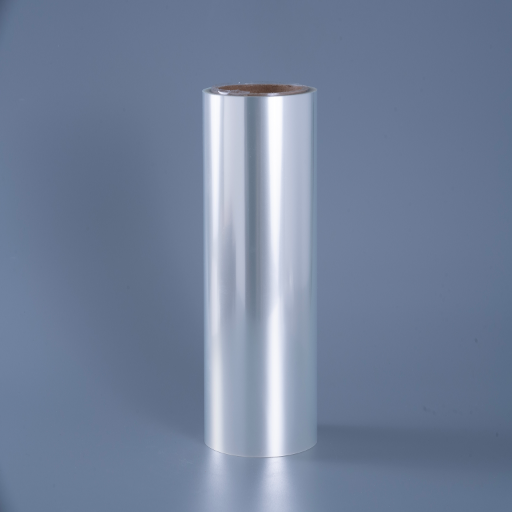
Alta temperaturaA glassine SCK atende a 90%+ dos trabalhos de rótulos autoadesivos, mas aplicações em serviço contínuo acima de 110°C, com limpeza de grau eletrônico, ou de curativos médicos transdérmicos e cuidados de feridas exigem um liner de filme PET. A linha complementar de liners PET da Guanma inclui graus de 23 µm e 30 µm com revestimento de silicone em um ou nos dois lados; os mesmos materiais de face e adesivos são configurados com PET como com glassine.
Liner Antiaderente CCK
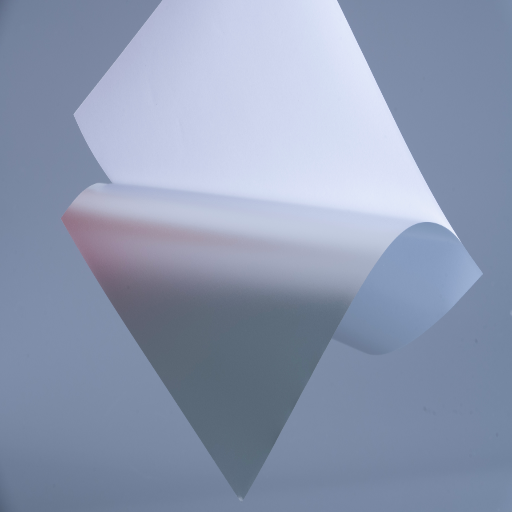
Fitas Dupla FaceO kraft revestido de argila (CCK) é a escolha certa para construções de fita dupla face onde o revestimento deve resistir à perda de planicidade por umidade em ambos os lados, e para aplicações de ligação industrial especializadas onde a química de superfície do CCK combina melhor com sistemas adesivos específicos do que a disponibilidade do CCK abrange 80-135 g/m² com padrão de siliconização de lado único.
Forro de liberação sem silicone
Sensível ao siliconeAlguns revestimentos de liberação de silicone interage desfavoravelmente com revestimentos de liberação de silicone tradicionais Nosso produto irmão de revestimento de liberação não silicone aborda isso com uma química alternativa (formulações adesivas) usadas em montagem eletrônica de nível um e adesivos médicos sensíveis ao silicone.
A maioria dos conversores de etiquetas executando um portfólio em todas as três classes de liner (vidros) acabam para etiquetas primárias de alto volume, PET para conversões térmicas e eletrônicas, CCK para conversões de fita O modelo de fornecedor único Guanma nas três classes de liner simplifica a documentação de qualificação e o fluxo de trabalho de certificado de análise que as equipes de compras mantêm.
Ferramentas de engenharia de revestimento de liberação de glassine
FAQ O que os conversores de etiquetas Perguntam antes de mudar de fornecedor
A glassine SCK é à base de papel, supercalandrada para alta densidade e suavidade superficial, e revestida de silicone para liberação controlada; custa cerca de 35-40% menos por metro linear do que o filme PET com peso base equivalente e é reciclável em fluxos de papel misto sob EN 13430. O revestimento de filme PET oferece maior tolerância à temperatura (até 150 °C contínuo versus 110 °C para glassine) e melhor estabilidade dimensional sob mudanças de umidade a escolha certa para eletrônicos, cuidados médicos com feridas e trabalho industrial de alta temperatura. A Guanma fornece ambas as classes; a matriz de aplicação acima mapeia qual classe se ajusta a cada caixa de uso de rótulo.
Para etiquetas primárias de alto volume (farmacêuticas, alimentícias, cosméticas) funcionando em papel revestido ou facestocks sintéticos PP, GM-G60 (60 g/m²) a 0,85 g/m² de peso de revestimento de silicone é o ponto de partida certo Para etiquetas de pneus, etiquetas de freezer e aplicações de distribuição de alta velocidade executando material de face PET, GM-G80 (80 g/m²) a 0,95 g/m² de peso de revestimento de silicone é o padrão Etiquetas de tambor industrial pesado e aplicações duráveis ao ar livre usam GM-G100 (100 g/m²) a 1,0 g/m². A matriz de ajuste de aplicação nesta página mapeia cada indústria para um grau recomendado mais peso de silicone mais par facestock.
O MOQ para o grau padrão é um rolo-mestre (~3,000-4,500 metros lineares, dependendo da gramatura), com prazo de produção de 25 dias úteis. Formulações personalizadas de gramatura ou cor têm MOQ de 5,000 metros lineares e prazo de produção de 30 dias úteis. Amostras A4 gratuitas são enviadas em até dez dias úteis para qualquer um dos quatro graus SCK padrão. O frete marítimo da Tailândia ou do Vietnã acrescenta 7-10 dias para o Sudeste Asiático e 25-45 dias para a América do Sul e a Europa.
Os papéis da Cadeia de Custódia FSC estão disponíveis mediante solicitação para todos os graus SCK padrão; especificando que o FSC adiciona aproximadamente 5-8% ao preço por metro. Nossas classes GM-G60 e GM-G72 estão disponíveis na classe FDA 21 CFR 175.105 para contato indireto com alimentos, e documentos equivalentes da UE 10/2011 são fornecidos mediante solicitação. A conformidade com o contato com alimentos é projetada na fase de seleção da resina de silicone e verificada no certificado de análise em nível de lote.
Ambos. revestimento de um lado é padrão para aplicações de etiquetas autoadesivas onde apenas a superfície voltada para o adesivo precisa de controle de liberação O revestimento de silicone de dois lados está disponível para construções de fita dupla face, aplicações de fita de transferência e conversões industriais especiais onde ambas as superfícies do revestimento precisam de comportamento de liberação controlada O revestimento de dois lados usa pesos de revestimento assimétricos o lado fácil em 0 85 g/m² e o lado apertado em 1,0-1 2 g/m² para permitir a liberação sequencial na linha.
Três fornecedores de marca de nome atendem a mesma classe de produto, mas normalmente sem a otimização regional da oferta, transparência MOQ e política de amostra de 10 dias que os conversores de rótulo de volume médio no Sudeste Asiático, América do Sul e Europa pedem A faixa de especificações publicada da Guanma (35-120 g/m² SCK com 0,85-1,0 g/m² de silicone) fica dentro da mesma faixa que o SCK de 35-120 g/m² da Mondi e o Silcaâ Glassine 50-163 g/m2 da Ahlstrom. A vantagem do lado do custo vem da base de produção da Guanma na Tailândia e no Vietnã; a vantagem da qualificação vem das especificações de publicação, MOQ e do prazo de entrega na página do produto, em vez de atrás de um formulário de vendas.
Papel de liberação de glassina é o substrato industrial revestido de silicone projetado para liberar uma etiqueta autoadesiva de forma limpa em contextos de força controlada o que esta página documenta Glassine backing paper, em contextos não-industriais, refere-se ao papel translúcido sem ácido usado para proteção de arte, armazenamento de jóias e embalagem artesanal um produto fundamentalmente diferente sem revestimento de silicone, apesar de compartilhar a classe de substrato de glassina Se você chegou aqui procurando o segundo uso, o mercado consumidor/arte de glassina é servido por distribuidores de papel, em vez de fabricantes de material de etiqueta autoadesiva.
Sim amostra de tamanho A4 dentro de dez dias úteis de inquérito para qualquer um dos quatro graus padrão SCK glassine, sem condição de cotação Cada amostra inclui um certificado de análise registrando peso base, peso do revestimento de silicone, força de liberação no teste FINAT FTM-3, e resultados de inspeção visual a mesma papelada que envia com os rolos de amostras de formulação personalizada enviar dentro de 30 dias, com taxas de amostra creditadas contra a primeira ordem de produção.
Quatro graus padrão visam as seguintes bandas de força de liberação no FINAT FTM-3 (descascamento de 180 graus, velocidade lenta): GM-G60 a 8-12 cN/polegada, GM-G72 a 10-15 cN/polegada, GM-G80 a 12-20 cN/polegada e GM-G100 a 15-25 cN/polegada. Cada lote é fornecido com um certificado de análise documentando a força de liberação testada na velocidade padrão FINAT FTM-3 e os valores de liberação de alta velocidade (300 m/min) do FINAT FTM-4 estão disponíveis mediante solicitação para conversores operando a uma velocidade superior a 200 m/min.