Ponte en contacto con Guanma

ISO 9001:2015 + FSC disponible
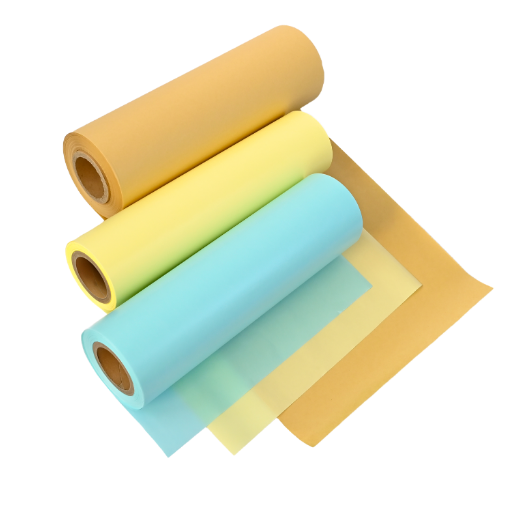
Forro de liberación Glassine para etiquetas autoadhesivas « Guanma SCK 35-120gsm
Revestimiento antiadherente Glassine diseñado para convertidores de etiquetas que necesitan un troquelado predecible y una dispensación de alta velocidad en aplicaciones de etiquetas de neumáticos, cables, productos farmacéuticos, alimentos y duraderos. El cristalino SCK supercalandrado Guanma se envía en grados estándar de 60 / 72 / 80 / 100 gsm más 35-120 gsm personalizado, con un peso de recubrimiento de silicona de 0,85-1,2 g/m² controlado dentro de la banda de precisión medida NIR de ±0,03 g/m², hermética en la industria. Carretes de muestra listos en 10 días hábiles desde Tailandia o Vietnam.
Resumen de la solución « Por qué los convertidores pasan a Guanma SCK Glassine
- Rango de especificaciones publicado por adelantado: Vidrio SCK de 35-120 g/m², silicona de 0,85-1,2 g/m², con revestimiento de una o dos caras « sin formularios de consulta antes de las especificaciones.
- El troquelado y la dispensación están afinados juntos: la densidad de la lámina altamente calibrada combinada con una retención controlada de silicona permite una liberación limpia en la dispensación automática de alta velocidad.
- Reciclable y compatible con la UE: La glassina de guanma coincide con la clase de sustrato reciclable comprobada según EN 13430 en el estudio CELAB x CTP de 2024 (rechazos de detección de 1,3% frente a 7,1% para CCK).
- La configuración es el producto: Empareje las facestocks de Guanma (papel sintético/recubierto de PET/PP) con adhesivos termofusibles, a base de agua o acrílicos sobre este revestimiento de vidrio: un proveedor, una hoja de especificaciones responsable.
- Suministro regional, no sólo envío: Producción en las plantas de Tailandia y Vietnam: entrega en el sudeste asiático en 7-10 días, exportación completa a Sudamérica y Europa en 25-45 días.
10+ años
en stock de etiquetas autoadhesivas
40+
países entregados
TH + VN
plantas de producción
10 días
política de muestra
Cuando los liners de liberación estándar fallan en su línea de etiquetas
« Dolor → Solución
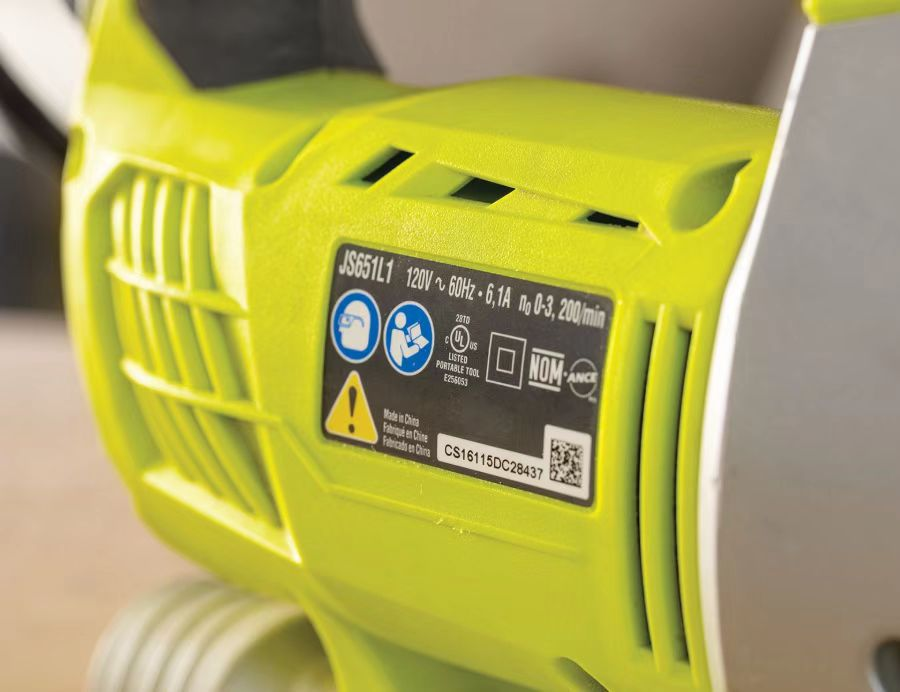
Un revestimiento antiadherente de cristal es el soporte de papel supercalandrado que sujeta una etiqueta autoadhesiva hasta su aplicación. Su trabajo es permitir una fácil liberación de la etiqueta con exactamente la fuerza correcta, cada rollo, cada carrete, cada cambio.
Cuando el revestimiento está mal, aparecen tres fallas en el piso del convertidor: troquelado errático eso desecha el material facial impreso, pausas dispensadoras eso detiene las etiquetas de alta velocidad a mitad de carrera, y sangrado de silicona eso contamina la superficie antiadherente donde la impresión posterior depende de un recubrimiento de liberación limpia.

Compuestos para el dolor a escala.
Una industria típica de etiquetas sensibles a la presión consume más de 500.000 toneladas métricas de sustrato de revestimiento antiadherente por año, con revestimientos a base de papel que funcionan a un peso base promedio de 60 lb/3000 pies² (98 g/m²). Incluso una pequeña variabilidad “5-10% en el peso del revestimiento de silicona « se traduce en costos de rechazo a nivel de carrete que el convertidor nunca recupera.
Peor aún, el comportamiento opaco de los proveedores vuelve invisible el problema: los folletos de liners de liberación mejor posicionados en 2026 todavía ocultan MOQ, precio y plazo de entrega detrás de formularios de “contact us”, dejando que los convertidores descubran desajustes de especificación solo después de una tirada de muestra.
Guanma SCK Glassine Release Liner « Guía de especificaciones y grados
El revestimiento antiadherente de cristalina Guanma SCK es un sustrato de papel kraft supercalandrado, tratado con alta densidad y suavidad superficial, luego recubierto de silicona en uno o ambos lados para controlar la fuerza de liberación. Cuatro grados estándar cubren el rango de trabajo que requieren 90%+ de aplicaciones de etiquetas autoadhesivas, con 35-120gsm personalizados disponibles para trabajos especiales. Los revestimientos a base de papel representan 55,67% del mercado mundial de revestimientos antiadherentes y los grados recubiertos de silicona representan 62,50% « la clase de cristalina SCK se encuentra en la intersección de ambos segmentos principales.
Guanma SCK Glassine Release Liner « Especificaciones de grado estándar
| Grado | Peso base | Calibrador | Peso de la capa de silicona | Fuerza de liberación (FTM-3) | Aplicación típica |
|---|---|---|---|---|---|
| GM-G60 | 60 g/m² | 1,7 millones | 0,85 g/m² | 8-12 cN/pulgada | Etiquetas primarias farmacéuticas, alimentarias y cosméticas |
| GM-G72 | 72 g/m² | 2,0 mil | 0,85 g/m² | 10-15 cN/pulgada | Cable & alambre, Bebidas, Industrial de servicio mediano |
| GM-G80 | 80 g/m² | 2,2 millones | 0,95 g/m² | 12-20 cN/pulgada | Etiquetas de neumáticos, Etiquetas de congelador, Dispensación de alta velocidad |
| GM-G100 | 100 g/m² | 2,8 millones | 1,0 g/m² | 15-25 cN/pulgada | Durable exterior, Tambor químico, Industrial pesado |
| Personalizado | 35-120 g/m² | 1,0-3,5 mil | 0,7-1,5 g/m² | Por especificación | Aplicaciones especializadas |
El peso del recubrimiento de silicona es donde se mantiene o falla el control de calidad del convertidor. La investigación industrial de Mahlo America registra que el peso base del recubrimiento liberado cae en el rango de 0,5-3 g/m², y los métodos históricos de medición de fluorescencia de rayos X tienen una variabilidad de 21% con un objetivo de 1 g/m², una tolerancia que el convertidor moderno no puede aceptar. Las líneas de recubrimiento de Guanma ejecutan monitoreo NIR en línea con una precisión de ±0,03 g/m², validada contra XRF de laboratorio en las pruebas de fuerza de liberación estándar FINAT FTM-3. Esto produce una consistencia del peso del recubrimiento de carrete a carrete lo suficientemente ajustada como para que los parámetros de impresión y dispensación posteriores se mantengan sin volver a ajustar entre lotes.
Nota de ingeniería « Por qué es importante el supercalendario
El cristal SCK altamente calandrado es lo que permite un troquelado limpio a través del material frontal sin irregularidades en la fibra telegráfica. Los revestimientos a base de papel de menor densidad (kraft acabado a máquina, MFK) ahorran costes por adelantado, pero aparecen como inconsistencia de golpe de troquel durante el segundo o tercer orden. Guanma SCK está supercalandrado a una densidad de 1,10-1,15 g/cc (el rango de trabajo para convertidores de etiquetas automáticos de alta velocidad que funcionan a una velocidad de línea de más de 200 m/min).
Glassine vs PET vs Kraft vs CCK « Matriz de comparación de sustratos para etiquetas autoadhesivas
Los convertidores que pesan un sustrato cambian de cara a cuatro clases de revestimientos antiadherentes creíbles: glassine (kraft supercalandrado, a base de papel), CCK (kraft recubierto de arcilla, a base de papel), película de PET y kraft acabado a máquina (MFK). Cada uno gana por una razón diferente, y la elección rara vez se trata solo del revestimiento, sino de cómo se empareja el revestimiento con la línea frontal, adhesiva y de conversión posterior. Nuestra tabla de datos a continuación asigna las compensaciones sobre las dimensiones con las que realmente se valoran los convertidores.
| Dimensión | Guanma SCK Glassine | Revestimiento de película PET | Forro CCK | Forro MFK Kraft |
|---|---|---|---|---|
| Rango de peso base | 35-120 g/m² | 20-75 µm (~28-105 g/m² equivalente) | 30-120 g/m² | 50-150 g/m² |
| Costo por metro lineal (60gsm equiv.) | $0.012-0.018 | $0.028-0.045 | $0.018-0.028 | $0.010-0.014 |
| Limpieza troqueladora | Excelente (alta densidad) | Excelente | Bien | Variable (telégrafo de fibra) |
| Dispensación de alta velocidad (200+ m/min) | Sí | Sí (mejor a >300 m/min) | Sí | No (riesgo dividido) |
| Resistencia a la temperatura (continua) | Hasta 110 °C | Hasta 150 °C | Hasta 110 °C | Hasta 90 °C |
| Reciclabilidad (EN 13430) | Sí « 1.3% rechaza (CELAB) | Sólo corriente de plástico | Sí « 7.1% rechaza (CELAB) | Sí |
| Translucidez (inspección visual) | Alto | Medio-alto | Bajo | Bajo |
| Aplicaciones de mejor ajuste | Farmacéutica, alimentos, bebidas, neumáticos, cables, duraderos | Electrónica, cuidado médico de heridas, transdérmica | Industrial, cinta de doble cara, especialidad | Sólo etiquetas de oficina de bajo costo |
Dos hallazgos merecen atención. En primer lugar, la glassina tiene aproximadamente un costo por metro lineal de 35-40% menor por metro lineal que la película de PET con un peso base equivalente, razón por la cual los convertidores de etiquetas que sirven aplicaciones farmacéuticas y de bebidas de gran volumen se estandarizan en glassina a pesar de la tolerancia al calor superior del PET. En segundo lugar, y este es el hallazgo contrario, la mayoría de los folletos de liberación enterran que la glassina en realidad supera a la CCK en cuanto a reciclabilidad según el estudio CELAB x Center Technique du Papier de 2024: la detección de 1,3% rechaza la EN 13430 frente a la 7,1% de CCK. Ambos sustratos pasan los estándares de reciclabilidad de la UE, pero los convertidores que persiguen compromisos de sostenibilidad para 2030 ahora tienen una razón cuantificada para elegir glassine en lugar de CCK, donde la adhesión y la química de la superficie lo permiten. Para una comparación detallada entre glassine y material kraft, consulte nuestra artículo de conocimientos técnicos sobre diferencias clave.
~30-40%
el material del revestimiento inferior pasa más de 5 años
Instantánea del costo del material a 5 años « SCK Glassine vs PET Liner
Un convertidor de etiquetas que ejecuta 50.000 km/año de rendimiento equivalente al revestimiento normalmente ahorra entre 30 y 40% en el costo del material del revestimiento al estandarizar el vidrio SCK frente al PET, antes de tener en cuenta las ventajas de velocidad de la línea de conversión o los diferenciales de costos de eliminación de reciclabilidad. La línea de base de la industria (SNS Insider 2025) informa que los revestimientos en papel tienen 55,67% de participación de mercado del revestimiento de liberación « Los convertidores eligen constantemente el papel para trabajos de gran volumen sensibles a los costos, reservando PET para aplicaciones térmicamente agresivas.
Aplicación Fit Matrix « gsm + recomendaciones de peso de silicona por industria
La forma más rápida de especificar un revestimiento antiadherente es perseguir un solo número " Los convertidores que solicitan sólo "vidrio de 60 gsm" reciben habitualmente un revestimiento que falla en su línea real porque el peso del revestimiento de silicona, la banda de fuerza de liberación y el emparejamiento del material frontal no se especificaron juntos. Nuestra matriz a continuación combina los cuatro grados estándar de vidriería Guanma SCK con clases de aplicación que Guanma sirve « Neumáticos, cables y alambres, congeladores, productos farmacéuticos, envases de alimentos, bebidas y vinos, vendajes y aderezos médicos y etiquetas duraderas para exteriores «basadas en el rendimiento real de la línea de conversión en lugar de en generalidades del catálogo.
| Clase de aplicación | Grado recomendado | Peso de silicona | Faceta recomendada | Par adhesivo | ¿Por qué esta combinación |
|---|---|---|---|---|---|
| Etiquetas de neumáticos | GM-G80 | 0,95 g/m² | Cara de PET (brillo) | Resina de caucho termofusible | Tolerancia de curado sostenida a 110°C + cara resistente a la abrasión |
| Etiquetas de cables y alambres | GM-G72 | 0,85 g/m² | Papel sintético PP | Acrílico permanente | Resistencia al desgarro + supervivencia en contacto químico/aceite |
| Etiquetas congeladoras | GM-G80 | 0,95 g/m² | Cara recubierta de PET | Acrílico a temperatura fría | Se mantiene una adhesión por debajo de cero; La cara PET resiste la delaminación del ciclo de heladas |
| Etiquetas extraíbles | GM-G60 | 0,85 g/m² | Papel recubierto | Acrílico extraíble/a base de agua | El revestimiento más ligero permite una liberación limpia y baja sin dañar la cara |
| Etiquetas farmacéuticas | GM-G60 | 0,85 g/m² | Papel estucado (mate) | Acrílico permanente | FDA 21 CFR 175.105 grado disponible; alta translucidez para inspección en línea |
| Etiquetas de tambor químico | GM-G100 | 1,0 g/m² | Película para PET (blanca) | Acrílico agresivo | Resistencia al aceite, solventes y clima exterior; El revestimiento más grueso sobrevive al ciclo de prueba BS5609 |
| Envases de alimentos | GM-G72 | 0,85 g/m² | Papel estucado / PP | A base de agua y apto para alimentos | Cumplimiento directo e indirecto del contacto con alimentos; reciclable en flujos de papel mixto |
| Bebida y vino | GM-G80 | 0,95 g/m² | Papel estucado (brillo) | Acrílico resistente a la humedad | Adhesión húmeda en baño de hielo; Dispensación en línea de botellas de alta velocidad sin preaflojamiento |
| Durable/exterior | GM-G100 | 1,0 g/m² | Material frontal de PET | Acrílico permanente agresivo | Cara estable a los rayos UV + revestimiento pesado para troquelado estable sobre sustratos texturizados para exteriores |
| Vendaje/apósito médico | GM-G60 | 0,85 g/m² | Papel recubierto/película de PE | Acrílico/hot-melt seguro para la piel | La baja fuerza de liberación permite una exfoliación limpia durante el uso clínico; Química del producto adhesivo compatible con la FDA |
Esta matriz presenta una verdad menos discutida sobre la especificación del revestimiento antiadherente: el peso del revestimiento de silicona importa más que el peso base para el rendimiento de la aplicación, pero el peso base importa más para la velocidad de la línea y la calidad troquelada. La investigación de Mahlo America sobre mediciones de silicona en línea registra que 1,10-2,0 g/m² es la banda objetivo de silicona de producción en un importante convertidor norteamericano; Los objetivos de Guanma de 0,85-1,0 g/m² se encuentran en el extremo inferior de esa banda, optimizados para los sistemas adhesivos más ligeros que dominan el etiquetado farmacéutico y alimentario. Los convertidores que utilizan adhesivos industriales de alta resistencia deben solicitar el alto contenido de silicona (1,0-1,5 g/m²) banda personalizada.
Calidad, Cumplimiento y Sostenibilidad « ISO 9001 / FSC / Contacto Alimentario / EN 13430
El abastecimiento de liners de liberación de nivel Capex ya no es solo una conversación sobre calidad; es una conversación sobre conformidad y coste de eliminación, y los compradores de la UE en particular evalúan a los proveedores por la reciclabilidad documentada antes de realizar los primeros pedidos. El conjunto de certificaciones de Guanma cubre las cuatro puertas de confianza que aplican los convertidores de etiquetas y los propietarios de marcas durante la cualificación de proveedores.
ISO 9001:2015
Cadena de Custodia FSC (bajo petición)
FDA 21 CFR 175.105
RoHS 2011/65/UE
EN 13430 « reciclabilidad según estudio CELAB x CTP
Pruebas de fuerza de liberación FINAT FTM-3 / FTM-4
El cumplimiento de los contactos alimentarios es una puerta de precalificación frecuente que los proveedores de revestimientos antiadherentes manejan de manera inconsistente. Los grados GM-G60 y GM-G72 están disponibles en el grado FDA 21 CFR 175.105 para aplicaciones de contacto indirecto con alimentos «la base regulatoria utilizada por las marcas de envases de alimentos de EE. UU. « y los documentos equivalentes de cumplimiento de contacto plástico UE 10/2011 se proporcionan previa solicitud para el contacto directo trabajo de etiqueta. Este cumplimiento no se agrega más adelante; está diseñado para la selección de resina de silicona en la etapa de recubrimiento, con certificados de lote publicados junto con cada envío.
La reciclabilidad es la historia que la mayoría de los proveedores de liners de liberación infravaloran.
El estudio CELAB x Centre Technique du Papier de 2024, patrocinado por el consorcio europeo de la industria de etiquetas autoadhesivas, utilizó línea de vidrio de 60 g/m² y revestimientos antiadhesivos CCK de 125 g/m² a través de pulpa a escala de laboratorio ISO 5263-1 más una mezcla a escala piloto. Ciclo de reciclaje de papel. Ambos pasaron EN 13430.
Un hallazgo principal (enterrado por proveedores que venden tanto glassine como CCK sin preferencia) fue que el glassine se generó 1.31Rechazos de detección de TP3T contra CCK 7.1%. Glassine no es sólo "tan reciclable" como CCK; es considerablemente mejor en la secuencia estándar de despulpado y cribado utilizada por las plantas de reciclaje de papel de la UE.
Configure sus combinaciones de revestimiento de × adhesivo × frontal de pila
El error de compra más común en el material de etiquetas autoadhesivas es tratar la cara, el adhesivo y el revestimiento como tres compras separadas. De la combinación, no de los componentes, surge un rendimiento que importa: calidad de impresión, velocidad de la línea de conversión, durabilidad de uso final, reciclabilidad. La línea de productos de Guanma está diseñada como una matriz de configuración, no como un catálogo de SKU independientes.
Combinaciones personalizadas
Fuera de las combinaciones estándar, R&D ejecutará una ventana de personalización de 30 días en tríos de revestimiento adhesivo frontal, particularmente para resistencia a altas/bajas temperaturas, ambientes de aceite/grasa, resistencia a la intemperie en exteriores o objetivos de adhesión agresivos que el catálogo estándar no aborda.
Nuestra ventaja de personalización es lo que separa a Guanma del mercado de folletos. Un convertidor de etiquetas que ejecuta una nueva etiqueta de compartimiento de motor para automóviles no necesita una selección de 95 páginas en PDF «necesitan un carrete de muestra dentro de los diez días hábiles, con una hoja de especificaciones que registra el peso base, el peso de la capa de silicona, la banda de fuerza de liberación, el espesor del material frontal, el valor de la exfoliación adhesiva y alcance de cumplimiento de alimentos/RoHS. Las operaciones de recubrimiento, laminado e I+D de Guanma están integradas en un único flujo de calidad, que es lo que hace factible la política de muestreo de diez días sin comprometer el certificado de análisis que se envía con cada carrete.
Guía de adquisiciones « MOQ, factores de precios, plazo de entrega, política de muestra, entrega regional
La mayoría de los folletos de liners de liberación se quedan cortos en precio y detalle de compras porque suponen que el comprador completará un formulario. Esa suposición cuesta horas que los equipos de compras de convertidores de etiquetas no pueden permitirse durante un ciclo de cualificación. El detalle de compras siguiente es lo que Guanma publica por adelantado: cada dimensión que un comprador necesita para avanzar una decisión interna de cadena de suministro antes de enviar una consulta de ventas.
MOQ y tamaños mínimos de carrete
La cantidad mínima de pedido estándar es un rollo maestro (1,5 m de ancho de núcleo, ~3000-4500 metros lineales según el peso base) para los grados originales. Las formulaciones personalizadas de peso base o color tienen un mínimo de 5000 metros lineales en todos los grados. La cantidad mínima de pedido depende del programa de corte del convertidor y se negocia por cotización. Los carretes de muestra para pruebas de calificación «tamaño A4 o carrete corto de 100 m « se lanzan de forma gratuita en la primera consulta.
Factores de precios
El precio del revestimiento antiadherente Glassine depende del peso base, el peso del revestimiento de silicona, el color, el alcance de la certificación FSC y el puerto de origen. La banda de precios en USD funcional para los grados de stock es de aproximadamente $0,12-$0,45 por metro lineal para el rango de 60-100 g/m², con formulaciones personalizadas de 35-120 g/m² y rollos certificados por FSC con precios en el extremo superior. Las cotizaciones específicas se configuran según la combinación de volumen, el emparejamiento frontal y el país de envío del comprador. Las cotizaciones se devuelven dentro de las 48 horas posteriores a la recepción de un cuestionario de solicitud.
Plazo de entrega y entrega regional
El plazo de producción estándar es de 25 días hábiles desde el pedido confirmado hasta el trabajo en fábrica en la planta de Tailandia o Vietnam. El transporte marítimo a destinos del sudeste asiático añade entre 7 y 10 días; América del Sur y Europa añaden entre 25 y 45 días dependiendo del puerto. El transporte aéreo está disponible para carretes de muestra y producción urgente a un costo incremental. La configuración de doble planta de Guanma en Tailandia y Vietnam fue diseñada específicamente para absorber los aumentos repentinos de la demanda en las temporadas altas (convertidores de etiquetas que sirven envases navideños del cuarto trimestre) sin dividir los pedidos en múltiples envíos.
Política de muestra
Muestra A4 gratuita en diez días hábiles para cualquiera de los cuatro grados estándar de cristal SCK « sin cotización previa. Las muestras de formulación personalizadas se envían dentro de los 30 días posteriores a la especificación aprobada, y las tarifas de muestra se acreditan contra el primer pedido de producción. Los convertidores que sirven usos finales regulados (farmacéuticos, contacto con alimentos) pueden solicitar el paquete de documentación de cumplimiento correspondiente con la muestra.
Garantía y posventa
Cada envío lleva un certificado de análisis que registra el peso base a nivel de lote, el peso de la capa de silicona, la banda de fuerza de liberación y los resultados de la inspección visual. El material fuera de especificación se reemplaza sin costo de flete cuando se informa dentro de los 30 días posteriores a su recepción. La consistencia del suministro a largo plazo se mantiene mediante el modelo de producción de doble planta de Guanma: una falla de un solo lote no cae en cascada en una parada de la línea convertidora cuando existe capacidad de producción en una planta hermana en un país diferente.
Productos para hermanos « Cuando Glassine no es la opción adecuada
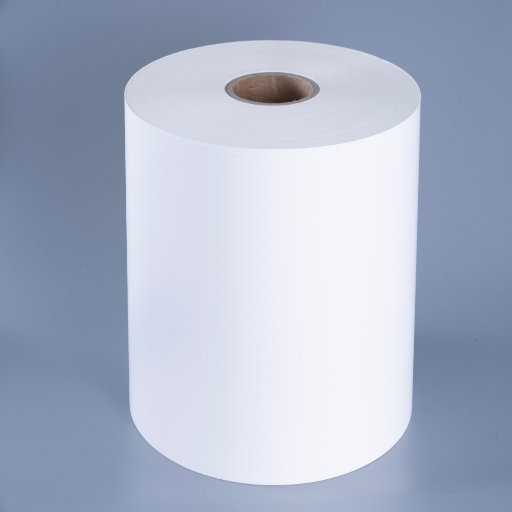
Liner de liberación de película PET
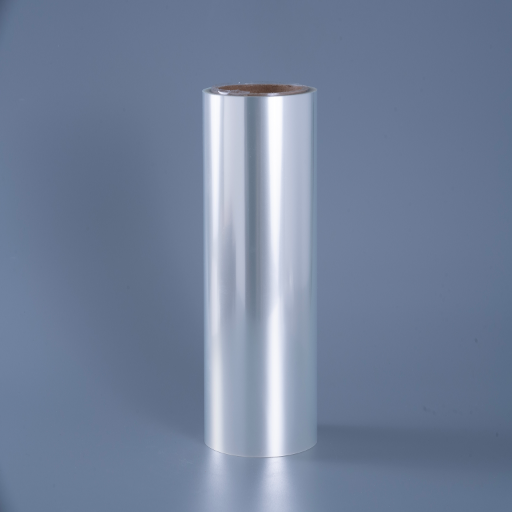
Alta temperaturaSCK glassine cubre 90%+ de trabajos de etiquetas de productos adhesivos autoadhesivos, pero las aplicaciones que ejecutan un servicio continuo por encima de 110°C, limpieza de grado electrónico o vendaje médico transdérmico y cuidado de heridas necesitan un revestimiento de película de PET en su lugar. La línea hermana de revestimiento de PET de Guanma incluye grados de 23 µm y 30 µm con revestimiento de silicona de una o dos caras; Las mismas facestocks y adhesivos se configuran contra PET que contra glassine.
Revestimiento de liberación CCK
Cintas de doble caraLa kraft recubierta de arcilla (CCK) es la opción correcta para construcciones de cinta de doble cara donde el revestimiento debe resistir la pérdida de humedad y planitud en ambos lados, y para aplicaciones de unión industrial especializadas donde la química de la superficie de CCK se combina mejor con sistemas adhesivos específicos que la glassine. La disponibilidad de CCK abarca entre 80 y 135 g/m² con estándar de siliconización de un solo lado.
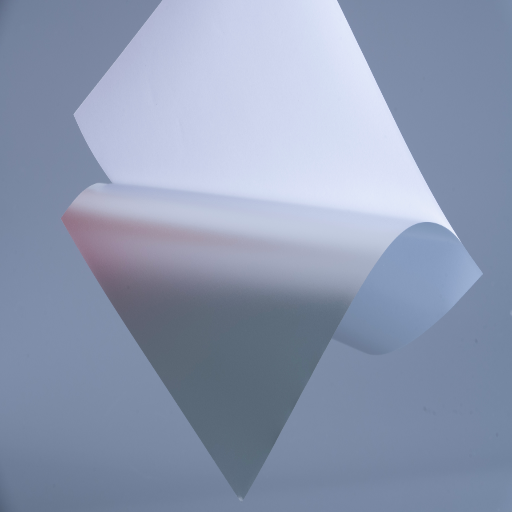
Forro de liberación sin silicona
Sensible a la siliconaAlgunas formulaciones adhesivas sensibles a la presión interactúan desfavorablemente con los recubrimientos antiadherentes de silicona tradicionales. Nuestro producto hermano sin revestimiento antiadherente de silicona aborda esto con una química alternativa « utilizada en el ensamblaje de componentes electrónicos de primer nivel y adhesivos médicos sensibles a la silicona.
La mayoría de los convertidores de etiquetas terminan ejecutando una cartera en las tres clases de revestimientos: vidrio para etiquetas primarias de gran volumen, PET para trabajos térmicos y electrónicos, CCK para conversiones de cinta. El modelo de proveedor único de Guanma en las tres clases de revestimientos simplifica la documentación de calificación y el flujo de trabajo de certificados de análisis que mantienen los equipos de adquisiciones.
Herramientas de ingeniería del revestimiento de liberación Glassine
Preguntas frecuentes « Qué preguntan los convertidores de etiquetas antes de cambiar de proveedor de revestimiento
La línea de vidrio SCK es a base de papel, supercalandrada para una alta densidad y suavidad de la superficie, y recubierta de silicona para una liberación controlada; cuesta aproximadamente 35-40% menos por metro lineal que la película de PET con un peso base equivalente y es reciclable en flujos de papel mixto según EN 13430. El revestimiento de película de PET ofrece una mayor tolerancia a la temperatura (hasta 150°C continua versus 110°C para la línea de vidrio) y una mejor estabilidad dimensional bajo cambios de humedad «la opción correcta para electrónica, cuidado médico de heridas y trabajos industriales de alta temperatura. Guanma suministra ambas clases; la matriz de aplicación anterior asigna qué clase se adapta a cada caso de uso de etiqueta.
Para etiquetas primarias de gran volumen (farmacéuticas, alimentarias, cosméticas) que se ejecutan sobre papel estucado o materias primas sintéticas de PP, GM-G60 (60 g/m²) con un peso de capa de silicona de 0,85 g/m² es el punto de partida correcto. Para etiquetas de neumáticos, etiquetas de congelador y aplicaciones de dispensación de alta velocidad que utilizan material facial de PET, GM-G80 (80 g/m²) con un peso de capa de silicona de 0,95 g/m² es el estándar. Las etiquetas de tambor industriales pesadas y las aplicaciones duraderas para exteriores utilizan GM-G100 (100 g/m²) a 1,0 g/m². La matriz de ajuste de aplicaciones en esta página asigna cada industria a un grado recomendado más peso de silicona más par de facestock.
La cantidad mínima de pedido de calidad original es un rollo maestro (~3000-4500 metros lineales según el peso base) con un plazo de producción de 25 días hábiles. Las formulaciones personalizadas de peso o color base llevan una cantidad mínima de pedido de 5000 metros lineales con un plazo de producción de 30 días hábiles. Las muestras A4 gratuitas se envían dentro de los diez días hábiles para cualquiera de los cuatro grados SCK estándar. El transporte marítimo desde Tailandia o Vietnam añade entre 7 y 10 días para el sudeste asiático y entre 25 y 45 días para América del Sur y Europa.
Los documentos de la cadena de custodia del FSC están disponibles previa solicitud para todos los grados SCK estándar; La especificación de FSC agrega aproximadamente 5-8% al precio por metro. Nuestros grados GM-G60 y GM-G72 están disponibles en el grado FDA 21 CFR 175.105 para contacto indirecto con alimentos, y se proporcionan documentos equivalentes EU 10/2011 a pedido. El cumplimiento del contacto con alimentos se diseña en la etapa de selección de resina de silicona y se verifica en un certificado de análisis a nivel de lote.
Ambos. El recubrimiento de un lado es estándar para aplicaciones de etiquetas autoadhesivas donde solo la superficie orientada hacia el adhesivo necesita control de liberación. El recubrimiento de silicona de dos lados está disponible para construcciones de cinta de doble cara, aplicaciones de cinta de transferencia y conversiones industriales especiales donde ambas superficies del revestimiento necesitan un comportamiento de liberación controlado. El revestimiento de dos lados utiliza pesos de revestimiento asimétricos: el lado fácil a 0,85 g/m² y el lado apretado a 1,0-1,2 g/m² para permitir la liberación secuencial en la línea del convertidor.
Tres proveedores de marca sirven a la misma clase de producto, pero normalmente sin la optimización del suministro regional, la transparencia de MOQ y la política de muestra de 10 días que solicitan los convertidores de etiquetas de volumen medio en el sudeste asiático, América del Sur y Europa. El rango de especificaciones publicado de Guanma (SCK de 35-120 g/m² con silicona de 0,85-1,0 g/m²) se ubica dentro de la misma banda que el SCK de 35-120 g/m² de Mondi y el SilcaTM Glassine 50-163 g/m² de Ahlstrom. La ventaja del lado de los costos proviene de la base de producción de Guanma en Tailandia y Vietnam; La ventaja de calificación proviene de la publicación de especificaciones, MOQ y tiempo de entrega en la página del producto en lugar de detrás de un formulario de ventas.
El papel antiadherente Glassine es el sustrato industrial recubierto de silicona diseñado para liberar limpiamente una etiqueta autoadhesiva con fuerza controlada, como documenta esta página. El papel de soporte Glassine, en contextos no industriales, se refiere al papel translúcido sin ácido utilizado para la protección del arte, el almacenamiento de joyas y el embalaje artesanal, un producto fundamentalmente diferente sin revestimiento de silicona, a pesar de compartir la clase de sustrato de vidrio. Si llegó aquí buscando el segundo uso, el mercado de vidrio para el consumo y el arte es atendido por distribuidores de papel en lugar de fabricantes de materiales para etiquetas autoadhesivos.
Sí, muestra gratuita de tamaño A4 dentro de los diez días hábiles posteriores a la consulta para cualquiera de los cuatro grados estándar de cristal SCK, sin cotización previa. Cada muestra incluye un certificado de análisis que registra el peso base, el peso de la capa de silicona, la fuerza de liberación en las pruebas FINAT FTM-3 y los resultados de la inspección visual, el mismo papeleo que se envía con los rollos de producción. Las muestras de formulación personalizada se envían dentro de los 30 días, y las tarifas de muestra se acreditan contra el primer pedido de producción.
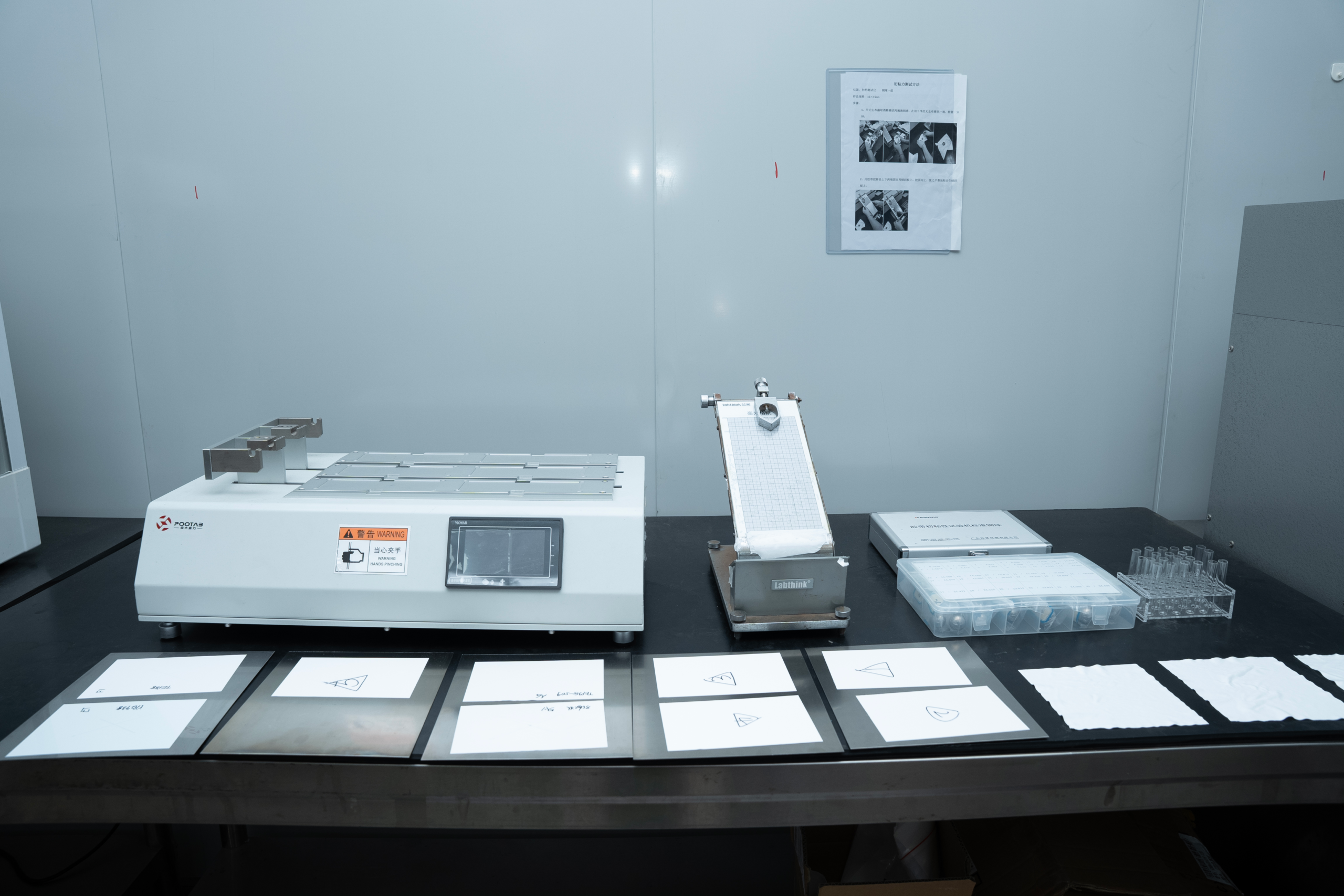
Cuatro grados estándar apuntan a las siguientes bandas de fuerza de liberación en FINAT FTM-3 (despegue de 180 grados, velocidad lenta): GM-G60 a 8-12 cN/pulgada, GM-G72 a 10-15 cN/pulgada, GM-G80 a 12-20 cN/pulgada y GM-G100 a 15-25 cN/pulgada. Cada lote se envía con un certificado de análisis que documenta la fuerza de liberación probada a la velocidad estándar FINAT FTM-3 y los valores de liberación de alta velocidad (300 m/min) FINAT FTM-4 están disponibles previa solicitud para convertidores que funcionan a más de 200 m/min. velocidad de línea.